Backpacking Tents
3F UL Gear Lanshan 2 vs Lanshan 2 Pro: Which Budget Backpacking Tent Fits Your Trip
A practical comparison of two trekking-pole shelters: one double-wall, one single-wall, separated by 3.55 ounces and roughly 70 dollars.
Introduction
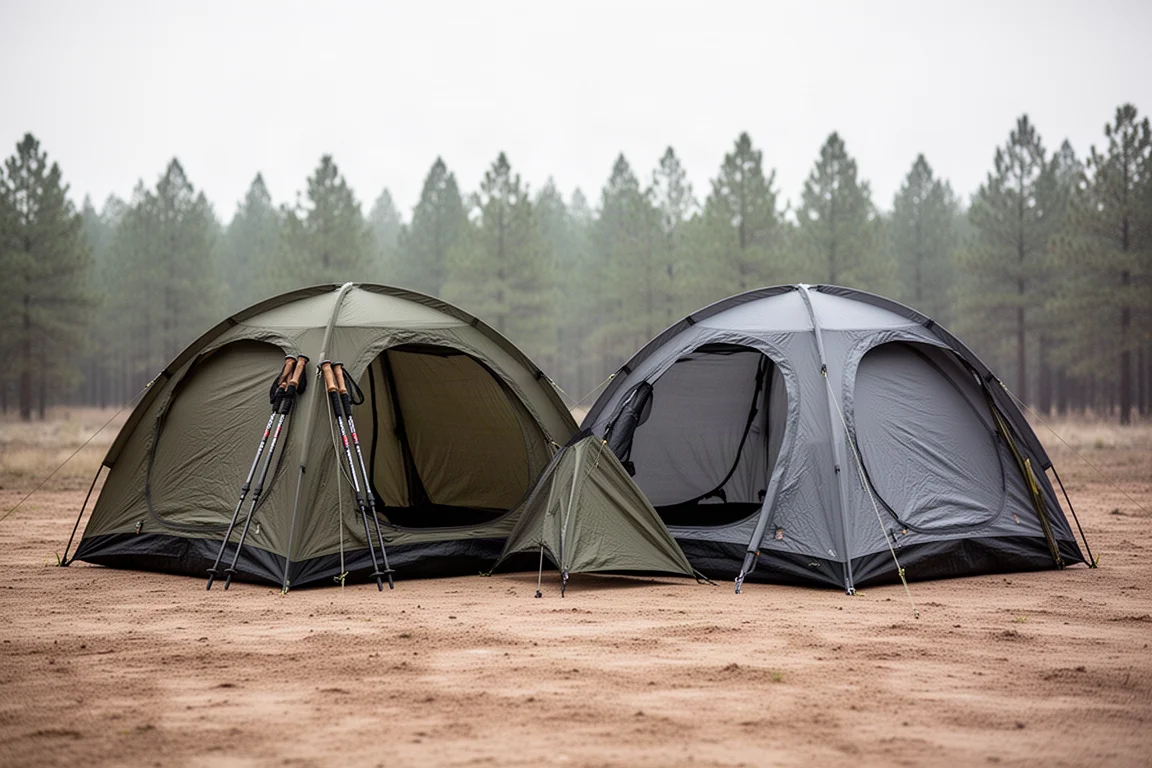
These two shelters come from the same brand and share a footprint, a shape, and a trekking-pole pitch, yet they are built around different priorities. The Lanshan 2 leans toward condensation control and out-of-the-box readiness. The Lanshan 2 Pro leans toward shaving weight for long-distance hikers.
Both are pitched with trekking poles rather than a dedicated pole set, and both are aimed at backpackers who want a capable shelter without spending a fortune. That makes the decision less about which tent is better and more about which trade-off fits the trips you actually take.
How These Two Tents Differ at a Glance
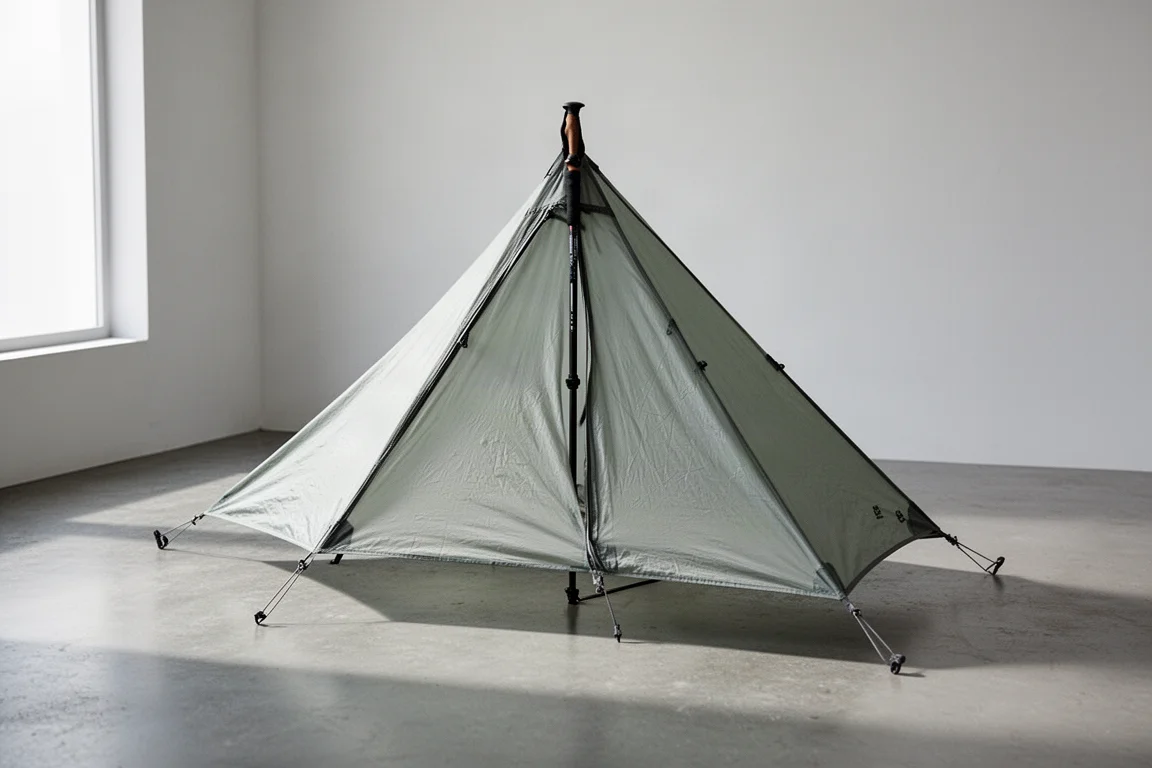
The clearest difference is wall construction. The Lanshan 2 is a double-wall tent: an inner mesh body sits beneath a separate rainfly. The Lanshan 2 Pro is a single-wall tent, where a 20 denier sil nylon shell is the shelter itself.
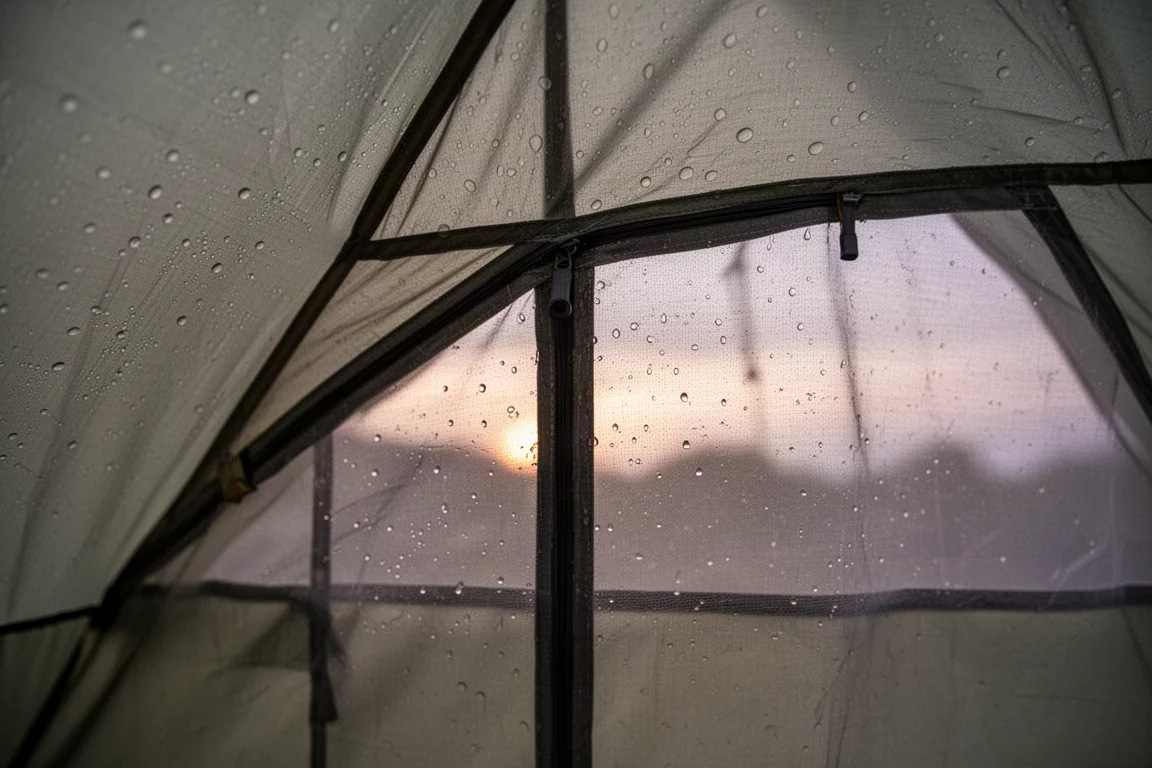
That single design choice drives most of what follows. A double-wall layout collects condensation on the outer layer, so a quilt or sleeping bag that brushes the inner wall does not pick up that moisture. A single-wall layout saves weight and simplifies the structure, but it places the camper much closer to the wet surface.
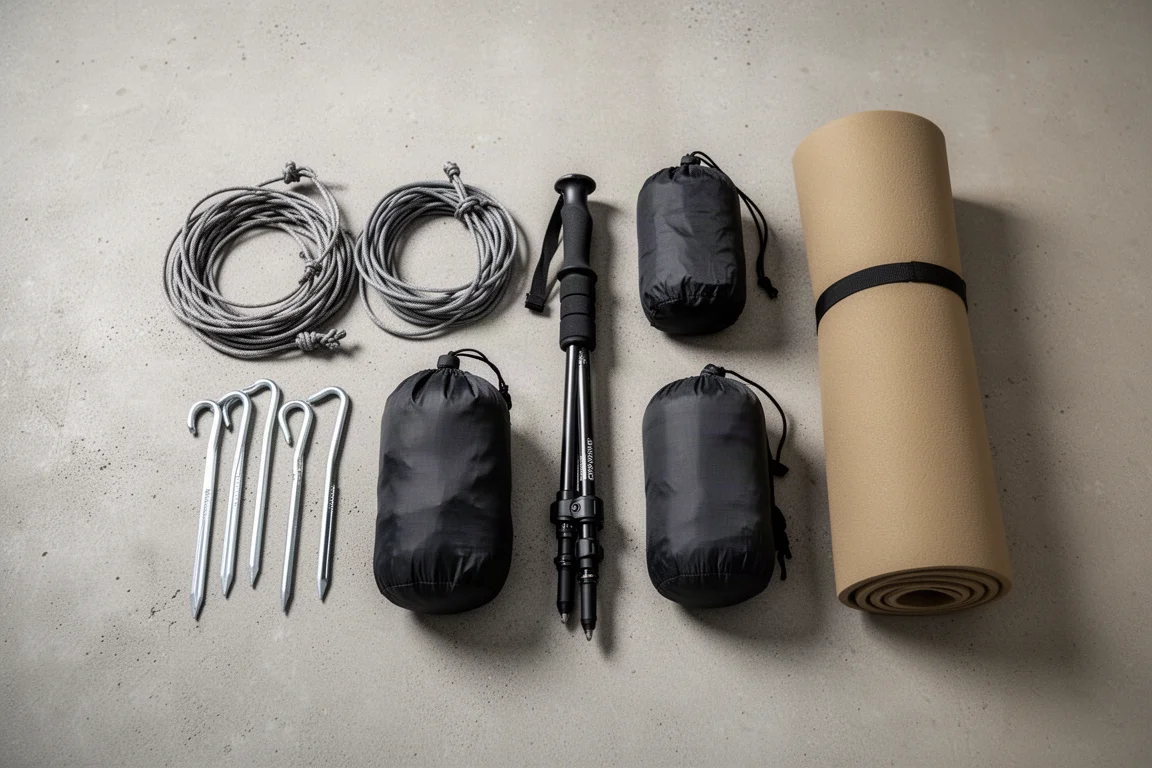
Both tents require a pair of trekking poles, so a pole set is part of the budget whichever option you choose. Both also have a vestibule and a door on each side, which is a practical requirement for anyone who genuinely intends to sleep two people in a two-person tent.
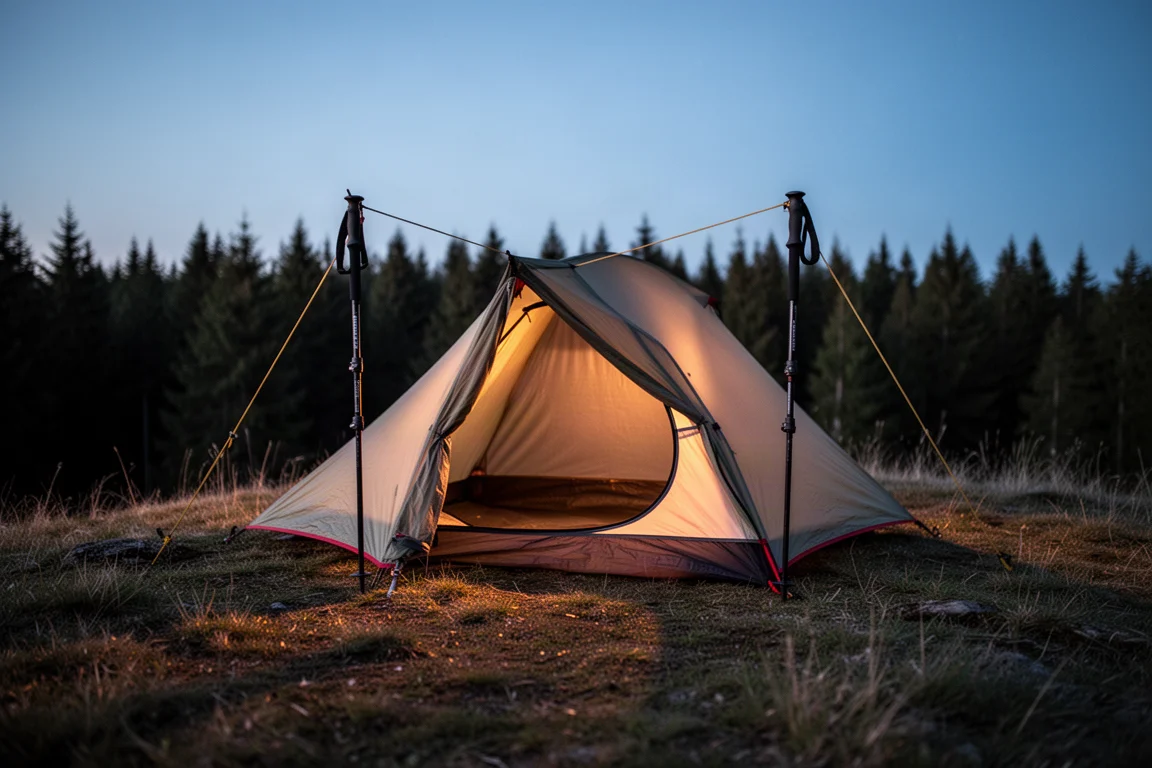
A solo hiker gets a different kind of value from that layout. Two side doors and two vestibules give a single occupant room to spread out gear on one side while keeping the other side as a clean entry and exit.
3F UL Gear Lanshan 2: Double-Wall Protection
The rainfly is made from silicone-treated ripstop nylon with a polyurethane waterproof coating. The three-season inner is a 20 denier nylon mesh. A four-season version exists with a solid 15 denier nylon inner, which is both heavier and more expensive, and it makes sense mainly for winter backpacking rather than spring, summer, and fall trips.
The Lanshan 2 arrives seam taped, so there is no waterproofing work to do before the first trip. It also has two interior pockets, one at the head end and one at the foot end. Because the inner and outer layers separate, the mesh body can be pitched on its own for ventilation and bug protection on a hot night, and the rainfly can be removed after the tent is already standing.
Two things are worth knowing before buying. The inner mesh sags enough that it can brush against your head when you sit up, and lengthening the trekking poles raises the shelter enough to pull that mesh away. Pitching is also fussier than on the Pro, because the bathtub floor is staked out and then separate loops hook onto the same stakes to tension the outer wall, giving two loops per stake at each of the four corners. That is manageable, but it asks for more fine-tuning at camp.
3F UL Gear Lanshan 2 Pro: Lighter Single-Wall Shelter
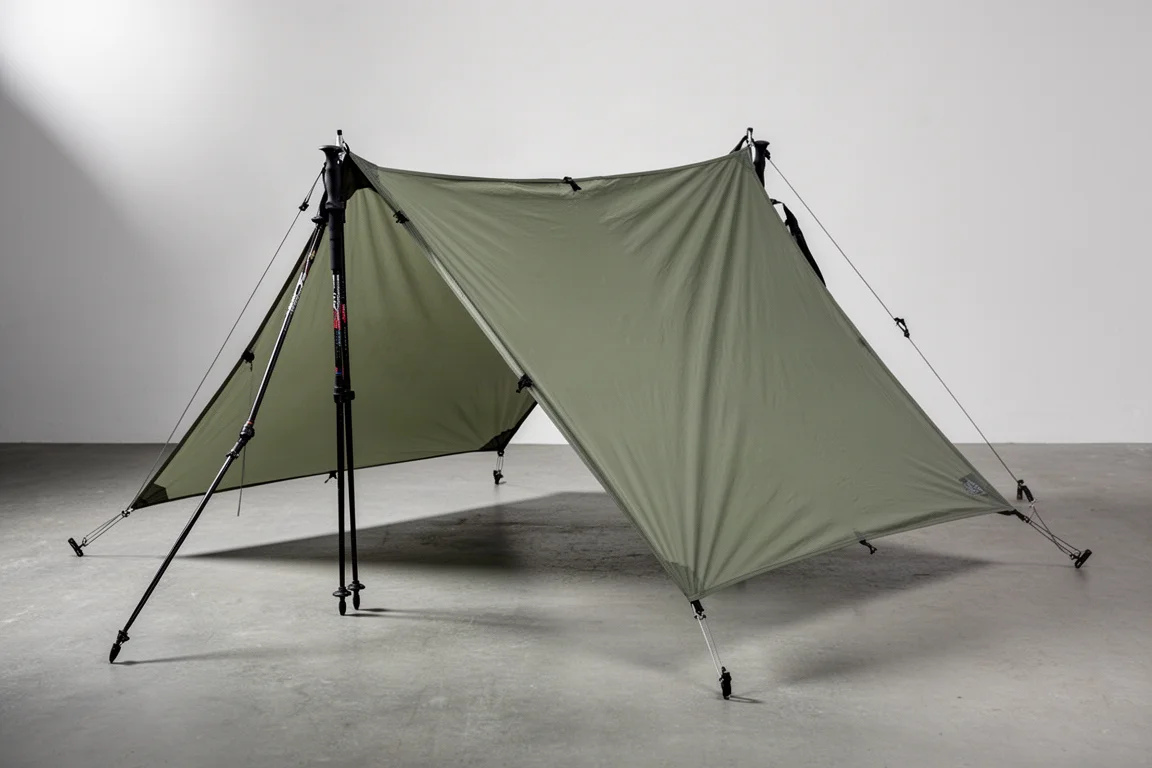
The Pro is built from 20 denier sil nylon and pitched by staking the tent wall directly, with no second set of loops to manage. That makes camp setup noticeably more straightforward at the end of a long day.
The trade-offs run in the other direction. There is one interior pocket instead of two. Pitching the mesh inner alone is possible, but only if the tent is set up that way from the start, so an unexpected rain shower in the middle of the night cannot be answered by simply clipping on a rainfly.
Seam sealing is the bigger consideration. The Pro is not seam taped from the factory, so it must either be sealed by hand or ordered with the brand’s seam sealing service. That service is not presented as a drop-down choice on the product page; it is listed separately in the brand’s store, so the two items have to be purchased together. Sealing by hand is workable, but a seam running along the bottom of the tent where the mesh meets the bathtub floor is easy to overlook. When that mesh sags and sits off-parallel to the ground, water can run down the seam and into the tent. Propping the mesh back toward a right angle to the ground helped limit the problem, and a small bungee or cinch pulling the bathtub floor up toward the wall is a sensible addition. Testing the seal before leaving home is the best practice here.
Weight is where the Pro earns its place. It comes in at 33.4 ounces against 36.95 ounces for the standard Lanshan 2, a difference of 3.55 ounces.
Weight and Price: What the Numbers Look Like
The standard Lanshan 2 has been listed at $119.99 on Amazon with free shipping. The Pro was originally bought at $157 plus $23 for the cheapest shipping, for a total of $180, and it is now listed at $190 with free shipping both on the brand’s website and on Amazon, so the price has risen by about $10 over that period.
At current listings, that puts roughly $70 between the two tents. If the Pro is ordered with the seam sealing service, the gap widens to around $105 once the service cost is included.
One detail on dimensions is worth flagging. Both tents claim the same measurements, but the listed width figure of 370 centimetres does not match what a tape measure suggests. The bathtub floor measurements line up with the published numbers, while the full span from vestibule tip to vestibule tip looks closer to 270 centimetres, which points to a typo carried over from the original diagram. Treat the width figure with some caution.
Setup and Liveability Notes Shared by Both
The door arrangement is the same on both tents and it is the most common complaint. A solo hiker can orient either end as the head end, so the doors work fine. Two people sleeping with their heads in the same direction is a different story, because one person ends up with the awkward door and has to reach a long way to unzip it or to work with gear in the vestibule. Sleeping head to toe solves that in theory, but it only works well on genuinely flat ground, since any slope leaves one person sleeping downhill all night.
The vestibule doors also use a small ram’s head hook that takes a twist to engage and is more tedious than it needs to be. A simpler hook design of the kind found on other lightweight tents would be a clear improvement on either model.
None of these points are deal-breakers. They are the kind of small frictions that show up after several nights of use rather than on the first pitch, and both tents remain easy to live with for a single occupant.
Buying Advice: Which Tent Suits Your Trip
If budget is the deciding factor, the Lanshan 2 is the straightforward choice. At $119.99 with free shipping, seam taped from the factory, and with an extra interior pocket, it delivers a complete shelter with nothing left to finish before the first trip. The 3.55-ounce penalty and the slightly fussier pitch are the price of that convenience.
If weight matters over long distances, the Pro makes a reasonable case for itself. Three and a half ounces is a small number on a single overnight and a more meaningful one across a long thru-hike, particularly when camera gear is part of the load. Just factor in the seam sealing service or the time and materials to do it yourself, and test the result before heading out.
One last practical note for either model: Amazon listings do not always carry the brand name. A search for the Lanshan 2 or Lanshan 2 Pro can surface listings under a different manufacturer or seller name, with varying prices. Checking the listing details is usually enough to confirm which tent is actually being sold, and the seam sealing service appears to be available only through the brand’s own website.
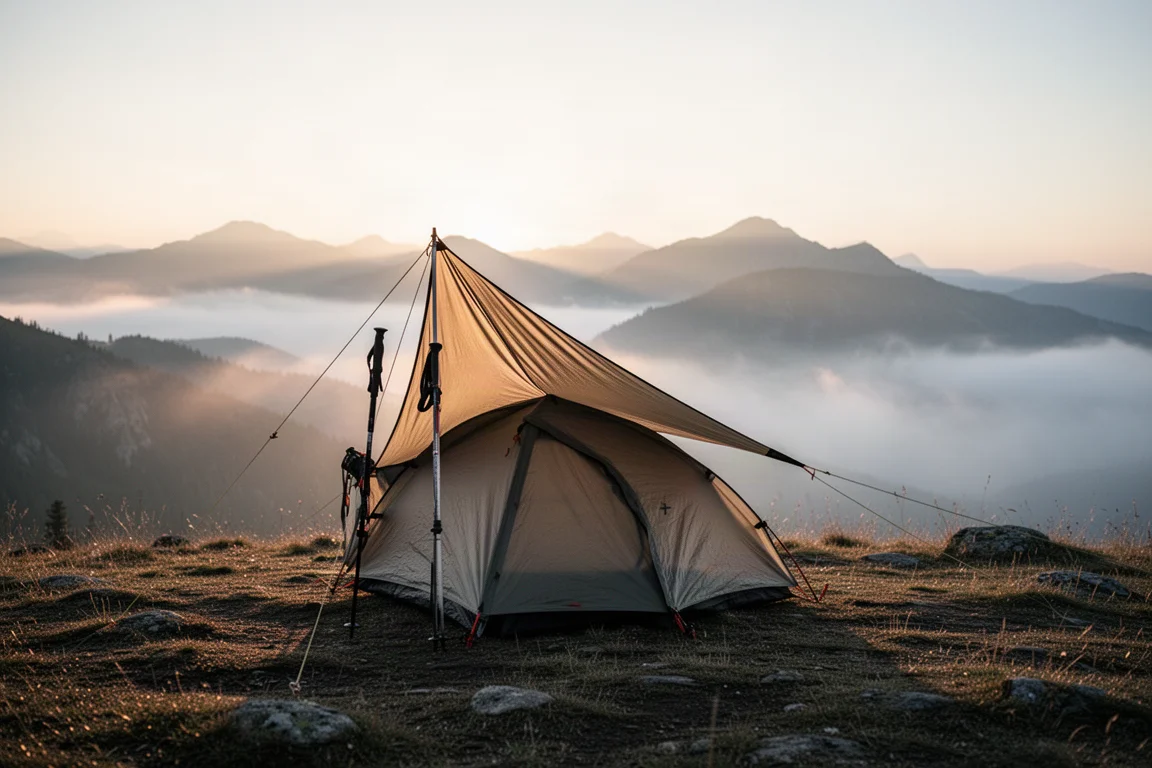
Whichever way you go, both tents sit in the budget-friendly end of the backpacking shelter market, and both work as a first trekking-pole tent or as a fresh option for someone with plenty of nights already behind them.
Conclusion
The choice comes down to what you are optimizing for. The Lanshan 2 gives you a double-wall design, factory seam taping, two pockets, and a lower price, in exchange for a little more weight and a little more fiddling at camp. The Lanshan 2 Pro gives you a lighter single-wall shelter with a faster pitch, in exchange for a higher price, one pocket, and seam sealing you have to arrange yourself. Match that trade-off to the trips you take most often and either tent will serve you well.
Further reading
Related Reviews
Backpacking Tents
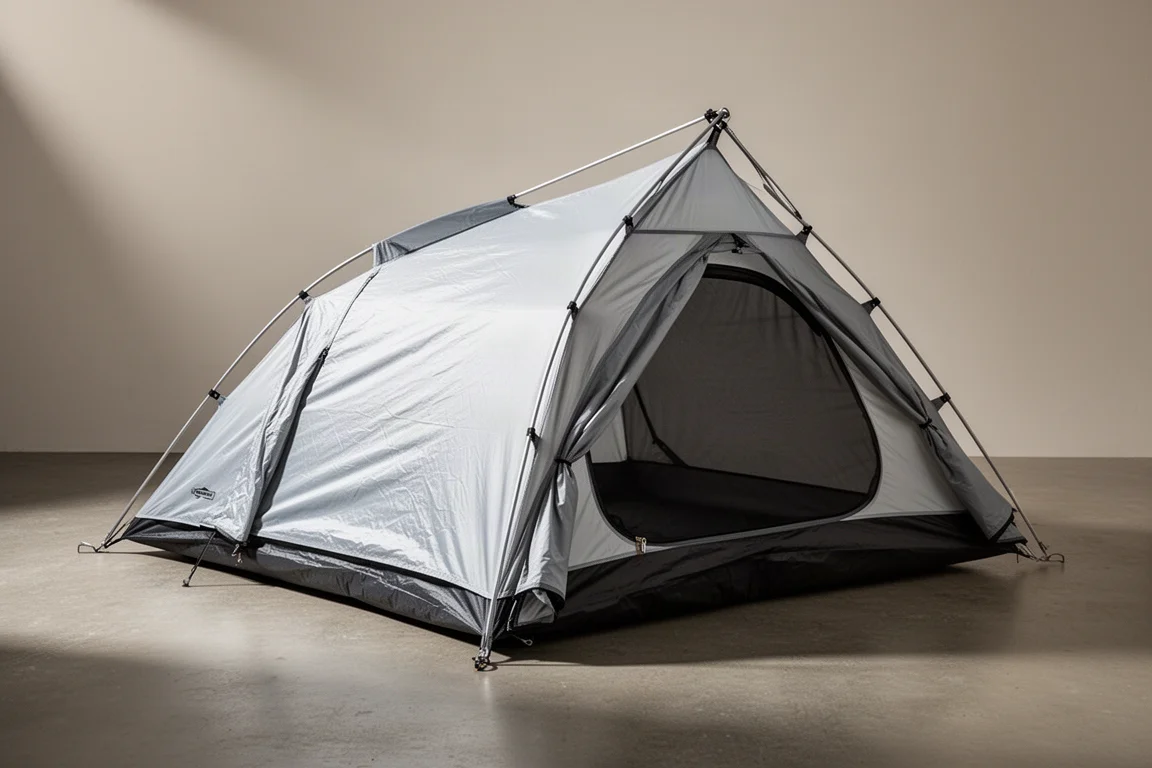
3F UL Lanchan Pro 1 Review: A 1 lb 8 oz Single-Wall Trekking Pole Tent
A practical look at the 3F UL Lanchan Pro 1, a single-wall trekking pole shelter with a 1 lb 8 oz weight, 20D silnylon fabrics, and a roomy 90 x 31 x 49 inch interior.
Backpacking Tents
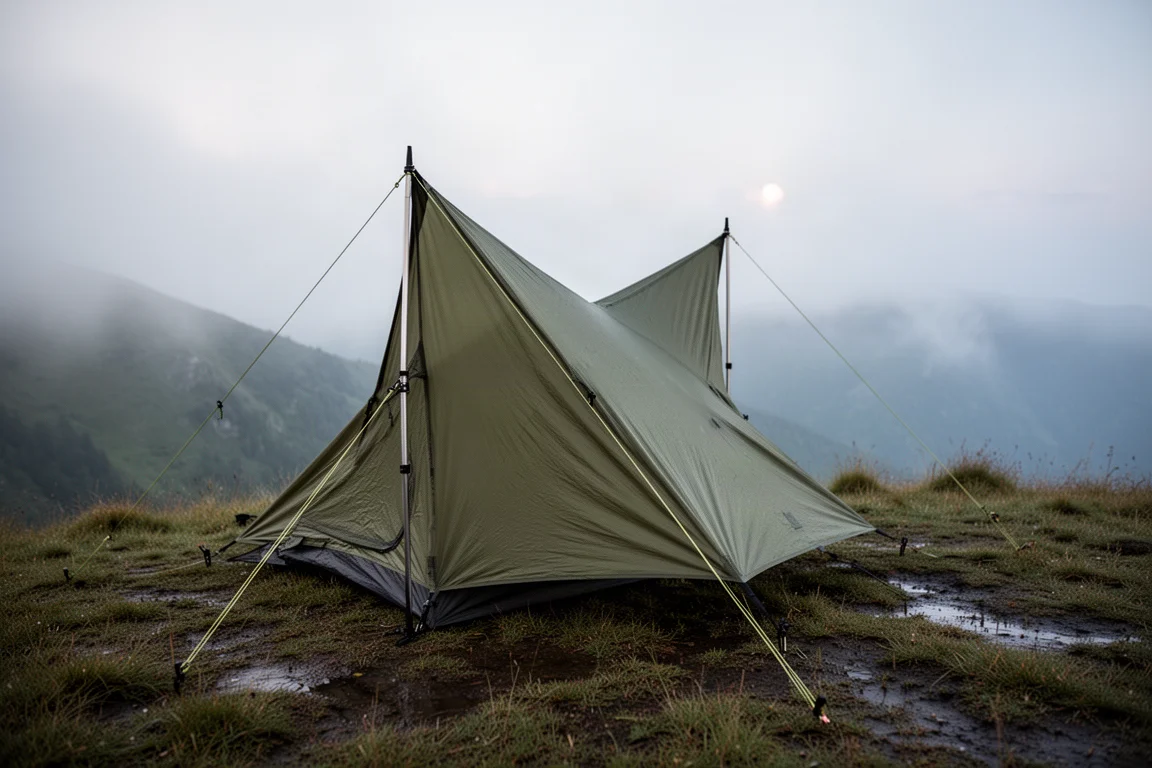
3F UL Taiji 2-Person Tent: A Convertible Backpacking Shelter Worth a Closer Look
A practical look at the 3F UL Taiji two-person tent, covering its materials, true two-person interior, fly-first pitching, and the seasonal inner swap that lets one shelter cover more of the year.
Backpacking Tents
3FUL Lanshan Twoerson Pro Review: A Light Trekking Pole Shelter That Struggled in Rain
A two-person trekking pole shelter with a 2026 redesign, pitched with sticks and put through a night of steady rain. Here is what worked, what did not, and what to check before buying.