Backpacking Tents
3F UL Gear LanShan 2 Four Season vs Pro: Which Ultralight Trekking Pole Tent Is Worth It?
A practical comparison of the double-wall LanShan 2 Four Season and the three-season LanShan 2 Pro, covering weight, packed size, weather protection, and setup.
Introduction
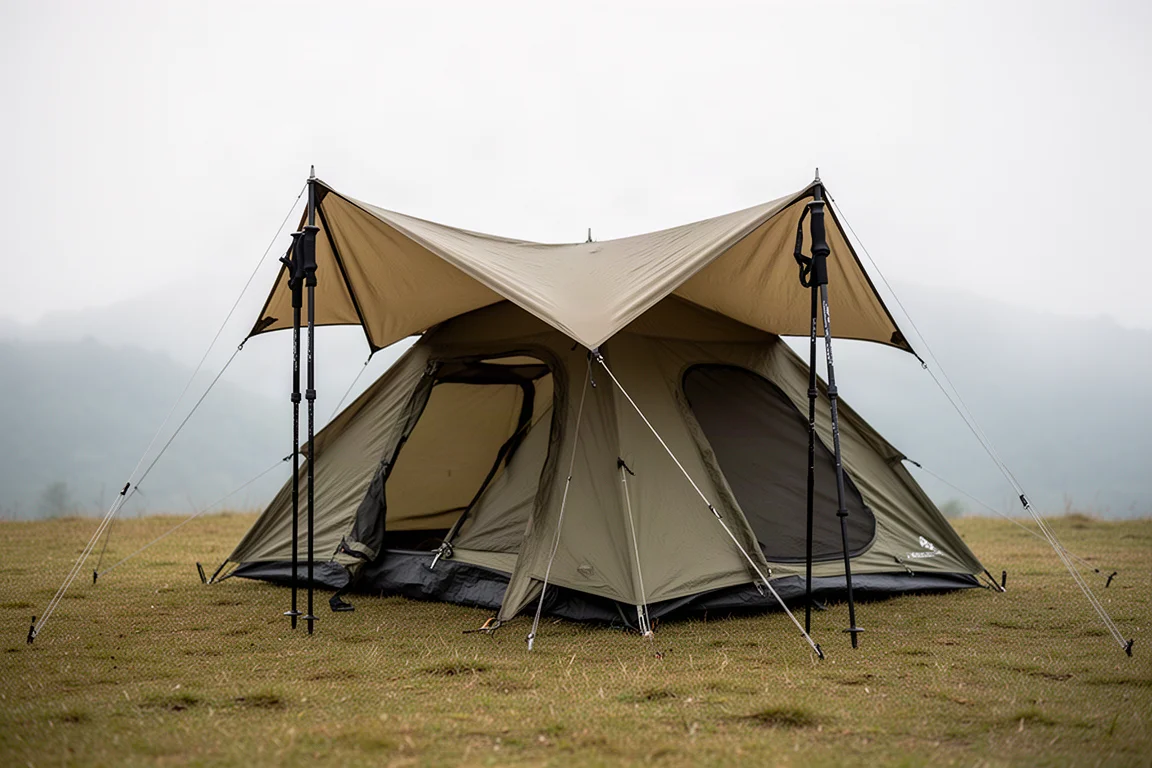
The 3F UL Gear LanShan 2 is a trekking pole tent, which means the poles you walk with become the structure you sleep under. The inner and outer pitch together as one unit, so there is no separate pole set to carry. That combination of simplicity and low weight is why the design has become a familiar sight on long-distance trails.
Two versions matter most. The LanShan 2 Four Season is the double-wall model, weighing 1,150 g and packing down to roughly 35 cm by 15 cm. The LanShan 2 Pro is the three-season version, and it is the one many buyers come across first.
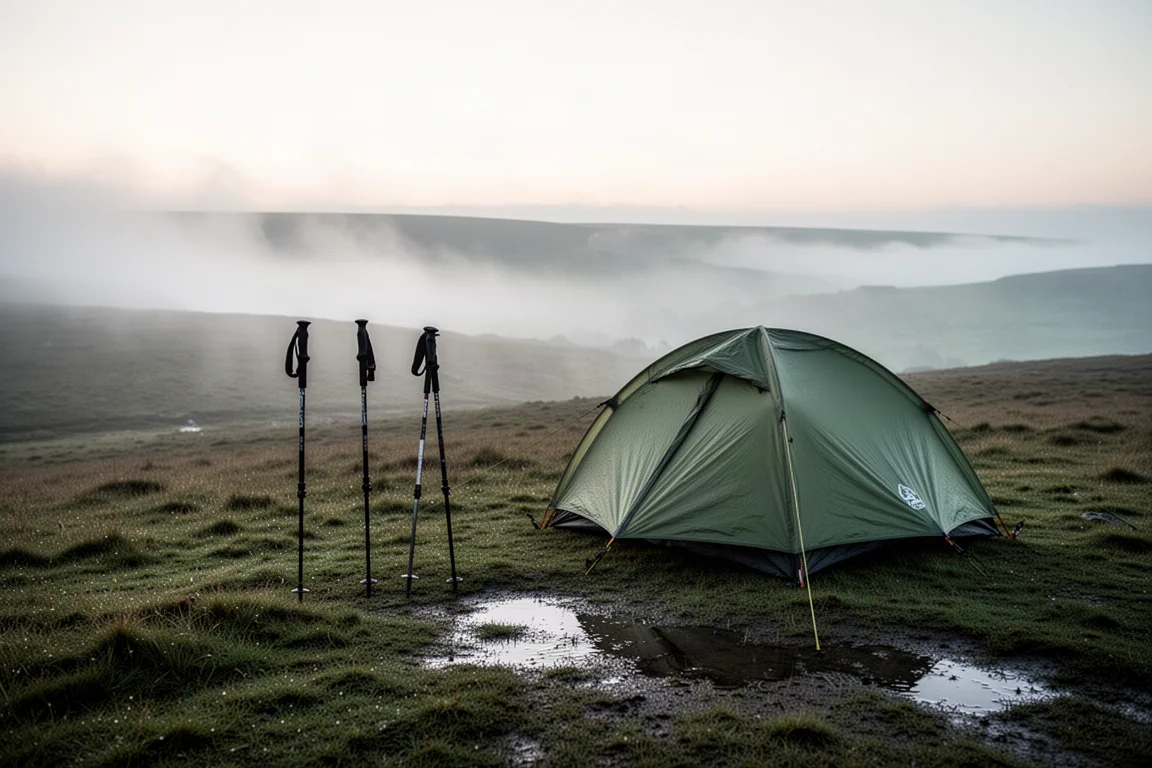
The gap between them is not about floor area or packed size. It comes down to how each shelter handles moisture and weather, and how much preparation each one asks of its owner. This comparison covers what each version does well, where each one falls short, and which is the more sensible purchase for three-season-plus backpacking.
What Matters in an Ultralight Trekking Pole Tent
Weight gets the headlines, but the numbers that decide whether a tent is pleasant to sleep in are the unglamorous ones: fabric denier, hydrostatic head ratings, and how well the shelter breathes.
The LanShan 2 Four Season uses 15D nylon for both the fly and the inner, with a 20D bathtub floor. Those are thin fabrics, and they ask for a little care: clear stones and twigs from the pitch before laying the tent down so nothing presses through the floor. Waterproofing is not the weak point. The fly carries a 5,000 mm hydrostatic head rating and the floor is rated at 6,000 mm, which is generous for a shelter this light.
Ventilation is the other half of the equation. A tent that traps warm, damp air will soak you from the inside regardless of its hydrostatic head, which is why a double-wall design with a mostly solid mesh inner, a strip of see-through mesh high up, and a vent at each end makes such a difference in cold, still conditions.
Setup matters too. Trekking pole shelters live or die by how quickly they go up with cold hands, and by how much control the design gives over the gap between the fly and the ground.
3F UL Gear LanShan 2 Four Season: Design and Weather Protection
The Four Season version is the better-built of the two. It is a proper double-wall tent, so the inner hangs inside the fly rather than doubling as the outer skin. That keeps condensation off your sleeping bag and away from your head and clothing.
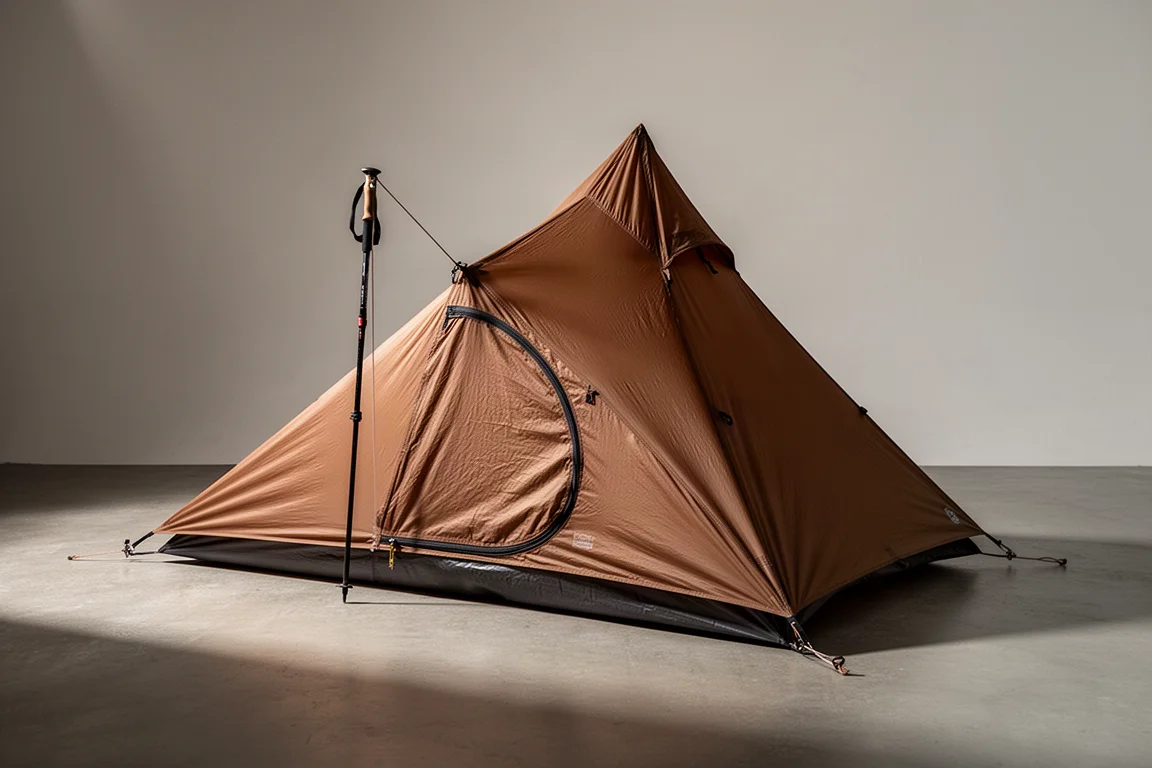
It also arrives seam-sealed, so there is no aftermarket work to do before the first trip. The fly sheet is cut in a muted sand-brown that reads closer to khaki in daylight, and the layout is genuinely liveable: a door and a vestibule on each side, both fully adjustable, with guy points at each end and adjustable toggles on the doors. Interior space runs to 220 cm long and 110 cm wide, and with trekking poles set at around 125 cm there is comfortable headroom for sitting upright, even for taller sleepers. Inside there is a pocket at one end, a double zipper on the inner door, and toggles to hold the doors open.
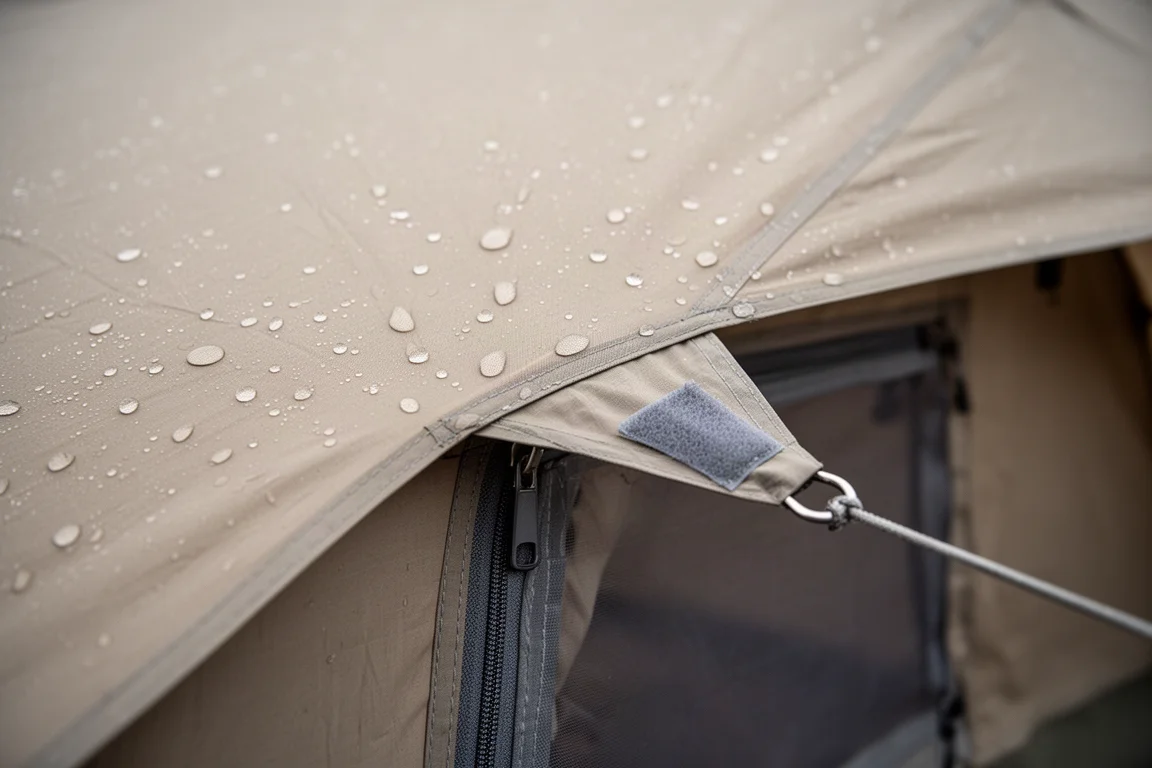
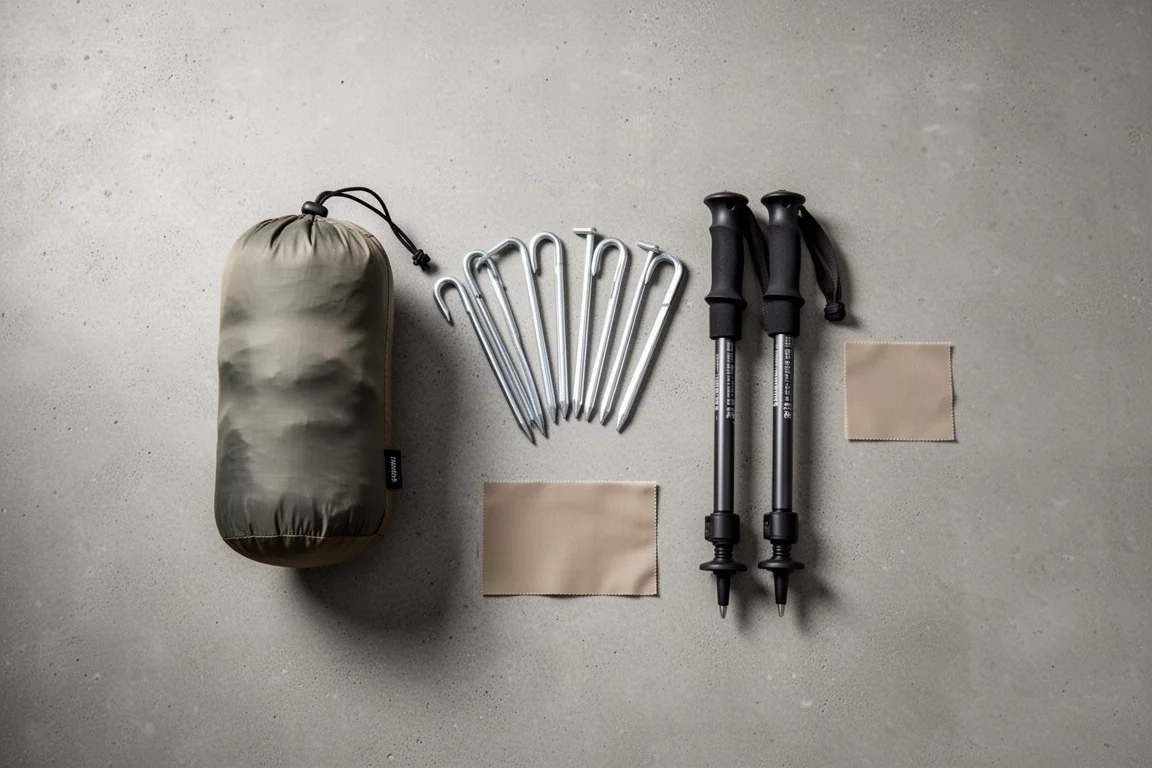
Small design details do useful work here. A vent at each end of the fly, paired with the mesh strip at the top of the inner, gives moist air somewhere to go. Fly tension is adjustable through the guy points, which lets you pull the shelter tight and quiet in a breeze. The package includes eight lightweight pegs and a small square of repair fabric.
Pitching, Wind, and Pegs
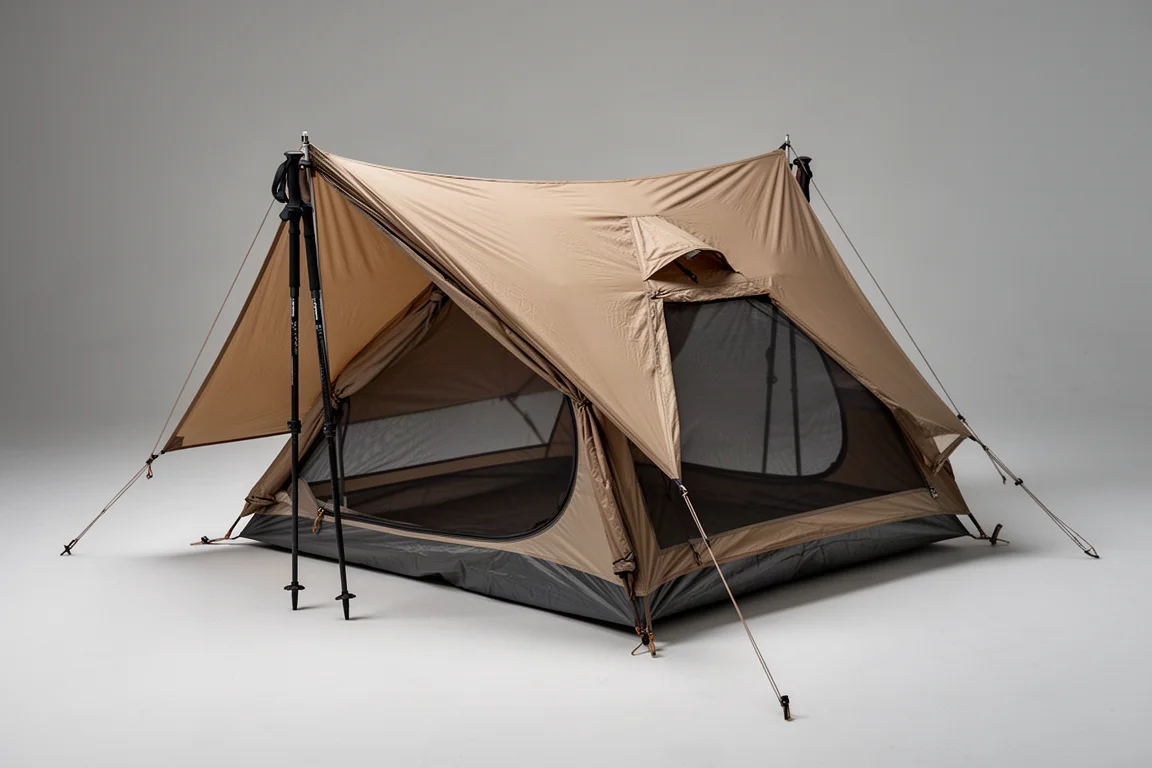
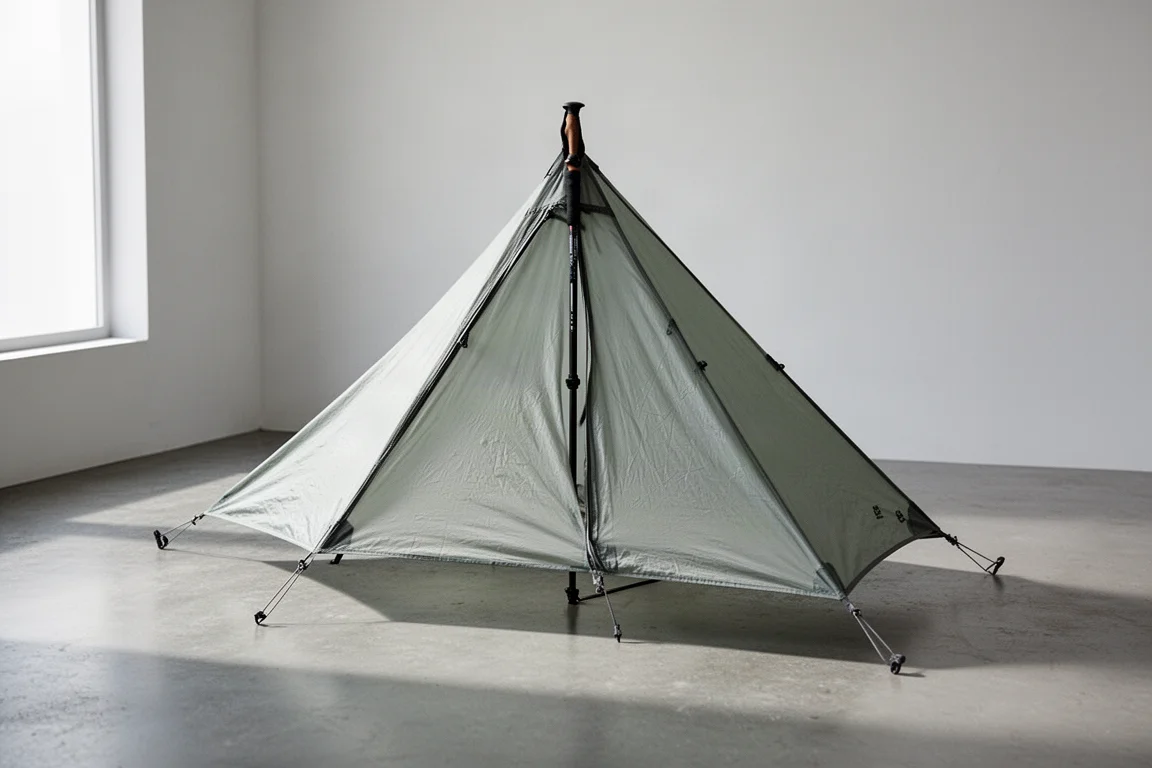
Pitching is refreshingly simple once you know the order. Peg out the four corners first, and the shelter flies up almost on its own. Insert the trekking poles at around 125 cm, hook them into the holders at each end, connect the inner to the pole, then work around the tent tensioning the fly and the guy lines. Raising or lowering the poles changes the height of the shelter and the size of the gap under the fly, which gives a useful degree of control over airflow on a cold night.
The included pegs are decent for their weight, but they flex under load, and they are not the pegs to rely on when the weather turns. For exposed pitches, a set of longer, thicker pegs makes a real difference, particularly at the door ends. Delta-style pegs hold well but need reasonably soft ground to drive in.
Two honest limitations are worth knowing before you commit. First, the fly does not reach all the way to the ground, and the doors sit noticeably higher than the ends, so this is not a shelter built for driving spindrift. Second, and related, the four-season label oversells it slightly. It is an excellent three-plus season tent for changeable, wet, and windy conditions, but it is not a true winter mountaineering shelter.
3F UL Gear LanShan 2 Pro: The Three-Season Alternative
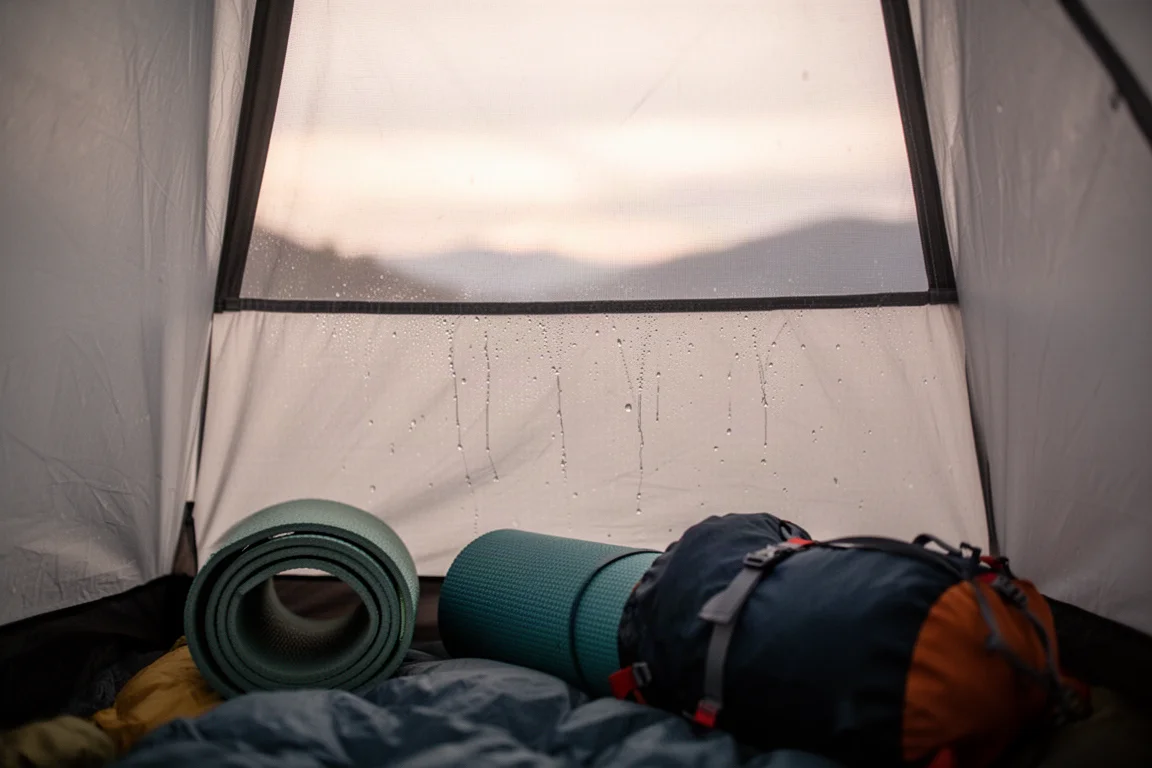
The Pro shares the same two-door, two-vestibule trekking pole layout, and it is the version to look at if your camping is mostly in mild, dry weather. What it does not share is the double-wall construction, and that difference shows up in moisture management. Condensation builds up more readily in the Pro, and contact with the inner fabric, whether from a sleeve, a sleeping bag, or your head, leaves you wet.
It also does not arrive seam-sealed, whereas the Four Season version does. Buyers who want the Pro for damp conditions should factor in sealing the seams themselves before relying on it in sustained rain.
For warm, settled trips the trade-offs are easier to accept, and the Pro remains a light, compact trekking pole shelter with the same generous floor plan. It is when the forecast turns grey and cool that the double-wall version pulls ahead.
Weight, Packed Size, and Everyday Carrying
At 1,150 g, the Four Season version is light enough to disappear into a pack, and its 35 cm by 15 cm packed size is small enough to slide in alongside a sleeping bag rather than dominating the load. Because the shelter relies on trekking poles, there is no pole bundle to strap to the outside of your rucksack, which keeps the load tidier on narrow trails.
The thin fabrics that make that possible also set the ground rules for camp craft. Clear the pitch of sharp stones and sticks, use the bathtub floor as intended, and treat the fly gently when tensioning. Packed this way, a shelter at this weight holds up far better than its denier numbers suggest.
Which LanShan 2 Should You Buy?
For backpacking in the UK and similar changeable climates, the Four Season version is the one to choose. It is heavier than the Pro on paper, but the double-wall build, the factory seam sealing, and the way it handles condensation make it the more comfortable and more dependable shelter across a full season of trips. It is also the version that needs the least preparation before its first outing.
The Pro makes sense in a narrower set of circumstances: warm-weather camping, shorter trips, and buyers who want the lower-cost entry into the LanShan 2 layout and are willing to manage condensation and seam sealing themselves.
Whichever version you pick, budget for a set of stronger pegs if you plan to camp on exposed ground, and be honest about what you are asking the shelter to do. This is a three-plus season tent, not a winter one.
Value is where this design earns its reputation. Lightweight, compact, double-wall trekking pole shelters at this price point are rare, and the Four Season version delivers the essentials without asking the buyer to accept obvious compromises. For most people shopping in this corner of the market, it is the version that will still feel like a bargain after several seasons of use.
Conclusion
The LanShan 2 Four Season is the stronger buy of the two: light, compact, properly double-walled, and seam-sealed from the factory, with waterproofing ratings that comfortably exceed what a tent of this weight usually offers. The Pro is a reasonable choice for mild, dry trips, but it gives up the moisture control that makes the Four Season version pleasant in real weather. For most backpackers weighing up these two shelters, the double-wall model is the one worth carrying.
Further reading
Related Reviews
Backpacking Tents
3F UL Lanchan Pro 1 Review: A 1 lb 8 oz Single-Wall Trekking Pole Tent
A practical look at the 3F UL Lanchan Pro 1, a single-wall trekking pole shelter with a 1 lb 8 oz weight, 20D silnylon fabrics, and a roomy 90 x 31 x 49 inch interior.
Backpacking Tents
3F UL Taiji 2-Person Tent: A Convertible Backpacking Shelter Worth a Closer Look
A practical look at the 3F UL Taiji two-person tent, covering its materials, true two-person interior, fly-first pitching, and the seasonal inner swap that lets one shelter cover more of the year.
Backpacking Tents
3FUL Lanshan Twoerson Pro Review: A Light Trekking Pole Shelter That Struggled in Rain
A two-person trekking pole shelter with a 2026 redesign, pitched with sticks and put through a night of steady rain. Here is what worked, what did not, and what to check before buying.