Running Shoes
361 Furious Future 2 Review: A $219 Carbon Racer That Rivals the Alphafly 3 and Metaspeed Sky Tokyo
The 361 Furious Future 2 delivers a bouncy, aggressive marathon racing experience at a retail price that undercuts Nike and Asics. Here is how it stacks up.
Introduction
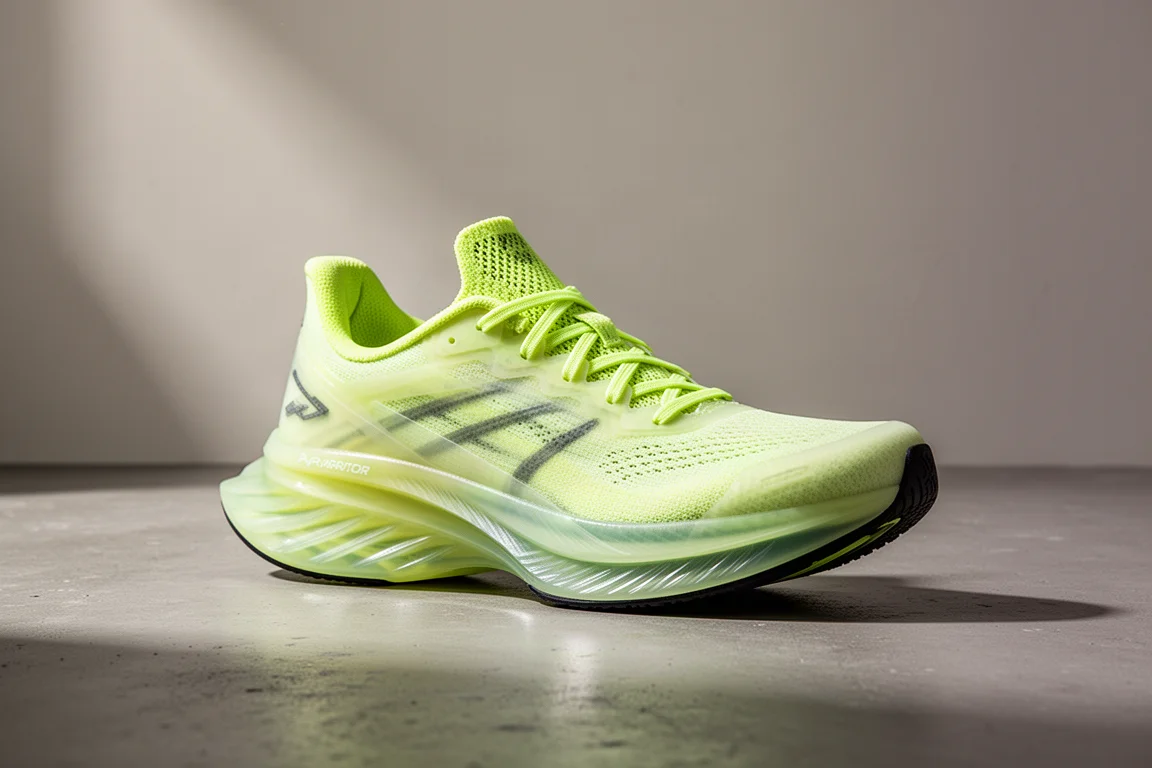
The 361 Furious Future 2 is the latest carbon plated racing shoe from 361, and it arrives with a familiar silhouette that will remind many runners of some favorite super shoes from years past. The question worth asking is simple: is it just an imitation, or is it a serious marathon racer in its own right? After spending time in the shoe, the answer leans firmly toward the latter. With a $219 retail price, it also undercuts most of the premium racing shoes it competes with, which makes it one of the more interesting value propositions in the super shoe market right now.
361 Furious Future 2: Specs and Construction
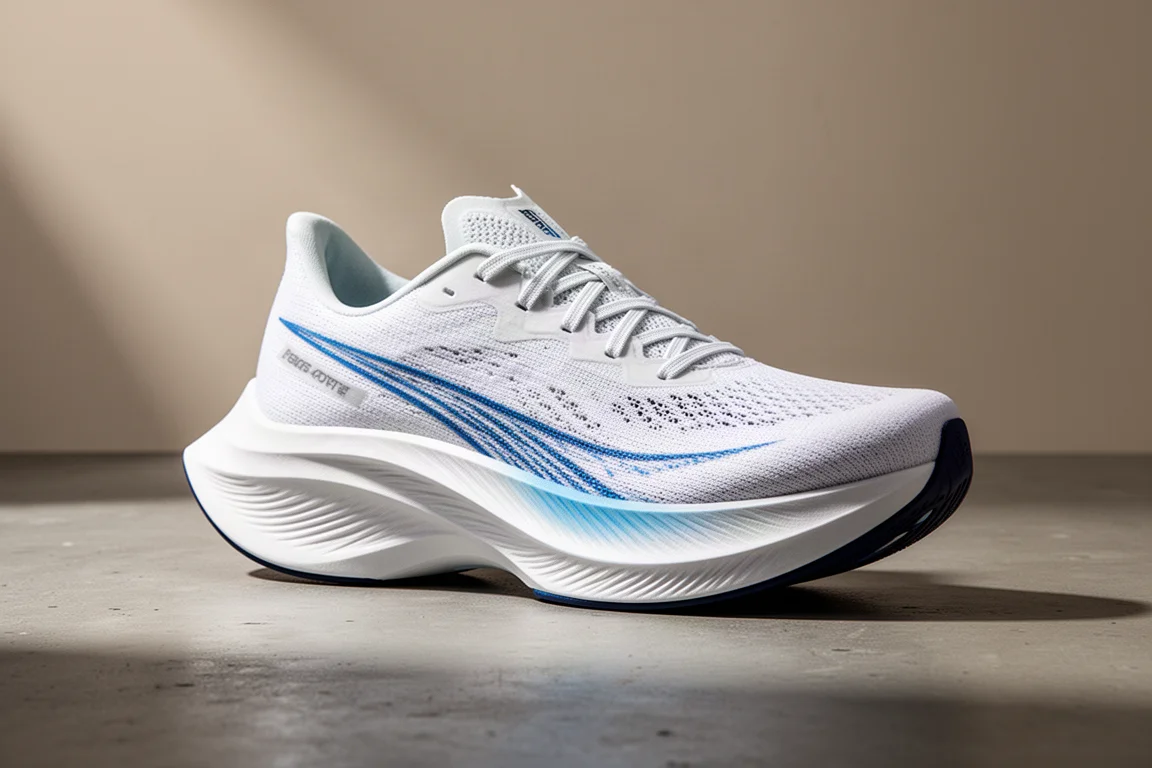
On paper, the Furious Future 2 is a 30 mm stack height shoe with a 6 mm drop, giving 24 mm of stack under the forefoot. The midsole is built from three components. The top and bottom layers are both supercritical PEBA foam from 361’s CQT ExtremE line, but they differ: the top layer is softer, while the bottom layer is a bit stiffer and uses some recycled components for added rigidity and stability. Between the two foam layers sits a carbon fiber plate named Quickbone, which has a dynamic thickness. It is more rigid in certain areas and more flexible in others, and part of it is even visible through side windows near the heel, forming a small winglet toward the inner back of the heel.
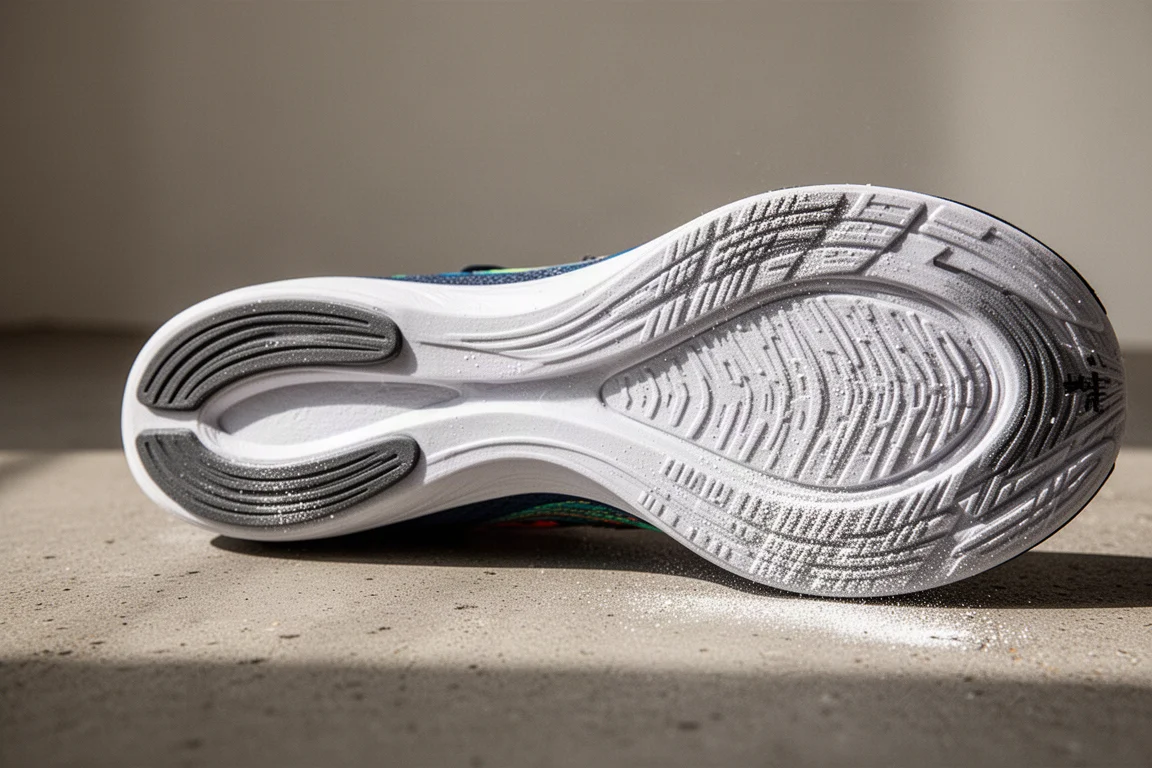
The plate is not flat. Its edges are curved or beveled, which helps stability, and a channel along the bottom of the shoe exposes the plate along the axis of the foot. Protecting the midsole is RPU, a reactive polyurethane sprayed onto the outsole. Because it is sprayed on, it can be very thin while keeping high grip and abrasion resistance, and it allows fine detailing in the outsole etchings that give the shoe bite on pavement.
The upper uses carbon fibers and 30% recycled yarns to create a translucent, breathable, strong material, with knit material on the tongue and a soft pad around the heel cup to accommodate a wider range of heel shapes. Sizing is worth noting: the shoe runs generous, and sizing down half a size from your normal running shoe size is a reasonable move. At a US men’s 8.5, the measured weight came in at 7.6 oz (214 g).
How It Feels on the Road
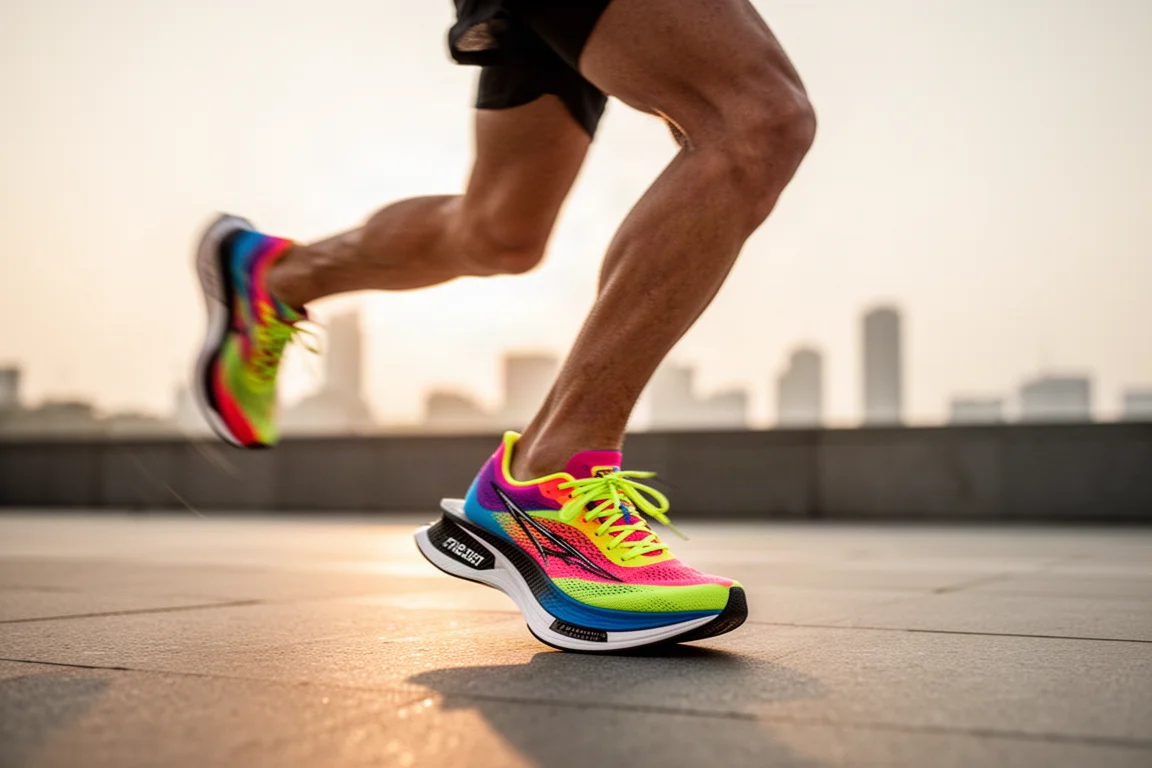
The Furious Future 2 feels like a shoe designed for runners who want cushioning that is not mushy and response that is not harsh. The foam is cushioned but not soft, responsive but not firm. The compression and decompression cycle is the heart of the experience: you compress the midsole a moderate amount and it snaps back quickly, which produces a strong sense of pop and power from stride to stride.
The 30 mm stack number on the spec sheet was initially a concern. On foot, however, it does not feel like a low stack shoe at all. It feels taller in the heel than many 40 mm stack shoes, largely because the race caliber supercritical PEBA does not compress under the slightest load. You need to be running near race speeds to feel the full cushioning underfoot, so the word soft does not really apply here.
Geometry is another strong point. There is a giant landing pad that is very wide across the pads of the foot, giving forefoot strikers plenty of surface to land on. Despite an early and aggressive rocker, a relatively large amount of foam remains in the forefoot, so it does not taper as sharply as some competitors. The plate position swoops relatively low under the pads of the foot, which also works well for midfoot strikers.
Visually, the forefoot evokes the Asics Metaspeed Sky Plus, a shoe associated with some very fast marathon days. Running in the Furious Future 2 carries some of that same aggressive character.
Nike Alphafly 3: The Shoe 361 Was Targeting
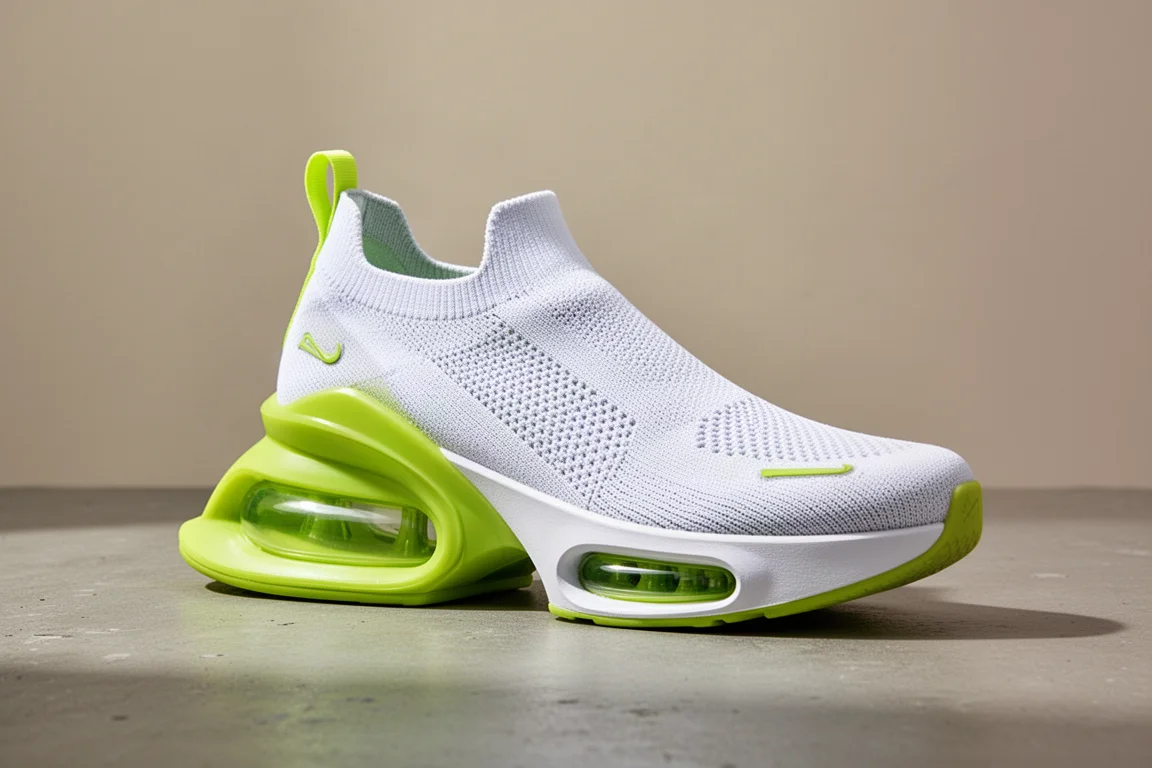
The Nike Alphafly 3 is clearly the benchmark the Furious Future 2 was built against, and the similarities are obvious. Both use knit in the uppers, although the Alphafly 3 is all knit. Both have a cup and saucer design in the midsole around the heel, and both offer very wide landing pads in the forefoot.
Where they differ is the foam and the foot strike bias. The Alphafly 3’s ZoomX foam is softer and compresses more, while the Zoom Air pods still deliver a nice pop that keeps the shoe feeling speedy. However, the Alphafly line has shifted toward midfoot strikers across its generations, with the Air Zoom pods moving further back and a sharp taper that leaves less foam under the toes at push-off. If you want more forefoot foam, the 361 is the better pick; if you are a midfoot striker, the Alphafly 3 is among the best shoes available for that foot strike.
In weight, the two shoes come in almost exactly the same. On price, the Alphafly 3 retails at $295, though some colorways can be found discounted to around $239, which puts it close to the 361’s $219. At that point, both are excellent, and the choice comes down to foot strike.
Asics Metaspeed Sky Tokyo: Lighter, Softer, Pricier
The Asics Metaspeed Sky Tokyo, the latest iteration of the Metaspeed Sky line, shares a lot of DNA with the Furious Future 2. It uses a PEBA bottom layer with an aliphatic TPU top layer, one of the most appealing foam setups in running shoes right now. The carbon plate sits relatively high, and the geometry mirrors the 361: a giant, wide forefoot landing pad with a narrower heel.
The sensations are similar too, from the compression and decompression cycle to the rocker placement and how much foam sits at the front of the foot. The Metaspeed Sky Tokyo offers a bit more cushion while keeping a strong amount of pop and power, and it is significantly lighter. The 361 is roughly 50% heavier. For that reason, the Metaspeed Sky Tokyo edges ahead as the overall pick between the two, but it retails at $270, so you are paying substantially more for the lightness and the extra softness.
Choosing Between the Three: Which Racer Fits You
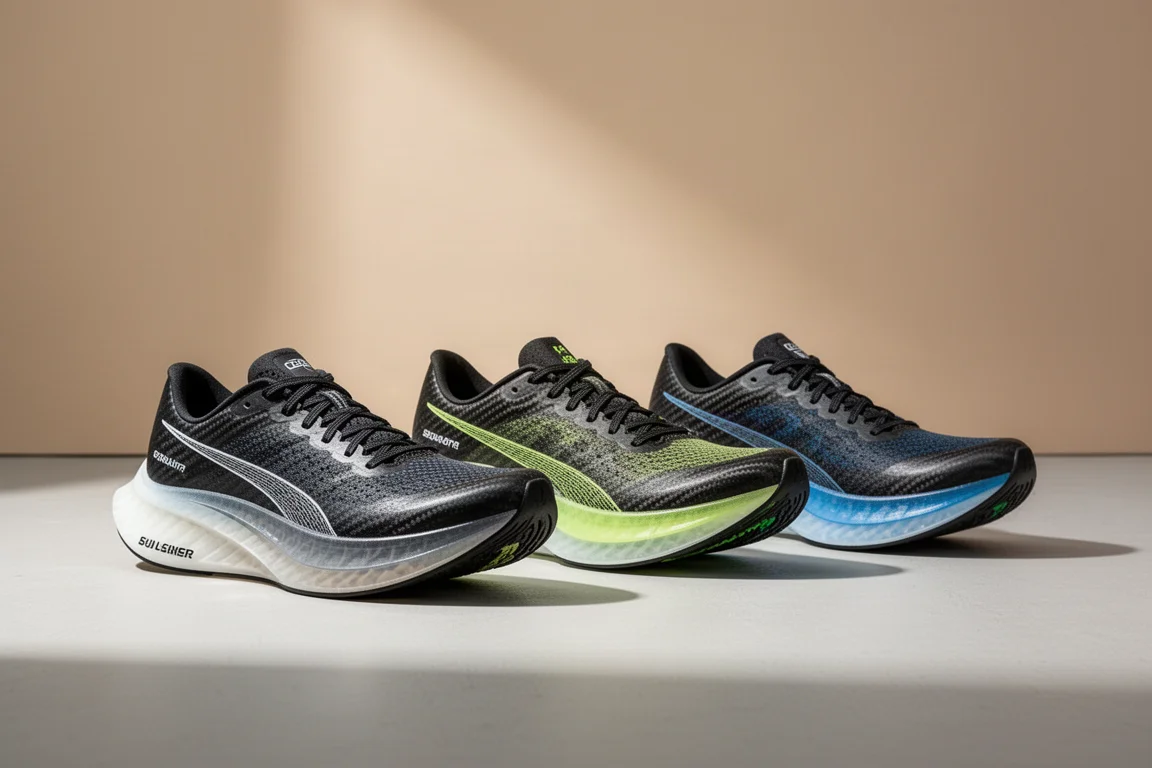
If you are a forefoot striker who wants a wide landing pad and plenty of foam under the toes, the Furious Future 2 is ideally suited to you. If you are a midfoot striker, the Alphafly 3 is arguably the best shoe you can buy for that foot strike, and the Metaspeed Sky Tokyo also works well given its similar geometry and generous forefoot foam.
Overall Buying Advice
The Furious Future 2 is an aggressive carbon plated marathon racer best suited to forefoot strikers. It is a bit on the heavy side, but that weight buys a running experience with a tremendous sense of pop and power, and at $219 it is a relative bargain. The felt stack height far exceeds what the spec sheet suggests, so runners worried that 30 mm means a harsh 5K and 10K-only racer can relax: this shoe feels ready for the full marathon distance.
Conclusion
361 has delivered a genuinely impressive carbon racer with the Furious Future 2, one that holds its own against the Nike Alphafly 3 and Asics Metaspeed Sky Tokyo while costing meaningfully less. Choose it for forefoot striking and value, the Alphafly 3 for midfoot striking, and the Metaspeed Sky Tokyo if lightness and a touch more cushion are worth the premium. For many runners, the $219 price tag will make this the easiest decision in the category.
Further reading
Related Reviews

Running Shoes
Best Road-to-Trail Running Shoes: Three Versatile Options for Mixed Terrain
A practical guide to three road-to-trail running shoes that handle both pavement and mild trails, with clear strengths and trade-offs for different runner types.

Running Shoes
Best Running Shoes for Achilles Tendonitis: Three Options Explained
Three running shoes with different heel drops and support features designed to help reduce Achilles tendon pain during walking and running.

Running Shoes
Best Running Shoes for Women: Five Top Choices Ranked
A ranked guide to five women's running shoes, from versatile daily trainers to high-performance racing options, with real strengths and trade-offs for each.