Running Shoes
361 Elios vs Asics Novablast 5: Which Everyday Trainer Fits Your Running?
A side-by-side look at two of the year's most enjoyable non-plated trainers, compared on fit, cushioning, responsiveness, and stability.
Introduction
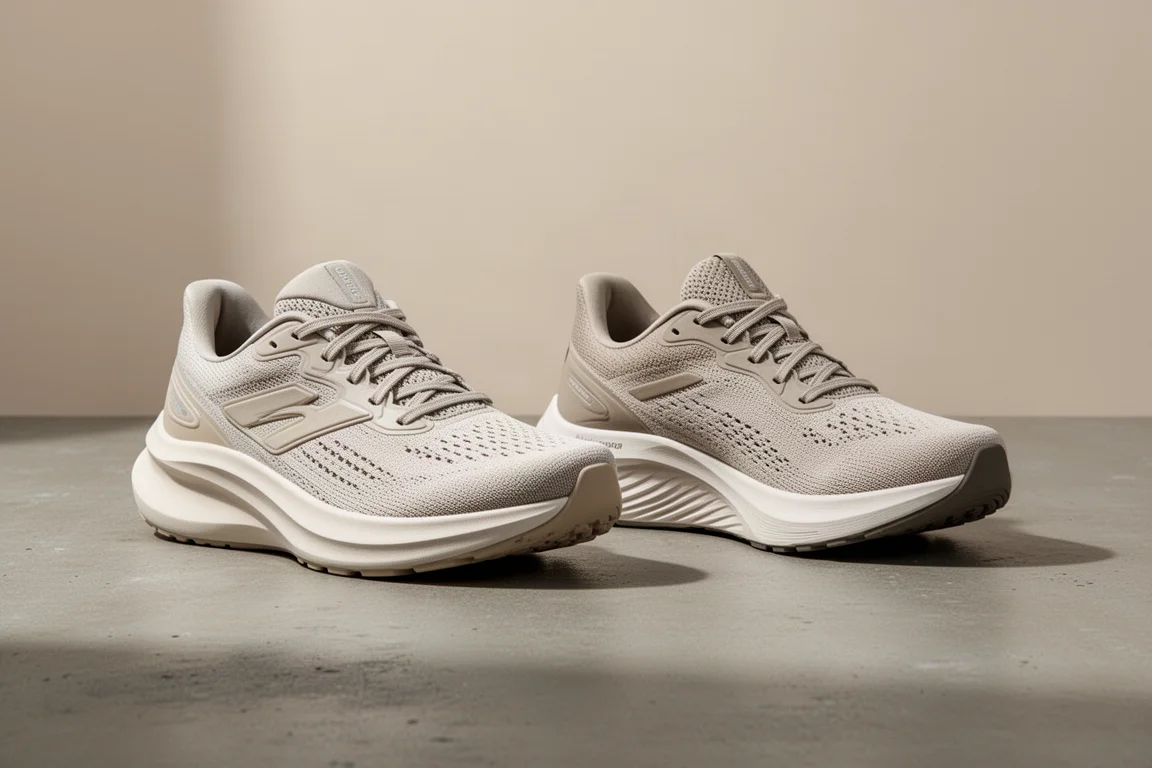
Two of the most enjoyable everyday trainers of the year turn out to be far more different than they first appear. The 361 Elios and the Asics Novablast 5 both use generous amounts of modern, non-plated foam, and both have felt great on the run, but a half-and-half run wearing one shoe on each foot revealed clear differences in softness, propulsion, and stability. Here is how they compare across fit, cushioning, responsiveness, and stability, and which type of runner each shoe suits best.
Fit: Familiar Comfort, One Key Difference
Both shoes share a lot of fit characteristics: a moderately cushioned heel, a gusseted tongue with just a little padding, and a secure feel through the heel and midfoot. Both also offer enough forefoot room to work well for everyday running.
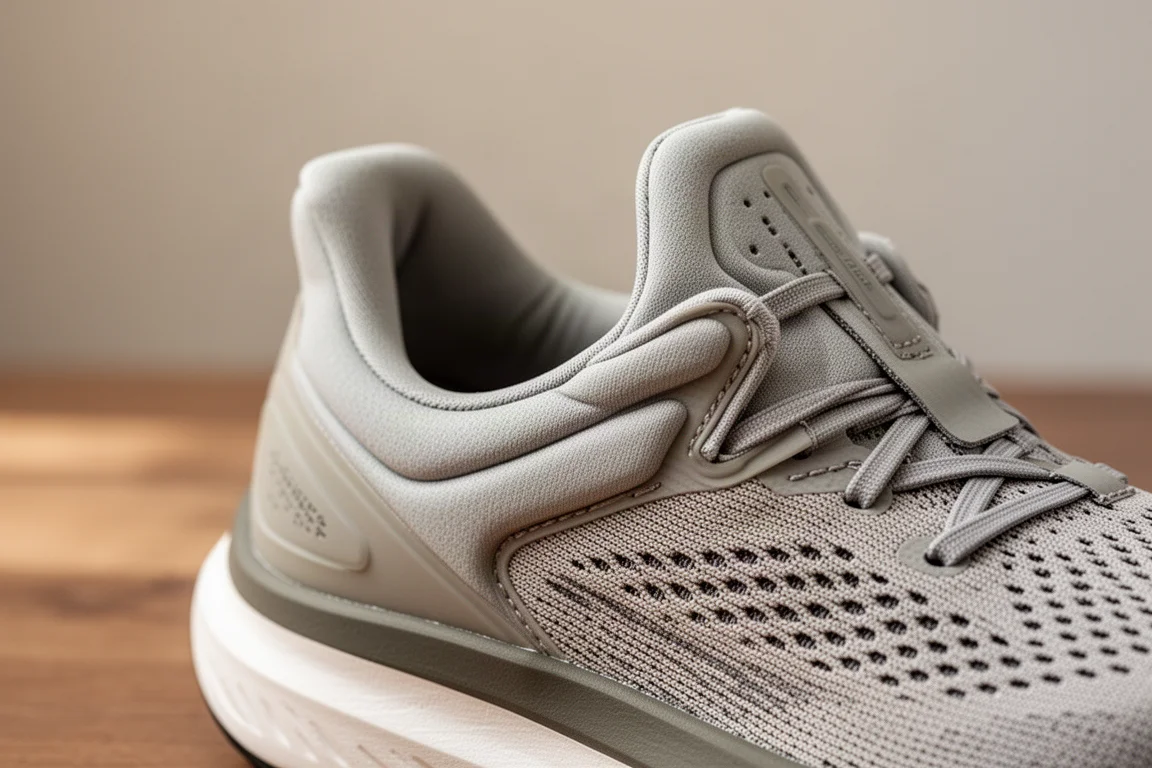
The one difference worth noting is space up front. The Elios offers a bit more room in the forefoot, with a stretchy upper and extra space at the distal end of the toe box. If you like a little breathing room for your toes, the Elios starts ahead of the Novablast 5. Both are genuinely nice fits, though, so this comes down to preference rather than a flaw in either shoe.
Cushioning: One Is Clearly Softer
Before the side-by-side run, the cushioning seemed similar. On the road, one is clearly softer than the other. The Elios is the softer shoe, making it a strong choice if you really like a plush feel underfoot.
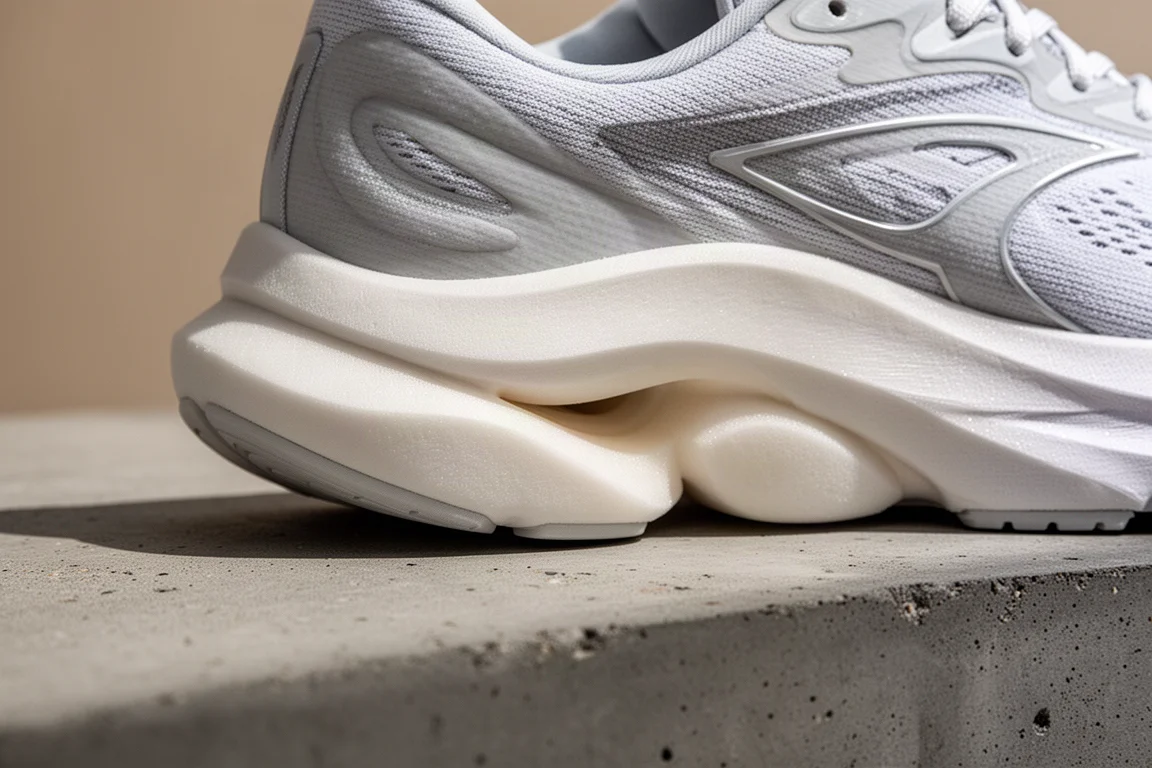
The Novablast 5 feels firmer by comparison, though it is still softer than earlier Novablast 4 and Novablast 3 models. Softer is not automatically better, but if your priority is comfort and a sink-in sensation on easy runs, the Elios has the clear edge in this category.
Responsiveness: The Novablast 5 Pulls Ahead
Responsiveness is where the two shoes really start to differ. The Novablast 5 delivers a much higher level of kickback from the foam. During tempo efforts, it is the shoe that clearly returns energy from the ground, especially at the forefoot, where its shape creates a trampoline-like bounce that you can genuinely feel.
Part of that comes from the foam itself, and part comes from a touch of extra stiffness in the Novablast 5, which adds a propulsive rocker sensation at faster speeds. It feels great at uptempo paces. The Elios, by contrast, lets you sink into the cushioning before it bounces back. It still has a nice pop, and its more flexible forefoot lets you roll through smoothly, but it does not push you forward the same way at faster paces.

Stability: The Elios Is Smoother and More Secure
Both shoes are high-stacked and heavily cushioned, with wide ground contact areas. But the Elios edges out the Novablast 5 on stability. Its softer foam compresses predictably wherever you land, from heel to forefoot, giving extremely smooth transitions whether you are jogging a recovery run or pushing tempo efforts.
The heel flare on the Elios is generous but well beveled, which helps the shoe feel planted. The Novablast 5 has plenty of flare too, but less beveling, and its firmer cushioning can produce a hint of clunkiness at slower paces, particularly for rearfoot strikers. If you land midfoot or forward, you will likely find the Novablast 5 stable enough, thanks to its wide forefoot. If you land in the heel and are sensitive to flare, the Elios is the smoother, more stable option.
Who Should Pick Which Shoe?
These two shoes hit different parts of your running routine, with meaningful overlap in the middle. The Elios shines from easy recovery efforts and slow long runs up to around marathon pace, including lighter tempo work. Beyond that pace, it stops giving back everything you want. The Novablast 5 covers slightly slower-than-marathon-pace daily mileage all the way up to 10K effort, making it the more versatile option for faster runs and, for some, even racing.

If you want a comfort-focused shoe for racking up long, easy miles, the Elios is the direction to go. If you want a shoe that eats up mileage but handles quicker sessions with ease, the Novablast 5 is the better fit. For anyone currently focused on high-volume easy running, the Elios makes the stronger case; for a season of half marathon training, the Novablast 5’s versatility is hard to beat.
Conclusion
Both are excellent non-plated trainers with a modern foam feel, and both are genuinely fun to run in. The Elios is the softer, more stable, more comfortable choice for easy and long-distance work, while the Novablast 5 is the firmer, more responsive pick that holds up at faster paces. They are far more different than they look on first step-in, so choosing comes down to the kind of running you actually do most.
Product link
View more details for 361 Elios
This product is mentioned in the review. Check the specifications, options, and compatibility before buying.
View more details for 361 EliosFurther reading
Related Reviews

Running Shoes
Best Road-to-Trail Running Shoes: Three Versatile Options for Mixed Terrain
A practical guide to three road-to-trail running shoes that handle both pavement and mild trails, with clear strengths and trade-offs for different runner types.

Running Shoes
Best Running Shoes for Achilles Tendonitis: Three Options Explained
Three running shoes with different heel drops and support features designed to help reduce Achilles tendon pain during walking and running.

Running Shoes
Best Running Shoes for Women: Five Top Choices Ranked
A ranked guide to five women's running shoes, from versatile daily trainers to high-performance racing options, with real strengths and trade-offs for each.