Running Shoes
361 Centauri Review: A Cushioned Daily Trainer With Real Squish
A highly cushioned road trainer built around soft eTPU foam, with a generous upper, a springy heel, and a price that undercuts most premium rivals.
Introduction
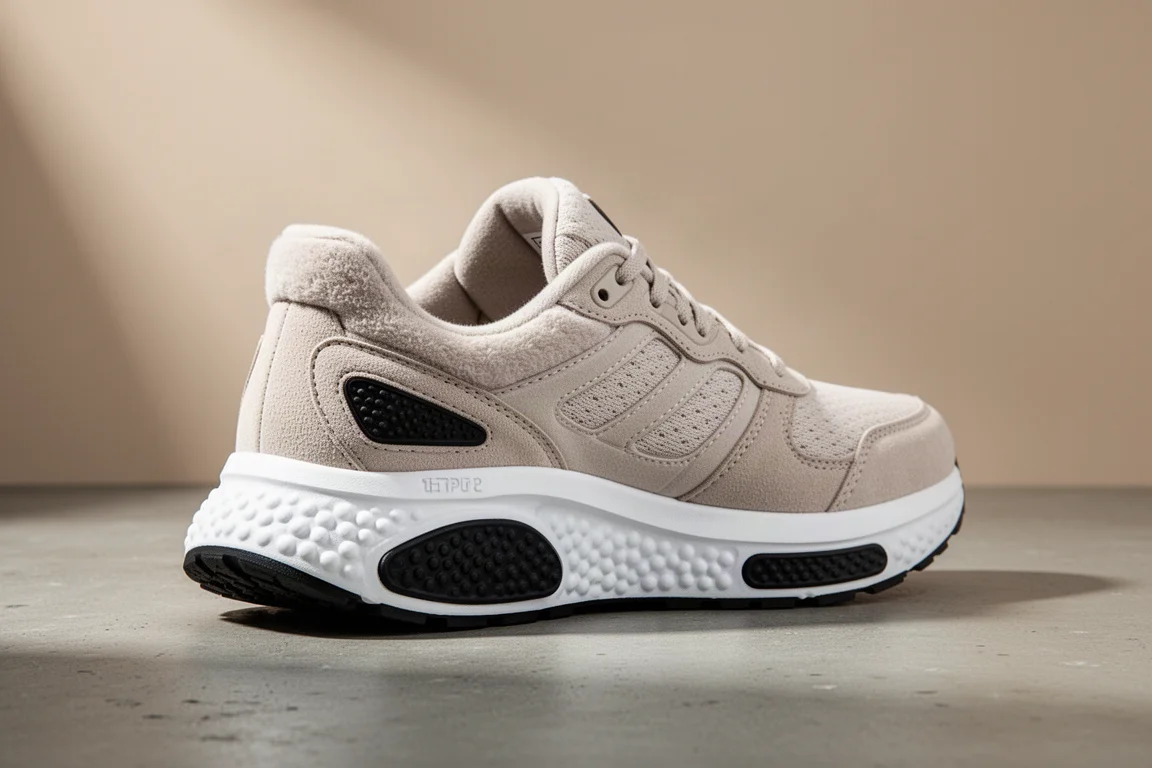
The 361 Centauri is a highly cushioned road shoe from a brand that, as its name suggests, positions itself one degree beyond the familiar. It is built around a soft, compressive eTPU foam midsole and pitched as a plush daily trainer rather than a speed day weapon. After an initial run of outings, it comes out as a well-made, forgiving cruiser that will suit certain foot types far better than others.
The Numbers
For a UK size 11 (US size 12) sample, the Centauri weighs approximately 331 grams, or about 11.7 ounces. That is roughly four grams lighter than the Nike Pegasus 40. The UK price sits at around £120.
The sample measures about 31 mm of heel stack with a forefoot that adds up to roughly a 10 mm drop feel. The footbed is about 11.8 cm wide in the forefoot and 9.3 cm in the heel, so the platform is on the generous side. On a durometer reading, the foam scores around 27, just below the average of 28, making it about as soft as Asics’ FlyteFoam Blast Plus. The included OrthoLite insole adds roughly 6 mm of extra squish on its own.
Upper
The upper offers a somewhat generous toe box, giving room for wider toe splay, and the materials are soft, reasonably plush, and quite flexible, though a touch warm. The ankle collar and heel flare recall the Nike Pegasus 35 from a few years back. The heel flare adds some weight without a clear purpose, but the heavy padding back there is genuinely useful if you need heel protection, perhaps after an injury, or want shielding for the Achilles. It also helps hold the heel in place and aids lockdown.
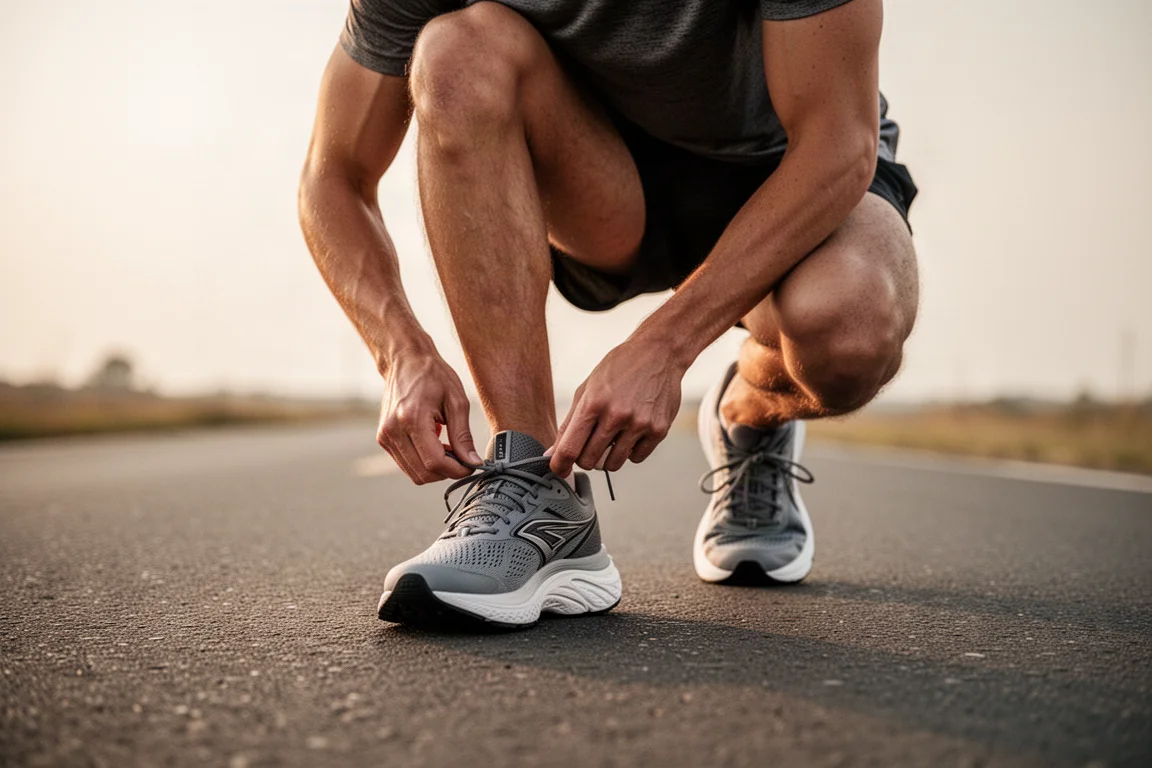
The laces are a touch thicker than most, and a runner’s knot was needed to feel properly latched onto the midsole. The tongue has extra padding sections near the top but runs a little short; with a runner’s knot it sat right at its end, and slight tongue slide appeared on a second run despite the tongue loop doing a reasonable job. Breathability proved decent even in hot UK weather, though thinner socks were the answer.
Overall, the upper needs time to dial in. Narrow-footed runners may find the materials meeting in the middle, almost wide-shoe territory. It scores 2.4 out of 3: no comfort problems, but the fit could be better for some feet.
Midsole
The eTPU midsole is very forgiving underfoot: soft, compressive, and reminiscent of Saucony’s squishier FlyteFoam-style foams, with some Reebok Energy X vibes, notably for those who liked that shoe but did not want a plate. There is real similarity in midsole squash to the Saucony Triumph 21 as well.
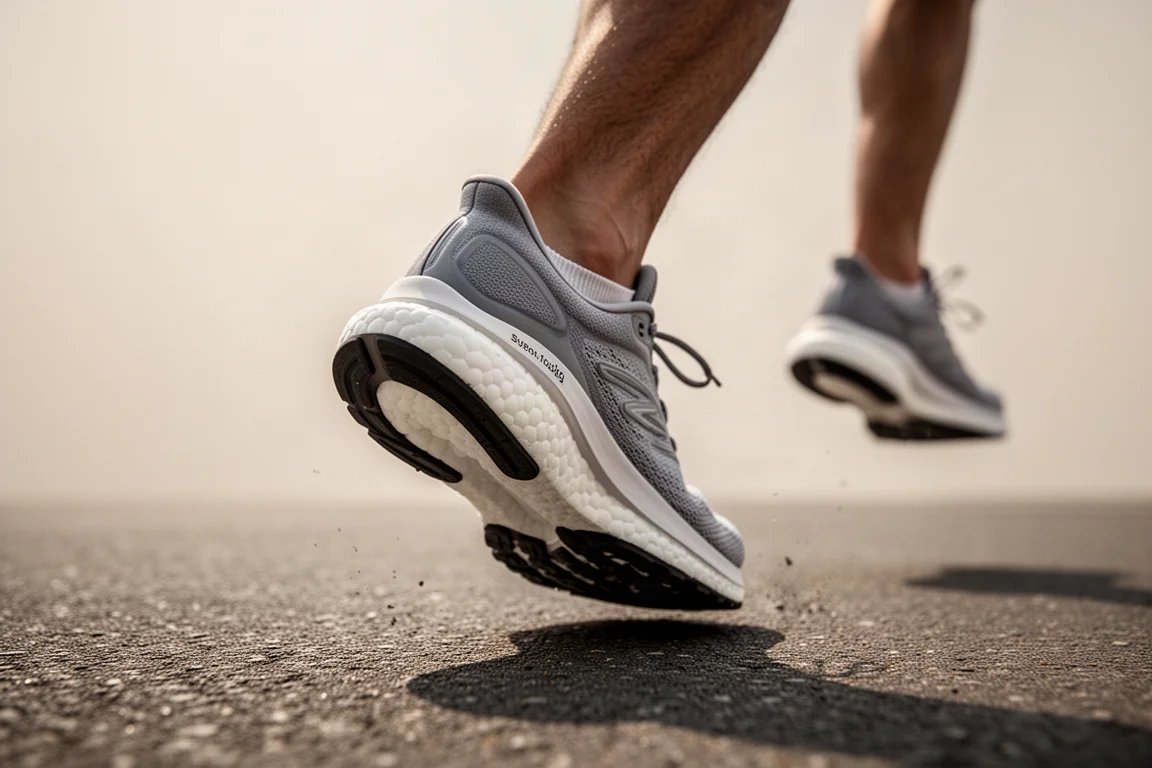
The foam feels more compressive than it looks, and the thick OrthoLite insole adds another level of squash, springier and less controlled than something like the Nimbus 25. The spring is most apparent in the heel, less so in the mid to forefoot, which somewhat pigeonholes the shoe into slower paces. Heavier heel strikers may find the drop feels high, around 10 mm compared with the 5 to 8 mm range many recent shoes sit in, and landing hard on the heel feels like squashing into the back of the shoe.
It rewards mid to forefoot landings and feels best at recovery and daily paces rather than anything faster. For heavier-built runners it could be an excellent daily option: lighter than an Ultraboost but still resilient, with a wider last to match. Leaner runners may not get the most out of the foam. One suggestion: removing or shortening the Strobel sock, as in the Nike Invincible Run 1 and 2, would let the cushioning shine fully. Midsole scores 2.6 out of 3.
Outsole
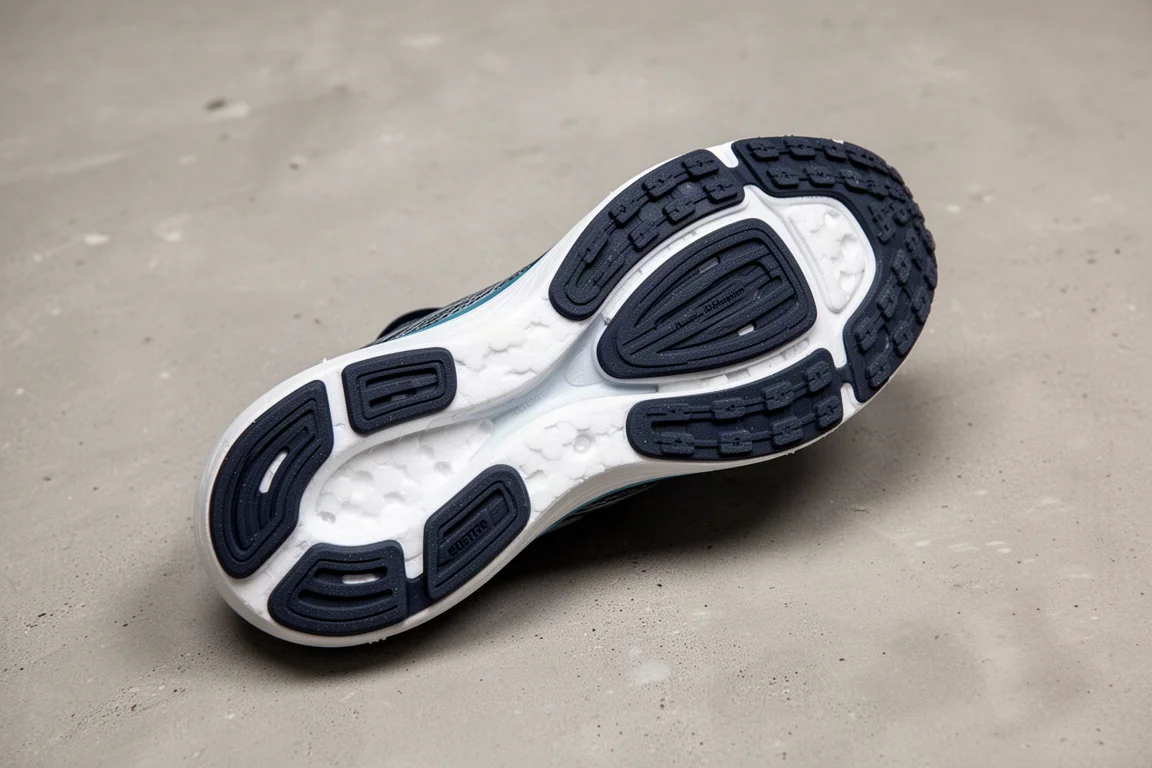
The outsole is a simple arrangement: one main rubber section up front and two smaller pieces in the heel, with lots of rubber coverage at the back that should improve durability and longevity. The high-abrasion rubber sits on top of the midsole foam rather than recessed into it, creating a nice feel at touchdown, and the shoe runs unusually quietly for a model of this type.
Grip is very good, the rubber is tactile and consistent across the outsole, and transitions from heel to toe are smooth, with strong performance on turns and cornering on road and pavement. The caveat: there is a lot of exposed midsole, so debris-laden trails, gravel, and rocks are best avoided, and the shoe has already taken some surface pounding. The sheer thickness of some rubber areas also feels like slight overkill on a road shoe. It earns 2.5 out of 3, with durability still to be confirmed over the long term.
Value
At around £120, the Centauri fits into a genuinely useful price slot. It feels good out of the box with no break-in needed, and there are no durability worries about the midsole foam so far; the eTPU pellets hold together better than some TPU-based midsoles that tear easily, behaving more like packing foam. Serious mileage looks plausible.
The plush upper may limit the audience in very warm, humid climates, where something like the lighter, more breathable Reebok Floatride Energy Summit 2 could be a better fit, though the 361 offers more midsole stack. Against pricier rivals such as the £170-ish Nimbus 25 or the similarly priced Nike Invincible Run 3, the Centauri ticks a lot of boxes, and it is a little lighter than a Pegasus 40 for only slightly more money. It scores 2.5 out of 3 for value, lowered mainly by its limited versatility.

Buying Advice
The Centauri suits heavier-built runners who want resilient cushioning without bulk-brand weight, wider-footed runners who appreciate the roomy last, and anyone familiar with the higher drop of traditional Mizuno or Brooks shoes. Mid-to-forefoot strikers who prefer 5 to 8 mm drops will need some adjustment. If you want a plush daily mile eliminator that costs meaningfully less than the premium max-cushion establishment, it makes a compelling case.
Conclusion
Across initial runs, the 361 Centauri totals 10.1 out of 12. It delivers a very cushioned ride for not a lot of weight, with a durable-feeling outsole and a genuinely squishy midsole, held back mainly by an upper that will not fit every foot and a ride profile that favours easy paces. Future versions could carve out some midsole for flexibility and contour the upper more closely, but as it stands, this is a solidly likeable daily trainer at a fair price.
Product link
View more details for 361 Centauri
This product is mentioned in the review. Check the specifications, options, and compatibility before buying.
View more details for 361 CentauriFurther reading
Related Reviews

Running Shoes
Best Road-to-Trail Running Shoes: Three Versatile Options for Mixed Terrain
A practical guide to three road-to-trail running shoes that handle both pavement and mild trails, with clear strengths and trade-offs for different runner types.

Running Shoes
Best Running Shoes for Achilles Tendonitis: Three Options Explained
Three running shoes with different heel drops and support features designed to help reduce Achilles tendon pain during walking and running.

Running Shoes
Best Running Shoes for Women: Five Top Choices Ranked
A ranked guide to five women's running shoes, from versatile daily trainers to high-performance racing options, with real strengths and trade-offs for each.