Ski Gear
2025 Ski Gear Preview: Eight Standout Skis, Liners, and Insoles
A practical preview of eight 2025 ski products, from independent powder skis to aftermarket boot liners and ski-specific footbeds, with the design changes that actually matter.
Introduction
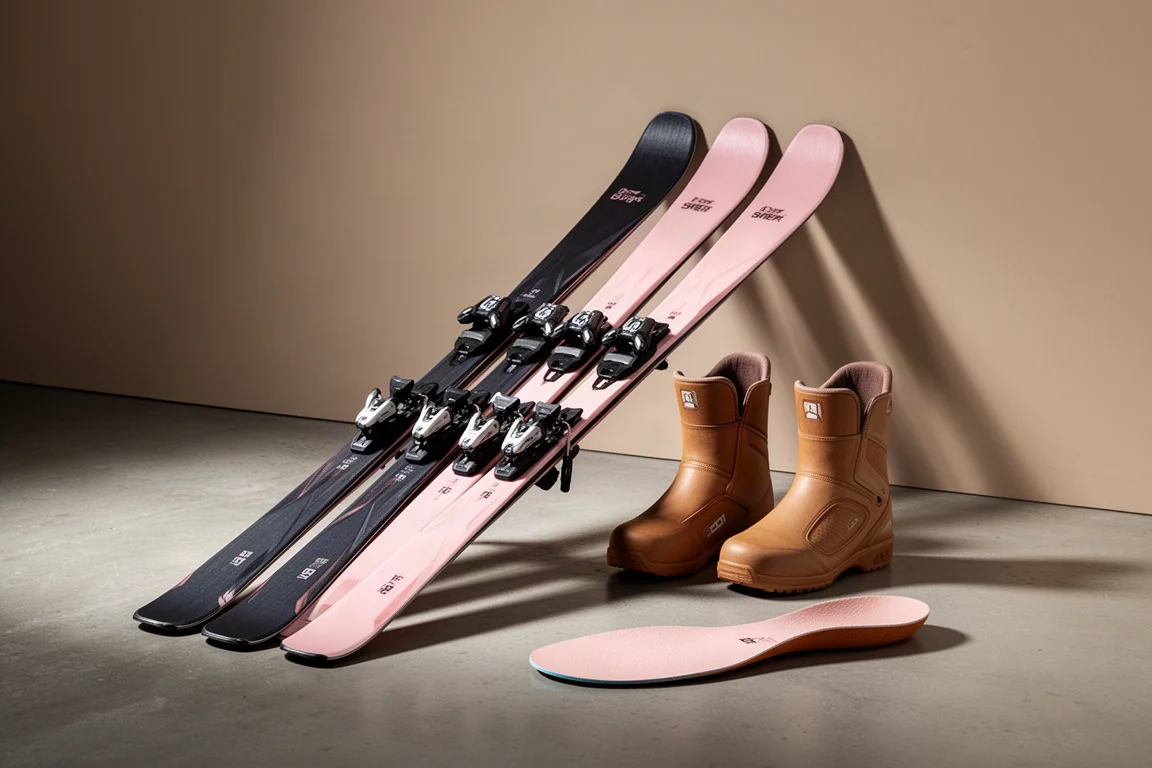
The 2025 season brings a mix of genuinely new shapes and careful refinements of products that already have loyal followings. This preview covers eight items worth tracking: five skis spanning powder, all-mountain, and carving briefs, plus three boot-related upgrades that change how an existing setup feels.
The through-line is design intent rather than marketing noise. Several of these products keep a proven platform and adjust it in one or two specific places, while others bring new core materials or new widths to a line riders already know.
How These Products Were Selected
The selection here is based on design relevance rather than price or brand size. The list spans an independent Vermont ski maker, established European brands, and aftermarket boot components that can be added to boots a skier already owns.
Two criteria shaped the picks: whether a product changes something meaningful in its construction or geometry, and whether it fills a clear gap for a specific kind of skier. Widths in this group run from 93mm to 107mm, and the boot products range from a low-cost footbed to a premium liner.
Products still in transit are not included, so this is a partial view of the season rather than a complete catalogue. Everything listed here is scheduled for on-snow time once conditions allow, which matters most for the wider shapes.
Renown Citadel 107: Independent Dampening in a Powder Width
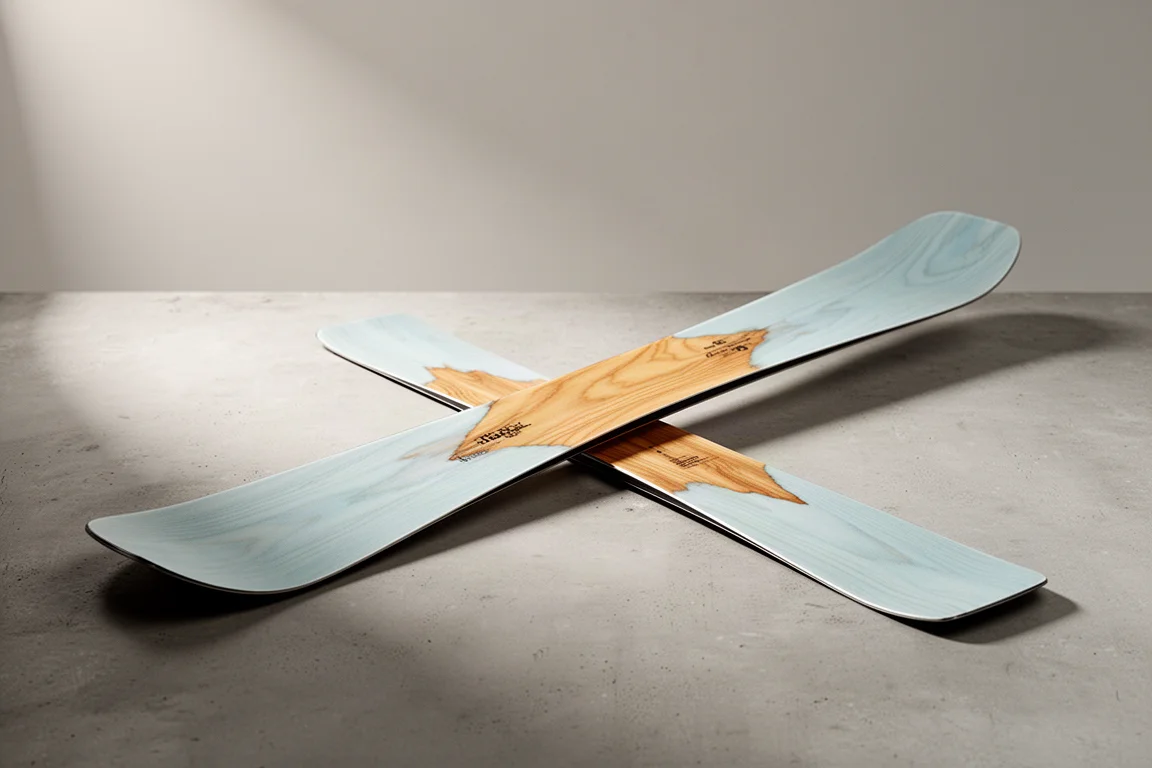
Renown is a small ski brand based in Burlington, Vermont, and the Citadel 107 is its powder-oriented model. The build pairs a maple wood core with an internal polymer structure the brand uses to add dampening, an approach it also applies to its narrower carving skis.
That combination is what makes the 107 interesting. On the brand’s narrower carving model, the same construction floated better off trail than the width would suggest, so carrying it into a true powder width is a logical next step.
The profile shows a healthy amount of camber, a fairly aggressive tail, and gradual tip splay. In practice that points to a ski that can hold an edge on the way to soft snow and stay composed once the terrain opens up. Deep-snow behavior is the part that has to be confirmed on snow, because a powder ski reveals very little in the hand.
Stöckli Mono AR: A Refined Take on a Damp Carver
The Mono AR returns for 2025 as a refinement rather than a redesign, which is consistent with how the brand treats a formula that already works. The most visible change is in the tip and tail, where a single stabilization slit has become two.
Under the topsheet, rubber is infused into the layers to smooth out vibration. That is the core of the ski’s character: it is damp and quiet, with a more flexible turn radius than a World Cup race ski, aimed at riders who want race-ski composure without race-ski harshness.
For skiers who currently spend most days on a race ski, or who simply prefer a smooth ride, this is the most compelling profile in the group. The tip and tail change is deliberately subtle, and the open question is whether the extra slit adds useful turn-shape variety without dulling edge grip.
Meier Wrangler 93: A Playful All-Mountain Width
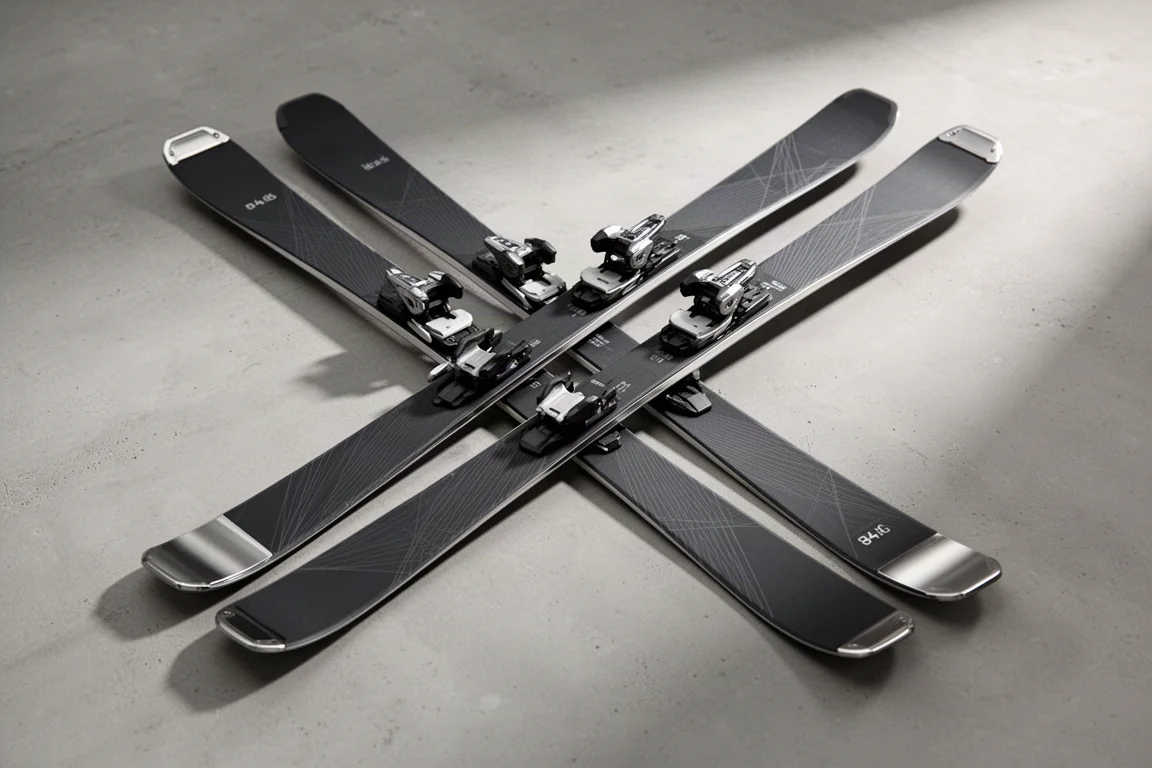
The Wrangler 93 is a 93mm all-mountain ski from an independent maker, and it is the most immediately fun design in this group off trail. It is not a dedicated powder ski; its strength is mixed soft snow, where the narrower waist keeps it manageable.
This is also a ski that rewards time. The more days spent on it, the more clearly its sweet spot shows up in specific terrain, and it responds well to a rider willing to adjust technique rather than fight the ski.
Black Crows Corvus: A Softer, More Accessible Build
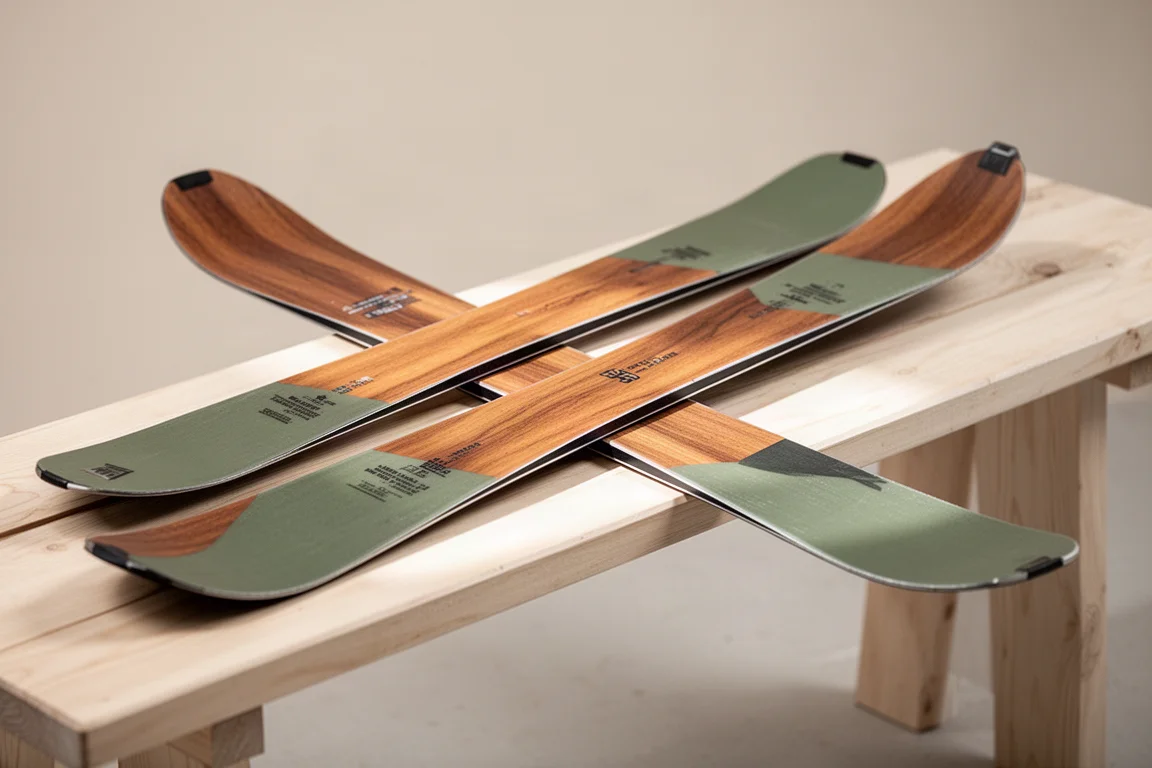
The Corvus is not a new model, but it has meaningful changes for 2025. The tail shape is slightly different, and the bigger update is in the core: a titanal sheet has been replaced by a blend of poplar and beech, with beech taking over the role titanal used to play.
In hand, the Corvus is wider than the Atris and feels a touch softer through the flex. That reads as a more accessible version of a shape riders already like, rather than a detuned one.
The brand’s wood-forward construction is a good argument that titanal is not mandatory for a smooth, responsive feel. Skis built this way can stay stable without a metal layer, and the Corvus is the clearest current example of that thinking.
Volkl Blaze 104: Recycled Materials and a Simplified Line
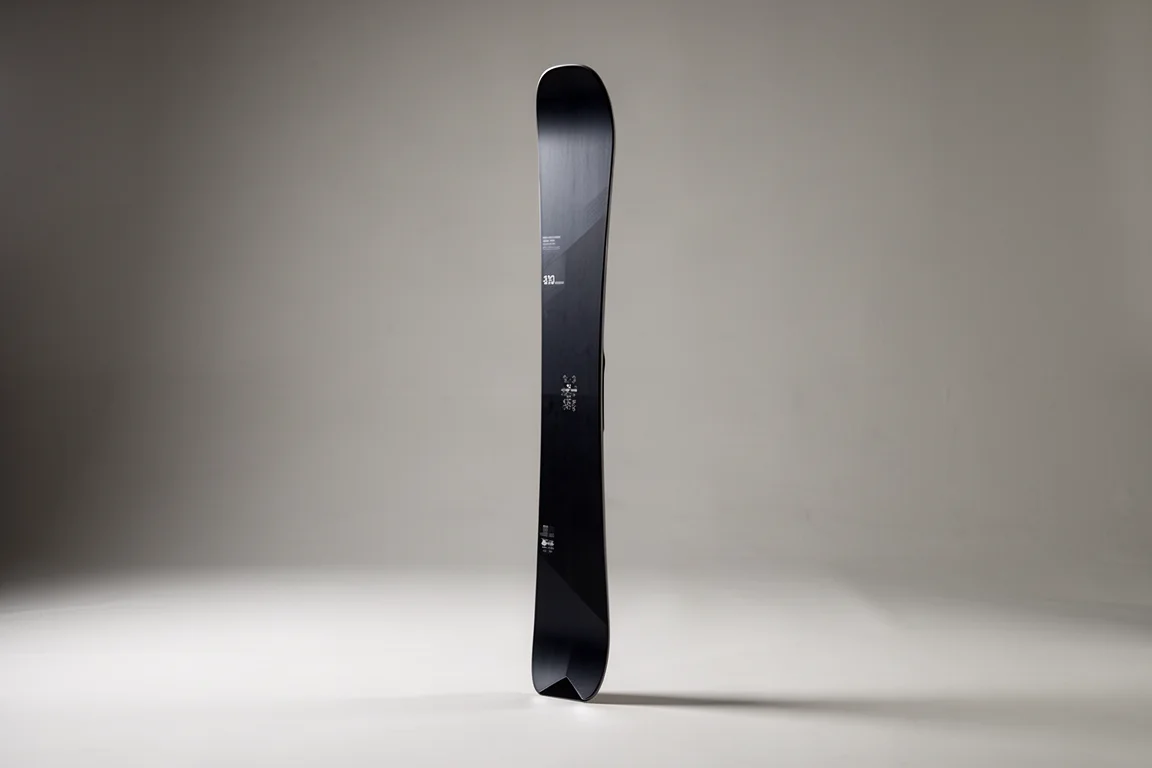
The Blaze 104 sits close to powder width while keeping the playful, all-mountain intent of the Blaze line. For 2025 the headline change is environmental: recycled materials are used in the center of the ski.
Volkl has also consolidated the widths in this part of its range and simplified its line structure overall. That matters for buyers, because a smaller number of clearly separated models is far easier to shop than a dense, overlapping catalogue.
A pink finish is part of the 2025 look. The open question is how the recycled core section affects the ride in soft snow and mixed conditions, which is exactly where this width is designed to work.
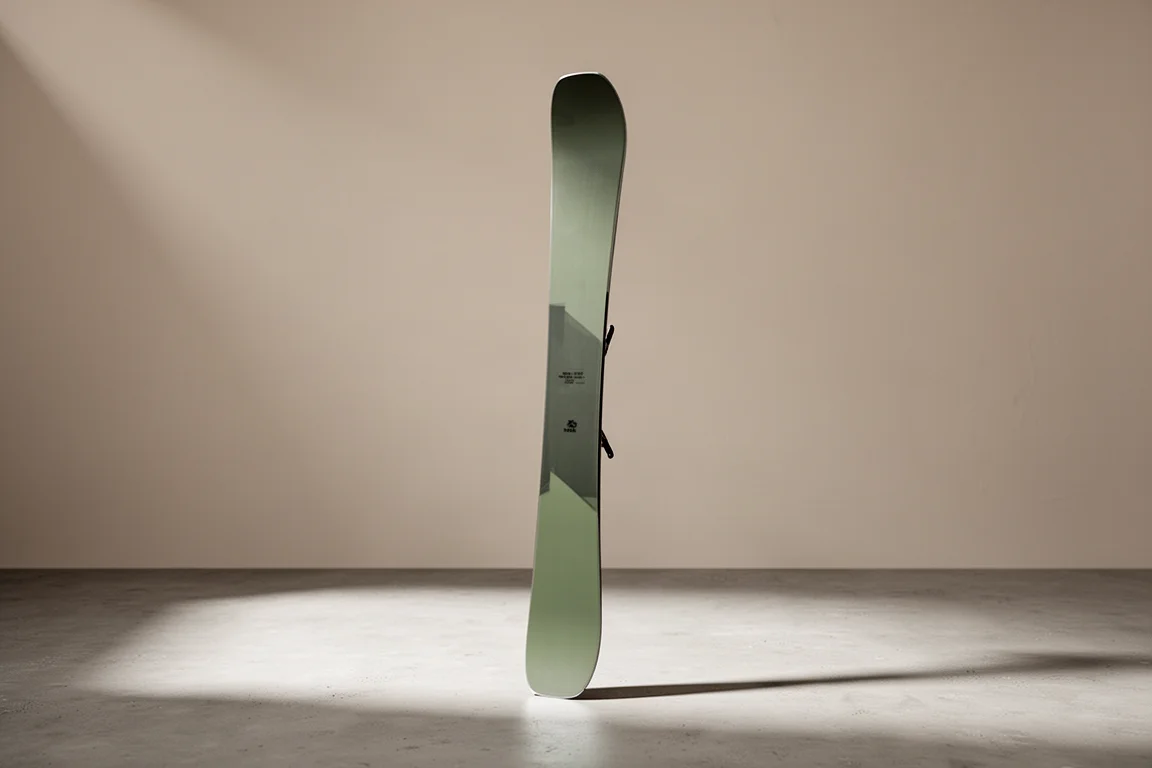
Intuition Boot Liners: Aftermarket Comfort at a Mid-Range Price
Intuition makes aftermarket ski boot liners and footbeds, and the liners are heat moldable, which means they can be shaped to a specific shell and foot. Pricing runs from roughly $100 to $250 depending on the model.
For anyone whose boots fit acceptably but not comfortably, a liner swap is a far smaller commitment than new boots. It is also one of the more effective ways to change how a boot feels, since the liner sits directly between the foot and the shell.
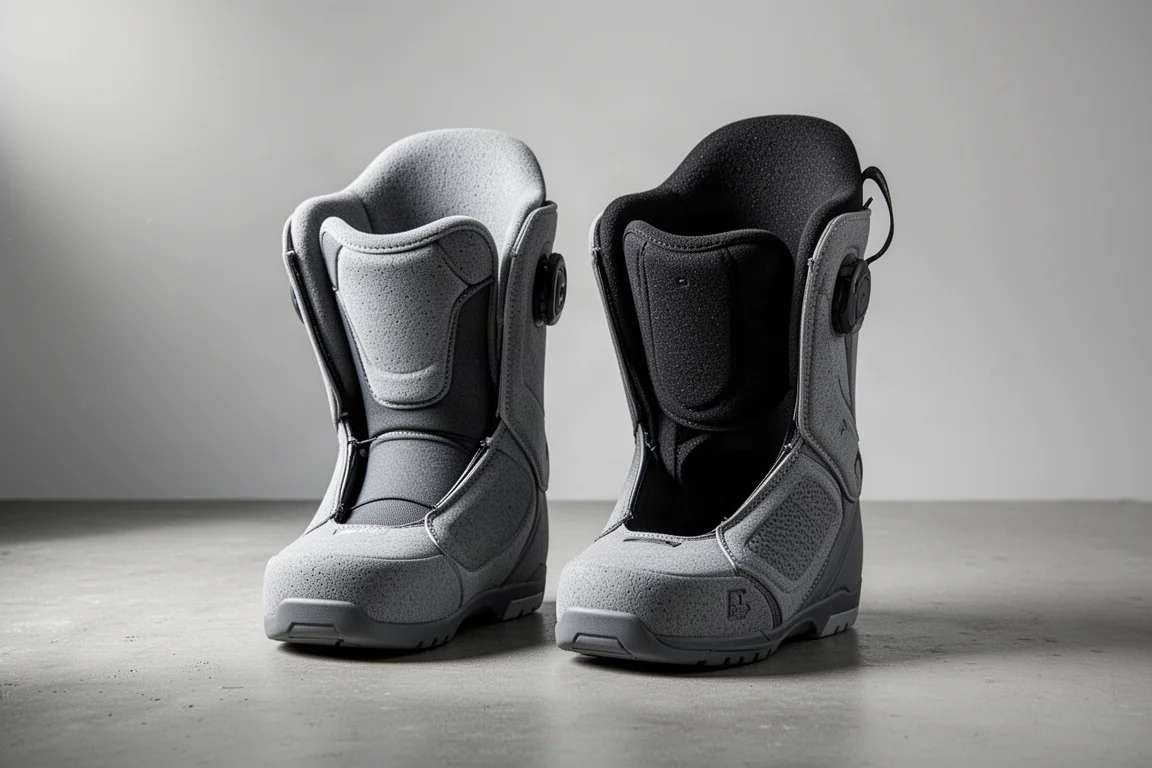
ZipFit Liners: A Premium Option Worth Weighing
ZipFit liners have a large and vocal following, and they are among the most discussed aftermarket liners in skiing. They are also expensive: pricing sits around $500 to $600, which is more than many skiers spend on a complete pair of boots.
That price is the whole question. A liner at this level has to deliver a clear improvement in fit, comfort, or control to justify the outlay, and it only makes sense for riders who are already committed to dialing in their boots.
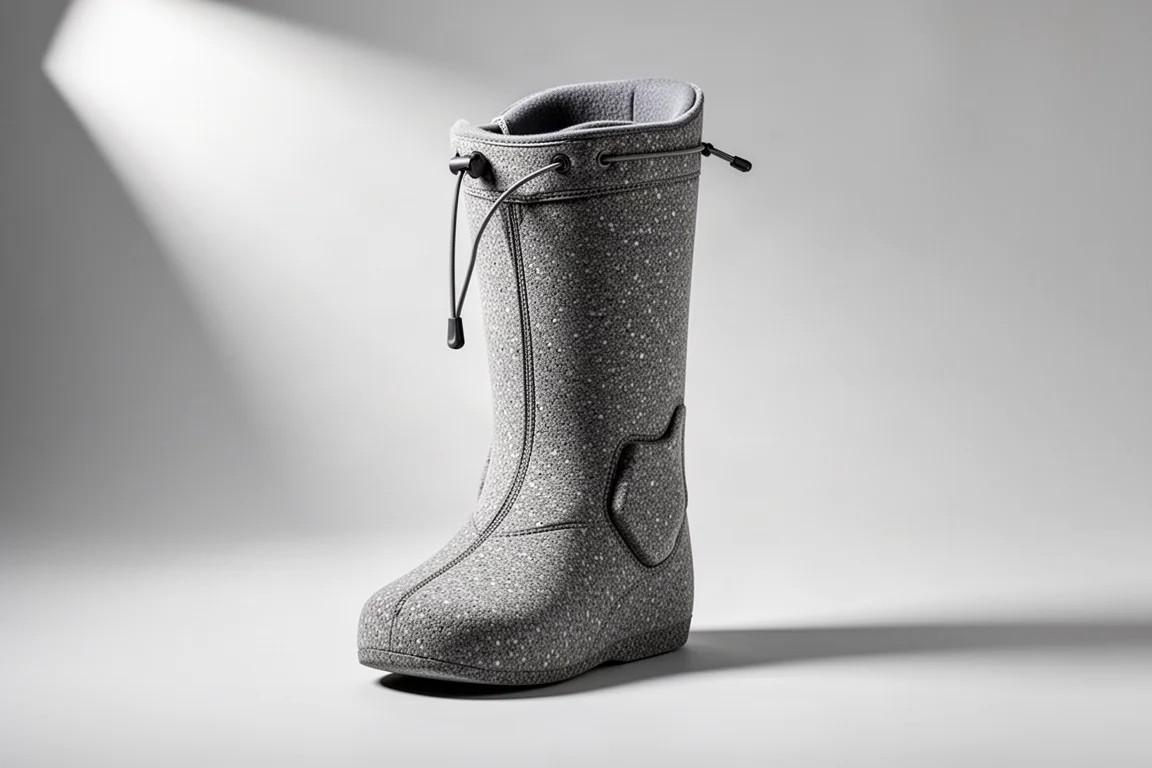
Remind Insoles: Ski-Specific Footbeds With Artwork
Remind’s ski footbed is a specialty insole designed for ski boots, with artwork by Chris Benchetler printed on the inside. It is a small, low-risk upgrade compared with a new liner or a new boot.
Swapping an insole is the simplest change a skier can make to alter arch support and stance, and it is worth trying if the stock footbed in a boot has never felt right. Expect the effect to vary with boot shape and foot type.
Overall Buying Advice
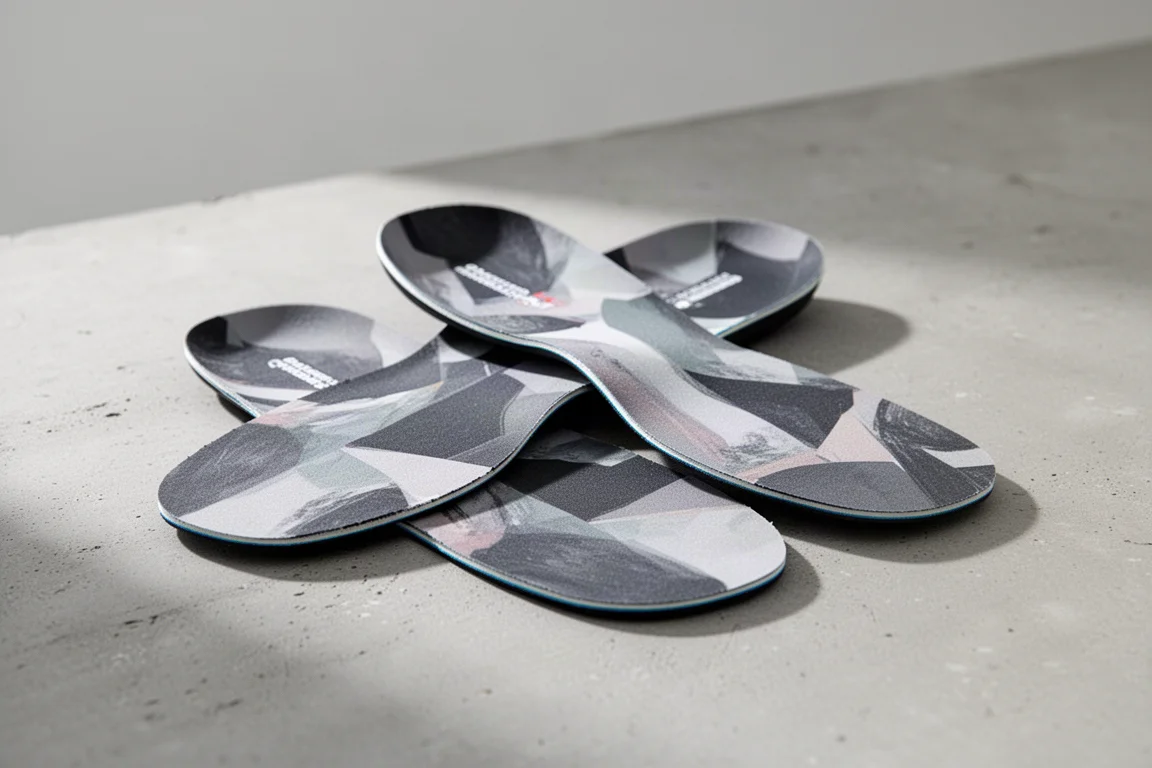
Match the product to the problem. If the goal is more float and a livelier feel in soft snow, the wider shapes here, the Renown Citadel 107, Black Crows Corvus, and Volkl Blaze 104, are the relevant group. If the goal is a smooth, damp ride on groomed terrain, the Stöckli Mono AR is the clearest fit. If the goal is one ski for mixed off-trail days, the 93mm Meier Wrangler sits in the middle.
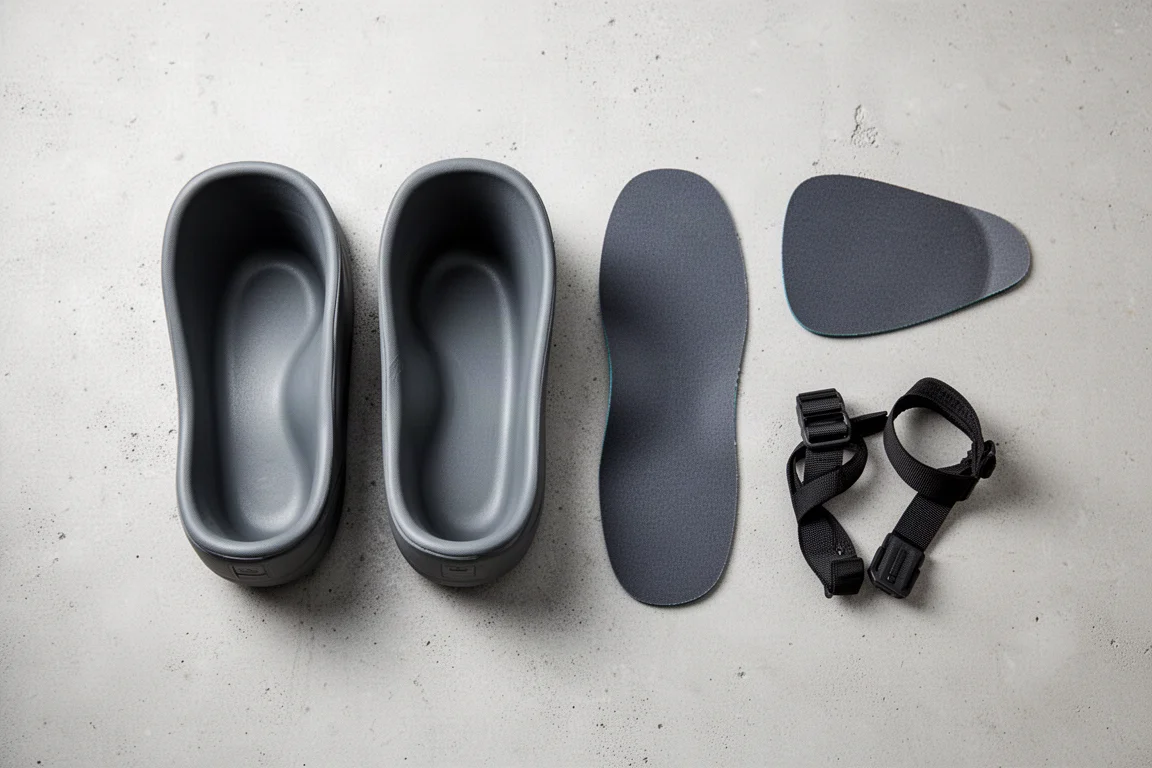
Boot components are a separate decision and often a smarter first purchase. A liner in the $100 to $250 range or a low-cost footbed can transform an existing boot, while a premium liner at $500 to $600 is worth it only if fit is a genuine priority.
For skis, patience pays. Snow conditions vary enormously across a season, and a powder-oriented ski cannot be judged honestly until it has seen real powder. Buying late in the season, or waiting for a proven model to be discounted, remains the lowest-risk route.
Conclusion
Eight products, one consistent theme: the most interesting 2025 gear changes a proven platform in a specific, purposeful way. The Citadel 107 applies an unusual dampening approach to a powder width, the Mono AR and Corvus refine shapes that already work, the Blaze 104 brings recycled materials to a familiar line, and the liners and footbeds offer a lower-commitment route to better fit.
None of these are impulse buys, and none should be chosen on specification alone. Decide what your skiing actually needs, then let on-snow time do the rest.
Further reading
Related Reviews
Ski Gear
2023 Blizzard Hustle vs Rustler: Six Freeride Skis Compared
Blizzard's 2023 Hustle collection rebuilds the Rustler shape with a lighter core and no metal. Here is how all six skis differ, and which one suits your riding.
Ski Gear
2023 Skis of the Year: Atomic Maverick 88 TI, Salomon QST 106, and Look SPX 12 Pro
Three standout ski picks for all-mountain carving, powder days, and reliable binding performance, with practical buying notes for 2023 models.
Ski Gear
2025 Nordica Enforcer 104 Review: A Directional Charger Replaces the 104 Free
The 2025 Nordica Enforcer 104 drops the Free name and the twin-tip personality, gaining weight, stiffness and composure in rough snow. Here is what changed and who it suits.