Running Shoes
10 Running Shoes Worth Watching: Ten Updates and Standouts We've Been Testing
From plated racers to flexible trainers and trail cruisers, here's what we think of ten running shoes currently in testing.
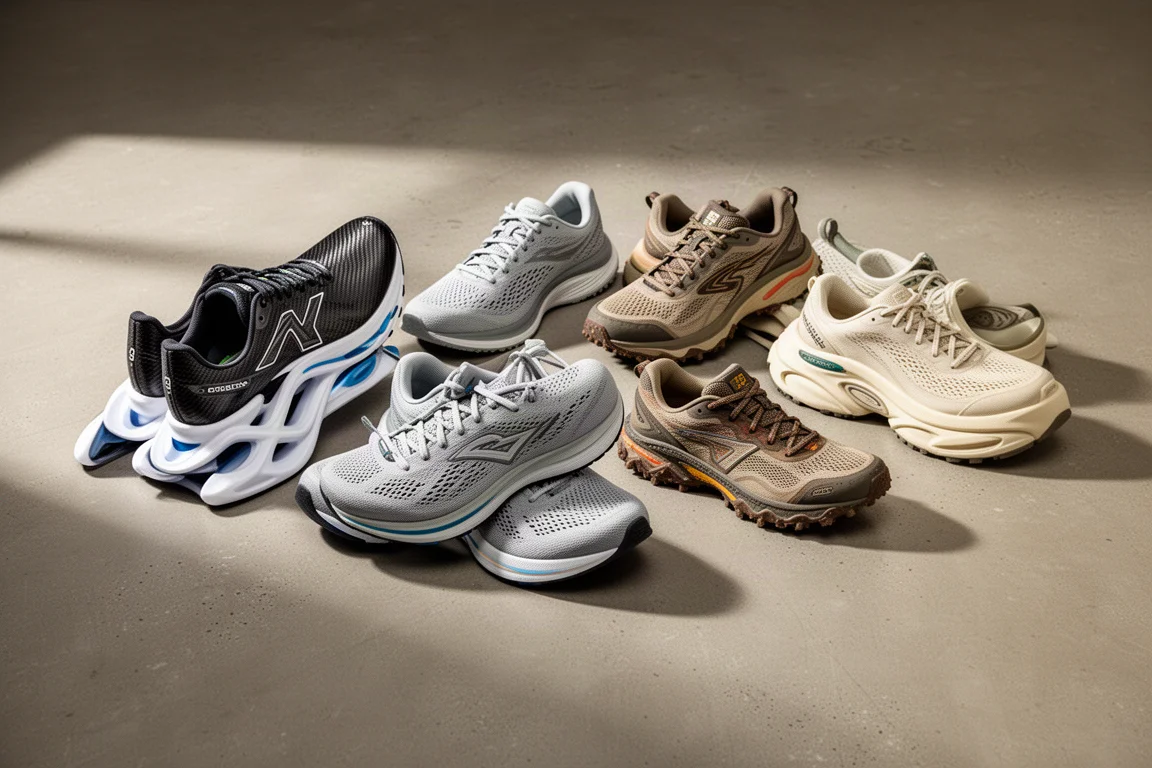
Introduction
This roundup covers ten running shoes we have spent time in on the road, the trail, the treadmill and in the clinic. It is a wide mix: plated racers, plush daily trainers, a flexible high-stack experiment, trail cruisers, and a few shoes that answer the increasingly common question of what to wear between easy days and race day. The common thread is that each one does something specific well, and knowing which of those things you actually need is the key to picking the right pair.
Puma Deviate Nitro Elite 4
The Deviate Nitro Elite 4 is the first version of this shoe in a while that feels genuinely worth getting excited about. The ride comes alive once you pick up the pace. Easy running does not feel great in it, but some of the fastest workouts tested so far have happened in this shoe, and it was the clear pick for a planned 10K race. Interestingly, it works better landing at the heel and rolling forward than trying to get up on the toes, so runners who like that faster-are style should find it a natural fit. It is aggressive without being overly stiff, and noticeably bouncier than version three. One caution: despite what some claim, this is not a stable neutral shoe. It is not even close.

Adidas Supernova Rise 3
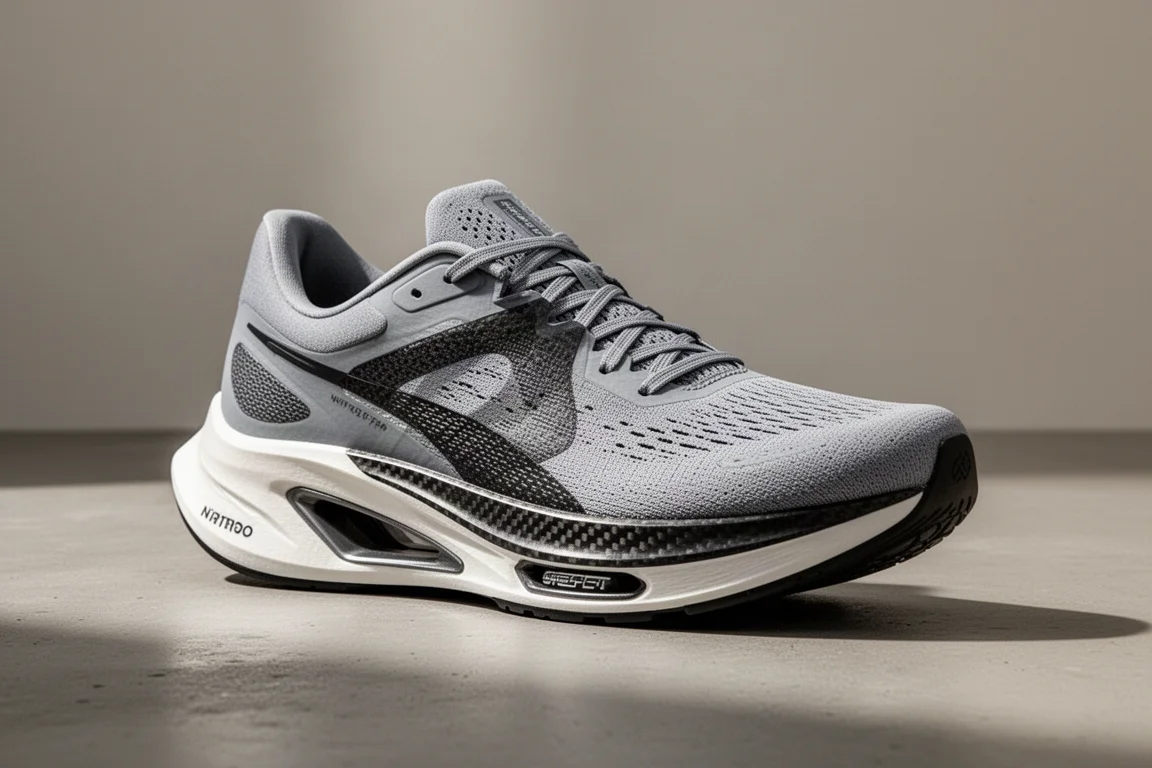
The Supernova Rise 3 is essentially a Solution 3 with the medially supportive elements removed, and the two look nearly identical. Even without those elements, it still rides quite stable. Miles logged in it so far are limited, but the early impression is of a solidly built stable neutral trainer that will suit runners who want a dependable, no-drama platform. A side-by-side comparison against the Solution 3 will be the most useful way to judge it.
Saucony Ride 19
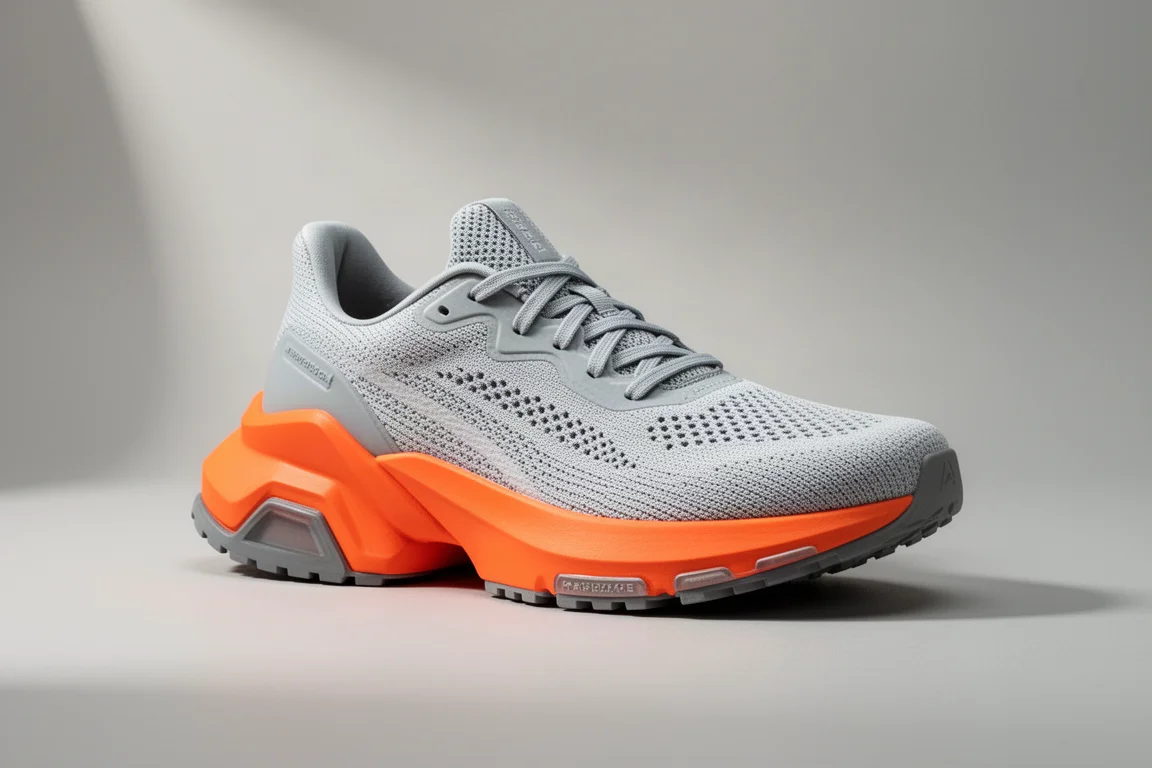
The Ride 19 is a major departure from the Ride 18, so much so that it basically feels like a Triumph now. It is much softer, with a wide, bulbous platform, a lot of sole flare, and a plusher upper than previous Rides. The PWRRUN+ midsole even reads closer to PWRRUN PB in feel, though in a trainer tune rather than a super shoe tune. It stays reasonably light despite the softness. Testers have had a slightly harder time adjusting to this one than to past Rides, but anyone specifically wanting a softer ride in this category will probably enjoy it.
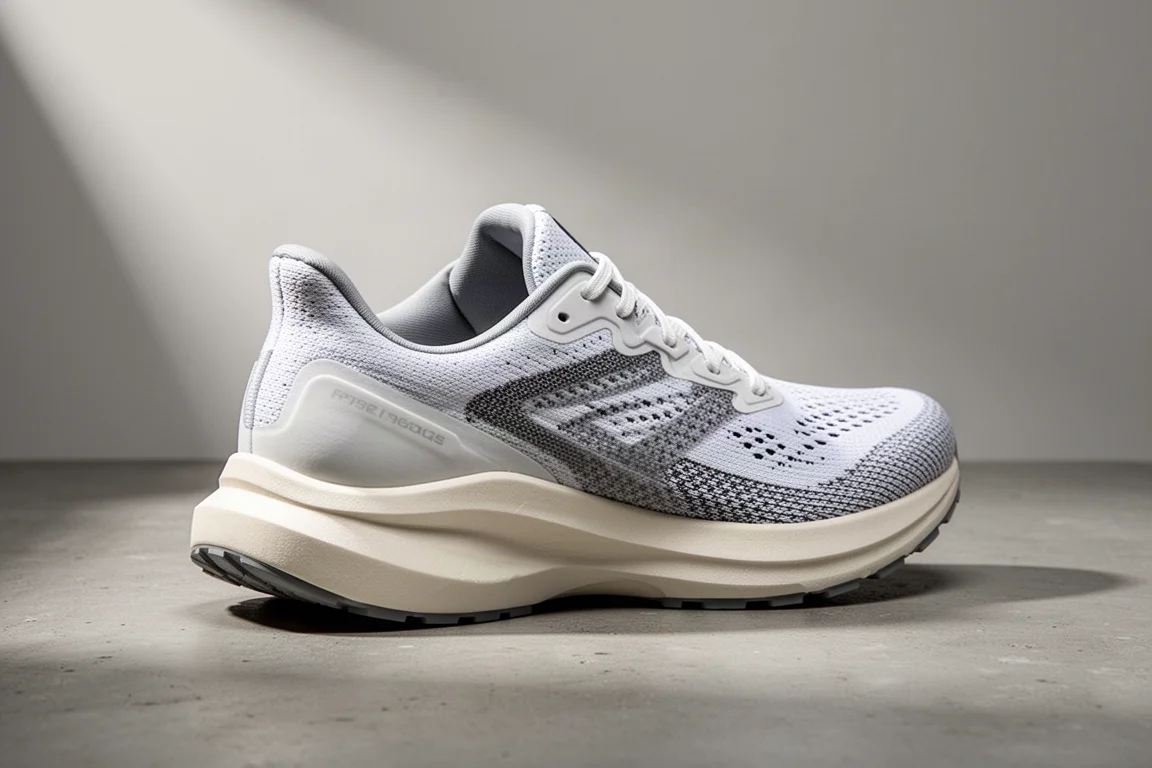
On Cloud Soma
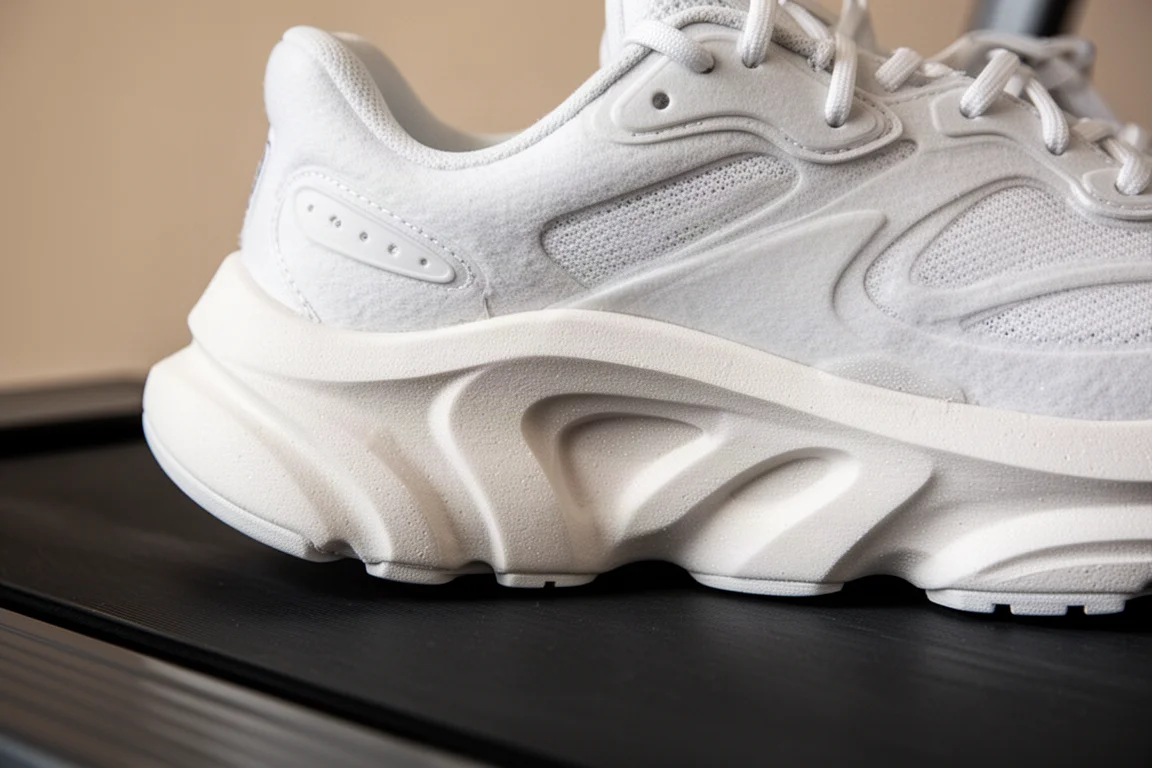
The Cloud Soma turned out better than expected. The midsole foam is Helion HF, with the Cloudtec Connect shaping on the lateral side, and the stated goal is a more flexible, connected ride with the ground. It is not a minimal shoe, but the platform is low enough to allow more ankle movement without aggravating the Achilles tendon. On trail it turns over smoothly and feels nimble, and the lugs are small enough that it handles road just fine. It is not the lightest shoe on the market and it is a touch stiffer than the flexibility claim suggests, but the overall transition is smooth and enjoyable.
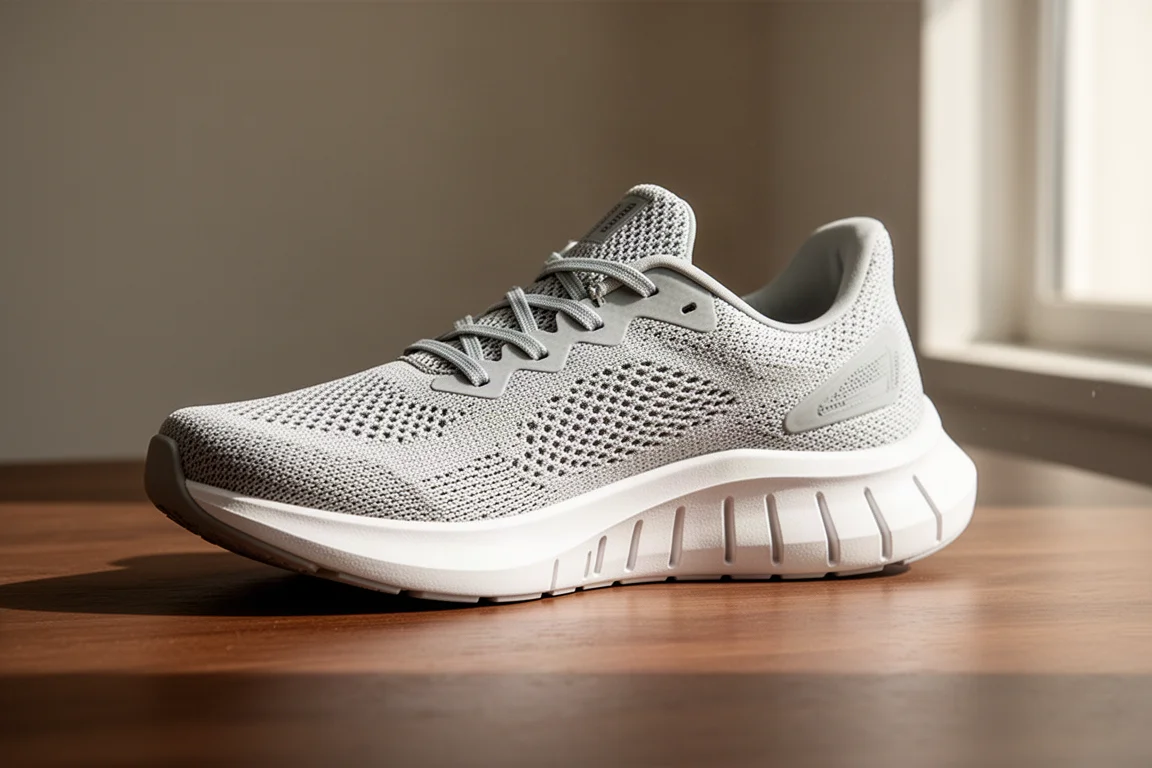
On Cloudboom Bolt
The Cloudboom Bolt is still early in its break-in period, and the first impression was clunky and stiff. As it softens up, it is improving. This is a plated, firmer, more traditional up-tempo shoe with Helion HF foam in a dual-layer setup, and it sits in On’s lineup as the more budget-minded Cloudboom option that can still race, positioned apart from the slower, long-pace Cloudboom Max. It is lighter in intent than it is on the scale, and it takes a few miles of warming up before the ride opens up. Expect something like a lightweight plated trainer rather than an out-and-out 5K racer, and expect to need patience during break-in.
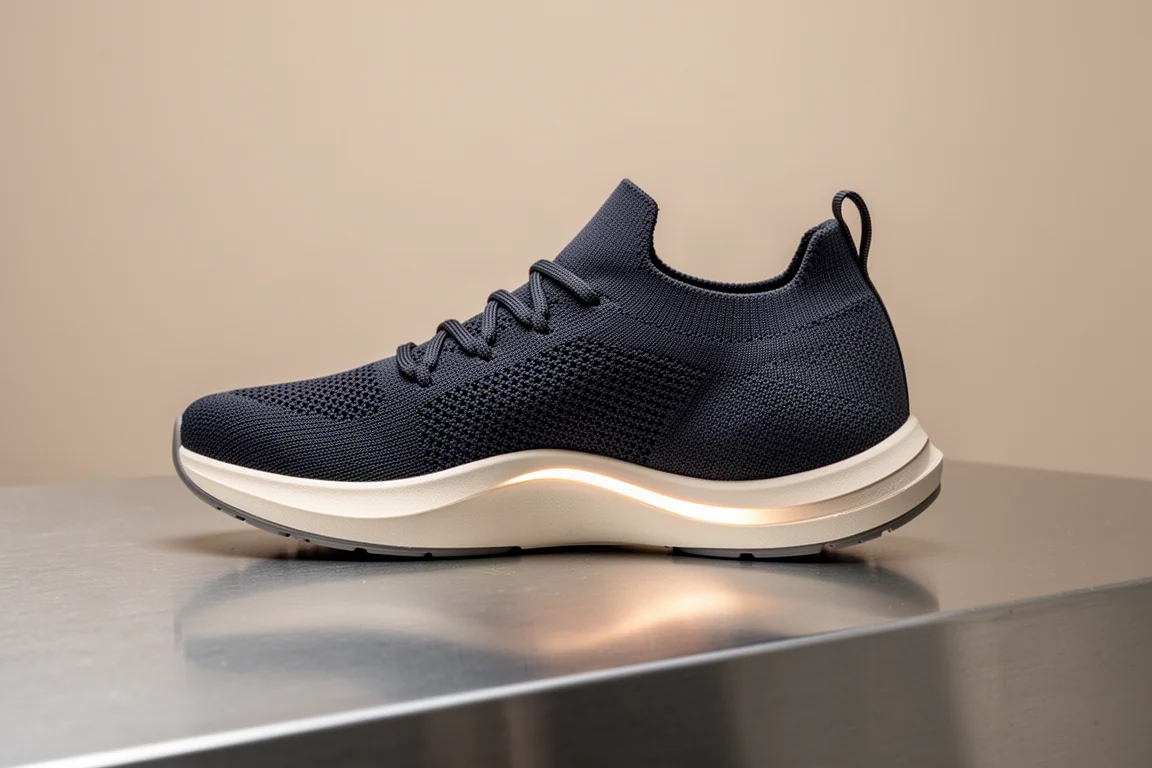
The North Face Altamesa 500 v2
The Altamesa 500 v2 is The North Face’s easy-cruising trail shoe, built for putting in comfortable miles. In a men’s size nine it weighs 9.8 oz, with a 6 mm drop, 44 mm of heel foam and 38 mm in the forefoot, using a nitrogen-infused TPU midsole that gives it a supercritical feel without a plate. A full week of hiking, walking and easy jogging in the Smokies left a strong impression: the fit is excellent, secure through the midfoot and open in the forefoot, with a nice wide toe box and only modest toe spring. It compresses a bit in the heel, so it feels slightly lower than the stated 6 mm drop, but it never felt awkward. Do not expect pace work here: the midsole is clearly tuned for slower, steady efforts and does not respond when you push. As an all-day walking and easy-running shoe, though, it is very comfortable and genuinely impressive.
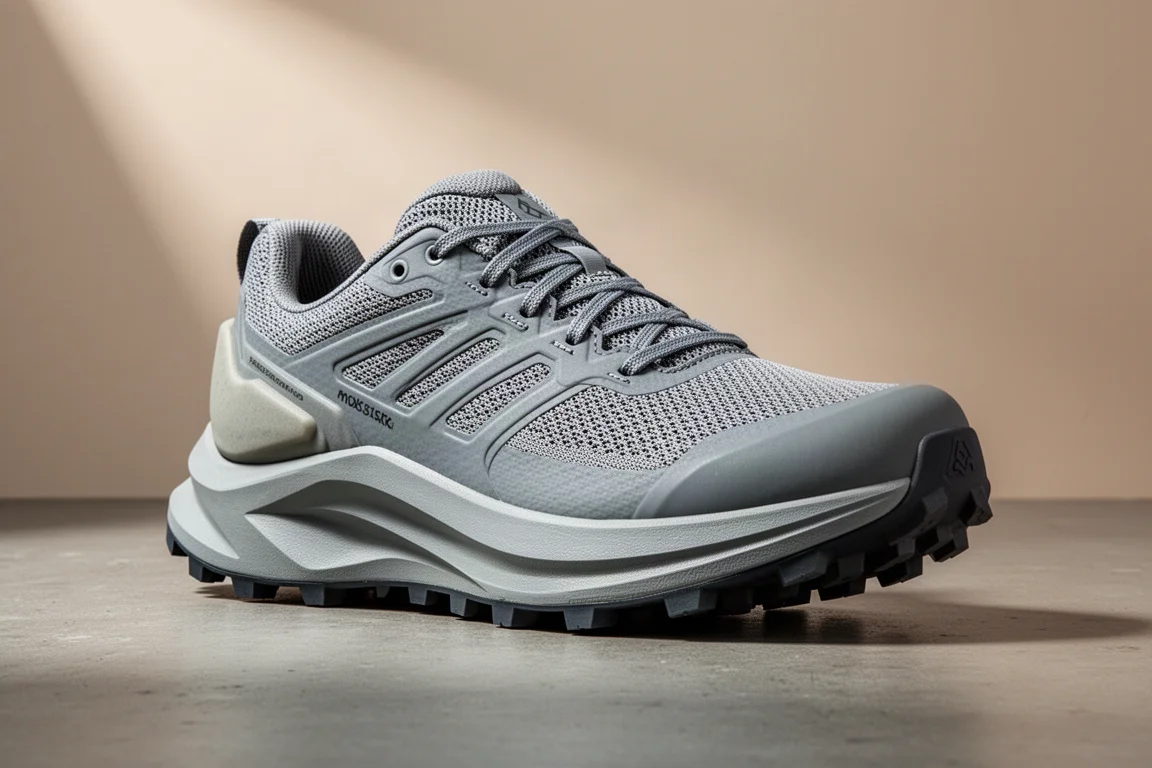
Brooks Glycerin Flex
The Glycerin Flex is a strange and interesting shoe. It has a relatively high stack at 38 mm in the heel and 32 mm in the forefoot with a 6 mm drop, a DNA Tuned midsole that is slightly firmer than other Glycerin models but still very protective, and a dramatically flexible podular design built around a massive flex groove through the midfoot plus deep grooves into the forefoot. The beveled heel is one of the better ones Brooks has produced. When you land, the platform visibly gives and lets the foot move through a natural path, which is exactly the intent, echoing the flexibility concept of the earlier Aurora BL. The trade-off is real: that much flexibility demands more from your joints, and calf soreness is a documented side effect. The upper also has issues, running warm due to a thicker knit, with friction around the deep flex groove causing hot spots, and some testers found the heel collar padding jammed into the Achilles tendon. For a niche audience with neutral mechanics who specifically want a flexible high-stack shoe, it works. For many others, it will not.
Adidas Terrex Agravic Speed
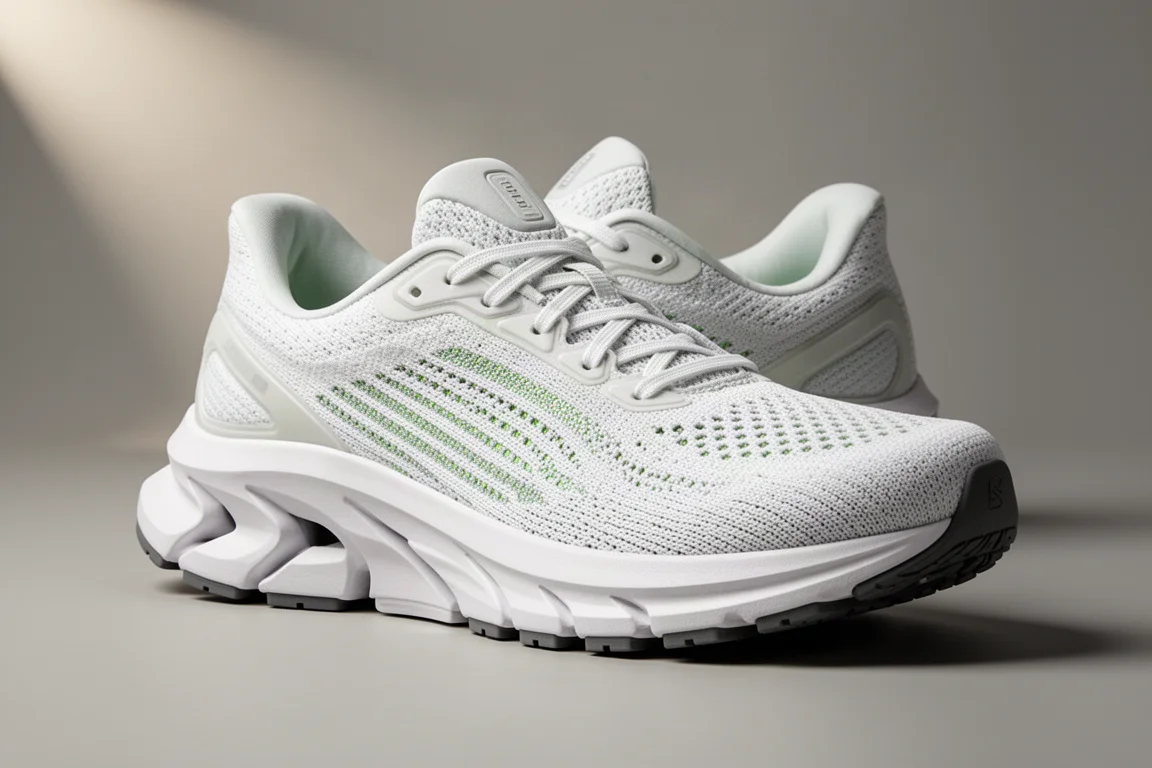
The Terrex Agravic Speed is the speed-focused trail option here, with an aggressive design, a snappy Lightstrike Pro midsole, and a full-length Continental outsole with essentially no give. Its most obvious risk is the narrowest midfoot in the group, which raises genuine stability concerns on technical terrain and lateral movements, even though the forefoot is reasonably wide at its widest point. It might run more stable than it looks, but early testers were nervous. For those who need more security, the Agravic TT offers a wider midfoot and bigger sidewalls at a considerable weight penalty and a loss of the snappiness that makes this version appealing. Impressively, despite its trail pedigree, this shoe handled track workouts, sand and all kinds of surfaces, leading to comparisons with a road racer wearing a trail outsole. Full trail mileage testing is still underway.
On Cloudmonster Hyper 3
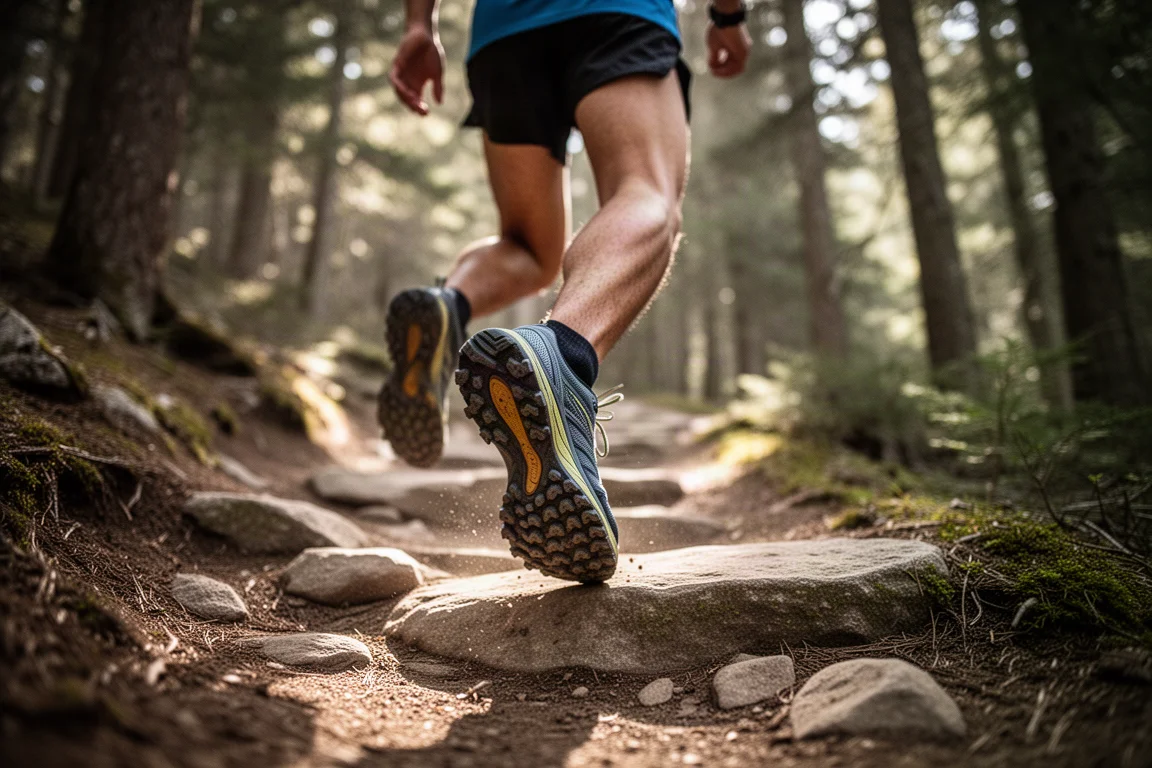
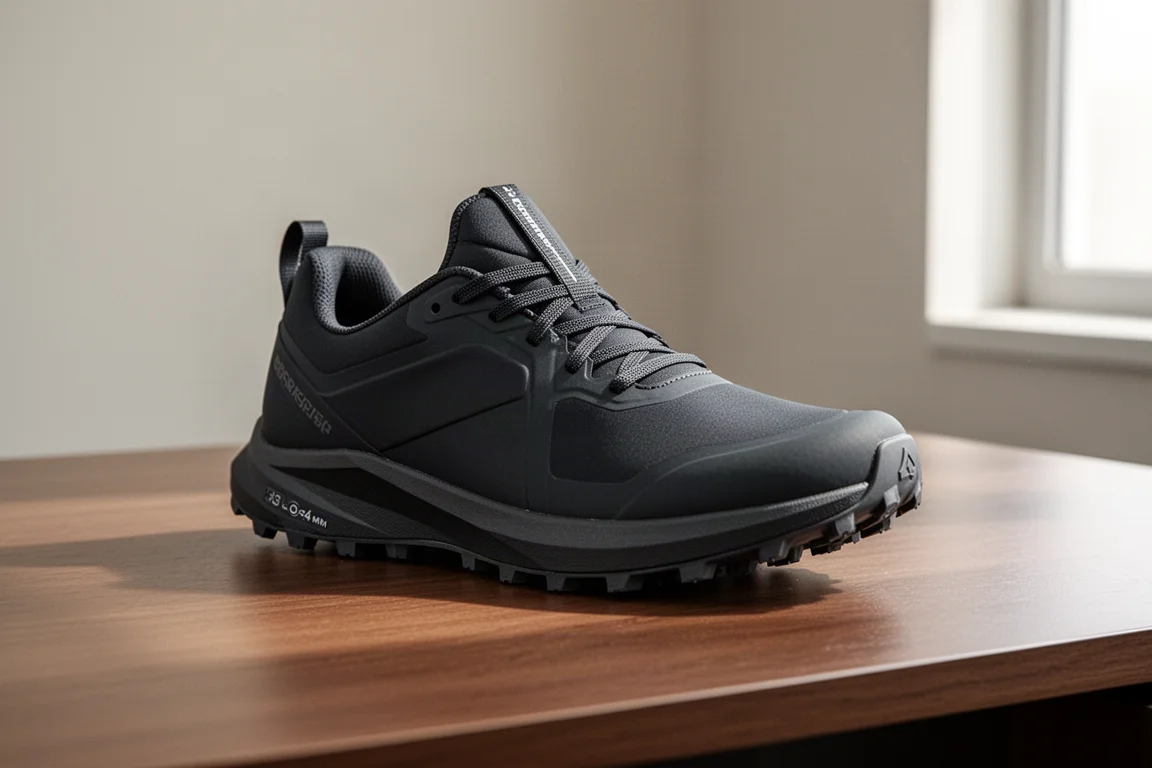
The Cloudmonster Hyper 3 and its LS cousin are surprisingly stable neutral shoes, with very high sidewalls and a high arch on the medial side. Long runs and workouts in it have been uneventful in the best way. The ride comes from a thick slab of Helion HF wrapped in a Cloudtec chassis, and that structure makes the heel especially well set up, stabilizing the rest of the ride. The Helion HF portion itself reads slightly softer, giving some give on downhills even as the Cloudtec firms things up. Compared with the Endorphin Azura, it offers a firmer, snappier feel with more obvious medial support. It sits higher on the foot than most of this list.
Saucony Endorphin Azura
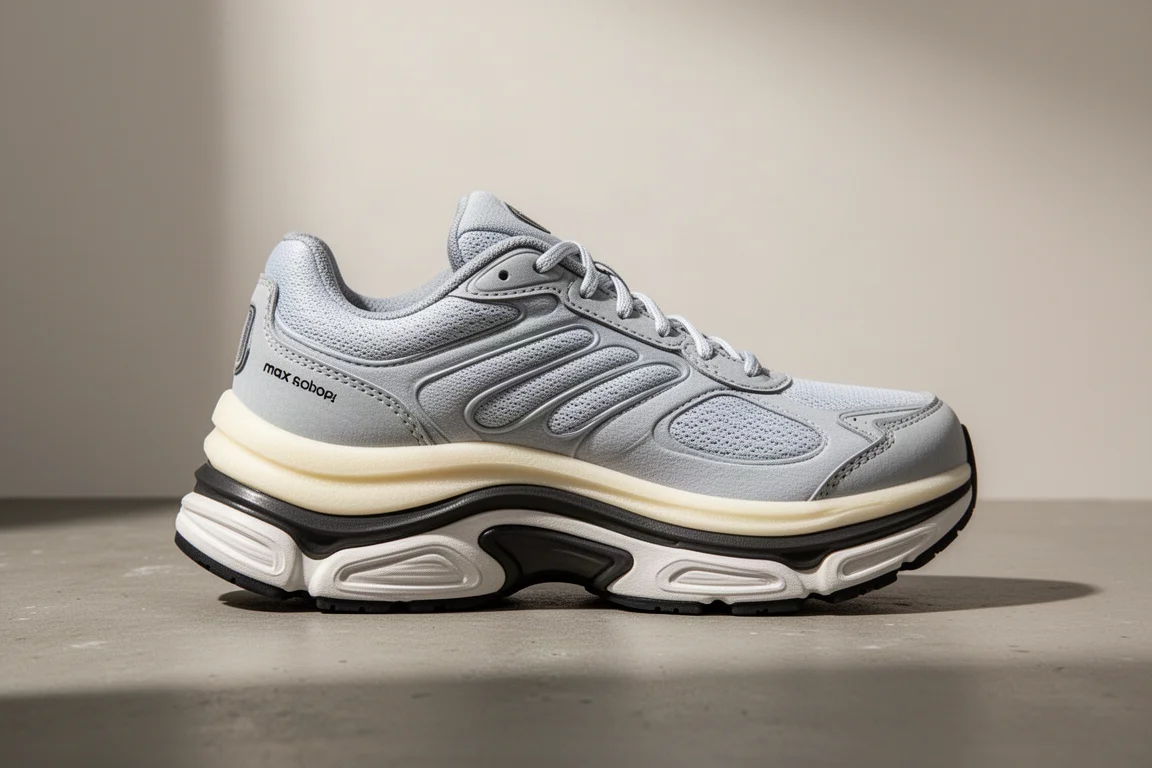
The Endorphin Azura is a lighter, lower option than the Cloudmonster Hyper 3, running at roughly 40 mm, with PWRRUN PB that feels notably firm, a lateral cutout, and a stiff forefoot with a strong rocker profile. It was not designed to be stable neutral, but it accidentally turned out that way on the medial side. The way the sole flare is arranged and the stiffness up front give it a grounded, supportive feel, especially through the forefoot and midfoot. It is a strong all-rounder: responsive enough for workouts, no plate, and a pleasant rolling ride that leans slightly softer and more guided than the Hyper 3. Around the $150 mark, it has quietly become a favorite.
Buying Advice
Choosing between these shoes comes down to what you are replacing and what pace you actually run. If your priority is fast workouts and racing on the road, the Puma Deviate Nitro Elite 4 is the most aggressive pick here, while the On Cloudboom Bolt suits runners wanting a plated up-tempo trainer with a little more traditional character. For everyday easy miles, the Saucony Ride 19 delivers plushness, and the Adidas Supernova Rise 3 offers a steadier, stable neutral alternative.
On the trail side, the On Cloud Soma is the nimble do-everything option and The North Face Altamesa 500 v2 is the comfort cruiser, with the Adidas Terrex Agravic Speed reserved for fast, confident trail runners who can handle a narrow midfoot. Between the On Cloudmonster Hyper 3 and the Saucony Endorphin Azura, there is genuinely no wrong answer: pick the Hyper 3 for firmer, snappier and more obvious medial support, or the Azura for a softer, more rockered and guided ride. And if you are curious about flexibility with stack height, the Brooks Glycerin Flex is the only shoe on this list doing that, with all the caveats noted above.
One useful note from the broader conversation around shoe selection: there is little evidence that body weight dictates stability needs. Runners with greater body weight tend to do better in moderate stack heights rather than very low ones, but beyond that, comfort remains the most reliable guide. Trying shoes on, when possible, beats spec-sheet reasoning every time.
Conclusion
Ten shoes, ten fairly different answers. The strongest takeaway from this batch is that the market is splitting in interesting ways: plated trainers are blurring categories, trail shoes are getting road-worthy, and some brands are experimenting with flexibility in ways that will only suit a narrow group of runners. Match the shoe to the pace and terrain you actually run, trust comfort over hype, and most of these options reward you well for doing so.
Further reading
Related Reviews

Running Shoes
Best Road-to-Trail Running Shoes: Three Versatile Options for Mixed Terrain
A practical guide to three road-to-trail running shoes that handle both pavement and mild trails, with clear strengths and trade-offs for different runner types.

Running Shoes
Best Running Shoes for Achilles Tendonitis: Three Options Explained
Three running shoes with different heel drops and support features designed to help reduce Achilles tendon pain during walking and running.

Running Shoes
Best Running Shoes for Women: Five Top Choices Ranked
A ranked guide to five women's running shoes, from versatile daily trainers to high-performance racing options, with real strengths and trade-offs for each.