简体中文 · Running Gear
Race-Tested Running Gear: Watches, Strap and Shoes From a Hot 5K
Four pieces of running gear put through a real 5K race in hot, humid conditions, including the Amazfit Cheetah Pro, Garmin Forerunner 965, Garmin HRM Pro Plus and On Cloudboom Echo 3.
Introduction
There is no better way to judge running gear than to take it into a real race, and a hot, humid evening 5K in Budapest during the World Championships period offered exactly that. The course, a single loop around Margaret Island, was run in around 25 to 26 degree conditions with high humidity, which pushes both shoes and tracking hardware to their limits.
On test were the On Cloudboom Echo 3 racing shoes on foot, the Garmin Forerunner 965 paired with a Garmin HRM Pro Plus chest strap on one wrist, and the newly launched Amazfit Cheetah Pro on the other. The distance was marked and measured, which made it ideal for checking whether the watches tracked accurately.
The Race: A One-Loop 5K in Budapest
The event was a one-lap, all-out 5K around Margaret Island, fully marked out with a known 3.5km checkpoint that made it easy to see whether the watches were on the money for distance. The actual course measured around 5.2km, and the finishing time landed somewhere in the 20:59 range.
Heat and humidity were the story of the evening. The run started around 8pm, but the air stayed warm and muggy, so heart rate stayed high and never really dropped. That context matters when judging the sensor results below.

Amazfit Cheetah Pro: Promising on Paper
The Cheetah Pro sits at the top of Amazfit’s new running watch range. It offers dual-band GPS, offline maps with navigation, an onboard AI-powered running coach, an armoured screen, an optical heart rate sensor with support for pairing an external strap, and a promise of up to two weeks of battery life. Pricing sits around the 250 to 300 mark, putting it in competition with watches like the Garmin Forerunner 265.
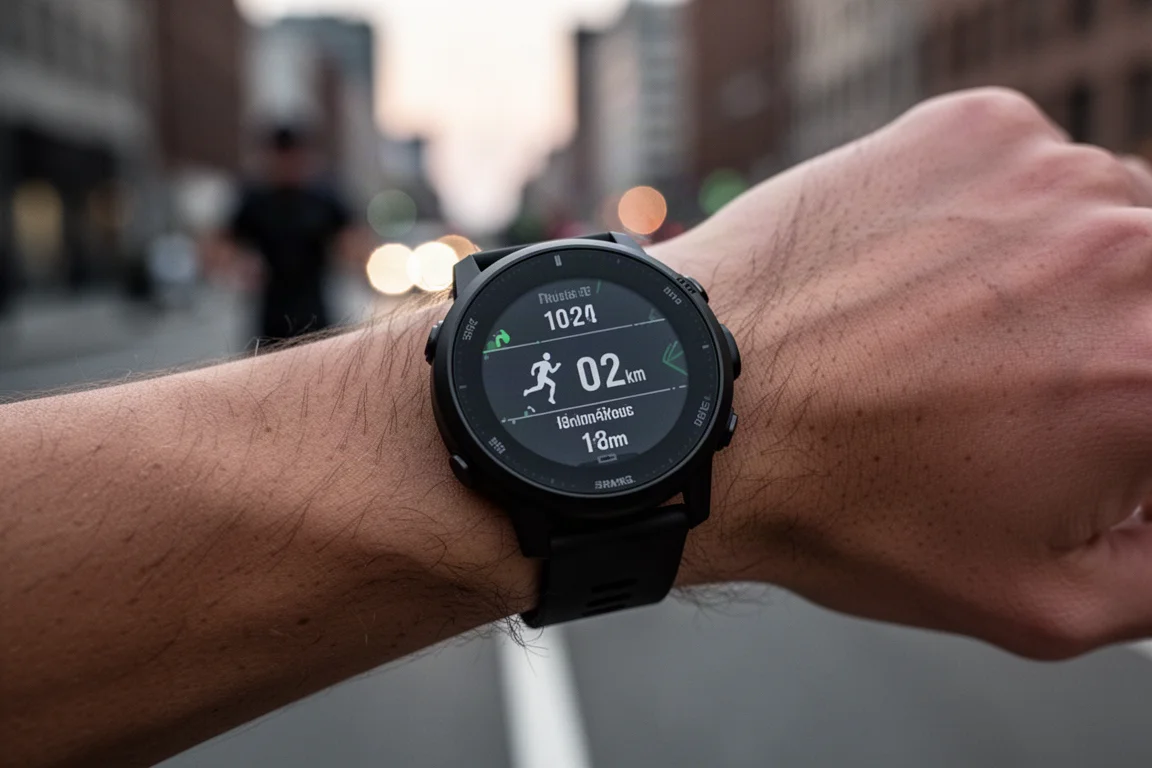
On the race course itself, the results were mixed. On a 5.2km route, the Cheetah Pro logged 5.18km while the Forerunner 965 logged 5.23km, so overall distance and pacing were broadly in the same ballpark. Digging into the details, though, raised concerns: the watch recorded a pause during a period of continuous running, and at least one split was clearly longer than it should have been.
Heart rate was the bigger disappointment. Despite hot, hard running, the Cheetah Pro’s optical sensor reported average and max heart rate values well below what the paired chest strap recorded on the Forerunner 965, suggesting the sensor underestimated effort significantly. Battery life performed fine in dual-band mode with no concerning drop-off. Early impressions bring to mind other challenger brands taking on Garmin, Polar and Coros, and after a couple of runs plus this race the verdict is not yet settled, so more testing is planned before a full review.
Garmin Forerunner 965: The Go-To Benchmark
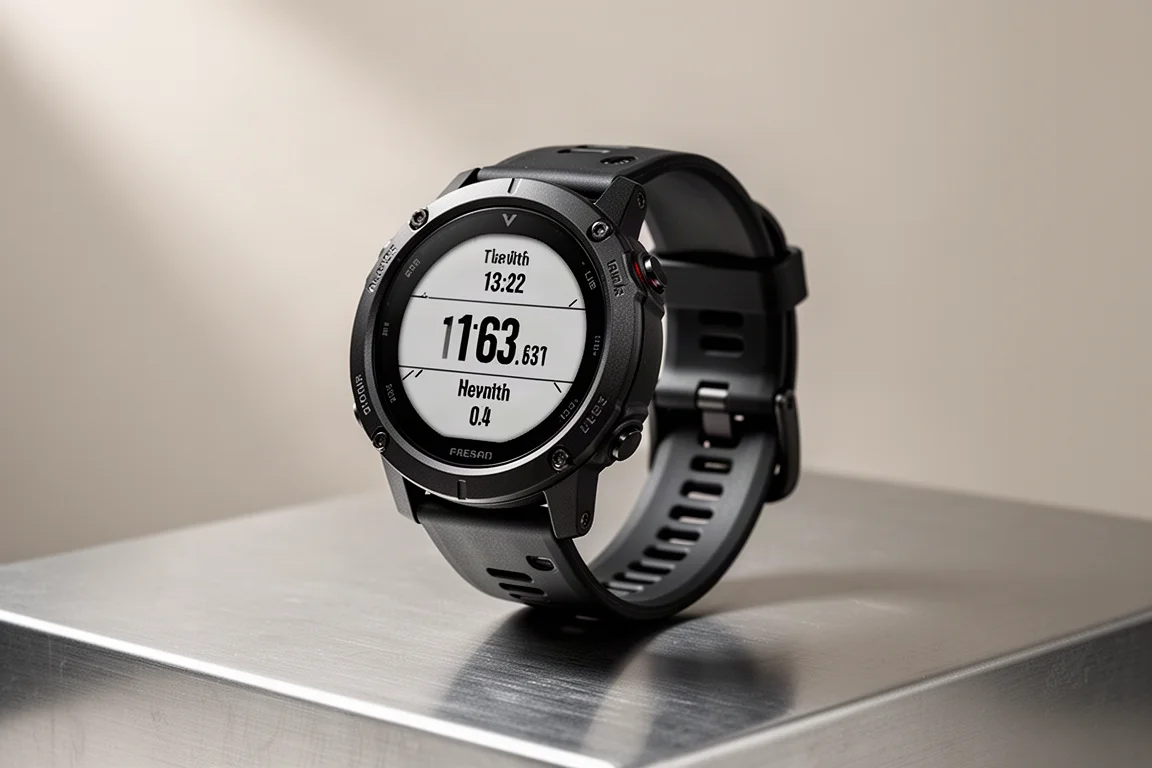
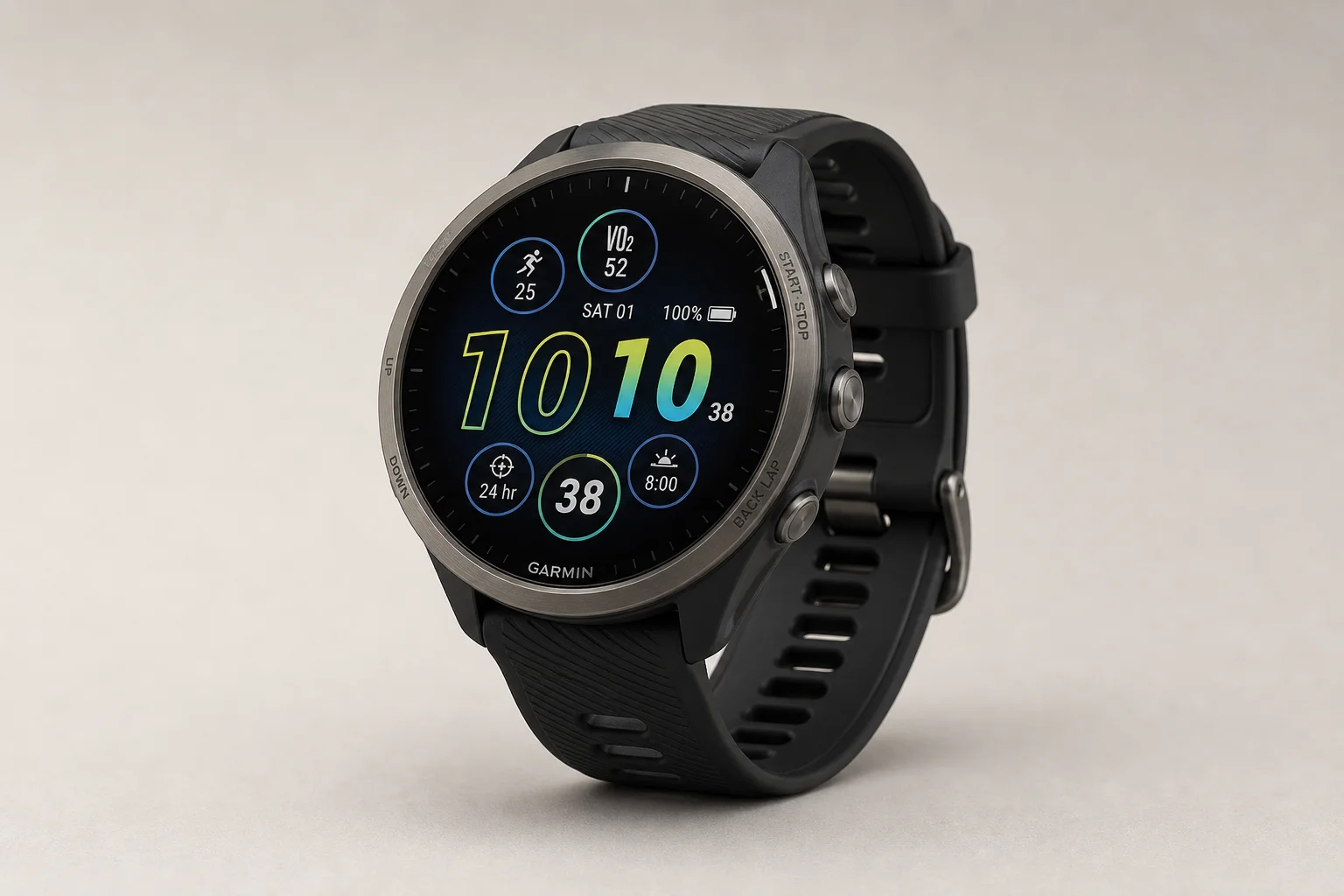
The Forerunner 965 has become the default GPS benchmark in this kind of testing, and this race reinforced why. It logged 5.23km on a 5.2km course, which is comfortably close, and its pacing and splits read cleanly and consistently throughout the single loop.
The watch also served as the display for the chest strap data, and the combination tracked a believable heart rate profile for a hard effort in humid conditions: high, sustained, and slow to recover after finishing. If you want a watch you can trust the numbers from, this is the kind of performance that keeps it in regular rotation.
Garmin HRM Pro Plus: The Reliable Reference
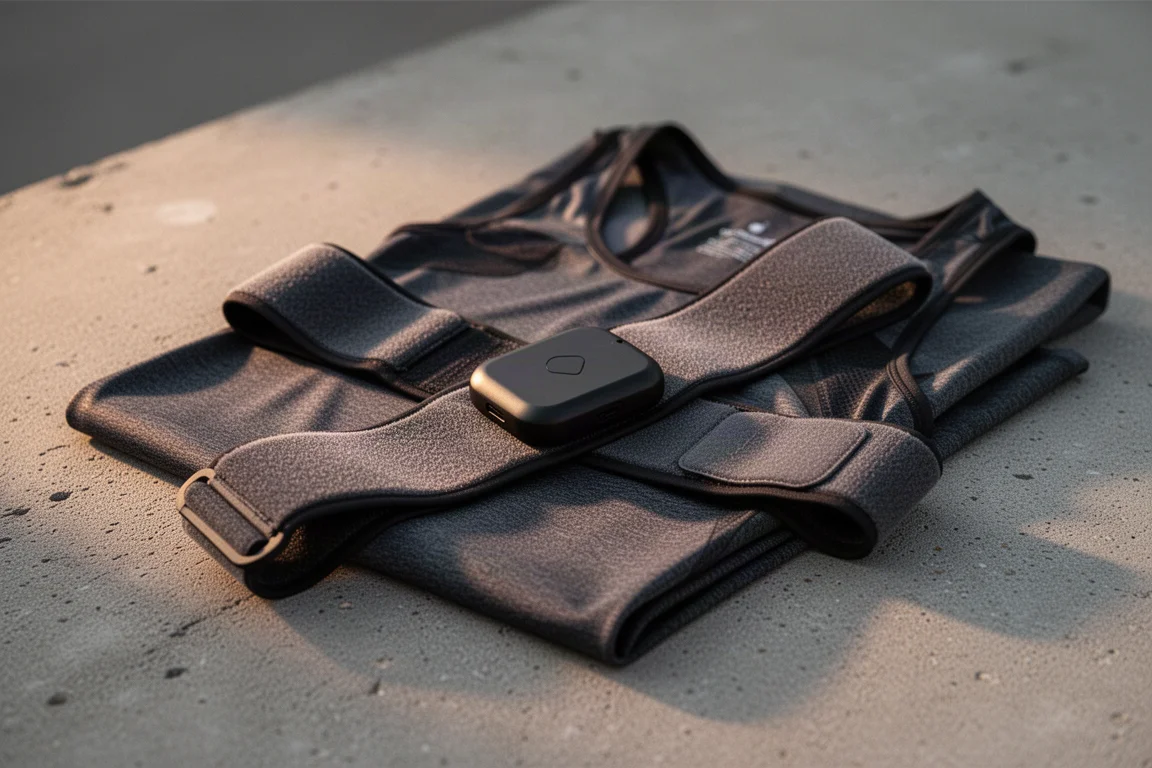
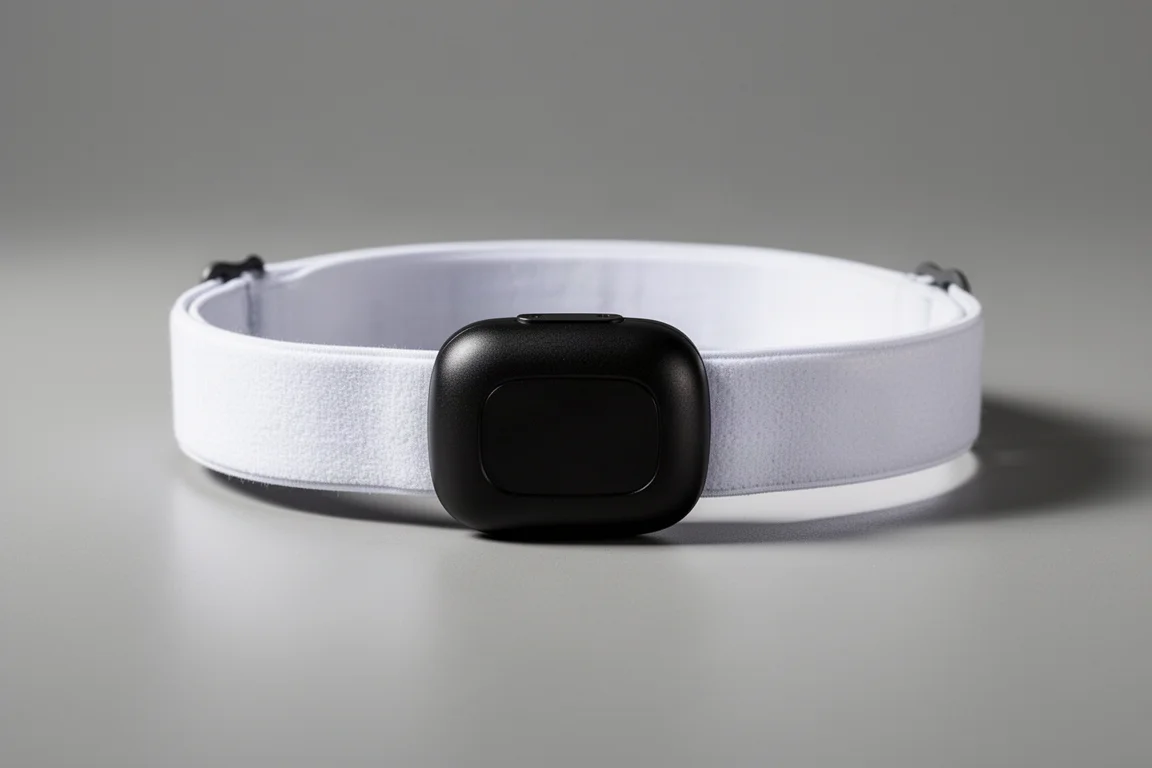
The HRM Pro Plus chest strap ran connected to the Forerunner 965 for the full race and delivered exactly what a chest strap should: a heart rate trace that stayed honest through a hot, high-intensity effort. While the optical sensor on the Amazfit underestimated both average and max heart rate, the strap captured the sustained high effort accurately.
For anyone doing structured training or hard races in warm conditions, this is a clear argument for pairing a chest strap with your watch rather than relying on wrist-based readings alone.
On Cloudboom Echo 3: Built for Racing Short and Fast
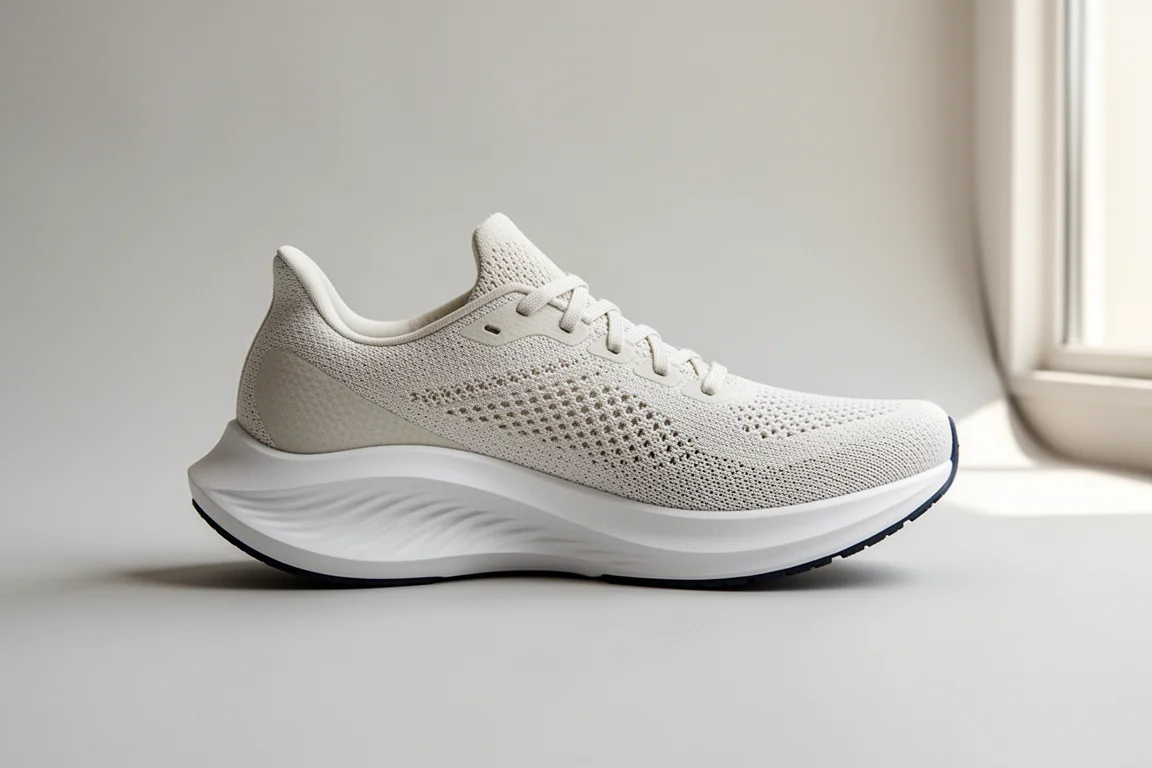
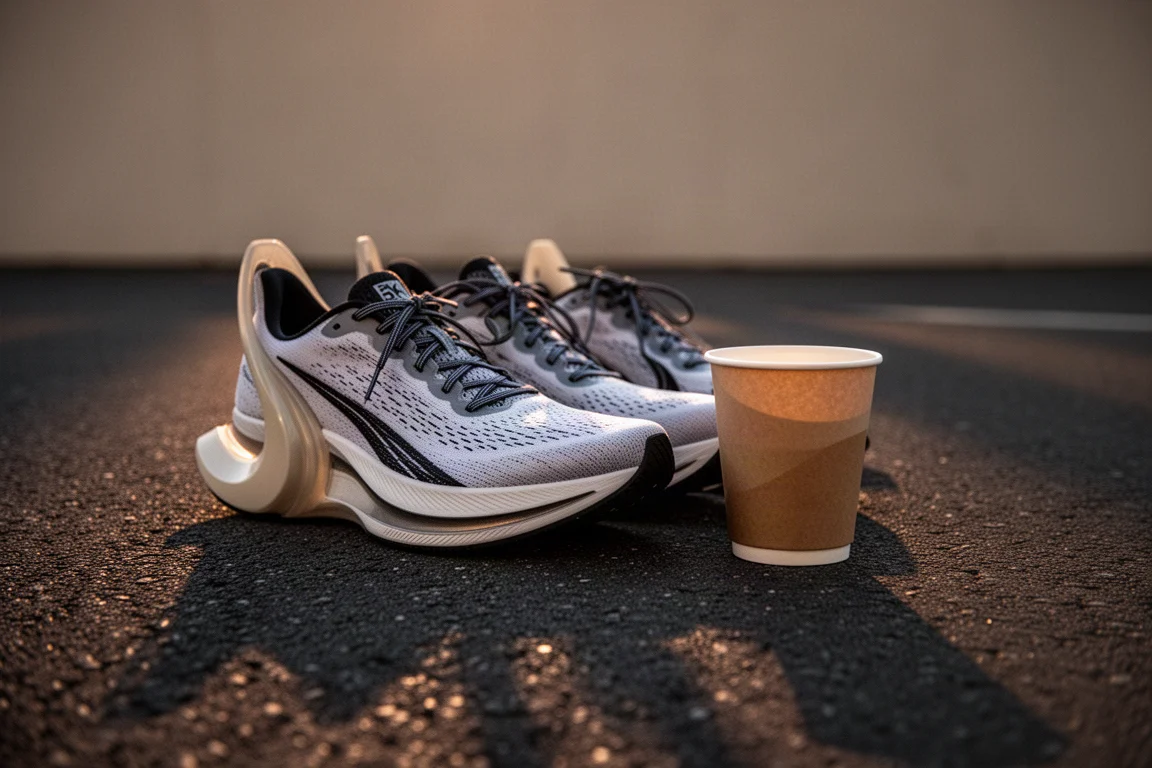
The Cloudboom Echo 3 returned for another race test, and this 5K suited it far better than the earlier 10K test did. The shoe felt great over a one-loop, all-out 5K, which fits its role as a racing shoe rather than something for long, slow days.
Conditions were still brutal, with warm evening air and plenty of sweat, but the shoe delivered a fun, fast race experience. Runners who race frequently at 5K to 10K distances will get the most out of it, especially on warmer nights where a lightweight, responsive race shoe makes a difference.
Overall Buying Advice
After this race, the Forerunner 965 with the HRM Pro Plus chest strap stands out as the combination to trust for accurate distance and heart rate in tough conditions. The Cloudboom Echo 3 is an easy recommendation for short, fast racing if you want a dedicated race-day shoe.
The Amazfit Cheetah Pro is harder to call. Its feature list is strong for the price bracket, with dual-band GPS, offline maps, an AI coach and long battery life, and overall distance tracking was close. But the pause detection error, an inflated split and a heart rate reading that badly underestimated a hard effort are real warning signs. If you are considering it, wait for fuller testing and treat it as a work in progress rather than a finished package.
Conclusion
A hot, humid 5K is a genuinely tough test, and it split this gear cleanly. The Garmin pairing proved its accuracy, the On racing shoe shone over a short, fast course, and the Amazfit Cheetah Pro showed promise but left enough questions open that patience is the sensible play before committing.
延伸阅读
相关评测
Running Gear
Puma vs Adidas: 六款值得认识的跑鞋与运动手表
透过六款当前产品,从碳板竞速鞋到GPS运动手表,一窥这对德国运动服饰经典宿敌的对决,并提供实用的购买建议。

Running Gear
实测奇葩跑步产品:好用、不错和 downright 怪的都在这里
我们自掏腰包购买了一批不寻常的跑步装备,为每件产品打分(满分5分),从能量胶壶、冰镇头巾到鼻贴和肌肉刮痧板,通通试了个遍。
Running Gear
比赛日装备实测:6款跑步产品在真实的5K和10K赛道上接受考验
碳板竞速鞋、两款Garmin手表、一款具备多频段GPS的Polar、耳挂式耳机和一条弹力跑步腰包,在炎热多坡的比赛条件下接受实测。