Svenska · Ski Gear
Bygga ett skidg upperifrån.jpg
A closer look at a well-built East Coast ski quiver, plus the gear that made the biggest difference in fit, comfort, and progression.
Introduction
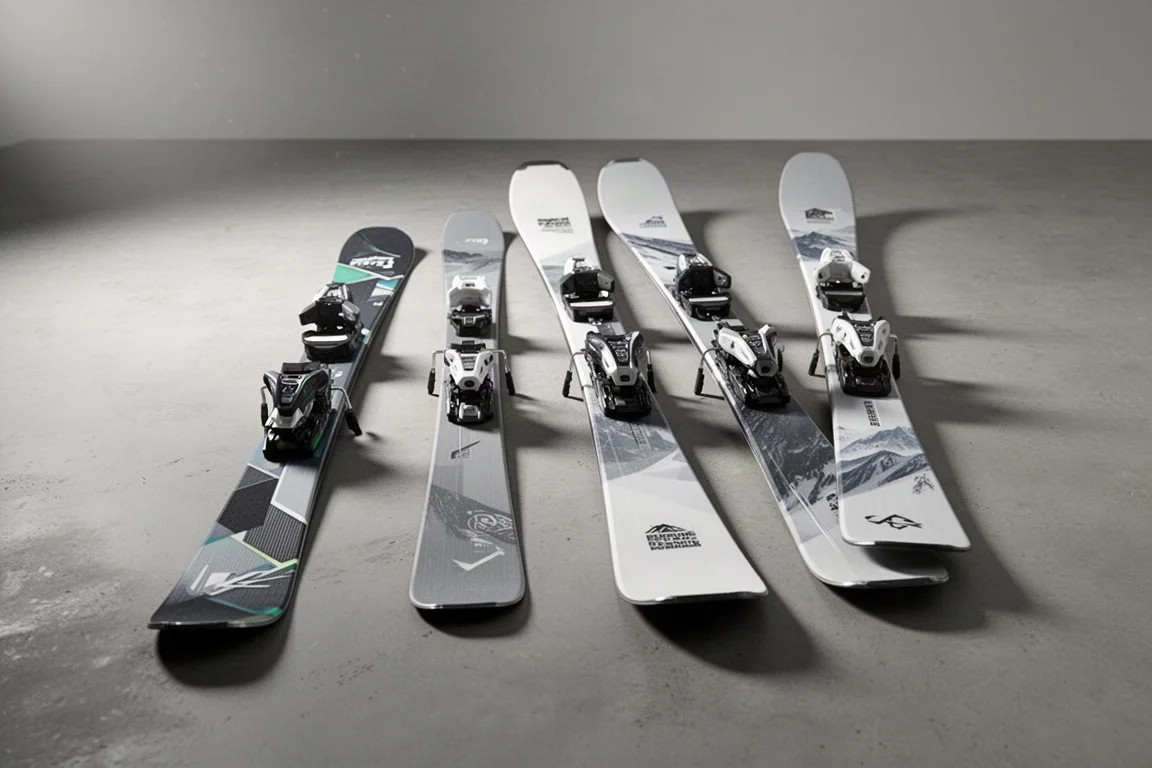
Quivers are always revealing, because most of us end up with one or two more pairs of skis than we strictly need. A recent reader-submitted setup gave a useful snapshot of how a dedicated East Coast skier, skiing 40 to 50 days a season in Vermont with one trip out west, pieced together a collection over time. The verdict was largely positive: strong carving picks, a genuine powder ski for the annual western trip, and one clear redundancy to fix. Along the way, the discussion surfaced some genuinely useful buying advice, from damp carving skis to aftermarket boot liners and forgiving skis for intermediates.
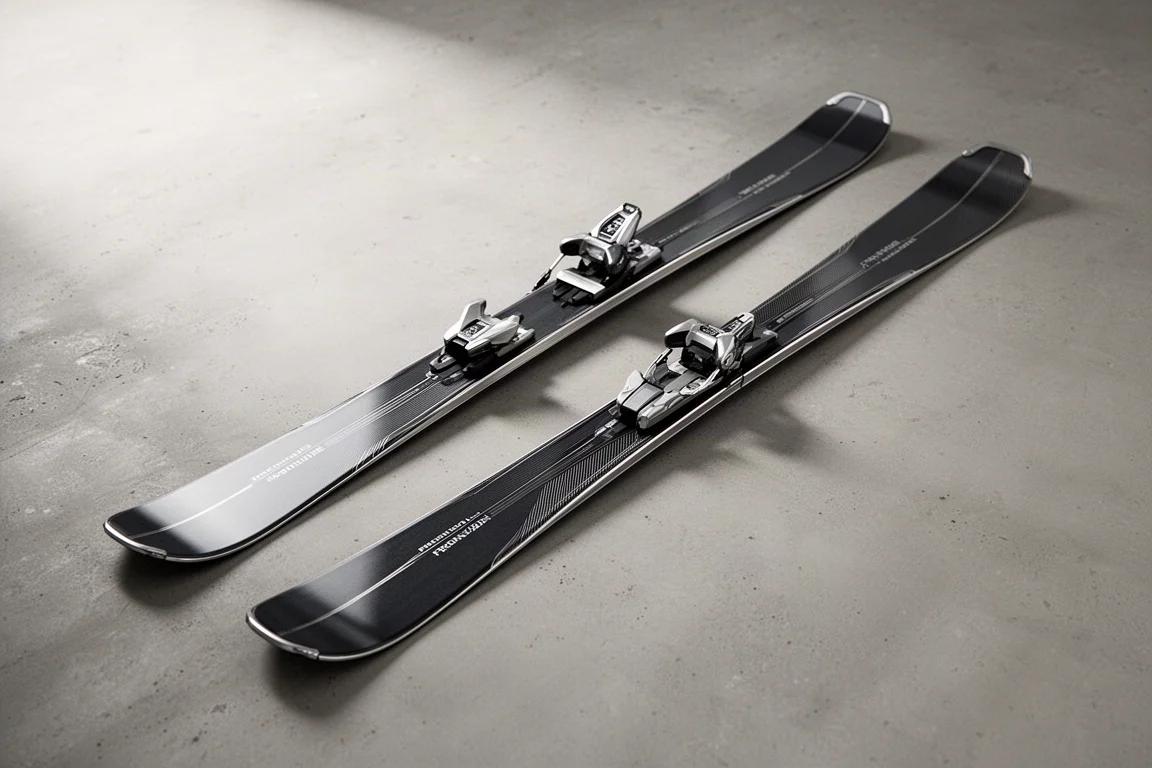
The Carving Core: Stöckli Montero AR
The standout pair in the quiver was the Stöckli Montero AR with matching Strive bindings. On the East Coast, where firm groomers dominate, a genuinely damp carving ski makes every lap better, and this one drew particular praise for its distinct, locked-in carving feel. It was described as the kind of ski you should not demo unless you are ready to buy, because once you feel how it holds an edge, going back is hard. Paired with a narrower carving ski like the Fischer Curve GTX, it forms a two-ski carving core that makes total sense for a Vermonter.
Big-Line Powder: Rossignol Sender Free 110
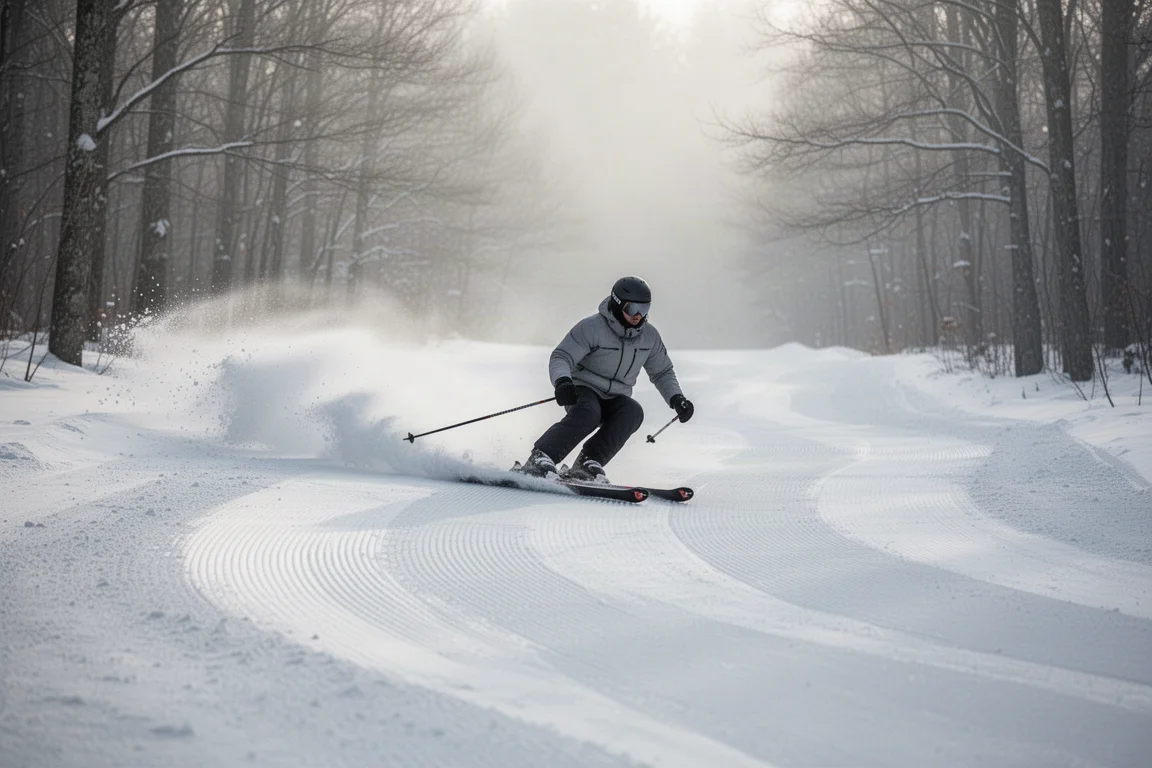
For the one western trip a year, the Rossignol Sender Free 110 earned its place. It was called the Goldilocks pair in the Sender line: soft and gradual in feel, yet stable when speeds climb on big lines. The same session left a less favorable impression of the Sender 104 Ti, which simply did not connect the same way. For a directional skier who struggled to find a powder ski that felt right, the Sender Free 110 became an easy go-to, and it can still carve acceptably if fresh snow never arrives.
View more details for Rossignol Sender Free 110
Playful All-Mountain Fun: Black Crows Atris
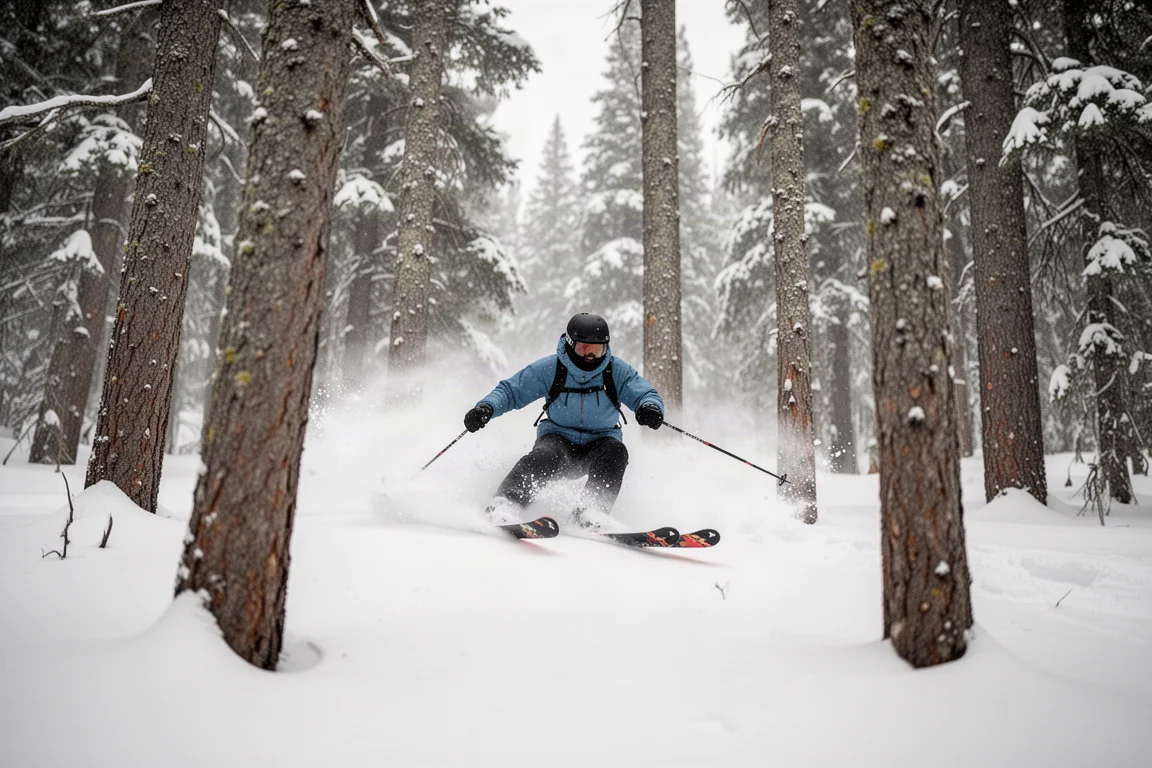
The Black Crows Atris fills the playful, sendy slot in this quiver. It suits aggressive tree skiing and East Coast powder days, where a lighter amount of flotation and a willing freestyle spirit matter more than outright width. One pro rider’s take summed it up well: it is one of the few skis that feels impossible to improve by changing anything about it. Mounted at the factory recommended line, it is ready to go as-is.
The Overlap Problem
Not everything in the quiver pulled its weight. The Dynastar M-Free 99 and Fischer Ranger 108 overlapped heavily with each other and with the Atris, and the M-Pro 90, while fine, felt like an older design compared to how modern skis float. The Ranger 108 mounted with Atomic Shift 2 bindings serves a touring purpose, but the honest advice was to consolidate: sell the Dynastar and the Ranger overlap, and add a dense, stable crudbuster instead. For heavy, wet, sticky spring snow and unpredictable seasons, skis like the Völkl Mantra 88 or M7 Mantra, Nordica Enforcer, or a K2 Mindbender fit that role well.
The Boot Upgrade That Matters Most: ZipFit Liners
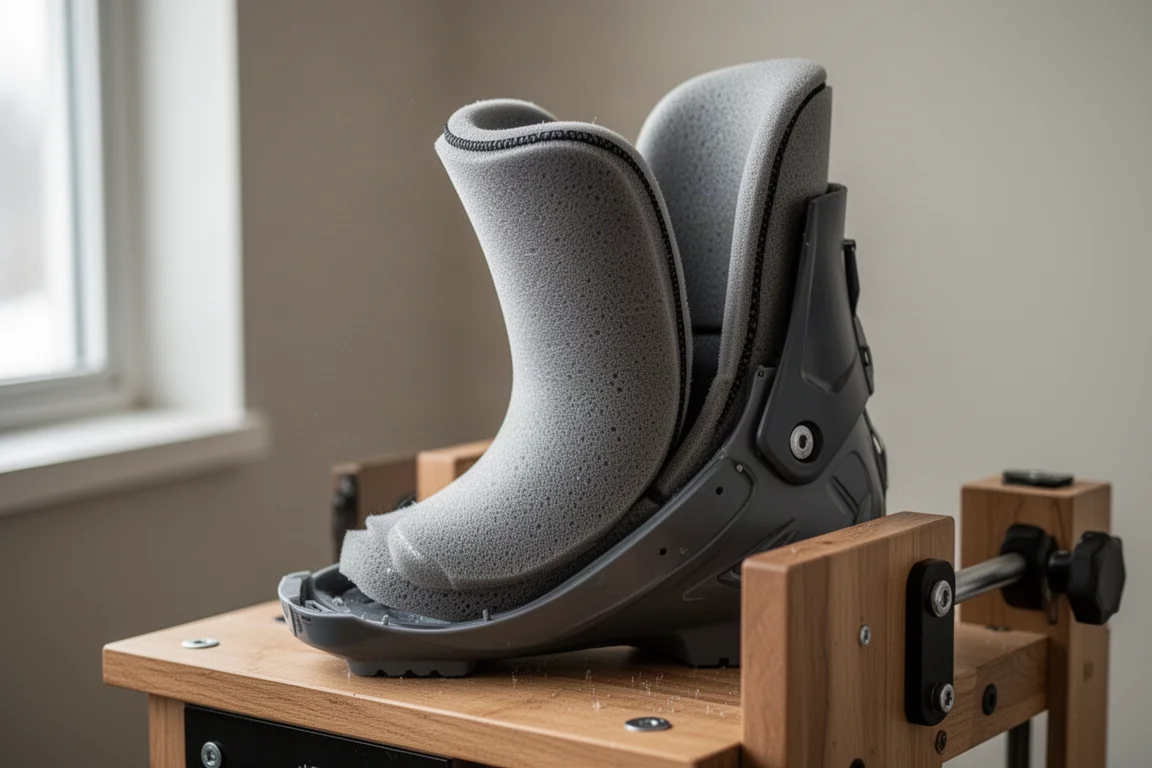
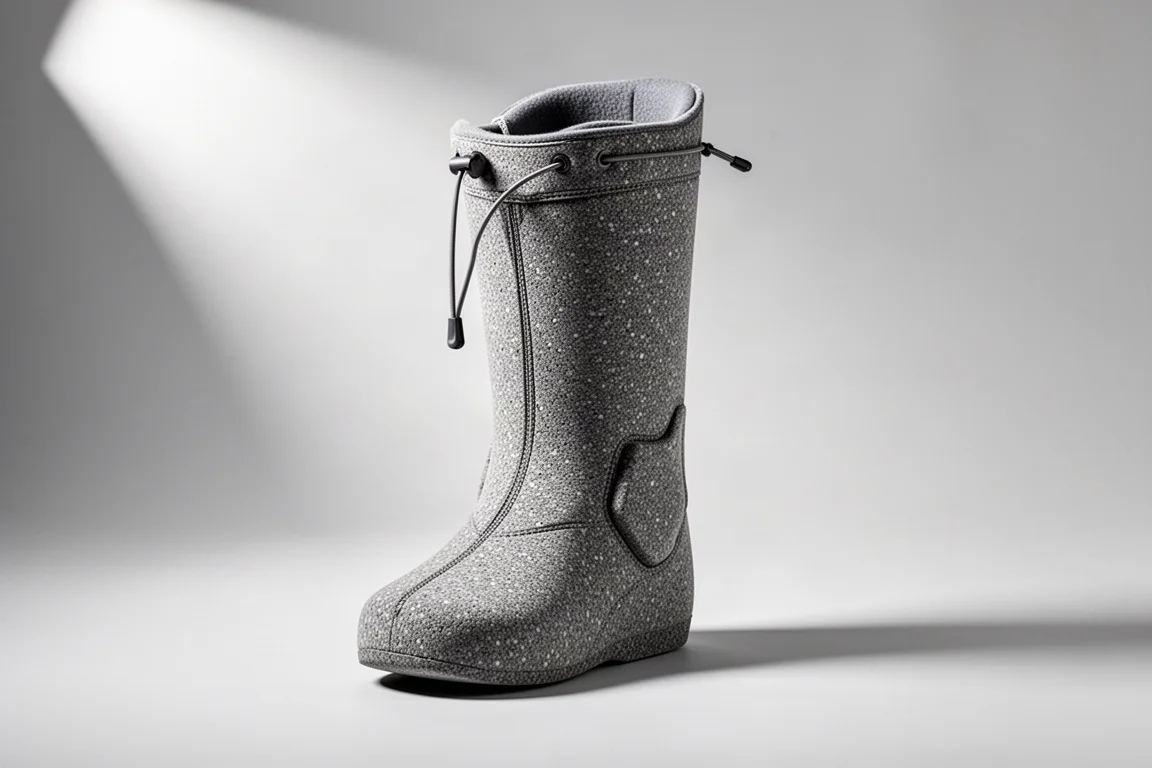
One reader comment captured the strongest gear claim of the entire discussion: properly fitted ZipFit liners have a greater positive impact on your skiing than any other product. Since 2004, that reader has run through three sets averaging 30 to 70 days per season, describing the effect as power steering for your skis.
The caveats are real, though. ZipFit liners cost roughly as much as a pair of discounted ski boots, so for someone skiing 10 to 20 days a year, the value is questionable, especially with a multi-day break-in period. They also require a properly fitted boot to begin with. If the budget is tight, a Booster Strap at 40 to 50 dollars, Remind insoles, or Intuition liners are smarter first steps. But for high-mileage skiers, the payoff showed up in eliminated side-of-foot pain, better power in and out of turns, and the best possible fit from an already good boot.
A Better Match for Intermediates
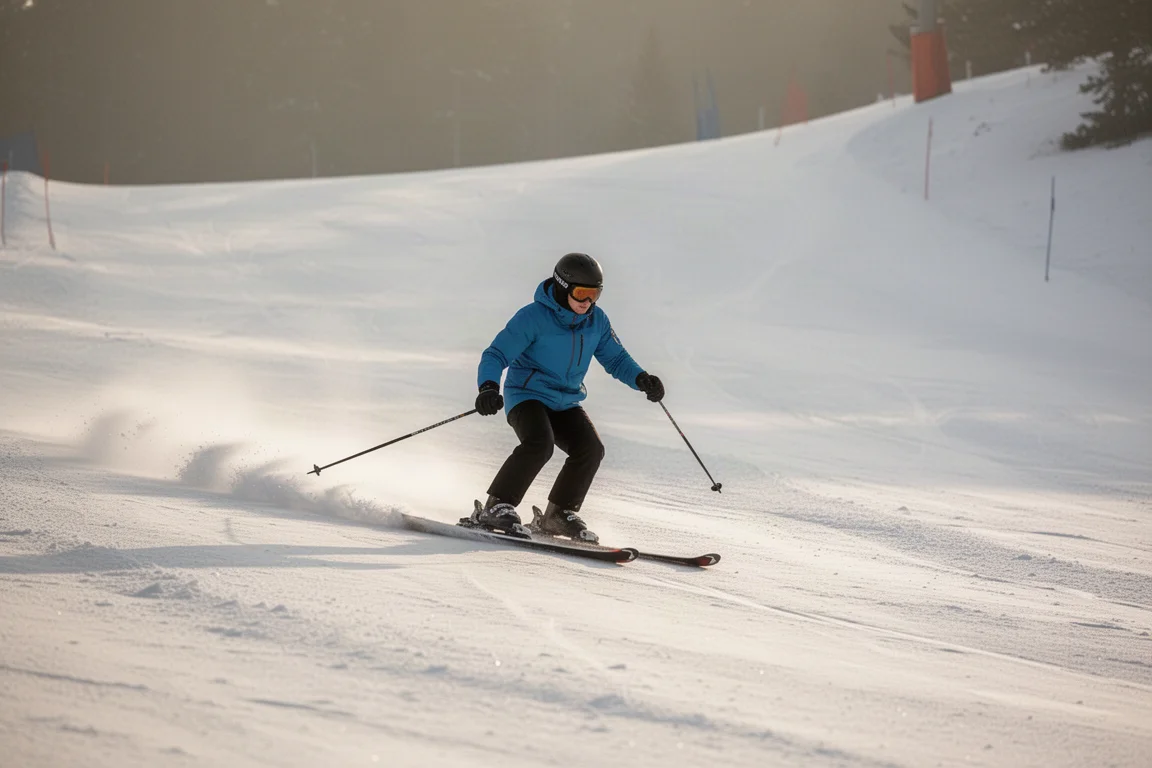
One question came from an intermediate skier in Australia struggling with tiring, unforgiving skis and catching edges when fatigued on the K2 Mindbender 88 Ti Alliance. The honest assessment: a powerful ski like the Mindbender is not a great match for an intermediate, no matter how good the sale price was. Better options include the Elan Ripstick 88 in the green model, the Black Crows Octo Birdie for easy short-radius turns, or the Fischer Ranger 90. The Atomic Redster Q series turns nicely but is pricey for the category. Mounting-point advice also came up: factory lines on Black Crows and Stöckli skis are consistently spot-on, while Atomic models often want a click or two back.
Overall Buying Advice
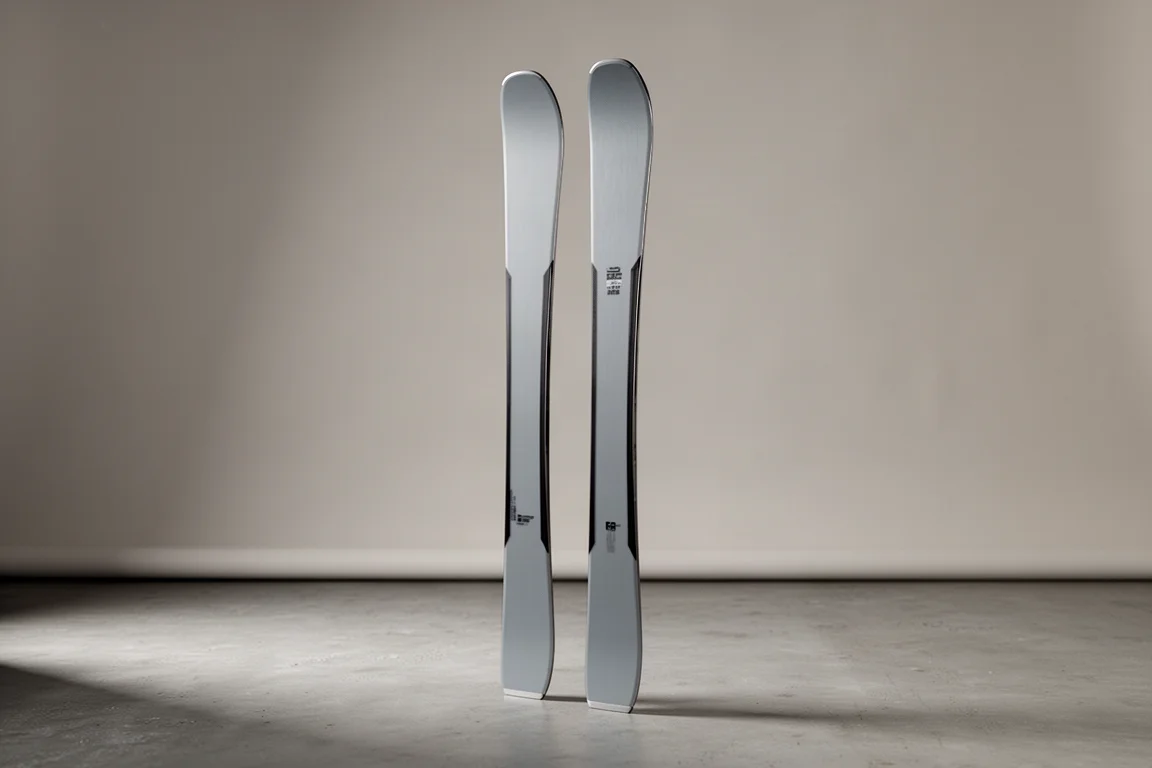
The biggest lesson from this quiver is that most skiers build their collection piece by piece, which naturally creates overlap. Skis that fit your needs today may duplicate something you bought two seasons ago. Before adding a new pair, ask what it does that nothing else in the garage already does. And before adding skis at all, fix the contact points: boots first, then liners or straps if the budget allows. A slightly smaller, better-fitted quiver beats a big one with redundancy every time.
Conclusion
This reader quiver hit nearly every target: a superb carving core, a genuine big-line powder ski, and a playful all-mountain ski for trees and East Coast powder days. The only real criticism was redundancy in the mid-width range, plus the absence of a stable crudbuster for spring conditions. For intermediates, the takeaway is different but related: pick a forgiving, appropriately powered ski, and demo before you commit. Build deliberately, and the quiver works for you instead of against you.
Vidare läsning
Relaterade recensioner

Ski Gear
2023 Blizzard Hustle vs Rustler: Sex freerideskidor jämförda
Blizzards Hustle-kollektion för 2023 bygger om Rustler-formen med en lättare kärna och utan metall. Här är hur alla sex skidor skiljer sig åt, och vilken som passar din åkning.
Ski Gear
Årets skidor 2023: Atomic Maverick 88 TI, Salomon QST 106 och Look SPX 12 Pro
Tre utmärkta skidval för allmountain-körning, puderdagar och pålitlig bindningsprestanda, med praktiska köpråd för modellerna 2023.
Ski Gear
2025 Nordica Enforcer 104-test: En riktningsdriven maskin ersätter 104 Free
2025 års Nordica Enforcer 104 tappar Free-namnet och twintip-karaktären, men får vikt, styvhet och värdighet i kraftig snö. Här är vad som förändrats och vem skidan passar.