Svenska · Trail Running Shoes
Scott Kinabalu Trail vs Scott Kinabalu Ultra: Två terränglöparskor som förtjänar ett seriöst考虑 – nej, vänta
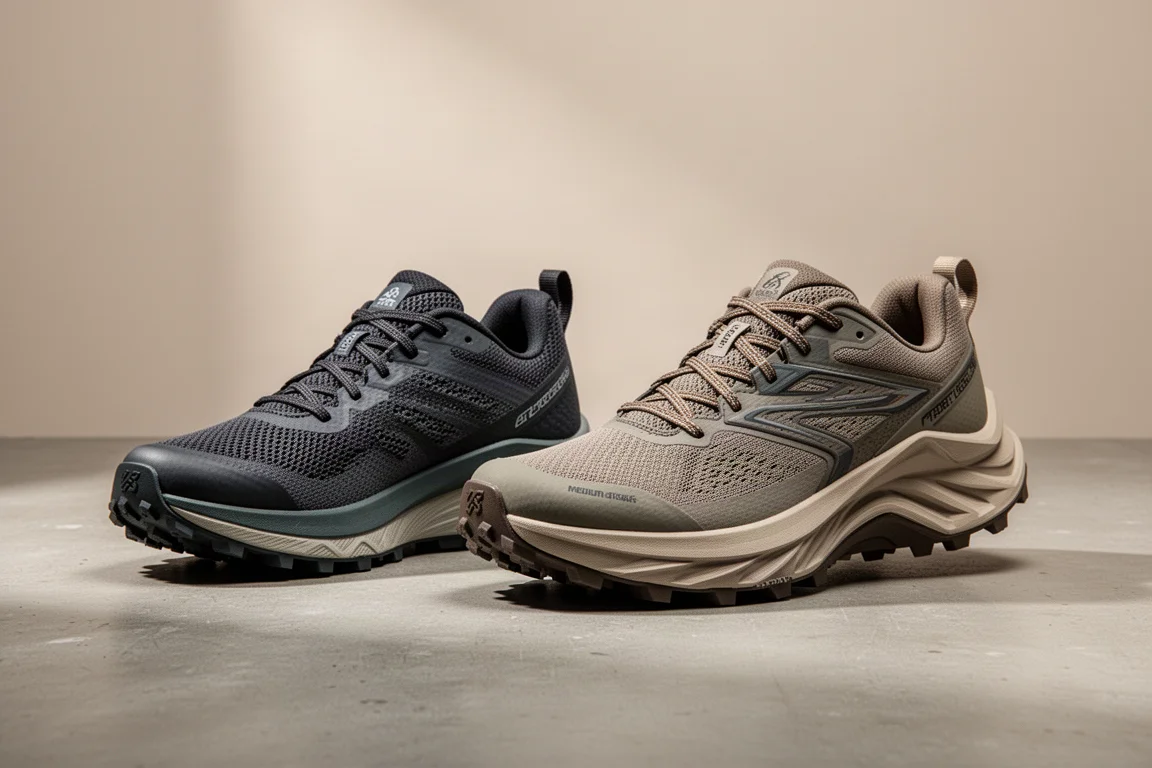
A side-by-side look at Scott's refreshed trail running duo: the daily-friendly Kinabalu Trail and the plush, long-distance Kinabalu Ultra.
Introduction
Scott’s return to trail running is picking up speed. After a road-focused resurgence with the race-oriented Super Track RC3 and the well-received Pursuit Gravel, the brand is now leaning back into off-road with two new models: the Scott Kinabalu Trail and the Scott Kinabalu Ultra. Both are part of what could be called wave two of Scott’s broader trail reintegration, and both turned out to be surprisingly solid shoes that stand on their own merits.
This comparison walks through the uppers, midsoles, outsoles, and real running experience of each model side by side, so you can decide which one fits your kind of trail running.
Scott Kinabalu Trail: The Do-Everything Daily Trainer
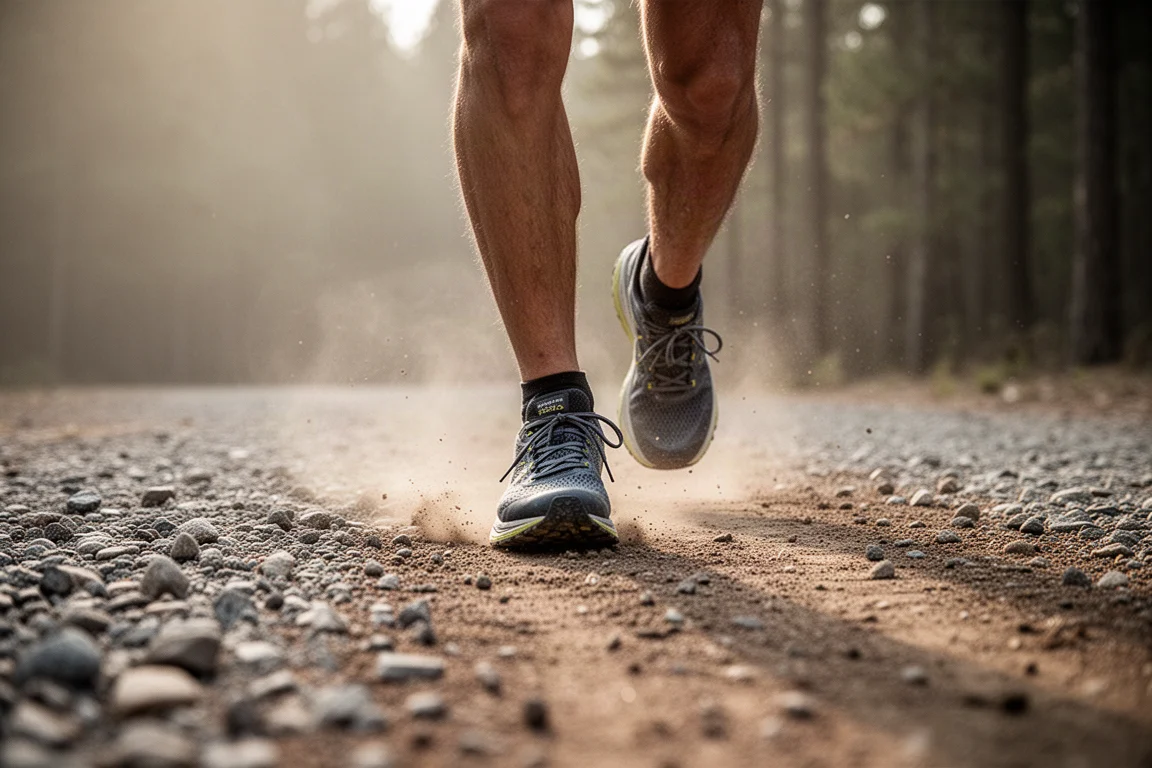
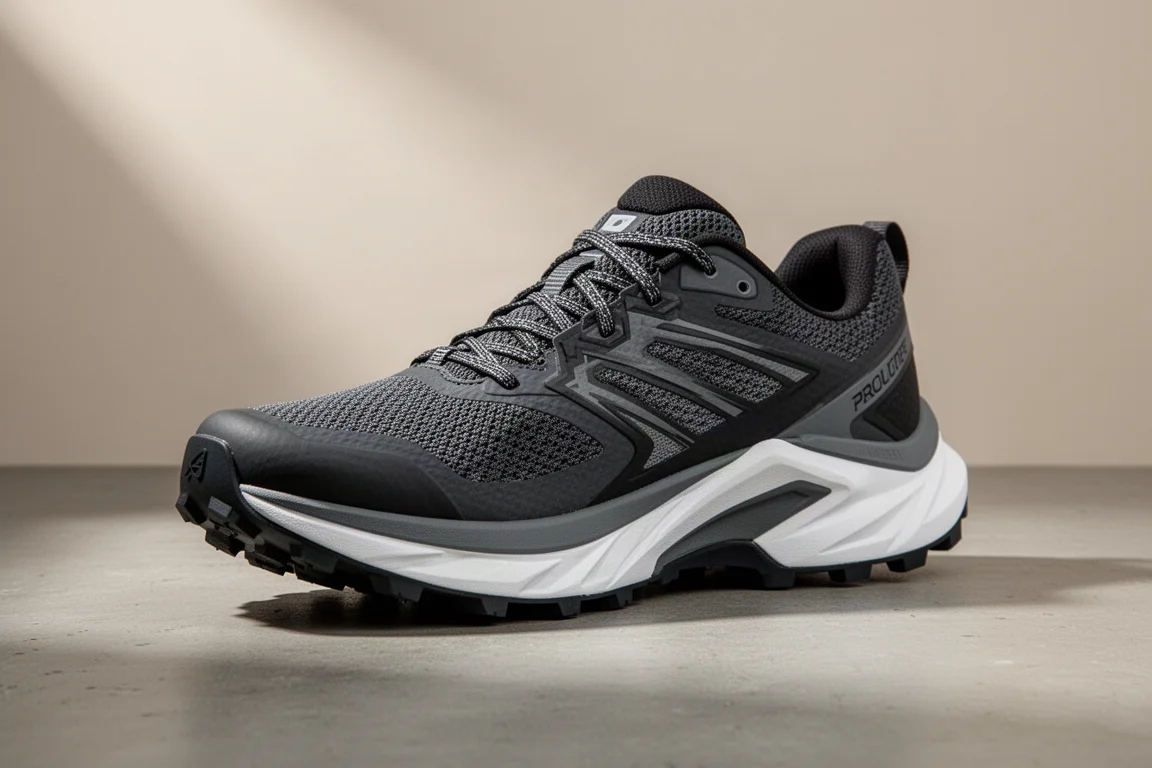
The Kinabalu Trail is the base model of the pair, built as an all-trail daily trainer for runs in roughly the half-hour to two-hour range. Its defining strength is the fit. The upper is an engineered mesh that maps to the foot beautifully: slightly accommodating in width and vertical volume, yet snug and secure exactly where it should be. It is one of the best trail shoe fits in recent memory, a genuine Goldilocks fit that never required locking down the top eyelet. A medium-cushioned, semi-gusseted tongue lays flat and keeps the foot in place, and the moderately structured heel collar completes a really polished upper.
Underfoot, the Trail uses an EVA and PEBA blend that skips the supercritical foaming process, giving it a medium-soft density with a slightly firmer, more grounded character. The stack is 37 mm in the heel and 29 mm in the forefoot, an 8 mm drop that sits right at the market average. The ride blends an old-school sense of connection to the ground with a touch of modern softness and trace energy return, which makes it a genuinely pleasant daily companion on gravel roads, light trails, and bigger mountain objectives alike. Scott gives it an ER2 rocker, less aggressive off the forefoot, keeping the ride controlled and stable.
Scott Kinabalu Ultra: Built for the Long Haul
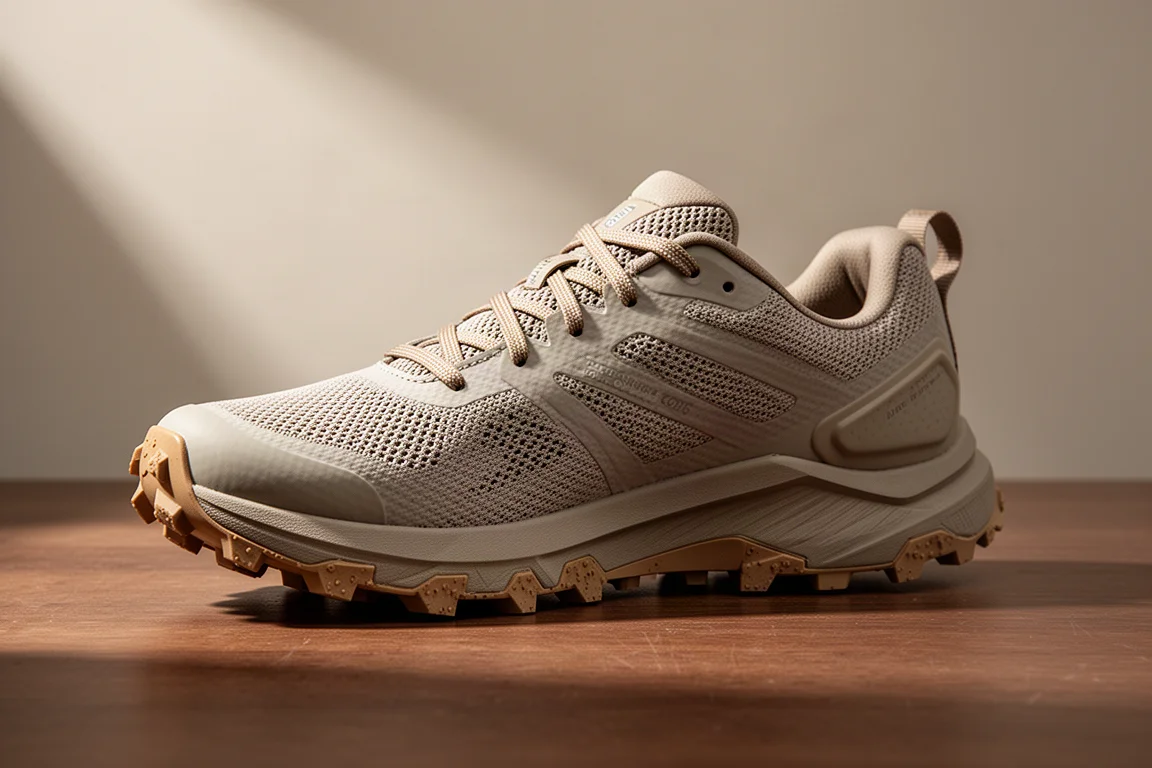
The Kinabalu Ultra shifts the formula toward distance. It adds extra cushioning at the heel collar and, more importantly, moves to a supercritical foaming process for the same EVA and PEBA blend. With 40 mm of heel stack and 33 mm in the forefoot, it delivers a beautifully plush, semi-energetic ride with noticeably more cushion and bounce than the Trail. The foam is slightly denser than some competitors, which adds a bit of stability and durability, and it sits comfortably in the company of other standout supercritical trail foams. It went through the same process as the foam in the Scott Pursuit Gravel, so fans of that shoe will feel right at home here, just with more of it.
The Ultra also steps up to the ER3 rocker, slightly more aggressive off the forefoot, which combines with all that foam for a smooth, efficient, snappy toe-off. It is a shoe that could serve as a race day option or an everyday trainer, with versatility clearly part of the design intent.
Upper: Fit and Materials
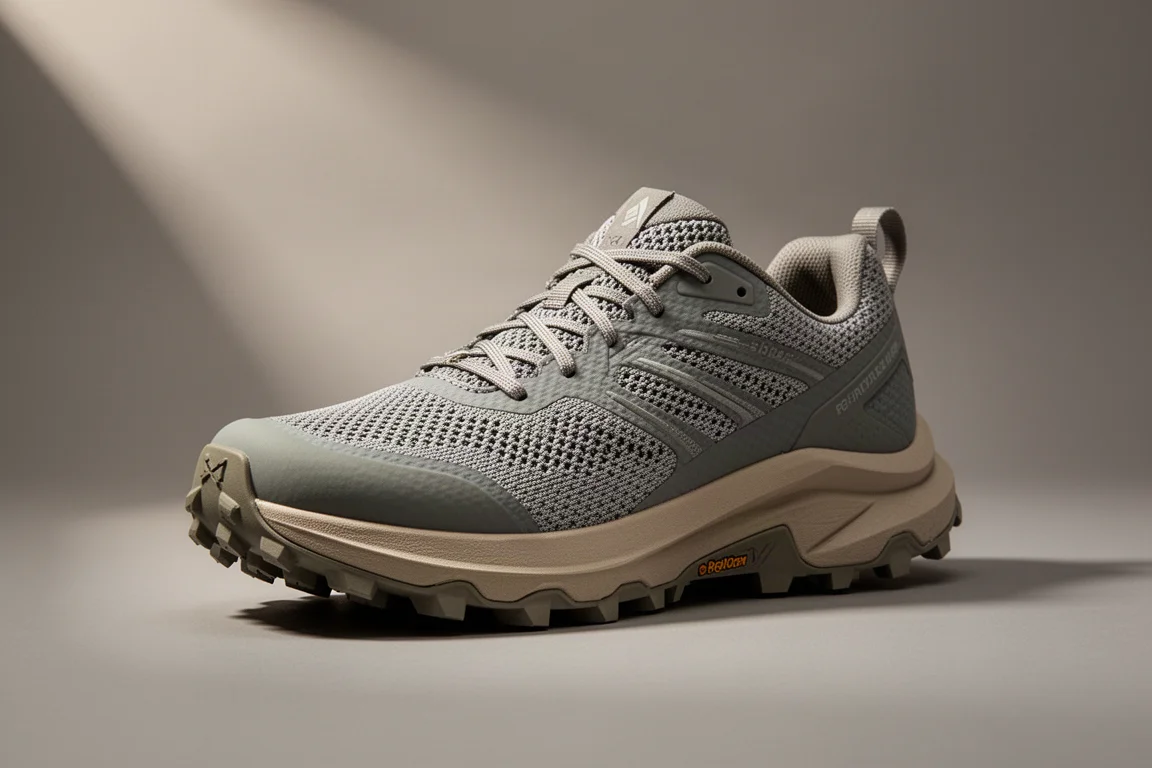
Both shoes use a durable engineered mesh upper, and both share the same last, but the results differ slightly. The Trail’s version is a touch toastier but exceptionally well mapped, hugging the foot without extra volume. The Ultra’s mesh is more breathable thanks to a woven process that pairs durable fibers with softer ones in between, and it remains very durable.
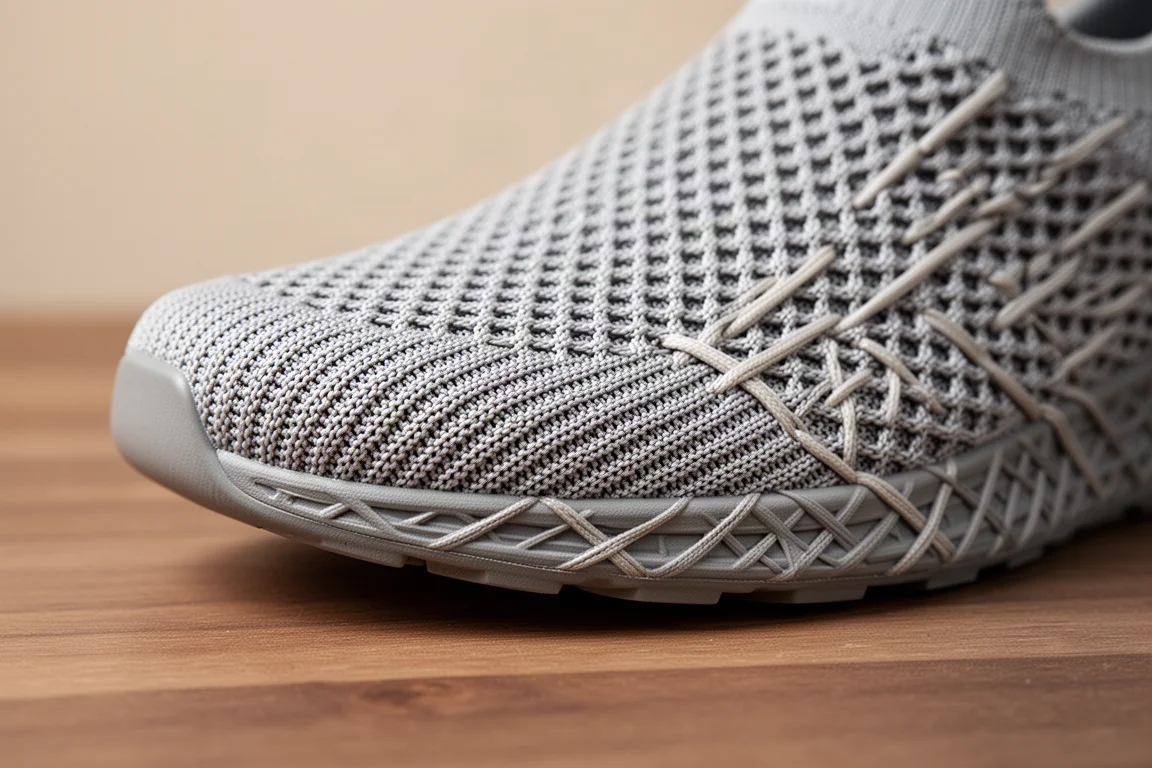
The catch with the Ultra is length: despite sharing the same last, it runs about half a thumb’s length longer, likely due to material folding and assembly. It is still a secure, confident fit across varied terrain, but it does not quite reach the Goldilocks level of the Trail. Forefoot width is similar on both, with the extra room showing up at the end of the toe box rather than across the forefoot.
Midsole: Same Blend, Different Character
On paper the midsoles are identical: an EVA and PEBA blend that balances EVA’s durability and workability with PEBA’s softness and energy return. In practice they feel very different. The Trail’s non-supercritical version is firmer, more connected, and inherently more durable. The Ultra’s supercritical version is plusher, livelier, and noticeably more cushioned thanks to the added stack.
Durability looks promising in both. After the testing miles, each midsole feels basically the same as it did out of the box, which is encouraging given that PEBA blends can sometimes compress early.
Outsole: The Biggest Similarity
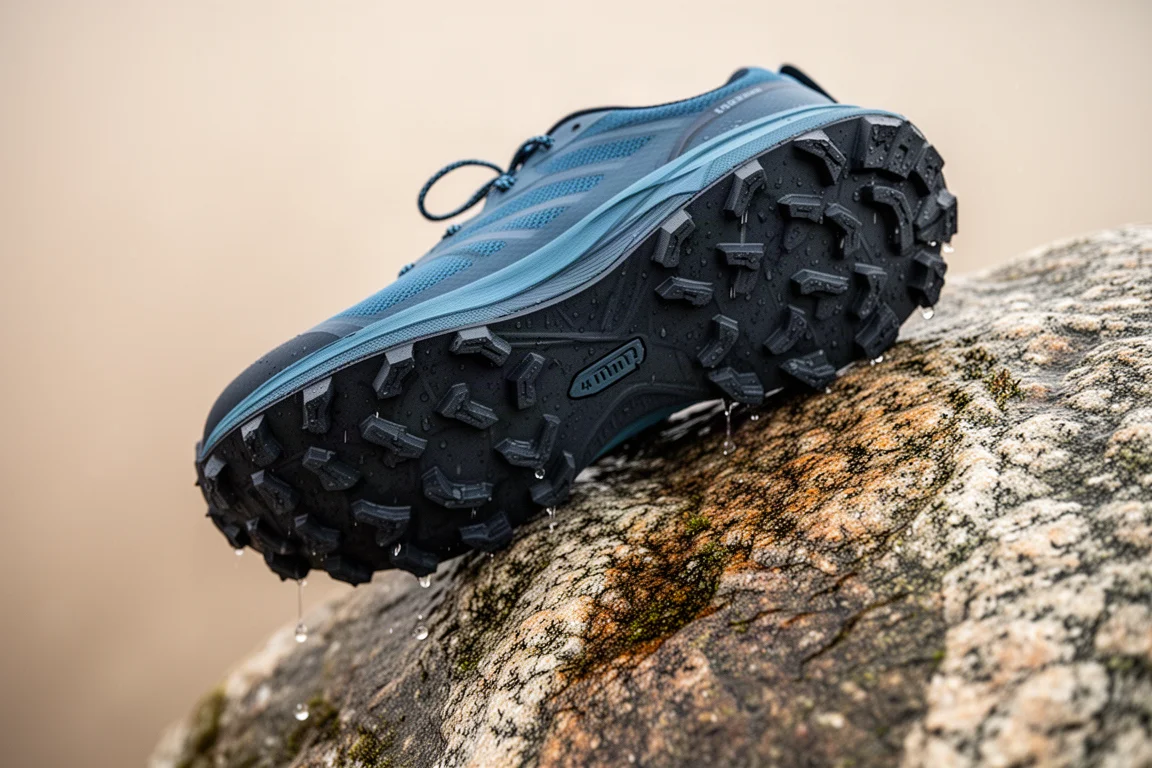
This is where the two shoes converge most. Both use 4 mm lugs in a tacky, grippy rubber that performed well across a wide range of terrain. The Ultra adds slightly more lug coverage, which adds structure for the softer, more volatile foam underfoot. The Trail has less coverage but gains a bit of flexibility to match its firmer foam, with no noticeable loss in protection.
There is one wear-related trade-off. The Ultra’s lugs showed wear sooner over a similar number of miles, which suggests the extra tackiness may come at some cost in rubber longevity. The Trail’s outsole showed essentially no wear and looks built to last a long time.
Scores and Overall Impressions
The Kinabalu Trail earned strong marks across the board: A for design, A for performance, and A for value, with an overall grade of S. Its value case is helped by durability: expect a consistent experience from the first run to the last. At around $170 it is in line with a good daily trail shoe, though availability is primarily in Europe with a few retailers shipping to the US.
The Kinabalu Ultra scored A for design, A for performance, S for value, and A overall. At roughly $170 as well, it undercuts the average price of the high-stack shoes it competes with, and the foam and upper should hold up well, with the outsole being the one watch item. It is another truly great option in a crowded field of high-stack trail shoes, even if it does not separate itself in every category the way some rivals do.
Buying Advice
Choose the Kinabalu Trail if you want a daily all-trainer with an exceptional fit, a grounded and controlled ride, and outsole durability that should hold for the life of the shoe. It suits everything from gravel roads to real mountain terrain and a wide range of distances.

Choose the Kinabalu Ultra if you prioritize cushioning and efficiency for longer days, want a plusher semi-energetic ride with a snappier rocker, and like the idea of one shoe covering both training and race duty. Just keep an eye on lug wear over time.
Conclusion
Scott has delivered two genuinely good tools with the Kinabalu line. The Trail is the better all-around daily shoe with one of the best uppers around, while the Ultra brings premium foam and long-distance comfort at a competitive price. Pick based on how much cushion you want underfoot, and both should serve you well.
Vidare läsning
Relaterade recensioner
Trail Running Shoes
Recension av Salomon DRX Defy GRVL: En crossover-trailsko som får balansen rätt
En stabilitetsvänlig crossover-löparsko med Contagrip-yttersula, 8mm drop och ett pris som gör den lätt att rekommendera.
Trail Running Shoes
Salomon Genesis vs S/LAB Genesis: Vilken terrängsko ger mest för pengarna?
En första jämförelse av Salomons nya terrängsko Genesis mot det prestandadrivna S/LAB Genesis, med fokus på grepp, dämpning, passform och värde.
Trail Running Shoes
Recension av Salomon Glide Max TR: Maximal dämpning för långa trailmil
En daglig trailsko med maximal dämpning, mångsidigt grepp, en rockad avrullning och den där komforten som gör långa sträckor att kännas lätta.