Svenska · Running Shoes
Recension av New Balance 880 v14: En hederlig vardagslöparsko som har svårt att motivera sitt pris
Efter en 20-mil(?) dubbel dag...
Introduction
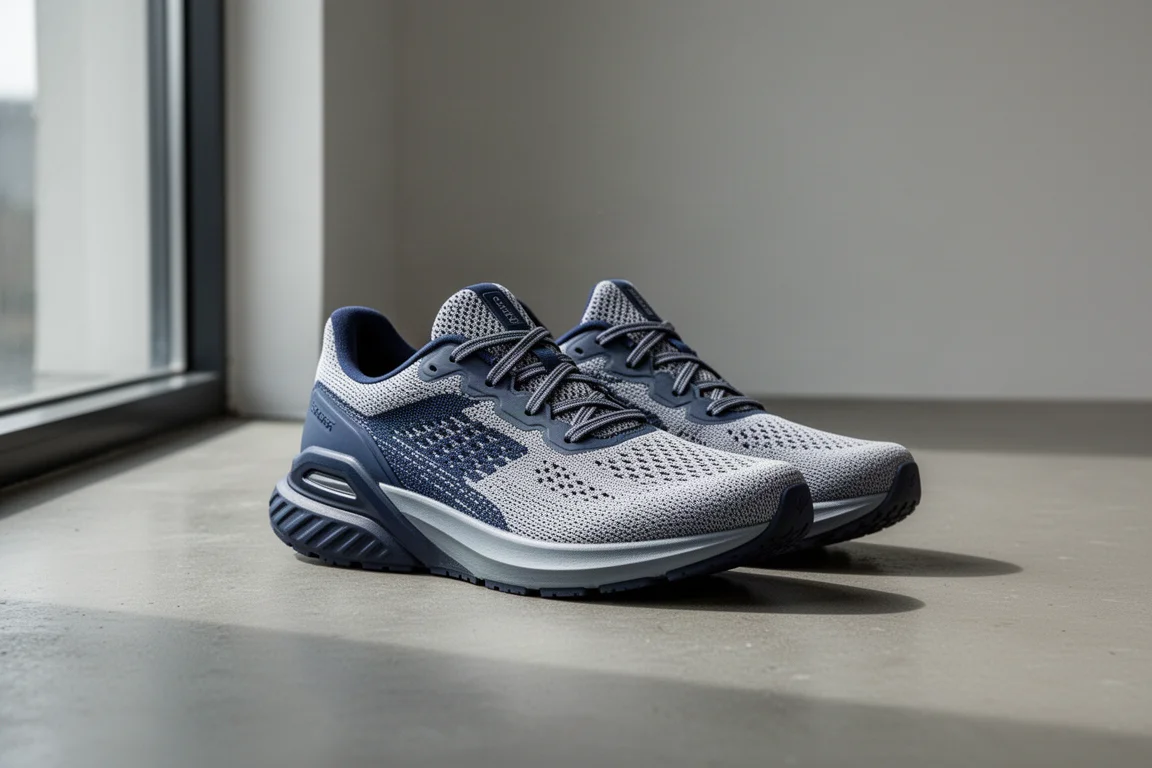
Some running shoes try to be exciting. The New Balance 880 v14 is not one of them. This is a workmanlike daily trainer in the classic mold: no plate, no fancy superfoam, no dramatic geometry. Just a durable, no-frills trainer built to handle steady mileage day after day.
The problem is that in a market this crowded, “no frills” only works if the basics feel good. Over a 20-mile double day, which included 12 treadmill miles in the morning and another 8 easy road miles in the afternoon, plus time on light trails and errands on foot, the 880 v14 showed exactly what it does well and where it falls short.
Who This Shoe Is For
The clearest case for the 880 v14 is as a first running shoe, or as the only running shoe in someone’s rotation. New runners running 25 to 30 miles a week do not need a massive stack, a plate, or a wobbly unstable platform. They need something comfortable for easy runs, predictable for a bit of faster running on the treadmill, and normal enough to walk around in all day. The 880 fits that brief.
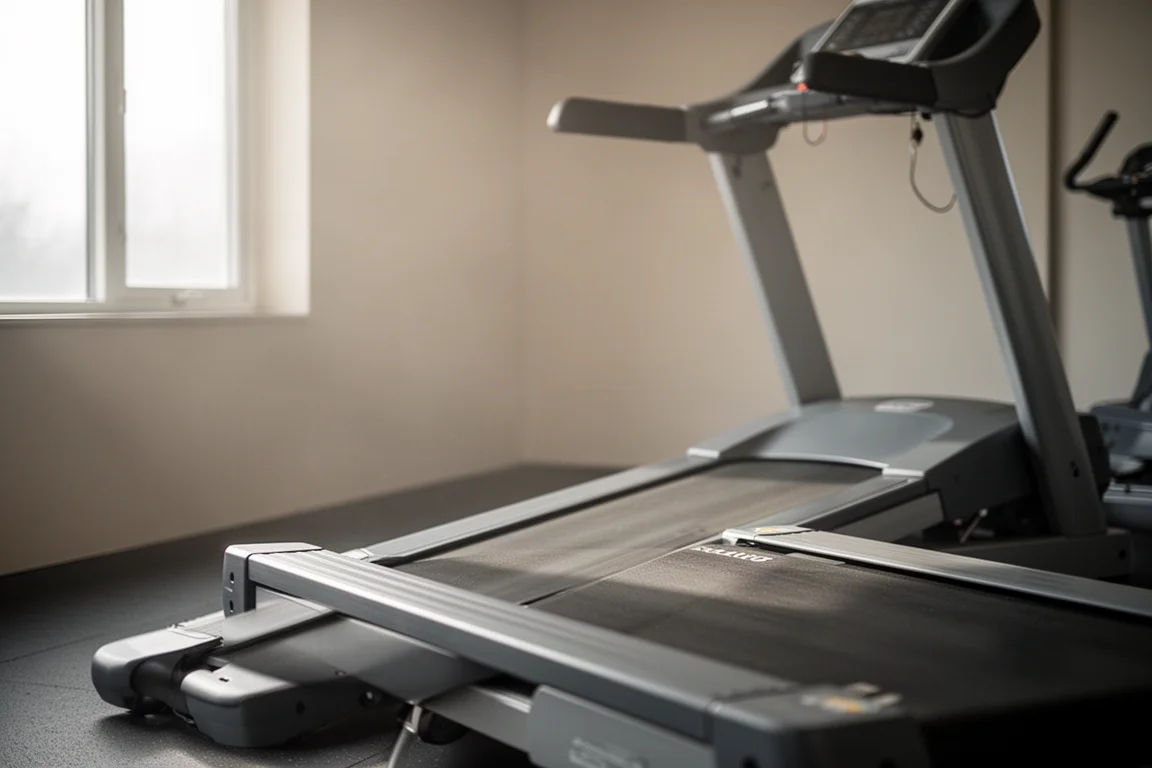
It also makes sense for runners who prefer a firmer, more structured shoe on the treadmill. Because the belt is already softer than pavement, a lower-stack, less forgiving trainer can feel more stable and less bouncy underfoot. The 880 delivers exactly that: a firm, structured ride that stays planted.
Main Strengths
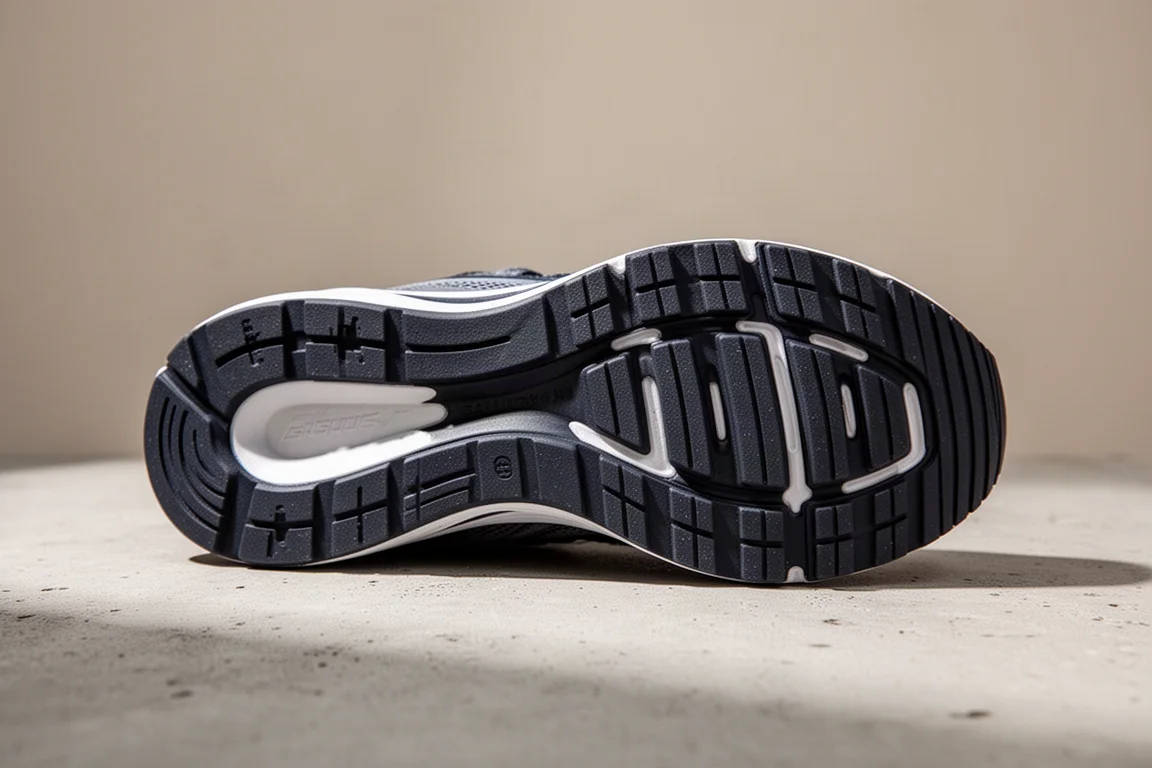
The 880 v14’s durability credentials are real. There is a thick layer of rubber on the outsole, and the ride is built to hold up over serious mileage. This is the core promise of the workhorse daily trainer category, and New Balance delivers it.
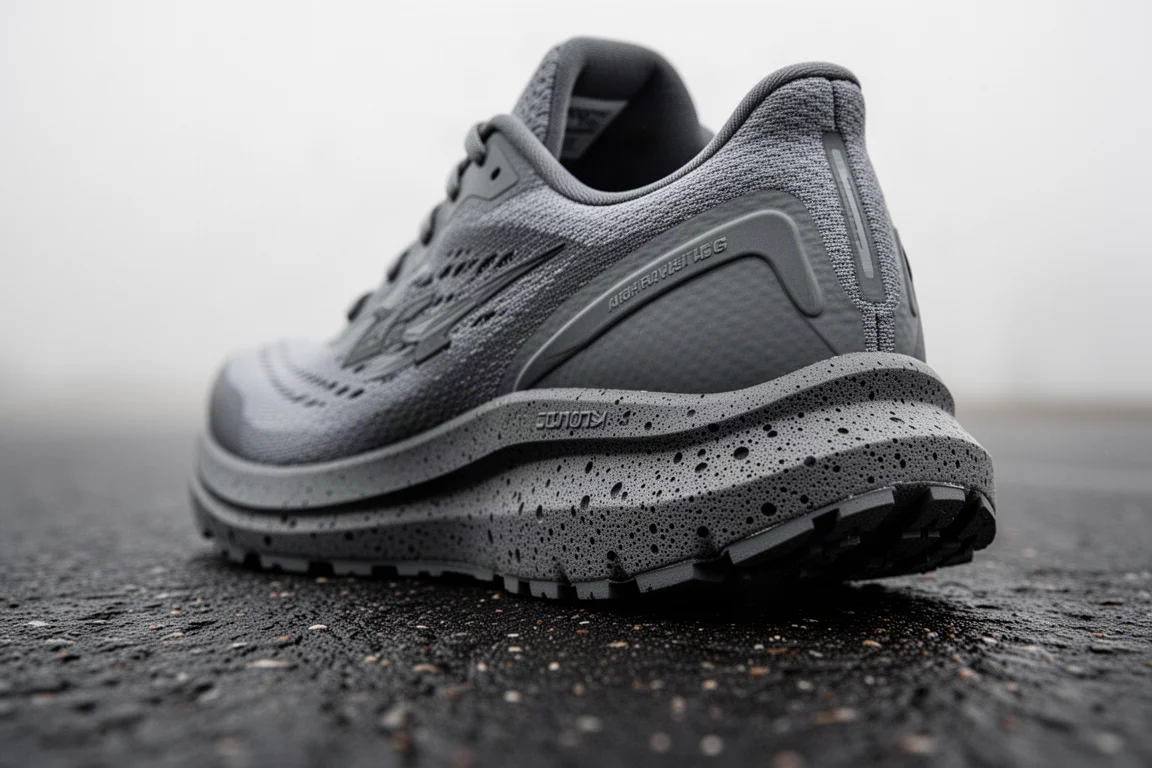
The shoe is also stable and predictable. On a swinging bridge trail crossing, it felt planted and secure in a way that a maximalist or plated racer would not. The overall materials on the upper are nicely done too: not as plush as New Balance’s own 1080, but well made and comfortable enough.
Underneath, the stack is listed at 33mm in the heel and 25mm in the forefoot, giving it a 10mm drop and enough geometry to be protective in principle. The shoe weighs in as a genuine traditional trainer, and it handles easy aerobic running well for the first hour of a run.
The Big Drawback: Fresh Foam X Firmness
Here is where things get complicated. The 880 v14 uses New Balance’s Fresh Foam X midsole, the same name used in the much softer 1080. In practice, the two feel nothing alike. The 880’s foam is firm, dense, and slow to soften. Rather than breaking in and loosening up, it felt like it was getting more rigid as runs stretched past the hour mark.
On the 12-mile morning treadmill session, the first hour felt great. After that, legs started wishing for something more forgiving. By the afternoon’s 8-mile recovery run, the midsole offered little cushioning at easy paces and little pop at faster ones. It is not a fast shoe when pushed to strides, and it is not a soft shoe when tired, which limits what it can be for you.
Traditional EVA typically sweetens between 30 and 70 miles, and this shoe may need 50 to 70 before it truly softens. That is a fair ask for a firm trainer, but at $140 there are plenty of alternatives that feel good from day one.
Everyday Use and Walking Comfort
One of the selling points of this category is versatility: a running shoe you can wear for normal life. On a family outing with light trail walking, the 880 was stable and secure, even on a slightly technical, root-and-rock strewn surface. As trail-adjacent walking shoes go, they get the job done.

But for pure walking comfort, it is not the most comfortable option. Dedicated cushioned walkers in the same rough price neighborhood, like the Brooks Ghost Max at $150, offer noticeably more support and a more forgiving feel while still handling treadmill workouts. And against New Balance’s own lineup, the softer 1080 or the lighter, livelier Rebel v4 make the 880’s middle-of-the-road positioning harder to sell.
Things to Consider Before Buying
At $140, versatility alone is not enough. The Pegasus sits at the same price with a more forgiving ride at the same 10mm drop. The Adidas Supernova Rise is a close competitor in that range. Even discounted options like the Nike Vomero can match the 880’s durability while feeling better underfoot.
The honest comparison within New Balance’s own shelf is telling: the 1080 is the cushioned comfort pick, the Rebel v4 is the light, fun pick, and the 880 sits in between at a solid six out of ten at everything. That works for some runners, but specialized shoes beat generalists in a market this competitive.
Buying Advice
If you already own and love firmer trainers, or you want one dependable shoe for easy running, treadmill work, and daily wear, the 880 v14 can fill that role, particularly if you give it 50 to 70 miles to break in. Durability and stability are its genuine strengths, and the thick rubber outsole should last.
For everyone else, especially runners who want a recovery-day shoe or genuine cushioning for long hours on foot, there are better ways to spend $140 right now. The firm Fresh Foam X formulation simply does not deliver enough comfort or enough speed to justify the price against the alternatives.
Conclusion
The New Balance 880 v14 is a durable, stable, no-frills workhorse that would make a reasonable first running shoe or single-shoe solution for a newer runner. But its stubbornly firm midsole, slow break-in, and crowded competition at the $140 price point make it hard to recommend over rivals that feel better out of the box. If you want a firm trainer, there are faster options; if you want a soft one, there are softer options. The 880 v14, for now, lands squarely in between.
Produktlänk
Visa mer information om New Balance 880 v14
Denna produkt nämns i den här recensionen. Bekräfta specifikationer, alternativ och kompatibilitet innan du köper.
Visa mer information om New Balance 880 v14Vidare läsning
Relaterade recensioner
Running Shoes
Test av Hoka Arahi 6: En lättare, mjukare stabilitetssko för vardagslöpning
Hoka Arahi 6 behåller J-Frame-stabiliteten som löpare uppskattade i Arahi 5 och går ner i vikt tack vare en omdesignad ovansida. Första intrycken efter lugna mil på asfalt.
Running Shoes
Hoka Arahi 7 Recension: En Stabilitetssko Med Stöd Över Hela Fotens Längd
Hoka Arahi 7 har en ny flatstickad ovandel och en mer hållbar yttersula på en sällsynt stabilitetssko som stödjer hela fotens längd vid en låg drop på 5 mm.
Running Shoes
Hoka Arahi 7 vs Hoka Arahi 8: Vilken stabilitetssko ska du köpa?
Arahi 8 är en genuint annorlunda sko än Arahi 7, med en ny H-Frame, mjukare skum, högre drop och en rymligare passform. Här är hur du väljer mellan dem.