Português · Camping and Backpacking Gear
Ultralight Cold Weather Camping Accessories: 7 Small Items That Add Real Comfort
Seven compact backpacking accessories that add warmth and comfort in cold weather without much added weight, with what each one costs and who it suits.
Introduction
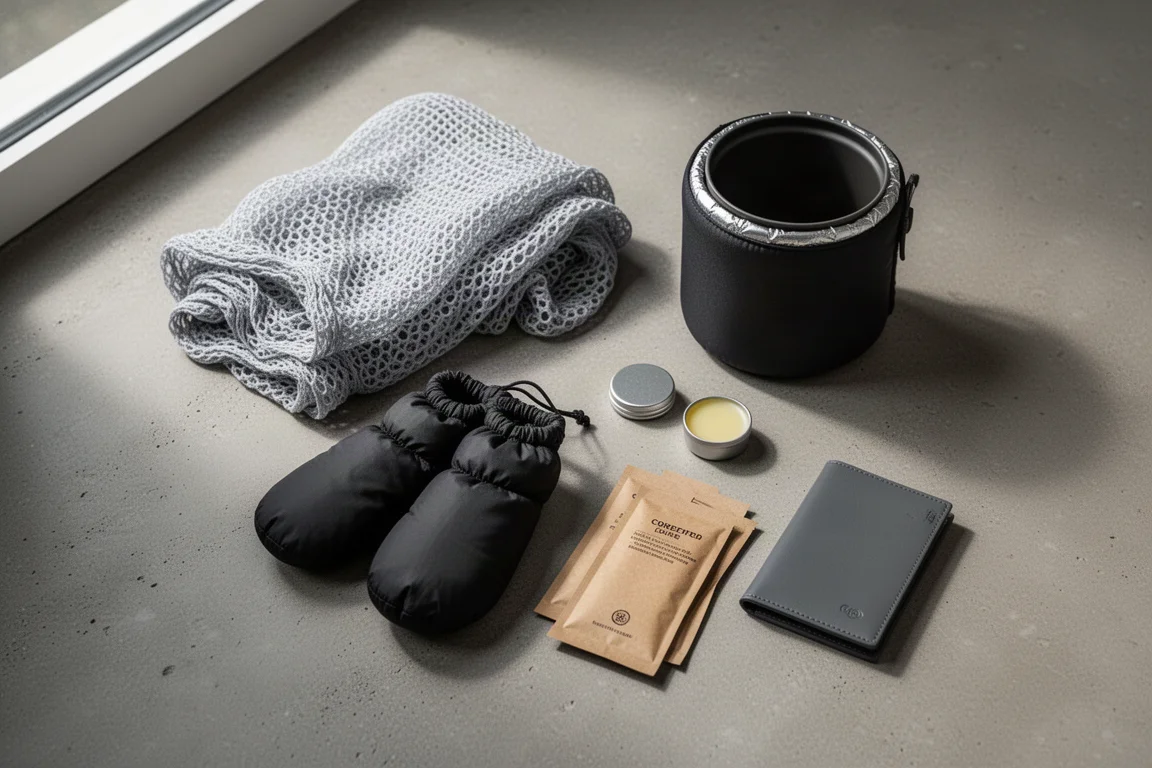
Cold-weather comfort in the backcountry rarely comes from one big purchase. It comes from a series of small, light additions, each solving one specific problem: feet that will not warm up, a sleeping bag that feels slick against your skin, a rehydrated dinner that goes cold before you finish it, sun and wind on exposed skin. The seven items below are compact, packable, and aimed at making a cold trip more comfortable without adding meaningful weight to a pack.
Not every item will suit every camper. Each one has a clear job, and each is worth buying only if that job matches the way you actually travel.
What Makes a Useful Cold Weather Accessory
Usefulness in cold weather comes down to a few practical questions. Does the item add warmth without bulk? Does it keep working when conditions turn wet? Does it solve a problem you genuinely have, or does it just look clever in a shop? Small accessories that are light, pack down tight, and can be used with cold hands tend to earn a permanent place in a pack, while anything that has to be fussed with in the dark usually gets left at home after one trip.
Cost matters as well, because small items add up quickly and the value is rarely obvious from the price alone. A $70 pair of sleeping booties that fixes cold feet every night is easy to justify. A $22 piece of insulated fabric is harder to defend unless it solves a real problem on every trip. Each item below is weighed on warmth per gram, real-world usability, and whether the price makes sense for the comfort it delivers.
Allmansright Alpha Sleeping Bag Liner
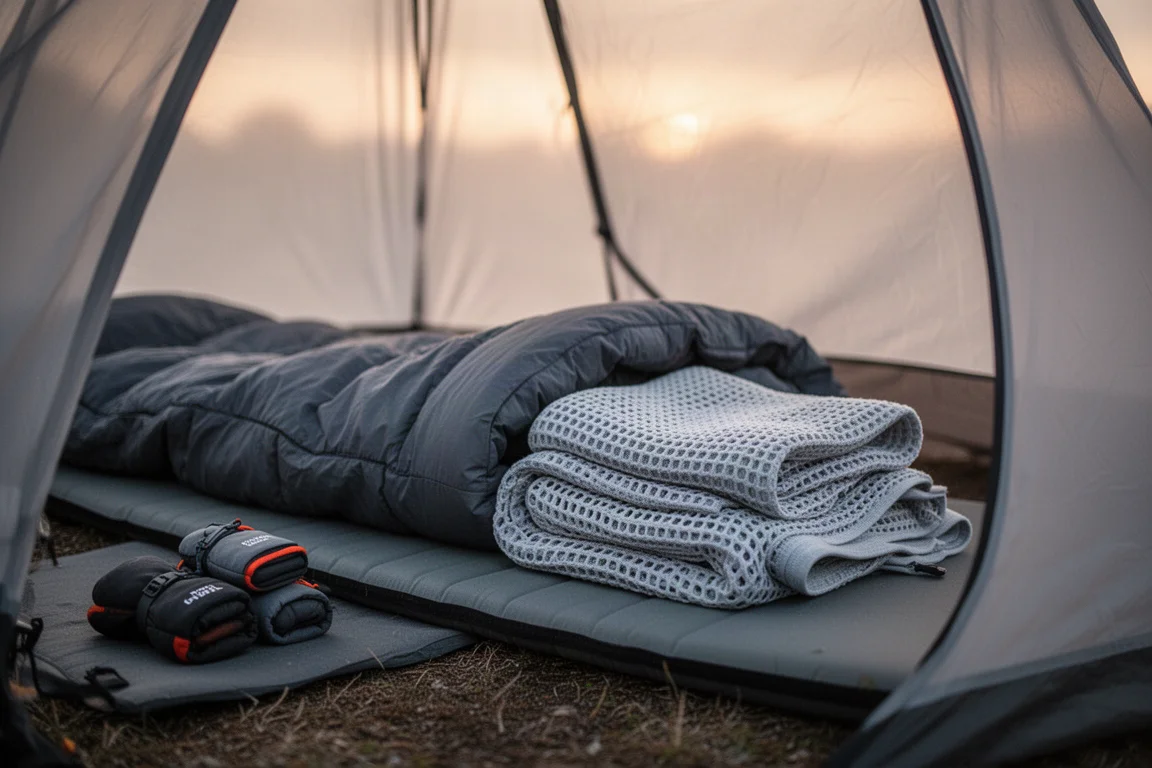
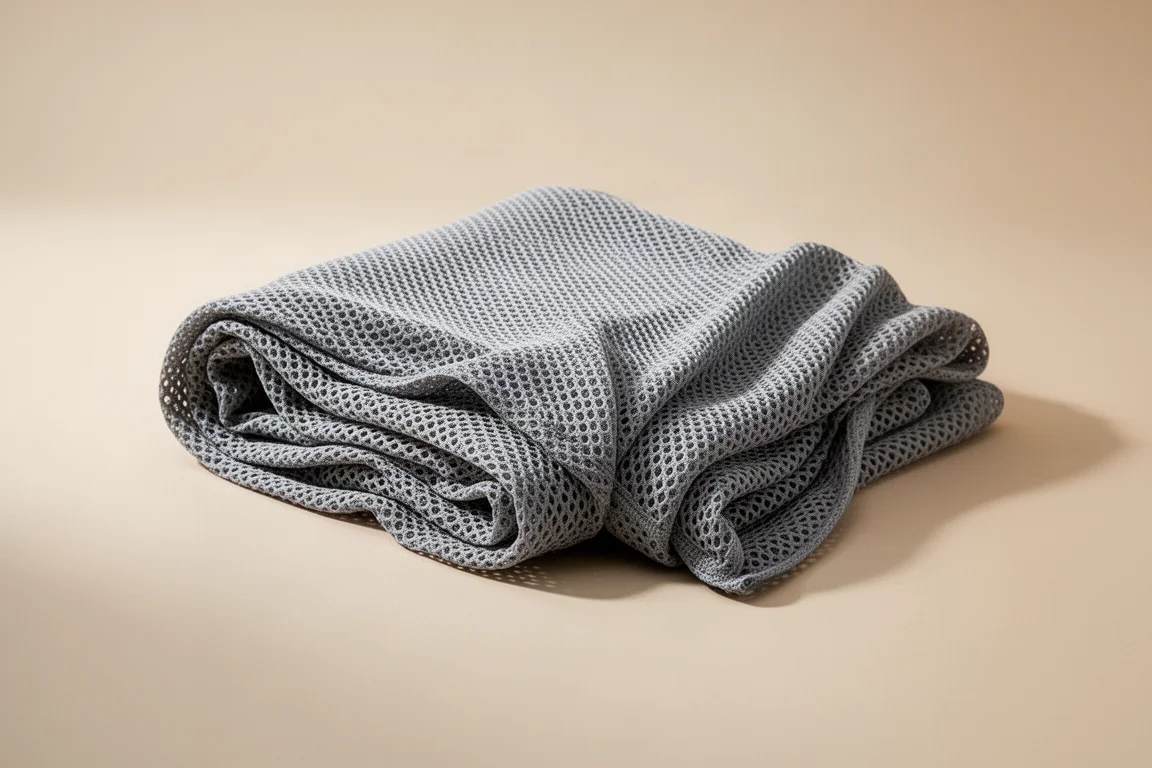
This liner is made from a light 60gsm alpha fabric, which is what keeps the weight low while still trapping a useful amount of warmth. It has two jobs. In genuinely warm weather it works as a standalone sleeping layer, which makes it a good option for hot, humid nights when a full bag is too much. In colder conditions it slides inside a quilt or sleeping bag and adds meaningful warmth on top of whatever you are already carrying.
It also changes how a sleep system feels. Liners take away the slick nylon feel of a bag against your skin, and this one has a soft next-to-skin texture that many people find far more comfortable than silk liners.
There is one catch: this specific liner is not on the market yet and has no confirmed price. Alpha liners in general tend to land somewhere between about $100 and $150, which is real money, though the sewing is far simpler than a jacket, which is part of why they are not even more expensive. Comparable options are available from Magnet Designs and Tumble On, and Big Agnes is preparing its own alpha liner.
onX Backcountry
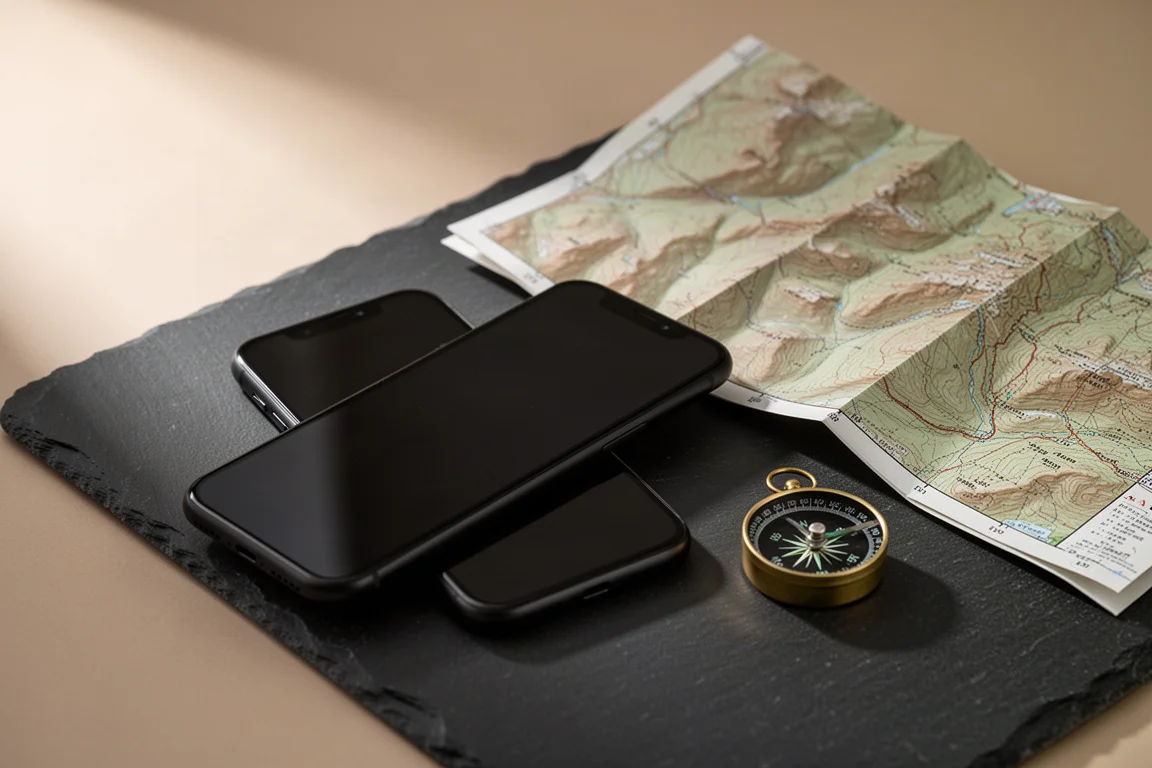
Backcountry navigation has changed a great deal. A paper map and a compass still earn their place as dependable redundancy, and they remain worth carrying, but a phone app can now show exactly where you are, exactly where you are heading, and what the terrain between those two points actually looks like. onX Backcountry works as a GPS for the mountains, with 3D offline maps, lidar-based topo data, and 3D peak labels that make the surrounding landscape much easier to read.
Recent satellite imagery has also been added, which matters more than it sounds. Seeing current conditions rather than imagery that may be several years old makes route decisions considerably clearer. Used alongside a map and compass rather than instead of them, it adds a lot of confidence to navigation in unfamiliar terrain.
Enlightened Equipment Torrid Booties
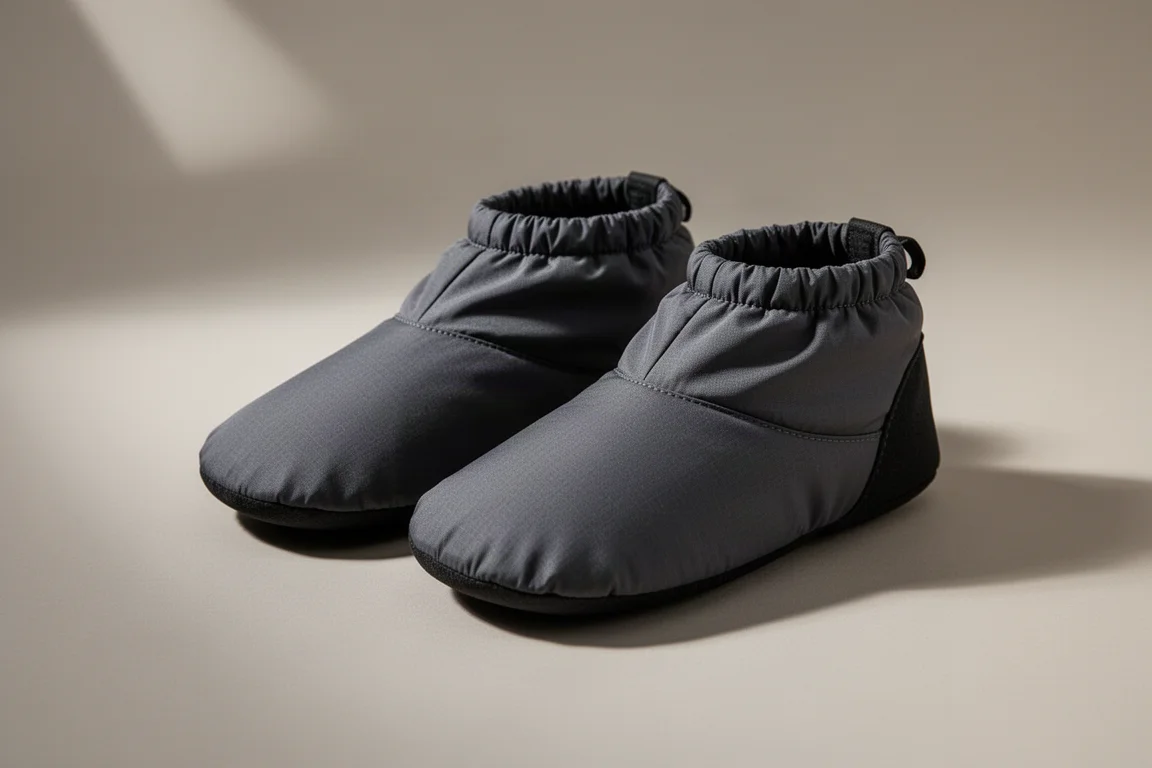
Cold feet at night can ruin an otherwise good sleep, and insulated booties are a light way to fix it. The Torrid Booties use the same synthetic Climashield fabric as the well-known Torrid jacket on the inside, with a lightweight 10D or 20D fabric on the outside. Because the insulation is synthetic rather than down, it keeps working when it gets damp and resists breaking down over time, which makes it a sensible choice for wet, humid cold where down is a risk.
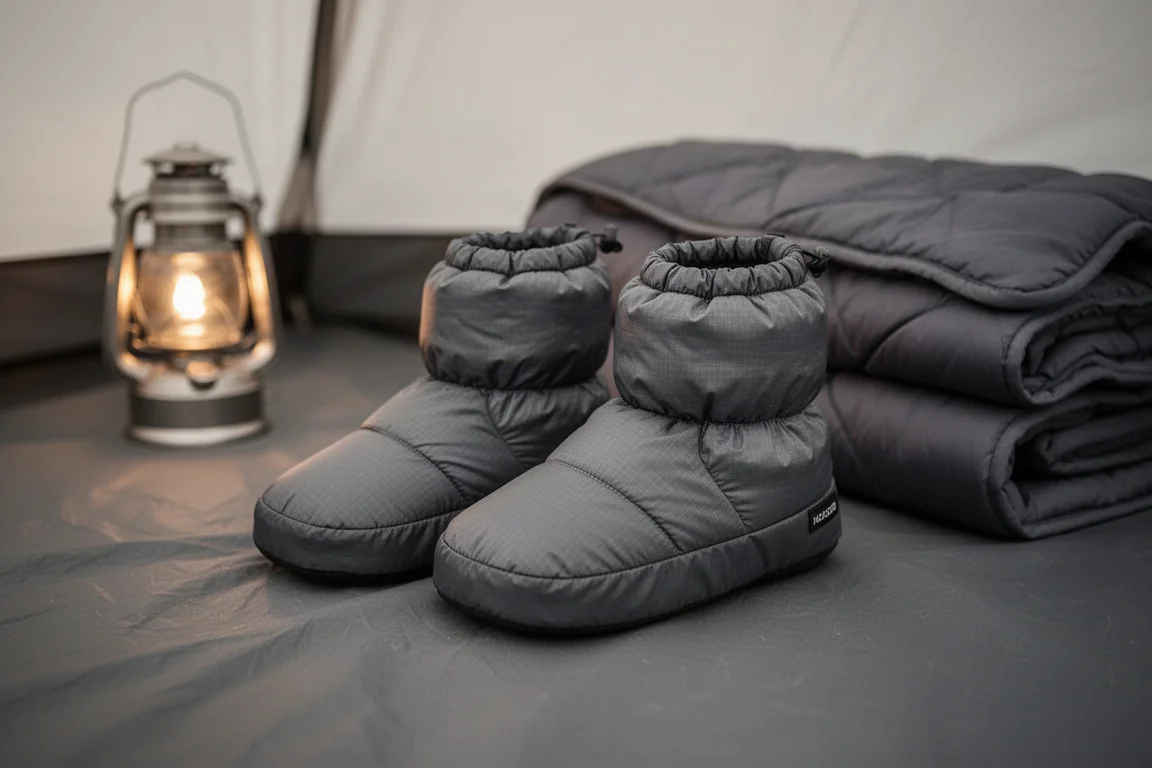
They are designed for sleeping rather than walking around camp, although some people do tuck them into camp shoes. One practical detail matters here: your feet need to be warm before you put them on, because the booties insulate whatever temperature is already there. Warm your feet up first and they work extremely well. At around $70 they are not cheap, and they are not a flattering piece of gear, but for anyone who sleeps cold they are easy to justify.
Daea Wallet
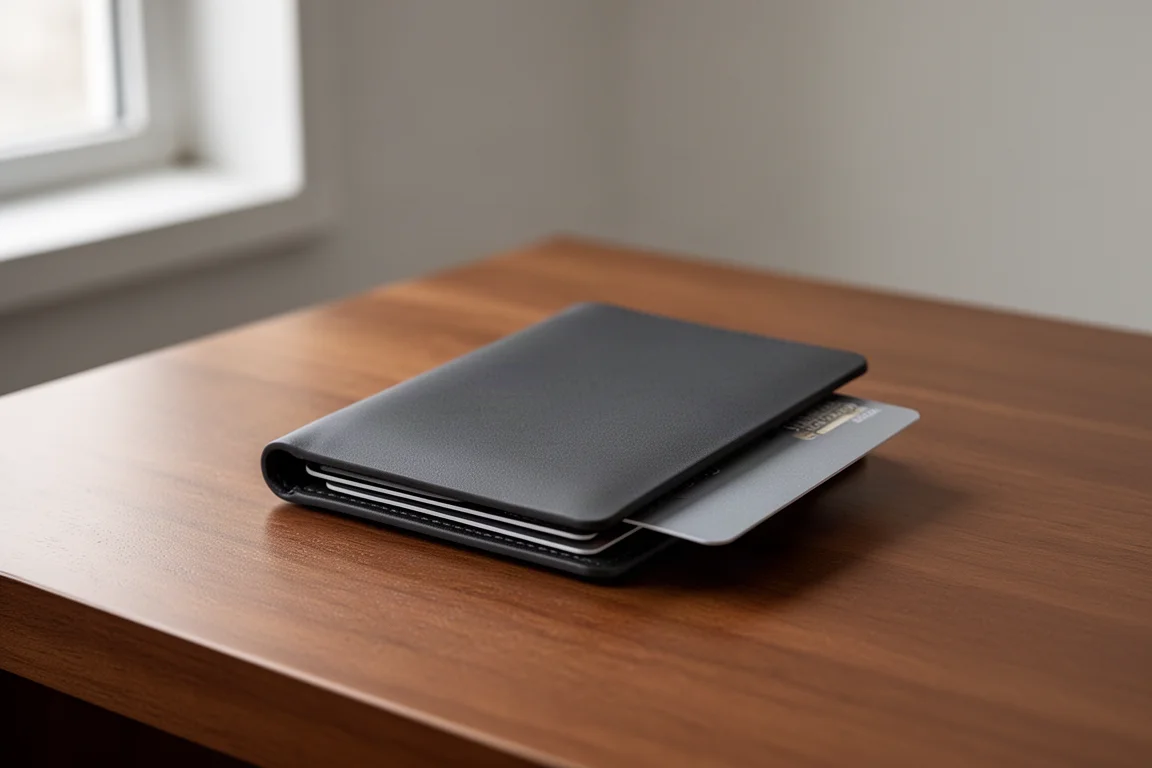
Not every useful item on a cold trip is technical. A slim wallet changes very little about a pack weight, but it does change how much bulk sits in a pocket or hipbelt pouch all day, every day, on every trip. The Daea wallet is built around carrying only the essentials, with a compact profile that holds up to constant daily use and still looks sharp enough to draw comments.
Gossamer Gear Pot Cozy
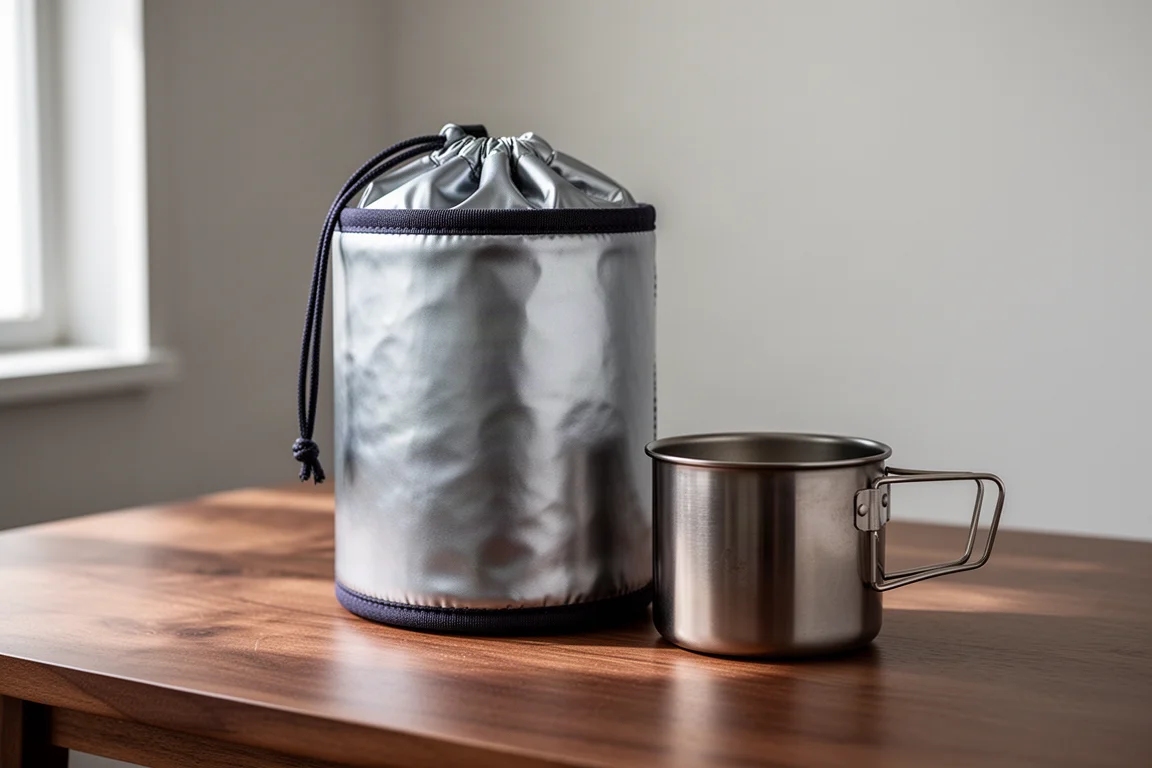
A pot cozy keeps a rehydrating meal warm while it soaks, which matters far more in winter than in summer, when cold food is simply disappointing rather than genuinely unpleasant. This one is insulated with PrimaLoft and a reflective interior that holds heat in, and the fit is snug enough to cinch down when you want to retain as much warmth as possible. The small size fits a 550ml pot neatly, and larger sizes are available for bigger pots.
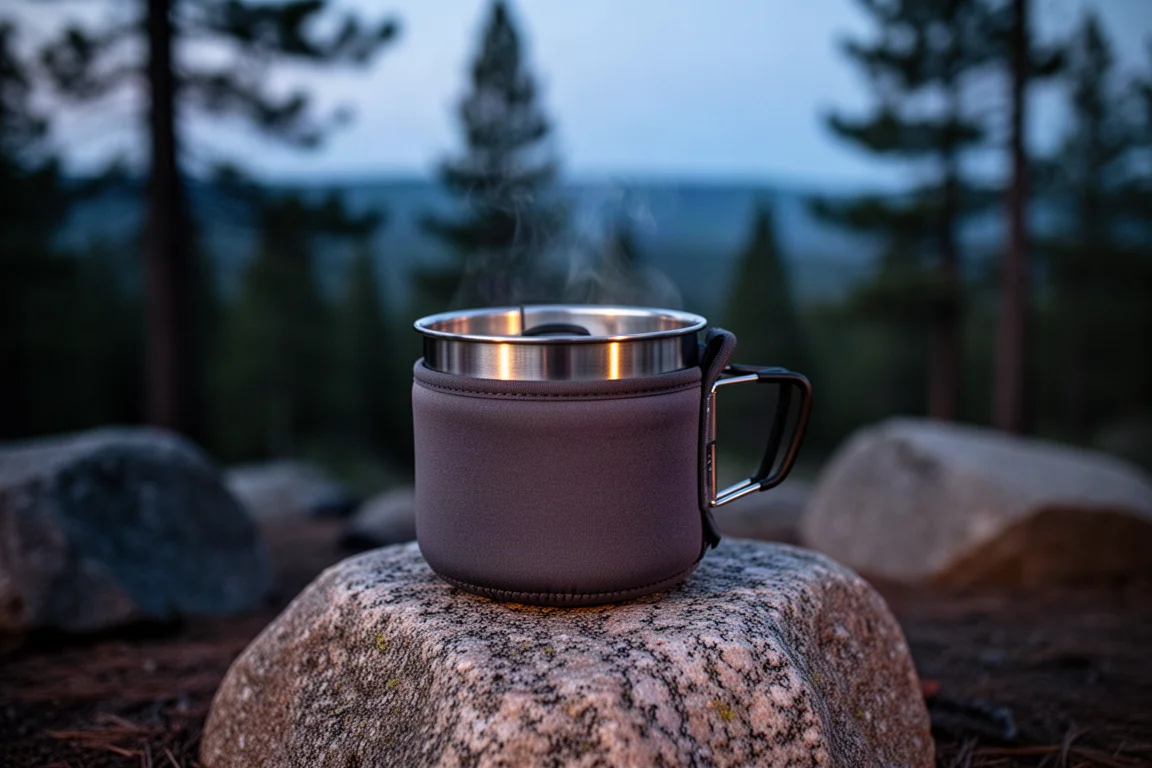
There is also a handle on the outside, so you can move or hold the pot without opening the cozy, and the whole thing can be rolled down when you want to eat or drink directly from it. The sticking point is price: the medium size runs about $22, with smaller sizes costing less, which is a lot for a piece of insulated fabric. It is simple, light, and does one job well, but the value depends entirely on how often you rehydrate meals in the cold.
Dermatone Protective Balm
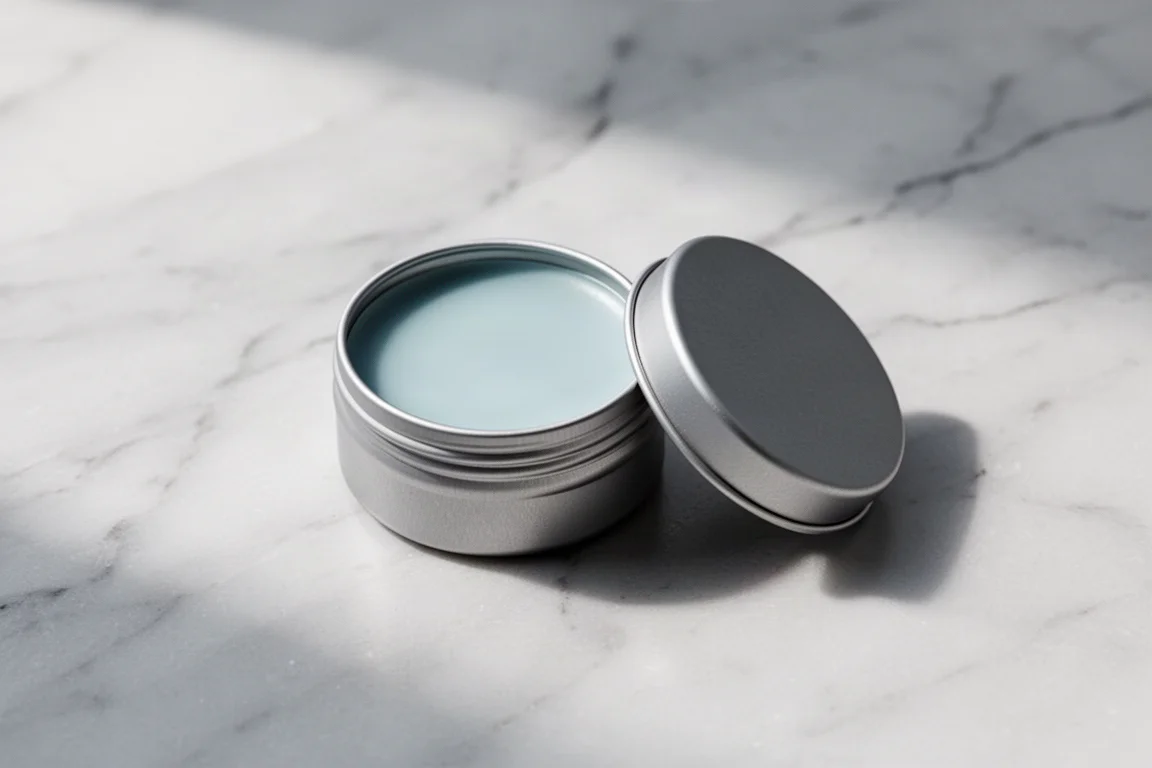
Sun protection is usually filed under summer, but winter is when it catches people out. Sunny days on snow reflect a surprising amount of light, and windburn on exposed skin can end a hike early. The biggest reason people cut a trip short is usually some kind of injury or physical problem, and skin damage from sun and wind belongs in that category.
Dermatone is a long-standing name in this space, and its protective balm contains zinc, which makes it well suited to the nose, cheeks and other exposed patches of skin. It is small enough to disappear into a hipbelt pocket, and at around $9 it is an easy thing to carry year round. The brand also makes a range of other sun protective products, including chapsticks and body-glide equivalents, so the balm is a good entry point if you want to test the formula first.
First Descent Instant Coffee
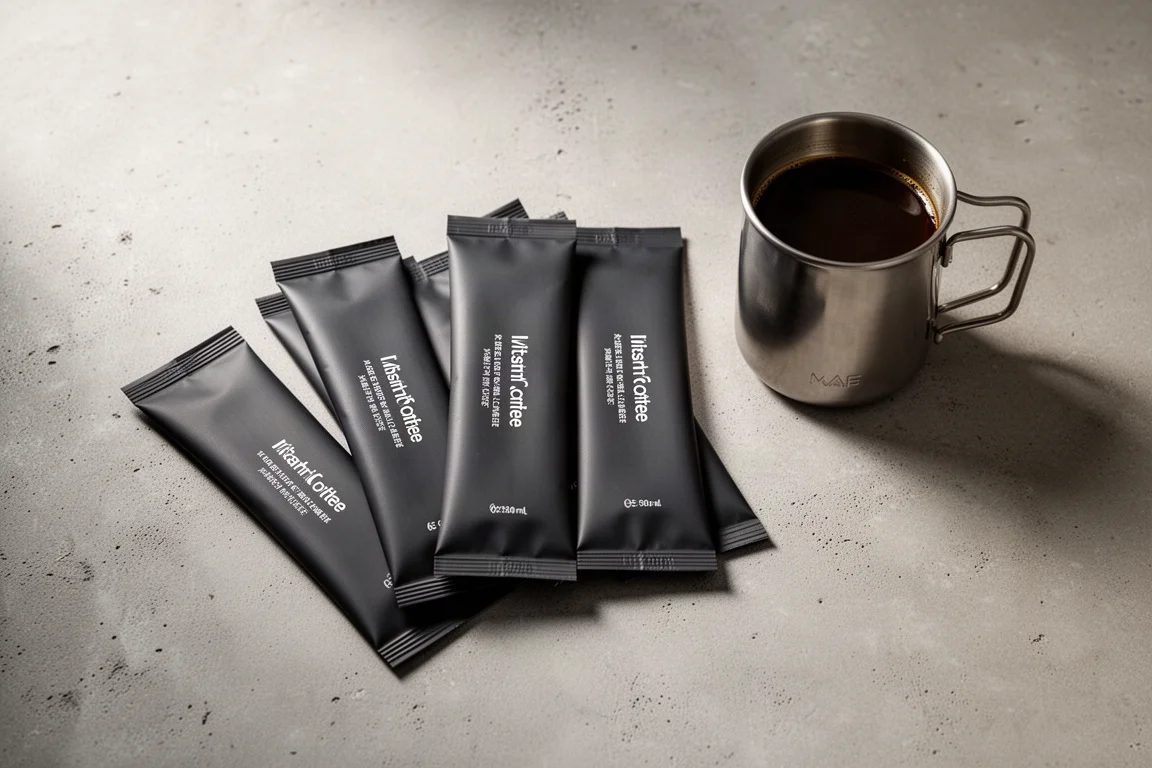
Coffee is one of the few genuine morale items on a cold morning, and instant coffee is the lightest way to get it. First Descent instant coffee is a mild medium roast that avoids the sharp, acidic aftertaste that puts many people off instant coffee entirely, and it comes in a small case with updated packaging that packs easily with the rest of a cook kit.
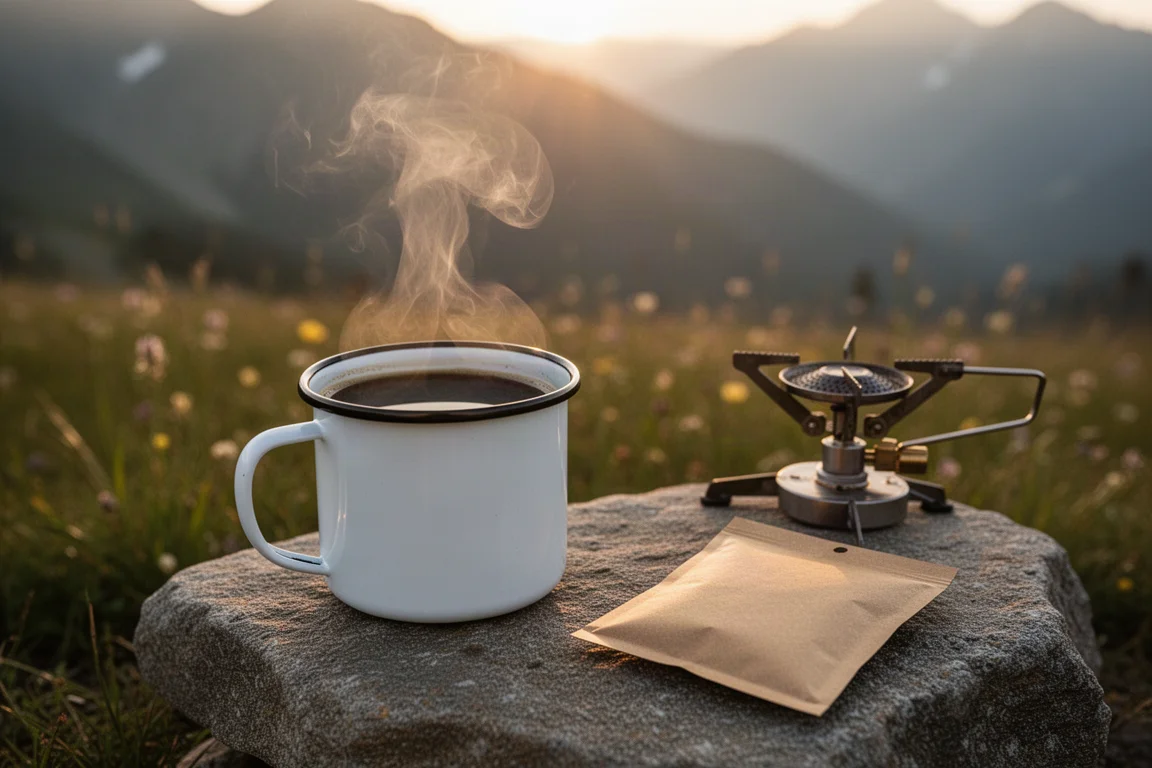
It takes seconds to make, which matters when your hands are cold and you want caffeine before you start moving. A six-pack runs about $15, or just under $3 per cup, which is more than grocery-store instant options and roughly in line with what people happily pay for a coffee shop cup. For anyone who cares about the quality of the coffee they drink in the morning, that trade-off is straightforward; for anyone who does not, cheaper sachets will do the job.
Buying Advice
The strongest accessories here are the ones that solve a problem you already have. If your feet go cold every night, insulated booties will do more for your trip than anything else on this list. If your dinners routinely go cold before they rehydrate, a pot cozy earns its place. If you sleep in a quilt and miss having a softer layer against your skin, a liner is the item to look at, though it is also the most expensive option here and the least settled in terms of availability.
Navigation and skin protection are slightly different cases. A backcountry navigation app and a small protective balm are inexpensive compared with a sleep system, they take up almost no space, and they reduce the chance of the two problems that most often cut a trip short: getting lost and getting burned. Those are worth carrying regardless of how you camp.
If you are building a cold-weather kit from scratch, start with the items that fix a nightly problem, then add the small convenience items once the basics are covered.
Conclusion
None of these accessories is essential on its own, and none of them is heavy enough to argue about. Together they cover the small discomforts that define a cold trip: cold feet, slick sleeping bags, lukewarm dinners, burnt skin, and a slow start in the morning. Buy the ones that match problems you recognise, skip the rest, and the pack stays light while the nights get noticeably more comfortable.
Leituras recomendadas
Avaliações relacionadas
Camping and Backpacking Gear
Seis Escolhas de Equipamento de Camping e Mochilão para Sua Próxima Viagem
Um olhar prático sobre seis itens de camping e mochilão, de uma ferramenta econômica de transferência de combustível a uma prensa francesa de titânio premium, com pontos fortes e trade-offs a considerar.
Camping and Backpacking Gear
Acessórios ultraleves para o frio: 7 pequenos upgrades de equipamento que vale a pena levar
Sete acessórios compactos que trazem calor, clareza na navegação e pequenos confortos diários em trilhas de mochilão no frio, além das desvantagens que vale a pena conferir antes.
Camping and Backpacking Gear
Revisão do Sistema de Dormir Ultralight: Nemo Tensor Elite, Zpacks Solo Quilt e Big Sky Pillow
Um sistema de dormir ultralight de três peças que fica em torno de 1,5 lb, testado para aquecimento, conforto e durabilidade, com uma visão clara de onde cada peça conquista seu lugar.