Português · Sleeping Pads
OneTigris Obsidian Sleeping Pad: Warmth for Cold Weather Without the Premium Price
An $80 sleeping pad for cold weather with an R-value of 5.2, a compact packed size, and a few trade-offs worth knowing before buying.
Introduction
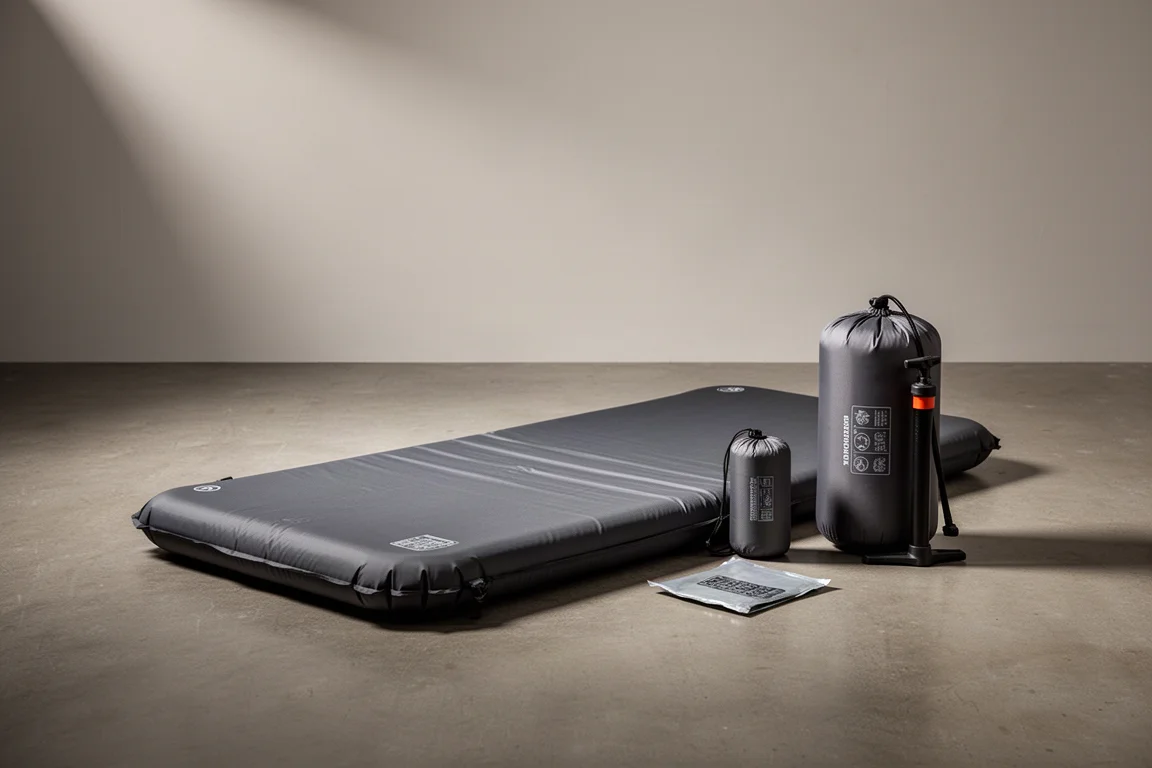
Sleeping pads for cold weather usually force a choice: pay a premium for warmth and low weight, or accept a heavier and bulkier pad to keep costs down. The OneTigris Obsidian Sleeping Pad is designed to soften that trade-off. It has an R-value of 5.2, packs down to roughly the size of a water bottle, and costs $80.
That places it next to the long-standing benchmark in this category, the Therm-a-Rest XTherm. The XTherm is rated at 7.3, weighs 1.4 lb, and costs about $190 more. The Obsidian gives up a little warmth and adds roughly 0.6 lb. The useful question is whether those differences matter for the camping you actually do.
Who This Pad Is For
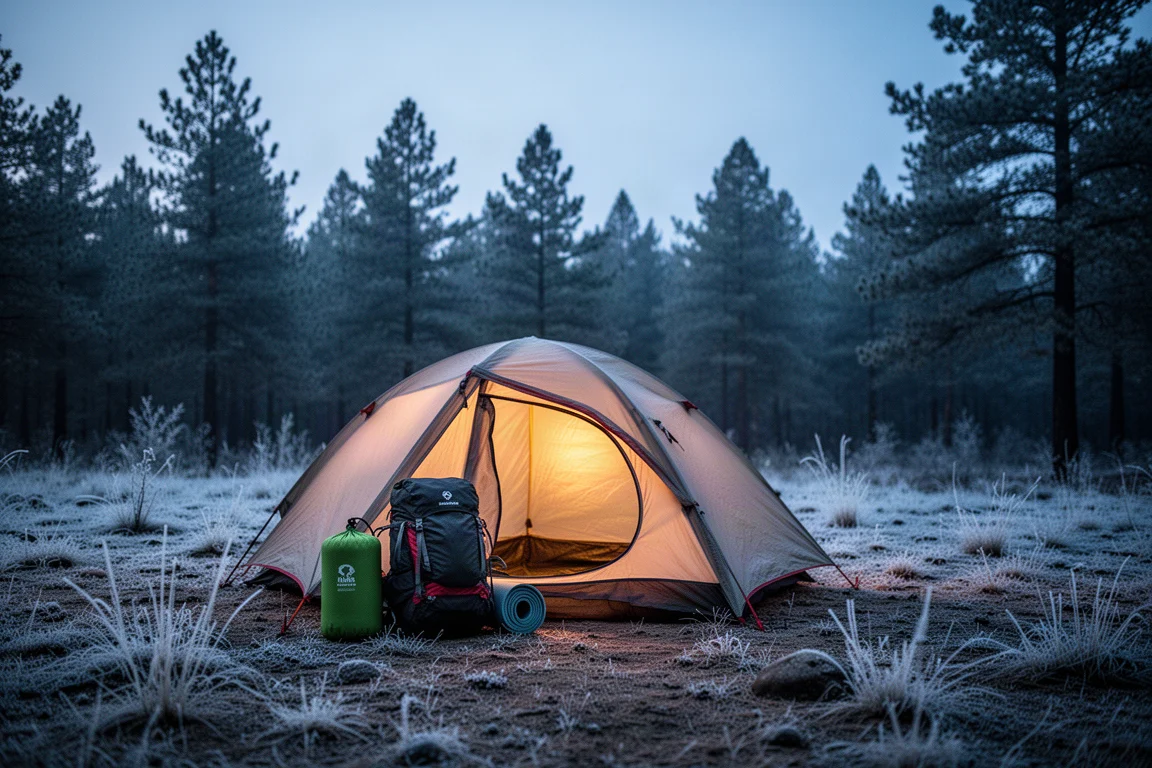
This pad is aimed at campers who want real cold-weather insulation without paying premium money. That covers three-season campers stretching into shoulder-season nights, winter campers with short approaches or vehicle access, and anyone assembling a first cold-weather sleep system on a budget.
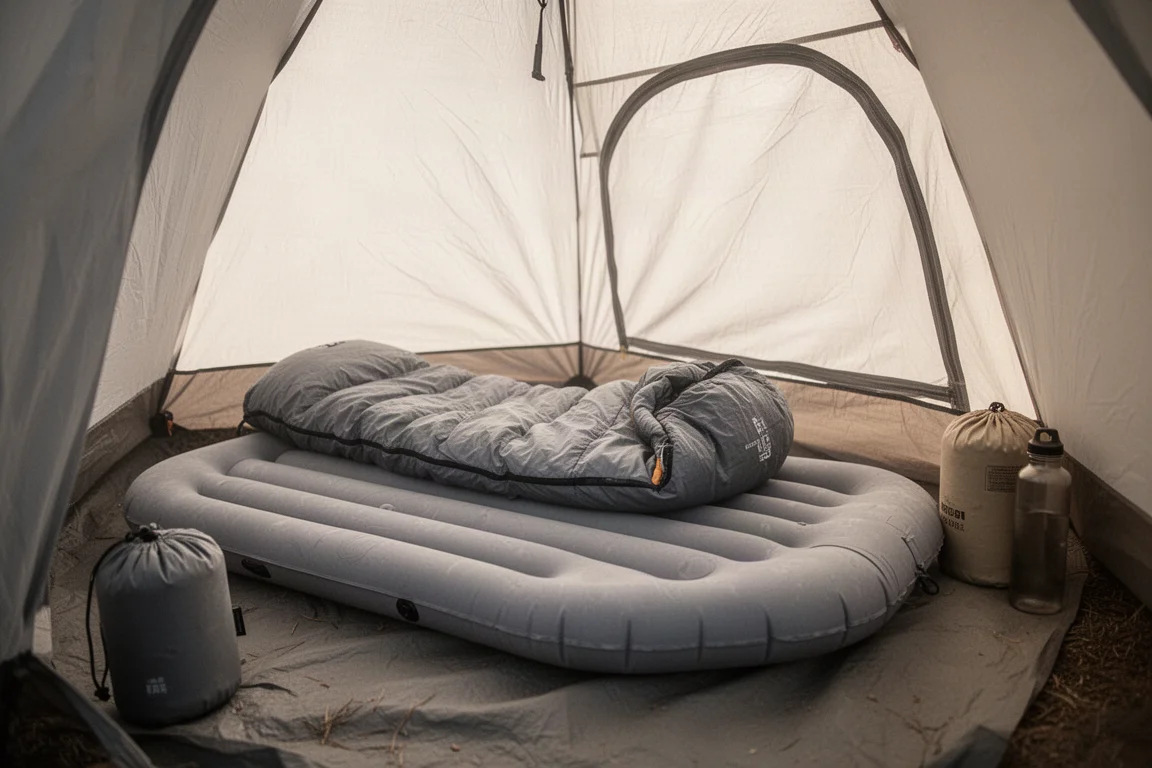
The rectangular cut is 24.8 in wide, which suits side sleepers and anyone who dislikes narrow mummy pads, and it is the only shape offered. What this pad is not is a gram counter’s choice. At 2 lb it is noticeably heavier than the premium alternative, and on long climbs that difference is easy to feel.
Warmth: What an R-Value of 5.2 Delivers
R-value measures resistance to heat loss through the ground, so a higher number means a warmer night. At 5.2, the Obsidian sits above most insulated pads and inside the range that handles very cold conditions. The construction supports the rating: a 20-denier nylon shell wrapped around alternating layers of TPU film and aluminum film, with the reflective layers bouncing body heat back toward the sleeper while the layers beneath block cold rising from the ground.
The gap to the XTherm at 7.3 is real. That difference matters most on trips well below freezing. For nights above freezing with a sleeping bag matched to the temperature, 5.2 is plenty.
Comfort and Packed Size
Inflated, the pad measures 74.4 in long, 24.8 in wide, and 3.15 in thick, which gives more than 3 in of cushion. Lying down, the body stays clear of the ground, and side sleeping does not bottom out. Sitting directly on the pad does compress it to the ground, which is normal for this type of air pad. Movement produces a slight crinkle rather than the louder rustle some pads are known for.
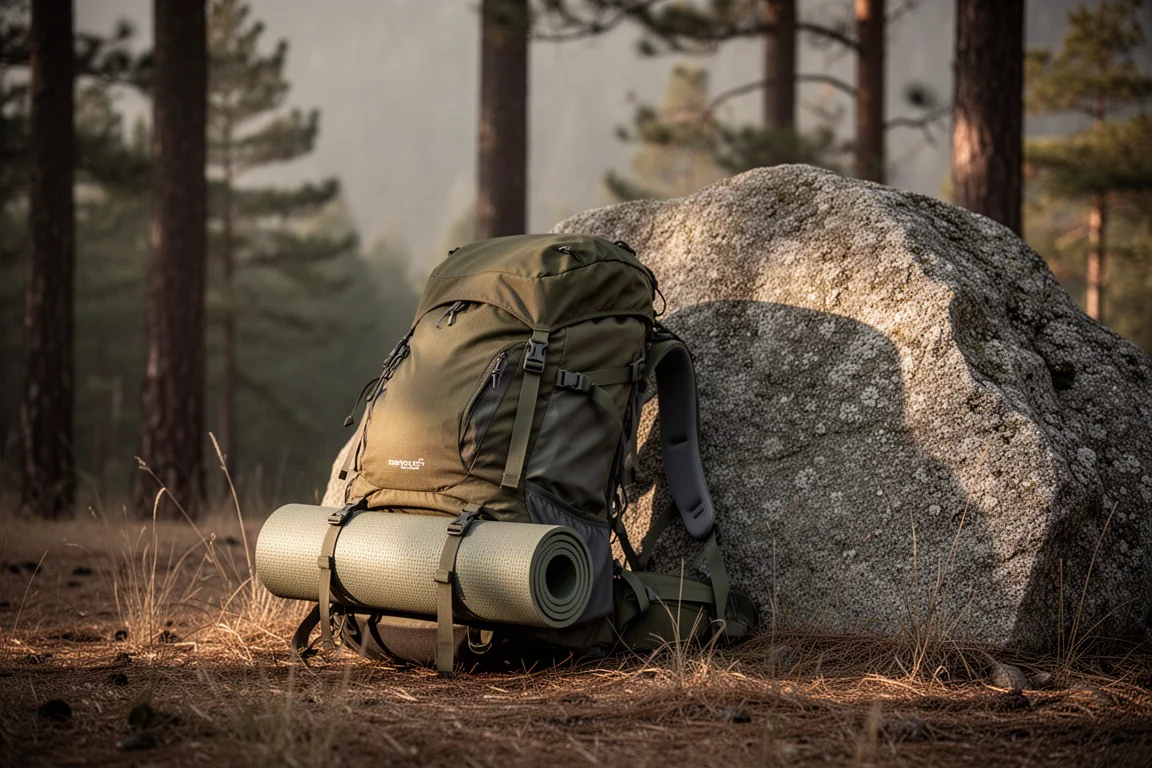
Packed, the pad measures about 11 x 5.1 in and ships with two elastic straps to hold the roll. A repair kit is included, and the storage bag is sized generously enough that getting the pad back inside is not a wrestling match.
Inflation, Valve, and Setup
The Obsidian uses a pump sack instead of lung power, and the reasoning is practical: moisture from your breath inside a pad can freeze overnight and reduce how well it insulates. The included sack is unusually large, with a roll top and buckles, and the company states that four full bags of air will inflate the pad.
The valve is a two-stage design. One setting inflates and holds air between pumps thanks to an internal stopper, and the other releases air when you pack up. The sack works, though filling it takes real effort and the forearm work adds up over four rounds. A small air pump is a reasonable alternative, and in warm weather blowing directly into the pad is an option.
Things to Consider Before Buying
Weight is the clearest trade-off: 2 lb for the Obsidian against 1.4 lb for the XTherm, in exchange for roughly $190 less. The pad also comes in one rectangular cut and one dark grey color, so there is no mummy version for weight-focused hikers. OneTigris does not publish a weight limit, which is a gap common across the category rather than something specific to this pad.
A few smaller details are worth knowing before ordering. The stuff sack carries the brand name but not the model name, and it lacks a grab handle at the base for pulling it off quickly. The name says ultralight, though at 2 lb the pad is better described as light than featherweight. None of these are deal breakers, but they show up on every trip.
Materials and Durability Notes
The shell is 20-denier nylon rather than the polyester found on many inexpensive pads. Nylon is stronger and lighter for the same weight, which is a meaningful choice at this price. The internal stack of TPU and aluminum layers does the thermal work, using the same general approach found in premium pads with a different implementation.
Buying Advice
At $80, the Obsidian is priced to open cold-weather camping to more people. If warmth, packed size, and cost are the priorities, and a 2 lb pad is acceptable, this is an easy recommendation. If you regularly camp well below freezing, count every ounce, or want the widest margin of warmth available, the XTherm remains the stronger choice at about $190 more.
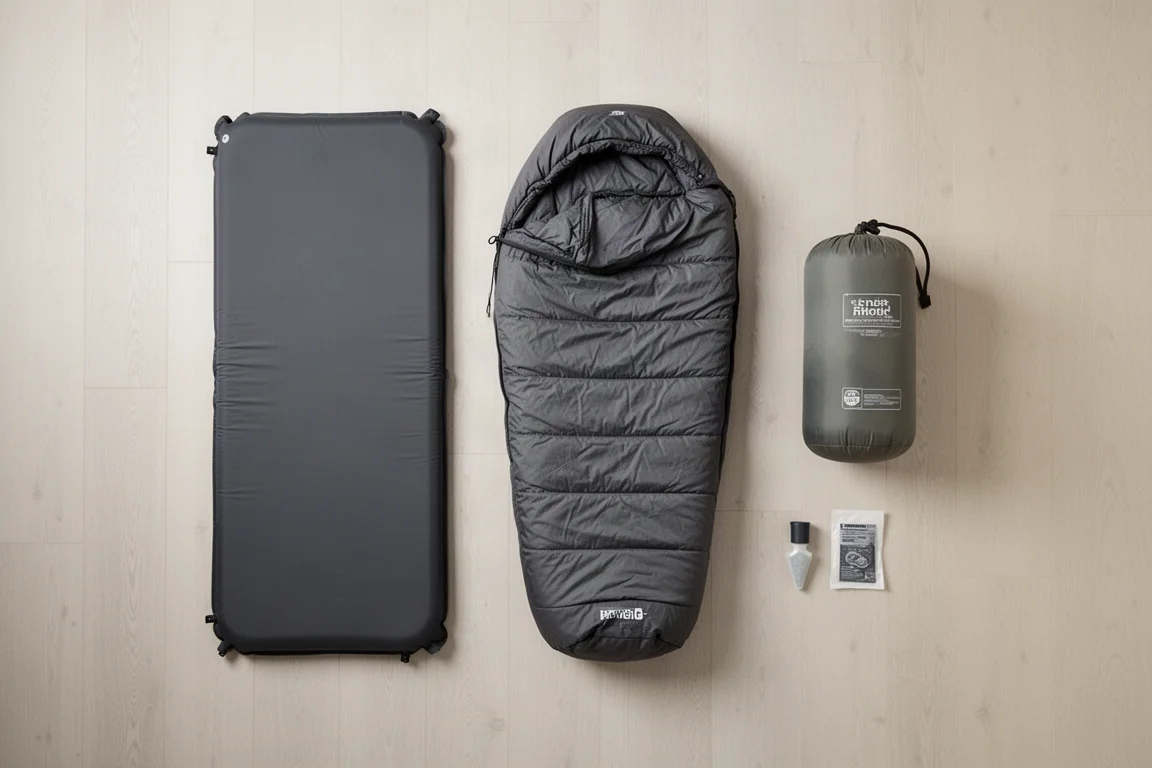
Matching the pad to a sleeping bag rated for the conditions matters as much as the R-value itself. A 5.2 pad under a bag that is not up to the temperature will still leave you cold, while a well-matched bag on this pad covers most cold nights above freezing. For most campers, this pad plus a properly rated bag is a complete cold-weather sleep system.
Conclusion
The OneTigris Obsidian Sleeping Pad earns attention by combining a 5.2 R-value, a 3.15 in thick rectangular surface, and a packed size close to a water bottle at a price that undercuts the category benchmark by a wide margin. The trade-offs are honest ones: about 0.6 lb of extra weight, a pump sack that takes effort, and less insulation than the most expensive option available. For campers who want to extend their season into cold weather without paying premium money, that is a sensible set of compromises.
Link do produto
Ver mais detalhes de OneTigris Obsidian Ultralight Sleeping Pad
Este produto é mencionado nesta avaliação. Antes de comprar, confirme as especificações, opções e compatibilidade.
Ver mais detalhes de OneTigris Obsidian Ultralight Sleeping PadLeituras recomendadas
Avaliações relacionadas
Sleeping Pads
Análise do Kilos Gear Aeroc Cloud UL Sleeping Pad: Leve, Acolchoado e com Preço Atraente
Um sleeping pad acolchoado de quatro polegadas com R-value nominal de 3.8, construção Regular Wide de 17.6 oz e preço de $110 que fica abaixo da maioria da concorrência.
Sleeping Pads
Análise do Kilos Gear AeroCloud Cloud Elite Sleeping Pad: Conforto para Três Estações a um Preço Justo
Uma análise de campo de longo prazo do Kilos Gear AeroCloud Cloud Elite sleeping pad, cobrindo conforto, limites de aquecimento, peso e para quem ele é mais indicado.
Sleeping Pads
Análise do Kilos Gear AeroCloud Cloud Elite Sleeping Pad: Aquecimento, Conforto e Custo-Benefício
Um sleeping pad isolado para três estações com design de compartimentos acolchoados, valor R de 5 e um preço que fica abaixo da maioria dos pads comparáveis.