Polski · E-bike Conversion Kits
Switch Electronic Bike Conversion Kit Review: Front-Wheel Assist, Air and Max Batteries
A practical look at the Switch front-wheel conversion kit and its two battery options, covering installation quirks, real-world range, and who each setup suits.
How the Switch Conversion Kit Works
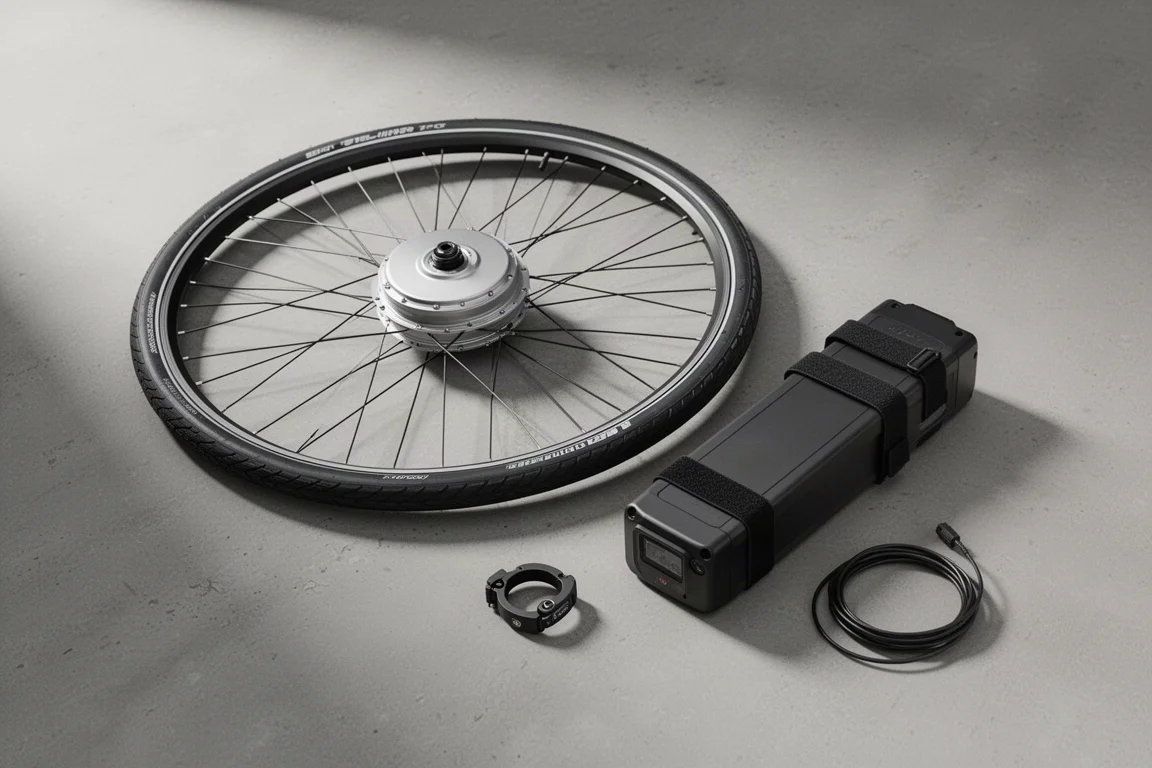
The heart of the kit is a front wheel with an integrated hub motor. The supplied wheel is 700c with an alloy braking surface, and it is not tubeless ready, so tyre choice stays simple but limited to standard clincher setups. A ring of magnets sits behind the crankset, a small sensor reads them as they pass, and the system combines that with wheel size to decide how much power the motor should deliver.
Everything else in the box supports that job: a handlebar display with a mount and spacers for different bar diameters, a charger with a UK plug, e-bike style connectors, a generous supply of cable ties, and several axle width options to match different dropouts. On this build, 9 mm axles were the correct fit for carbon dropouts.
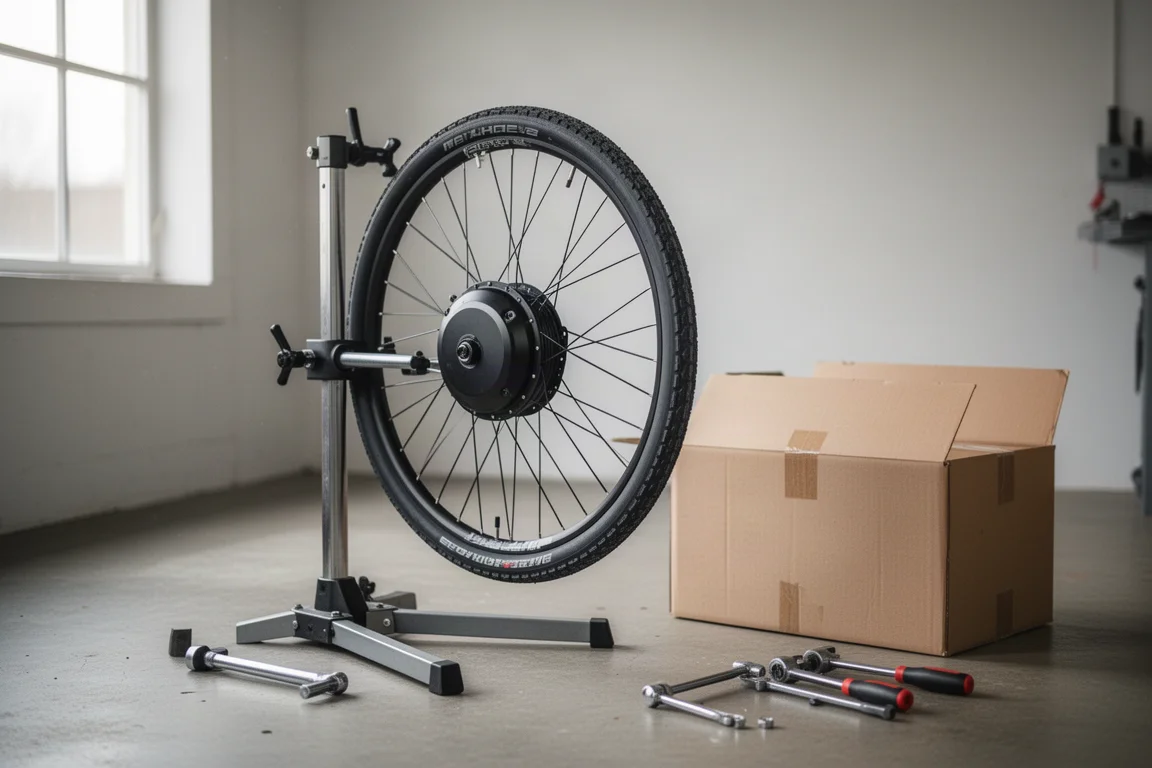
Because the motor lives in the front wheel, the gears, chain and rear wheel stay exactly as they were. That keeps the conversion simple, and it means the bike remains an ordinary bicycle whenever the assistance is switched off.
Switch Electronic Conversion Kit: Front-Wheel Assist for Almost Any Bike
The kit is intended to fit almost any bicycle, with one clear exception: through-axle bikes are not supported. Beyond that, most frames can be adapted, and the included manual is detailed and has been updated from earlier versions, which makes the wiring and sensor setup easier to follow than a bare pile of parts.
Installation is genuinely quick when the frame cooperates. A straightforward fit takes around ten minutes. An earlier 26-inch version of the kit was noticeably louder and sounded like a running motor, while this generation is essentially silent in use, which makes a real difference on longer rides.
The other practical strength is behaviour when the battery is empty. The bike stays rideable, with some mild resistance from the front wheel, rather than becoming a heavy machine you have to drag home. The kit is also positioned as a convenient, supported package rather than a loose collection of generic parts, which matters if you want warranty backing and clear instructions.
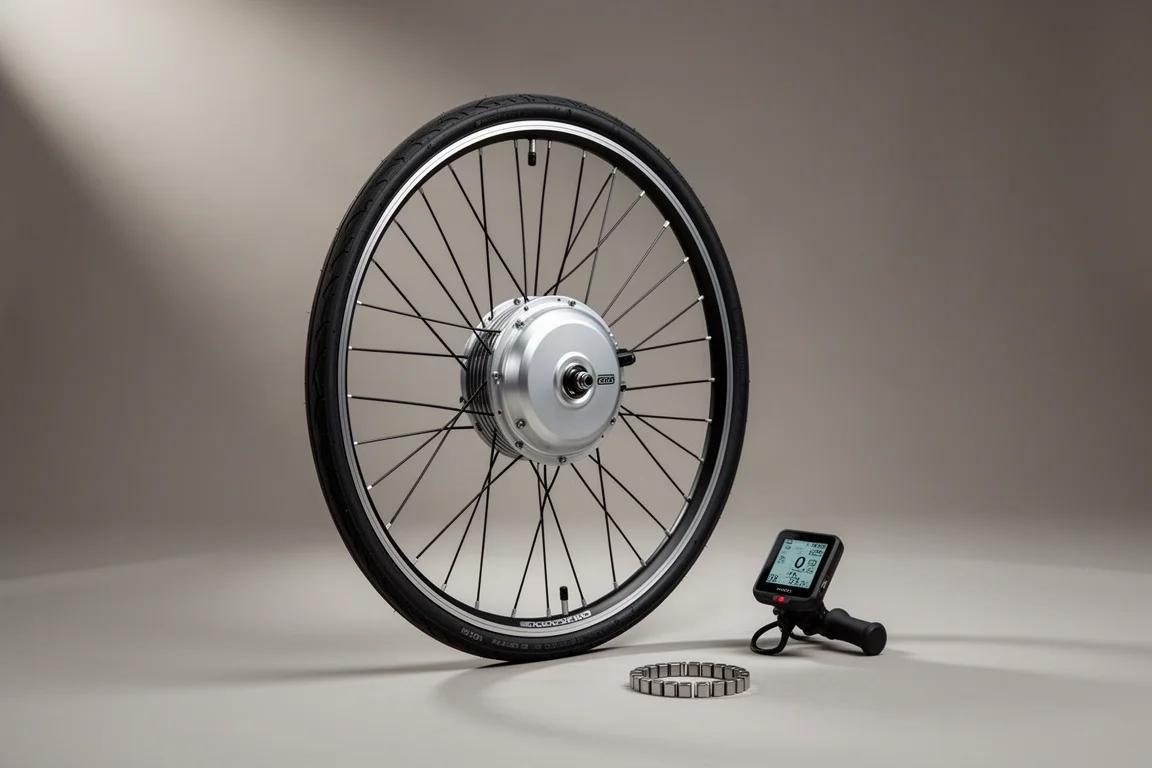
Switch Air Battery: Lightweight Power for Short Trips
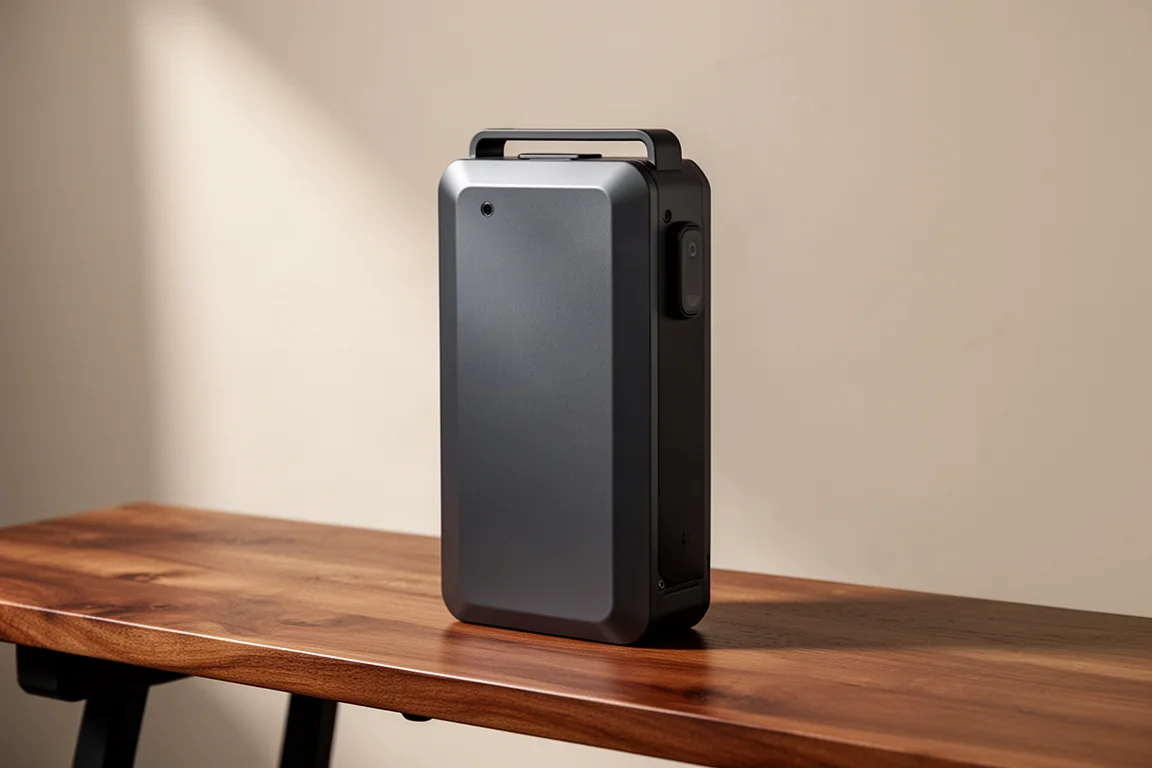
The Switch Air is the smaller of the two packs at 739 g, with an official range of 15 km. It uses the same mount as the larger battery, so it clips on and off in seconds, and it is compact enough to slip into a jacket pocket as a spare.
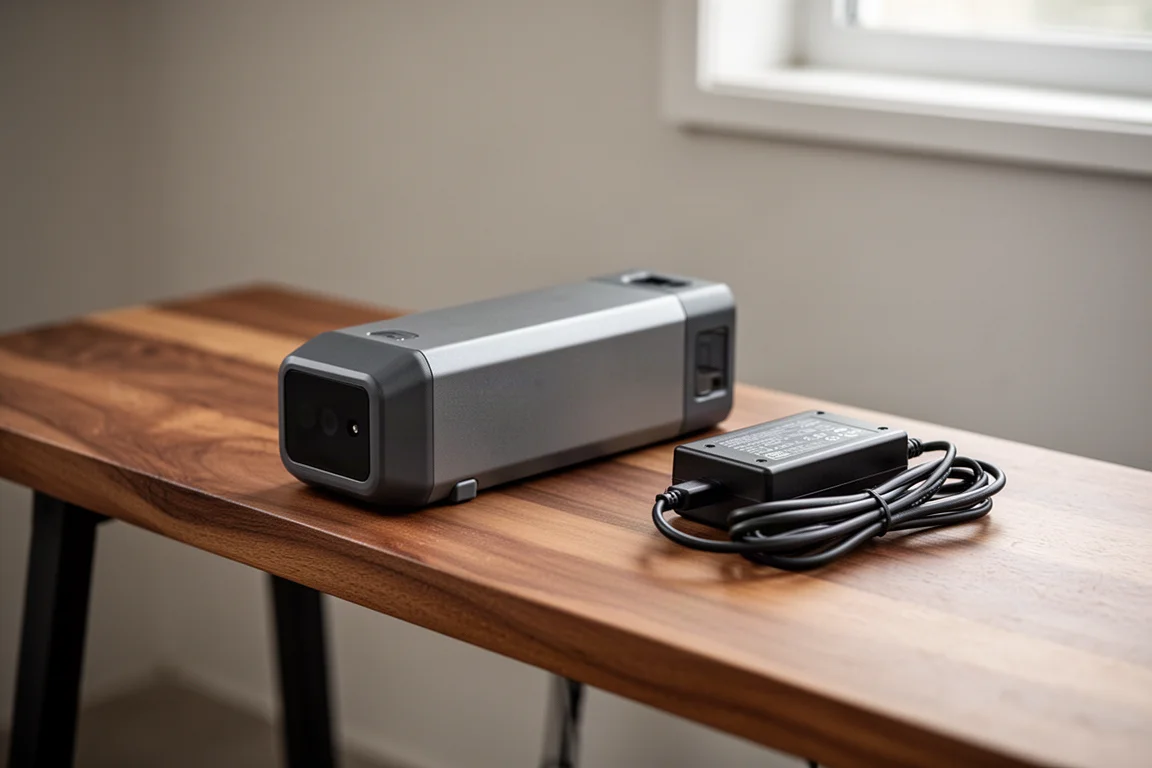
On a route with a strong headwind, significant elevation, rough greasy surfaces and temperatures around 8 degrees, the Air covered 10.9 km before it ran flat. That is short of the official figure, but the conditions were close to worst case, and a flatter town commute would almost certainly close the gap.
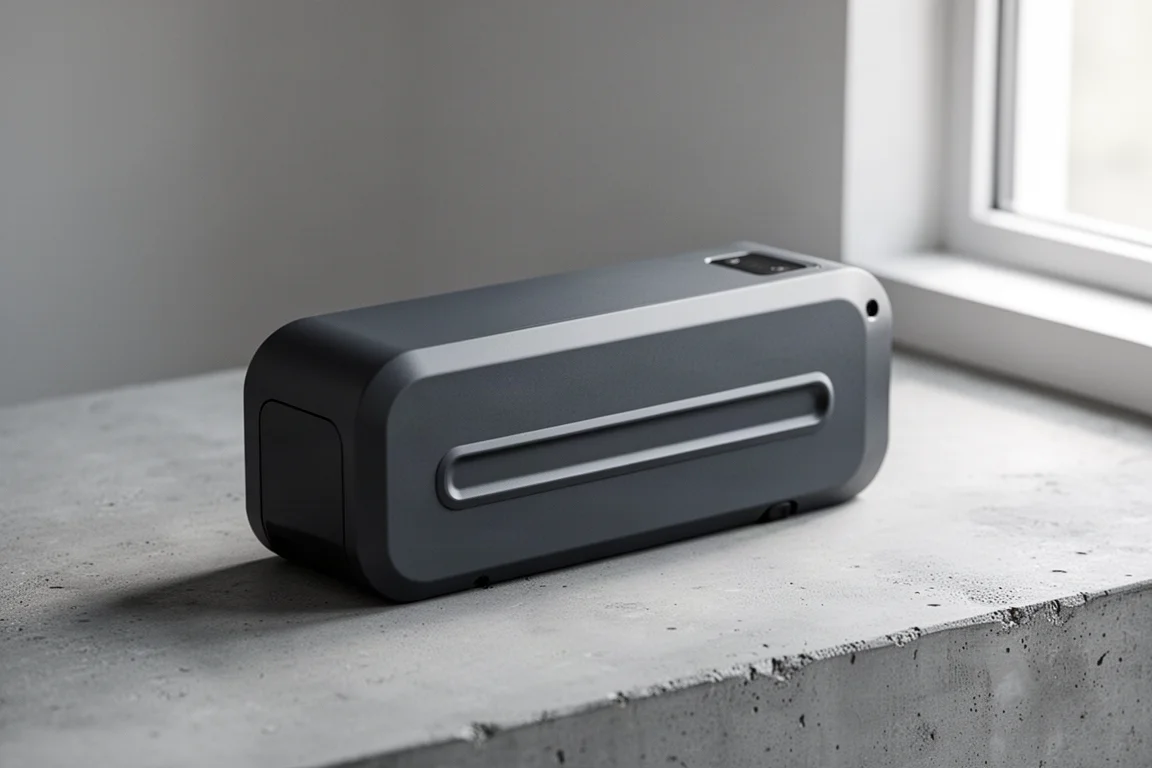
Switch Max Battery: Double the Range at 1,136 g
The Switch Max weighs 1,136 g and carries an official range of 30 km, roughly double the Air. The size difference between the two packs is noticeable but not dramatic, which makes the Max the more flexible choice if you want one battery to cover a full day of short trips.
On the same demanding route, the Max managed 21.5 km, including some extra hill repeats at the end to drain it completely. It lasted significantly longer than the Air, exactly as expected, and it was still going when the smaller pack had already given up. In both cases the rider used the five available assistance levels, leaning on the higher settings for climbs and dropping to the lower ones on flatter ground.
Installation and Compatibility Notes
This is where the kit demands some patience. The magnet ring that drives the pedal sensor does not fit SRAM cranks, because the preload adjustment on the crank sits in the way. The parts are shaped for thinner alloy cranks rather than chunky carbon ones.
Frame shape matters too. The magnetic sensor is designed to mount on the seat tube, which works well on a traditional steel frame with slim tubes. On a carbon frame with oversized tubing and a beefy bottom bracket, there is very little room to position it close enough to the magnets without it catching.
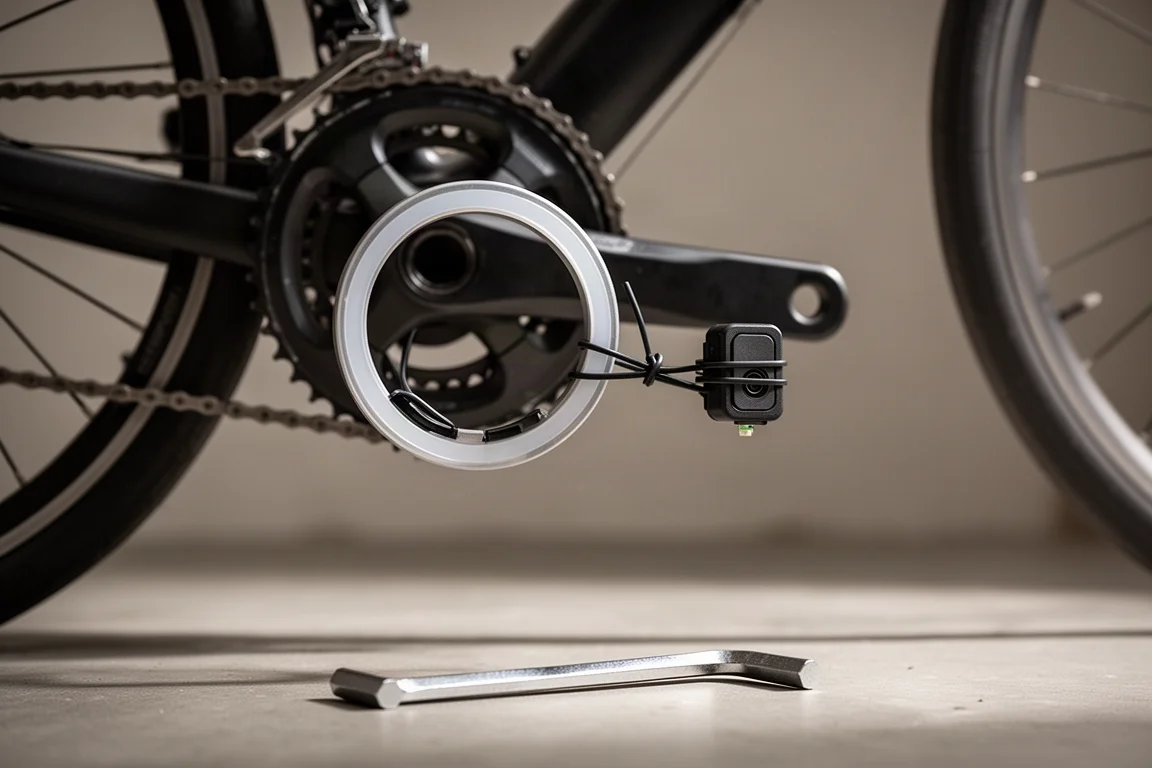
The practical consequence is that some builds will need improvisation. In our case, a bracket was filed down and secured with a cable tie, and a bike with a more standard crankset and more clearance between frame and crank was used instead. Any modification of that kind voids the warranty, so it is worth checking your crankset, dropout type and frame clearance before ordering, especially on a high-end carbon road bike.
Real-World Range in Demanding Conditions
Both batteries were tested on a hilly, exposed route with a strong headwind, around 8 degrees of temperature, considerable elevation and rough, greasy road surfaces. These are not the conditions the kit is built for, and they produced the most conservative range figures we could reasonably expect.
The Air returned 10.9 km against a 15 km claim. The Max returned 21.5 km against a 30 km claim. Both numbers are reasonable for the weather and terrain involved, and a flatter urban commute would likely come closer to the official estimates. The batteries also stayed portable throughout, which is the point of the design: unclip, charge indoors, clip back on.
When the power runs out, the bike does not become unrideable. There is a little drag from the front hub motor, but it is nothing like the dead weight of a heavy electric cargo bike, and pedalling home without assistance is entirely practical.
Who Should Buy the Switch Kit or Batteries
The kit is aimed at riders doing shorter journeys: town riding, hilly local routes, popping to the shops, and commuting. The main appeal is the package rather than the raw performance. It installs quickly on a compatible frame, runs quietly, and the battery can be removed and charged indoors without wheeling the whole bike inside, which suits anyone who stores a bike in a shed or a shared bike store.

Choosing between the batteries is mostly a question of distance. The Air keeps weight down at 739 g and suits short, light trips. The Max costs you 1,136 g but roughly doubles the range, so it makes more sense for longer commutes or hillier routes where you would rather not think about charge level.
This is not a long-distance touring solution. Riders planning remote 100 km road rides will still want a bike built for that job. But for everyday utility riding, the simplicity of a ten minute installation and the reassurance of warranty support are worth more than the lowest possible price, particularly if you would rather not troubleshoot a generic kit on your own.
Conclusion
The Switch electronic conversion kit is a convincing option for turning a practical town or commuter bike into an assisted one. It fits a wide range of frames, installs quickly when the frame cooperates, runs quietly, and stays rideable when the battery is empty. The caveats are real but specific: through-axle bikes are out, SRAM cranks are a problem, and oversized carbon tubing can make sensor mounting awkward.
Pick the Air for the lightest setup on short trips, and the Max if you want roughly double the range without giving up portability. Match the kit to a bike with standard cranks and sensible frame clearance, and the experience is far smoother.
Więcej do przeczytania
Powiązane recenzje
E-Bikes
Super73 S2 jako codzienny środek transportu: co działa, co nie, i jak go wyposażyć
Po blisko 400 milach codziennych dojazdów — szczere spojrzenie na Super73 S2, alternatywę w postaci RX oraz sprzęt, który czyni z niego sprawny codzienny pojazd.
E-Bike Conversion Kits
Recenzja Switch Electronic Conversion Kit: moc na przednim kole do codziennych rowerów
Zestaw silnikowy w przednim kole, który zamienia zwykły rower w elektryczny, z lekką baterią Switch Air i dłuższą opcją Switch Max dopasowaną do różnych dojazdów.
E-Bike Conversion Kits
Swytch Go Kit i Swytch Air Kit: który zestaw do konwersji na e-bike pasuje do Twojego roweru?
Praktyczny przewodnik po dwóch zestawach do konwersji ze wspomaganiem pedałowania, które zmieniają istniejący rower w e-bike, obejmujący cenę, montaż, wybór baterii i to, dla kogo jest przeznaczony każdy z zestawów.