Polski · Camping Chairs
Roa Outdoor Gear Hope Chair Review: A Carbon Fiber Viking Chair for Campers
A carbon fiber camping chair built on the Viking chair design, with roughly two second setup, a 300 to 400 pound capacity, and a premium price to match.
Introduction
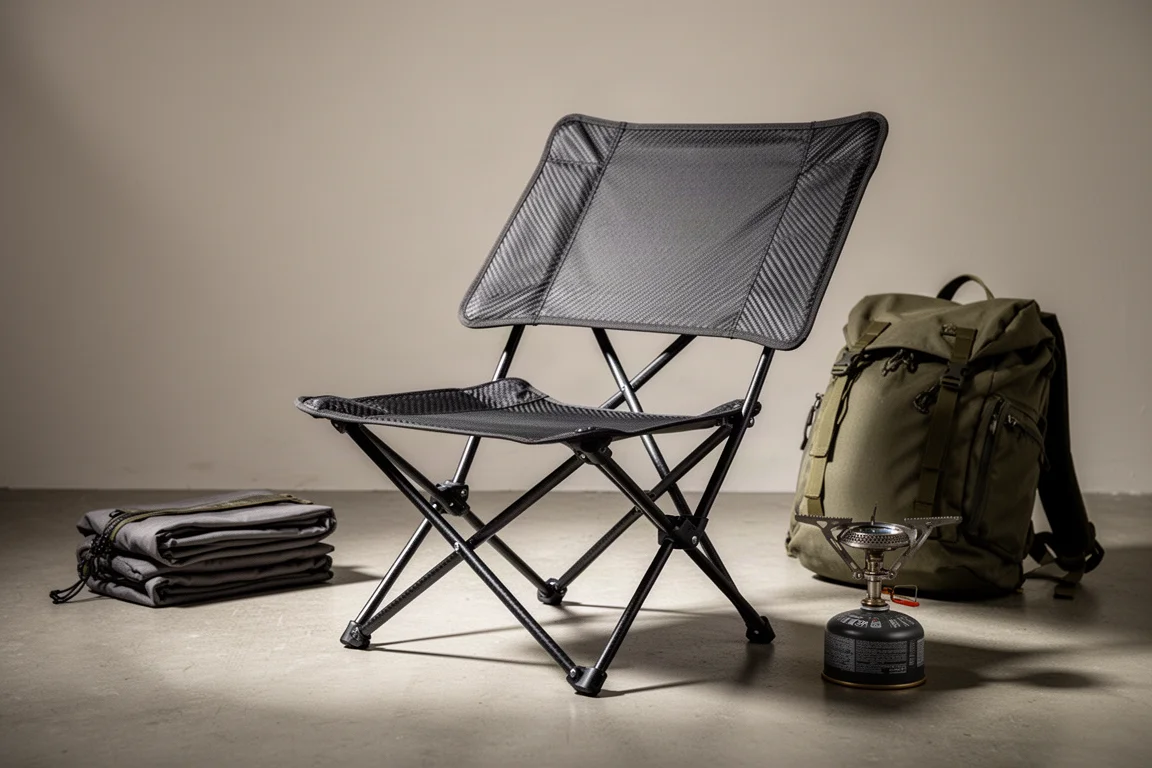
Almost every lightweight camping chair follows the same recipe: a bundle of tubular legs, a fabric seat, and a stuff sack that never quite folds back the way it came. The Hope chair from Roa Outdoor Gear takes a different route. It is an all carbon fiber chair built around the Viking chair, one of the oldest seating designs in the world, and it arrives as flat interlocking panels rather than a frame that has to be assembled piece by piece.
That difference is the point. The Hope is designed to be ready to sit in within about two seconds, to support between 300 and 400 pounds, and to shrug off the kinds of accidents that usually end a camping chair’s life. A production prototype was run over by a truck and came away intact.
Roa Outdoor Gear is still finalizing production. The company expects the Hope to be priced somewhere between $300 and $400, which would place it among the most expensive chairs in this category. A first limited run is planned for the company’s own website, with pre-orders for second and third runs to follow.
It is worth being clear about what the Hope is not. It is not a budget alternative to a tube frame chair, and it is not chasing the lowest possible weight. It is a premium, buy-it-once proposition for people who have already broken, burned, or soaked a chair or two.
Who This Chair Is For
The Hope is aimed at backpackers who want a chair that is genuinely usable during short stops. With a tube frame chair, a ten minute water break rarely justifies the effort of unpacking and assembling. With a design that opens in seconds, that calculation changes, and the chair gets used far more often.
It also suits campers who want a seat that stays stable on uneven ground. Interlocking panels and a low seating position mean there are no thin legs to bend and no joints to snap under load, and the 300 to 400 pound capacity makes it relevant for hikers and heavier riders who have found lighter chairs flexing underneath them.
Beyond backpacking, the Hope is positioned for everyday outdoor seating, including sideline use at kids’ games and general campsite lounging. It is a chair meant to live in the car as easily as it lives in a pack.
Design and Build Quality
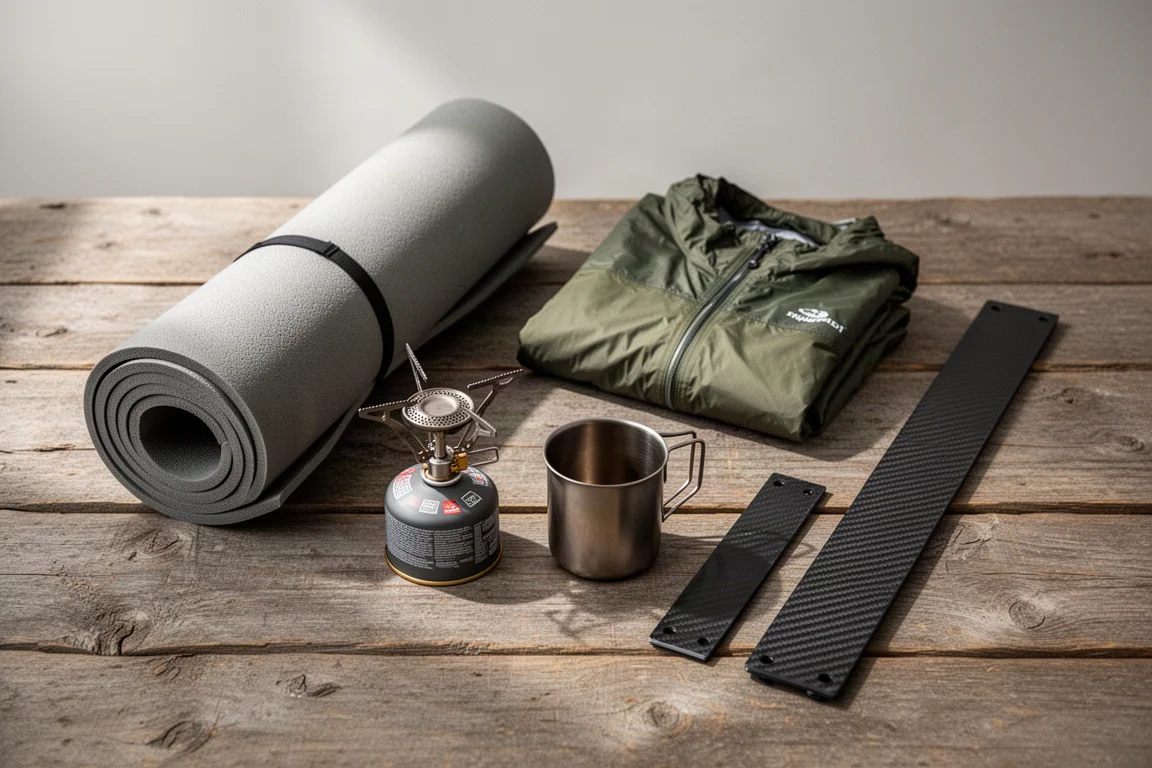
The Hope is built from carbon fiber throughout, and its geometry comes from the Viking chair: two flat panels that cross in an X, with the seat surface formed where they meet. Magnets hold the panels in alignment, which is what makes the fast setup possible. There are no telescoping legs, no shock cord, and no hinges to wear out.
Durability is the headline claim. The frame was driven over by a truck without breaking, and the construction spreads load across large interlocking surfaces rather than concentrating it in small joints.
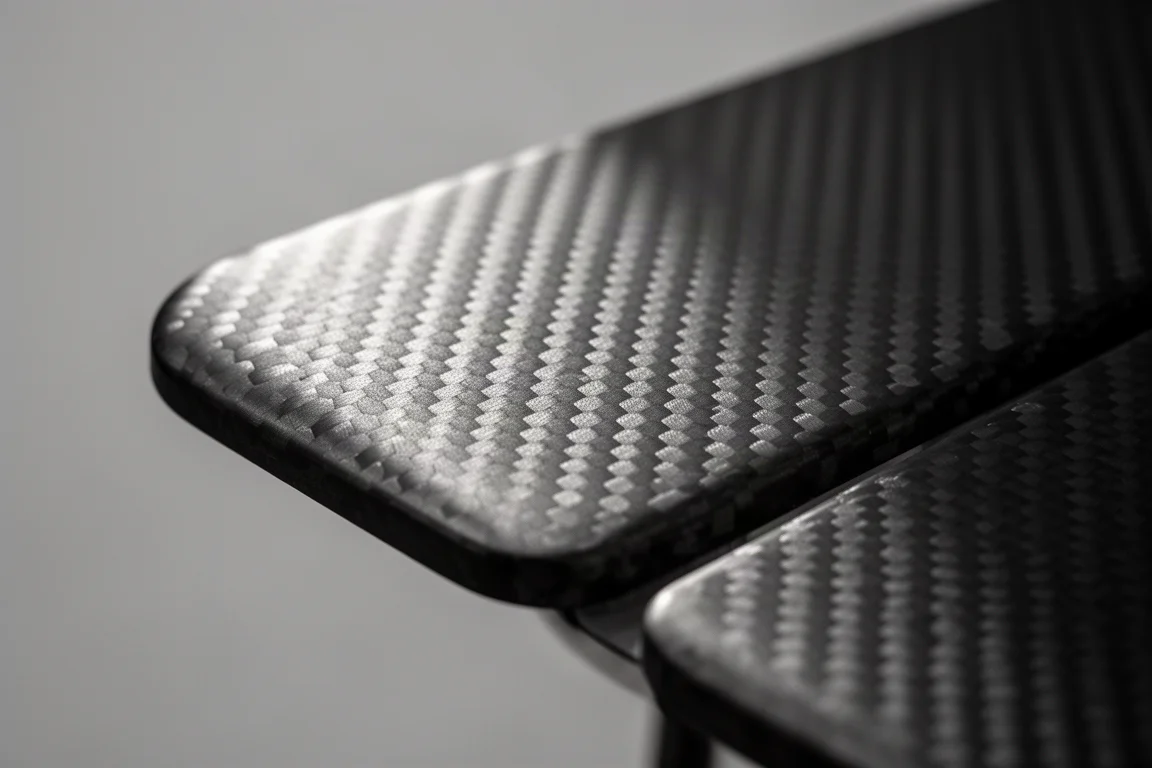
Weather resistance follows from the material. Carbon fiber panels do not absorb water, so mud and rain wipe off, and falling campfire embers will not burn a hole the way they do in a fabric seat. The panels can eventually burn if held directly in a flame, but ordinary sparks and embers are not a threat.
Roa Outdoor Gear also scooped the feet and the tail of the panels after early prototypes sank into soft, muddy ground, which improves stability on wet campsites.
Setup and Packing in Practice
Setup takes about two seconds. The panels cross, the magnets engage, and the chair is ready. Takedown is the same process in reverse, which matters more than it sounds: a chair that is quick to open is a chair that actually gets used during short breaks.
Packing is where the Hope asks for a small adjustment. It does not roll into a narrow bundle the way a fabric chair does. Instead it travels as flat panels, which changes how it fits in or on a pack. That shape is also what makes it quick to deploy, so the trade-off is deliberate.
Weight is the other consideration. The current prototype sits just over 2 pounds, and Roa Outdoor Gear has said that production molds should bring that number down. The design is very close to final, but the shipping weight is not yet fixed.
Main Strengths
The first strength is stability. The chair feels planted rather than perched, with none of the eggshell sensation that comes from sitting on a tall frame with thin legs. The seat surface is firm rather than cushioned, which keeps pressure even and avoids the digging that softer seats can produce.
The second is durability. Between the truck test and the resistance to embers and water, the Hope is built to survive the specific ways camping chairs usually fail.
The third is versatility. A chair that sets up in seconds and stays stable on soft ground works at a campsite, on a trail break, and at the edge of a sports field. The Hope is designed to be useful in all three places rather than only in a backpacking context.
Things to Consider Before Buying
Price is the obvious one. At an expected $300 to $400, the Hope will be the most expensive chair in its category by a wide margin. Roa Outdoor Gear is exploring manufacturing methods, including thermal plastics, that could reduce cost over time, but no lower priced version has been confirmed.
Weight is the second consideration. At just over 2 pounds in prototype form, the Hope is not the lightest chair a backpacker could carry. The comparison depends on what it replaces, since many backpackers already carry a chair in the 2 to 3 pound range.
Third, the flat panel format is unfamiliar. Anyone used to rolling a chair and stuffing it into a pack will need to rethink where the Hope goes. The prototype also had sharp edges on the feet and tail, which the scooped production design addresses.
Finally, availability is still limited. The first run will be small, and full production is still being dialed in.
Buying Advice
The Hope makes sense for a specific buyer: someone who has gone through several fabric chairs, who wants a seat that is stable and quick to deploy, and who would rather spend once than replace a chair every season or two.
For that buyer, the value argument is straightforward. A chair that cannot be broken by a truck, will not be ruined by embers or rain, and sets up in seconds is doing something the cheaper options cannot.
If weight or price is the priority, waiting is reasonable. Production molds were only recently cut, and the final weight figure should be lower than the prototype’s. Buyers who want the first batch should watch the company’s own site for the limited run, and expect pre-orders for later runs to follow.
Conclusion
The Hope chair is a genuine departure from the folding chair formula. It uses an ancient seating design, builds it from carbon fiber, and solves the two problems that plague lightweight chairs: slow setup and short lifespans. The premium price and the flat panel packing format are real trade-offs, but for campers who want one chair that lasts, the Hope is a compelling answer.
Link do produktu
Zobacz więcej szczegółów: Hope Chair
Ten produkt jest wymieniony w tej recenzji. Przed zakupem sprawdź specyfikację, dostępne warianty i kompatybilność.
Zobacz więcej szczegółów: Hope ChairWięcej do przeczytania
Powiązane recenzje
Camping Chairs
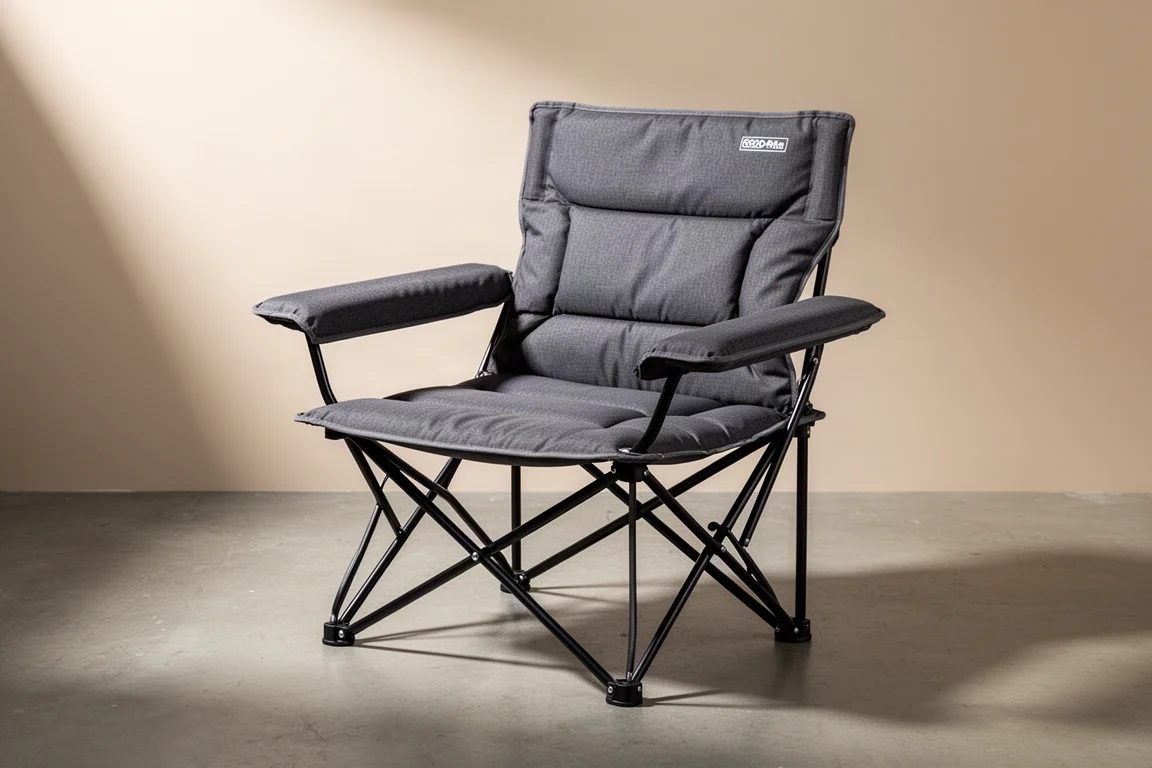
Kelty Low Loveseat Review: A Two-Person Camp Chair That Sits Close to the Ground
A practical look at the Kelty Low Loveseat's seat dimensions, setup speed, storage features, and build quality, plus the trade-offs to check before buying.
Camping Chairs
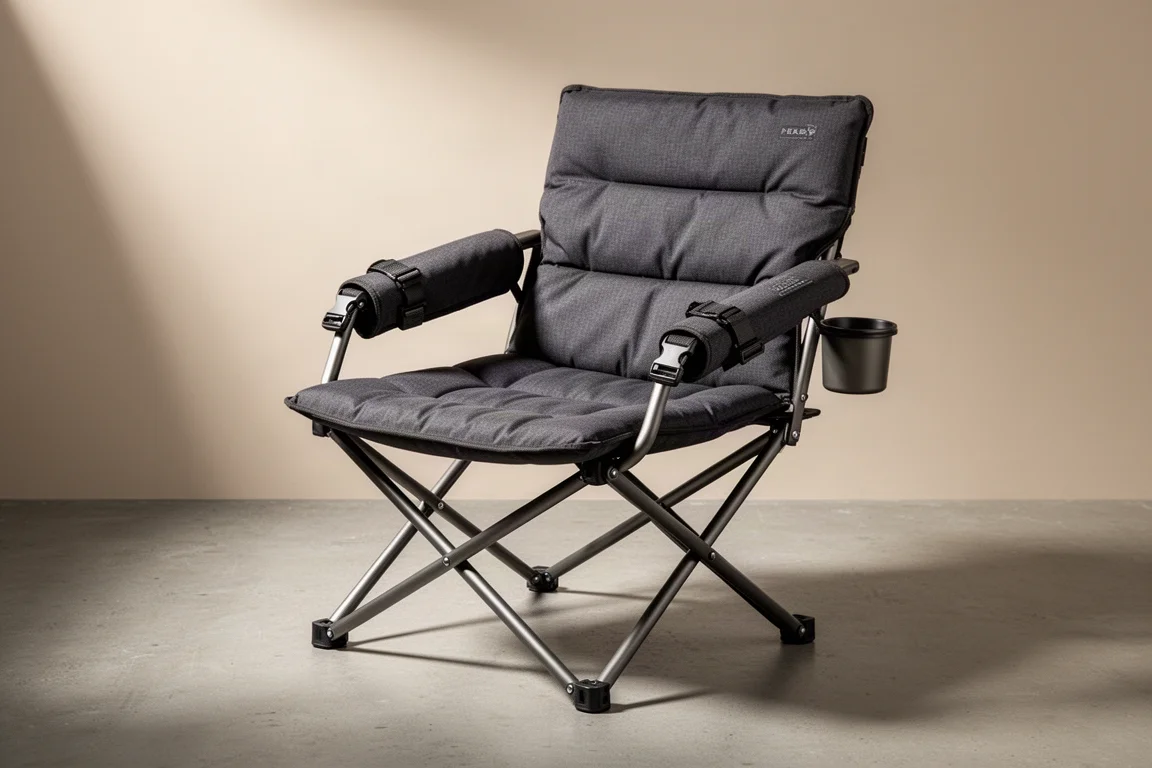
Kelty Lowdown Chair Review: Niskie krzesło kempingowe, które szybko się pakuje
Praktyczne spojrzenie na Kelty Lowdown Chair — czas składania, wymiary siedziska, ciepło, cechy, rozmiar po spakowaniu i kompromisy do rozważenia przed zakupem.
Camping Chairs
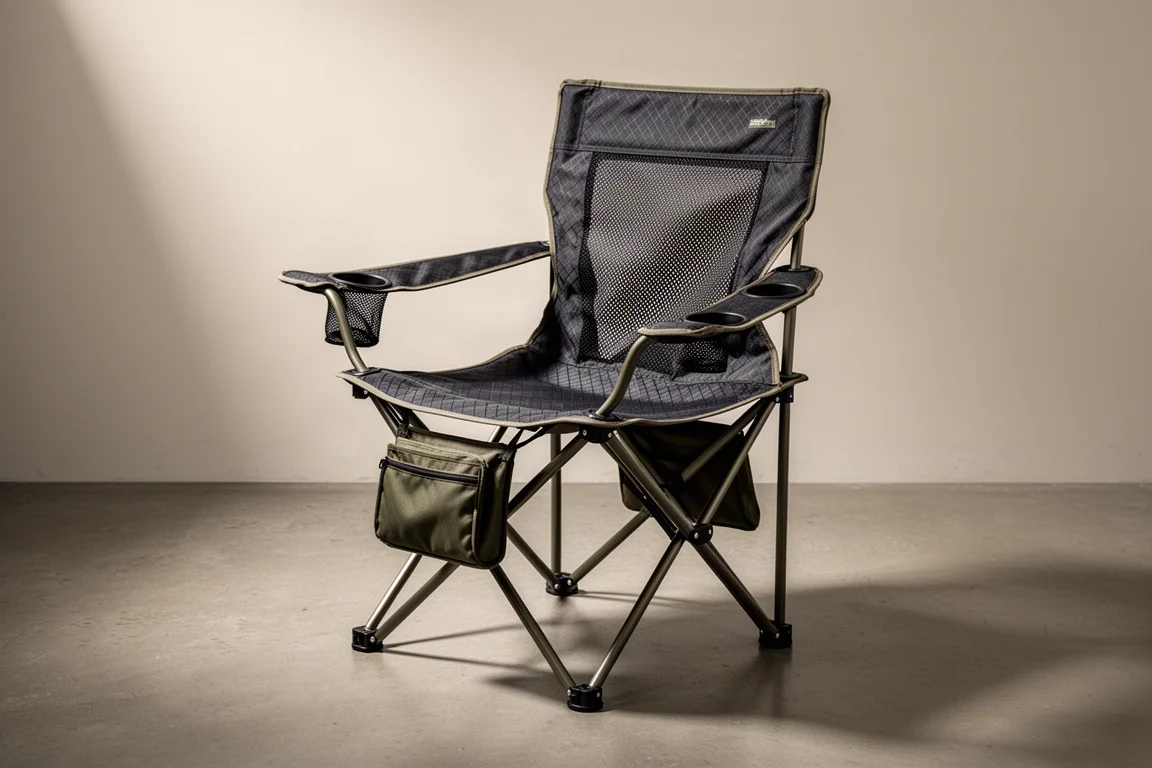
Kijaro Dual Lock Camp Chair — recenzja: szybkie rozkładanie, siedzenie bez zapadania się i bardzo długa długość po złożeniu
Bliższe spojrzenie na Kijaro Dual Lock Camp Chair: automatycznie blokowana rama, siedzenie bez zapadania się, układ schowków, rzeczywiste wymiary i kompromisy, o których warto wiedzieć przed zakupem.