Polski · Trail Running Shoes
Nike ZoomX Ultrafly Review: a $250 trail race day shoe with road shoe manners
The premium Nike ZoomX Ultrafly introduces Vaporfly-style foam, a full-length carbon plate, and finally a Vibram outsole to trail racing, but it has clear limitations on technical terrain.
Introduction
The Nike ZoomX Ultrafly is Nike’s top-of-the-line trail race day shoe, priced at $250, and it draws heavily on the brand’s road racing formula. A ZoomX midsole, a full-length carbon Flyplate, and a stack height reminiscent of the Vaporfly are all wrapped in a trail-ready package.
Two runners put real miles into this shoe, with a caveat: one did most of his testing on the road and treadmill, while the other covered genuinely technical terrain, including a rocky section of the Appalachian Trail. This mix of surfaces says a lot about what this shoe can and cannot do.
Who This Shoe Is For
The Ultrafly is built for racing on smooth, non-technical terrain: forest roads, well-groomed West Coast trails, and fast dirt singletrack. On such surfaces, the runners felt it outperforms comparable trail racers such as the Hoka Tecton X 2 and the Saucony Endorphin Edge, with the caveat that the terrain must not be demanding.
It is a niche purchase. If you’re buying one trail shoe for everything, this isn’t it. The runners were explicit: it is a dedicated race day shoe for smooth terrain, not a do-everything trail trainer.

Upper and Fit
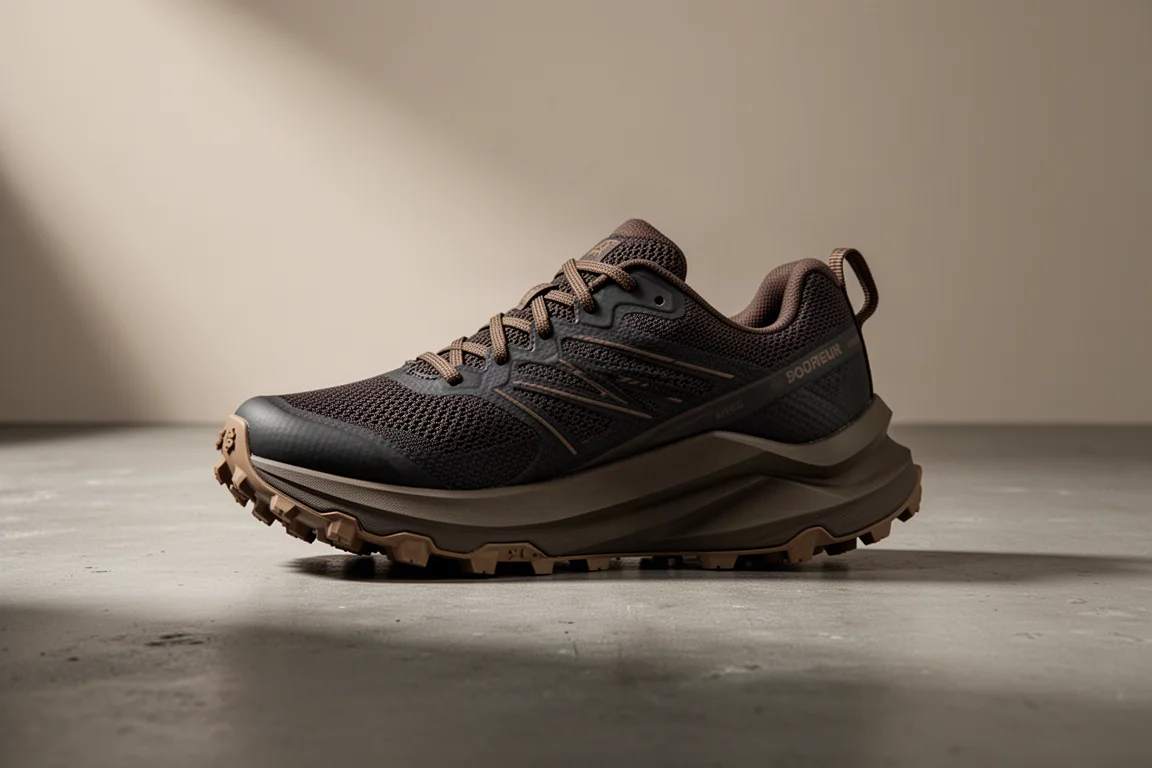
The upper uses Vaporweave, a matte, hydrophobic mesh that looks and feels premium. Details are on point, including lace tips with a racing checkerboard pattern referencing Nike’s race day aesthetics. The toe box is unusually wide for a Nike shoe, yet the shoe wraps the foot nicely, so it never felt clunky.
On the road and treadmill, the lockdown was excellent. A 12-mile road run and a session of 400-meter repeats left a strong impression. On technical trail, however, the story changed. Noticeable foot movement inside the shoe was an issue, and tightening the laces enough to lock the foot in place caused numbness, while loosening them left too much play. The upper also lacks the reinforced side panels used by most trail shoes to protect against rock abrasion, which reinforces the impression that this shoe is not built to survive rough terrain in the long run.
Midsole: ZoomX, wrapped and protected
The stack matches the Vaporfly at 38.5 mm in the heel and 30 mm in the forefoot. The ZoomX foam is encased in a thin but durable fabric wrap that prevents the creasing ZoomX foam normally shows, and both runners felt it keeps the foam’s instability in check without killing the bounce.
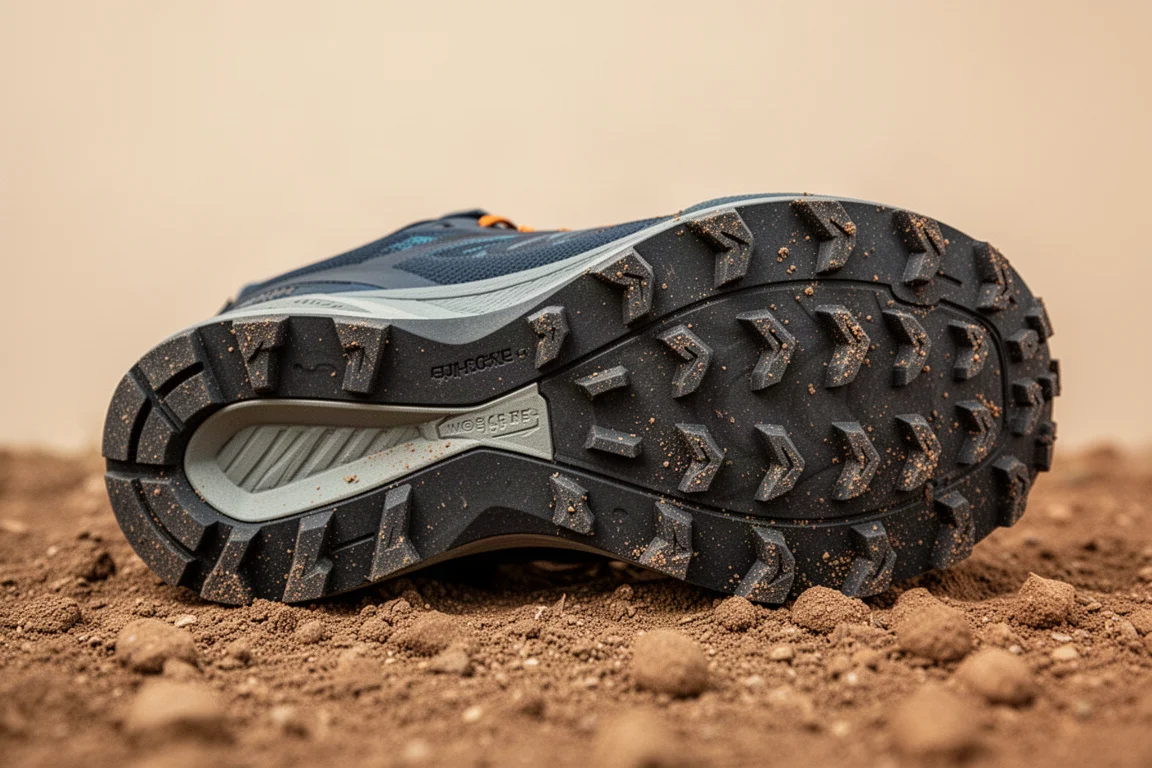
The full-length carbon Flyplate provides a propulsive feel similar to Nike’s road racing shoes. Around the office, the shoe also served as a genuinely comfortable everyday shoe — one of the most comfortable either runner had worn. On the run, the cushioning felt great, though the full layer of rubber outsole made the ride a bit slappy on pavement, with a less snappy toe-off than expected — likely due to the combination of wrapped foam, plate, and rigid outsole.
Outsole: Vibram MegaGrip finally arrives
Nike’s own trail rubber was historically slippery and disappointing, but the Ultrafly ships with a Vibram MegaGrip Litebase outsole, which the runners called almost the best compound available on trails. It gripped confidently on wet roads and stuck to everything on the trail.
The trade-off is lug depth: only 3.5 mm, which is very little for a trail shoe. On a thin layer of mud, it struggles. This is a shoe meant to bomb down smooth trails and build speed, not claw through East Coast mud.
Where It Struggles: technical terrain
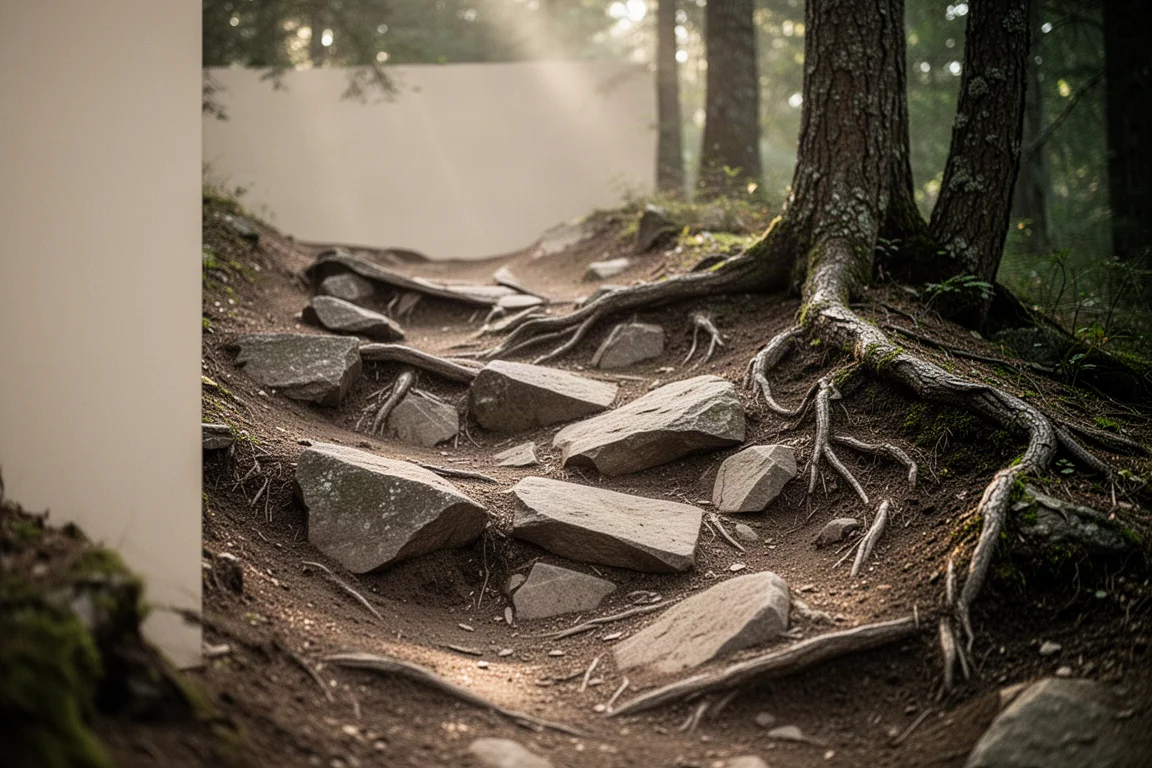
On rocky, technical trail, foot movement inside the shoe was a recurring complaint, also reported by other testers. More concerning: after a 12-mile road run, one runner experienced significant ankle soreness, and a female tester reported a similar experience. The suspicion is that the encased foam, plate, and full layer of rubber deprive the shoe of natural flexibility, and it may simply have been the wrong surface for the shoe.
The takeaway: keep this shoe on the surfaces it was designed for, and expect real limitations everywhere else.
Buying Advice
At $250, it is the most expensive trail shoe from a major manufacturer, yet the runners felt it still outperforms other shoes in that price range, including models from Speedland and Norda. The weight is reasonable for a trail racer: 10.9 ounces, or about 309 g, in a men’s size 10.5.
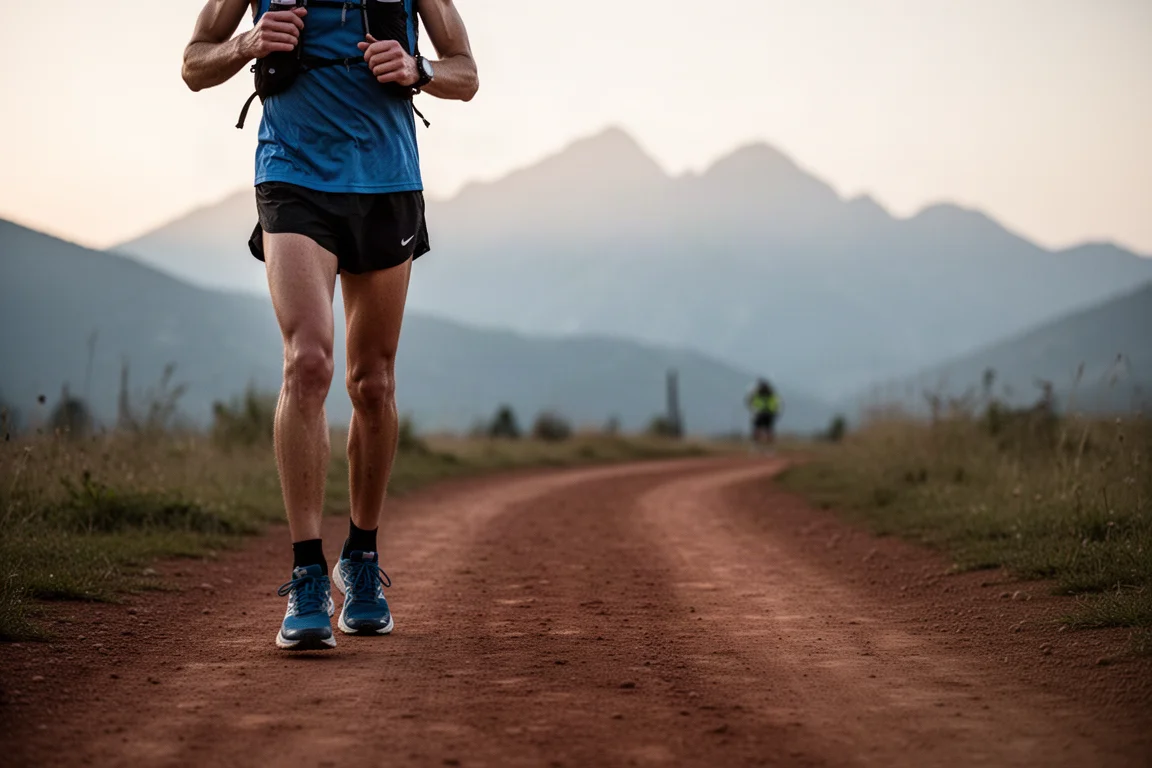
The verdict is straightforward. In the situations it was made for, it earns the highest marks; on demanding trails, it falls short. You need to be seriously into trail racing and have a specific use case. If your race takes place on forest roads and well-groomed trails, and your foot stays locked in place, this is a compelling choice with comfort that can carry you up to 100 miles.
Conclusion
The ZoomX Ultrafly is a premium, beautiful, and genuinely fast trail race day shoe that finally puts Vibram rubber under Nike’s trail runners, with ZoomX cushioning kept stable thanks to a clever wrap. Its weaknesses — a low-lug outsole, a less secure upper on rough terrain, a $250 price, and limited versatility — are all the flip side of its specialization. Buy it for race day on smooth terrain, not as your only trail shoe.
Link do produktu
Zobacz więcej szczegółów: Nike ZoomX Ultrafly
Ten produkt jest wymieniony w tej recenzji. Przed zakupem sprawdź specyfikację, dostępne warianty i kompatybilność.
Zobacz więcej szczegółów: Nike ZoomX UltraflyWięcej do przeczytania
Powiązane recenzje
Trail Running Shoes
Recenzja Kailas Fuga DU Monster: poważny but trailowy na wymagający teren
Dokładne przyjrzenie się butowi trailowemu Kailas Fuga DU Monster: od dwupoziomowej podeszwy Vibram i sznurowania na sznurku, po zachowanie podczas pełnego testu na zróżnicowanym terenie.
Trail Running Shoes
Kailas Fuga DU vs Fuga EX2: dwa buty trailowe o bardzo różnym charakterze
Dokładne przyjrzenie się szerokiej platformie Kailas Fuga DU i bardziej przystępnemu cenowo Fuga EX2, z tym, co każdy z nich robi dobrze i gdzie mu brakuje.
Trail Running Shoes
Kailas Fuga EX Pro: but do biegów trailowych na dzień zawodów, który w końcu staje się całością
Kailas łączy płytę karbonową, piankę superkrytyczną TPU i podeszwę zewnętrzną Vibram Megagrip w trailowym bucie wyścigowym, który daje energię bez utraty kontroli.