Polski · Running Shoes
Nike Streakfly vs New Balance SC Pacer: which 5K/10K racer suits your style?
Two purpose-built 5K and 10K road racers: one built around bouncy ZoomX cushioning, the other around a snappier FuelCell ride. Here's how they differ.
Introduction
The 5K and 10K road racing category is still searching for its identity. Before it, there were racing flats, daily trainers and tempo shoes, but now brands are building shoes for a specific race distance rather than a general speed role. The obvious question is why not just wear your race day super shoe for a 5K, and the most reasonable answer is that these shoes come at a lower price while still getting real engineering attention.
Here we look at two of the most thoughtful entries in this new space: the Nike Streakfly and the New Balance SC Pacer. Both use each brand’s premium race day foam — ZoomX for Nike and FuelCell for New Balance — and both take a different approach to the plate. The Streakfly uses a non-carbon shank, while the SC Pacer uses a full plate with New Balance’s Energy Arc technology.
Nike Streakfly: bounce and versatility
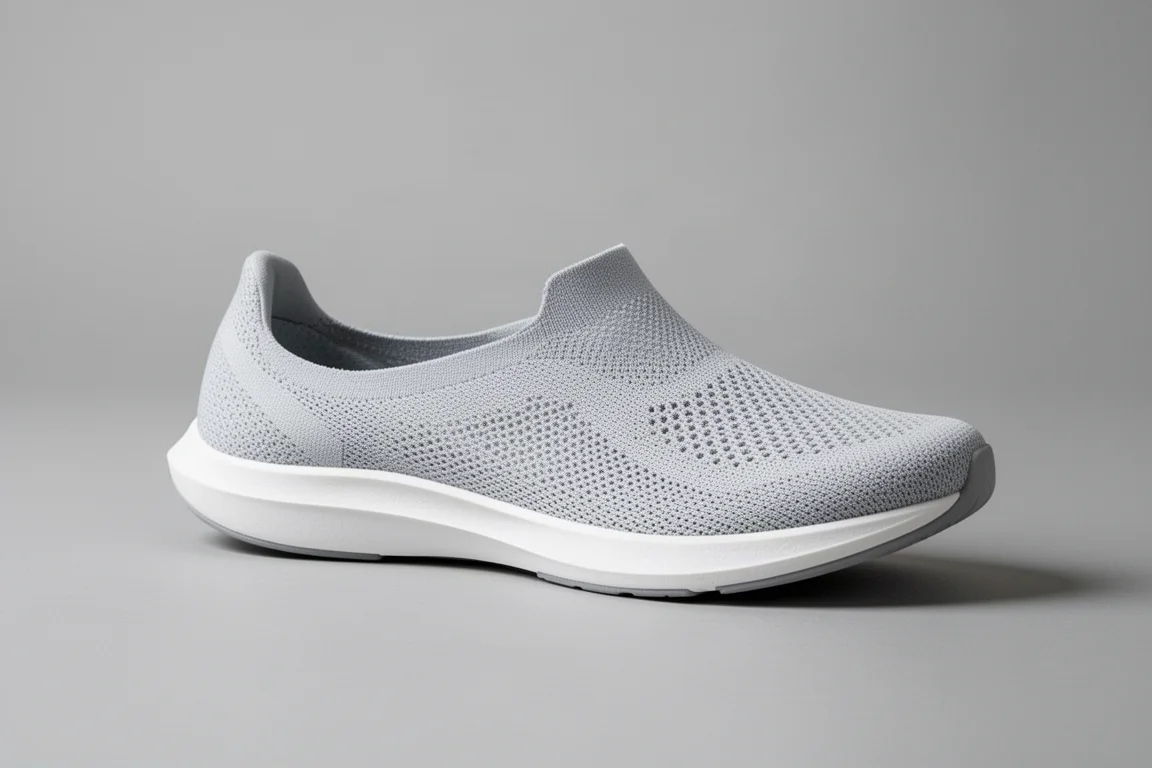
The Streakfly is the bouncier of the two. Its ZoomX midsole delivers impressive energy return and a rolling sensation underfoot, and the ride stiffens up as you run faster, giving a nice punch at speed. Unusually for a racer, it also runs comfortably at slower everyday paces, which makes it more of an everyday road shoe than a strict race day tool.

The upper is another strength. It is very airy with essentially no weight to it, and it feels closer to a super shoe or daily trainer upper than a traditional racing upper. If you want a softer, more cushioned feel that still rolls quickly, the Streakfly delivers.
New Balance SC Pacer: snappier and more nimble
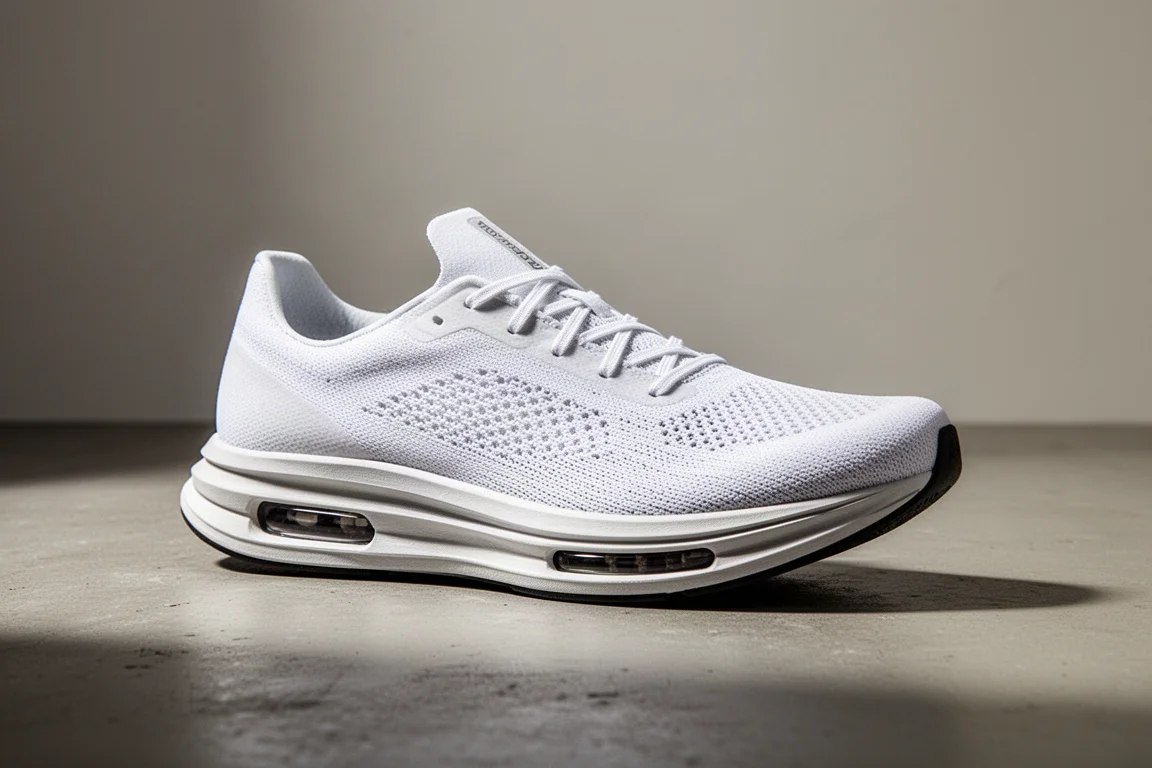
The SC Pacer takes a firmer, snappier approach. The FuelCell cushioning is pleasant, but it does not give the sink-in bounce of the Streakfly or the pop off the toe that today’s super shoes provide. The full plate with Energy Arc technology is meant to supply that snap when you get up on your toes, though the payoff depends on how much torsion you put through the shoe.

Where the SC Pacer clearly wins is agility. It feels lighter on its feet and more nimble during fast turnover and cornering, a trait that comes more from the midsole than the upper. It also has a more traditional, spike-like upper feel, making it a natural evolution of a track shoe for the road.
Who should pick which shoe
If you are deciding between either of these and its brand’s flagship super shoe for a 5K, some runners would still reach for the Vaporfly or the higher-tier SC race shoes. The Streakfly makes the most sense as a versatile option for slower paces, easy jogging, and days when you want a softer daily-trainer-like ride with racing DNA.

The SC Pacer suits the runner who grew up in firmer shoes and wants that snappy, edgy feel for track workouts and fast road racing. Think of it as your 5000 m track experience carried to the road: spikes off, plate softened, ready to run.
The verdict between two shoes
Neither shoe is a loser here, and the choice really comes down to running style and background. One favors bounce, the other favors snap.
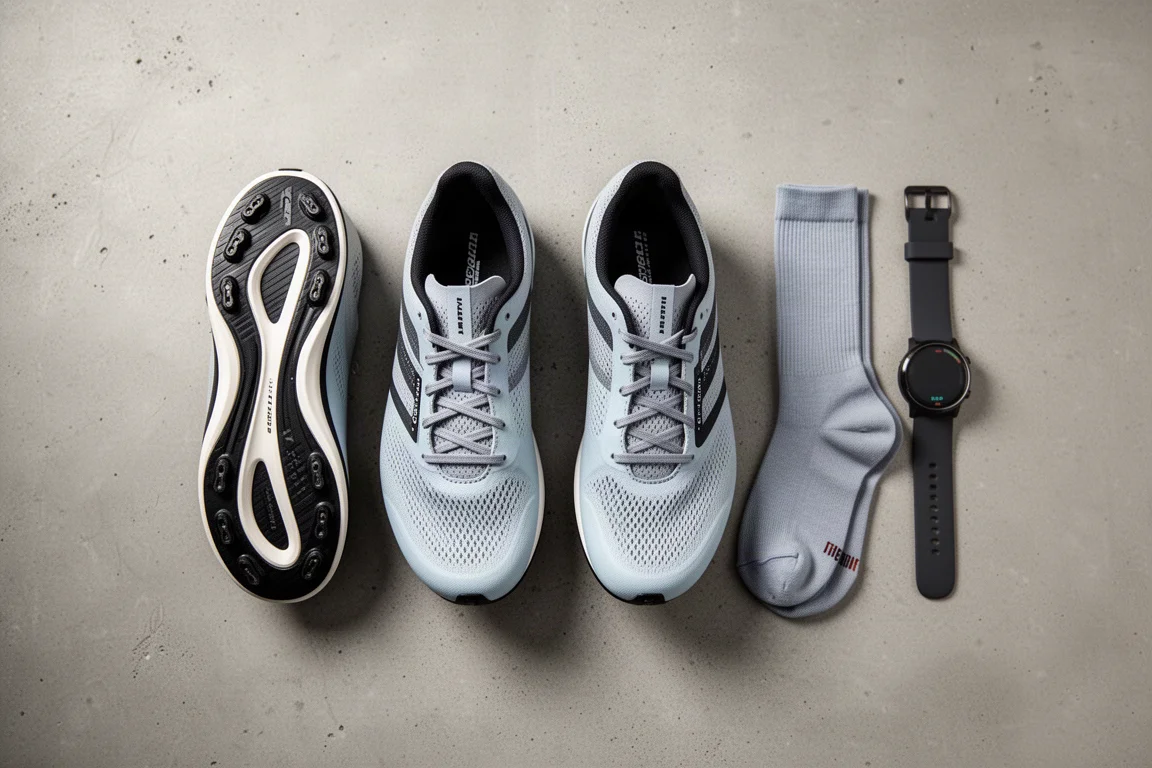
If you love the bounce and want a shoe that handles more types of runs, the Streakfly is the pick. If you want nimble turnover and a firmer, track-inspired ride, the SC Pacer is the one. Everyone wins; it is a matter of preference.
Conclusion
The 5K and 10K category is young, but both of these shoes show real thought behind them. The Nike Streakfly leans on ZoomX bounce and versatility, while the New Balance SC Pacer brings FuelCell snap and track-bred agility. Pick the one that matches how you like a shoe to feel, and you will not go wrong.
Więcej do przeczytania
Powiązane recenzje
Running Shoes
Kaitrun KD900X LD Review: budżetowy super but z wąskim zakresem zastosowań
Lekki, niskodropowy but wyścigowy z karbonową płytką, wyceniany znacznie poniżej dużych marek, ale nastawiony niemal wyłącznie na szybkie bieganie, a nie codzienne kilometry.
Running Shoes
Karhu Fusion 3.5 x SAYSKY: Pierwsze kroki w wyrazistej buty do biegania z kolaboracji
Zdecydowana, „przyziemna” praca śródstopia zamknięta w naprawdę miękkiej cholewce: nasze pierwsze wrażenia po teście buta Karhu Fusion 3.5 x SAYSKY z kolaboracji.
Running Shoes
Karhu Fusion 5.0 vs Fusion 4.5: duża przebudowa warta zakupu?
Karhu Fusion 5.0 przeprojektowuje rocker fulcrum i dodaje nową piankę AeroFoam Nova. Porównujemy go ze starszym Fusion 4.5 na spokojnych i długich biegach.