Polski · Backpacking Tents
Nemo Dagger Osmo 2-Person Tent Review: Livable Space Without the Ultralight Compromise
A fully freestanding, double-wall two-person backpacking tent with adjustable corner tensioning, oversized vestibules, and a fair sub-4 lb weight for the space it offers.
Introduction
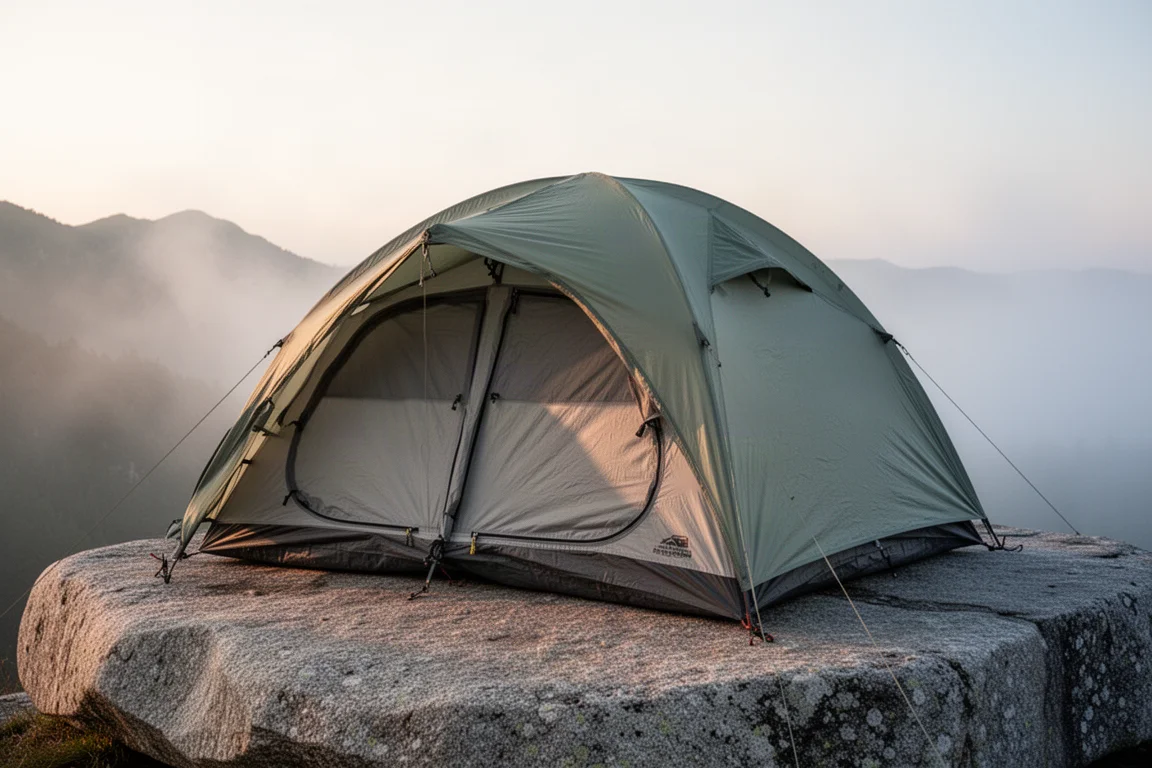
The Nemo Dagger Osmo 2-Person Tent is a fully freestanding, double-wall backpacking shelter built around livability rather than minimum weight. The latest version keeps the Osmo fabric and the symmetrical floor plan, and adds more peak height, a larger interior, and redesigned vestibules compared with the earlier generation.
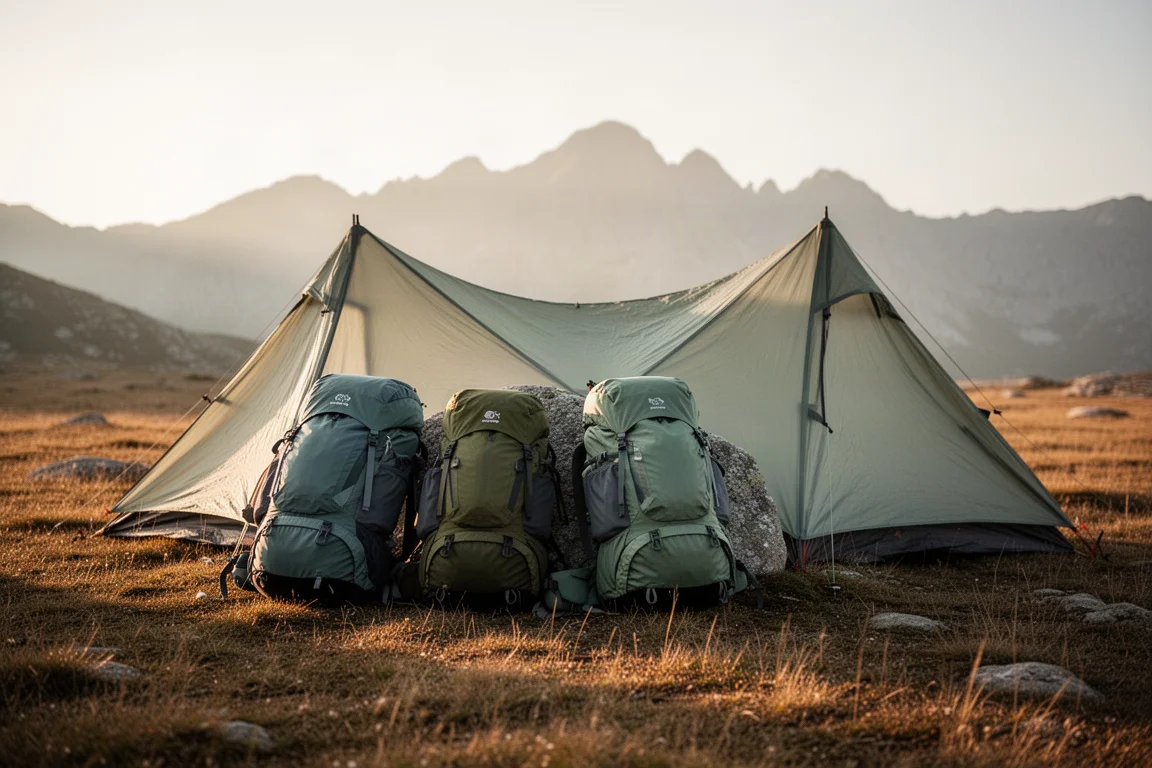
At just under 4 lb, it lands in a category plenty of backpackers overlook. It is not an ultralight shelter, but it is far lighter than a typical car camping tent, and it offers a floor plan that two adults can genuinely share. The details, from adjustable corner tensioning to a keyed rainfly attachment, point to a tent designed to be lived in rather than simply tolerated.
Who the Dagger Osmo 2-Person Tent Is For
This is a three-season tent. The generous mesh panels and the stability of the top structure make it a poor fit for winter snow loads, and the design clearly prioritizes airflow and living space over cold-weather capability.
The natural buyer is a backpacker who is not chasing the lightest possible pack. It suits couples and friends heading out for base camping trips, where you hike in, pitch once, and stay in the same spot for several nights. The roughly 4 lb weight can be split between two people, which works out to about 2 lb each, and that keeps longer days and bigger mileages realistic while still giving you a comfortable place to wait out a storm.
The tent comes in a two-person version and a three-person version. The two-person model is the one most people will be considering, and it is the size that makes the strongest case for couples who want space without stepping up to a much larger footprint.
Setup and Build Quality
Pitching starts with the four corners, which can be staked loosely first. Unlike some lightweight tents, the corners have adjustable tensioning, so you can fine-tune the pitch on uneven ground rather than accepting whatever the terrain gives you. That adjustability is one of the more practical touches here.
The pole set is a single connected piece with pre-bent segments and a custom hub, so there are no loose parts to lose. The pole ends snap directly into ball sockets at the corners, which makes the initial raise quick and nearly self-explanatory. The inner body then clips onto the pole structure, and because the tent is fully freestanding, it will stand on its own before any stake goes in.
One detail worth knowing is the brow pole. It can be reoriented to run across the top of the tent instead of underneath, which improves tension across the inner body. The rainfly attaches with clips around that brow pole and a keyed corner system that slides in and twists into a notch, so the fly locks down without wrestling or guesswork.
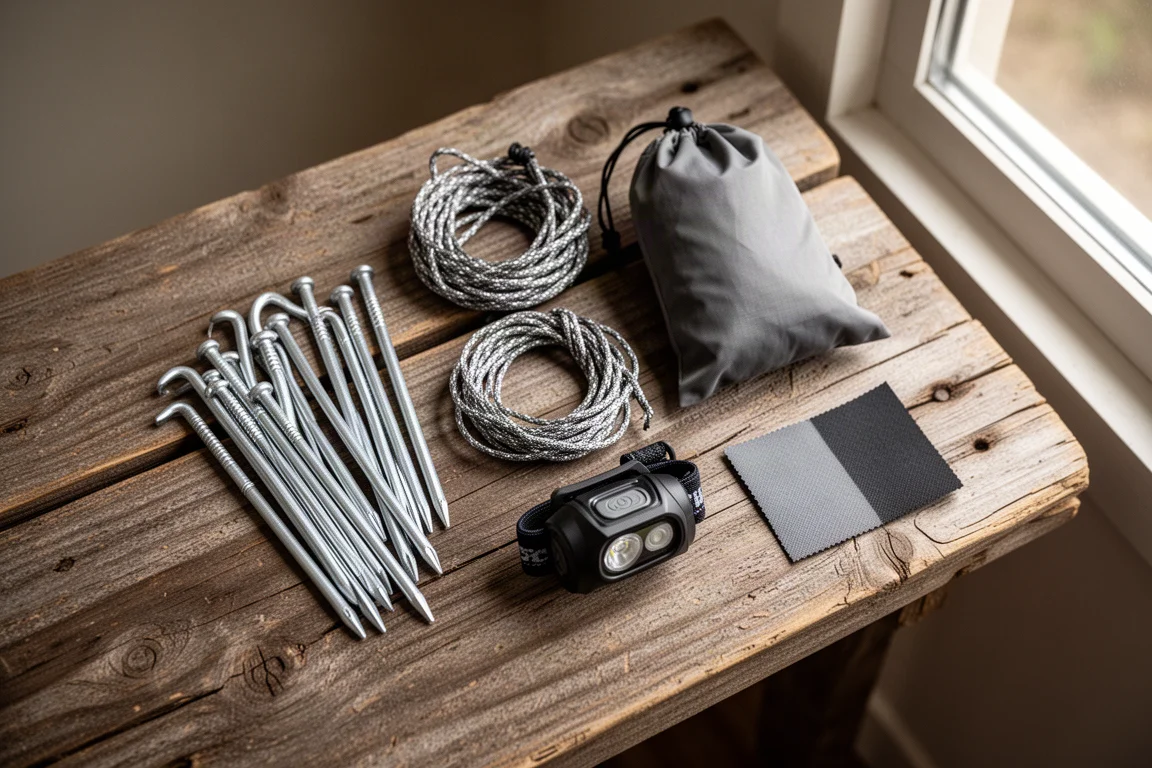
Note that this is not a fly-first pitch. In sustained rain, the inner body goes up before it has full cover, which is worth weighing if you regularly camp in wet climates. The tent ships with eight stakes, and the door-side vestibule alone uses two of them, so adding a couple of spares is a sensible move.
Interior Space and Livability
The floor measures 88 in long, 50 in wide, and the peak height is 43 in. The floor is fully rectangular and symmetrical, so there is no wrong end to sleep at, and the nearly vertical end walls mean you are not losing usable space to steeply angled fabric. That combination is what makes two people feel like they have room rather than a shared sleeping slot.
There are two doors and two vestibules, and the vestibules are genuinely large. The door-side vestibule has a three-dimensional shape rather than a single flat panel, and a bar raises its height at the door, which adds volume without much weight. The included landing zone is a bathtub-style floor that fills the vestibule area, giving you a dry, clean place for gear when drainage at your site is poor. It can be unclipped and rolled back with a toggle and loop when you want the full opening.
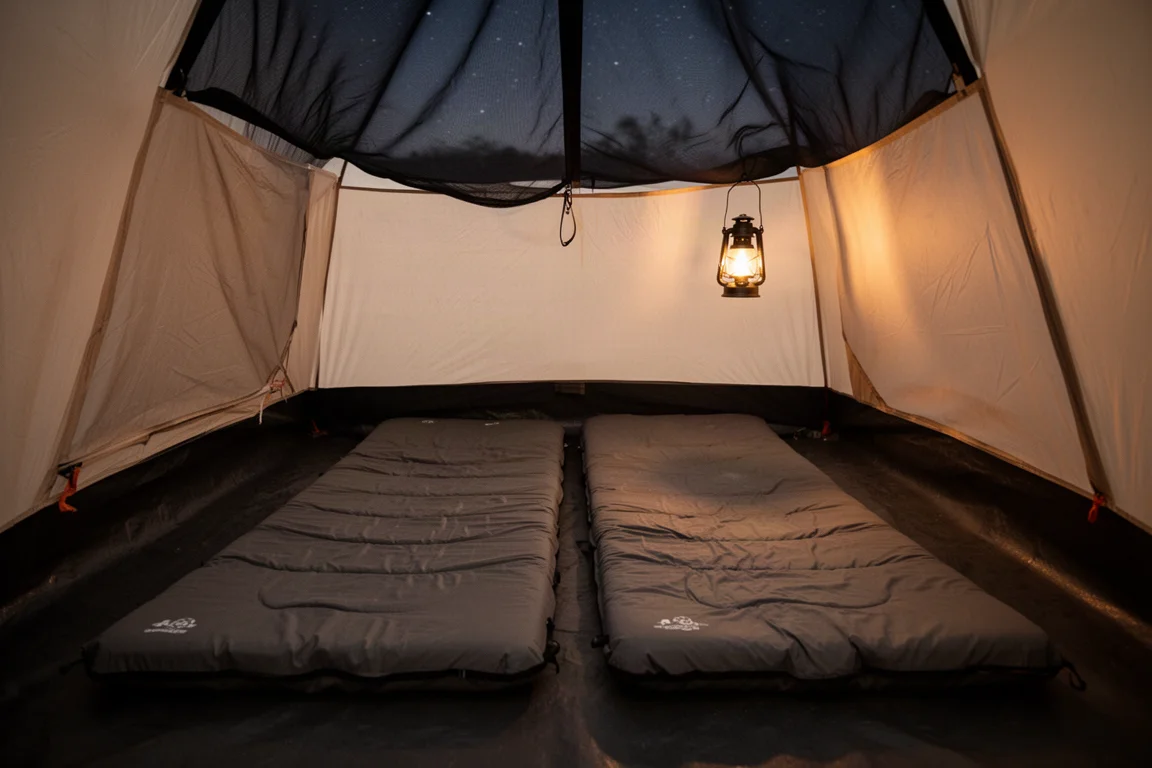
Inside, each end has a large pocket set high off the floor, so there is a clear spot for each person’s gear. A yellow nightlight pocket at the top softens a headlamp into an amber glow instead of a harsh white beam, and loops at the ceiling let you hang a lantern or a length of cordage.
The one caveat on space is width. Two 25 in wide pads fit, but the fit is tight, and a wider pad makes it tighter still. At 50 in, the floor is close to the practical minimum for two adults who want to sleep side by side without touching. Length and vestibule space are where this tent buys back comfort.
Weather Protection and Ventilation
This is a double-wall shelter, which helps limit condensation and keeps interior moisture away from your sleeping bag. The rainfly uses the Osmo nylon and polyester blend fabric with a 1,500 mm hydrostatic head rating, and the floor is built from the same Osmo fabric.
The mesh is deliberately split into two colors. The black mesh at the top keeps the night sky visible, while the lighter mesh provides more privacy when you are changing or resting inside. Solid fabric runs fairly high around the bathtub floor, which keeps blown sand and dirt out of the sleeping area.
Ventilation is the area to think through. There are no vents at the head or foot ends, so airflow depends on propping the door open at the top of the zipper, which creates a vent. That works, but it comes with two trade-offs: driving rain can find its way in through that opening, and propping the door open reduces the height of the door opening, so you have to duck a little more getting in and out.
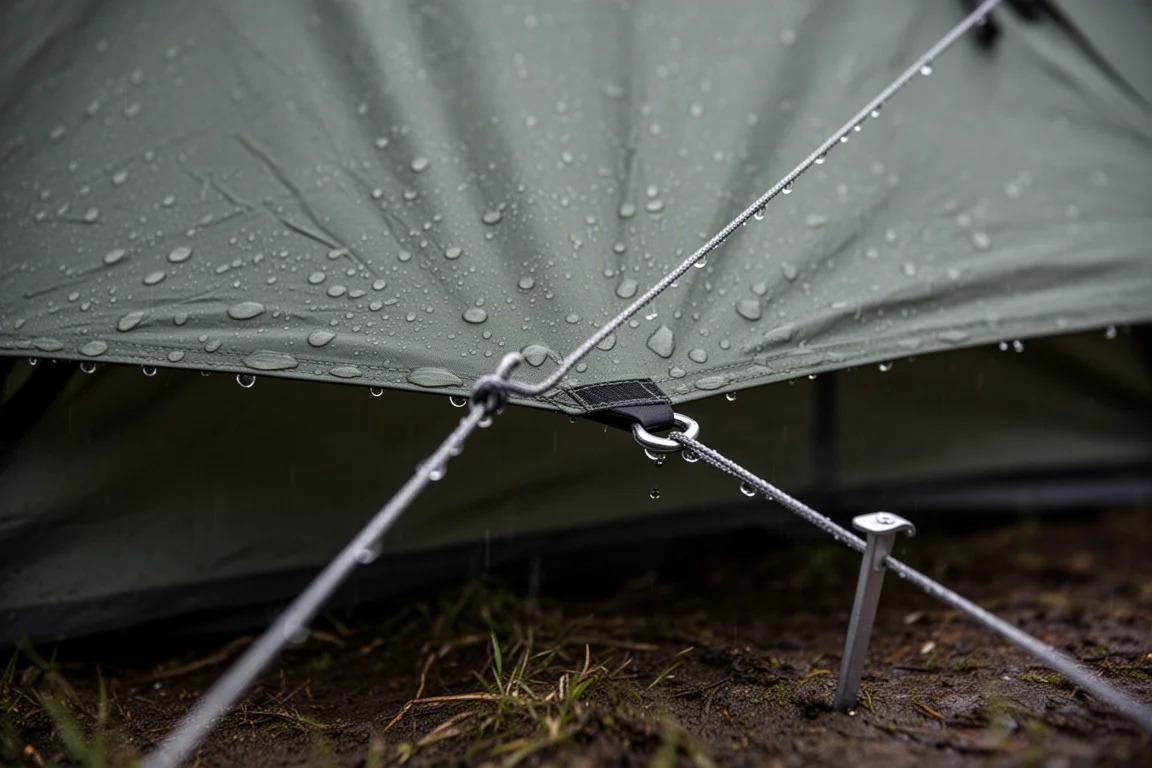
Because two people generate a lot of moisture overnight, proper staking matters more here than on a simpler shelter. Adding two to four extra stakes so you can guy out the end walls keeps the fly tensioned, pulls runoff away from the floor, and helps you capture as much airflow as the design allows.
Things to Consider Before Buying
The 50 in floor width is the main thing to check against your own setup. It works for two people, but it is tight with two wide pads, and anyone used to a roomier car camping tent will notice the difference.
The lack of fly-first pitching is a real consideration for wet climates, and the ventilation strategy depends on a door vent that you may not want open in heavy rain. The included stake count of eight is also on the low side for a tent with two vestibules and two end walls, so budget for a few extras, which nudges the packed weight slightly over 4 lb.
Finally, this is a three-season shelter. The mesh volume and the top structure are not intended for snow, so if winter camping is part of your plan, this is not the tent for that job.
Buying Advice
At $549 USD, this sits at the premium end of the two-person backpacking tent market. A generic tent at a fraction of that price will keep you dry on a mild weekend, so the honest question is whether the design details, the premium fabrics and components, and the long-term support justify the difference.
There is a concrete argument for the higher price. Nemo’s approach to sustainability and product care showed up in practice: a zipper failure on a heavily used six-person tent after roughly three years of family use was covered under warranty and repaired rather than written off. That kind of support changes the math on a tent you plan to keep for years, and it is the difference between buying one shelter and buying two.
Weight is another factor in the value case. Split between two people, the Dagger Osmo comes out to about 2 lb per person, which is a light way to travel for a tent with this much interior space and this much vestibule volume. If you want maximum livability without moving into the 5 to 6 lb range, this is a well-judged compromise.
Choose the two-person version for couples or friends who want a comfortable shared shelter and can accept a snug width. Step up to the three-person version if you want more room, carry bulkier gear, or often travel with a dog. If your priority is a fly-first pitch, the lowest possible weight, or a true four-season shelter, look at a different design instead.
Conclusion
The Nemo Dagger Osmo 2-Person Tent makes a clear promise: a fully freestanding, double-wall shelter that is comfortable enough to spend real time in, at a weight two people can carry without complaint. The adjustable corner tensioning, one-piece pole set, keyed rainfly attachment, and oversized vestibules are the details that make it feel considered rather than assembled.
The trade-offs are equally clear. It is not fly-first, the 50 in width is tight with wide pads, and the door vent is the only meaningful airflow path, which matters in humid or stormy conditions. Add a few stakes, pitch it properly, and treat it as a three-season base camping tent rather than a winter or ultralight shelter, and it delivers exactly what it sets out to.
Link do produktu
Zobacz więcej szczegółów: Nemo Dagger Osmo 2-Person Tent
Ten produkt jest wymieniony w tej recenzji. Przed zakupem sprawdź specyfikację, dostępne warianty i kompatybilność.
Zobacz więcej szczegółów: Nemo Dagger Osmo 2-Person TentWięcej do przeczytania
Powiązane recenzje
Backpacking Tents
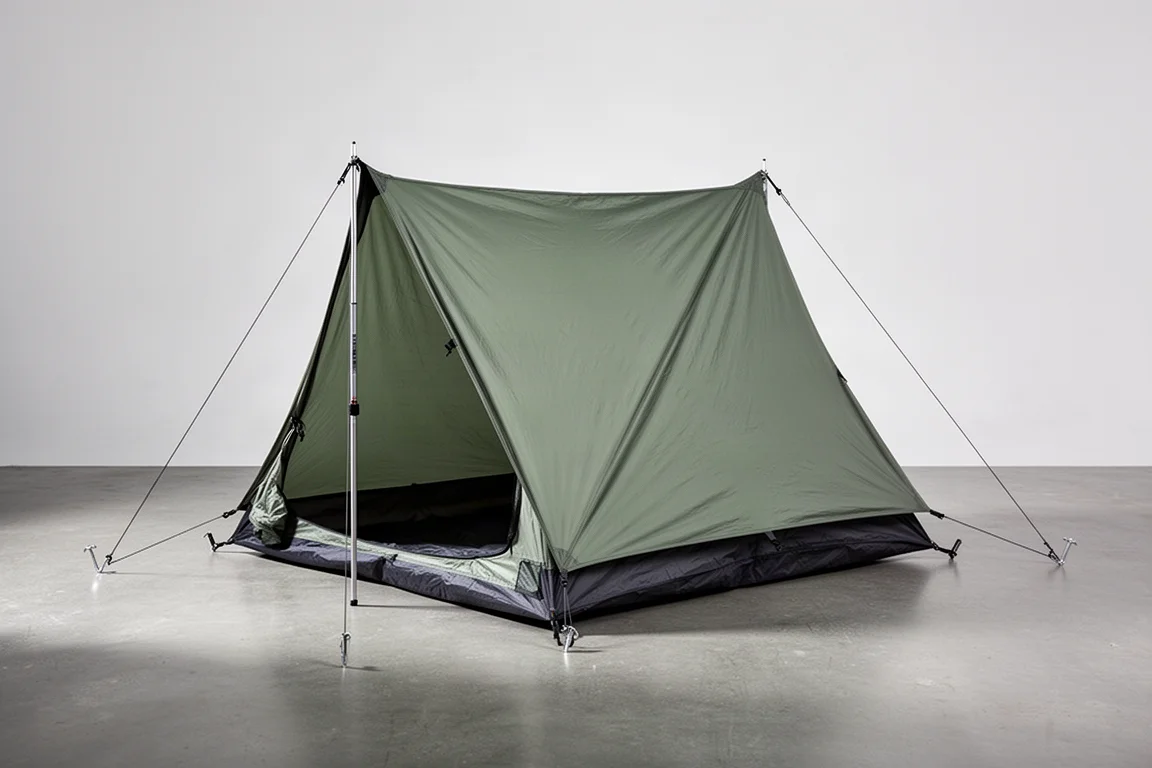
Lanshan 1 Tent Review: 3-Season vs 4-Season Compared
Praktyczne porównanie Lanshan 1 w wersji 3-sezonowej i 4-sezonowej, obejmujące wagę spakowanego zestawu, wymiary, materiały i wskazówki, jak wybrać właściwą wersję.
Backpacking Tents
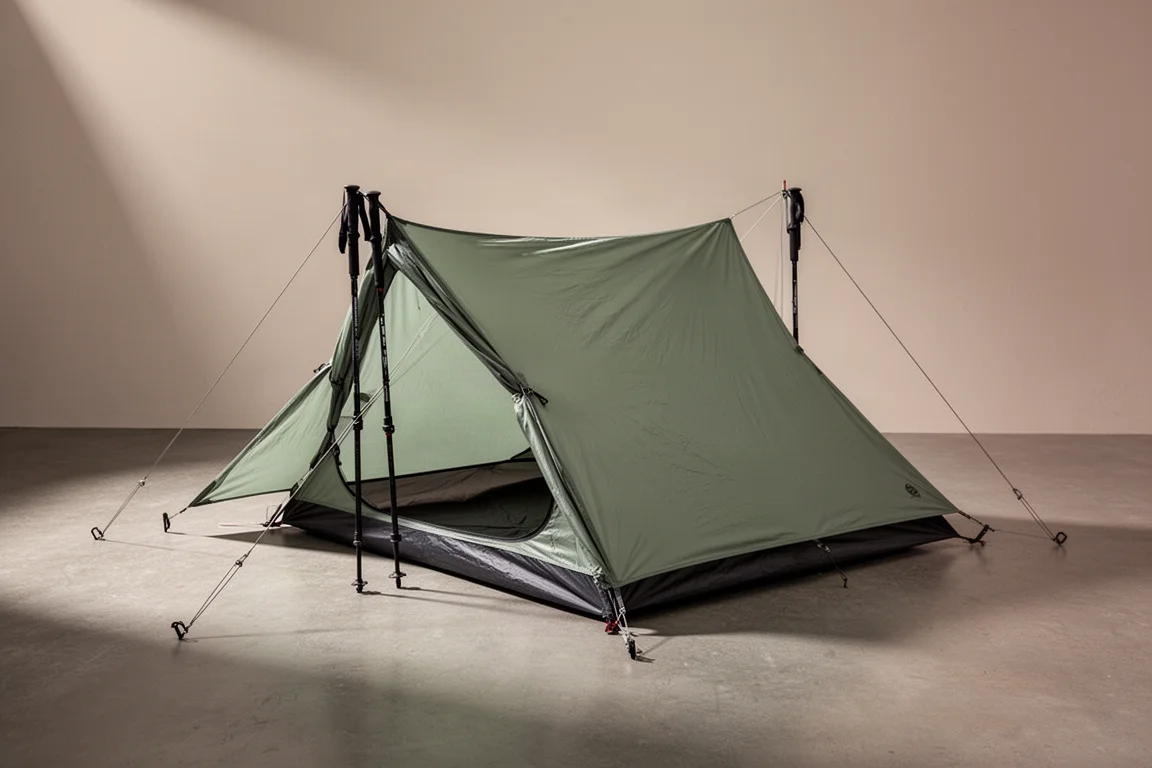
Recenzja Lanshan 2 Pro: Lekki dwuosobowy namiot na kijki trekkingowe
Pierwsze spojrzenie na Lanshan 2 Pro, jednowarstwowe, trzysezonowe schronienie na kijki trekkingowe o niskiej wadze spakowanej, układzie z dwoma wejściami i kilkoma szczegółami, które warto znać przed zakupem.
Backpacking Tents
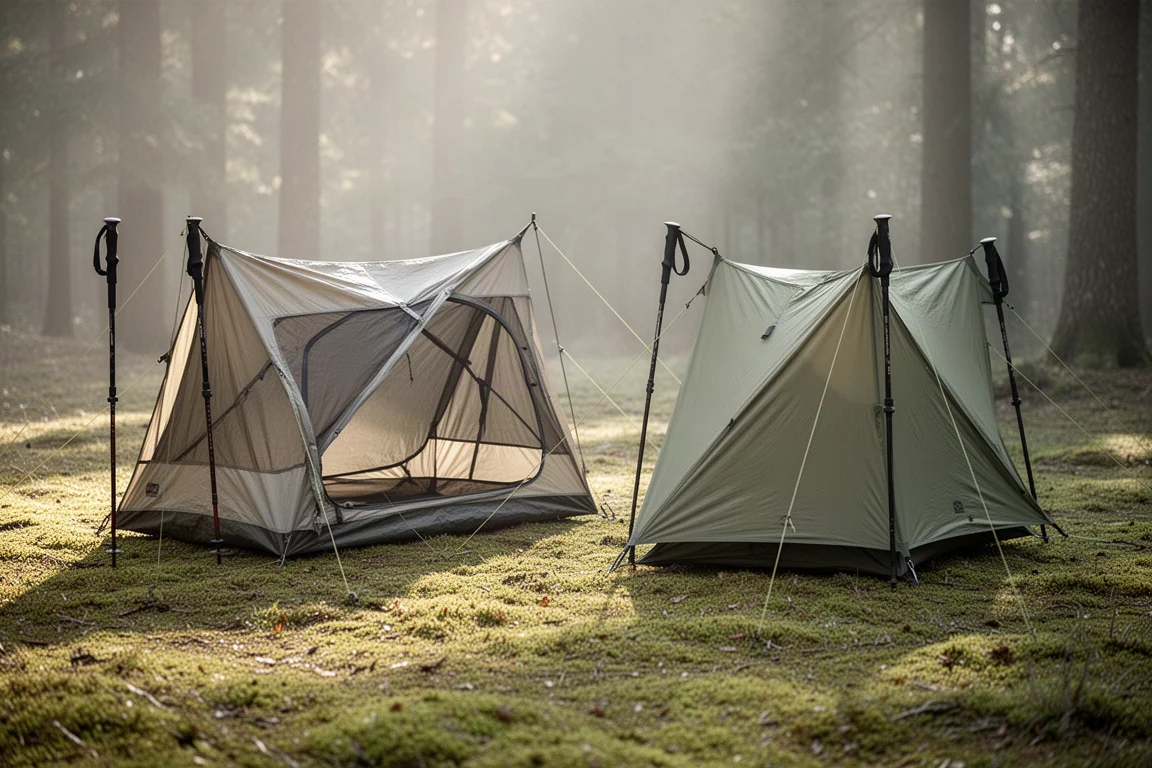
3F UL Gear Lanshan 2 vs Lanshan 2 Pro: Który ultralekki namiot na kije trekkingowe pasuje do Twojej wyprawy?
Praktyczne porównanie 3F UL Gear Lanshan 2 i Lanshan 2 Pro: konstrukcja ścian, rozbijanie, kondensacja, uszczelnianie szwów, waga i cena oraz to, który shelter pasuje do Twoich wypraw.