Polski · Waterproof Jackets
Mountain Equipment Orion Review: A PFAS-Free Shell Built for Hard Winter Climbing
A burly, PFAS-free winter climbing jacket with a Dryite XT membrane, a 20,000mm hydrostatic head and a climbing-specific pocket layout.
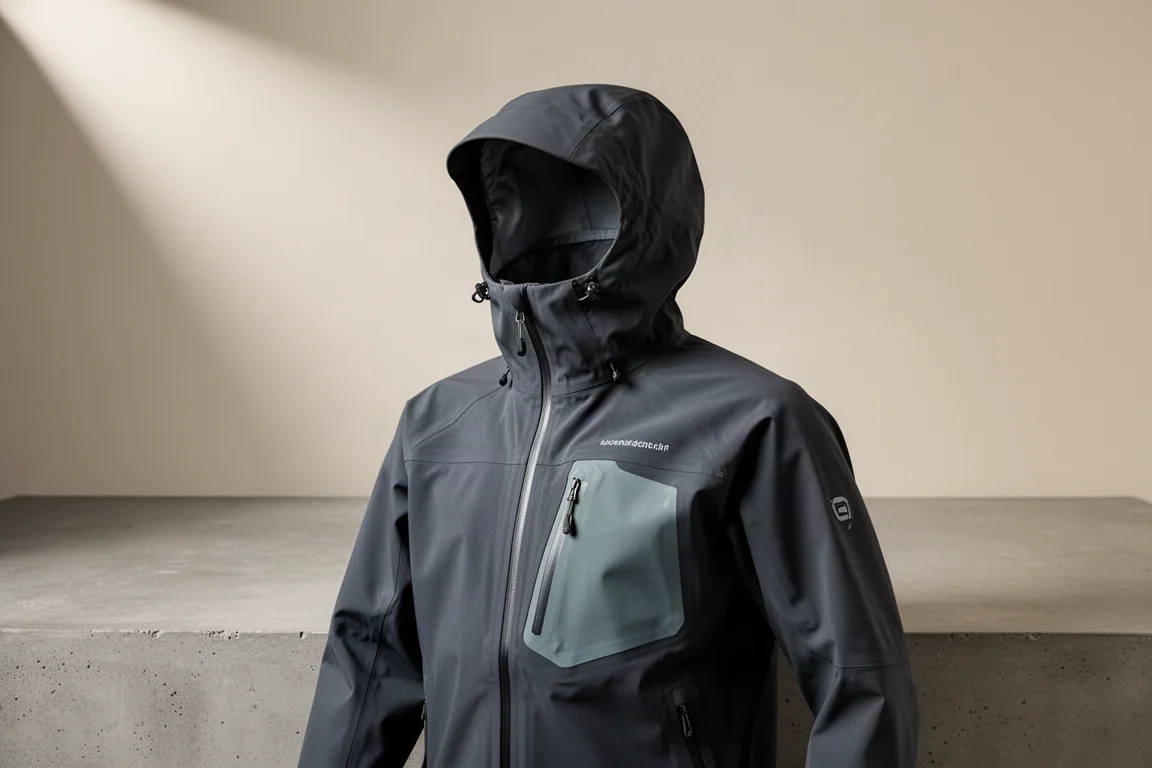
Introduction
Spend a bad-weather winter day on a Scottish crag and the crowd becomes easy to read. Mountain Equipment hard shells have been a fixture of that scene for years, worn by climbers who need a jacket to keep working when the conditions turn genuinely hostile.
The Orion is the newest model in that lineage. It is a waterproof shell aimed squarely at the harshest winter conditions, including ice climbing and long days on exposed ground, and it is built around the brand’s own Dryite XT membrane rather than an outsourced one. It is also made with no intentionally added PFAS.
That last detail shapes how the jacket should be understood. PFAS-free waterproofs behave differently from the older shells many climbers still own, and the Orion is designed around that shift rather than fighting it.
Dla kogo jest Mountain Equipment Orion
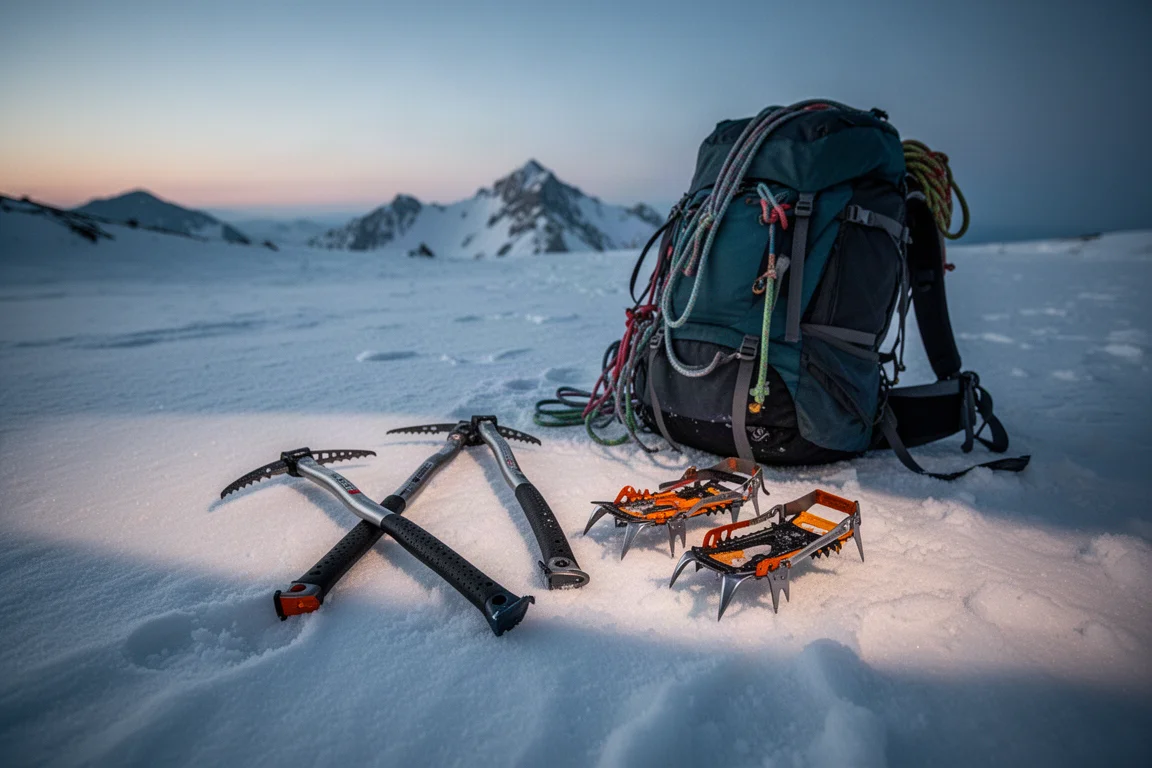
This is a climbing jacket first. Everything about the layout assumes a harness, gloves, a helmet and a rope, which makes it a poor fit for anyone shopping for a general-purpose town coat and an excellent fit for anyone who spends winter weekends on ice and mixed ground.
It suits climbers who want a shell that can absorb abuse from rock, ice and pack straps without developing a hole, and who are willing to carry a little more weight to get that durability. It also suits skiers and winter walkers who want the same level of protection without needing the more technical features.
The jacket has already been put through a demanding stretch of use. One extended trip saw it spend two months in the Alps, where it came back with a few stains but no visible damage to the fabric. It has also been used for skiing and for climbing in a previous winter season, which gives a reasonable picture of how it handles sustained wear.
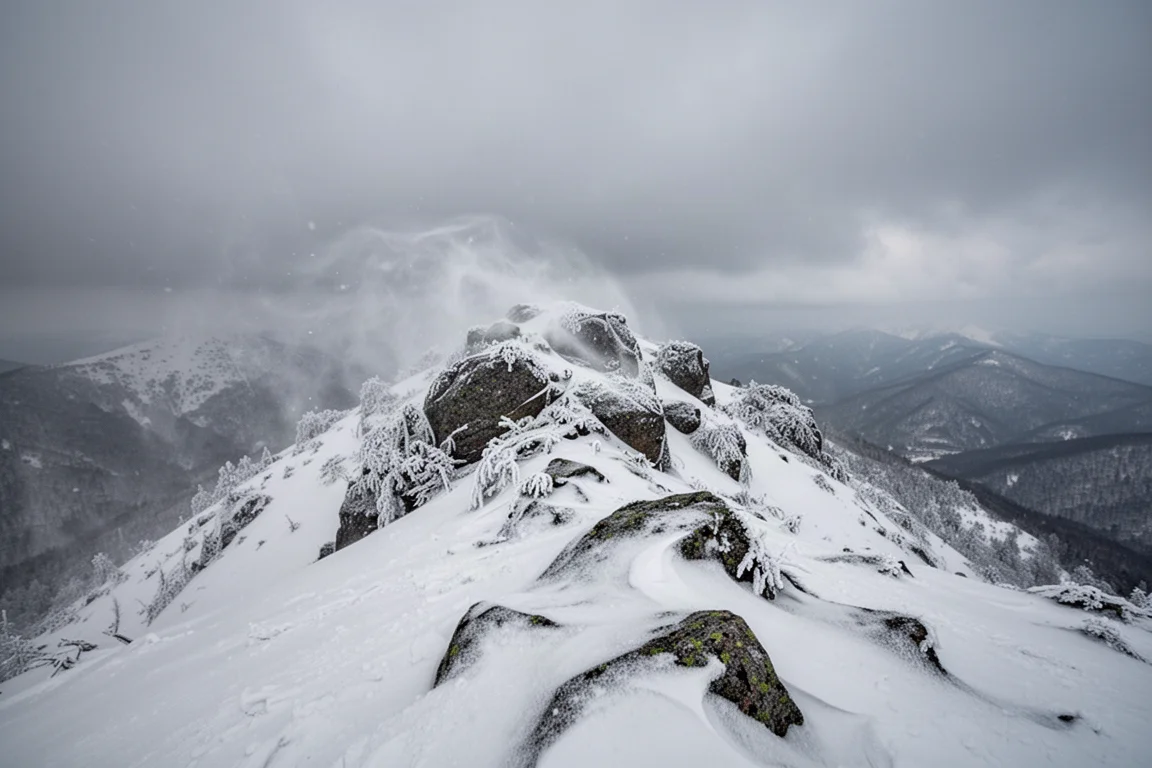
It is not a specialist ultralight piece, and it does not pretend to be. The Orion is aimed at the climber who would rather carry 500 grams of dependable shell than 300 grams of something that needs to be treated gently.
Weatherproofing and the Dryite XT Membrane
Mountain Equipment chose its own Dryite XT membrane for the Orion. It is a nanoporous construction, which is the route many brands are now taking to deliver high breathability alongside a very high level of waterproofing without relying on PFAS chemistry.
The headline figures are straightforward: a 20,000mm hydrostatic head and a 20,000g vapour transfer rate. Those numbers alone are more than adequate for almost any conditions a UK winter can produce, and they put the jacket comfortably in the territory of shells that cost considerably more.
There is a nuance worth knowing. Mountain Equipment notes that some of its internal test methods return higher breathability results than the published figure, but those methods are not widely recognised and the company chooses not to publish the numbers. In practice, the combination of a carefully chosen face fabric, the brand’s own membrane and the interior backer is what produces the feel and performance on the hill.
One practical consequence applies to every PFAS-free waterproof: the jacket will need washing, reproofing and a warm tumble more often than an older shell did. That is not a flaw in the Orion specifically, it is the reality of the whole outdoor industry moving away from PFAS chemistry, and looking after the jacket properly is what keeps it performing at its best.
Jakość wykonania i trwałość tkaniny
Durability is where the Orion separates itself from lighter shells. It combines 160-denier and 70-denier face fabrics, which is a serious specification even by the standards of hard-wearing climbing jackets. For context, the long-running Tupilak uses an 80-denier face fabric and has a reputation as one of the burlier shells on the market, so the Orion is built to take at least as much punishment.
What makes that interesting is how it wears. Burly jackets often feel stiff, crunchy and unpleasant against the skin, but the Orion does not. The material feels quiet and comfortable while still carrying the reinforcement that climbing gear demands.
The jacket weighs 500 grams. That is not light by current standards, and it is a deliberate trade rather than an oversight, since the extra grams go directly into the fabric. It still packs down reasonably small, so carrying it in a pack on the approach is not a burden.
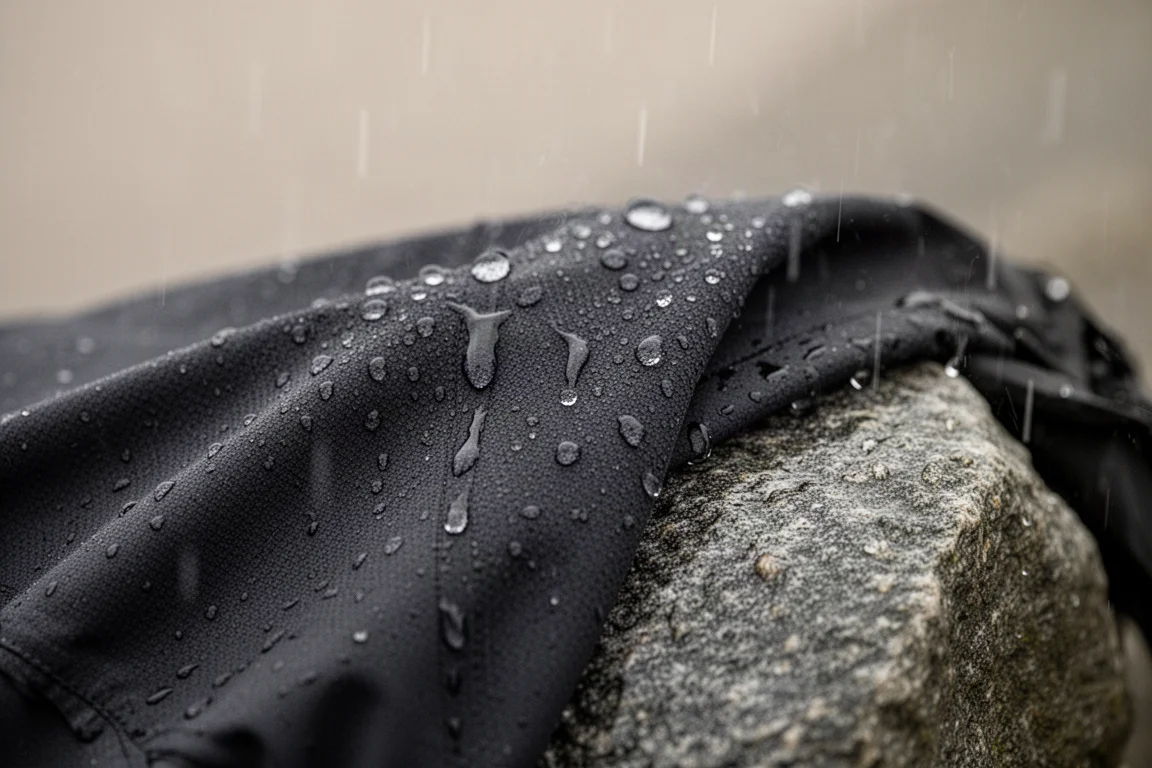
For anyone who has worn through lighter shells on abrasive granite or repeated pack carry, that fabric specification is likely to be the most persuasive argument in the Orion’s favour.
Climbing-Specific Design Details
The Orion is set up for climbing rather than for general outdoor use, and the details follow that logic throughout.
There are no hand pockets. Instead, the jacket uses large chest pockets positioned above the harness line, sized to swallow gloves, a guidebook or a phone, and shaped so they stay usable with gloves on. That is a small decision with a large effect on how the jacket behaves when a harness is loaded and hands are cold.
The front zip is two-way, so a climber wearing the jacket over a harness can reach a belay loop without undoing the whole shell. The hem pull cords have been cut and resealed, which keeps them from snagging on ice axes, crampons or carabiners during a climb. The sleeves are well cut, roomy enough to push gloves through without being baggy, and the cuffs cinch down tight at the wrist.
All of this adds up to a jacket that moves with the body. The arms lift without dragging the hem upwards, which sounds like a basic requirement and is surprisingly rare in waterproof shells.
Kaptur, zamki i dopasowanie
The hood is the Super Alpine design that Mountain Equipment has used and refined for years. It swallows a climbing helmet comfortably, which makes it a civilised place to be during a long, stormy belay, and it cinches down tight when no helmet is worn, so it still works with a bare head or a hat. A small peak keeps rain and spindrift off the face when the weather is at its worst.
The zips are a considered mix. The main front zip is a chunky YKK unit, chosen because a broken tooth would still allow the jacket to be forced shut in an extreme situation. The chest pockets and pit zips use softer, lighter zips, which makes sense given that they are not survival-critical and feel noticeably better under the arms while moving.
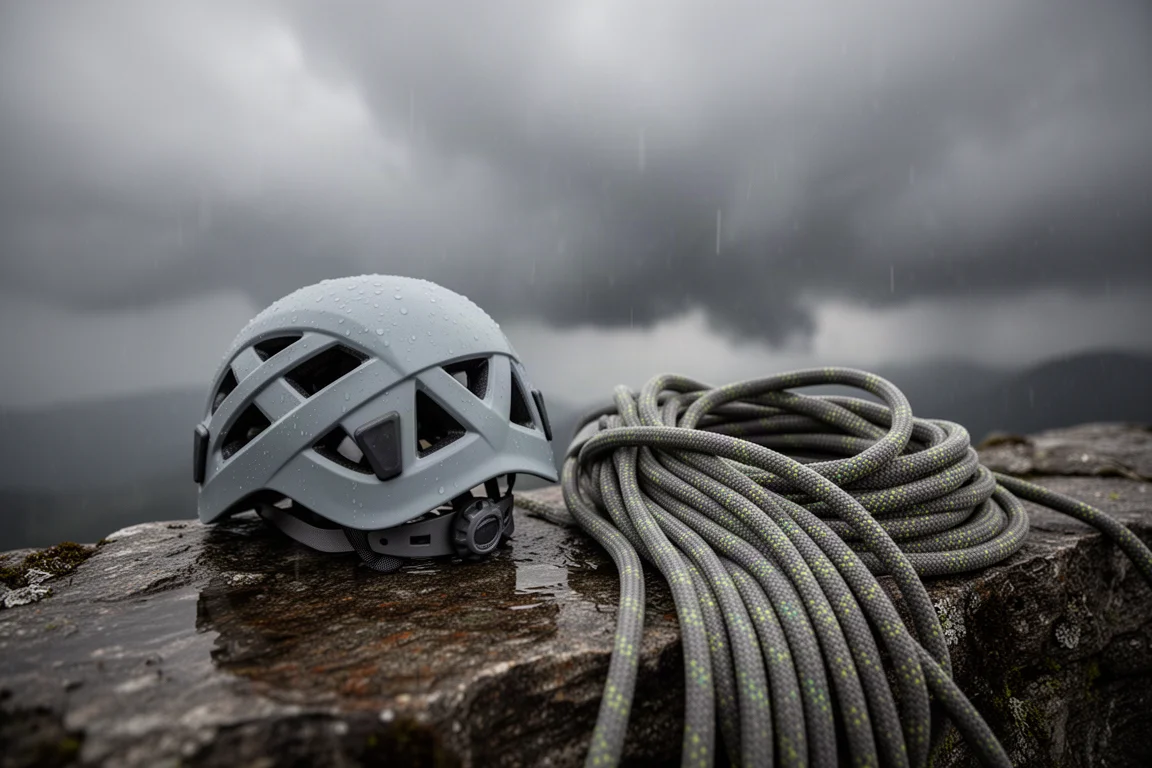
The overall cut is where Mountain Equipment tends to earn its reputation, and the Orion continues that. It fits well enough to climb in freely, with a shape that stays put instead of riding up.
Things to Consider Before Buying
The first thing to weigh is the weight itself. At 500 grams, the Orion is heavier than many modern shells, and anyone prioritising a low pack weight will find lighter options. The payback is fabric that resists abuse, so the trade only makes sense if durability matters more than grams.
The second consideration is maintenance. As a PFAS-free jacket, the Orion will need more frequent washing, reproofing and warming than older waterproofs. Buyers who are not prepared to look after a shell this way may find its performance drifts over time, and that applies across the industry rather than to this model alone.
The third is the pocket layout. Chest-only storage is ideal on a harness and less convenient for everyday use, so anyone wanting a jacket for walking, commuting or casual wear should think carefully about whether the climbing-first design suits them.
Porady zakupowe
The Orion makes the most sense for climbers who want one dependable shell for Scottish winter conditions, ice climbing and alpine trips, and who value abrasion resistance over minimum weight. The combination of 160-denier and 70-denier face fabrics, a helmet-compatible hood, a two-way front zip and above-harness chest pockets is a coherent package built around that brief.
Relative to the wider market for high-end technical shells, the pricing is competitive, and the specification suggests a lot of jacket for the money. The 20,000mm hydrostatic head and 20,000g vapour transfer rate are more than sufficient for nearly all conditions, and the PFAS-free Dryite XT membrane keeps the jacket in step with where the industry is heading.
Anyone buying it should plan on treating it properly from day one: regular washing, reproofing and a warm tumble. Done consistently, that routine is what keeps a PFAS-free shell performing the way it was designed to.
Conclusion
The Mountain Equipment Orion is a burly, climbing-focused waterproof built for the worst of the winter season. It pairs a PFAS-free nanoporous membrane with a serious face fabric specification, adds a hood and pocket layout shaped by real climbing use, and does it without feeling stiff or unpleasant to wear. The 500 grams and the extra maintenance are the honest costs of that approach, and for climbers who need a shell that survives the season, both are easy to accept.
Link do produktu
Zobacz więcej szczegółów: Mountain Equipment Orion
Ten produkt jest wymieniony w tej recenzji. Przed zakupem sprawdź specyfikację, dostępne warianty i kompatybilność.
Zobacz więcej szczegółów: Mountain Equipment OrionWięcej do przeczytania
Powiązane recenzje
Waterproof Jackets
Montane Phase Nano Jacket – recenzja: ultralekka ochrona Gore-Tex Active na szybkie dni w terenie
Trójwarstwowa kurtka Gore-Tex Active o wadze 250 g, która zajmuje mało miejsca, doskonale oddycha i sprawdza się daleko poza bieganiem.
Waterproof Jackets
Rab Firewall Mountain – recenzja: wszechstronna wodoodporna kurtka górska
Trójwarstwowa powłoka Pertex Shield, która łączy solidną ochronę przed warunkami atmosferycznymi z miękkim, cichym wykończeniem i ceną znacznie niższą niż u najlepszych kurtek Gore-Tex.
Waterproof Jackets
Recenzja Rab Latok GTX: pełnoprawna kurtka na najtrudniejsze warunki
Topowa kurtka wspinaczkowa Rab zyskuje nową konstrukcję ePE Gore-Tex Pro, długi krój wspinaczkowy i kaptur, który mieści kask. Oto, co warto rozważyć przed zakupem.