Polski · Camping Shelters
Modular Sleep System Gore-Tex Bivy Review: A Military Surplus Shelter That Still Earns Its Place
A long-term look at the three-layer Gore-Tex bivy from the Modular Sleep System, covering waterproof performance, breathability, weight, bulk, and how to buy one without ending up with a counterfeit.
Introduction
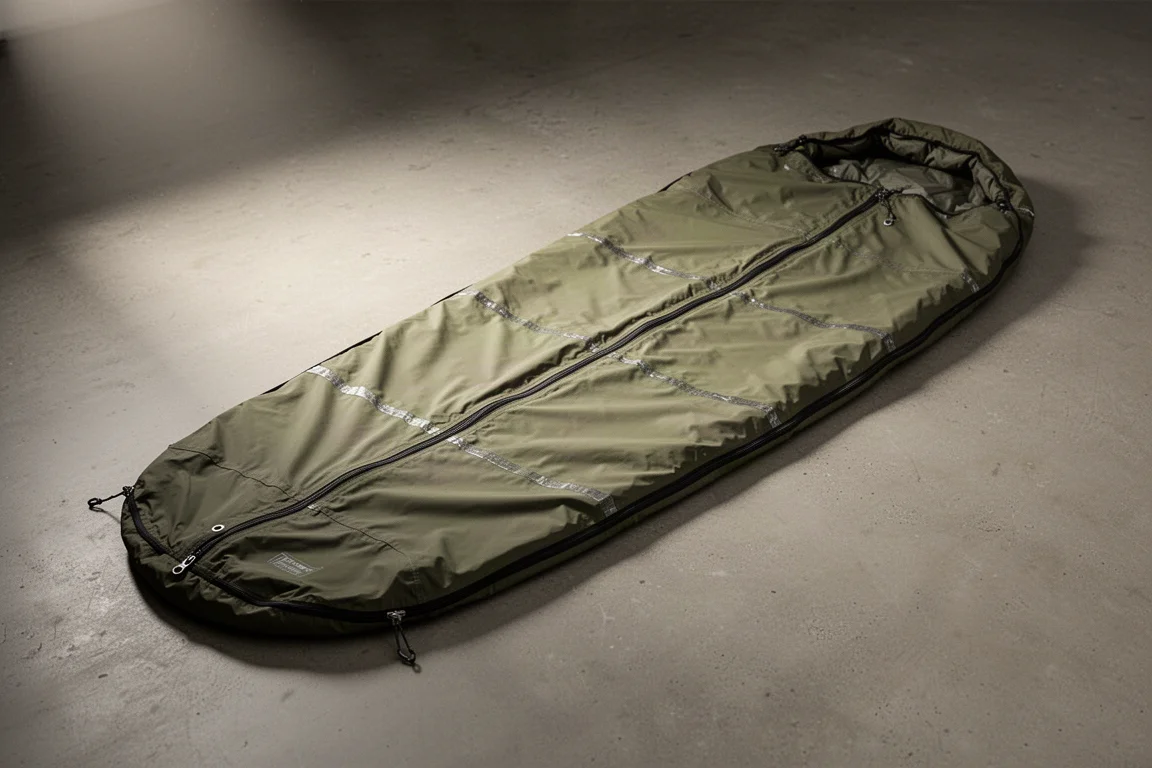
The Gore-Tex bivy from the Modular Sleep System, usually shortened to MSS, is one of the most quietly useful pieces of surplus shelter gear you can still find. It is a shell in the plainest sense of the word: a long, wide, mummy-cut bag made from three-layer Gore-Tex, with a zipper running the full perimeter, taped seams, and a set of snaps that let it lock onto the sleeping bags it was designed to work with. That is the entire feature list. There are no pockets, no mesh, no vents, and no clever hardware.
That simplicity is the point. The bivy was built for soldiers who needed to stay dry, stay protected, and let moisture escape, with everything else a distant second. After roughly a decade of seasonal use, it still does exactly that. It is also heavy, bulky, and useless against insects, and those trade-offs are real. This review covers what the bivy does well, where it falls short, and how to buy one without ending up with a counterfeit.
Who This Bivy Is For
This is a cold-weather shelter. It performs best from late fall into early spring, and that is when it makes the most sense to carry. The sizing is one of its least obvious advantages. The bivy measures 85 inches long, 35 inches wide at the shoulders, and 28 inches wide at the feet. Even though the cut is mummy-shaped, a full rectangular sleeping pad fits inside alongside a sleeping bag without a fight.
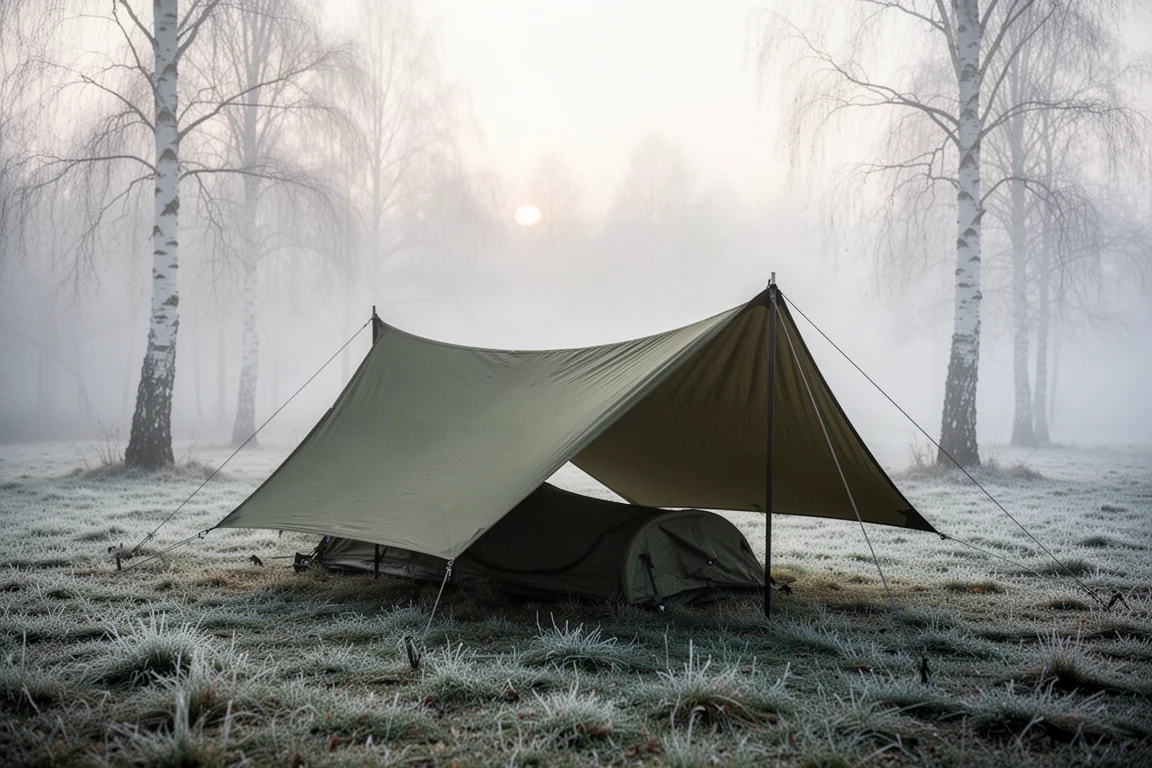
In other words, this suits people who want a roomy, durable shell rather than a minimalist race-weight sack. It also suits anyone who already carries a tarp and wants a weatherproof inner layer that will not fail after a few seasons of hard use. It is a poor match for warm-weather camping, ultralight backpacking, or anyone who needs insect protection built into the shelter.
Main Strengths
The Modular Sleep System was designed so that the military did not have to produce separate sleep systems for every season and every location. One kit, one set of components, all needs covered. The bivy inherits that philosophy directly: utility first, comfort and convenience well down the list. The payoff is a shelter that is straightforward, extremely strong, and easy to understand at a glance.
Waterproof Protection in Real Weather
The bivy is genuinely waterproof. It has been used in rain, in snow, and on top of snow, and it has kept its occupant completely dry. There is one important caveat. Used entirely on its own in a rainstorm, there is no way to enter or exit without letting water into the interior, which means a wet sleeping bag and possibly a wet sleeping pad. Sealed up and left alone until the rain stops, it is fine. If you have to get out, it is not.
The practical answer is a tarp whenever rain or snow is possible. Paired with a tarp, the bivy has held up through knockdown storms with strong winds driving water from every direction, and the inside stayed dry throughout. In fair weather it can be used on its own without hesitation.
Breathability and Condensation
Three-layer Gore-Tex remains, as of early 2026, the best material available for breathability in this kind of shelter. Condensation and moisture build-up are still possible inside any bivy, and this one is no exception, but nothing else on the market performs as well at combining breathability with full weather protection. The same laminate also blocks wind and holds up to abrasion, which is why it is still the material of choice for high-end technical shells.
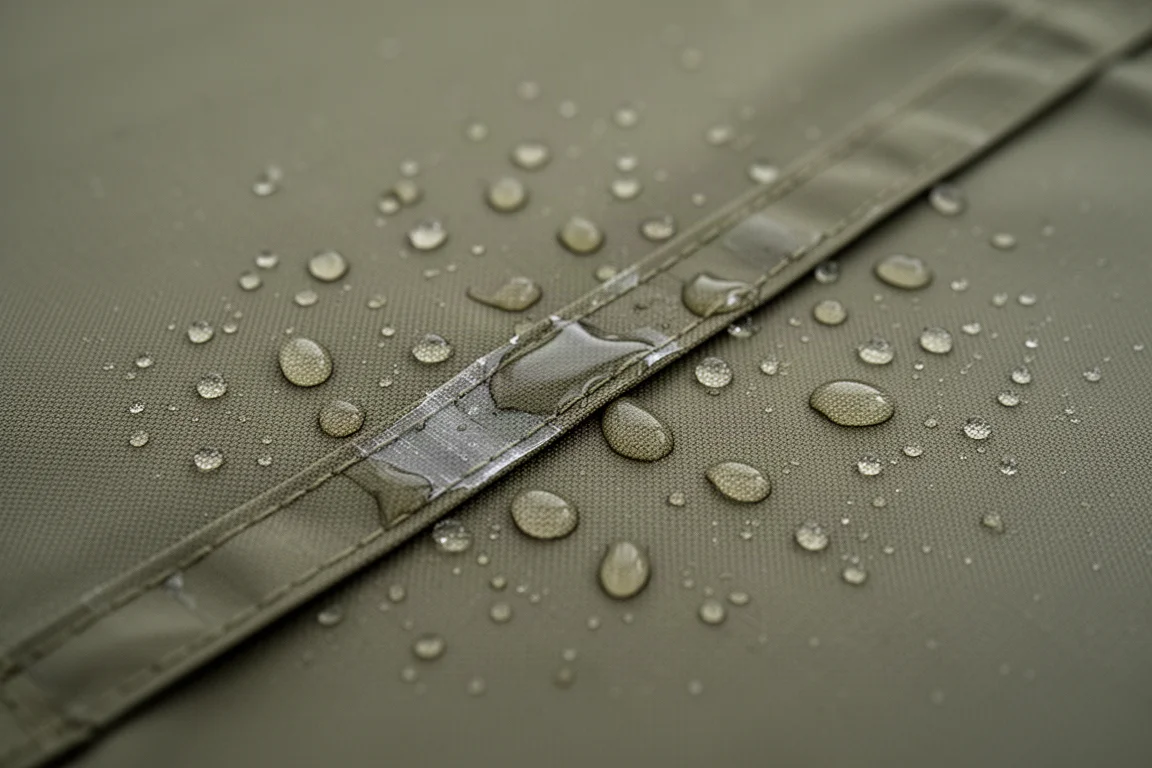
In practice that combination matters more than any single number. A shell that breathes well but leaks, or one that is fully waterproof but traps every bit of moisture, both fail the same way on a cold night. The three-layer laminate is the reason this bivy avoids both failure modes.
Durability of Three-Layer Gore-Tex
Durability is where this material separates itself. The bivy can be placed directly on the ground with no ground sheet, on top of sticks, twigs, and rocks, and the fabric will come through fine. The zippers are YKK, which is a meaningful detail on a shelter that relies on a single long zipper for access. After years of use every season, the shell still looks excellent, and that experience is not unique to one owner. These bivies have been in circulation for a long time and they hold up.
Things to Consider Before Buying
There are three drawbacks worth weighing before you commit, and none of them are fixable with accessories.
Weight and Packed Size
The bivy weighs about 2.5 lb. There are tents that weigh less. Part of that comes from the generous dimensions, and part of it comes from the materials, which are chosen for strength rather than low mass. When it is folded or rolled for storage, it is bulky and takes up a substantial amount of space in a pack, roughly comparable to a high-quality two to three person tent.
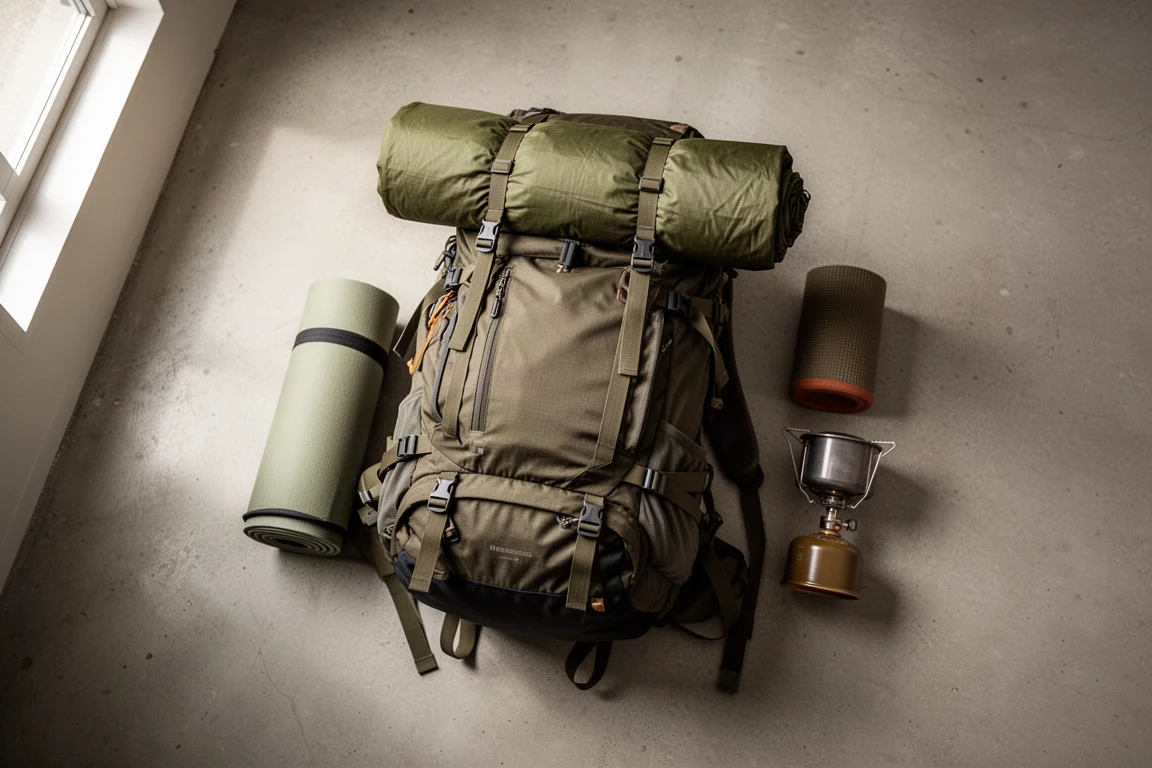
If you are counting grams, this is not the shelter for you. If you are counting nights you stayed dry, the calculation changes considerably.
No Bug Protection
There is no zipped-in mesh and no netting anywhere on the bivy, so it will not keep insects out. Chemical treatment offers some protection but will never be completely effective without mesh. There are workarounds: a separate mesh cover placed over the top, one of the military mesh options, or having mesh sewn in by a tailor. For many users the cleanest answer is simply to use a different shelter during the warmer months and reserve this one for the cold season, which is exactly how it was intended to be used.
Buying Advice
Pricing is the strongest argument for this bivy. Brand new examples commonly sell in the region of 70 to 100 dollars on surplus marketplaces, and used ones can go for substantially less, with some seen as low as 30 dollars. For context, a bivy of similar design from a domestic outdoor brand using the same materials would run around 1,000 dollars or more. Three-layer Gore-Tex shelters have largely disappeared from the market because the material is so expensive, which makes the surplus route unusually good value.
If you buy used, inspect carefully. Confirm the condition is good, that there are no holes requiring repair, and that the zipper works properly. Ask questions and request photos before committing. If you buy new, buy with care: counterfeit versions are widely listed and it is often unclear whether a listing is genuine military surplus. There is little reason to gamble on a cheap imitation when the real item is this affordable.
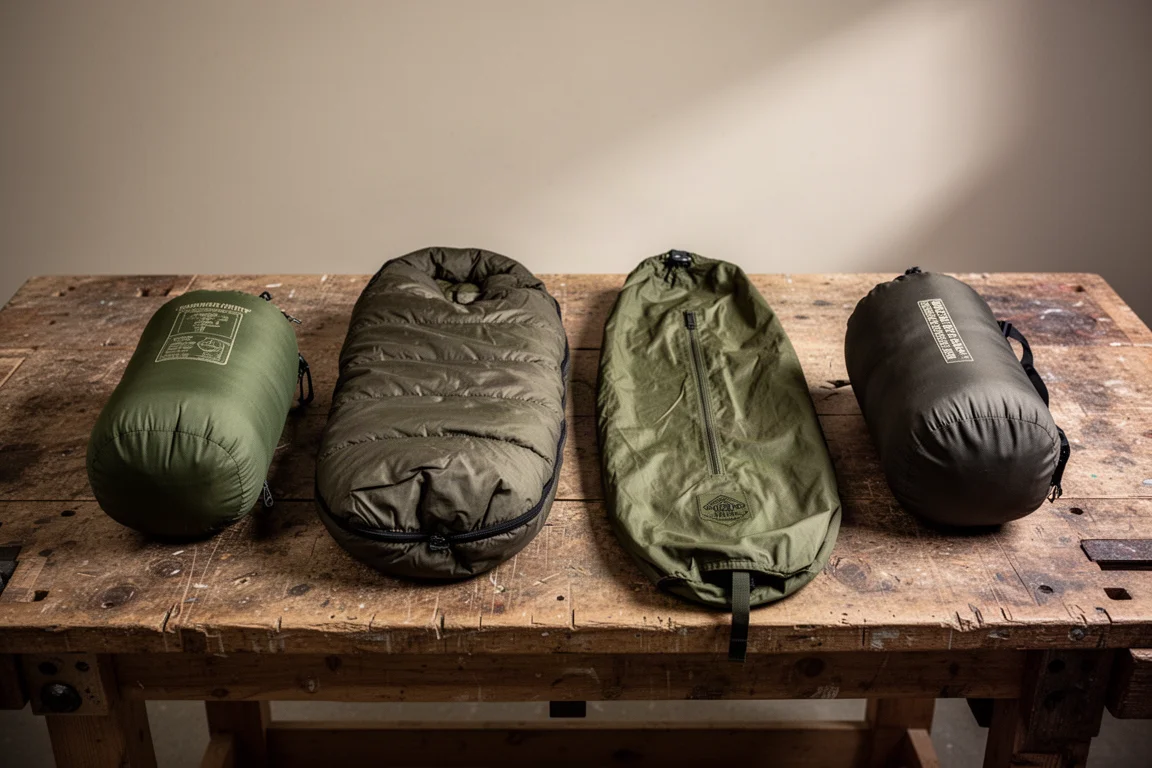
The bivy is one part of a four-piece system that also includes a green patrol bag for warmer conditions, an intermediate bag for colder conditions, and a compression sack. Used together, the two bags and the bivy are rated down to minus 30 degrees Fahrenheit, and that can be extended to minus 50 degrees Fahrenheit with additional warm clothing. All of the components take up considerable space, but the kit covers year-round needs in a single purchase, and complete used systems are inexpensive.
Conclusion
The Gore-Tex bivy from the Modular Sleep System is not a refined piece of gear and it does not try to be. It is a large, heavy, durable, fully waterproof, breathable shell that has been doing its job in rain, snow, and ice for years without complaint. Buy it for cold-weather protection and long-term reliability, pair it with a tarp when the forecast turns, and accept the weight, the bulk, and the lack of bug netting as the price of that reliability. At surplus prices, that is a trade many campers will happily make.
Link do produktu
Zobacz więcej szczegółów: Modular Sleep System (MSS) Gore-Tex Bivy
Ten produkt jest wymieniony w tej recenzji. Przed zakupem sprawdź specyfikację, dostępne warianty i kompatybilność.
Zobacz więcej szczegółów: Modular Sleep System (MSS) Gore-Tex BivyWięcej do przeczytania
Powiązane recenzje
Camping Shelters
Katoma IBNS vs US GI Industries Bivvy Tent 2C: Porównanie dwóch schronień z siatką przeciw owadom
Zestawienie dwóch niskoprofilowych namiotów wewnętrznych z siatką przeciw owadom: nylonowego Katoma IBNS Instant Setup Tent oraz wycenionego na 70 dolarów US GI Industries Bivvy Tent 2C Bug Net Shelter — wraz z omówieniem różnic i tego, na co zwrócić uwagę przed zakupem.
Camping Shelters
Katoma IBNS vs US GI Industries Bivvy Tent: porównanie dwóch schronień z siatką przeciw owadom
Porównanie dwóch niemal identycznych schronień z siatką przeciw owadom pod kątem materiałów, rozmiaru po spakowaniu, funkcji oraz deklaracji dotyczącej stelaża, która przesądza, które warto kupić.
Camping Shelters
Kifaru IBS Review: Pop-up Shelter przeciw owadom do minimalnego campingu
Praktyczne spojrzenie na pop-up shelter przeciw owadom Kifaru IBS: rozkładanie w dwie sekundy, siatka impregnowana permetryną, rozmiar po spakowaniu, wentylacja i kompromisy, które warto znać przed zakupem.