Polski · Power Tools
Milwaukee M18 Cordless Picks: Core Drilling and Framing Tools Worth a Look
Five M18 cordless tools for concrete coring, framing, and circular saw work, with the practical details that matter on the jobsite.
Introduction
Milwaukee’s M18 platform keeps expanding into jobs where corded tools used to be the only sensible answer. Two areas stand out: concrete coring and carpentry. The core drill promises safer, more controlled drilling through concrete, the framing nailers chase true pneumatic-like performance without gas canisters, and the two circular saws aim to match 15 amp corded cutting performance. Here is how each one stacks up.
Milwaukee M18 Core Drill
Concrete coring is one of those tasks where a mistake can hurt you. Get bound up in rebar and the tool can twist around, smack you in the face, or throw you off a ladder or scaffold. The M18 core drill is built around making that scenario far less likely. A built-in level helps keep the bit going in straight instead of cockeyed, which reduces the chance of binding, and integrated pressure gauges show whether you are pushing too hard or too little so you can core efficiently without forcing the tool.
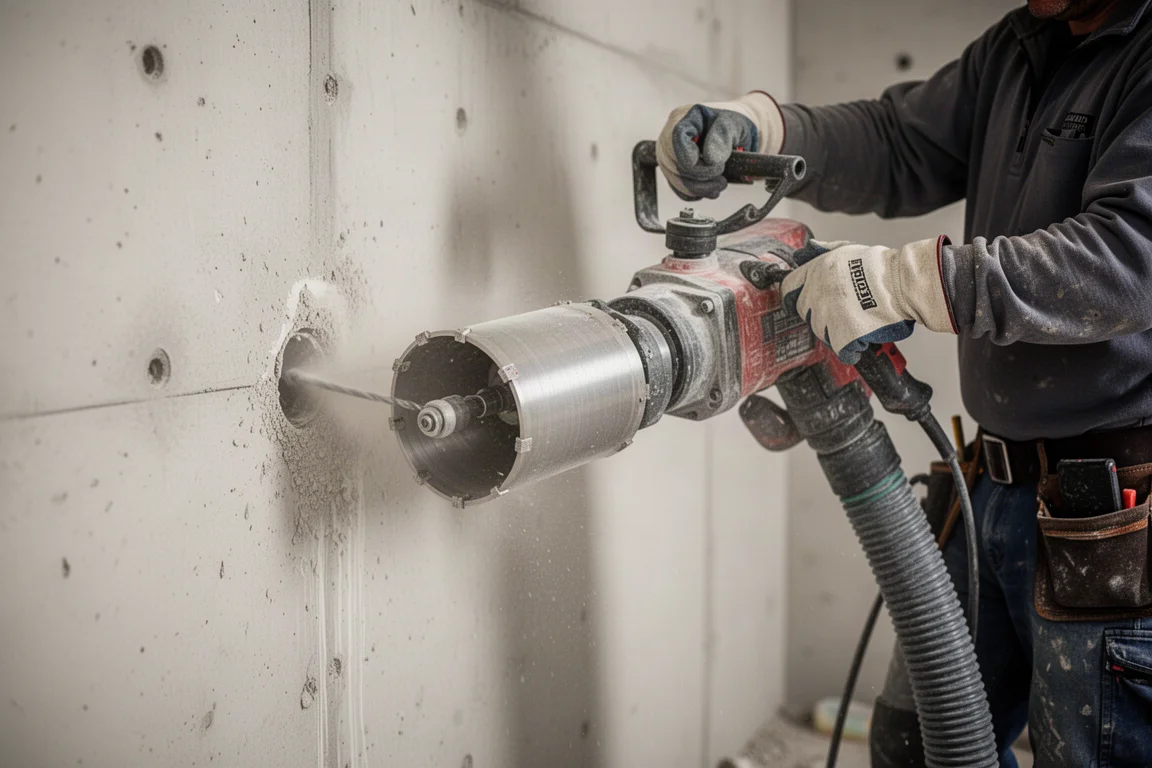
Those gauges are visual rather than audible, so you need to keep an eye on them while drilling. The payoff is real: a six inch bit is the max capacity for this drill, and a full six inch core through concrete was completed with no stalling and barely any battery use, as shown on the pack’s fuel gauge. It can be used handheld on a wall or mounted when drilling downward, and it pairs with dust extraction solutions, including water feed through spigots for use with the M18 Switch Tank or vacuums. A trigger lock adds another layer of control.
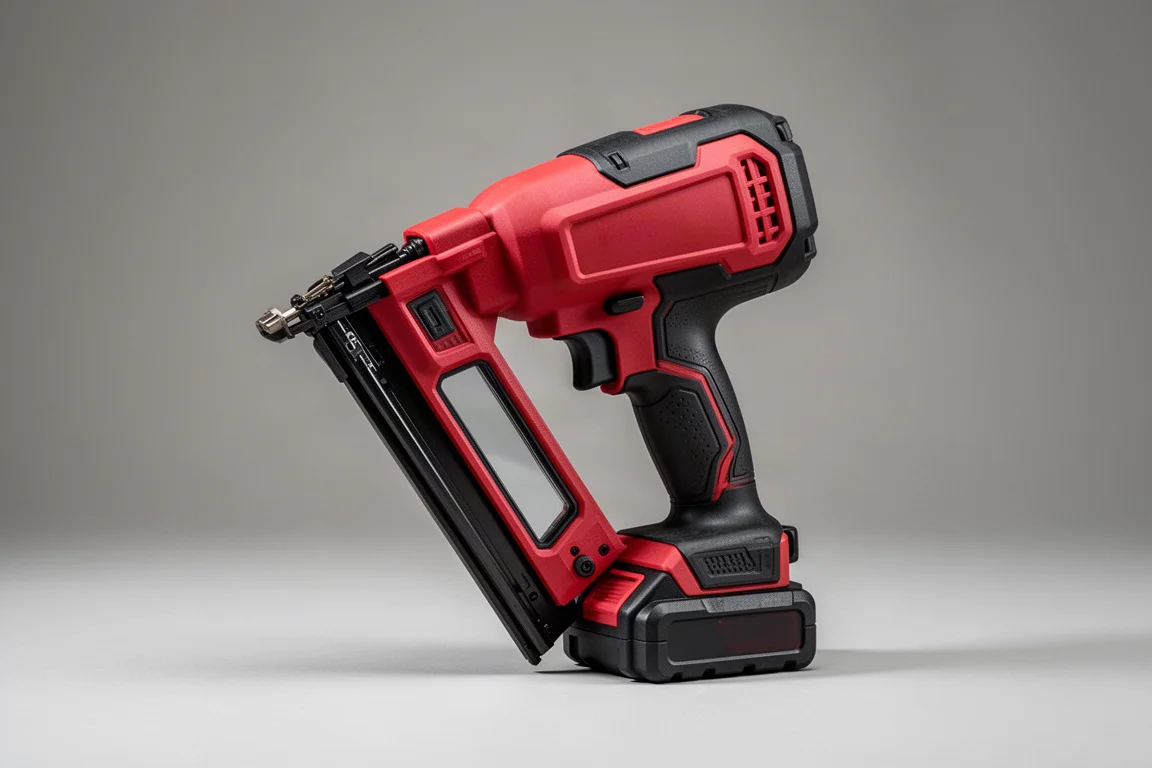
Milwaukee M18 21-Degree Framing Nailer
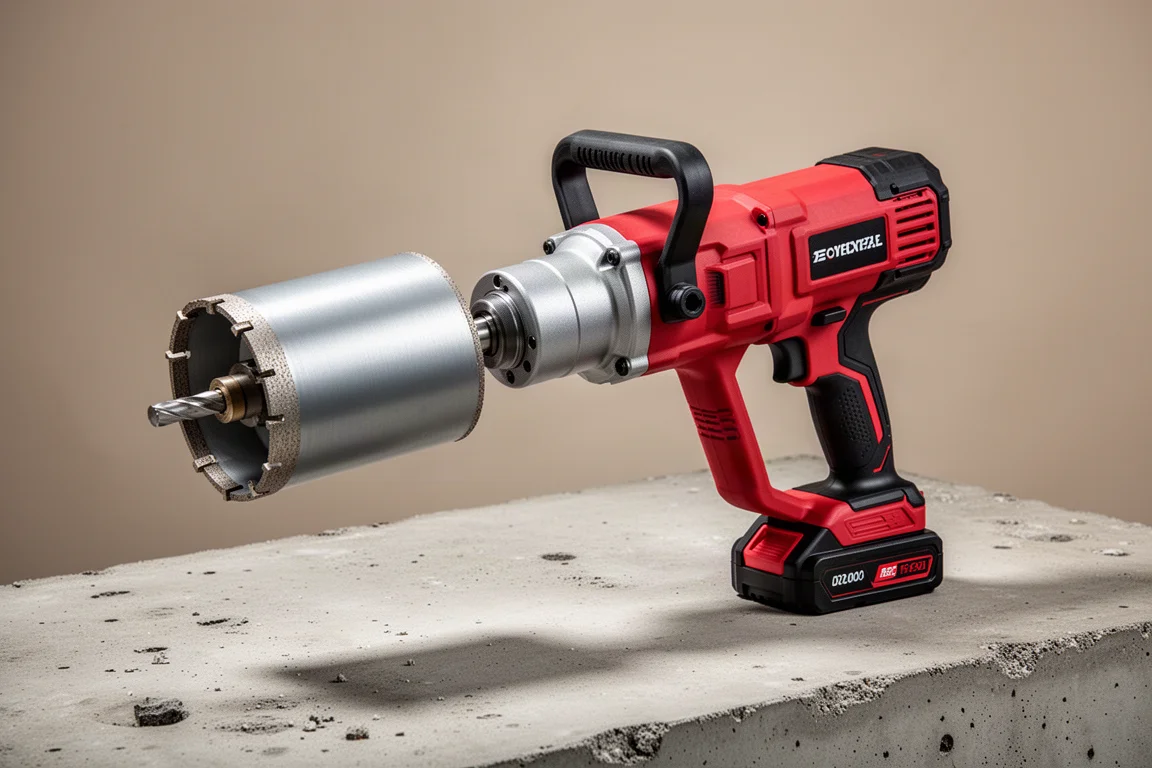
Milwaukee’s framing nailers are all about replicating pneumatic performance on a battery. There is enough power to nail into engineered lumber, including a tough double stacked LVL setup, and firing speed reaches up to three nails per second in rapid fire mode, which is the pace most people associate with air tools.
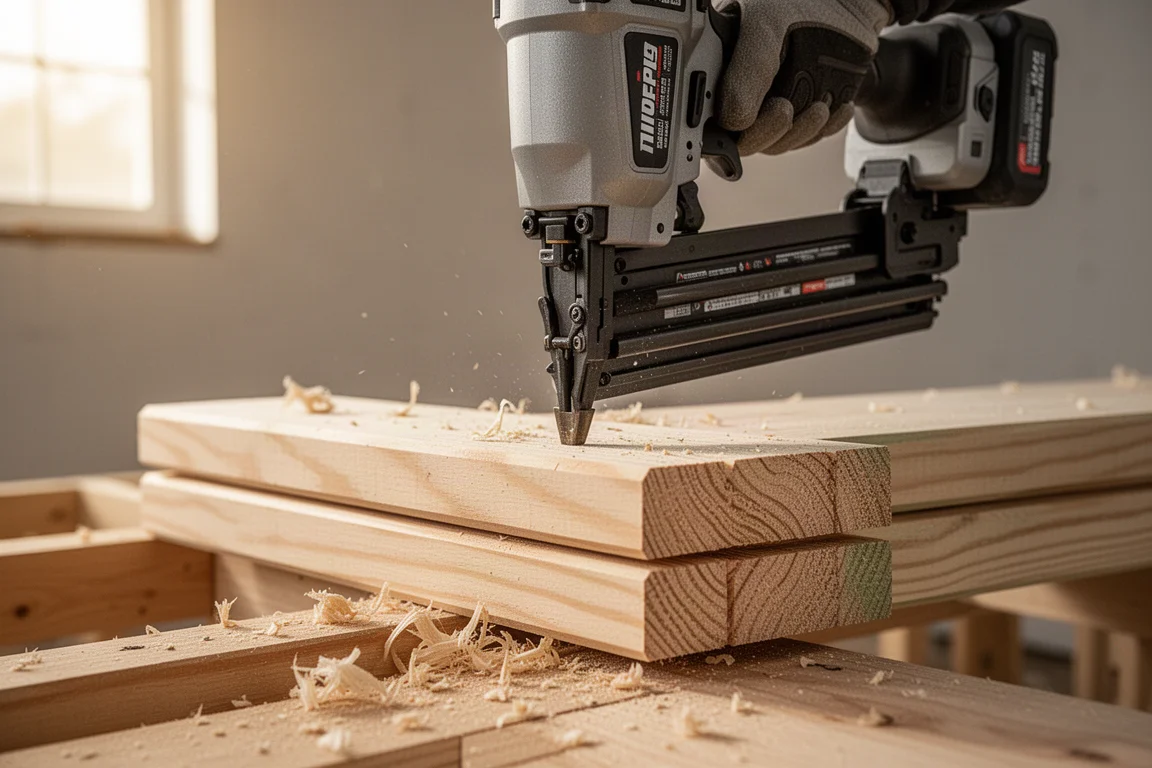
Everything is powered by the M18 battery, so there is no consumable gas canister or cartridge to buy and keep track of, and you can get up to 500 nails per charge. You can switch between rapid fire and sequential firing modes, and depth of drive stays consistent when you hold the tool correctly. In testing, rapid fire mode seemed to sink nails even deeper, though occasional slightly proud nails can happen if you pull the tool away too quickly.
Milwaukee M18 30-Degree Framing Nailer
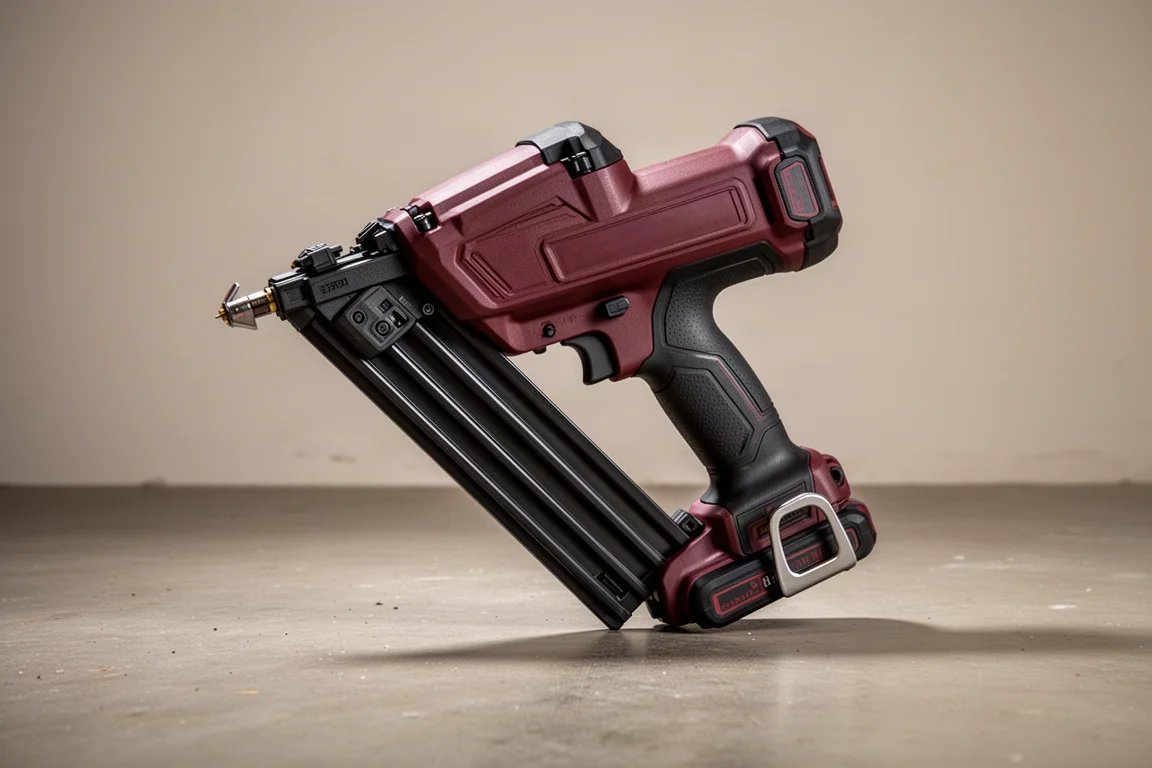
The 30-degree model shares the same core platform: engine power for engineered lumber, up to three nails per second, M18 battery power with no gas consumables, and up to 500 nails on a charge. It uses paper collated nails with a different collation angle compared to the plastic collated strips of the 21-degree version.
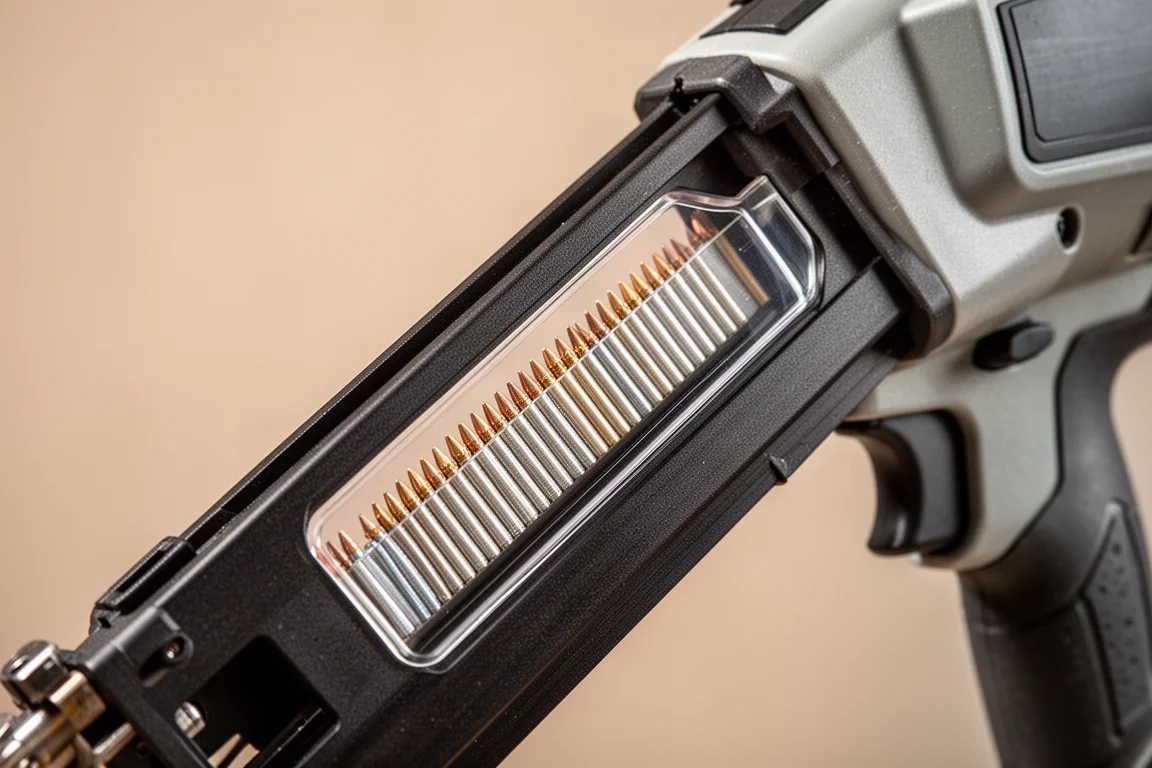
So which angle should you pick? Honestly, it mostly comes down to regional preference. Certain areas of the country lean heavily toward 21-degree tools, while the Midwest and East Coast tend toward 30-degree. If your crew and local suppliers already stock one angle, stay with it. There is not a big practical difference in the nails themselves.
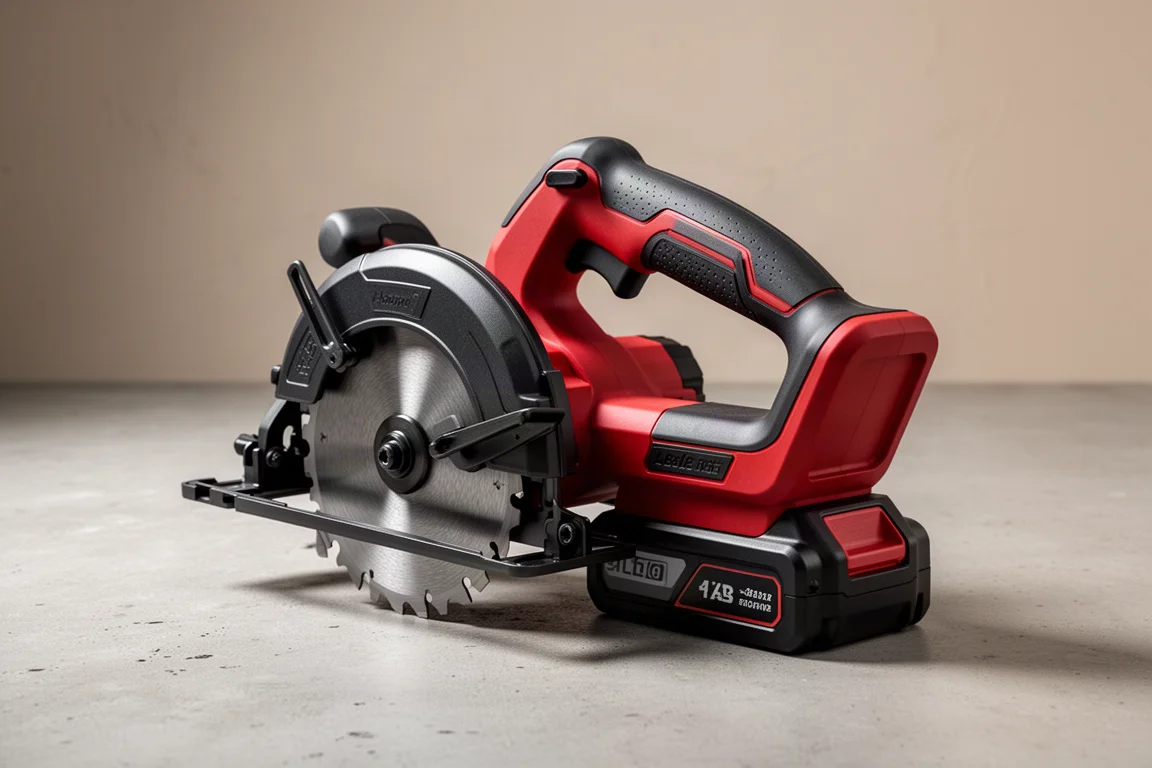
Milwaukee M18 Sidewinder Circular Saw
The Sidewinder is the classic layout: right-mounted blade, familiar feel for most right-handed users. This is the gen 2 model, a few years old now but still the latest version, with updated fuel technology and performance optimized for high output M18 batteries.
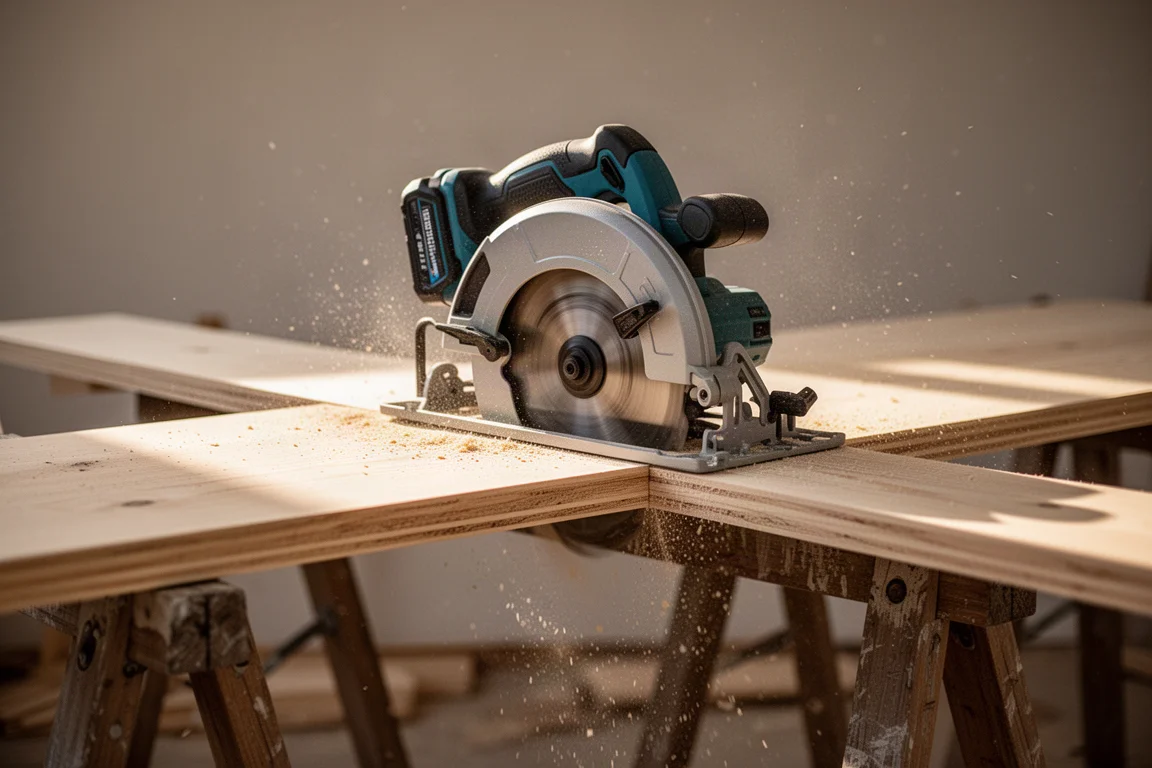
It has a seven and a quarter inch cut capacity and delivers performance equivalent to a 15 amp corded saw, and it actually cuts faster than most 15 amp corded models. If you have used corded sidewinders all your life, this is the natural cordless fit.
Milwaukee M18 Rear Handle Circular Saw
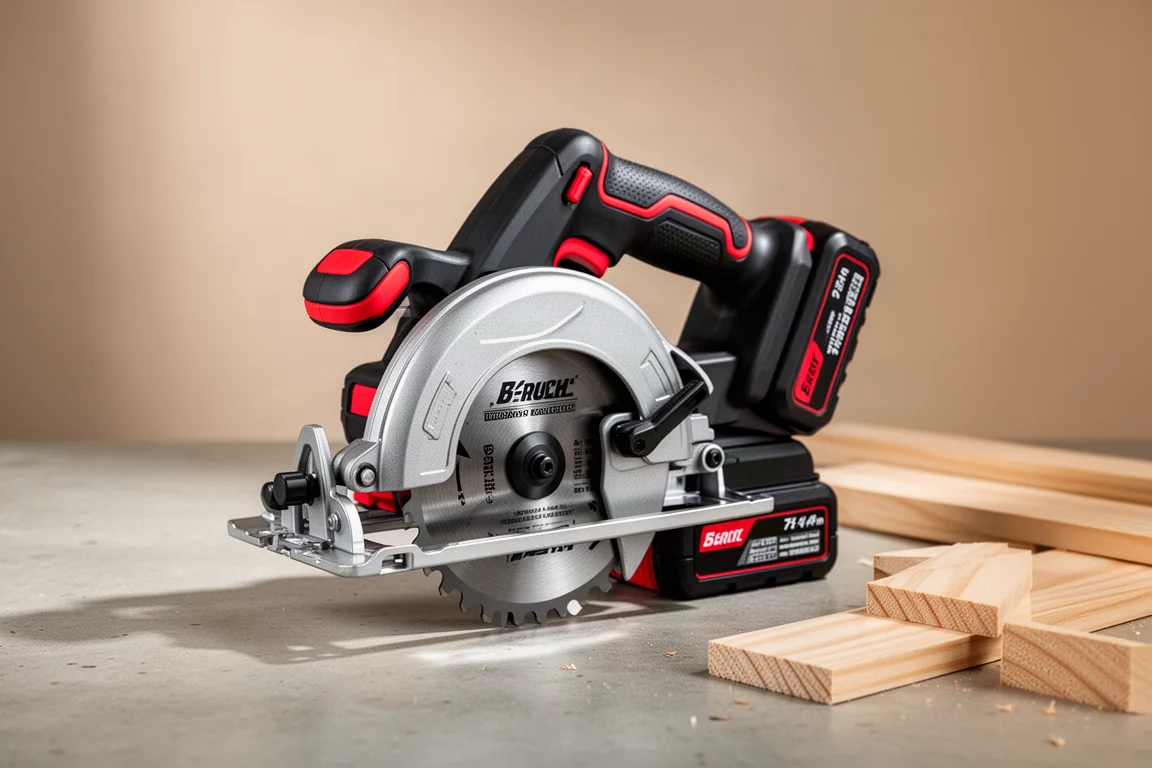
The rear handle model is the other half of the pair. Same seven and a quarter inch cut capacity, same 15 amp corded-equivalent performance, same faster-than-corded cut speed, but with a left-mounted blade and a rear handle grip that many framers prefer for following a line of sight on long rips and sheet cuts.
Choosing between the two is genuinely a matter of user preference rather than a technical hierarchy. Pick the blade side and grip style that matches how you work, and both saws will deliver.
Overall Buying Advice
All five tools run on the same M18 battery platform, so anyone already invested in Milwaukee’s system can add any of them without buying into a new ecosystem. The framing nailers eliminate the recurring cost of gas cartridges, and both circular saws cut faster than the corded saws they replace. The core drill is the most specialized pick, and it earns its place for anyone doing regular anchor holes or penetrations in concrete where safety and control matter more than raw speed.
Conclusion
The M18 lineup here covers two very different jobsites: concrete work and framing carpentry. If safety during coring is a priority, the core drill’s level, pressure gauges, and low battery draw make a strong case. For framing crews, both nailers deliver pneumatic-style speed without gas, and the angle choice is simply regional. The Sidewinder and rear handle saws split cleanly along personal preference, and both bring genuine corded-level performance to the cordless platform.
Więcej do przeczytania
Powiązane recenzje
Power Tools
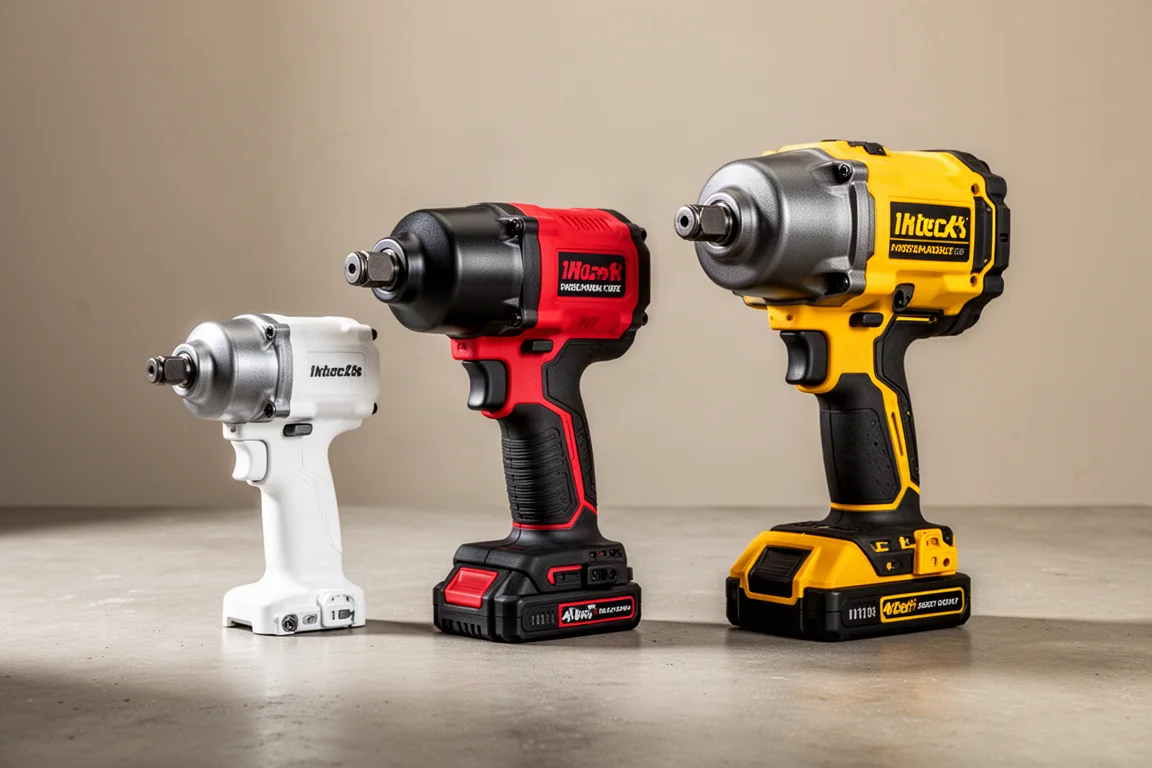
Najlepsze klucze udarowe pistoletowe 1 cala: porównanie trzech opcji do ciężkich prac
Porównujemy trzy klucze udarowe pistoletowe 1 cala, od budżetowego modelu Harbor Freight po premium Caterpillar, aby pomóc Ci wybrać odpowiedni.
Power Tools
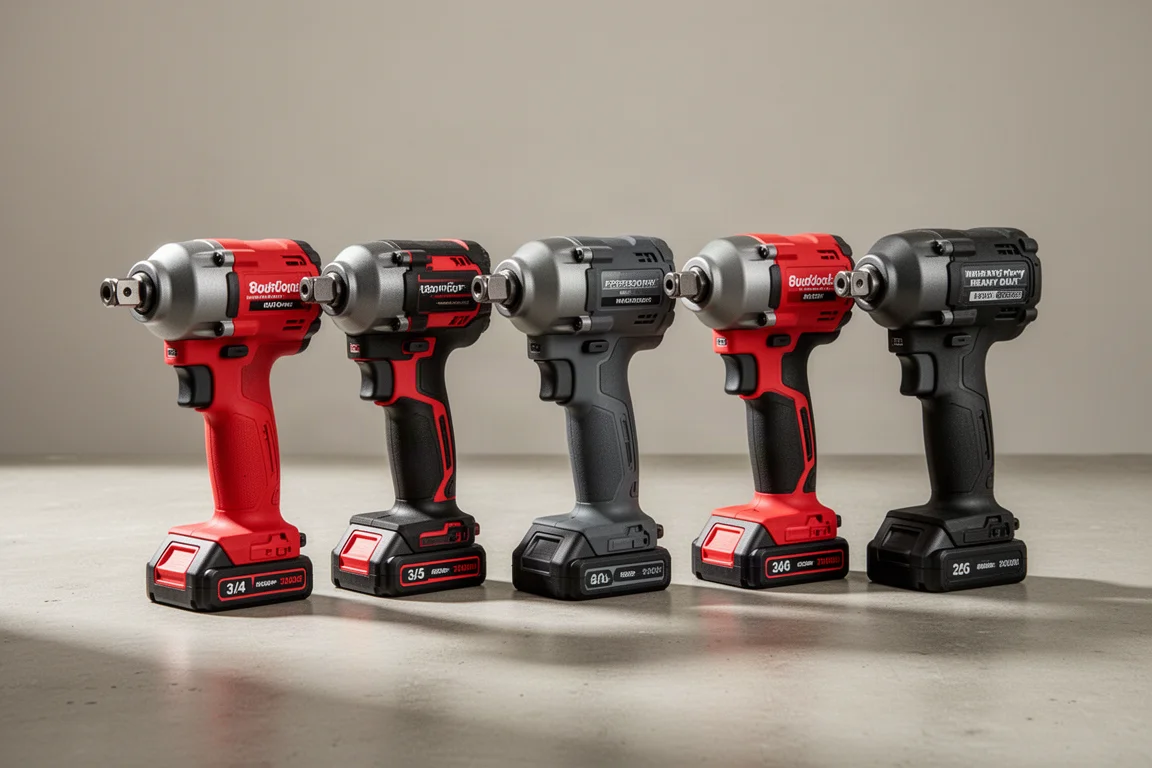
Najlepsze klucze udarowe 3/4 cala 2026: porównanie pięciu kandydatów
Porównujemy pięć kluczy udarowych 3/4 cala pod względem ceny i wydajności, od budżetowej opcji z Amazon po najbardziej wydajny model Snap-on.
Power Tools
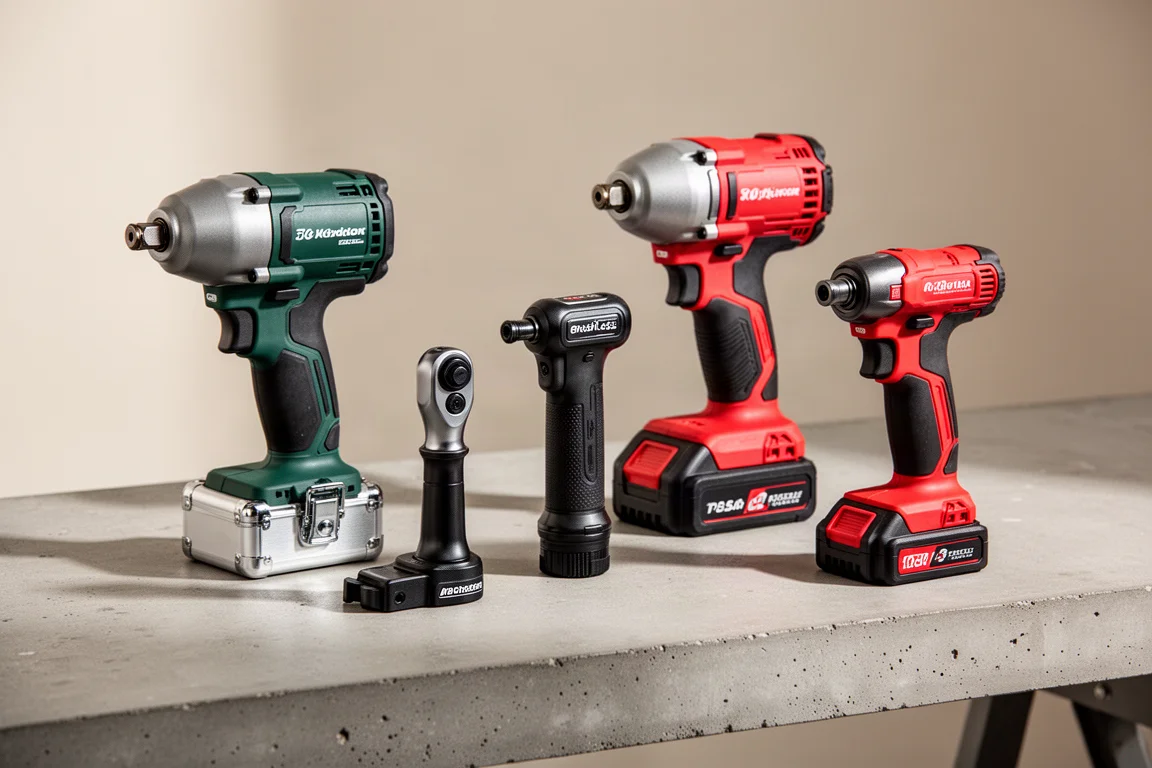
Najlepsze niedrogie elektronarzędzia bezprzewodowe 2026: Znaleziska z Walmart, które biją swoją cenę
Przetestowaliśmy pięć elektronarzędzi bezprzewodowych z Walmart, w tym klucz udarowy o wysokim momencie obrotowym, który rywalizuje z Milwaukee, oraz dmuchawę za 35 dolarów, która przewyższa swoją klasę cenową.