Polski · Stationery
Recenzja Manami Plus Pen 3000: wyraziste cienkopisy w budżetowej cenie
Zestaw 36 wodnych cienkopisów 0,4 mm za około 30 dolarów, z wyrazistym atramentem, ale sztywnymi filcowymi końcówkami, które ograniczają ich przydatność do kaligrafii.
Introduction
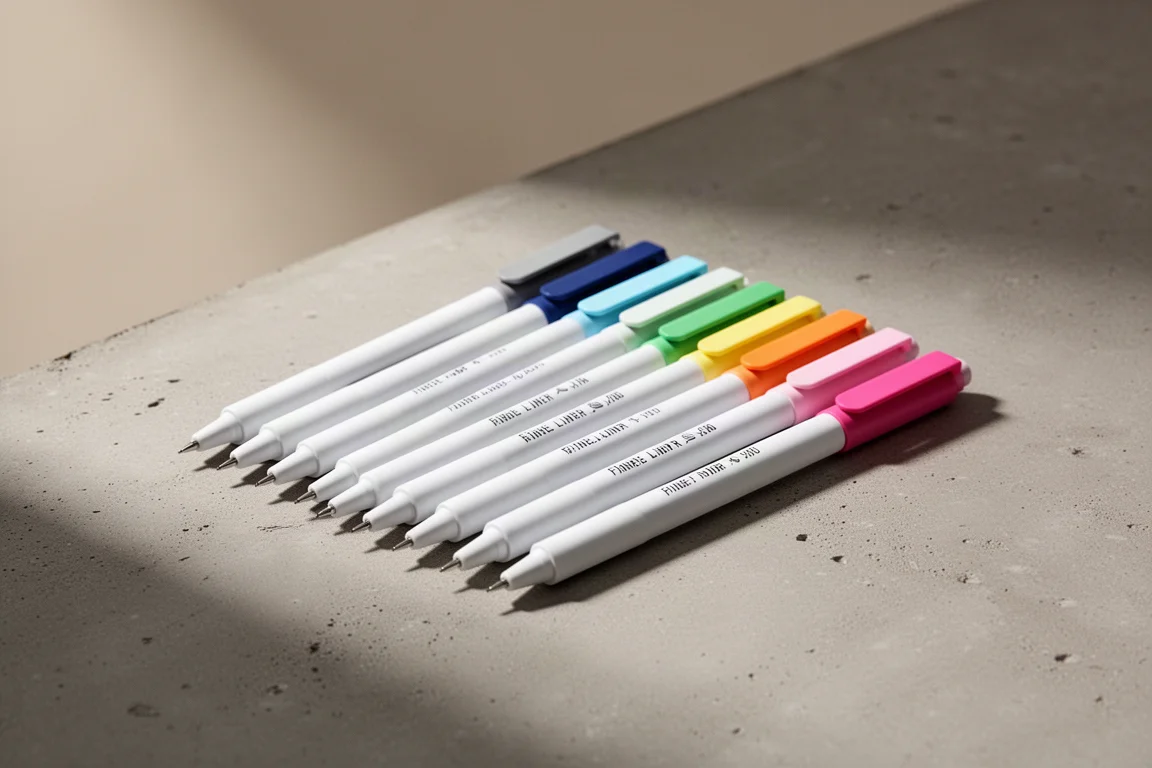
The Manami Plus Pen 3000 is a set of water-based fine liner pens that positions itself as an affordable way to get a wide color range. The 36-pack used for this review was purchased on Amazon for about $30, which works out to roughly 80 cents per pen. Sets are also available in 24, 48, and 60 shade options.
The line has been referred to as a set of small brush pens, which is part of what makes it interesting: there are not many truly small brush pens on the market right now. That curiosity is what makes these pens worth a closer look, even if the results are mixed.
Design and Packaging
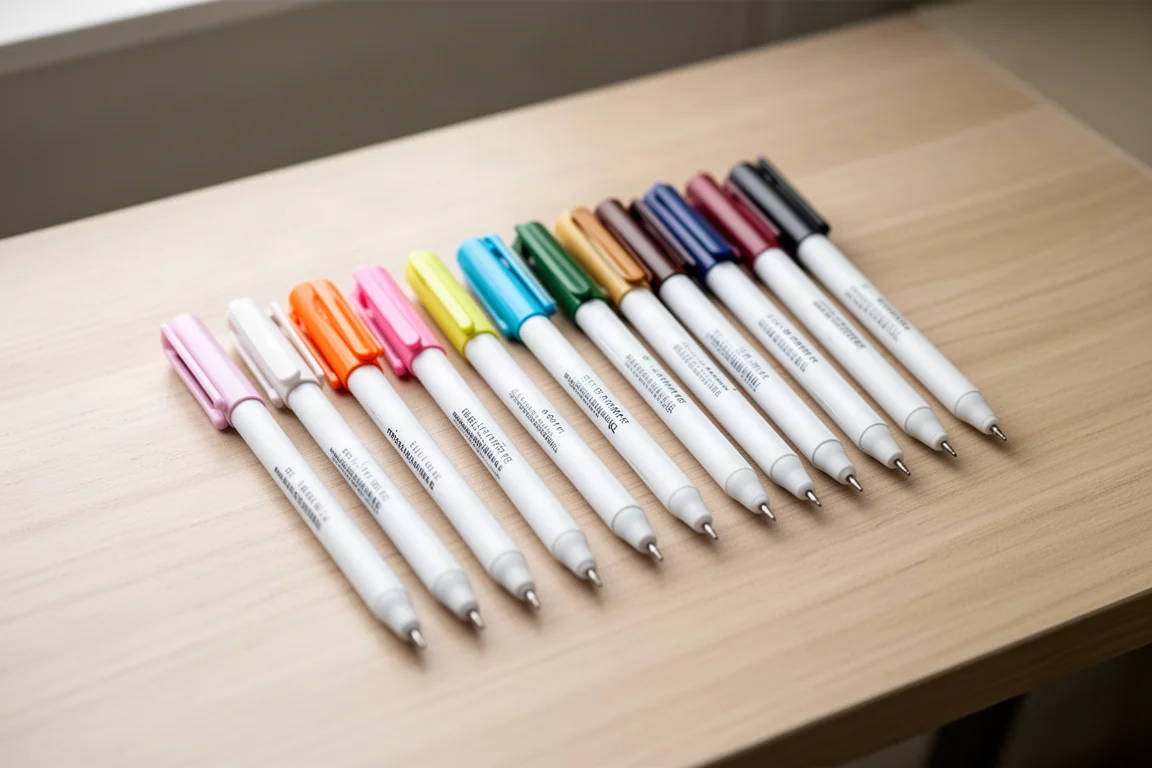
Packaging varies across the line depending on where you look. Some versions have bodies fully color-coordinated to match the ink inside, but the 36-pack reviewed here uses white bodies with color-coordinated caps. The shade names are printed on the bodies, and the pens are capped with no grip section.
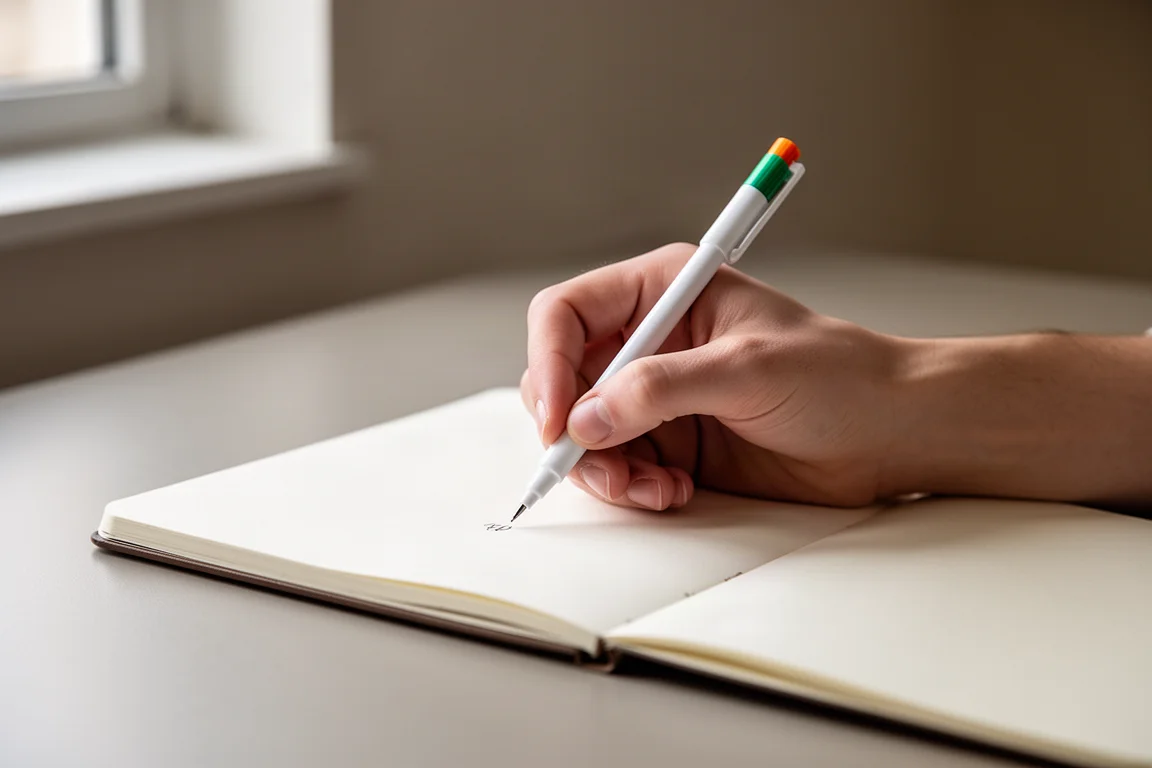
The bodies themselves are very thin and sleek, which makes them comfortable to hold for a fine liner and easy to store in a pen case.
Ink Quality and Paper Performance
These are fine liners with a 0.4 mm felt tip, and the ink is one of their genuine strengths. The colors are quite vibrant and pigmented, and the line comes in a wide range of shades.
The ink is water-based, so it will feather if exposed to water, something to keep in mind if your work involves watercolors or wet media layered over your linework.
On thick 160 GSM paper, no bleed-through or ghosting was noticeable. On thinner paper, though, both became an issue, so paper choice matters if you care about clean pages.
Performance for Lettering
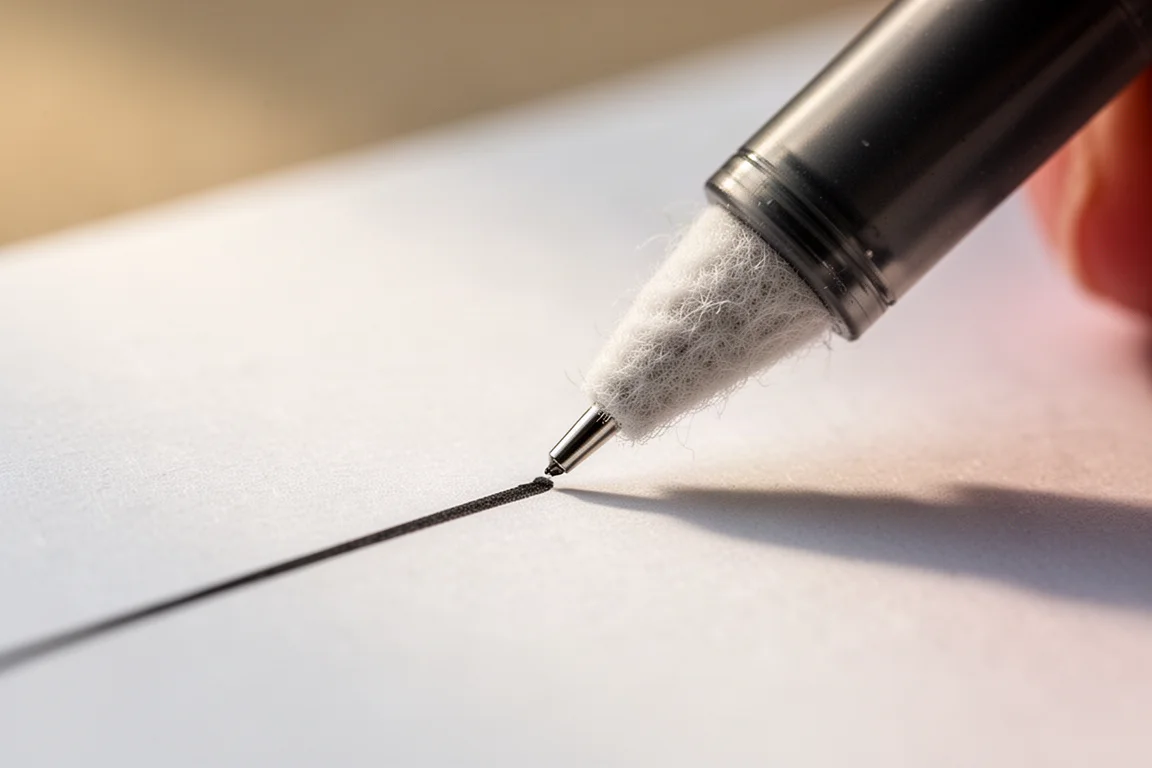
If you are considering these as small brush pens, manage your expectations. The nibs are very stiff and firm, and because they are made of felt, the tips drag against the paper during firm pressure. Hand lettering is possible by pressing down and holding the pen at a slight angle, but the experience is scratchy, and the tips occasionally splatter ink around the line.
For anyone whose main goal is lettering, this combination of stiffness, felt drag, and splattering is a real drawback rather than a minor quirk.
Who These Pens Are Best For
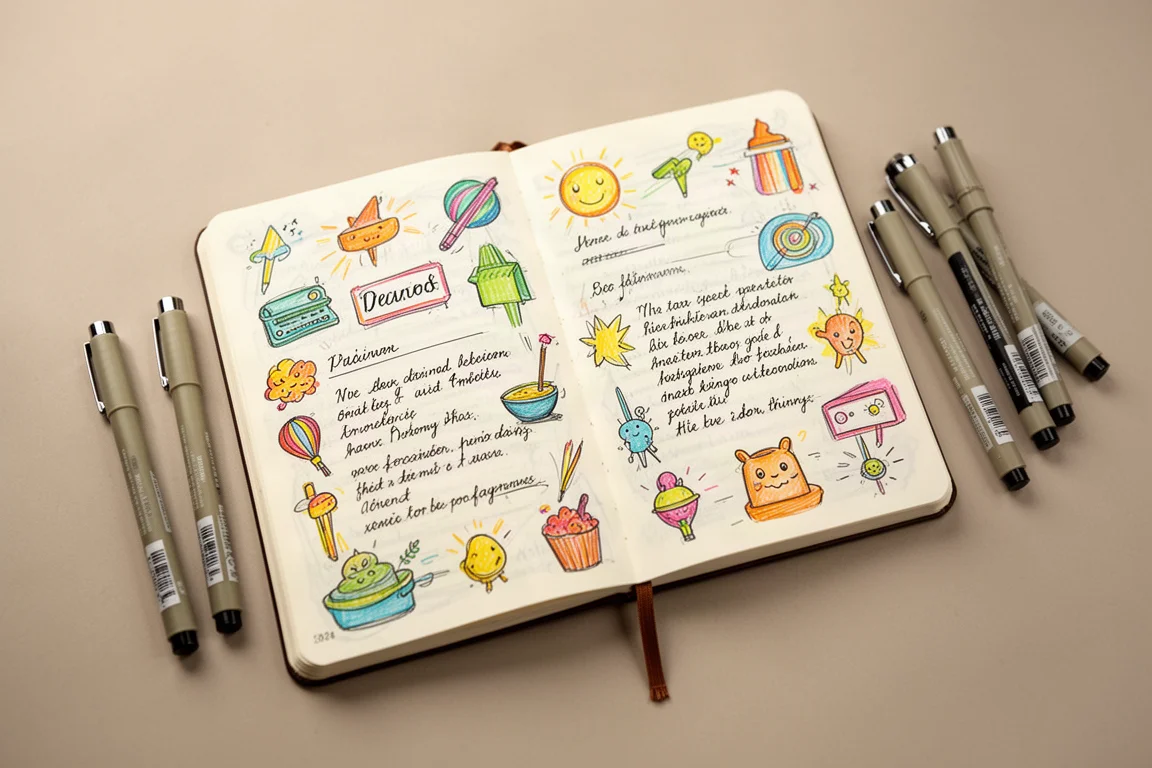
At roughly 80 cents per pen, these are decent value pens, but they shine in a narrower role than their brush-pen reputation suggests. They are best used for monoline writing or doodling, where the fine felt tip and vibrant colors do the work without demanding flexibility from the nib.
One more caveat on the shade selection: the line includes a few fluorescent shades that are easy to skip if, like many users, you find them hard to work into a regular palette.
Buying Advice
If you primarily want affordable, vibrant fine liners for monoline writing and doodling on reasonably thick paper, the Manami Plus Pen 3000 can do the job, especially in the larger shade packs. Pick the pack size that matches how many colors you will realistically use, and store them capped to protect the felt tips.
If your priority is hand lettering, look elsewhere. The stiff nibs, scratchy feel, and occasional splattering make the lettering experience hard to enjoy, and there are better options with the same kind of vibrant color line that avoid those issues. This is honestly why a general recommendation is hard to make here.
Conclusion
The Manami Plus Pen 3000 delivers vibrant, pigmented ink in a wide shade range at a very low per-pen cost, and it performs cleanly on thick paper. But the stiff felt tips limit it to monoline work, and the scratchy, splatter-prone lettering experience holds it back from being an easy recommendation. Choose it for casual doodling and colorful note-taking, not for flexible lettering work.
Link do produktu
Zobacz więcej szczegółów: Manami Plus Pen 3000
Ten produkt jest wymieniony w tej recenzji. Przed zakupem sprawdź specyfikację, dostępne warianty i kompatybilność.
Zobacz więcej szczegółów: Manami Plus Pen 3000Więcej do przeczytania
Powiązane recenzje
Stationery
Recenzja ołówków Musgrave: cztery klasyczne ołówki z ostatniej fabryki ołówków w Tennessee
Przetestowaliśmy cztery ołówki Musgrave na papierze — od klasycznego Harvest po ołówek do rysowania Unigraph 1200 — żeby sprawdzić, co stuletnia pracownia z Tennessee wciąż potrafi.
Stationery
Poziomy wiecznych piór od A do Z: od piór na start po luksusowe grale
Praktyczny przegląd poszczególnych poziomów wiecznych piór i atramentów — od zestawu startowego poniżej 20 dolarów po włoskie pióra tłokowe i wysuwane pióra na co dzień ze złotą stalówką.
Stationery
Recenzja papieru kserograficznego HP Premium 32 lb: przyjazny dla wiecznych piór papier do codziennego drukowania
Ciężki, gładki papier kserograficzny o gramaturze 120 GSM, który radzi sobie z wiecznymi piórami znacznie lepiej niż standardowe papier do drukarek, z jedynie drobnymi kompromisami w zakresie cieniowania i połysku.