Polski · Integrated Amplifiers
Linear Tube Audio Z40 Plus Review: A Tube Integrated That Does Not Sound Like One
A 46 W tube integrated with an output-transformerless design, an optional phono board, and a headphone stage built on the same tubes. Here is who it suits and where it stops.
Introduction
The Linear Tube Audio Z40 Plus is a tube integrated amplifier that refuses the usual script. It does not lean into the thick, honeyed warmth that defines one school of tube design, and it does not chase solid-state precision either. What it delivers is its own character: fast, controlled and unusually articulate, while still carrying the density and body that make tube amplification worth the effort in the first place.
Linear Tube Audio is based in Maryland, and the chassis are built by Fern and Roby in Richmond, Virginia. The Z40 Plus is an output-transformerless design built around the ZOTL circuit, and each unit takes roughly seven days to assemble, test and run through a 200-hour burn-in before it ships.
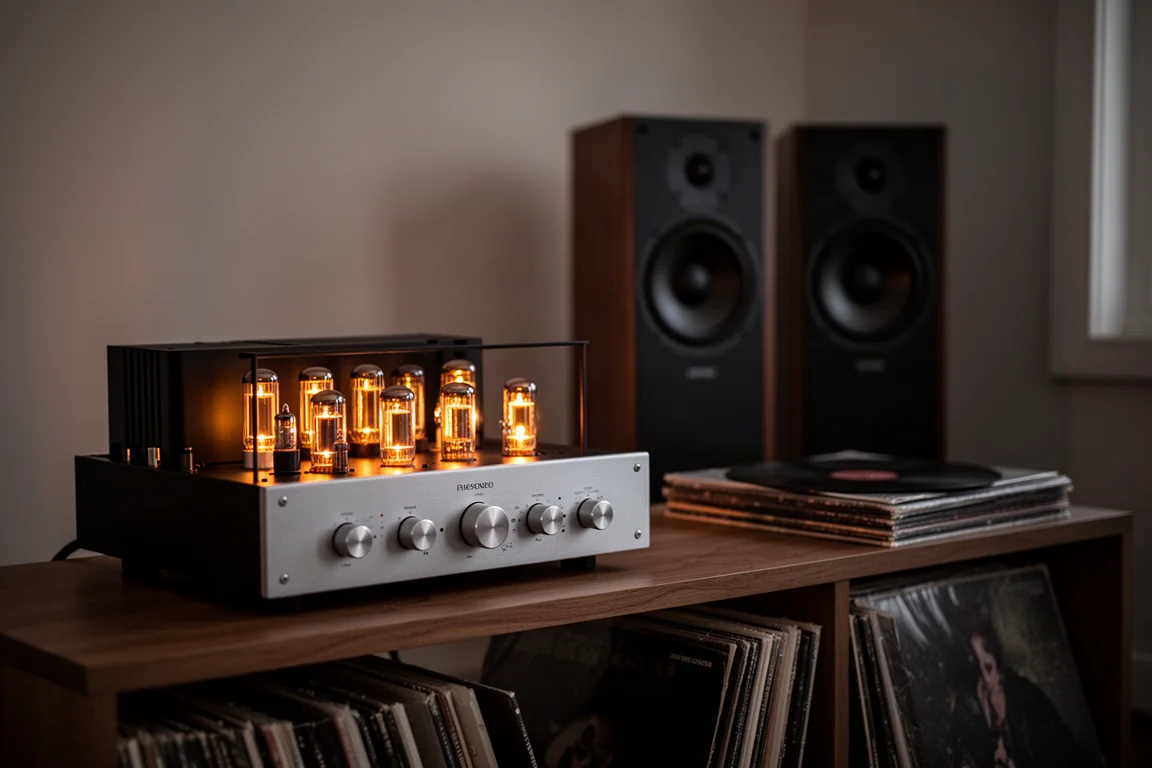
Power output is rated at 46 watts per channel into 8 ohms and 51 watts per channel into 4 ohms. Those are modest figures, but the amplifier carries itself as though there is more in reserve, and that combination of headroom and topology shapes almost everything about the way it sounds.
Who This Product Is For
This amplifier makes the most sense for listeners who want tube character without the usual fuss. The design is auto-biasing, so replacing or swapping tubes is a straightforward job rather than a meter-and-manual exercise, and because the tubes run at lower current, the estimated tube life is unusually long at 10,000 to 20,000 hours. That also helps the amplifier run cooler than many tube designs.
It also suits listeners who want one box to cover several jobs. The headphone stage runs from the same tubes that drive the speakers, with resistors in the path, and there are two 6.3 mm front-panel jacks, one high output and one low output. Buyers who play vinyl can specify an optional phono board that handles moving magnet and moving coil cartridges, and it includes a built-in step-up transformer of high quality.
What it is not is a universal amplifier. If your speakers are low in sensitivity and dip to difficult loads, or if you regularly listen at party levels, the power rating becomes the deciding factor. More on that below.
Main Strengths
The first thing that stands out is the bass. A tube amplifier at this power level is not expected to produce fast, deep, punchy low frequencies with this level of grip, and yet the Z40 Plus does exactly that. The treble is equally convincing: quick, clear, detailed and airy, with a refined quality that never turns brittle. At the other end of the scale, it plays quietly with real composure, and when pushed to peaks around 90 to 95 dB it holds together rather than smearing or hardening.
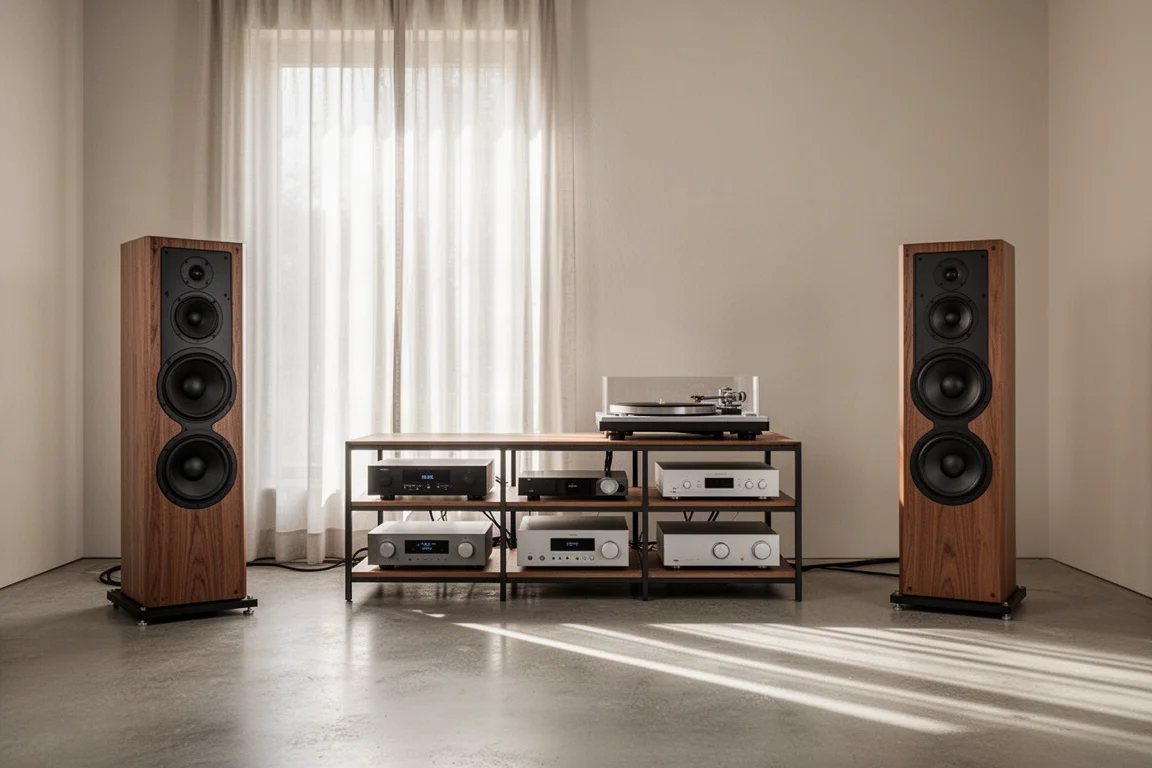
The second strength is density. Notes arrive with weight and palpability, a solidity that makes instruments feel physically present rather than sketched. Combined with precise imaging and a strong sense of depth, that density is what separates this amplifier from leaner designs that measure well but communicate less. Horns, brass and transients come across with particular clarity.
Power and Build Quality
The specification list is short but sensible. There are five inputs, four single-ended RCA and one balanced XLR, along with stereo subwoofer outputs and a tape loop, which is a nice inclusion for anyone still running a tape deck. Two headphone jacks sit on the front panel. The available finish is black.
The build is where the seven-day assembly schedule shows. The amplifier feels substantial and deliberate, and the tactile side of using it, from the weight of the controls to the fit of the chassis, is part of the ownership experience rather than an afterthought. The ZOTL circuit eliminates the output transformers entirely, which is central to how the amplifier behaves and why it does not sound like the tube amplifiers most listeners already know.
Sound Character in Practice
Driving a pair of open-baffle floorstanding speakers with a 15-inch woofer, the amplifier demonstrated a level of control over that large driver that few tube designs could match. The low end was quick and extended rather than soft or rounded. Imaging was precise, with a clear left-to-right spread and a depth to the soundstage that made individual parts easy to follow.
With a pair of stand-mount speakers featuring passive radiators, the pairing was memorable for its body and emotional tone, particularly on a sparse, late-career vocal album where the weight of the performance carried through the system. On dense, bass-heavy material the amplifier kept the bottom end from turning boomy or mushy, though a high-current solid-state alternative had a slight edge on the very toughest bass passages.
Against a respected tube preamp and solid-state power amp combination, the Z40 Plus came across as the more alive and fresher of the two, with better high-frequency clarity and more convincing transients, while the other combination sounded warmer and larger. Against a second solid-state power amp, the contest was much closer: both were highly resolving with strong top-end detail and powerful bass, but the Z40 Plus brought more density and a little more slam.
The Phono Stage and Headphone Amplifier
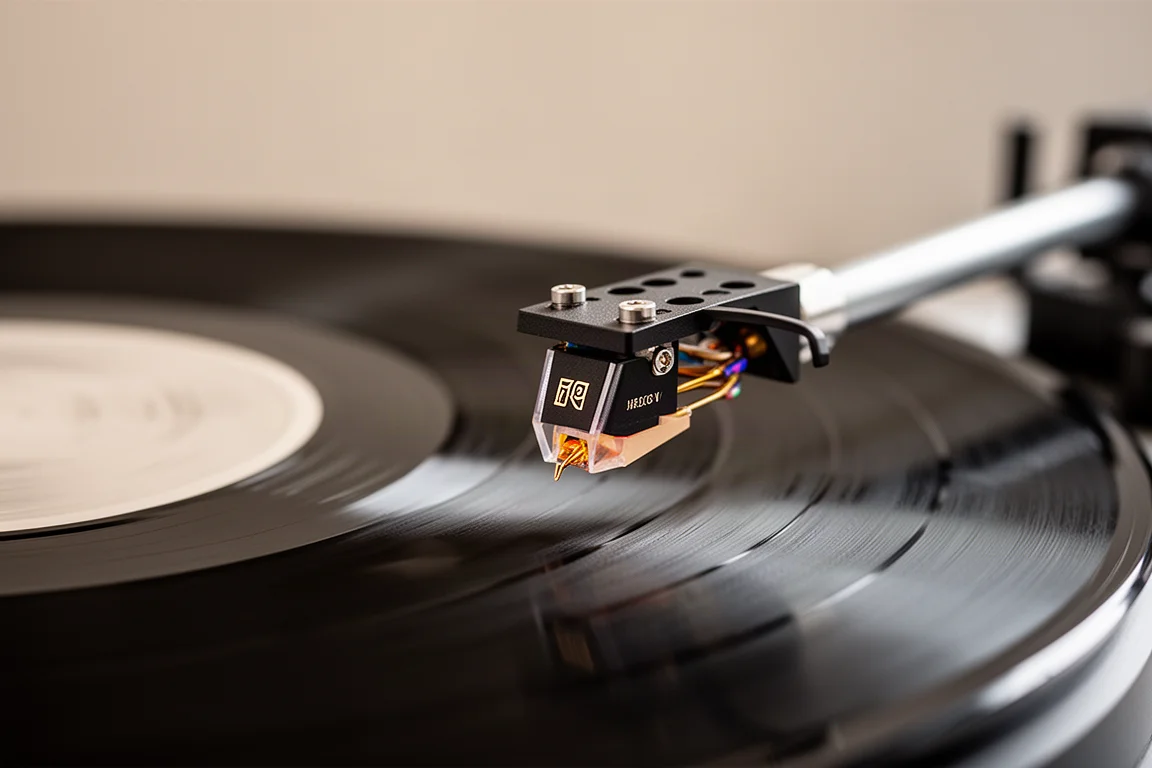
The optional phono board is genuinely good rather than a convenience feature. Records played through it sounded quiet, clean and highly resolved, with a controlled low end and a clarity that carries the amplifier’s overall character. The built-in step-up transformer makes moving coil cartridges a realistic option without extra boxes.
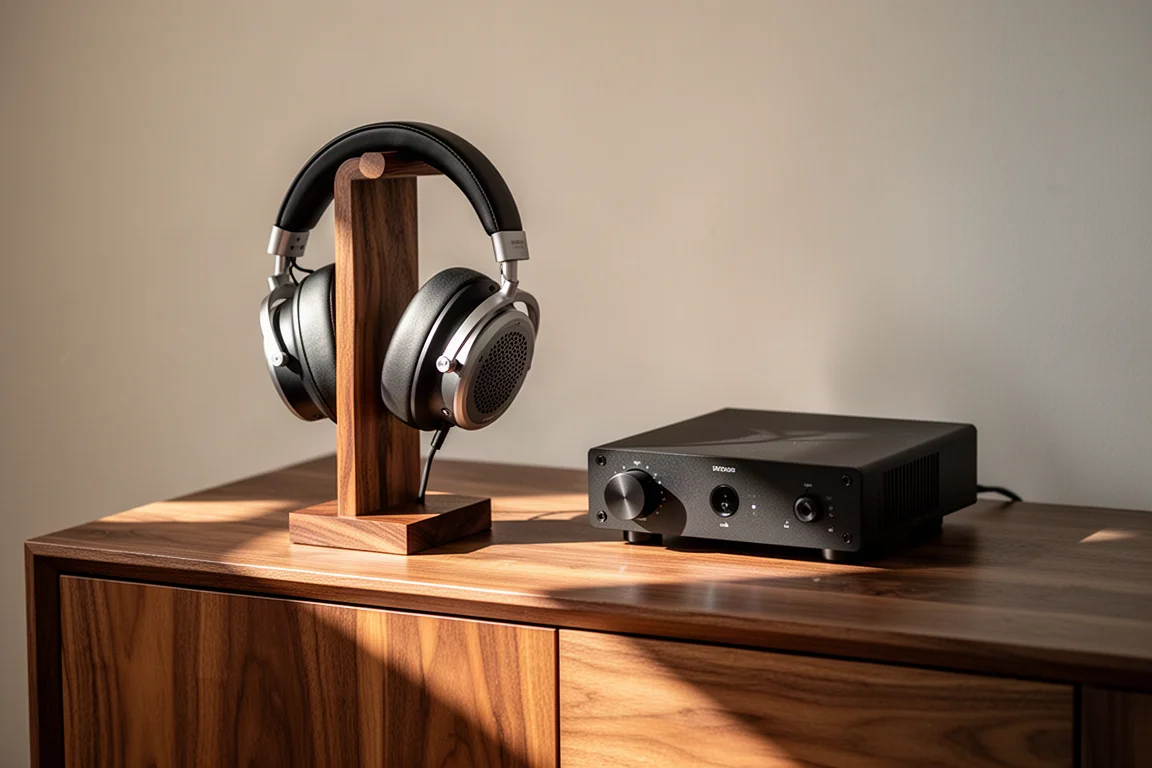
The headphone stage is the bonus that makes the package harder to argue with. Because it uses the same tubes as the speaker output, it inherits the same tonal signature, and the low output jack offers plenty of gain and power with efficient planar magnetic headphones. On a more resolving planar magnetic model, the sound opened up noticeably rather than sitting inside the head, which is exactly what headphone listeners hope for.
Things to Consider Before Buying
Power is the main limitation. With a low-sensitivity planar speaker that drops to demanding loads, the Z40 Plus ran out of steam at medium and loud levels, where a high-current solid-state amplifier had a clear advantage. If your speakers are hard to drive, this is not the amplifier to build a system around, and 46 watts per channel into 8 ohms sets a firm ceiling for anyone who wants sustained high-volume playback.
The included remote is a metal remote of the type commonly bundled with consumer electronics, and some buyers will question whether it fits an amplifier in this price bracket. It works without issue, but it is the one part of the package that feels out of step with the rest.
Direct sales are worth understanding before ordering. Linear Tube Audio sells worldwide without a distributor or dealer network, which keeps the price lower than it would otherwise be, but it also means no local showroom to visit. The trade-off is offset by a 14-day return policy and a two-year warranty.
Buying Advice
At $7,650 with the optional phono section fitted, the Z40 Plus is a serious purchase, and it justifies the outlay through the quality of its construction, its unusually long tube life, and the breadth of what it does in one chassis. The estimated 10,000 to 20,000 hour tube life deserves particular weight, since most tube amplifiers ask for replacement at roughly 2,000 to 2,500 hours, and auto-biasing means you can fit new tubes yourself without special tools.
The strongest case for this amplifier is as a first step into tubes. It avoids the fussy reputation that keeps many listeners on the fence, it runs cooler than most of its peers, and it is forgiving of real-world use while still delivering the density and body that tube designs are prized for. Pair it with reasonably efficient speakers that do not demand large amounts of current, and the match matters more than the wattage figure suggests.
If you play records, add the phono board. If you listen on headphones, the front-panel stage alone covers a lot of ground. If you need to drive difficult speakers at high volumes, look elsewhere and accept that you are choosing a different set of priorities.
Conclusion
The Z40 Plus does something rare: it borrows the best qualities of tube amplification, the body, the density, the sense of presence, without the syrupy warmth or the fragility that usually come attached. Its bass control, imaging and treble refinement are the work of a carefully built amplifier rather than a genre exercise, and the headphone and phono options turn it into a genuinely complete system hub.
Choose it for the speakers and the listening habits it suits, and it will reward that match for a very long time.
Link do produktu
Zobacz więcej szczegółów: Linear Tube Audio Z40 Plus
Ten produkt jest wymieniony w tej recenzji. Przed zakupem sprawdź specyfikację, dostępne warianty i kompatybilność.
Zobacz więcej szczegółów: Linear Tube Audio Z40 Plus