Polski · Hand Tools
Najlepsze składane piły do suchego过łukowe?
Six folding jab saw and blade holder designs compared, from a magnetic collar Lenox pick to a classic Silky pruning saw.
Introduction
A folding jab saw handle that takes standard reciprocating saw blades is one of those quietly useful tools. Once you own one, you find yourself reaching for it on drywall, trim, PVC, and odd jobs where firing up a Sawzall is overkill. The catch is that not every handle is equally easy to live with: blade changes, lock-up solidity, and handle ergonomics vary a lot between designs. Here is how six current options stack up.
Why a Good Folding Jab Saw Handle Matters
The whole point of this category is flexibility. A solid handle that accepts reciprocating saw blades opens up a huge range of cutting options, from standard wood and metal blades to carbide and diamond grit blades for cast iron and masonry work. A handle that holds the blade rock solid and lets you swap blades quickly is worth far more than one that fights you every time.
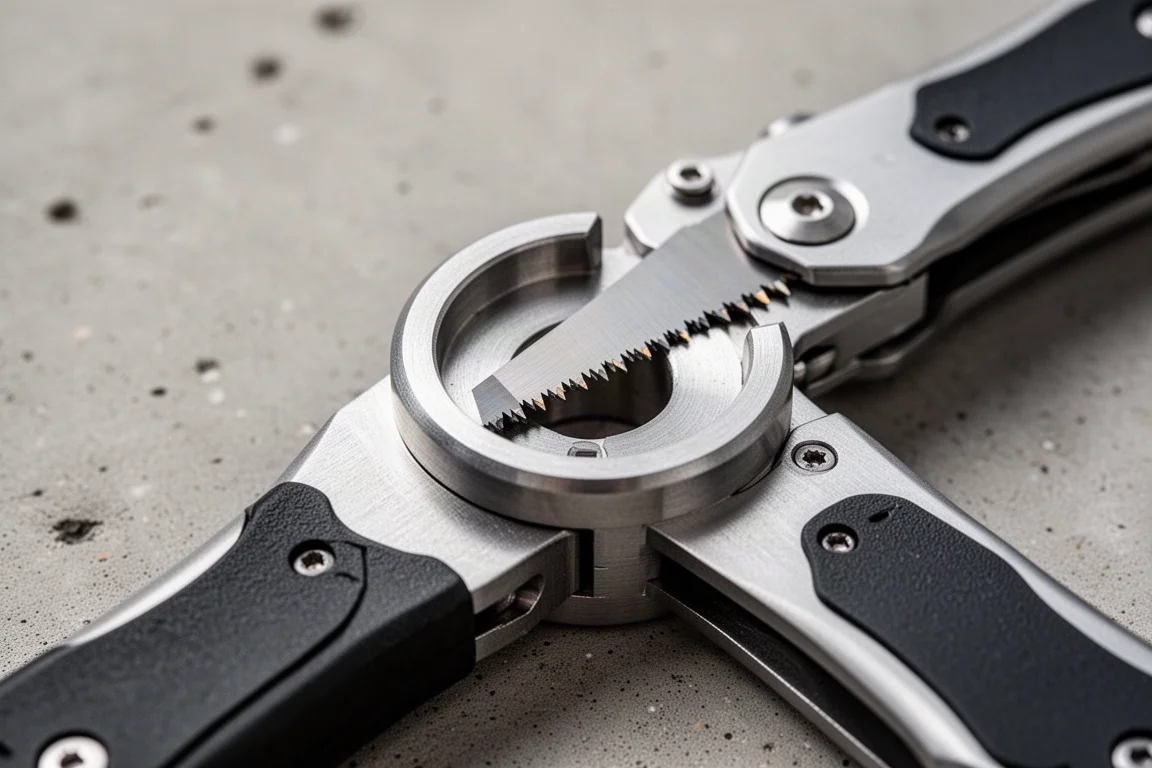
There are two broad camps here: folding jab saw handles that accept standard reciprocating blades, and traditional folding pruning saws with fixed blades like the Silky and Bahco options below. Both earn their place in a toolbox, but they solve different problems.
Milwaukee Folding Jab Saw
Milwaukee’s folding version uses the standard Sawzall blade holding mechanism, which is rock solid. You simply insert the blade into the handle, and a button push folds the blade in and out. The original non-folding Milwaukee version even has a hollow design that lets you attach something like a mop handle to make a long-reach saw for tree work, and it was inexpensive for how well built it is.
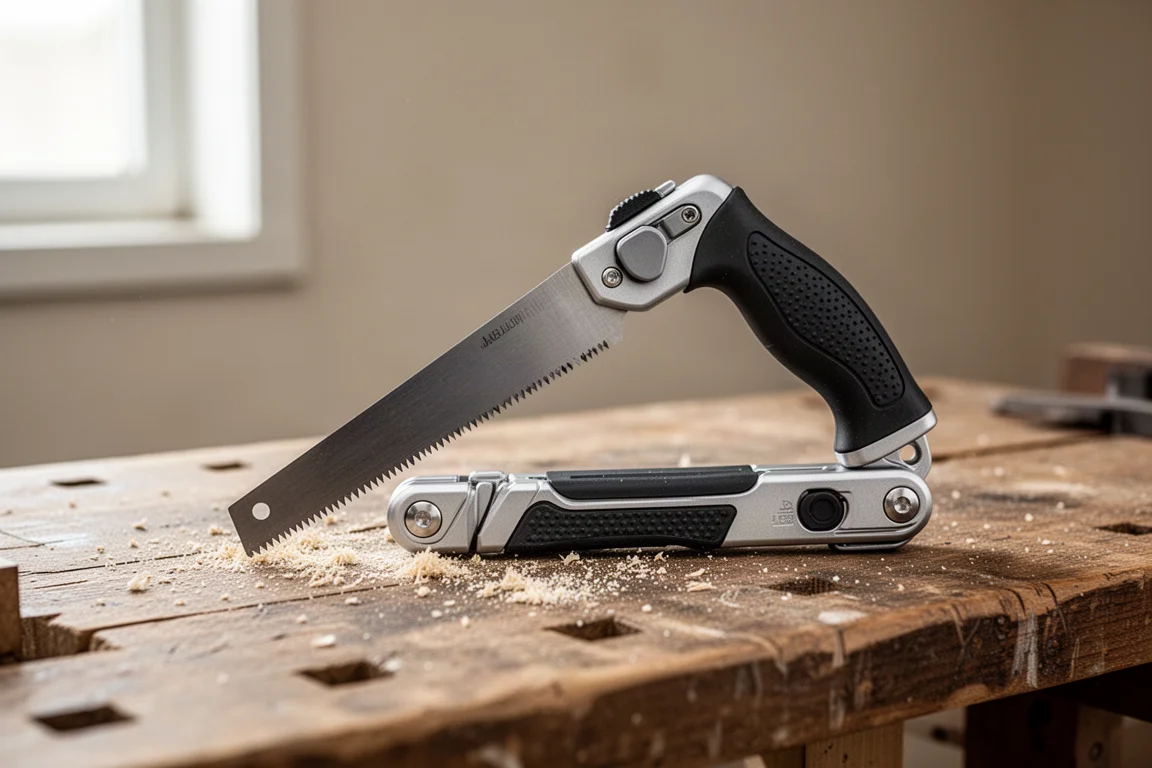
The folding model is handy but has room for improvement. Getting the blade out can be persnickety: you really have to push hard and wiggle before it releases, and the harder handle material is less grippy than some rivals. The fixed blade length also limits you, since some competing handles offer a slot for longer blades that would sit exposed.
Klein Folding Jab Saw
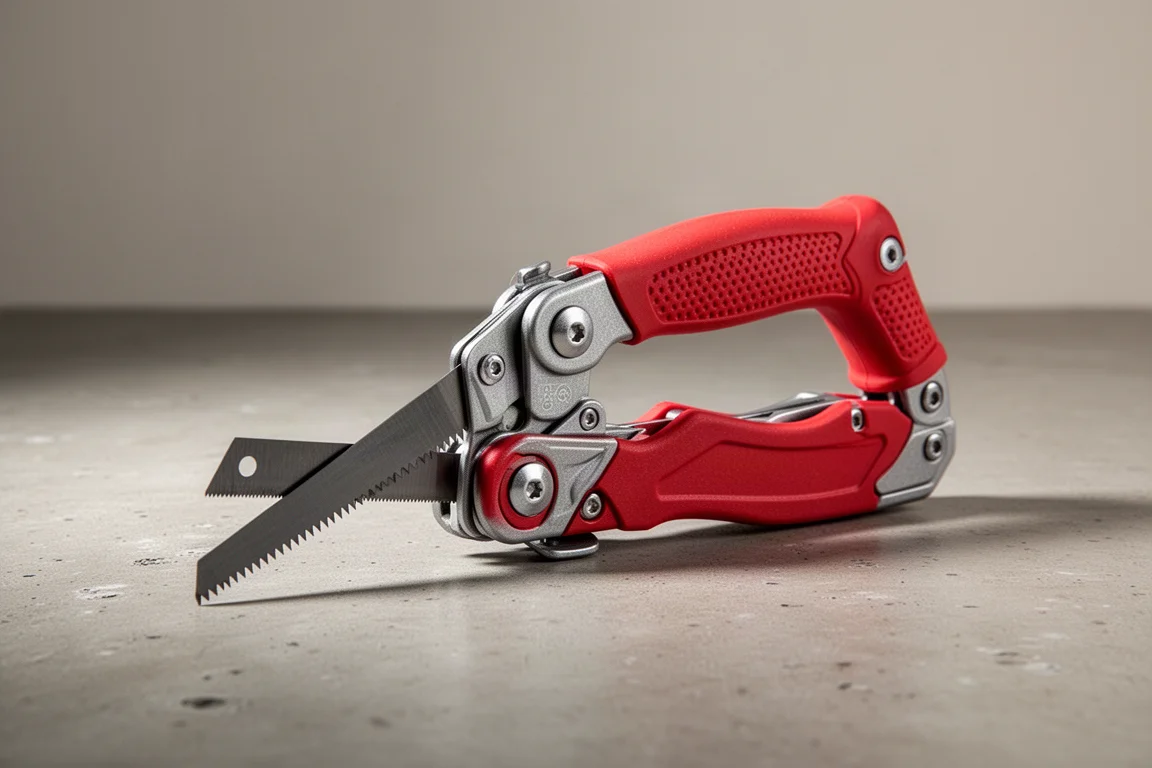
Klein takes a different approach, and it is the main drawback of an otherwise sturdy tool. To remove the blade you actually have to disassemble the handle, and it does not take standard reciprocating blades, requiring a proprietary blade instead. On the plus side, the handle is solid, the lock seems firm, and the included jab saw blade is nice and sharp.
Silky Pocketboy
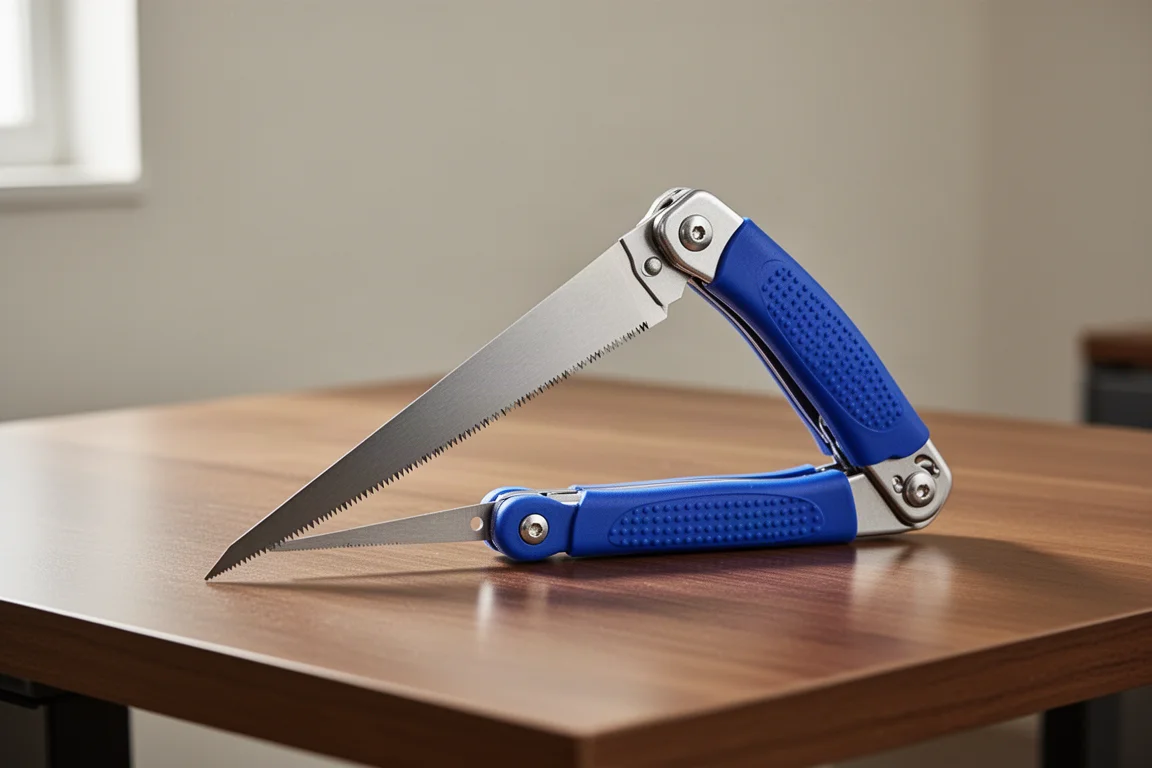
Silky saws are widely respected replacements for the traditional folding wood saw, and the Pocketboy is a great example of how the company encodes blade specs in the handle color and model number. An orange handle signals a coarse blade, and the 170 in the name refers to 170 millimeters of cutting surface, with roughly 10 teeth per inch making this a fairly coarse cutting configuration.
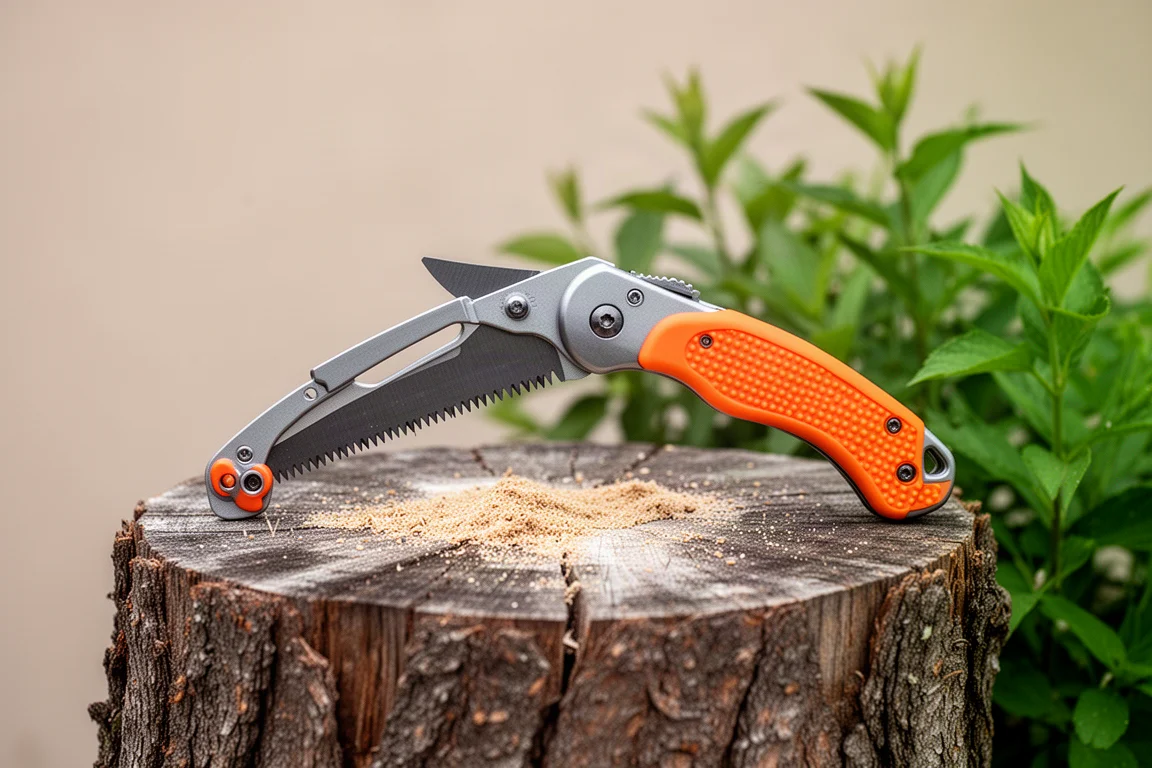
If your cutting is mostly green wood, pruning, and camping tasks rather than construction materials, this style of fixed-blade folding saw is arguably better suited than a reciprocating blade holder.
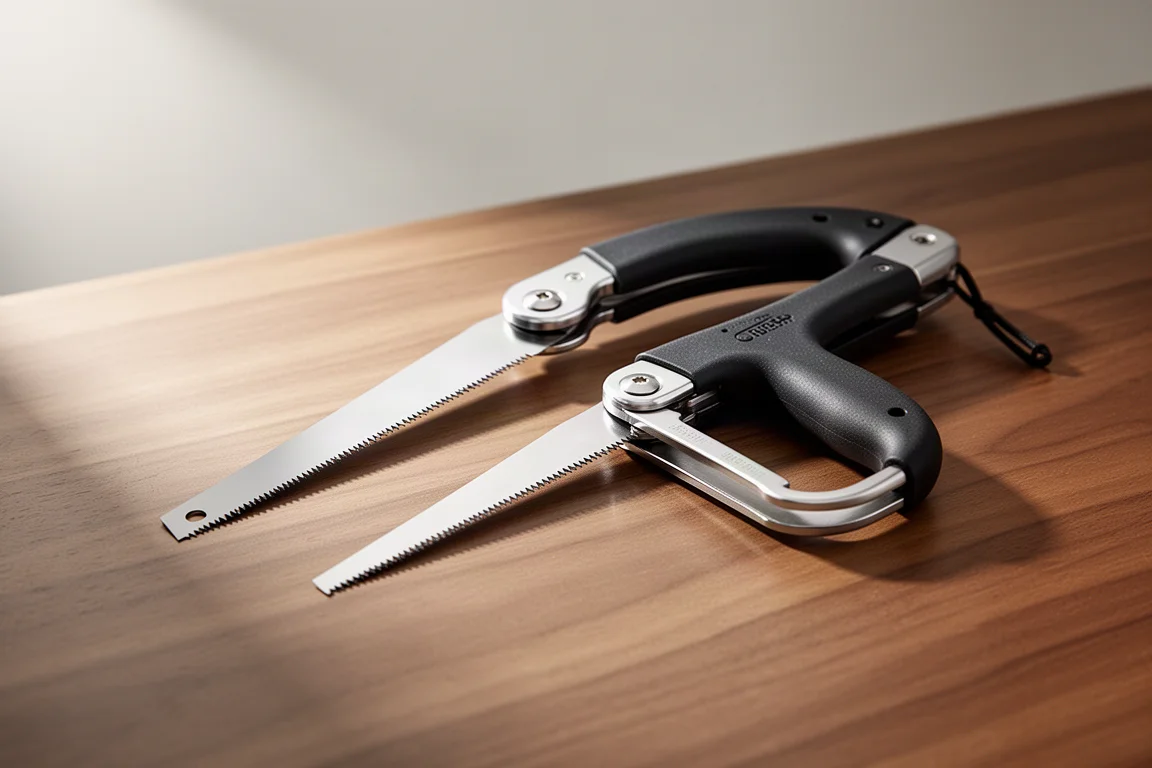
Bahco Laplander
The Sandvik-designed Bahco Laplander is another very common and popular folding saw. It uses a much finer tooth pattern in a Swedish design, and many people use these as bone saws as well as general outdoor saws. If you want a finer, cleaner cut than the coarse Pocketboy configuration, this is the traditional folding saw to look at.
Snap-On Folding Jab Saw Handle
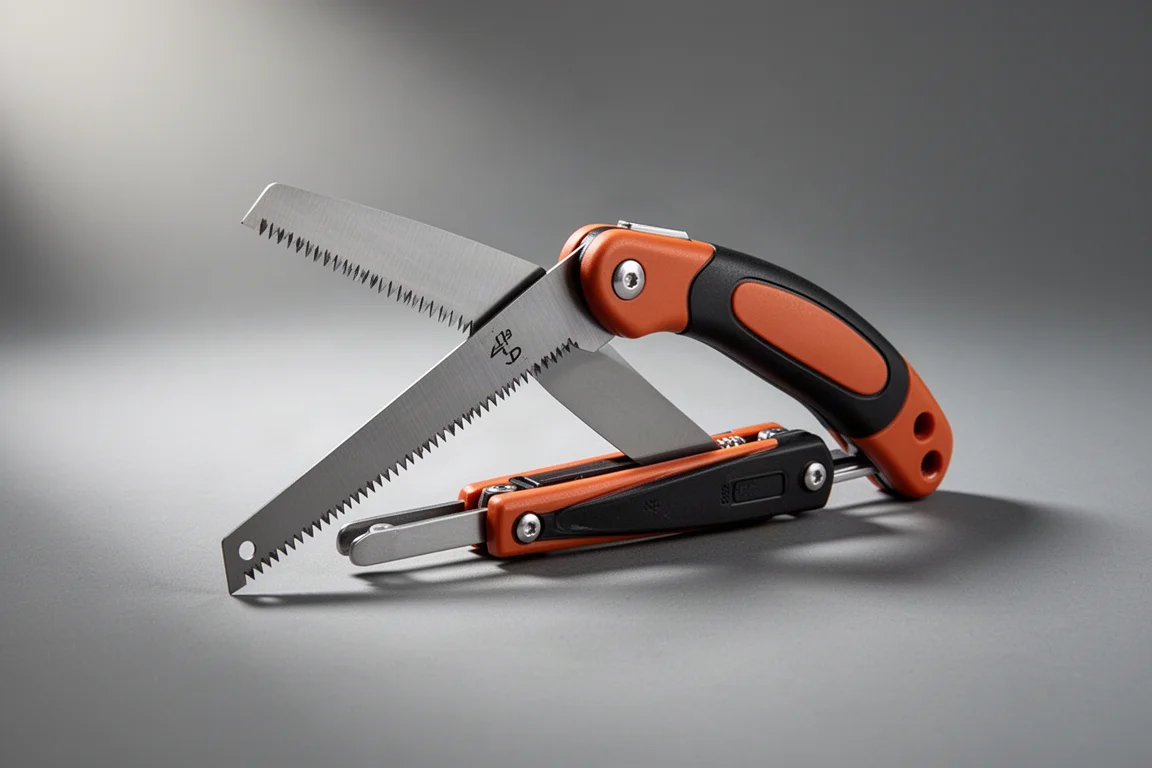
Snap-On’s entry feels kind of primitive by comparison. The company essentially took one of its screwdriver handles and attached a mechanism you have to unscrew to change the blade. It does hold the blade really quite solidly, but changing it is a pain, and there are multiple small parts that end the whole tool if you drop or lose one.
The bigger issue is the handle angle: this is a twisting handle, not a sawing handle, so it is not a good driving grip for sawing strokes. It is a design that really needs an update.
Best Overall: Lenox Folding Jab Saw
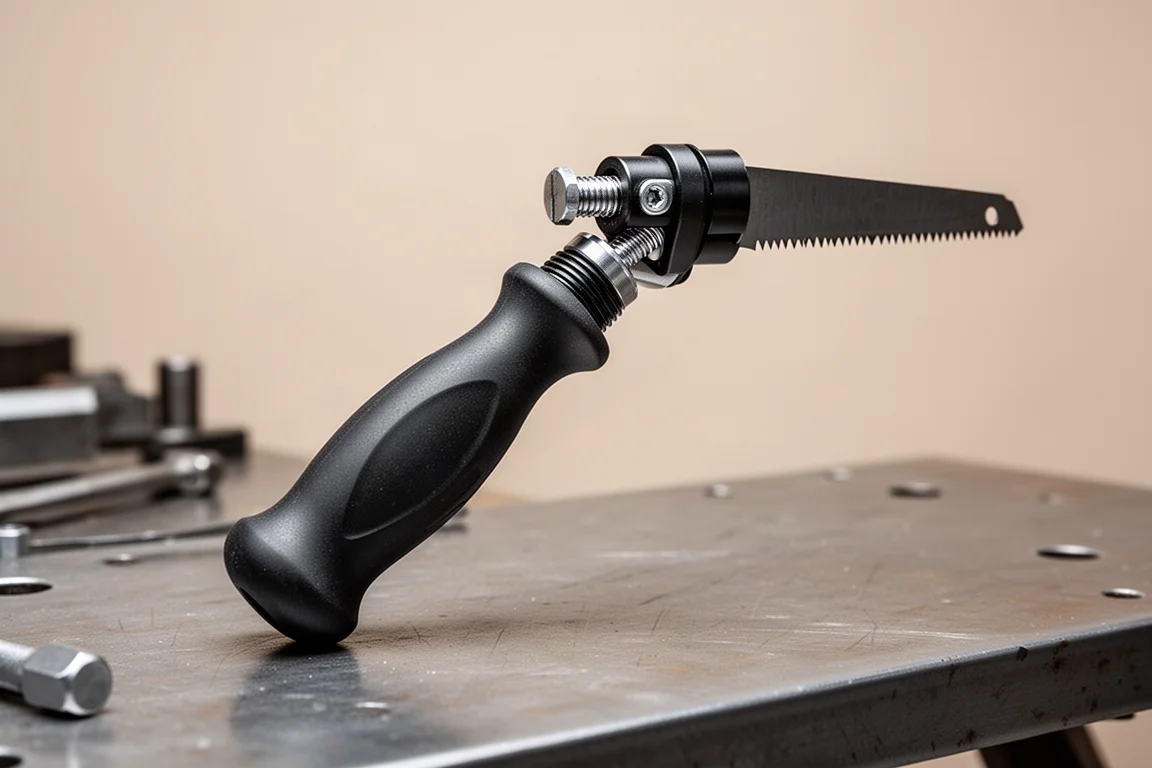
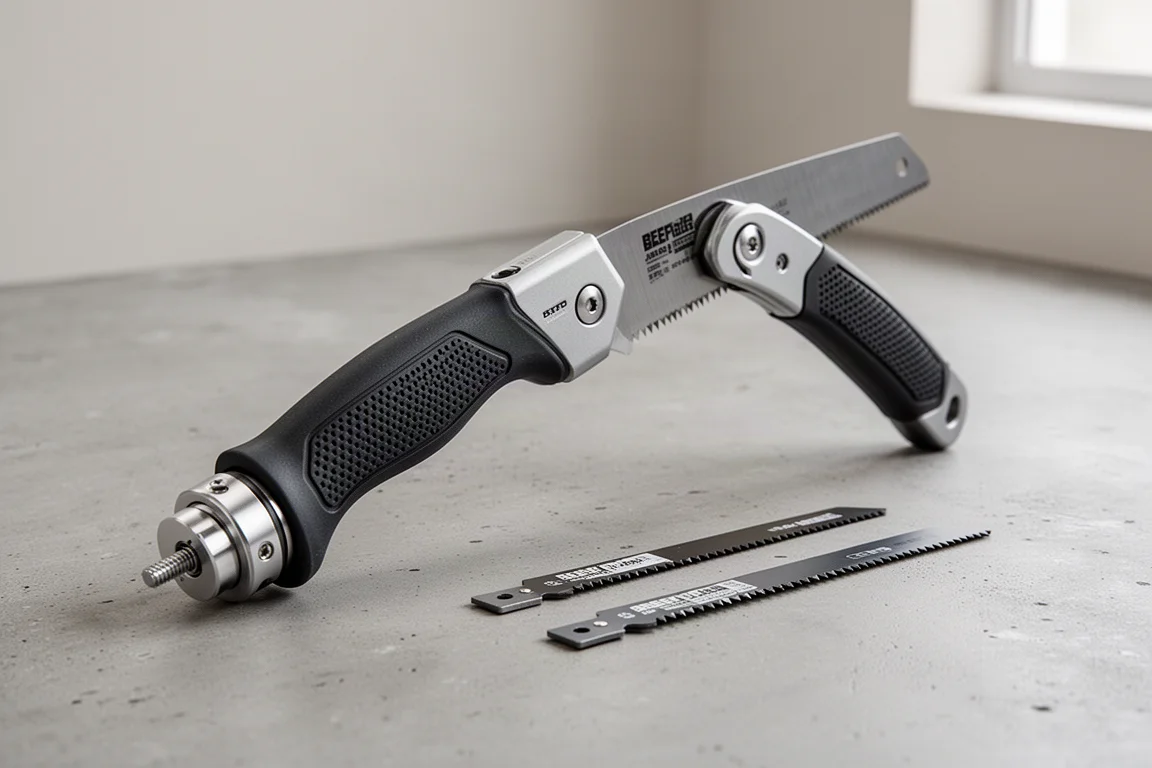
The Lenox has moved into favorite folding jab saw position. It has a button release, and you twist the end cap to remove the blade. The lock-up is solid, the handle is grippy and on the bigger, heavier side, though none of these tools are all that heavy overall.
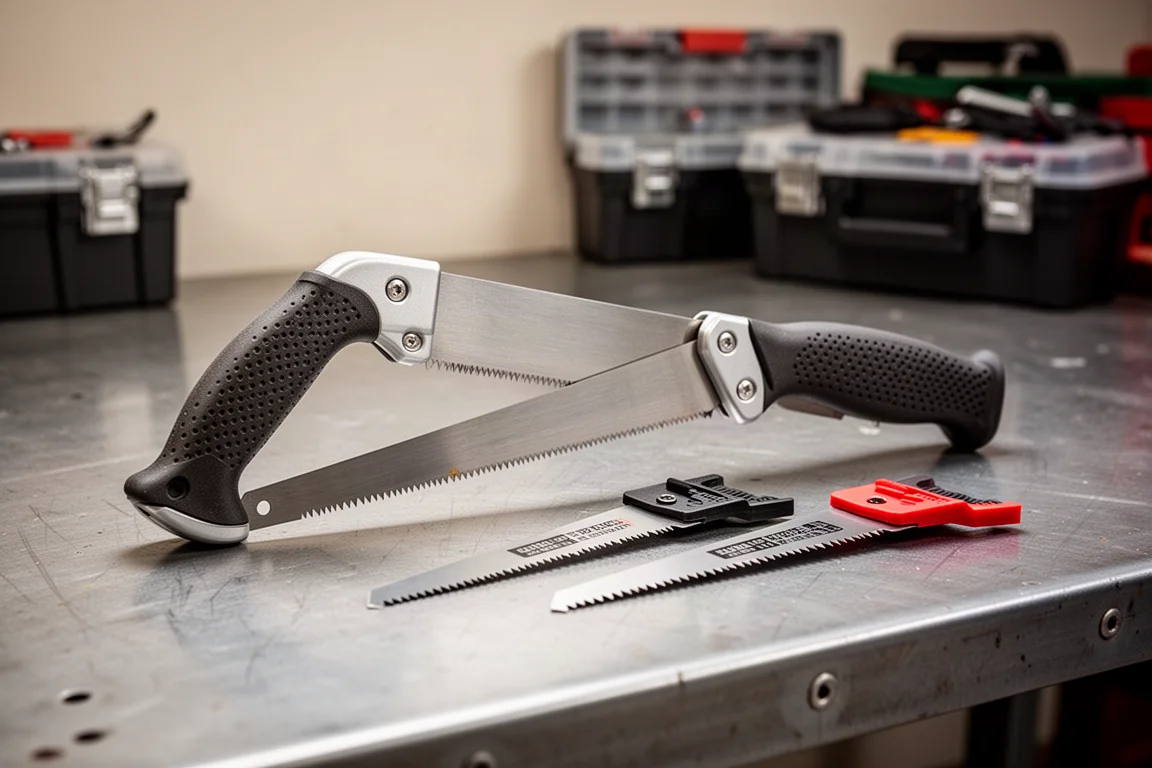
Blade holding is where this design shines. Spin off the cap and the blade sits in a collar, held by a magnet so it stays in place while you work. Screw the heavy aluminum cap down tight and the blade is held snugly against both the collar and the seat, so it should not come loose. Note that this particular model is not reversible, though some others are.
It came with two blades, including a traditional reciprocating blade, and at around $19 it sits right about average for the category. Given the pile of carbide, diamond, and cast iron blades most tool owners accumulate, a solid, inexpensive handle like this makes the most of blades you already have.
Buying Advice
If you want maximum blade flexibility, the Lenox folding jab saw is the strongest pick right now: quick button release, a magnetic collar that holds the blade securely, and a grippy handle at an average price for the category. The Milwaukee folding saw is a solid, budget-friendly alternative if you can live with stiff blade removal. The Klein is well built but locks you into proprietary blades. The Silky Pocketboy and Bahco Laplander suit outdoor and pruning cutting best, and the Snap-On handle is best skipped unless you are already invested in that ecosystem.
Conclusion
A good folding jab saw handle turns the stack of reciprocating blades most people already own into a compact hand tool. The Lenox currently leads this field on lock-up, blade holding, and price, while the Milwaukee remains a dependable budget option and the Silky and Bahco covers fine traditional sawing. Choose based on whether you need blade flexibility or dedicated outdoor cutting.
Więcej do przeczytania
Powiązane recenzje
Hand Tools
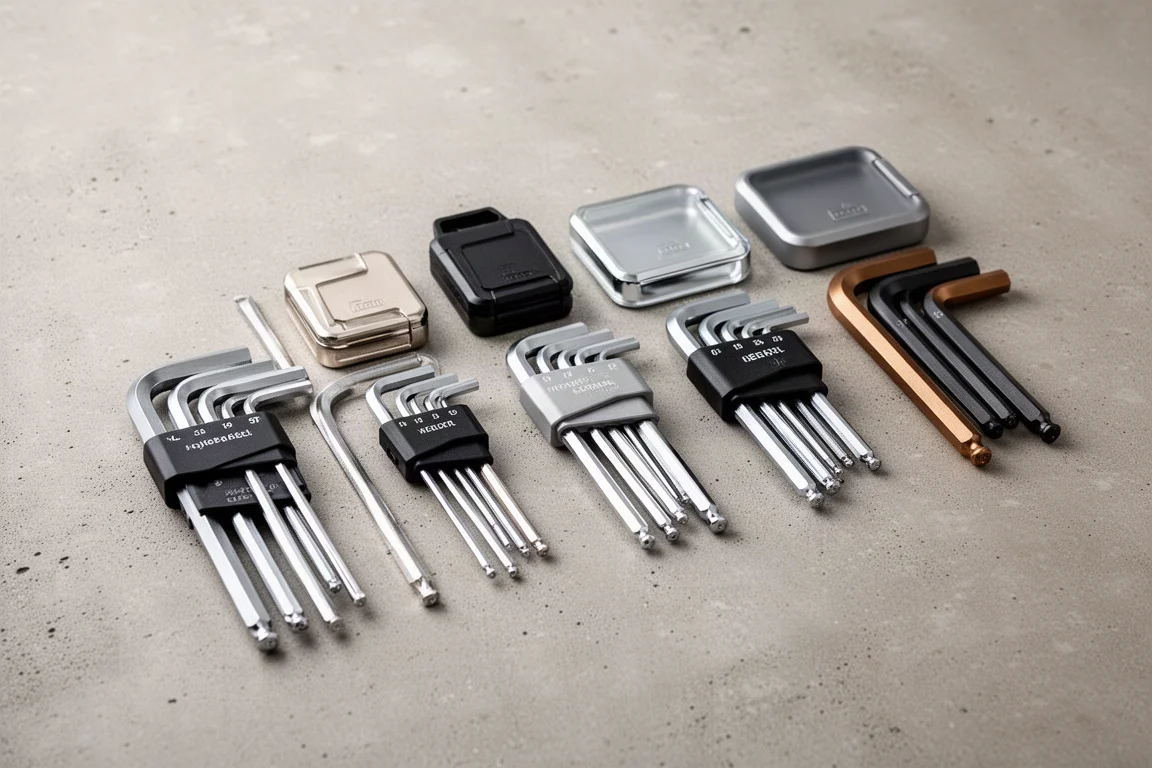
Najlepsze zestawy kluczy imbusowych L 2026: dziewięć zestawów przetestowanych pod kątem rzeczywistego momentu obrotowego
Dziewięć zestawów kluczy imbusowych L od budżetowych po premium, przetestowanych pod kątem momentu obrotowego, dopasowania i trwałości. Zobacz, które zestawy zapewniają realną wydajność, a które lepiej pominąć.
Hand Tools
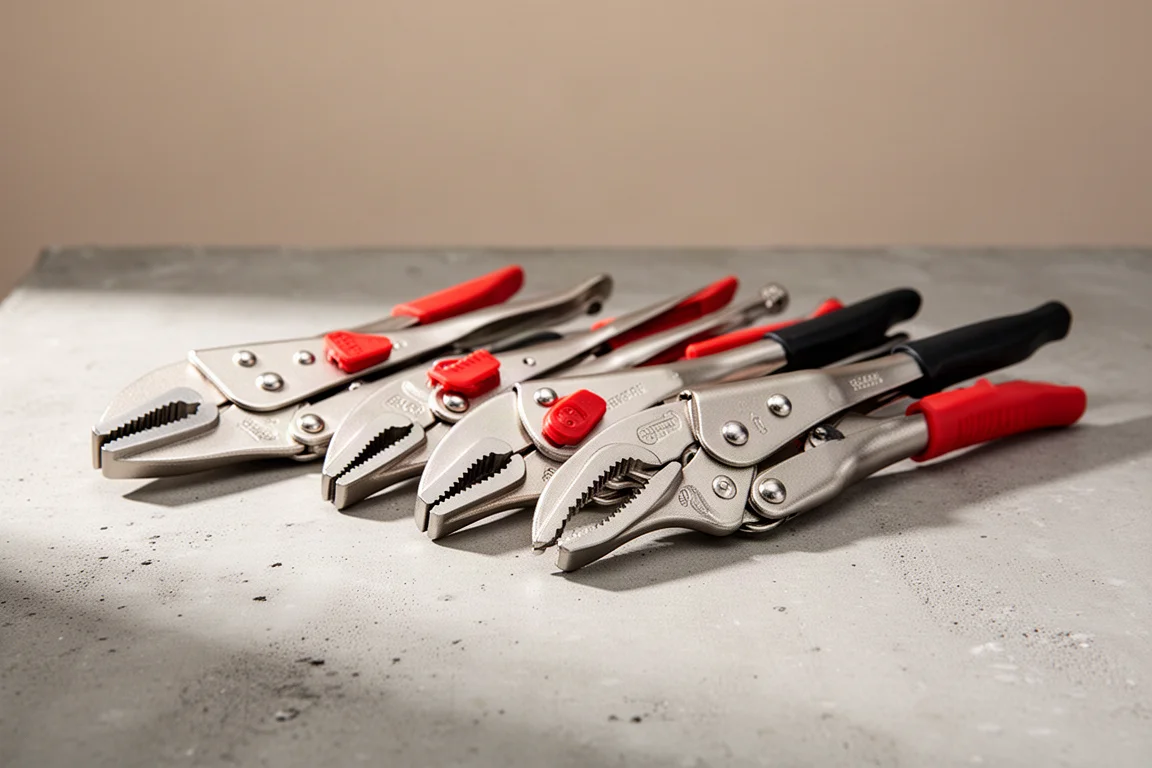
Najlepsze szczypce zaciskowe 2026: Najlepsze propozycje przetestowane pod kątem chwytu i trwałości
Przetestowaliśmy 18 marek 10-calowych szczypiec zaciskowych pod kątem siły chwytu, zacisku szczęk, jakości wykonania i łatwości zwalniania, aby znaleźć najlepsze opcje do trudnych zadań.
Hand Tools
Porównanie kluczy grzechotkowych: cztery zestawy poddane testowi
Porównujemy cztery zestawy kluczy grzechotkowych z podwójnym oczkiem i główką przegubową pod względem ceny, płynności działania, rozmiaru główki i trwałości, aby sprawdzić, który oferuje najlepszy stosunek jakości do ceny.