Nederlands · Backpacking Tents
MSR FreeLite 2 Review: Een lichtgewicht tweepersoonstent met echte compromissen
Een nadere blik op de MSR FreeLite 2, een lichtgewicht tweepersoons backpacktent met een compact pakvolume, twee voortenten en een opzetroutine die geduld beloont.
Introduction
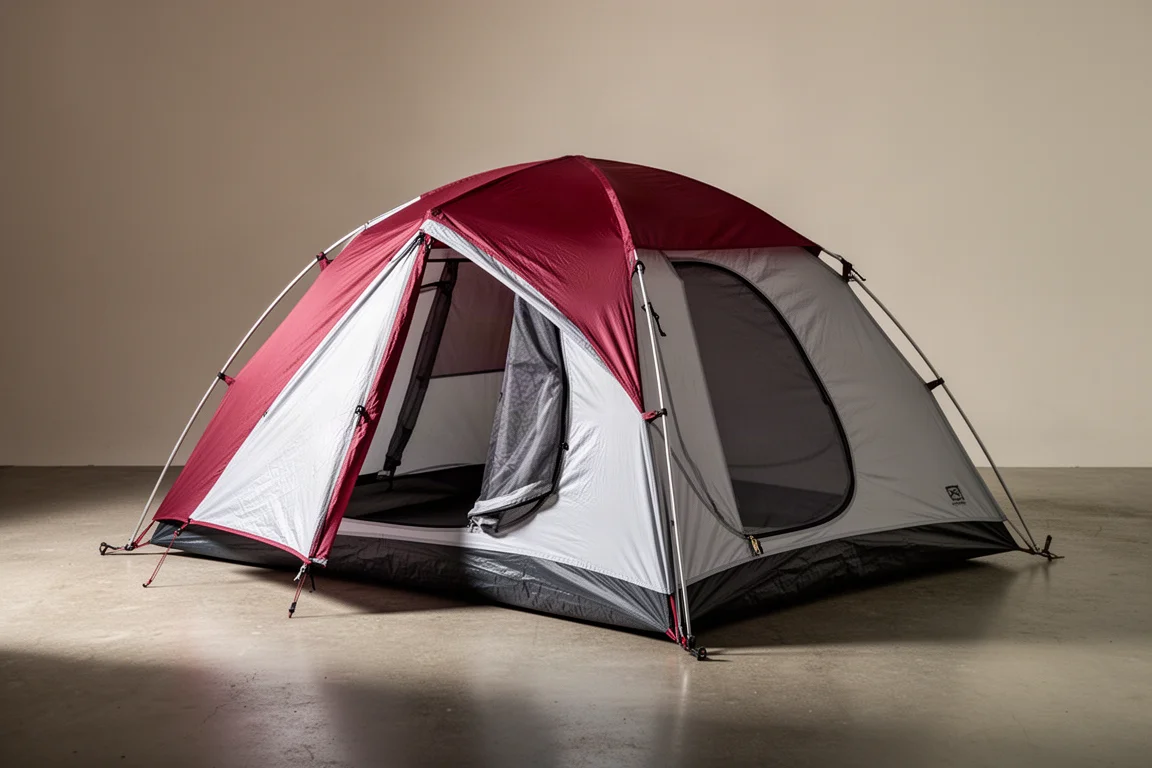
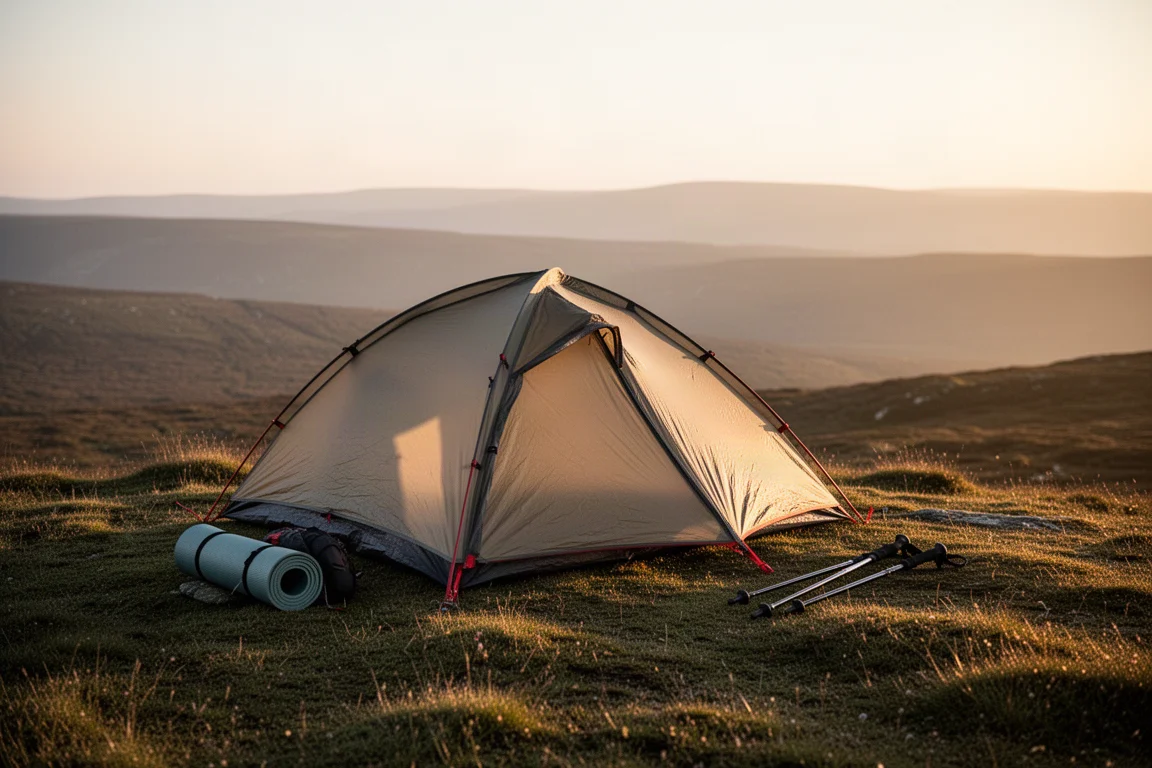
The MSR FreeLite 2 is a two-person backpacking tent from a maker with a strong reputation in lightweight shelters. It has been used through a winter season and on open moorland, and it has already earned a clear personality: light on the back, tidy once standing, and more demanding to put up than many rivals.
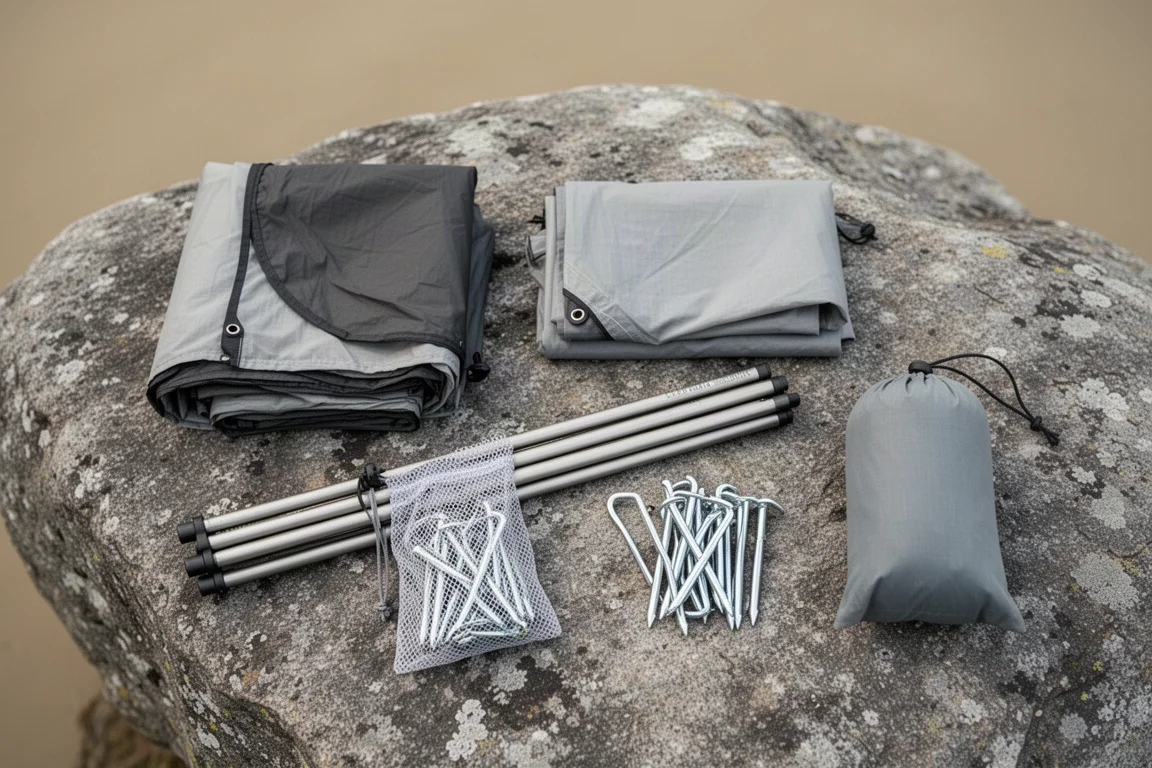
The packed weight comes in at 1.82 kg, which is a middling figure rather than a record. It sits a little above the lightest two-person shelters in this class and comfortably below the heavier end of the market. The package includes a footprint, an inner skin, an outer skin, pegs, and poles, so the essentials arrive together.
Voor wie de MSR FreeLite 2 is bedoeld
Treat the two-person label as one person plus gear. A single occupant with a pack, boots, a stove, and a sleeping system has room to spread out, and that is where this tent makes the most sense. Two adults sharing it will find it workable but close, which is a fair description of most shelters in this weight class.
It also suits anyone who wants a lightweight shelter with a quality feel and does not mind a more deliberate pitching routine. It has been used in winter and stayed warm despite the generous mesh, so cold-weather trips are realistic. Riders and hikers who pitch late and move fast may prefer something simpler to erect.
Main Strengths
The fabric is the standout. It feels thin but resilient, lighter than comparable shelters yet without the brittle quality that makes some ultralight tents feel fragile. Stitching is neatly done throughout, with double stitching on the load-bearing seams, and the overall construction reads as a well-made product rather than a weight-saving exercise.
Once it is up, the pitch is genuinely drum tight across the main body. The three-pole frame runs a backbone across the top and spreads the sides outward, which gives the shelter a taut, wind-shedding profile. Guy lines at the back and sides let you lock the shape down further when conditions demand it.
The pack sack deserves a mention too. It is made from a lightweight waterproof material with compression straps, and it opens from the side rather than the end, so everything can be pushed back in without a fight.
Twee deuren en twee voortenten
Two doors, one on each side, mean two vestibules, and both are a useful size. There is enough room for boots, a stove, and a pack, with gear tucked out of the sleeping area overnight. The interior also has a small pocket and a run of hook loops around the ceiling for hanging a torch or a string of lights, which makes the space feel more organised than its footprint suggests.
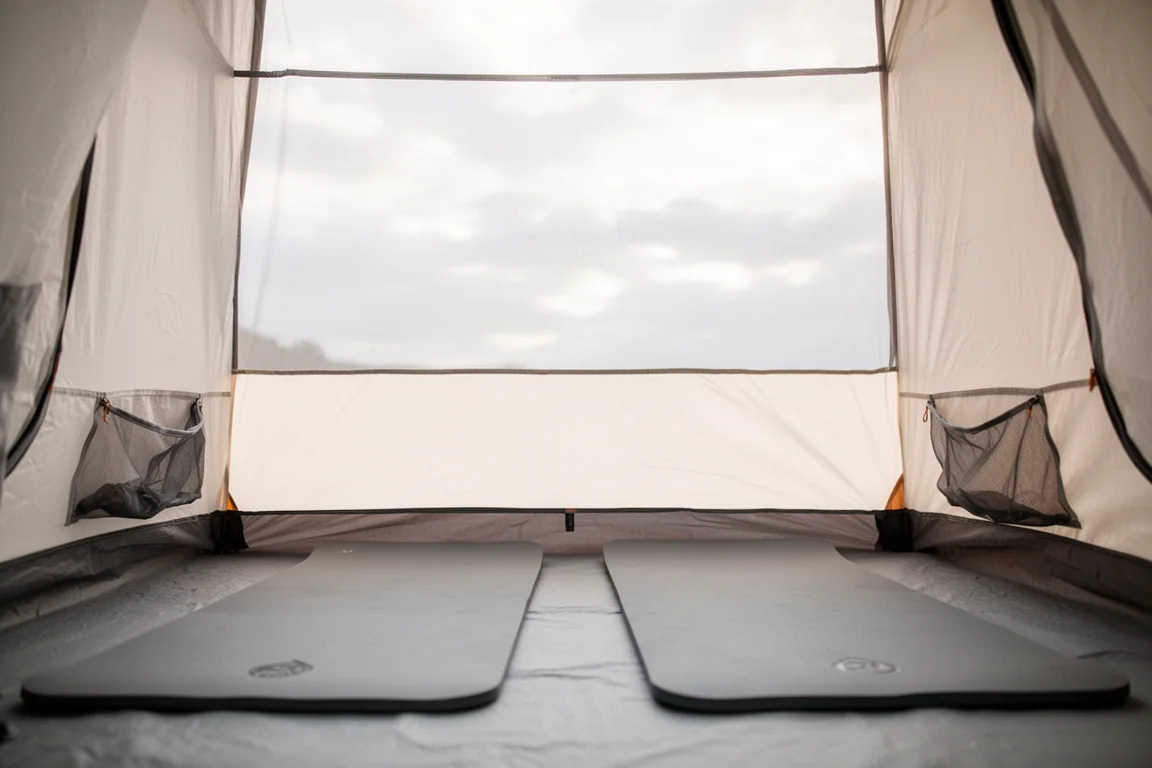
The interior is cozy rather than roomy. It is a low tent, and sitting up fully will have your head brushing the roof, so it is closer in feel to a compact bivvy-style shelter than a roomy weekend tent. The side doors can sag slightly when closed, and they rarely look as crisp as the main body of the tent.
Things to Consider Before Buying
There are a few practical points worth knowing before you commit, and most of them relate to pitching rather than to the shelter once it is standing.
Opzetvolgorde en het gedoe met de binnentent eerst
The conventional method is inner skin first, then the outer fly over the top. That is a real drawback in wind and rain, because the inner gets exposed while you work. MSR includes a webbing strap system that lets you hang the outer first and lift the inner up inside it, which is a thoughtful workaround, but the strap has to be untangled and threaded each time, and it is fiddly with cold hands.
There is no way to peg that strap down, so in a breeze it moves around until you get a stake into a corner. The included footprint also does not attach to the poles. Its corners have to be pegged separately to pull it tight, which adds another step.
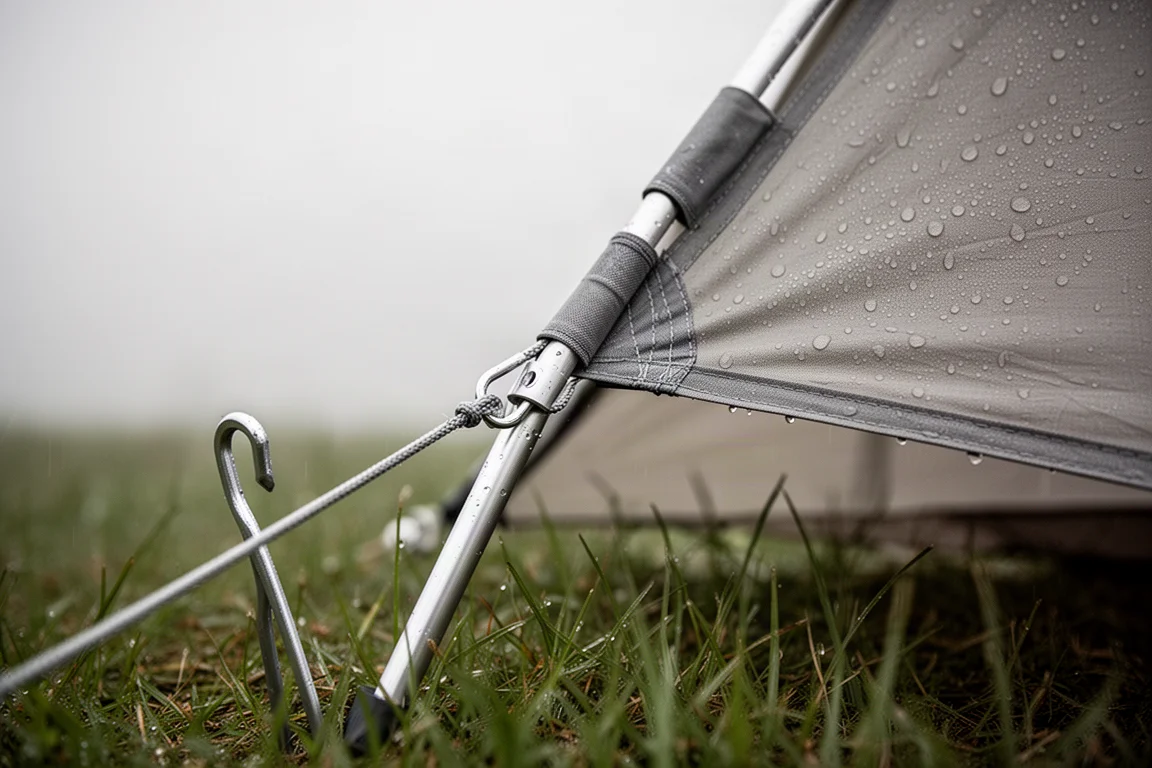
Seam sealing is another consideration. The tent may need it, and sealant is not part of the standard package, so it is worth confirming before your first wet trip and budgeting for it if required.
Not Fully Freestanding
Despite the three-pole frame, this is not a fully freestanding tent. It cannot be picked up and repositioned once pitched. If the wind shifts and you want to move it, you are effectively taking it down and starting again, which is worth weighing up if you camp in exposed places and like to fine-tune your pitch.
Koopadvies
This is a premium tent, and even a secondhand example represents a serious outlay. What you get for that money is excellent fabric, tidy construction, a genuinely tight pitch, and two well-sized vestibules in a compact pack. What you do not get is a forgiving pitching process or a shelter you can shuffle around after it is up.
If you are a solo backpacker who wants a light, well-built shelter and you are happy to learn its routine, the FreeLite 2 rewards that patience. If you regularly pitch in driving rain, want a fully freestanding design, or expect two adults to share it comfortably, look carefully at the alternatives first. Either way, factor in seam sealant and a spare evening to practise the outer-first method before your first trip.
Conclusion
The MSR FreeLite 2 is a good-quality lightweight tent with a tight final pitch, generous vestibules, and materials that feel built to last. Its weaknesses are procedural rather than structural: an inner-first pitching sequence, a footprint that needs separate pegging, and a frame that will not let you move the tent once it is up. Buy it for the fabric, the finish, and the low packed weight, and go in knowing that setup takes a little more care than the simplest shelters on the market.
Productlink
Bekijk meer details over MSR FreeLite 2
Dit product wordt in deze review genoemd. Controleer voor aankoop de specificaties, opties en compatibiliteit.
Bekijk meer details over MSR FreeLite 2Verder lezen
Gerelateerde reviews
Backpacking Tents
Lanshan 1 Tent Review: 3-Season vs 4-Season Vergeleken
Een praktische vergelijking van de Lanshan 1 in zijn 3-seizoenen- en 4-seizoenenuitvoering, met aandacht voor pakgewicht, formaat, materialen en hoe je de juiste kiest.
Backpacking Tents
Lanshan 2 Pro Review: Een lichtgewicht tweepersoonstent met trekkingstokken
Een eerste blik op de Lanshan 2 Pro, een single-wall drieseizoens schuilplaats met trekkingstokken, met een laag pakgewicht, een indeling met twee deuren en een paar details die je wilt weten voordat je koopt.
Backpacking Tents
3F UL Gear Lanshan 2 vs Lanshan 2 Pro: welke ultralichte trekkingstok-tent past bij jouw trip?
Een praktische vergelijking van de 3F UL Gear Lanshan 2 en Lanshan 2 Pro: wandconstructie, opzetten, condensatie, naden sealen, gewicht en prijs, en welke shelter bij jouw tochten past.