Nederlands · Hand Tools
Harbor Freight Telescopic Tools: Two Pittsburgh Picks Worth a Look
A ratchet with telescopic handle and a budget telescopic socket driver from Pittsburgh, with practical notes on where each one fits in a tool kit.
Introduction
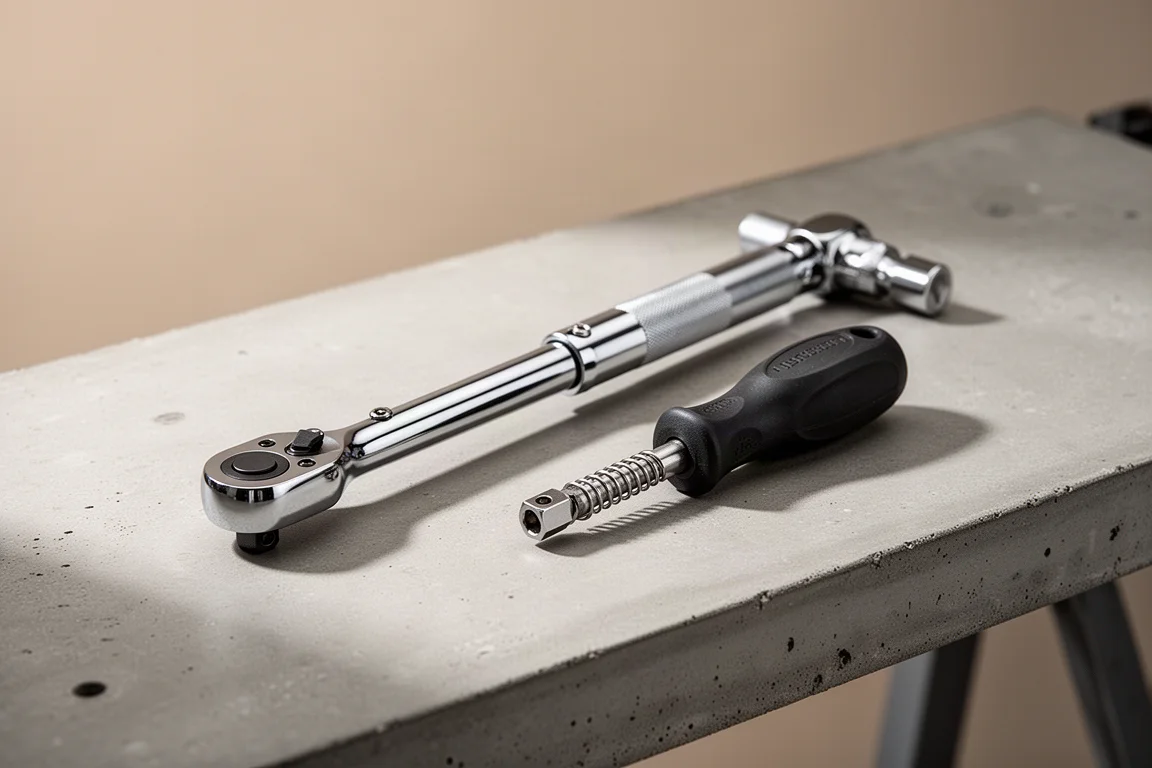
Telescopic tools occupy a peculiar niche. Most people walk past them in the store and wonder who actually needs one. Harbor Freight carries a surprisingly wide range of them, roughly fifteen products with some form of telescopic function, from inspection mirrors to picking tools. Two of the Pittsburgh products stand out as genuinely useful: a long half inch drive ratchet with a telescopic handle, and a quarter inch drive telescopic socket driver that costs about ten dollars.
They solve different problems. One gives you leverage when you need it and collapses when you do not. The other turns a humble socket into a dedicated nut driver. Here is how each one performs.
Pittsburgh Ratchet with Telescopic Handle, 1/2 inch Drive
This is the most obvious of the two, and you have likely seen it on a Harbor Freight shelf and wondered about it. Collapsed, it measures about 13 inches (approx. 33 cm), which is manageable in a vehicle kit. Extended, the handle reaches about 18 inches (approx. 46 cm), which is asking a lot of free space from some cars but provides real leverage where it counts.
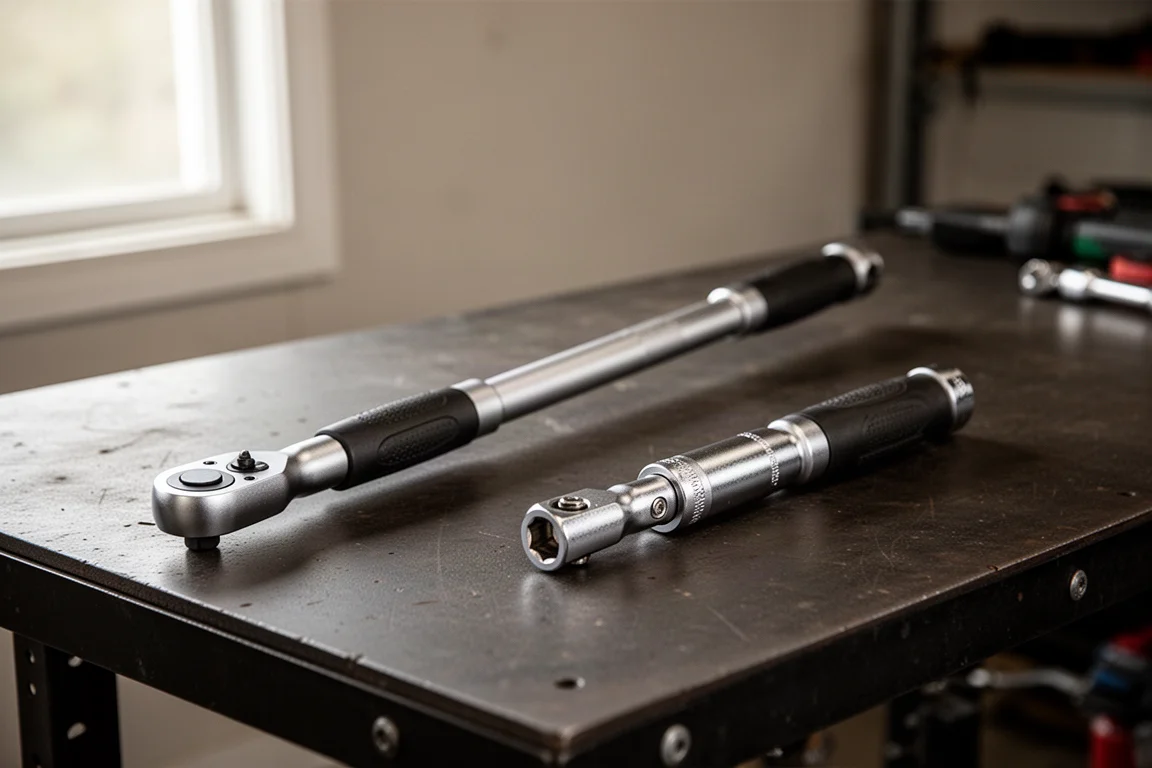
The head locks, which matters more than it seems. A locking head keeps the socket from dropping in the mud or rolling under the car at the worst possible moment, when the ratchet pops off both the socket and the wheel nut.
Where the Long Ratchet Makes Sense
The clearest use case is a vehicle emergency kit for loosening wheel nuts when changing a flat tire. As a half inch drive tool, it is quite sturdy, and unless you really put your full weight on it, it should hold up, even at Pittsburgh’s price tier.

If the ratchet mechanism ever does give out, there is even a field fix: open it up with a screwdriver, fill it with grit or something similar, and smash the mechanism so it locks up. That effectively turns it into a breaker bar to get the wheel nuts off. Not elegant, but the kind of thing worth knowing if this lives in a trunk kit.
One caveat: pawn shops are full of broken Pittsburgh tools, and the lifetime warranty only helps if you are willing to bring it back. Here the likely failure point is the small spring in the telescopic mechanism, a two-cent part that, if it goes, leaves the shaft flopping around. It is a fair trade at this price, but worth going in with eyes open.
Pittsburgh Telescopic Socket Driver 1/4 inch (59731)
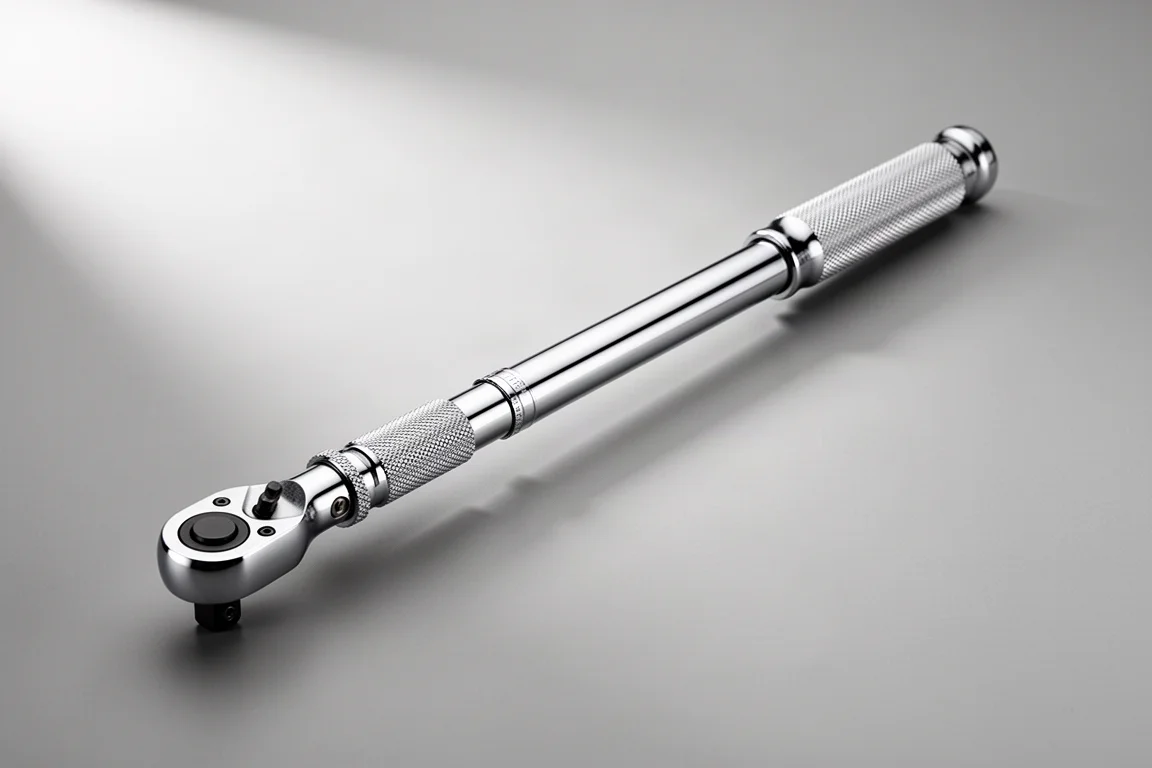
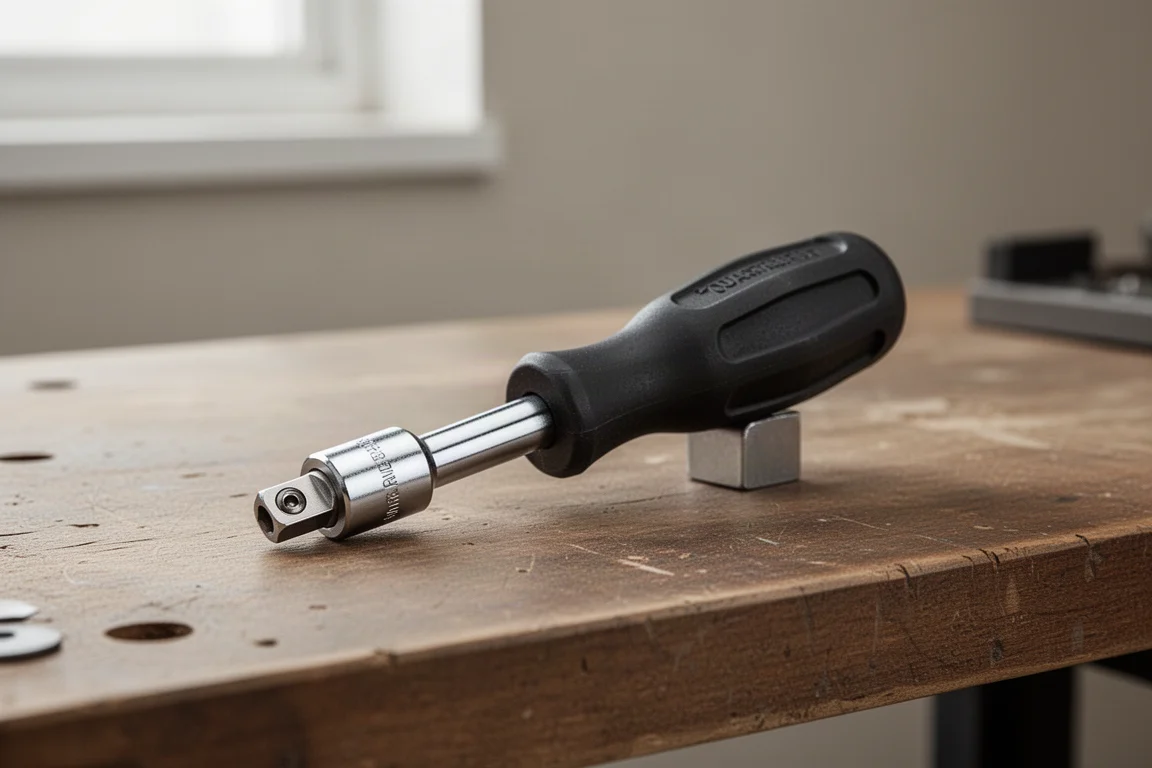
This one is the sleeper tip. It works like the classic quarter inch driver from premium brands, a screwdriver-style handle that accepts sockets instead of bits, essentially giving you multiple wrenches in one tool. What makes the Pittsburgh version interesting is the price: about ten dollars, which is remarkable for a tool with moving parts.
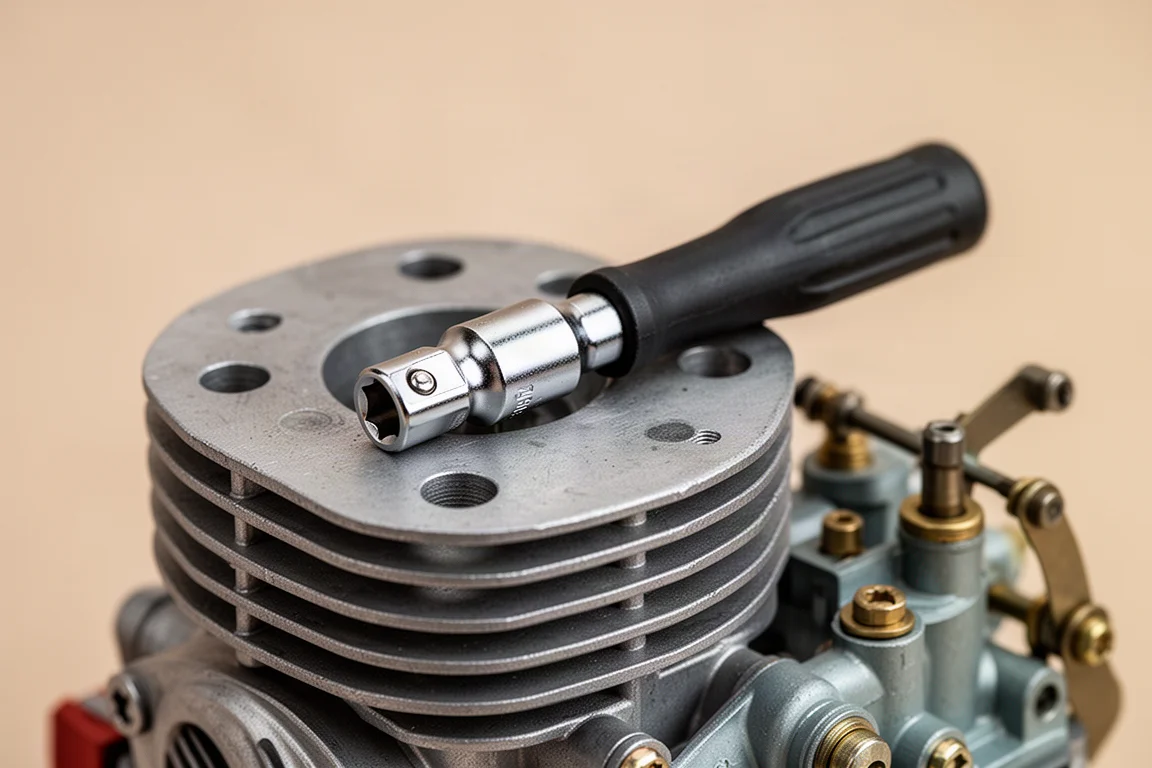
The extending shaft is spring-loaded, so if you push it in too far, it lands automatically in the locking position and stays there. That saves you searching for the detent. The mechanism itself is not under much stress in normal use, since you are mostly twisting rather than pushing hard, and the load sits in the hexagonal frame rather than on the ball detent.
How the Socket Driver Earns Its Place
The practical appeal lies in simplicity. For small engine work and similar jobs, keeping a driver dedicated to one common fastener size means no digging for the right wrench. And when a job requires more speed or torque, the back end accepts a ratchet, so you can use the tool both in strength and in repetition.
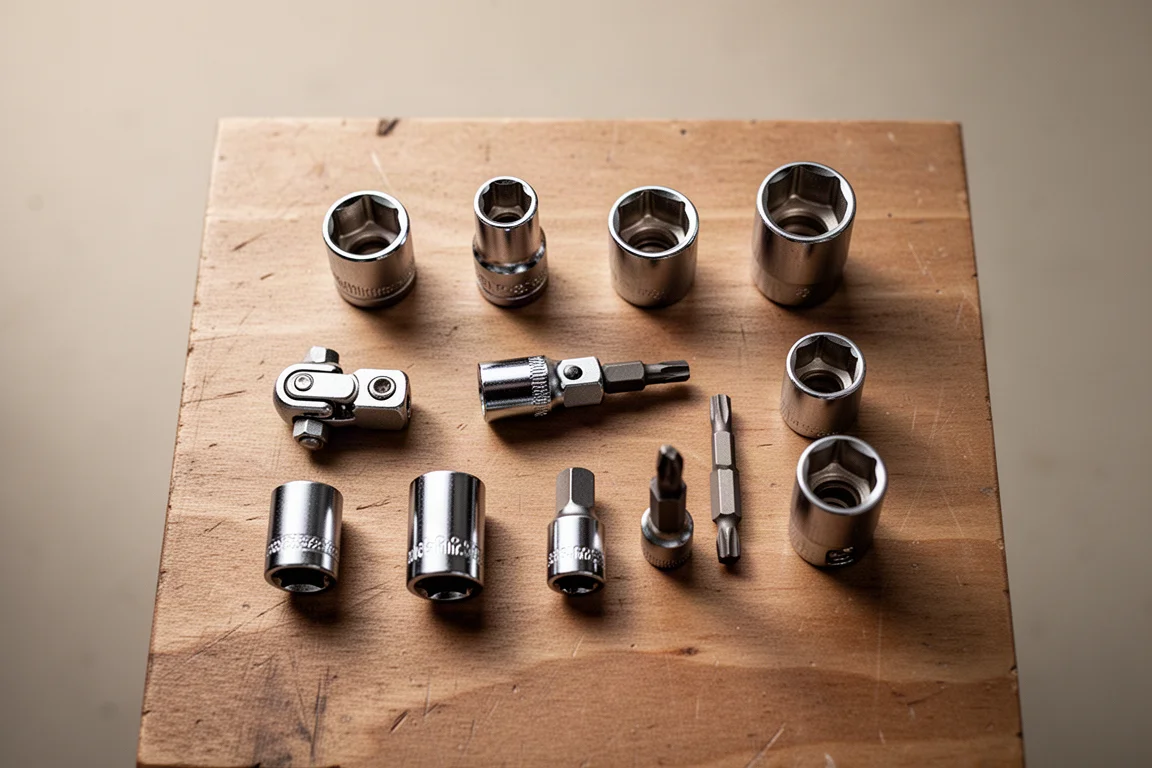
The rear square drive is a bit loose, and the telescopic stops land at a few preset points, though in practice it will likely live either fully in or fully out. Both are useful lengths. Add a bit adapter on the end and it becomes a fairly handy all-rounder.
Small Sockets, Locking Heads, and Add-Ons
The premium versions of this tool concept show where the idea can go. A variant with a locking head lets you attach a swivel, then swap sockets freely without the swivel coming off, effectively turning it into a swivel handle. Attach a premium adapter to that and the whole assembly becomes one locked unit. The catch is the cost: roughly 65 dollars for the handle and another 65 for the locking swivel, around 130 dollars for a quarter inch driver.
A mid-priced locking handle alternative sits around 20 dollars and gets you much of the same benefit with a smaller handle, plus your own swivel. Against those options, the ten dollar Pittsburgh starts to look very sensible for anyone who does not need the full locking swivel ecosystem.
Fair criticisms of the Pittsburgh: the chrome finish on the back is a bit rough, the quality of the plastic grip is unknown, and the small spring remains the weak link. It is also worth noting that some buyers would happily pay more for a sturdier version from a step-up line. But at ten dollars, if you do not already own something like this, it is an easy add.
Buying Advice
If your priority is a vehicle emergency kit, the telescopic ratchet with half inch drive is the one to consider. Its collapsed length of 13 inches (approx. 33 cm) fits in a trunk tool bag, the locking head keeps sockets where they belong, and the extended handle provides leverage for wheel nuts.
If your work involves lots of repetitive small fasteners, the quarter inch socket driver is the better buy. At about ten dollars, it is an inexpensive way to build dedicated nut drivers for common sizes, while it still accepts a ratchet when the job demands it. Skip the premium locking handle ecosystem unless you genuinely need swivel-and-lock setups, because that route quickly climbs past 130 dollars.
Conclusion
Neither of these tools is glamorous, but both make sense when matched to a real need: the long ratchet for roadside emergencies, and the socket driver for everyday work with small fasteners. For the price of a lunch, the smaller driver is an easy yes; the ratchet is worth the space if your kit has room for 13 inches of insurance.
Verder lezen
Gerelateerde reviews
Hand Tools
Beste inbussleutelsets 2026: negen sets getest op koppel in de praktijk
Negen inbussleutelsets van budget tot premium, getest op koppel, pasvorm en duurzaamheid. Ontdek welke sets echte prestaties leveren en welke je kunt overslaan.
Hand Tools
Beste waterpomptangen 2026: Topkeuzes getest op grip en duurzaamheid
We hebben 18 merken 10-inch waterpomptangen getest op gripkracht, kaakbeet, bouwkwaliteit en ontgrendelingsgemak om de beste opties voor zware klussen te vinden.
Hand Tools
Ratelmoersleutels vergelijking: vier sets getest
We vergelijken vier sets ratelende flexibele dubbelzijdige ringsleutels op prijs, soepelheid, kopgrootte en duurzaamheid om te zien welke de beste waarde biedt.