한국어 · Outdoor Gear
MSR Gear Guide: Zoic Tent and PocketRocket Stoves Explained
A practical look at MSR tents and stoves, covering the Zoic and three generations of the PocketRocket, plus how to buy with a return policy in place.
Introduction
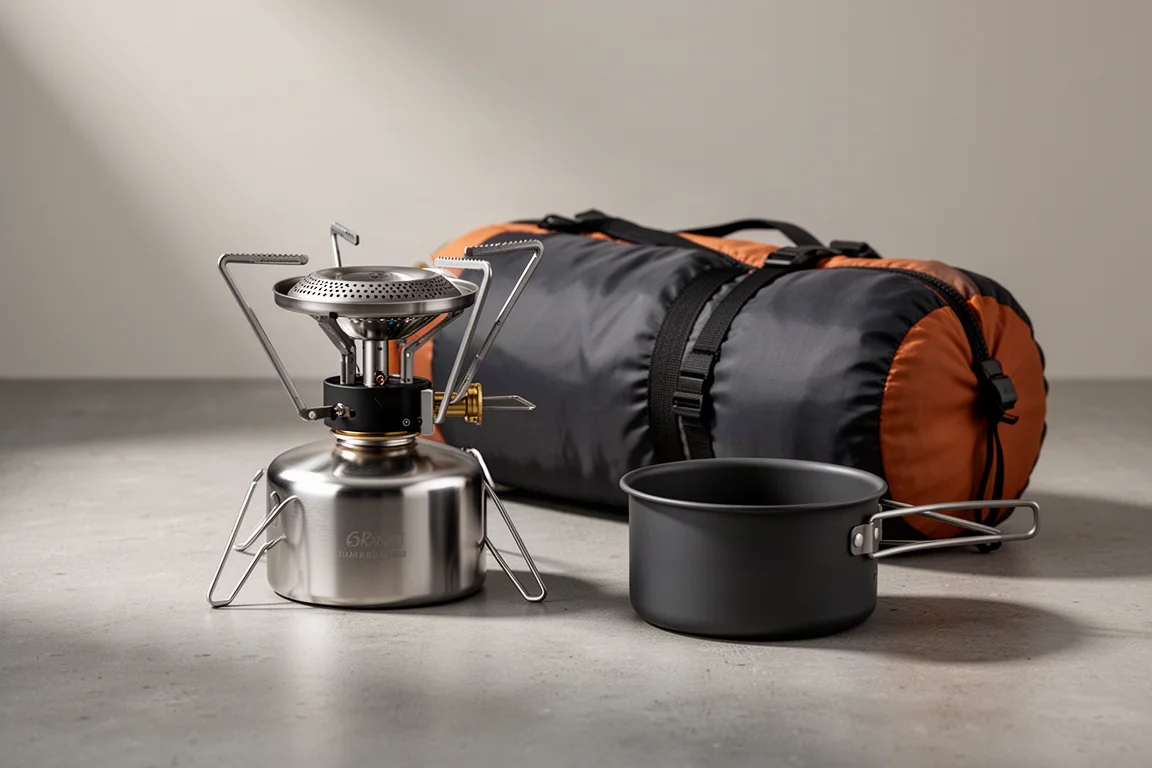
MSR, short for Mountain Safety Research, is one of the most established names in backpacking and mountaineering gear. The catalog covers tents, stoves, cookware, trekking poles, snowshoes and water filters, and the brand has been part of the outdoor market for more than five decades. That longevity is real, and so is the respect the name still carries.
The ownership experience, however, is more uneven than the reputation suggests. Performance varies noticeably from model to model, and premium pricing does not always translate into premium quality control. This guide looks at four MSR products, the Zoic tent and three generations of the PocketRocket stove, and explains how to buy with a safety net in place.
What MSR Is Known For
MSR began in 1969 as a newsletter covering mountaineering safety, which is where the name comes from. The first well-known product arrived in 1973 with the Model 9 camp stove. In 1981 the company was purchased by REI.
Ownership changed again in 2000, when MSR was combined with EdgeWorks, a tent manufacturer that built shelters for the Moss, Walrus and Armadillo brands. Those labels were dissolved and the products moved under the MSR name. A year later, in 2001, MSR was sold to Cascade Designs, a major outdoor holding company that also owns Therm-a-Rest, Platypus, SealLine and PackTowel.
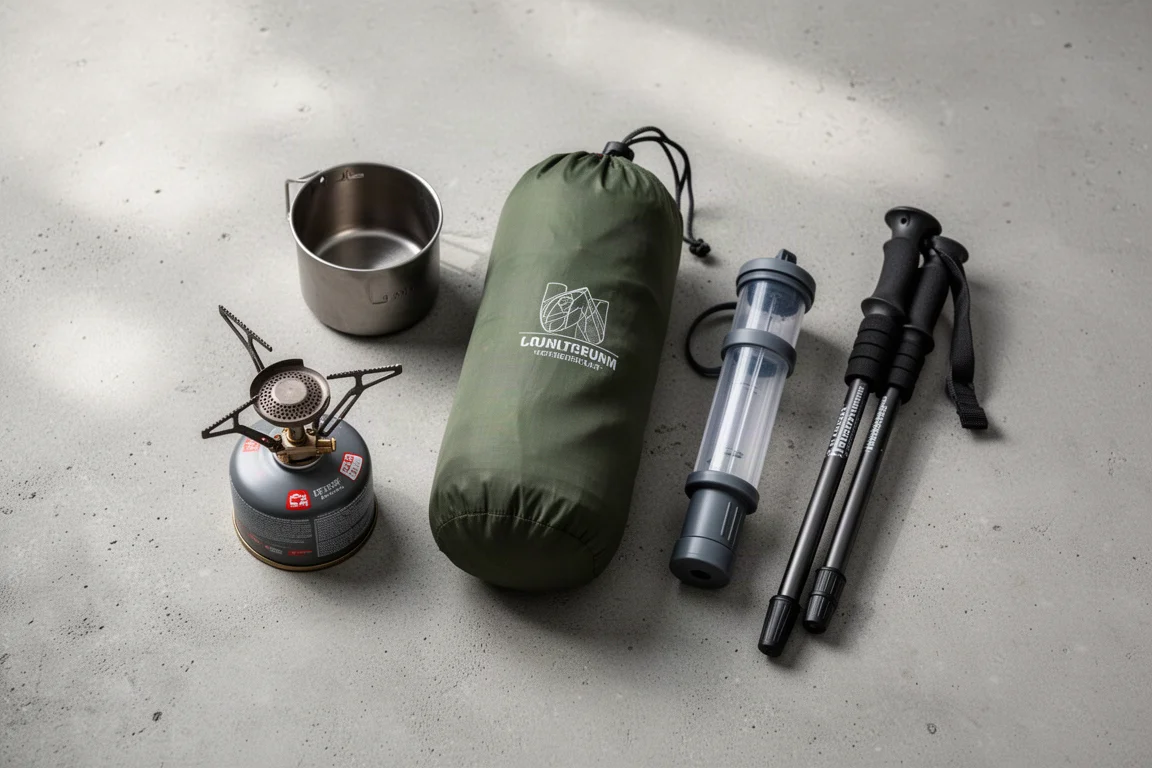
That history matters because the MSR name now covers a very wide catalog, from stoves and tents to water filters, trekking poles and snowshoes. Across that range, performance is not uniform, and the brand’s quality control is best described as hit and miss. Buying at a premium price is not a guarantee of a premium result.
MSR Zoic: A Tent With a Complicated Reputation
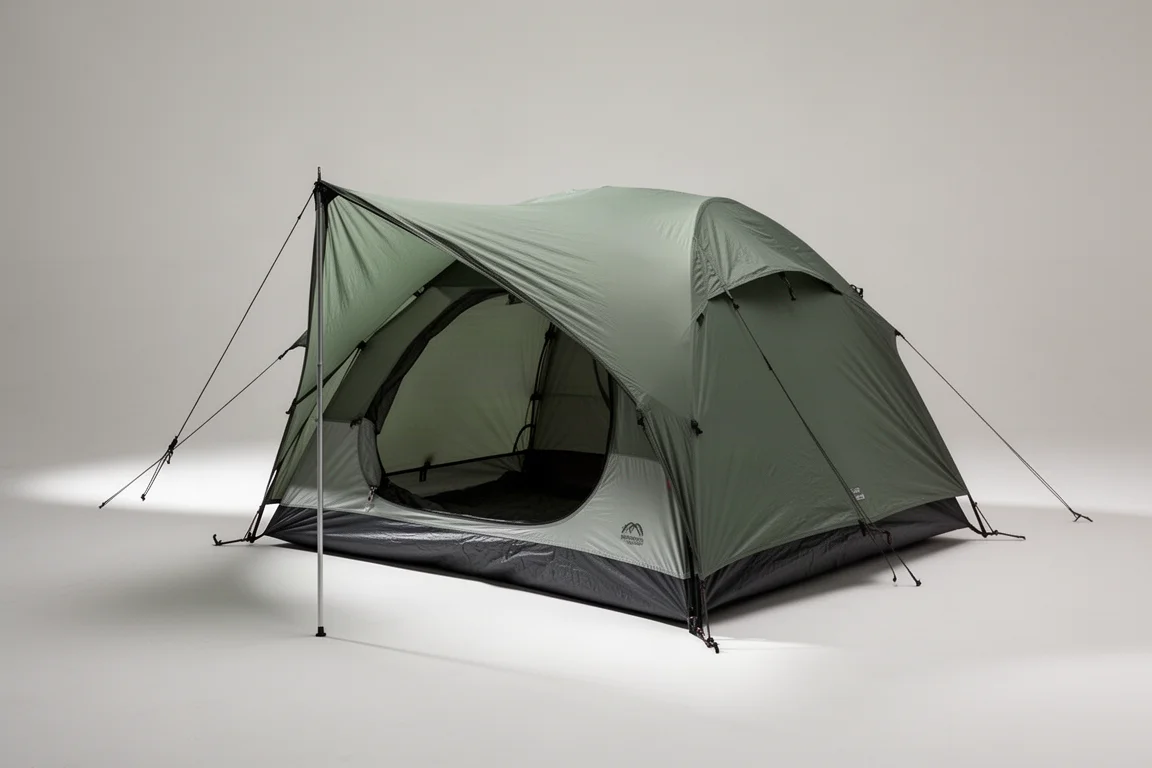
The Zoic is the clearest example of where MSR’s quality control has let buyers down. The tent leaked badly in real use. MSR introduced a waterproofing technology called Extreme Shield, which was meant to make the shelter watertight without seam taping. It did not deliver, and the resulting leaks became a significant problem for the company and for the people who owned the tents.
That failure still shapes how experienced campers talk about MSR shelters. If you are considering the Zoic, the practical question is not whether the design looks appealing, but whether you can return it if water gets in.
MSR PocketRocket: The Original That Still Sets the Standard
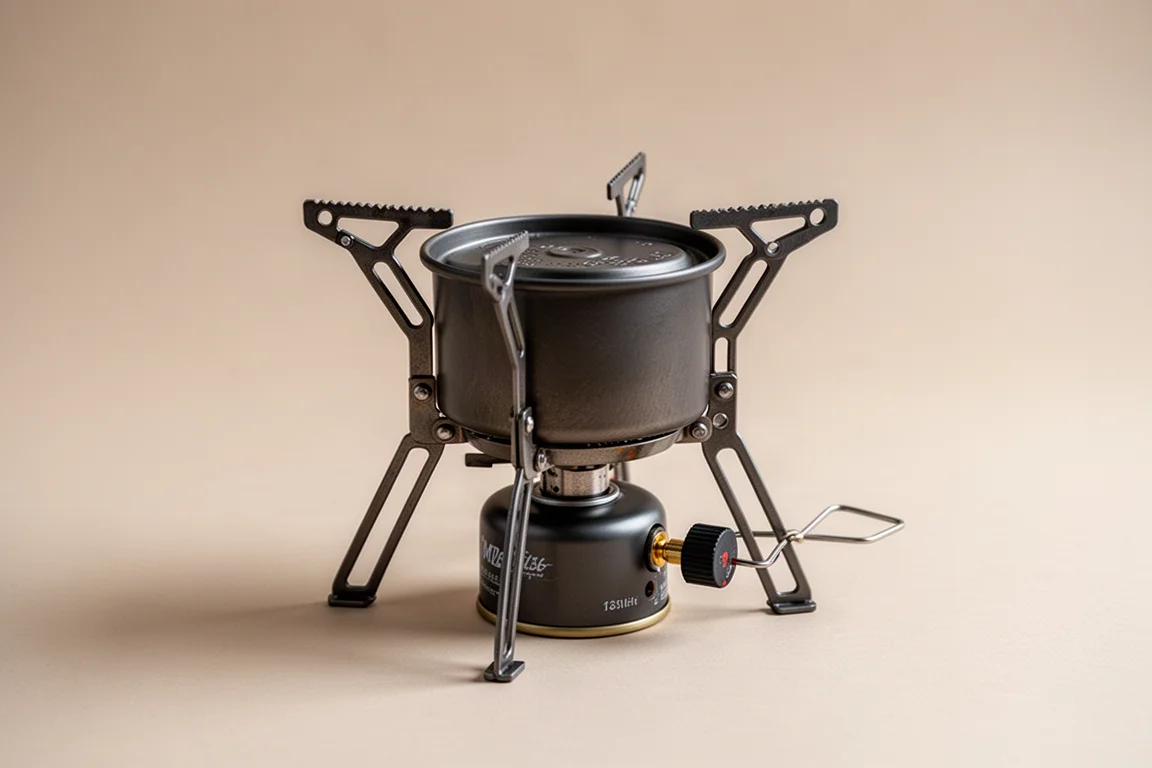
Of the three PocketRocket models, the original is the one with the strongest track record. It performs consistently, it is straightforward to use, and it has earned a reputation as one of the better stoves in its class.
For backpackers who want a stove that simply works, this remains the safest pick in the line.
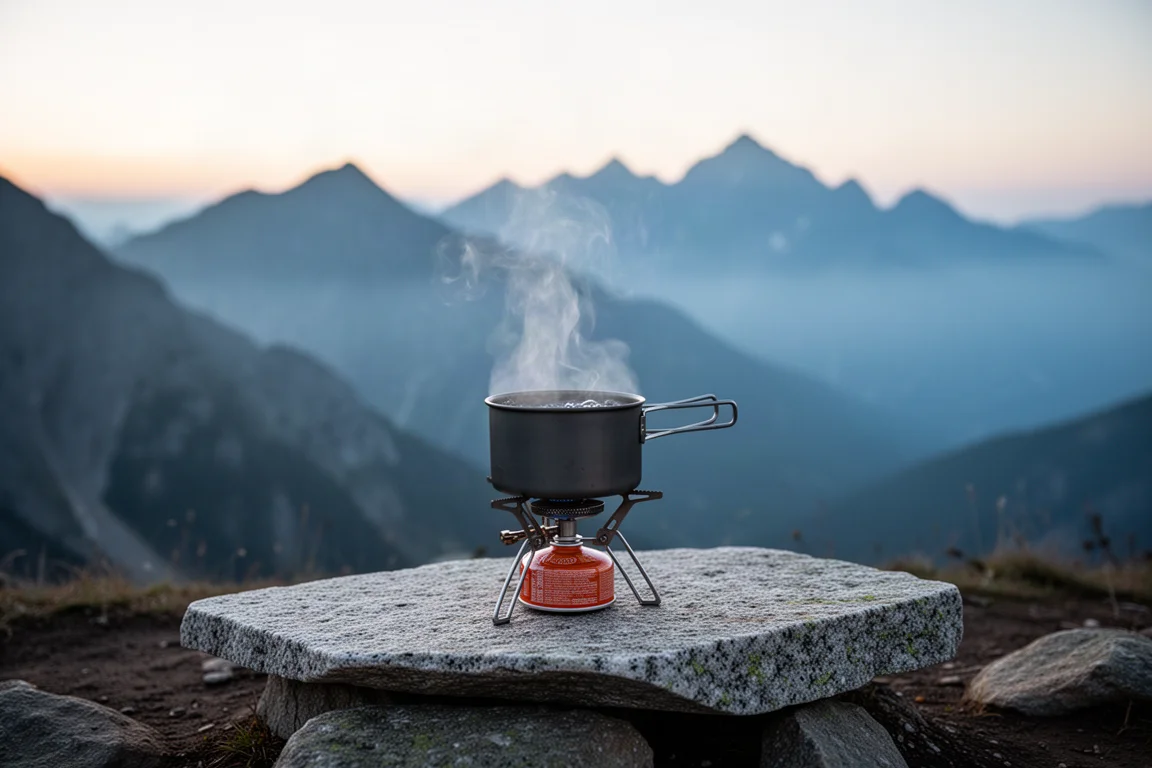
If you are choosing between the three generations, start here. The original PocketRocket is the model most likely to match expectations, and it is the one that long-term MSR users tend to defend when the wider catalog comes under criticism.
MSR PocketRocket 2: A Step Sideways
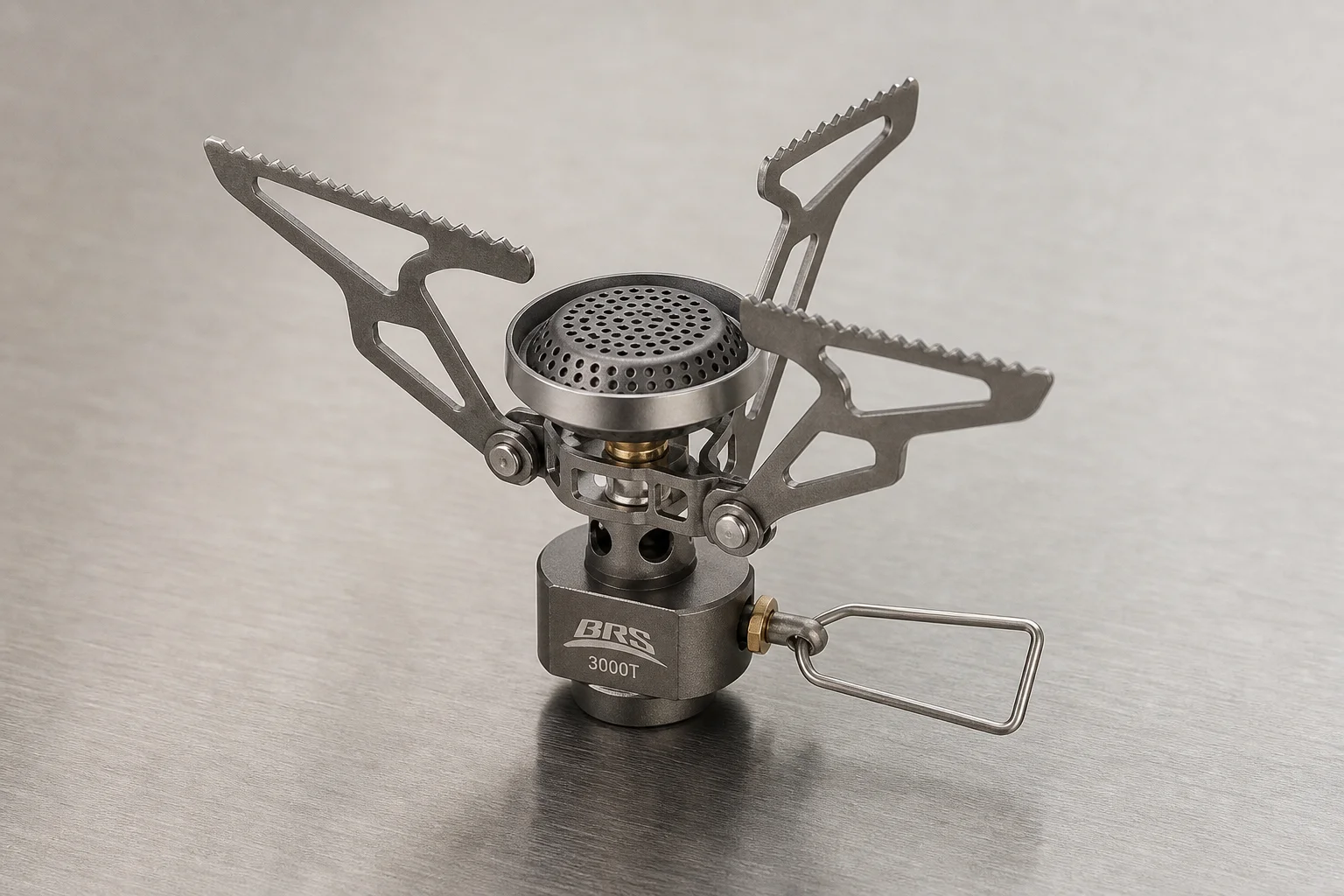
The second-generation PocketRocket has not matched the original’s reputation. Performance has been noticeably weaker, and it is a good illustration of how inconsistent MSR’s stoves can be from one model to the next.
It is not a failed product, but it does not carry the same confidence as the first version, and there is little reason to choose it over the original if both are available.
MSR PocketRocket Deluxe: More Features, More to Watch
The PocketRocket Deluxe sits at the top of the range and has drawn reliability complaints. Where the original earned trust through simplicity, the Deluxe adds more to the design, and more that can go wrong.
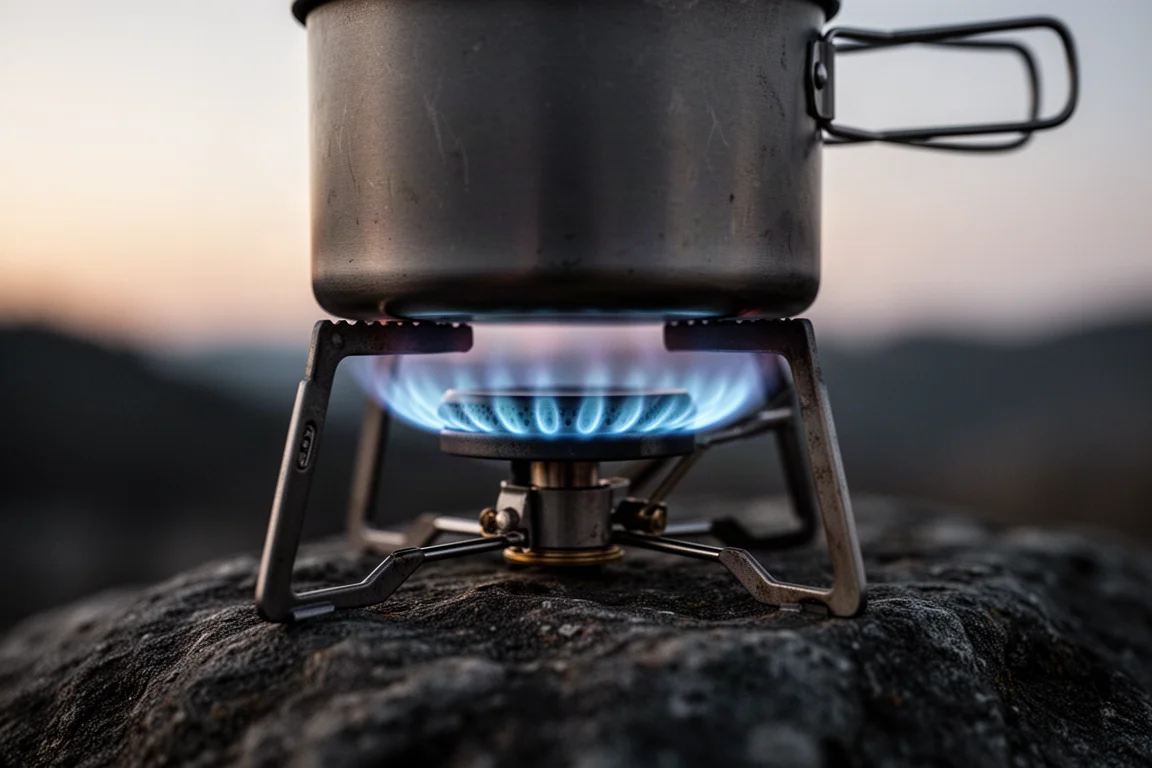
That does not make it unusable, but it does mean the Deluxe is the model to buy with the most care. If the feature set appeals to you, make sure the retailer’s return policy covers you before you commit.
What to Check Before You Buy
A few checks reduce the risk considerably.
First, decide where you are buying. MSR gear is priced at a premium, and the warranty experience reported by owners is not something to rely on. Accounts of slow responses and unresolved service requests are common enough that the retailer matters as much as the product.
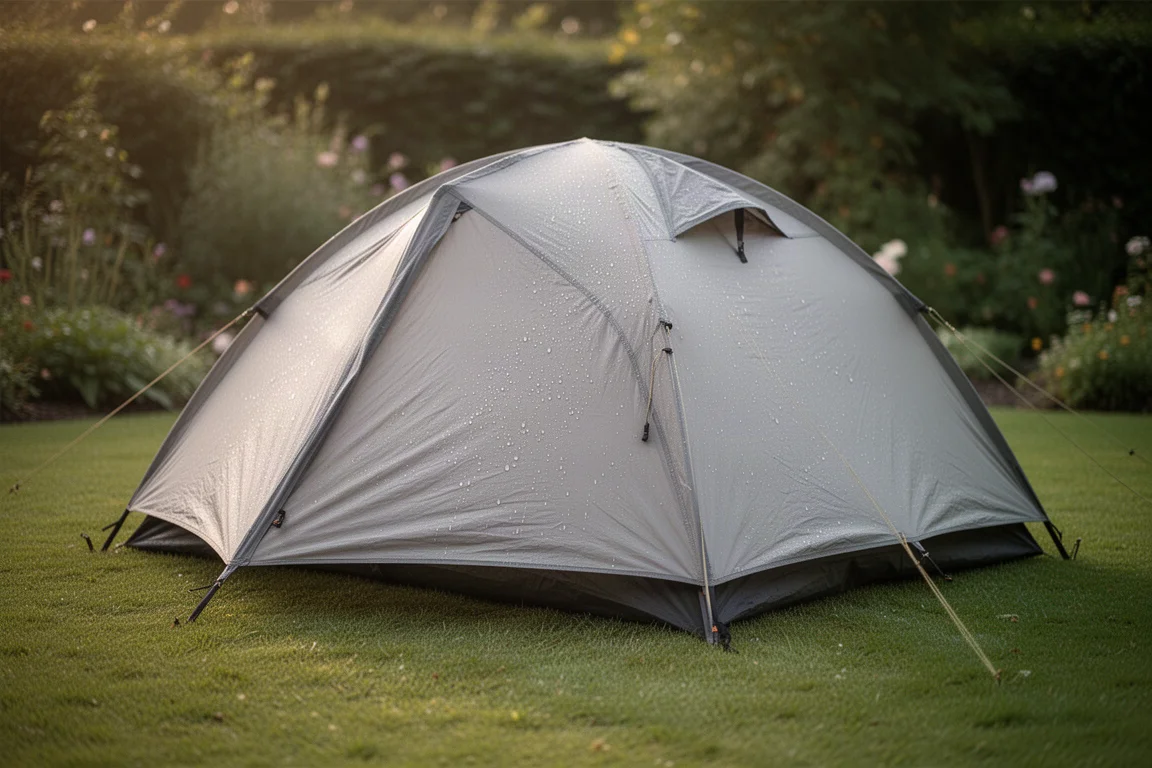
Second, test early. Pitch a new tent in the garden and run a hose over it before you take it into the backcountry. Run a new stove through a few meals at home before a trip. Problems surface faster when the stakes are low.
Third, keep the paperwork. Receipts, order confirmations and registration details make a return or a claim much easier if something goes wrong.
Buying Advice: Protecting Your Purchase
The single most useful rule for buying MSR gear is to purchase it from a source where you can return it. That applies across the catalog, but it matters most for high-ticket items such as tents.
Some retailers offer generous or effectively open-ended return windows, and for a high-dollar shelter that is worth more than a small saving elsewhere. MSR products carry premium pricing; the protection around that price should be just as strong.
Given the volume of owner complaints about warranty handling, treating the retailer as your first line of support is the sensible approach. If the product performs as expected, you have lost nothing. If it does not, you have somewhere to go.
Conclusion
MSR is not a brand to dismiss. It has a long history, a wide catalog, and it still makes excellent products when everything comes together. The difficulty is that consistency is not guaranteed, and the gap between a great MSR product and a disappointing one can be wide.
For the products covered here, the pattern is clear: the original PocketRocket has the best reputation, the PocketRocket 2 and PocketRocket Deluxe are harder to recommend, and the Zoic tent is best approached with a return policy in hand. Choose the model with the strongest track record, buy from a retailer that will take it back, and test your gear before you rely on it.
관련 글
관련 리뷰
Outdoor Gear
최고의 Decathlon 재킷: Trek 100 Synthetic, Trek 900 Down, Trek 100 Down 비교
세 가지 Decathlon 보온 재킷을 보온성, 무게, 핏, 가격 측면에서 실용적으로 비교하여 자신에게 맞는 제품을 고를 수 있도록 안내합니다.
Outdoor Gear
추운 날씨를 위한 최고의 다운 재킷: 합리적인 가격, 초경량, 원정용 추천
120달러의 가성비 제품부터 -30°C까지 착용 가능한 537 g 재킷까지, 다섯 가지 카테고리에 걸친 최고의 다운 및 합성 충전 재킷에 대한 실용적인 가이드입니다.
Outdoor Gear
배낭여행을 위한 최고의 다운 패딩 재킷: 세 가지 경량 옵션 비교
10온스 미만의 높은 충전력 다운 재킷 세 가지를 보온성, 압축 크기, 후드 디자인, 핏 기준으로 순위를 매기고 각각의 솔직한 장단점을 정리합니다.