한국어 · Integrated Amplifiers
Hegel H150 리뷰: 순수주의자를 위한 인티그레이티드 스트리밍 앰프
진정으로 뛰어난 포노단, 폭넓은 스트리밍 지원, 그리고 중립적이고 통제된 사운드를 갖춘 컴팩트하고 절제된 인티그레이티드 스트리밍 앰프입니다.
서론
일부 하이파이 컴포넌트는 화면과 배지, 긴 기능 목록으로 주목을 끌려고 합니다. Hegel H150은 정반대의 접근을 취합니다. 이 제품은 회사의 최신 인티그레이티드 스트리밍 앰프이자 호평받은 H120의 후속 모델이지만, 이번 진보는 단순한 모델 리프레시 이상의 의미를 지닙니다.
최근 몇 년간 Hegel은 인티그레이티드 라인업을 꾸준히 발전시키며 스트리밍 플랫폼과 내부 회로를 다듬어 왔습니다. H150은 그러한 진전의 상당 부분을 더욱 컴팩트하고 접근하기 쉬운 패키지에 담아내면서 Hegel의 핵심 접근법은 그대로 유지합니다. 깔끔한 설계, 낮은 노이즈, 스피커에 대한 확고한 제어력, 그리고 인위적이지 않고 자연스럽게 느껴지는 사운드입니다. 내부적으로 회사는 이 제품을 프로디지(prodigy)라고 부르며, 그 이유는 명확합니다. 인티그레이티드 라인업에서 비교적 엔트리 쪽에 위치하지만, 훨씬 더 비싼 앰프에서나 볼 수 있는 다재다능함과 기술을 갖추고 있습니다.
목표는 소리의 완성도를 나중에 맞춘 편의성 위주 제품이 아니라, 여전히 오디오파일 우선으로 느껴지는 진정한 올인원 음악 솔루션입니다.
이 제품은 누구를 위한 것인가
The H150 suits listeners who want a single, well-built box at the centre of a modern two-channel system without adding extra components for the features they actually use. Streaming is covered broadly, so simple phone-based playback, higher-quality connect workflows, and library-driven platforms are all viable. There is also a moving magnet phono stage on board, which makes it a natural fit for anyone who still plays records and would rather not buy a separate phono preamp.
Headphone listeners are covered as well, and the variable analog line output means the amplifier can grow with a system over time, whether that means adding a subwoofer or using the H150 as a preamp into an external power amplifier.
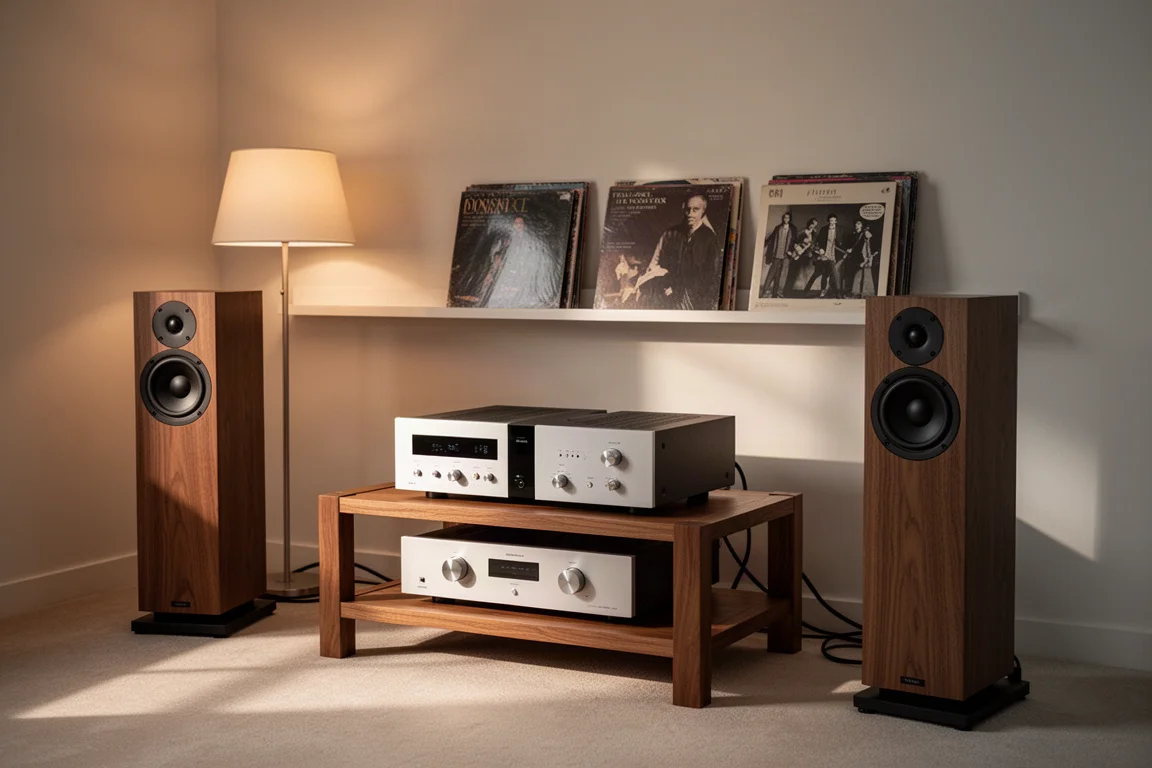
It is less obviously aimed at buyers whose priority is a television-centric living room system, since there is no HDMI ARC here, and it is not intended for anyone who wants Bluetooth or wireless streaming built in. Those are deliberate choices rather than oversights, and they shape who gets the most from this amplifier.
디자인과 빌드 품질
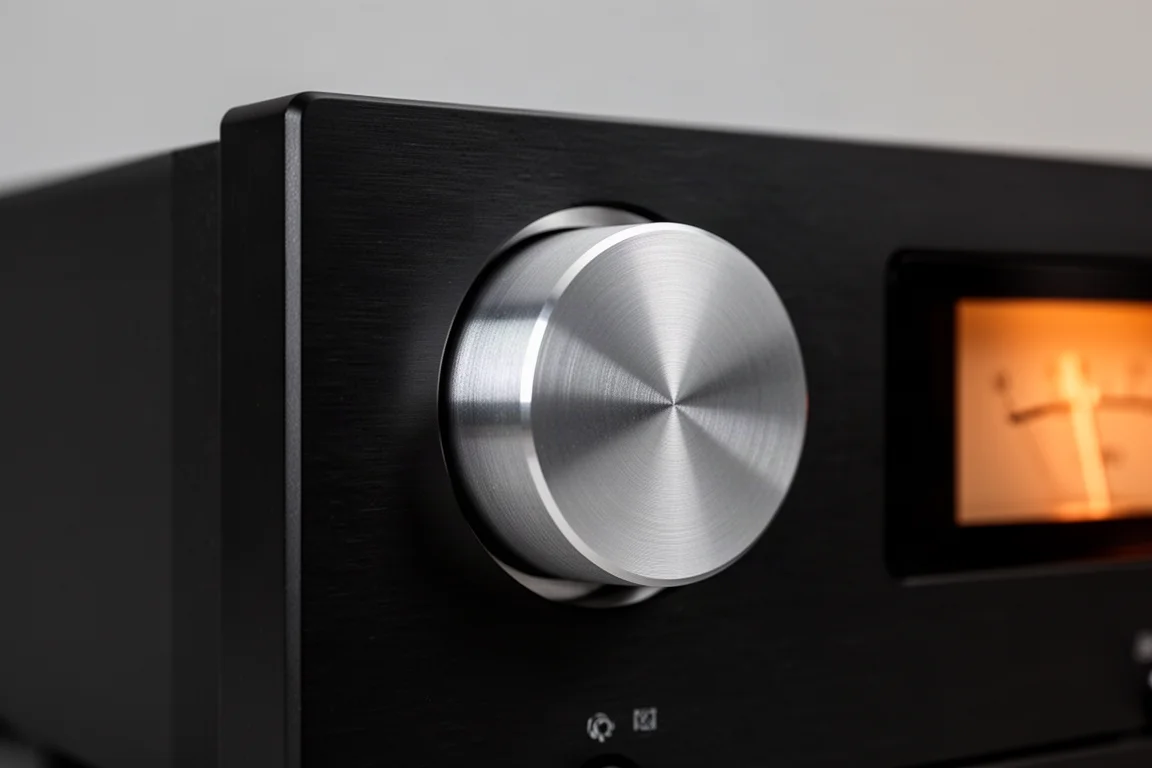
The design is exactly what a purist Scandinavian company tends to produce. The front panel is clean and understated, matching the rest of the lineup, with two large rotary knobs flanking a central OLED display. One knob handles input selection, the other handles volume, and that is the full extent of the front panel controls. There is no clutter and nothing competing for attention while music is playing.
The display is legible from a distance and can be dimmed or switched off entirely. Build quality is a clear strength at this level: the front panel and knobs are precision machined aluminium, the chassis feels solid and carefully assembled, and the steel top cover includes ventilation to manage heat properly. The footprint is also practical. It is full rack width, but it is neither overly tall nor excessively deep, which makes placement on furniture and shelving easier. Both black and white finishes are available, which helps when the system needs to look intentional in a living space.
스트리밍과 연결성
Streaming support covers Spotify Connect, Tidal Connect, and Qobuz Connect, alongside Apple AirPlay, Google Cast, UPnP, and full Roon readiness. That combination matters because it spans nearly every major playback method people rely on, from casual phone streaming to a complete library-driven platform.
Internet radio and podcast access are built into the Hegel control app, opening up a very large library of stations from around the world. It turns the amplifier into something worth exploring day to day rather than a box that only plays whatever was already queued.
One design decision is worth flagging clearly: the H150 uses a wired Ethernet connection rather than built-in Wi-Fi. There is no antenna and no wireless module inside the chassis. Hegel’s reasoning is that wireless hardware can introduce high-frequency noise, so the internal environment is kept as quiet as possible. If a cable can be run to the amplifier’s position, that is the best solution. Where it cannot, external adapters can bridge the gap, but planning for an Ethernet run is the sensible approach.
That single requirement shapes the rest of the setup. Before committing, it is worth confirming whether a network cable can reach the intended shelf, because the streaming experience is at its best when the connection is wired.
입력, 포노단, DAC 루프
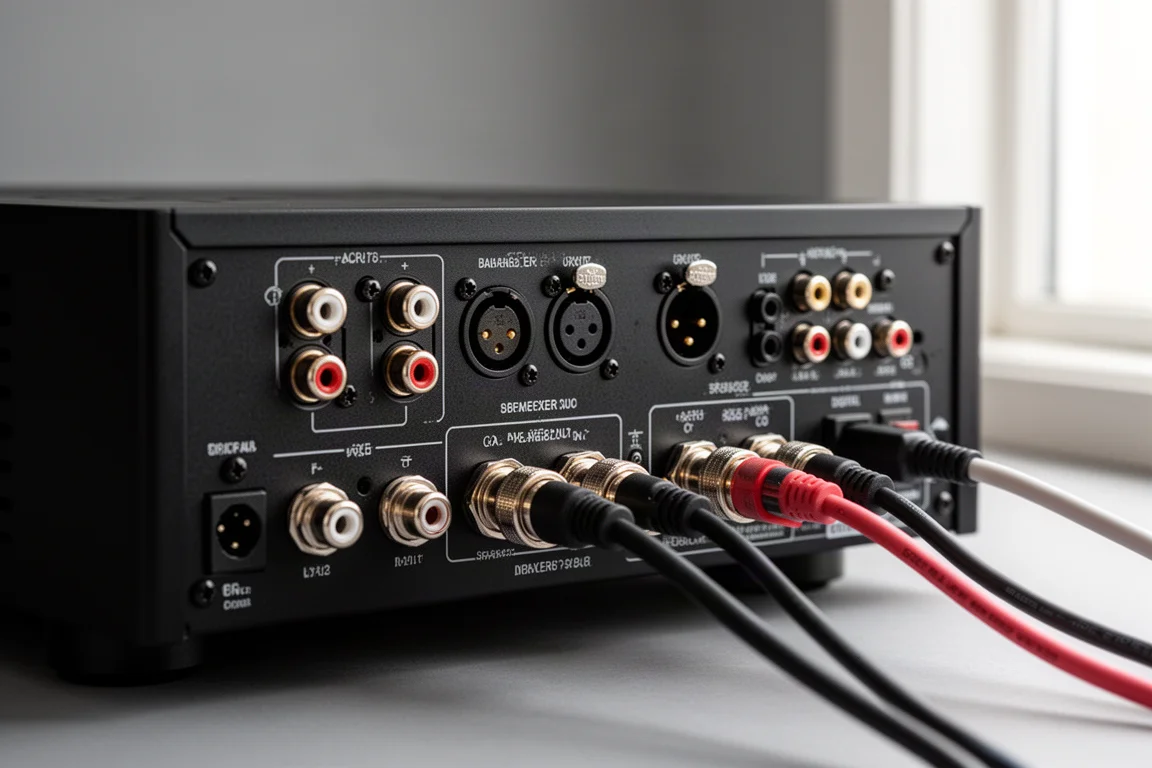
On the digital side, the H150 provides two optical inputs, one coaxial input, a USB-B input for computers and other digital sources, and the Ethernet port for networking and streaming. One optical input is optimised for television use, which is Hegel’s way of supporting TV integration without adding HDMI ARC. A USB-A input is included for direct playback from a flash drive or powered external drive, and the entire library can be browsed through the Hegel control app once the drive is connected. Hegel has also put real attention into the power supply feeding that USB input, since stable low-noise power affects how well direct USB playback performs.
Analog connectivity is stronger than the category norm. There is an unbalanced RCA input and a true electronically balanced XLR input, and Hegel encourages using the balanced connection when a balanced source is available. The bigger surprise is the built-in moving magnet phono stage. Many streaming integrated amplifiers omit a phono stage entirely, or include a basic one purely to tick a box on the specification sheet. Hegel took a different route, working to make this phono input quiet and high-performing for the price, which included improving the power supply and lowering the overall noise floor. That matters because a phono stage sits in one of the most sensitive parts of the signal chain.
A headphone output is included and is not treated as an afterthought. Outputs are flexible too: the variable analog line output supports subwoofer integration or the use of the H150 as a preamp feeding an external power amplifier.
One of the more forward-looking additions is the DAC loop. In this mode the amplifier sends digital audio out through its coaxial digital output to an external DAC, then accepts that DAC’s analog output back through the balanced XLR input. Once enabled, the routing is managed automatically, so the convenience and functionality of the internal streaming platform remain intact while the digital conversion stage can be upgraded later.
앰프 성능과 음질
At the core of the H150 is a 75 W per channel class AB amplifier built around Hegel’s patented Sound Engine 2 technology. On paper, 75 W per channel can look modest next to amplifiers chasing bigger numbers, but wattage alone says little about how an amplifier behaves in a real room. Hegel’s reputation rests on control, stability, and low distortion rather than raw output figures. Sound Engine 2 reduces distortion in real time, including the crossover distortion that occurs as transistors transition between halves of the waveform in a class AB design. Rather than relying on correction after the fact, it actively addresses errors as they happen, which is where the familiar clarity and smoothness come from: high resolution and detail without a sharp or tiring edge.
Damping factor is rated above 2,000, which is a large part of why Hegel amplifiers deliver bass that feels controlled and articulate rather than oversized or soft. Keeping the speaker’s motion in check means basslines stay defined, impact feels tight, and low-frequency detail does not blur when the music gets busy. The H150 is also rated as stable into very low impedance loads, down to 2 ohms, which speaks to its composure under more challenging speaker conditions. It is not a claim that every demanding speaker design will be an ideal match, but it does reflect that difficult real-world loads were part of the engineering brief.
In listening terms, the first thing that stands out is how natural the presentation is. Warmth is not pushed to create artificial richness, and treble energy is not emphasised to create the illusion of detail. Instead, music arrives with a neutral balance that lets the recording speak for itself. Bass is a highlight precisely because it is not exaggerated: good punch, real texture, clear shape and impact from kick drums, and bass guitar lines that are easy to follow. Low-frequency detail stays distinct even in dense mixes, and the presentation remains tight rather than boomy.
The midrange handles vocals and acoustic instruments especially well, with good presence that never feels pushed forward, and instruments occupying their proper space in the mix. The sense is of an amplifier staying out of the way rather than stamping a signature over everything. The top end is refined and controlled, with plenty of extension and air but no harshness or etching. That combination produces the H150’s biggest long-term advantage: it is easy to listen to for hours without fatigue. Dynamics are handled with confidence as well, with more energy and attack than the compact chassis and power rating might suggest, responding quickly when music demands impact and staying composed as recordings grow more complex.
구매 전 고려할 점
Hegel stays deliberately traditional in a few areas, and those choices are worth acknowledging because they define the product. The display is functional and clear but minimal: there is no album art and no large touchscreen interface. There is also no HDMI ARC or eARC, no Bluetooth, and no Wi-Fi.
These omissions are intentional. Hegel’s position is that it does not want to introduce anything that could compromise sound quality or add unnecessary noise inside the chassis. For a buyer, that trade-off is the whole decision. If a television is central to the system and one-cable volume control from the TV remote matters, this is not the amplifier built for that job, even though the TV-optimised optical input helps. If the amplifier will sit somewhere a network cable cannot reasonably reach, budget for a reliable external adapter or reconsider placement.
구매 조언
The H150 makes the most sense for someone assembling a music-first two-channel system around streaming, vinyl, or a mix of both, and who values a quiet, low-distortion amplifier over a long list of inputs. The combination of broad streaming support, a genuinely considered moving magnet phono stage, direct USB drive playback, and the DAC loop upgrade path means the system can be built once and refined later without replacing the amplifier.
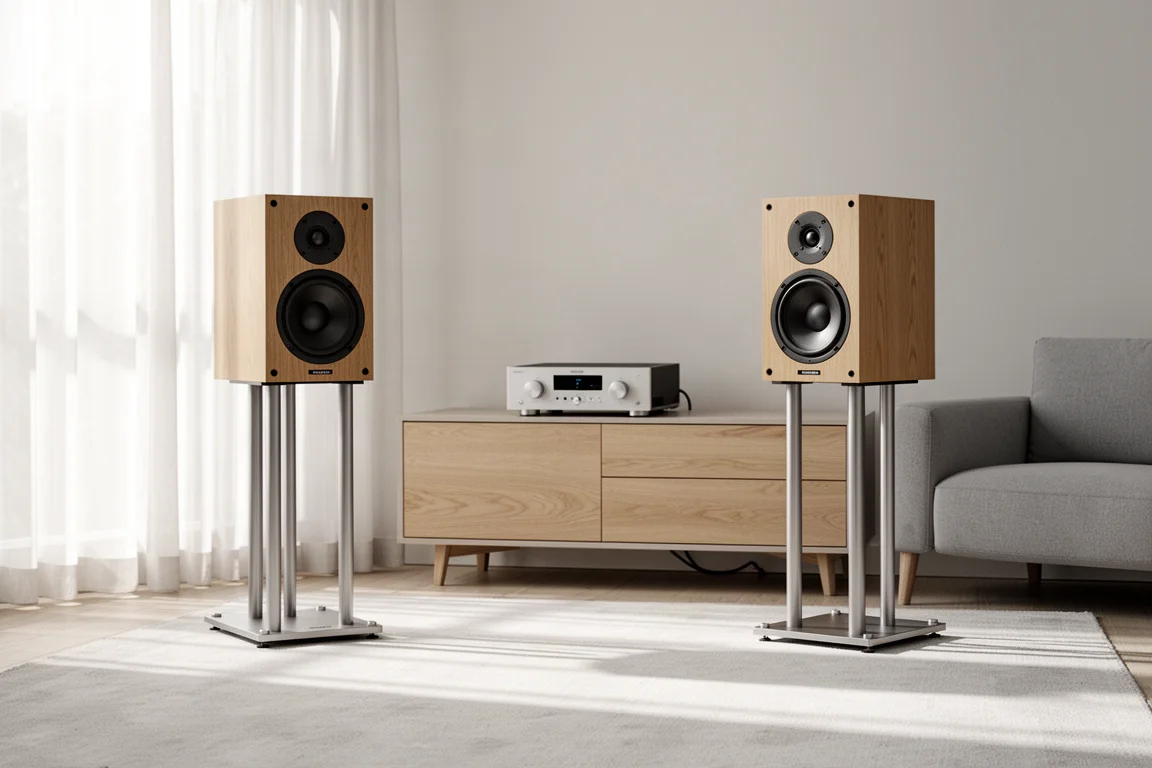
Practical planning is as important as the specification. Confirm that Ethernet can reach the intended position, leave enough ventilation around the steel top cover, and check that the speaker load is sensible for the room rather than assuming a difficult design will be flattered by any amplifier. Buyers who want the amplifier to double as a wireless, TV-centric hub should look carefully at those requirements first, because the H150 prioritises a quiet internal environment and musical performance over convenience features.
결론
The Hegel H150 feels like a complete integrated amplifier executed with a clear purpose. It offers streaming support across the services most people use, adds meaningful inputs including a properly engineered moving magnet phono stage and direct USB drive playback, includes a sensible upgrade path through the DAC loop, and delivers the neutral, controlled, low-distortion sound that makes Hegel amplifiers easy to recommend.
It is not for everyone. Without HDMI eARC and without Wi-Fi, it asks the buyer to plan a wired network connection and to accept a minimal display. For listeners who want the best possible two-channel sound with no unnecessary compromises inside the chassis, those are reasonable terms.