한국어 · Backpacking Gear
Game Changer Backpacking Gear Under $40: Seven Small Upgrades Worth Packing
Seven compact, affordable backpacking accessories that solve real camp problems, from an inflator that doubles as a lantern to a pocket thermometer that tracks overnight temperatures.
Introduction
Backpacking gear does not have to be expensive to be genuinely useful. Some of the most valuable items in a pack are the small ones that solve one specific problem, do two jobs instead of one, or quietly remove an annoyance that would otherwise repeat on every trip.
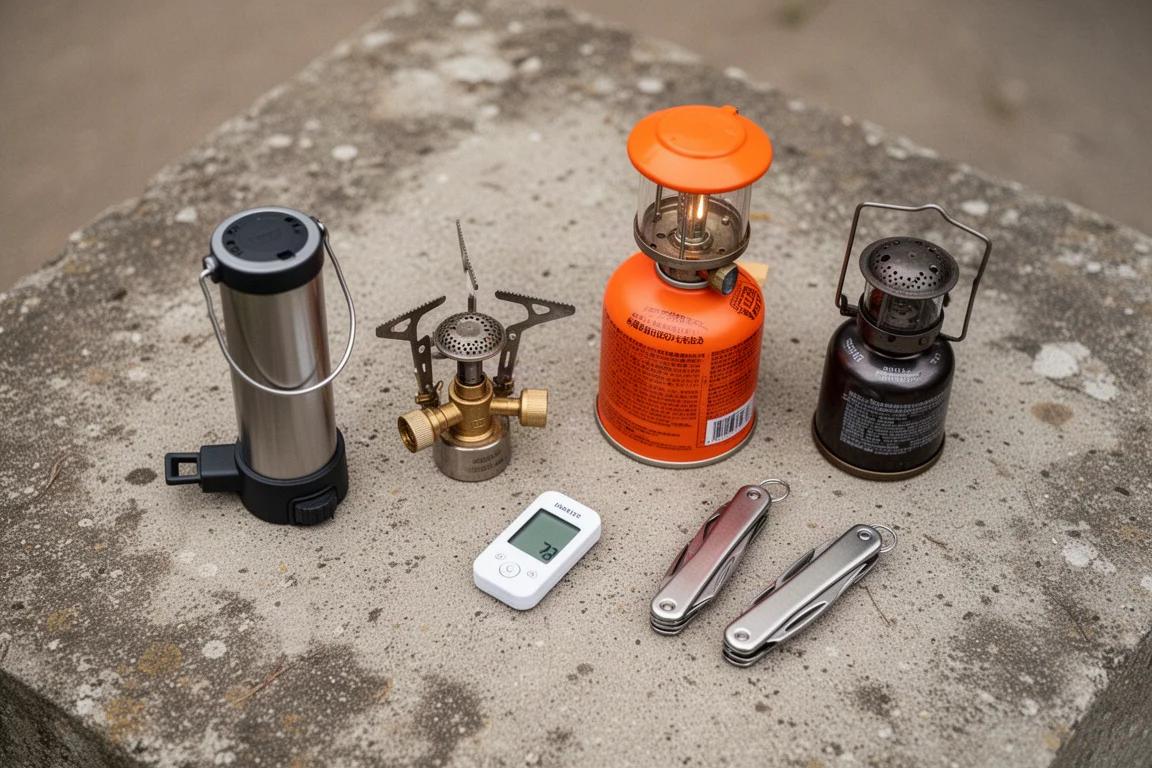
Every item in this roundup sits under forty dollars, and each one earns its place by being compact, light, and practical. This is not a list of essentials. It is a list of upgrades: tools and accessories that make camp life easier, safer, or simply more enjoyable once the walking is done.
What Makes These Picks Worth Carrying
The bar for anything that goes into a pack is straightforward. It has to justify its weight, and it has to do something a lighter or cheaper alternative cannot.
The items below clear that bar in different ways. Several are multi-use, so a single object covers two jobs and replaces gear you would otherwise carry separately. Others add information or convenience that is hard to get any other way, whether that is knowing exactly how cold the night became or running a stove and a lantern from one canister. None of them are heavy, and none of them cost much.
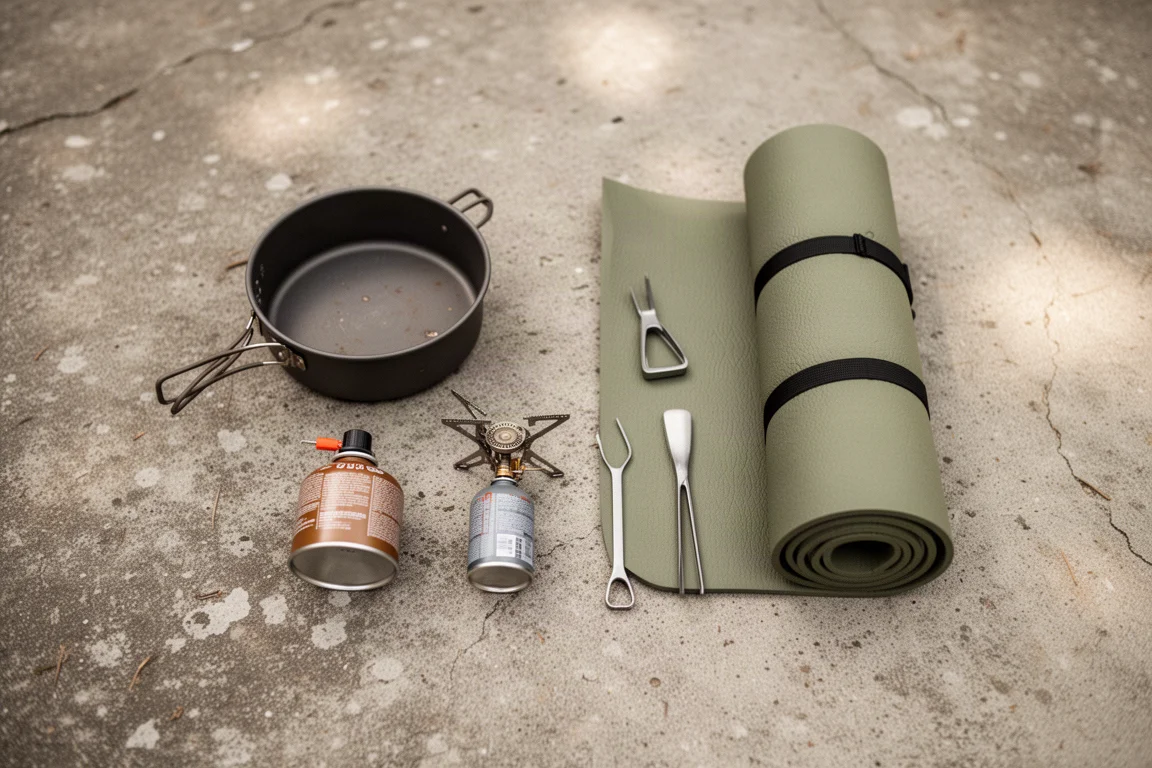
Weight, cost, and versatility are the three filters worth applying before anything goes in the pack. When a small item makes a repeated task faster or safer, it usually earns its place long before it wears out.
Flextail Gear Tiny Pump X2: Inflator and Lantern in One
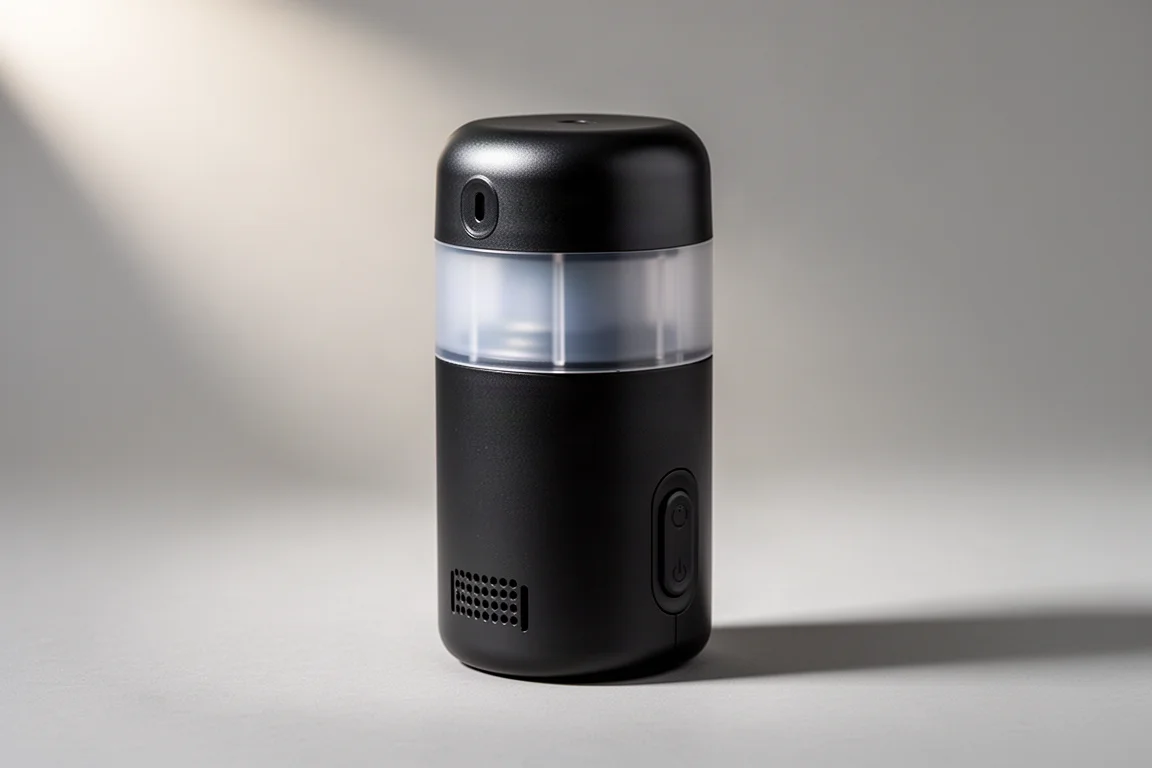
The Tiny Pump X2 is a small electric pump that also works as a lantern. That combination is the point of it. Instead of carrying a single-purpose pump sack for an air pad or a pillow, you carry one compact device that inflates a sleeping setup quickly and then doubles as light inside the tent.
Multi-use items like this are appealing because they remove a genuinely tedious job. Inflating a pad by mouth or wrestling with a pump sack is slow and awkward at the end of a long day. A tiny pump turns that into a short, simple task, and the lantern function means the same object keeps working after the pad is full.
Camping Moon Adapter: Turn a Canister Stove Remote
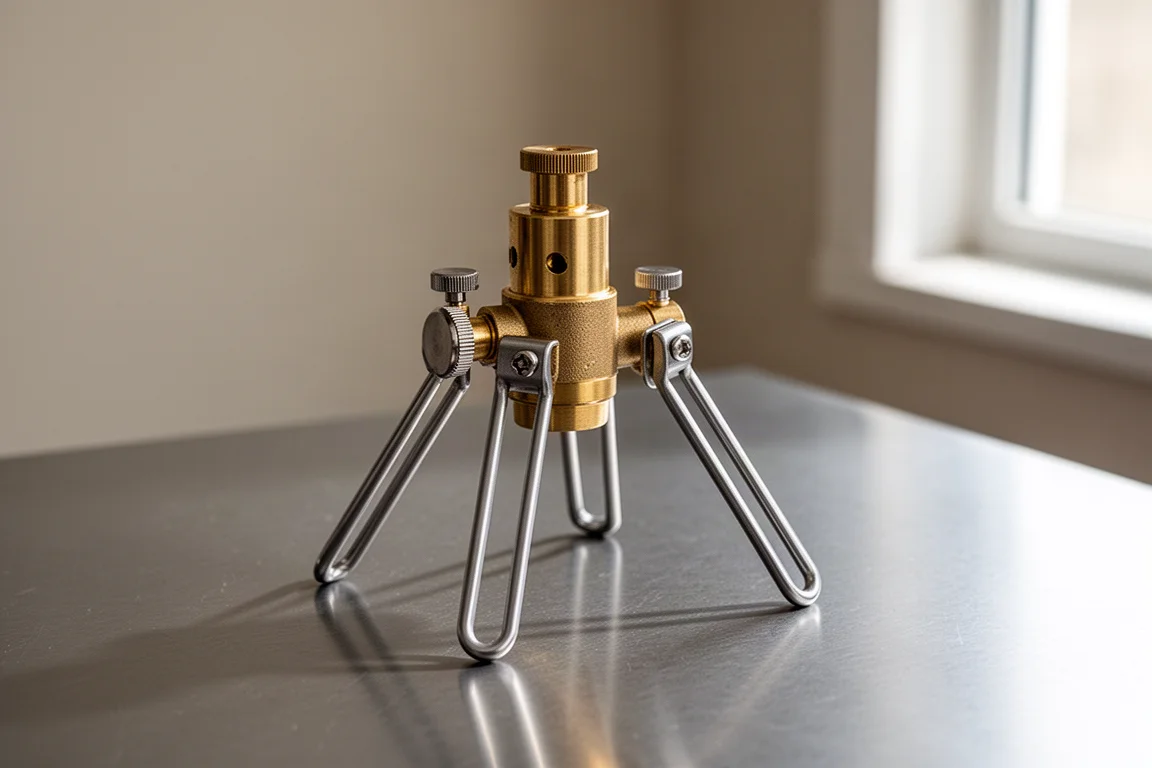
The Camping Moon adapter is a stand at one end that changes how an upright canister stove behaves. Normally a stove such as the Fire Maple Buzz screws directly onto the top of a butane canister, which leaves the stove sitting high with the canister acting as its base.
Fitted to the adapter, that same stove becomes a remote canister stove. The canister moves off the top, which allows it to be inverted for better cold weather performance, and the stove gains a stable base underneath it. It is a small piece of hardware that changes the behaviour of gear you already own.
There is a second benefit. The adapter carries two valves, so it can run two stoves at the same time, or run a stove and a gas lantern together from a single canister. That means light while you cook in the dark, or a hot drink and a lit camp without adding a second fuel source.
Fire Maple Orange Lantern: Flame Light for Camp
A gas lantern is one of those pieces of gear that is simply fun to use. The Fire Maple Orange Lantern runs off a canister and produces the warm, soft light of a flame rather than the harsh white beam of an LED headlamp.
That difference matters around camp. Where fires are restricted, or where you would rather not build one, a gas lantern creates a comfortable atmosphere for sitting outside in the evening. It is lightweight and comes in a hard plastic case, which makes it easy to pack alongside the rest of a cook kit.
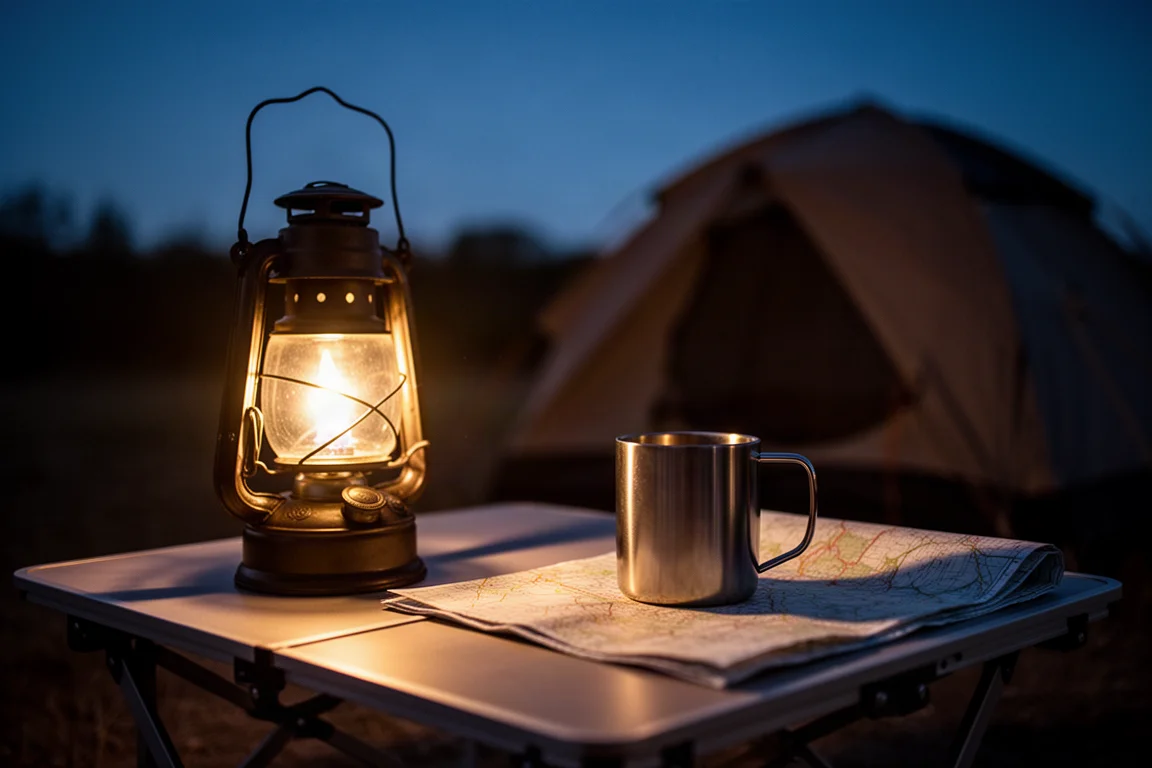
For the cost, this is a low-commitment way to change how camp feels after dark. It also pairs naturally with the adapter above, since the two can share a single canister.
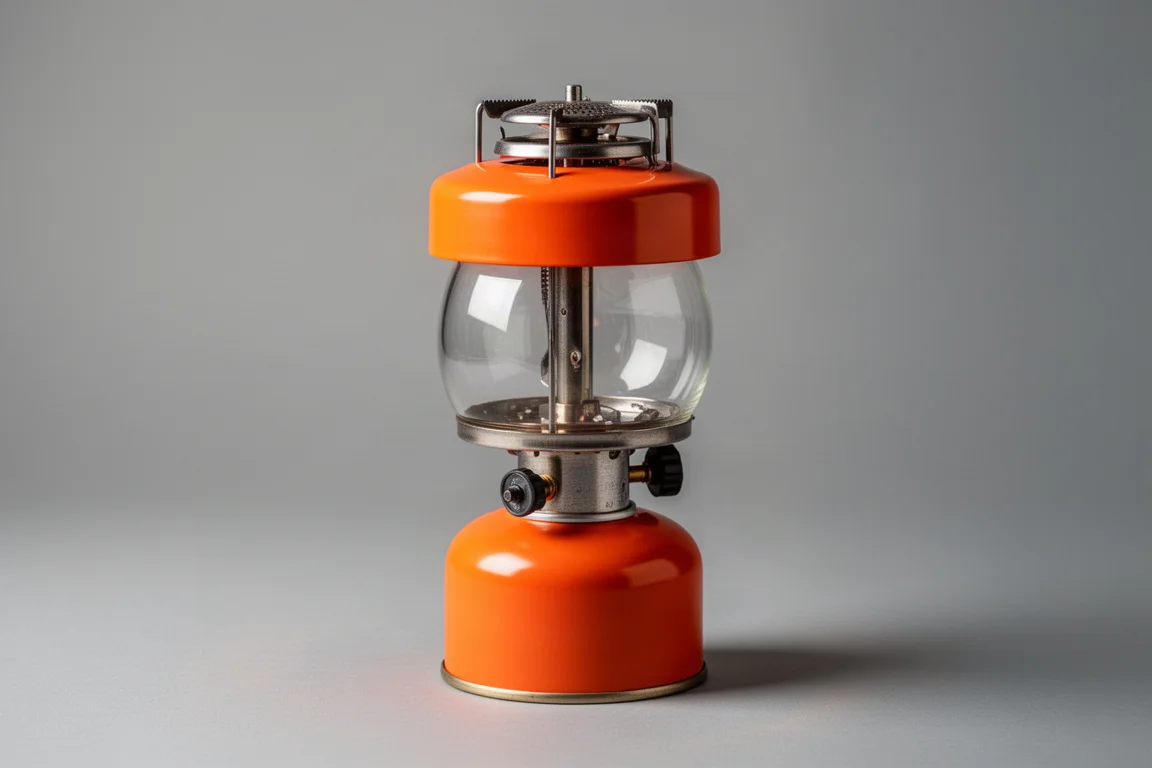
BRS Little Gas Lantern: A Smaller Flame Lantern
The BRS Little Gas Lantern does the same job as the Fire Maple option in a slightly smaller package. It is light, inexpensive, and equally enjoyable to have along on a trip.
If you already run a canister stove, a lantern like this adds very little to the pack and gives you a second kind of light for the evening. Choosing between the two comes down mostly to size preference and availability rather than a meaningful difference in what they do.
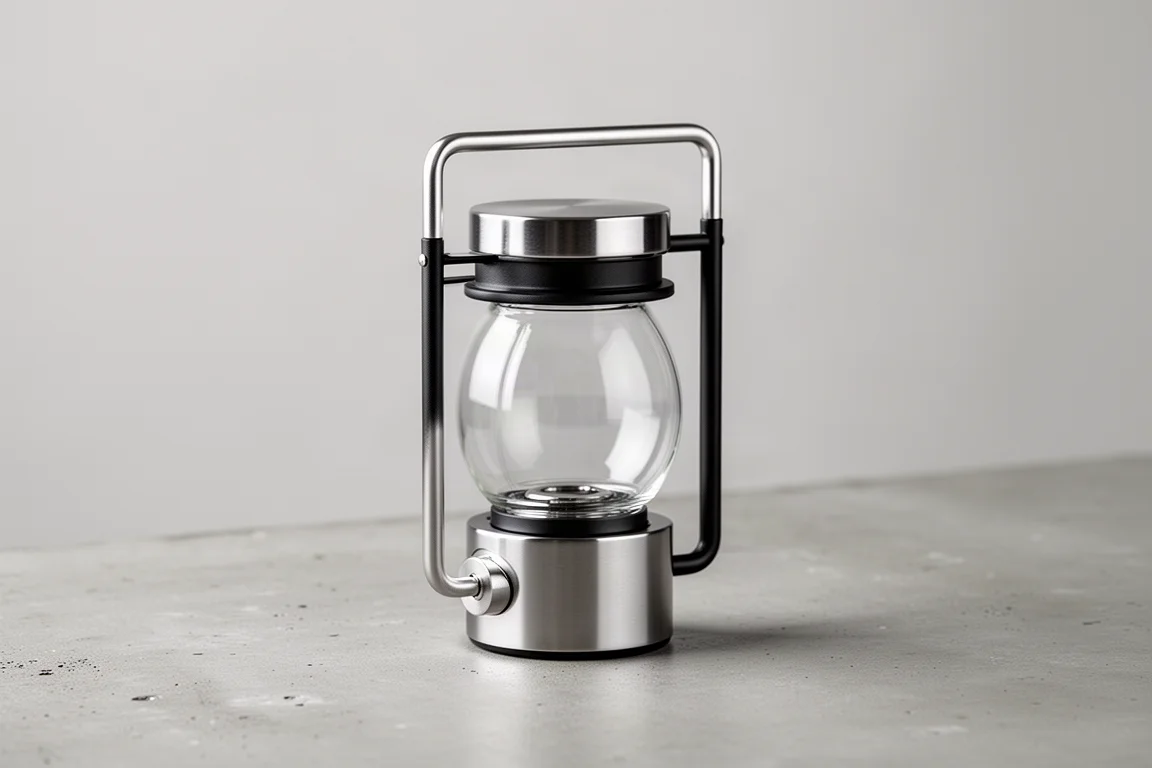
Govi Bluetooth Thermometer: Track Overnight Conditions
The Govi Bluetooth thermometer is a small digital thermometer that connects to a phone. It is the kind of gear that adds data to a trip rather than comfort, and for anyone who thinks carefully about sleep systems, that data is useful.
Seeing the daytime high, the overnight low, and the average temperature tells you whether the sleep system you brought actually performed the way you expected. It also reports the relative humidity of the area you are in. The companion app is easy to use, and the unit itself weighs next to nothing.
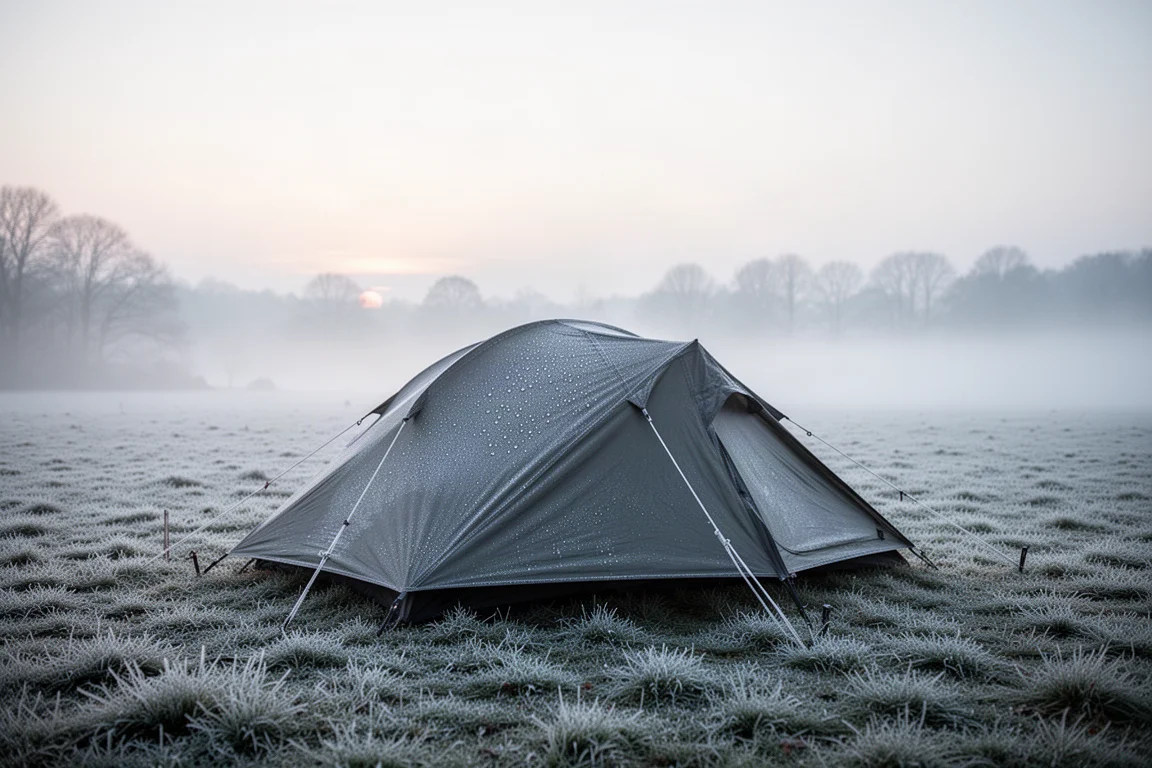
At roughly fifteen dollars, this is a cheap way to stop guessing. A basic thermometer only shows the current ambient temperature, which is not much help when what you really want to know is how cold it got at three in the morning.
Gerber Dime: Small Multi-Tool for Camp Repairs
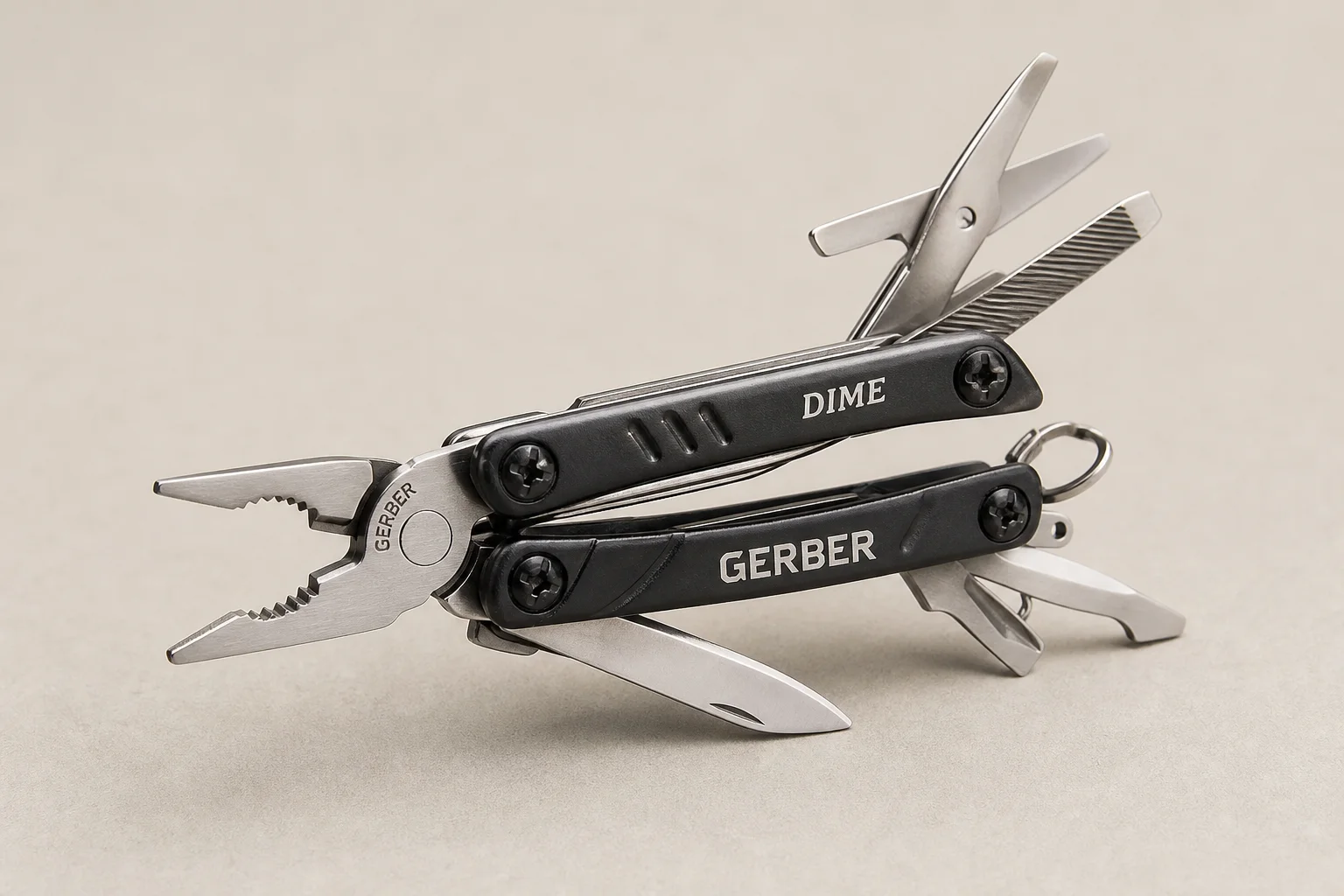
A very small multi-tool is one of those items many backpackers leave behind, and then wish they had. The Gerber Dime covers camp repairs and first aid situations in a package that weighs only a couple of ounces.
It includes spring-loaded pliers, a small knife, and a flathead screwdriver. The screwdriver is more useful than it sounds. Anyone carrying a camera on a capture clip with an Arca-Swiss style plate knows those plates work loose over a day of walking, and having a driver in the pack means you can tighten it back up without improvising.
The tool typically lives in a first aid kit, where it stays available for both medical and gear repair tasks.
Leatherman Squirt: A Comparable Compact Multi-Tool
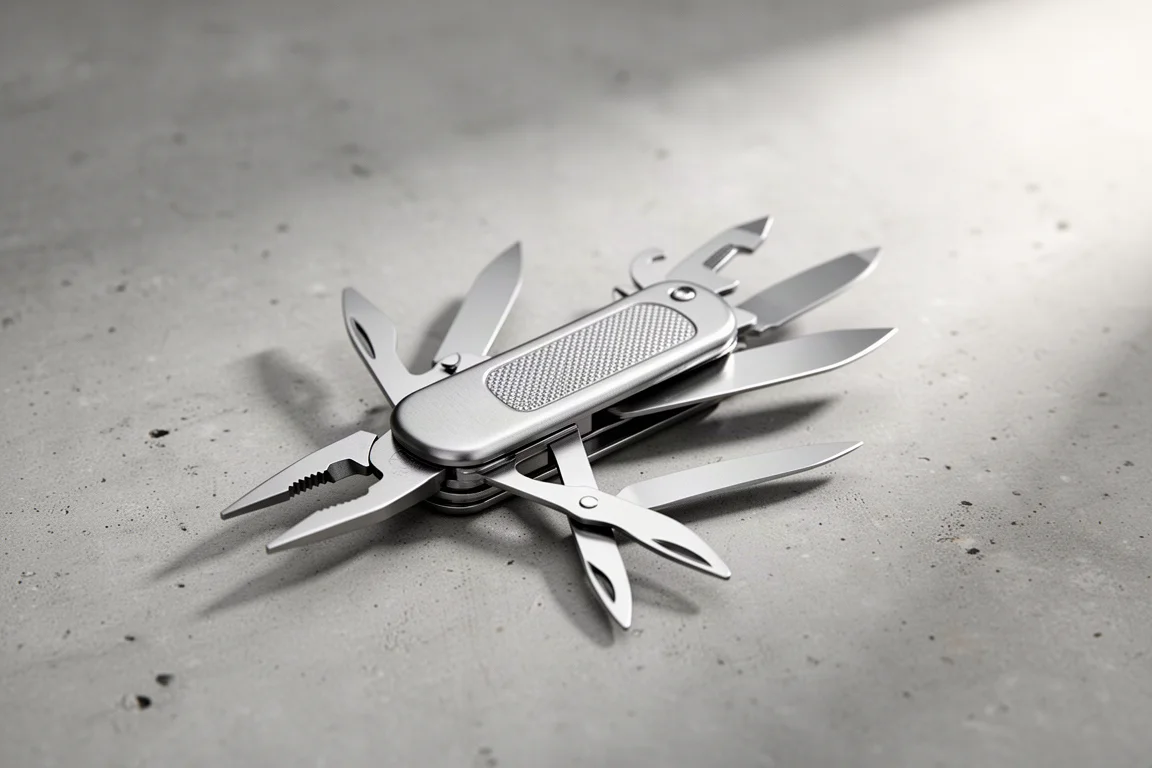
The Leatherman Squirt is another option in the same category. It fills an identical role: a tiny tool that handles small repairs around camp and adds very little weight to a pack.
If you already own one, there is no reason to replace it. The point is not the specific model but the habit of carrying something small that can tighten a loose screw, cut a cord, or handle a repair before it becomes a problem.
Buying Advice: How to Choose What Earns Space
The most useful approach with gear this small is to think about repeated annoyances rather than hypothetical emergencies. If something bothers you on every trip, a compact fix is usually worth the few ounces it costs.
Multi-use items tend to deliver the best return. A pump that is also a lantern, or an adapter that lets one canister feed both a stove and a light, replaces separate objects and simplifies packing. Data-driven items such as a Bluetooth thermometer are worth it if you actively use the information to refine your sleep system; if you never look at the numbers, the value is lower.
Price is not much of a barrier here, since everything in this roundup comes in under forty dollars. The real decision is whether an item solves a problem you actually have. When it does, a small, inexpensive tool can change how a trip feels far more than its price suggests.
Conclusion
None of these items are essential, and that is exactly what makes them worth considering. They are small, affordable upgrades that remove friction: inflating a pad in seconds, running a stove and a lantern from one canister, knowing the overnight low, or tightening a loose plate with a tool that weighs almost nothing. Pick the ones that match problems you recognise, and they will earn their place in the pack.
관련 글
관련 리뷰
Backpacking Gear
최고의 저렴한 배낭 장비: 예산형 야생 캠핑 7가지 추천
야생 캠핑을 위한 7가지 저렴한 배낭 장비로, 조리 기구, 스토브, 연료, 야간 편안함, 여름용 침낭을 다루며 구매 전에 알아둘 만한 Trade-off를 짚어봅니다.
Backpacking Gear
혹한기 백패킹 장비 베스트: 바람과 고산 환경을 위해 만들어진 여섯 가지 아이템
노출된 고산지대의 바람 속에서 평가한 혹한기 백패킹 장비 여섯 가지. 사계절 쉘터와 두 가지 수면 시스템부터 두 가지 일체형 스토브와 위성 통신기에 이르기까지.
Backpacking Gear
2026년 최고의 편안함 중심 백패킹 장비: 사막에서 테스트한 네 가지 아이템
편안함에 초점을 맞춘 백패킹 장비 네 가지를 추운 사막의 밤과 짐을 가득 실은 트레일에서 시험해 보았으며, 각 제품이 잘하는 점과 한계를 정리했습니다.