한국어 · Camping Stoves
Fire Maple FMS 125 Pro 리뷰: 가격 대비 뛰어난 성능을 발휘하는 컴팩트 캐니스터 스토브
약 1년간 사용한 후, Fire Maple FMS 125 Pro는 빠른 끓는 시간, 균일한 열, 그리고 구매 전에 알아두면 좋을 보관 케이스를 갖춘 안정적이고 다양한 이소부탄 스토브로 돋보입니다.
Introduction
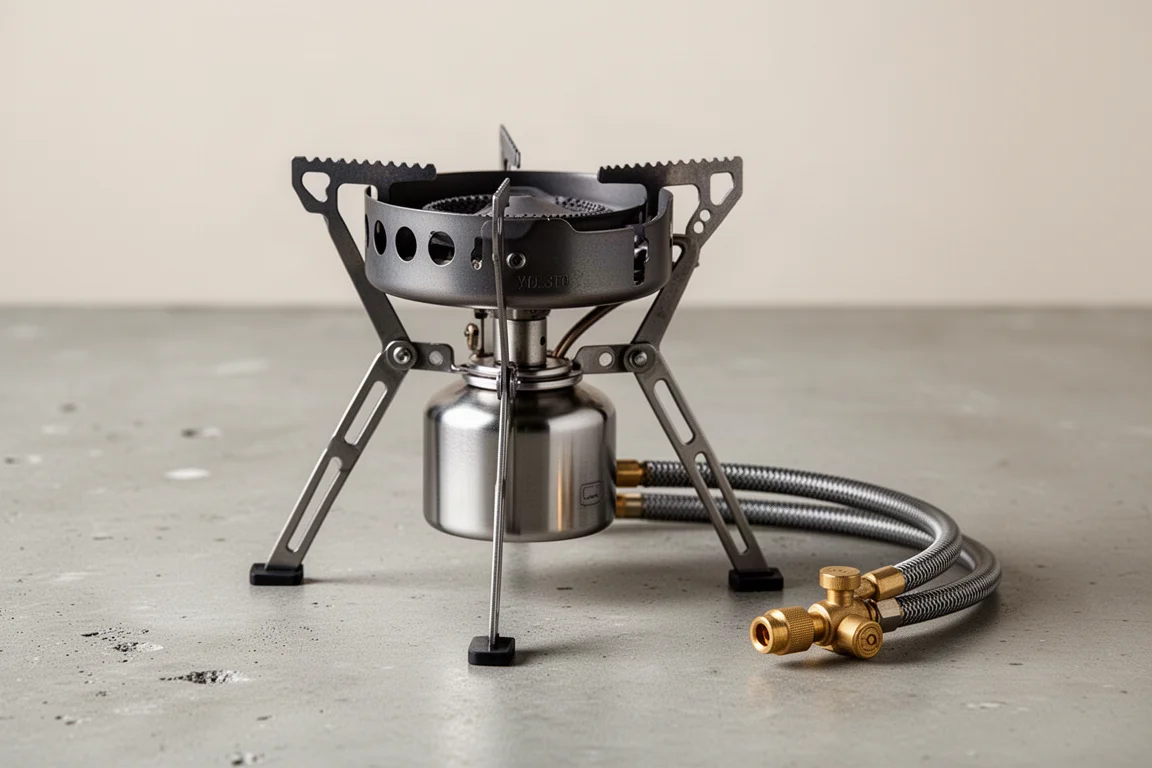
The Fire Maple FMS 125 Pro is an isobutane canister stove that has spent roughly a year in regular use across backpacking trips, hiking weekends, and vehicle-based camping. It is a small stove with a deliberately larger footprint than most canister burners, and that single design decision shapes almost everything else about it: how stable it feels, how much cookware it can carry, and how easily it moves between a pack and a camp kitchen.
It runs on isobutane only, delivers a claimed 10,919 BTU, and pairs a stainless steel burner head with a built-in windscreen, a 17.5-inch fuel hose, a folding tripod leg system, and three generously sized pot supports. Stored, it measures about 3.5 by 4.5 inches, and set up it spans roughly 6.5 inches wide and 3 inches tall. The stove itself weighs 9.9 ounces, and the included plastic case adds 3.7 ounces for a total of 13.6 ounces.
That combination of size, weight, and output is unusual, and it is the reason this stove is worth a closer look rather than a quick glance at the spec sheet.
Who This Product Is For
This is a stove that fits two quite different kinds of users, which is rare in the canister stove category. Backpackers and hikers will appreciate that 9.9 ounces is light for a burner this size, and that the whole setup packs into a compact package that fits easily inside a pack. Overlanders and car campers get something else entirely: a stove capable enough to replace a bulky two-burner camp stove for many meals.
The reason both audiences can use it comes down to the pot supports. They are large and widely spaced, so small cups and kettles sit securely, and large pans sit just as well. That means the same stove can boil water for coffee at first light and then handle a full dinner pan at camp without feeling out of its depth.

In practice, that versatility is the main argument for carrying this stove rather than a lighter, more specialised burner. It is not the smallest or lightest option available, but it covers more cooking situations than most canister stoves in its class, and that range is what makes it a practical single-stove solution rather than a niche piece of kit.
Main Strengths
Build Quality and Design
Build quality is the first thing that stands out. Every edge on the stove is smooth, with nothing sharp anywhere on the body, and the overall construction feels considered rather than assembled to a price. The primary material is stainless steel, supported by aluminium and brass components and the plastic storage case.
The layout is distinctive. Three pot supports fold out and lock into place, each one featuring aggressive serration that grips cookware firmly. Three legs fold out beneath them and also lock, and the feet are shaped in a way that keeps the tripod planted. An igniter sits on the side and routes up to the burner head, and the burner head itself includes a built-in windscreen. The fuel hose runs from the stove body to an adjuster and then to the isobutane canister connection, and at 17.5 inches it gives you real separation between the burner and the fuel.
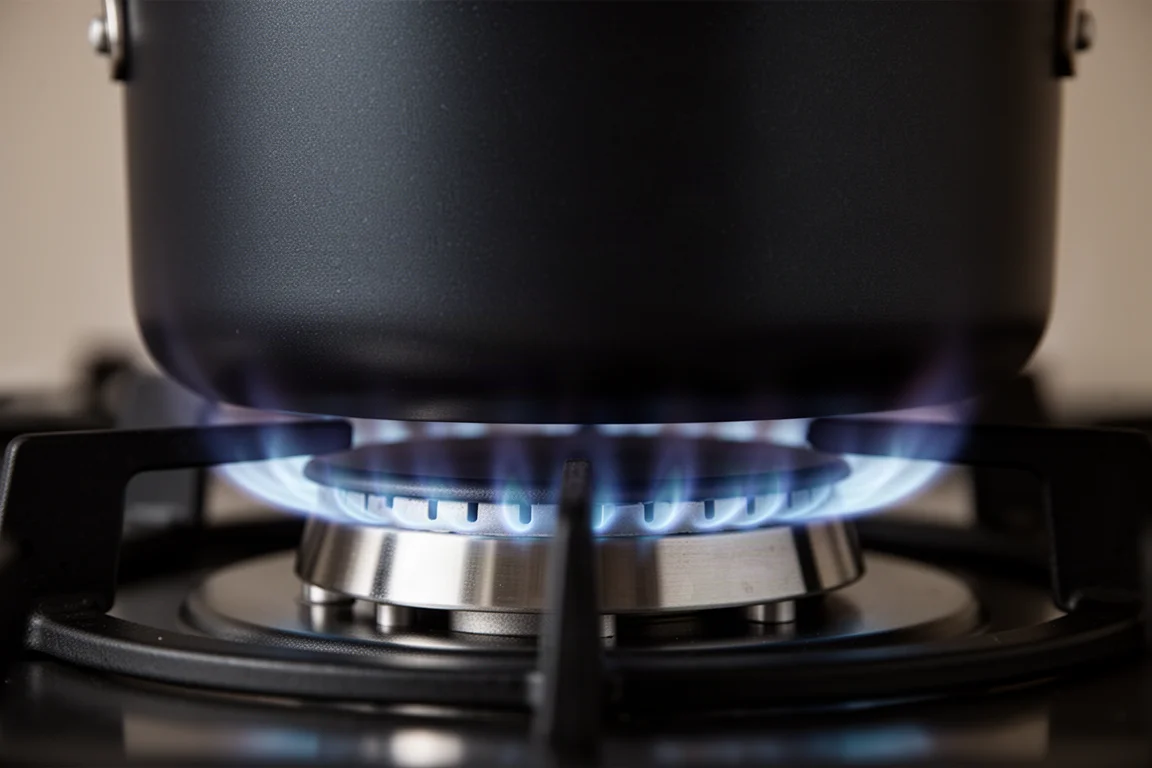
The adjuster deserves a specific mention. It is on the tighter side and takes a little effort to turn, which is exactly what you want when dialling in a simmer. A loose valve makes fine control frustrating, and this one holds its setting rather than drifting.
Cooking Performance and Stability
Output is rated at 10,919 BTU, and in a boil test the stove brought 16 ounces, or two cups, of water to a rolling boil in 2 minutes 22 seconds. That is a strong result for a canister stove, and it is quick enough that a hurried morning coffee is not a compromise.
Speed is only part of the story. The burner head is large enough that heat spreads evenly across the base of a pan, so the centre of a pan does not run noticeably hotter than the edges. That matters more than raw output when you are actually cooking rather than just boiling water, and it makes the stove usable for real meals rather than only dehydrated food.
Stability is excellent. The tripod geometry places the legs far apart, so the stove sits rock solid once it is set up, including on uneven ground. Combined with the grippy pot supports, that means cookware stays where you put it, and you can cut back the flame to a genuine simmer when a recipe calls for it.
Things to Consider Before Buying
Weight is the first trade-off. At 9.9 ounces this stove is not heavy, especially for its size, but lighter canister stoves certainly exist. If every ounce is being counted for a long-distance hike, there are options that will save you weight. Likewise, if packed volume is your priority, smaller stoves are available. This one earns its extra size through cooking capability, so the question is whether you value that capability more than the grams.
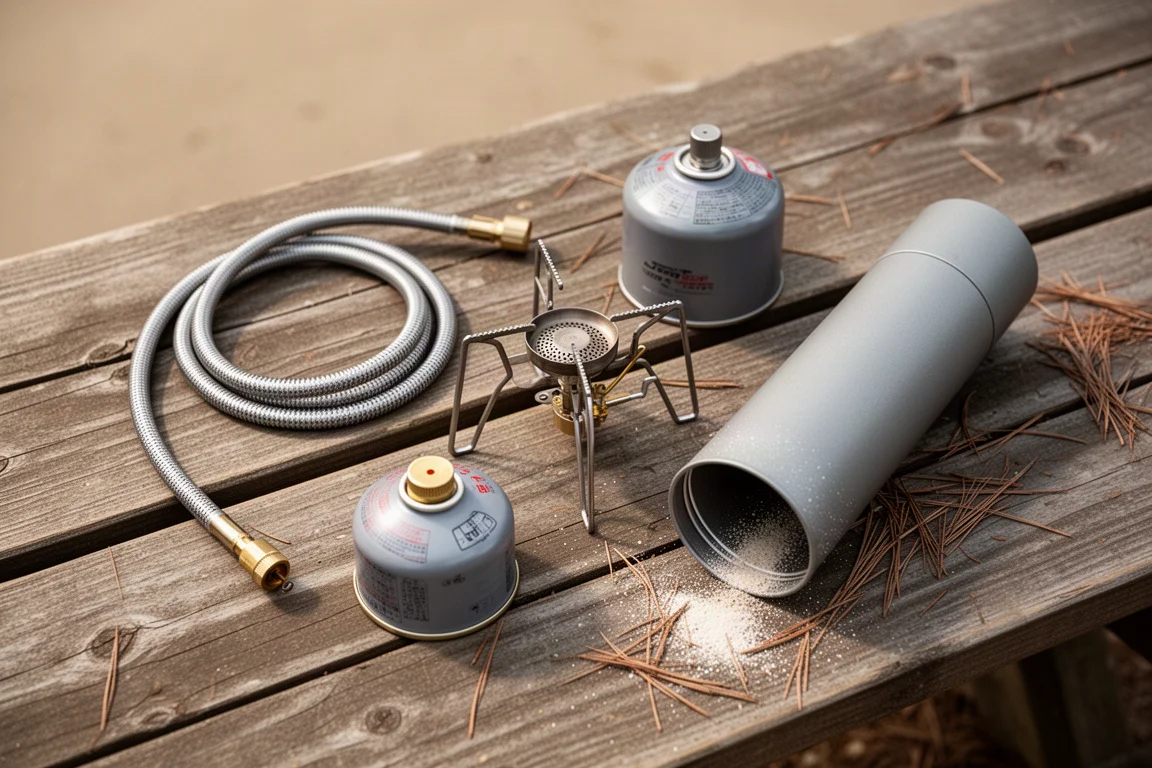
The storage case is the weakest part of the package. It uses a screw-on lid that can be awkward to seat correctly, and it is easy to cross-thread it. You can believe the lid is secured, only for it to pop off later. The stove is also just slightly too large for the case, which makes closing it properly more difficult once the stove is inside. A hole in the base means the case is not dirt tight or water tight, so debris and moisture can find their way in. Empty, it seals up without trouble. Loaded, it is fiddly, and there is a real chance of opening your pack to find the stove loose.
Wind resistance is the other point to plan around. The built-in windscreen does help, but no canister stove is genuinely windproof, and in breezy to windy conditions heat transfer to your pot will suffer. If you often cook in exposed places, budget for an additional windscreen, exactly as you would with most stoves on the market.
Buying Advice
At $35, with a 10 percent off coupon also available at the time of purchase, this stove is exceptional value. The performance, build quality, and versatility on offer are not what that price usually buys, and the stove delivers on all three without obvious compromise.
Think of it as a stove that competes with larger camping stoves on cooking ability while taking up far less room in a vehicle or a pack. If you want one burner that handles a kettle, a mug, and a full-size pan, this covers all three. If you want the absolute lightest possible option for ultralight backpacking, look at dedicated lightweight burners instead and accept the narrower cooking range that comes with them.
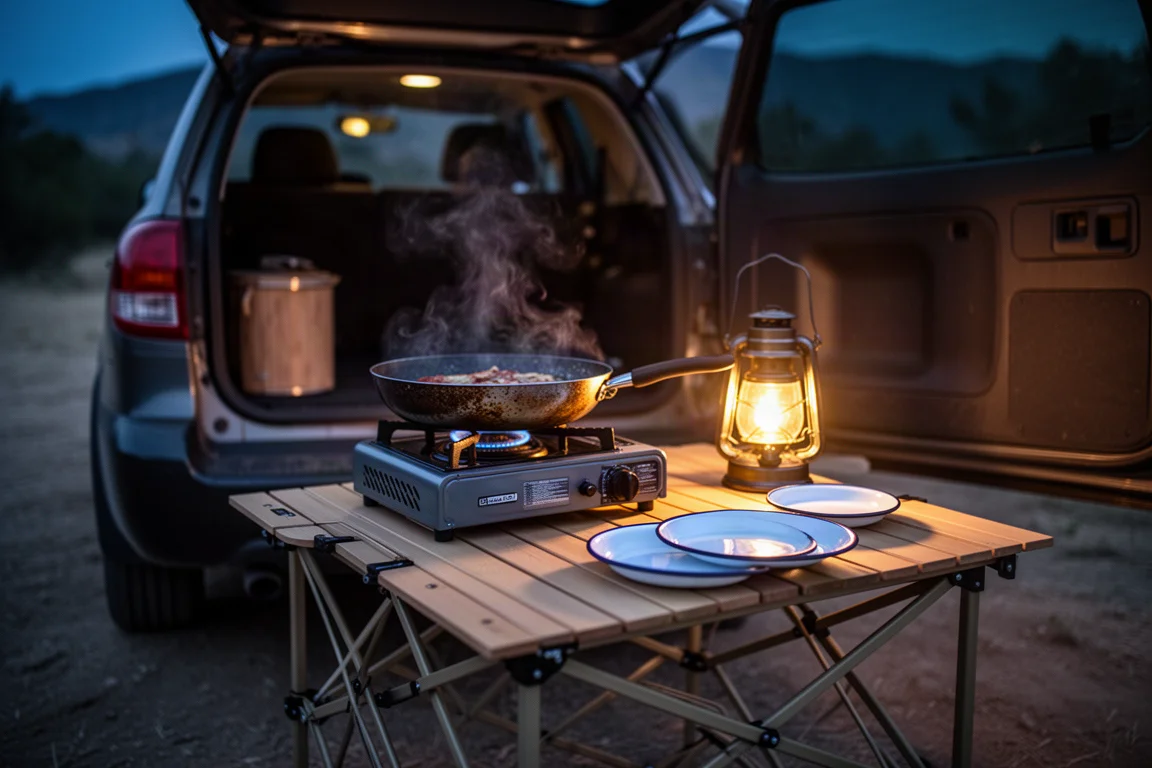
For most people weighing up a first serious camp stove, the sensible approach is to decide which matters more: minimum weight, or maximum cooking flexibility. This stove leans firmly toward flexibility, and it does so at a price that makes the decision fairly easy.
Conclusion
The Fire Maple FMS 125 Pro does almost everything right. It is well made, stable on uneven ground, quick to boil, even in its heat distribution, and reliable, with the igniter firing every time across a year of use. Its large pot supports make it far more versatile than its size suggests, and the long hose and well-tensioned adjuster make it pleasant to actually cook on.
The caveats are honest ones rather than deal-breakers. It is not the lightest or the smallest stove you can buy, the storage case is awkward to close with the stove inside, and it is not windproof despite the marketing claim. None of that changes the fact that this is a capable, durable stove at a price that is hard to argue with, and for backpackers, hikers, and overlanders alike it is a genuinely easy recommendation.
제품 링크
Fire Maple FMS 125 Pro 자세히 보기
이 제품은 본 리뷰에서 언급되었습니다. 구매하시기 전에 사양, 옵션 및 호환성을 확인하시기 바랍니다.
Fire Maple FMS 125 Pro 자세히 보기관련 글
관련 리뷰
Camping Stoves
2026년 최고의 캠핑 스토브: 모든 유형의 여행을 위한 다섯 가지 선택
알코올, 카니스터 및 일체형 시스템을 아우르는 캠핑 스토브의 실용적인 후보 목록과 구매 전에 고려해야 할 장단점.
Camping Stoves
알코올 스토브에 가장 좋은 연료: 변성 알코올, 바이오에탄올, 젤 연료 비교
알코올 스토브에서 작동하는 연료, 각 연료에 맞는 버너, 그리고 그을음, 냄새, 비용, 안전성에 관한 실용적인 가이드입니다.
Camping Stoves
Boundless Voyage 티타늄 알코올 및 목재 스토브 리뷰: 두 가지 방식의 초경량 조리
완전한 세트 무게 4.5 oz, 두 컵의 물을 약 10분 만에 끓이며, 가격은 $36인 티타늄 알코올 및 목재 연소 스토브 키트입니다.