Français · Camping Tents
Light Fighter Catamount 2 Military Tent Review: An Easy-Pitch Four-Season Shelter
A four season military tent with a fly first design, a heavy duty pole system and a complete accessory kit. Here is how it pitches and what to weigh before buying.
Introduction
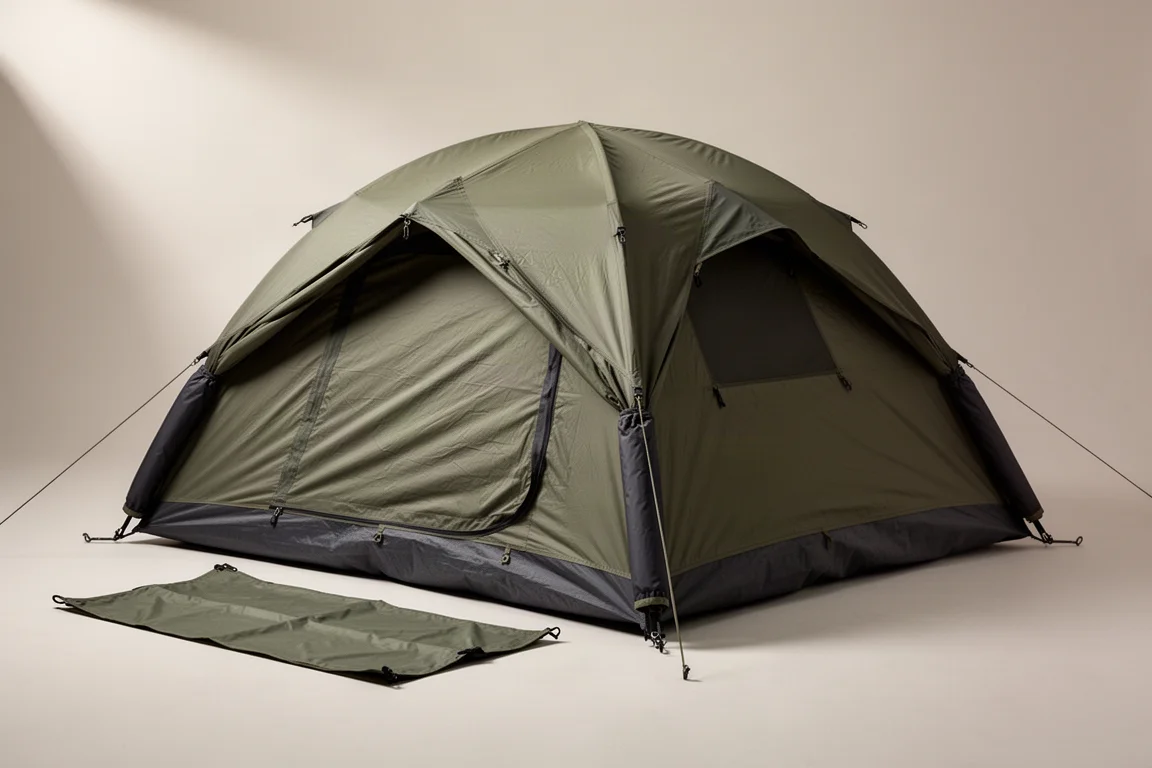
The Light Fighter Catamount 2 is a four season military tent with one standout quality: it is genuinely easy to pitch. Four season shelters have a reputation for long, fiddly setups, and military tents are often assumed to be the worst offenders. This one takes a different approach. The fly is attached to the body, the pole set is simple to assemble, and the shelter goes up in a defined sequence that most campers can learn on the first attempt.
This review covers what comes in the box, how the fly first design behaves in real conditions, and what is worth weighing before you buy.
Who This Tent Is For
This tent is aimed at campers who need a shelter that performs in cold, wet and windy conditions and who do not want to fight with it during setup. If you pitch in falling snow or heavy rain, the fly first design is the feature that matters most. It means the inner body never sits exposed while you assemble poles.
It also suits anyone who wants a complete, self contained package. The tent ships with a ground sheet, a full stake set, snow anchors, a pole repair sleeve and a repair kit, so there is very little to buy separately.
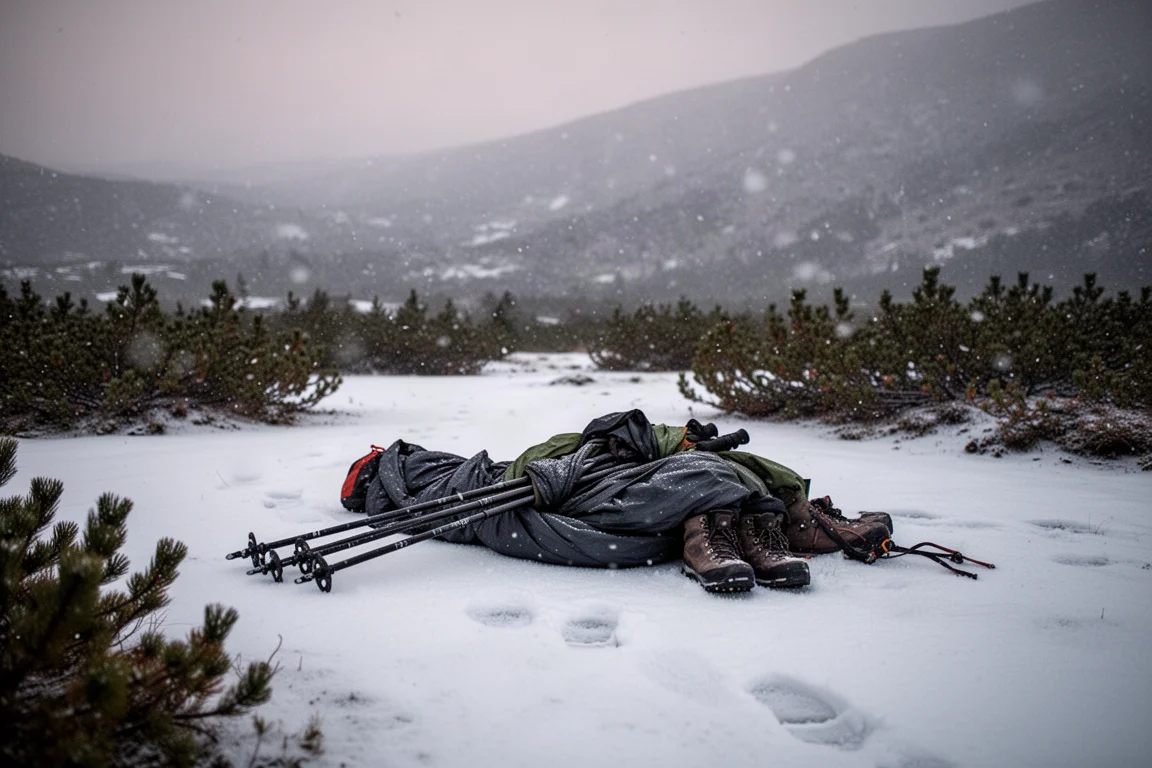
Where it makes less sense is for anyone chasing the lightest possible pack for mild season backpacking. This is a four season military shelter built around strength and weather protection rather than minimum weight, and the pole set reflects that priority.
What Comes in the Box
The tent packs into a compression sack with two compression straps and a drawcord. The sack opens wide, so the tent can be rolled and pushed in rather than folded into a tight shape, which makes packing up at the end of a trip noticeably easier.
Inside, the package is unusually complete:
- 16 tent stakes
- Four snow anchors, also known as parachute stakes
- A repair sleeve for the tent poles
- A repair kit
- A ground sheet
- An instruction manual
- Two windbreaker poles and the spider main body pole
Setup: Fly-First Design and the Pole System
The fly and the body are attached to each other. That single detail changes the pitch sequence. On a windy day you stake out the fly first and the inner stays protected from the start. In calm conditions you can move straight to the poles.
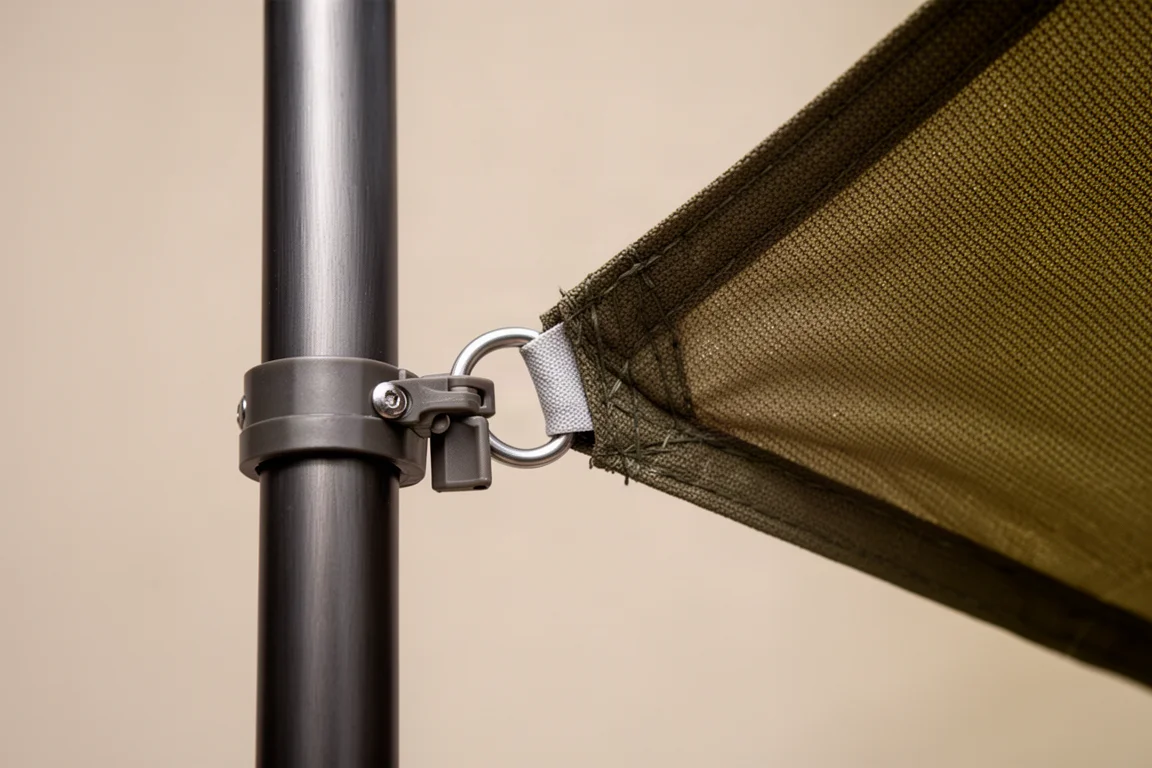
Assembling the spider pole comes first, and it is the moment most people notice the pole diameters. These are among the thickest tent poles you are likely to handle, and they were clearly built with snow loading and wind in mind. Lay the assembled spider pole lengthwise across the top of the tent, then build the two windbreaker poles and set them aside.
Each corner has a grommet. Start with the outermost grommet and work inward later as the fabric stretches with use. Walk the body of the tent and clip every clip to the poles, including the side connector grommets on both sides, finishing at the ends. The two windbreaker poles then go at the long ends, one on each side.
A few grommets and three buckles remain. Thread a windbreaker pole through the top grommet, run it underneath the spider poles, pass it through the next grommet and seat it in the grommet beside the ground. Repeat on the other side, then connect the three fly buckles. Finish by staking out the doors and the sides and opening the vents.
Once the vents are open the shelter is fully pitched. For a tent of this class the process is short, and it becomes faster each time you repeat it.
How Easy It Is to Pitch
Judged on a scale where ten is the most complicated and one is the easiest, this tent sits at around three. That is a strong result for any four season shelter, and a rare one for a military design. The steps are sequential and logical, and nothing about the pole or clip layout requires guesswork once you have done it a single time.
The fly first design is the biggest practical win. Setting up in a winter storm usually means snow and ice collecting on the inner while you work, followed by shaking everything off and drying it out afterwards. With the fly already attached to the body, that problem largely disappears.
Alternative Setup Options
The tent is not limited to one configuration. Using the ground sheet without the inner produces what is known as a hasty hooch setup, which gives you a fast, simple shelter. The tent can also be pitched with neither the inner nor the ground sheet when you only need basic cover.
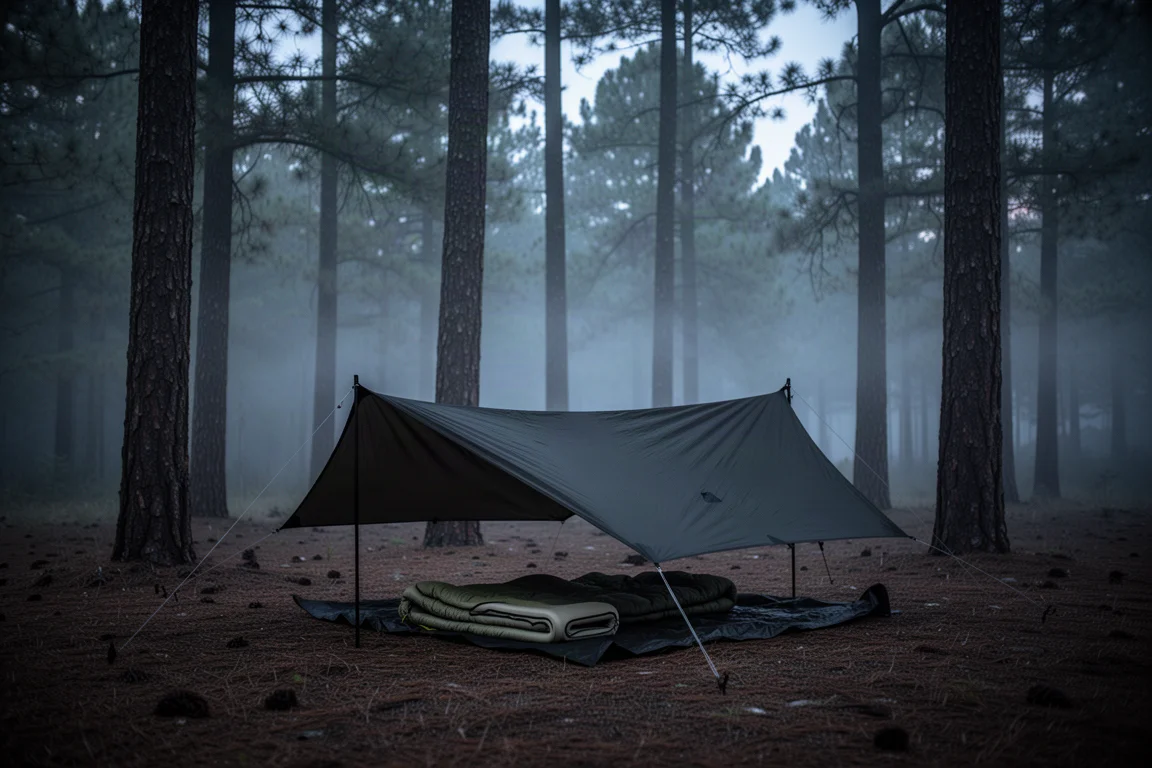
That flexibility is useful across seasons: a fully enclosed shelter when the weather is serious, and a stripped back setup when it is not.
Things to Consider Before Buying
The fly first design is the headline feature, and it is worth confirming that it matches how you actually camp. If you mostly pitch in dry, mild conditions, the benefit is smaller, though the tent still performs as a solid four season shelter.
The pole set is deliberately overbuilt for snow and wind. That strength is the reason the tent handles loading well, but it also means the poles take up more room in a pack than the thin poles used on light summer tents.
Setup is straightforward but not instant. There is a defined sequence of pole assembly, grommets, clips and buckles, and it is worth practising once at home before you rely on it in bad weather.
Buying Advice
Buy this tent if you want a four season shelter that goes up quickly and keeps its inner dry while you pitch it. The fly first construction and the heavy duty pole system are the two features that justify the design, and they are exactly the qualities that matter when the weather turns.
The accessory package also carries real value. Sixteen stakes, four snow anchors, a ground sheet, a repair sleeve and a repair kit mean you can take the tent out and use it without a separate shopping list. If you already own some of these items, the complete kit is simply redundancy rather than a problem.
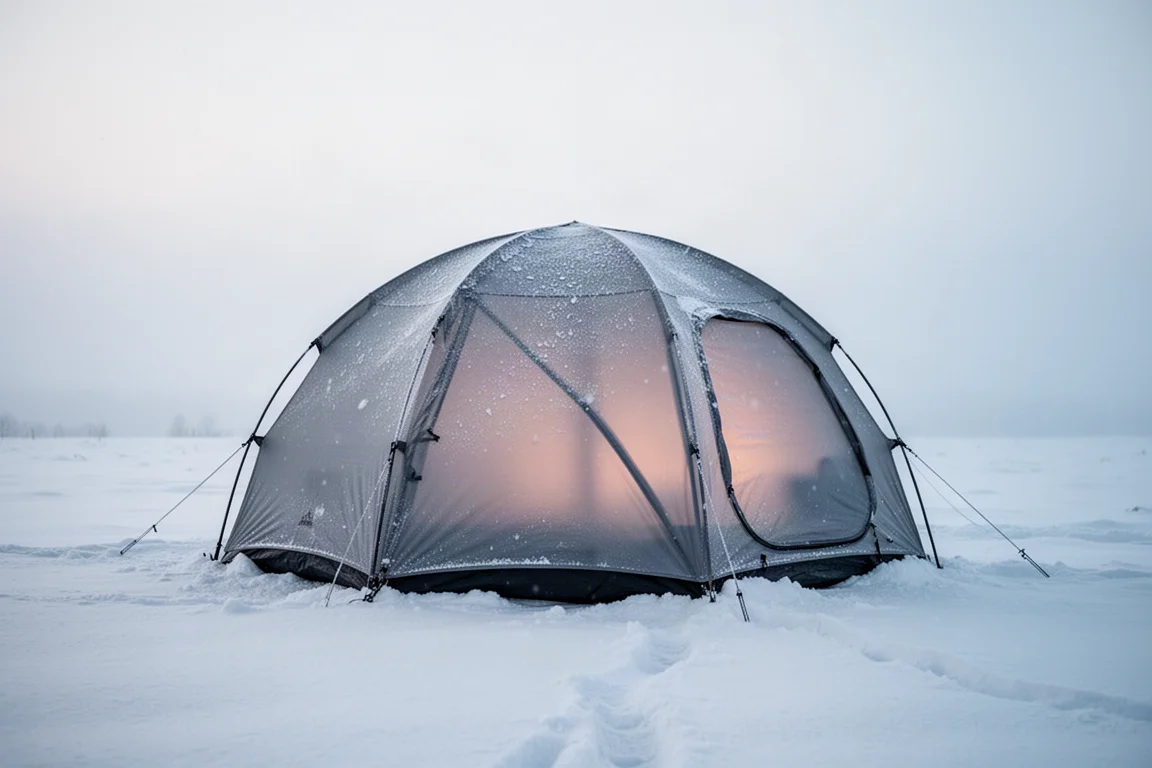
Before ordering, think about how much of the year you will use it and whether a strength-first pole set suits your packing style. For cold weather trips, storm pitching and long term durability, the priorities here line up well. For mild season travel where weight and packed volume matter most, a lighter shelter will usually serve you better.
Conclusion
The Light Fighter Catamount 2 makes a convincing case that a four season military tent does not have to be a chore to pitch. The fly first design protects the inner during setup, the pole system is built for snow and wind, and the included accessory kit covers the essentials. If your camping involves real weather and you want a shelter you can trust to go up without drama, this one deserves a close look.
Lien du produit
Voir plus de détails pour Light Fighter Catamount 2
Ce produit est mentionné dans cet avis. Avant d'acheter, confirmez les spécifications, les options et la compatibilité.
Voir plus de détails pour Light Fighter Catamount 2Lectures complémentaires
Avis connexes
Camping Tents
Test du Grand Canyon Apex 1 : une tente une place à petit prix qui surprend
Un regard pratique sur la Grand Canyon Apex 1, une tente dôme une place à environ 53 $, avec une bonne ventilation, un intérieur spacieux et des matériaux qui exigent un maniement précautionneux.
Camping Tents
Test du Hike and Bike Zion 2 : une tente deux places à petit prix mise à l'épreuve sous une pluie soutenue
La Hike and Bike Zion 2 coûte environ 135 $ et assure des nuits au sec de manière satisfaisante. Sous une pluie soutenue, les éclaboussures et une couture qui se décolle changent la donne.
Camping Tents
Test du Hike and Bike Zion 2 : un abri deux places à 135 $ sous une vraie pluie
Une tente deux places à environ 135 $, testée sous une pluie battante. Un bon rapport qualité-prix sur le papier, mais les éclaboussures, une installation fixe et un ruban d'étanchéité qui se décolle limitent la confiance qu'on peut lui accorder.