Español · Military Surplus
Winston-Salem Zippered Poncho Liner Review: A US Military Classic, Updated
A practical look at the zippered US military poncho liner made by Winston-Salem Industries for the Blind, covering sizing, warmth, condition grades, repairs, and how to spot copycats.
Introduction
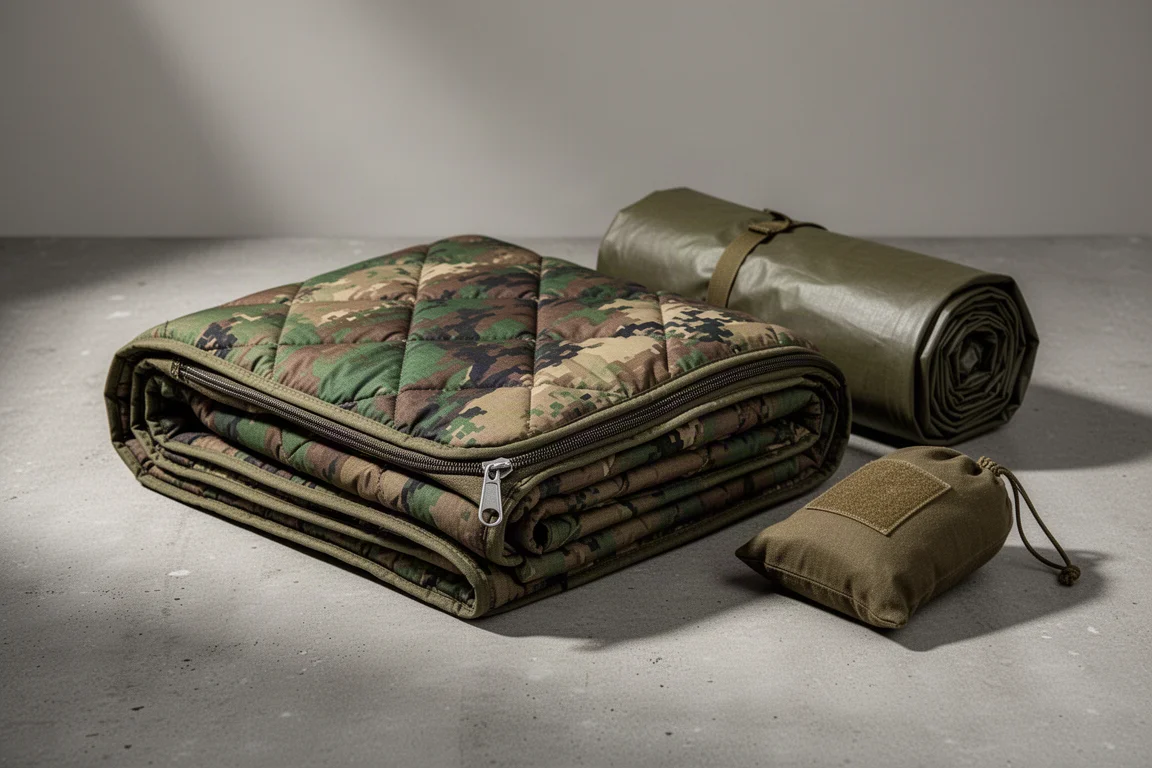
The United States military poncho liner has been in service since the Vietnam era, and its basic design has barely moved since. It is a quilted, reversible blanket that ties into a wet weather poncho, doubles as a light sleeping bag, and packs down small enough to live at the bottom of a rucksack.
The version most people know has no zipper. It relies on a set of nylon tie points to hold it in place. The newest variant, made by Winston-Salem Industries for the Blind, keeps everything that works about that design and adds a YKK zipper that runs around the body. That single change alters how the liner is used, and it is the reason this version deserves a closer look.
This article covers the zippered liner: what it is, how it compares with the traditional non-zippered model, what to check before you buy, and how to avoid the copycats that now circulate in the surplus market.
Who This Poncho Liner Is For
The zippered poncho liner suits anyone who wants a light, packable layer that can be closed up rather than draped. It measures roughly 88 inches long and 64 inches wide, weighs close to two pounds, and compresses to about 12 inches by 6 inches. That is small enough for a day pack and light enough to carry without thinking about it.
Warmth is rated at around 50°F when worn with clothing, which puts it in three-season territory for most people. It works as a blanket at camp, a liner inside a sleeping bag, or a standalone bag on a mild night, and it is equally at home in a barracks or a cabin.
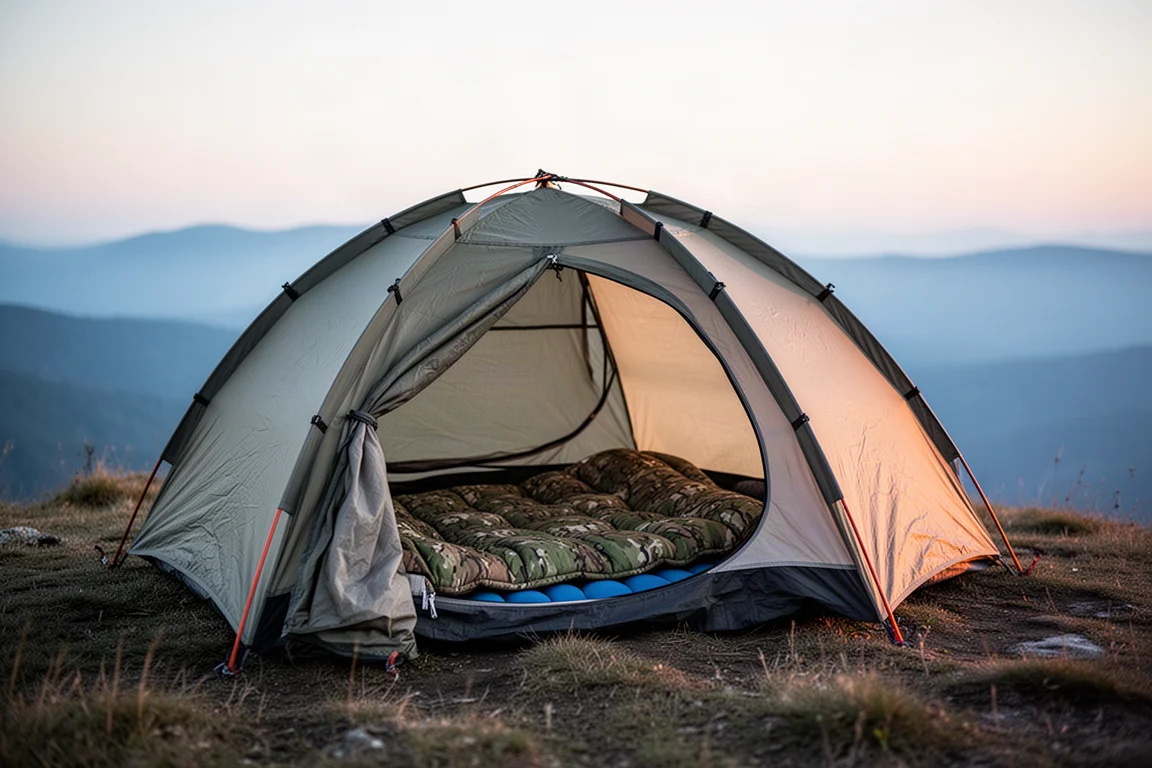
Because the shell is reversible, the same piece can show coyote brown on one side or digital woodland camouflage on the other, depending on how you lay it out.
Main Strengths
The core appeal of the poncho liner has not changed. The shell is nylon ripstop, the insulation is polyester batting, and the quilting holds that batting in place without adding much bulk. The materials on the zippered version are identical to the traditional model, and the tie-off points are still there, so it remains fully compatible with a poncho.
Weight and dimensions are virtually the same as the older design, which means the zipper costs you nothing in packability. Compressed, both versions land at roughly 12 inches by 6 inches. Newer production also shows noticeably more vibrant digital woodland camouflage than older, faded examples, though that is a matter of age rather than a change in specification.
The Zipper: What Actually Changes
The zipper is the whole story here. It is a YKK zipper that runs around the body of the liner, with a pull at the top. You can climb in, close it up, and tighten it around yourself. That turns the liner into something much closer to a sleeping bag than a blanket.
The traditional version cannot match that. Its tie points hold the liner to a poncho or to itself, but they do not seal it, so warmth escapes. With the zippered version, the closure keeps heat in. In practice that makes the zippered liner noticeably warmer than the tie-only model.
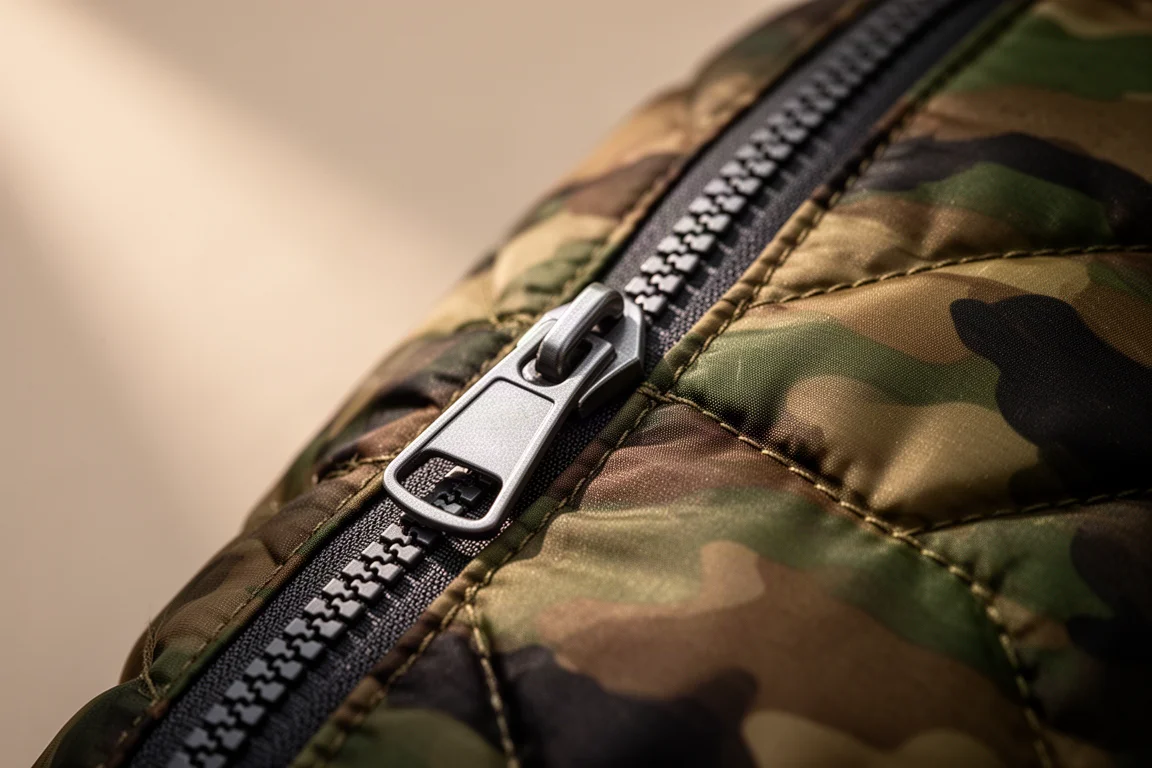
It is a simple addition, and it is the kind of change that makes an old piece of gear meaningfully better without redesigning it from scratch.
Build, Materials, and Reversible Design
Everything other than the zipper carries over. Same nylon ripstop, same polyester batting, same quilting, same overall shape, and the same set of tie-off points. The zippered liner is also reversible, so you choose which face shows. Coyote brown on the outside is the low-profile option; digital woodland on the outside blends into timber and brush.
The inside of the newer liner is still brown, though not quite as deep a brown as a heavily used older example. That is a cosmetic difference rather than a functional one, and it has no effect on how the liner performs.
Things to Consider Before Buying
Availability is the main constraint. The traditional poncho liner is easy to find across surplus retailers and marketplaces. The zippered version is uncommon, and only a small number of sellers carry it at any given time. Prices run a little higher than the standard model as a result.
Camouflage options are limited. Digital woodland is the only pattern seen on the zippered version, and there is no indication that it is offered in other military camouflage patterns.
Condition matters more than usual, because surplus liners are graded on a scale from A to F, where A is the best and F is the worst. A grade D example can arrive with holes. One grade D liner had a melted hole that went all the way through, plus a second hole along the zipper line. Both were repaired with an iron-on polyester patch, a quick pass on a sewing machine, and some reinforcement stitching around the zipper. The repairs held and the zipper itself was undamaged, but buyers should expect to do similar work on lower grades.
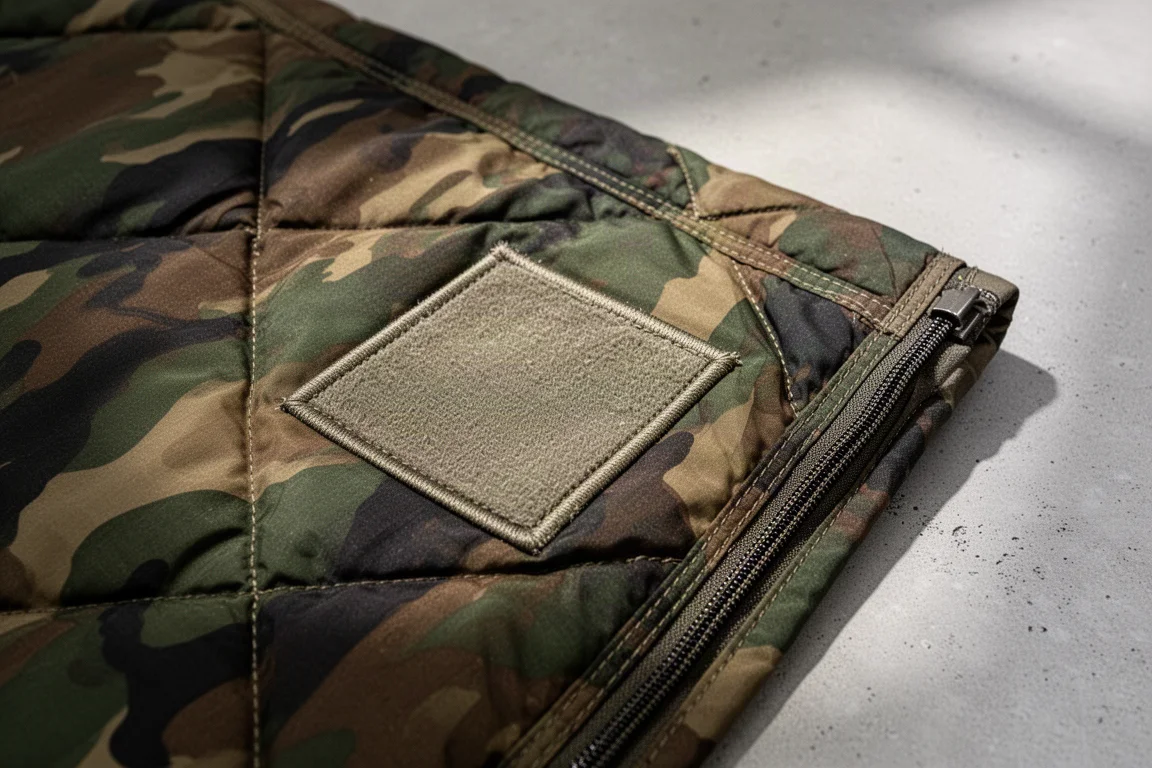
None of these issues are deal breakers on their own, but they are worth weighing against the price and the condition grade before you commit.
A Note on Authenticity and Copycats
Copycat poncho liners are common, and some of them look convincing at a glance. The reliable check is the label. Genuine zippered liners carry a tag reading liner, wet weather poncho, all-purpose liner, along with the maker’s name: Winston-Salem Industries for the Blind.
Counterfeit labels often give themselves away with spelling errors, typos, and grammatical mistakes. Some also print legitimate military stock numbers that do not actually belong to the product, including numbers lifted from the zippered liner itself. If a seller will not show you a clear photo of the tag, treat that as a reason to walk away.
As far as can be determined, Winston-Salem Industries for the Blind is the only manufacturer of the zippered version. Anything else on the market should be treated as a copy until the label proves otherwise.
Buying Advice
A grade D zippered liner was purchased for about $32 with free shipping. Grades B and C have since become easier to find, and they are the better starting point if you would rather not spend an evening with a sewing machine. Even at grade D, the repairs required were straightforward, and the result is a fully usable liner.
If you want one, buy while supply lasts. The zippered version is rare, the number of sellers is small, and the price is more likely to rise than fall. Check the label first, choose the best condition grade your budget allows, and treat any hole as a repair job rather than a reason to walk away.
For anyone who already likes the traditional poncho liner, the zippered version is a straightforward upgrade. For anyone who has never used one, it is a light, affordable, genuinely useful layer that earns its place in a pack.
Conclusion
The zippered US military poncho liner keeps everything that made the original a favorite and adds a closure that turns it into a practical sleeping bag. The materials, dimensions, weight, and tie points are unchanged, the warmth rating stays around 50°F with clothing, and the reversible coyote brown and digital woodland faces still do their job.
The trade-offs are availability and condition. The zippered version is uncommon, the price sits a little above the standard model, and lower condition grades may need patching. Verify the Winston-Salem Industries for the Blind label, pick the best grade you can find, and this is a piece of surplus gear that will keep working for years.
Enlace de producto
Ver Winston-Salem Industries for the Blind All-Purpose Poncho Liner (Zippered) con más detalle
Este producto aparece en la reseña. Antes de comprar, revisa las especificaciones, las opciones y la compatibilidad.
Ver Winston-Salem Industries for the Blind All-Purpose Poncho Liner (Zippered) con más detalleMás lecturas
Reseñas relacionadas
Military Surplus
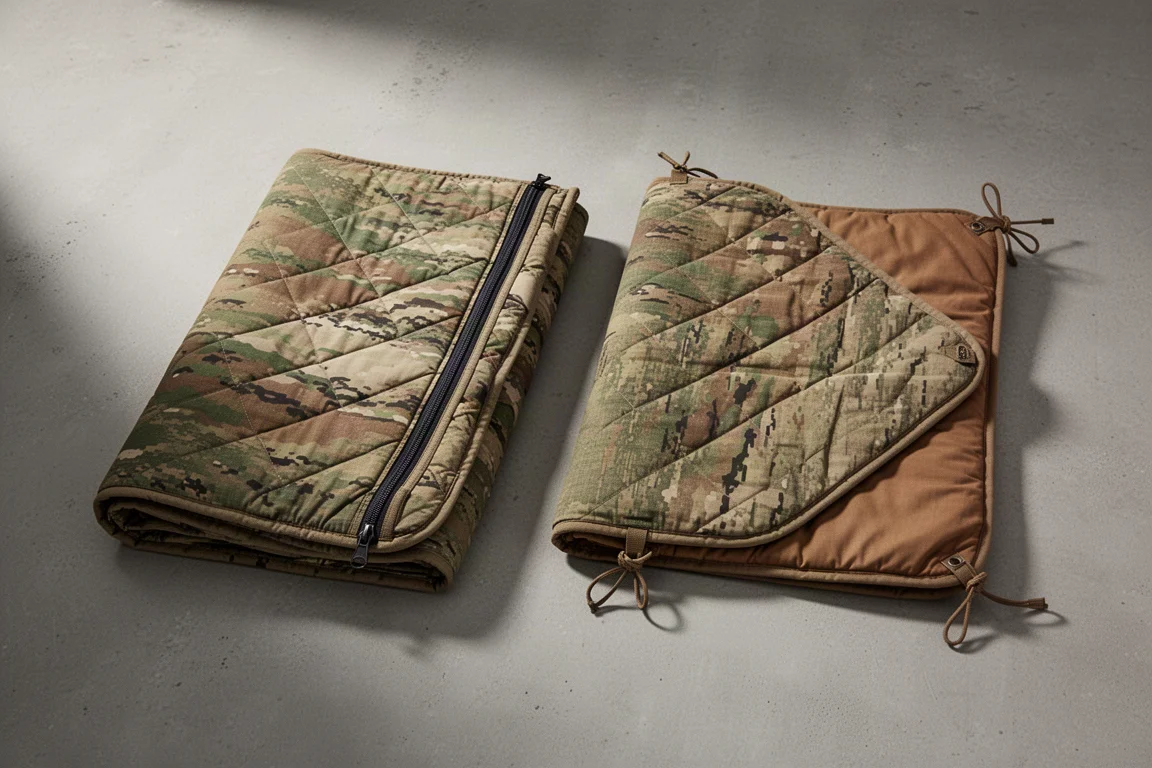
Forro poncho militar de EE. UU. con cremallera vs tradicional: qué manta de excedentes se adapta a tu equipo
Una comparación práctica de los forros poncho militares de EE. UU. con cremallera y tradicional, que abarca construcción, calidez, tamaño embalado, grados de condición y cómo detectar excedentes genuinos.
Mountaineering Boots
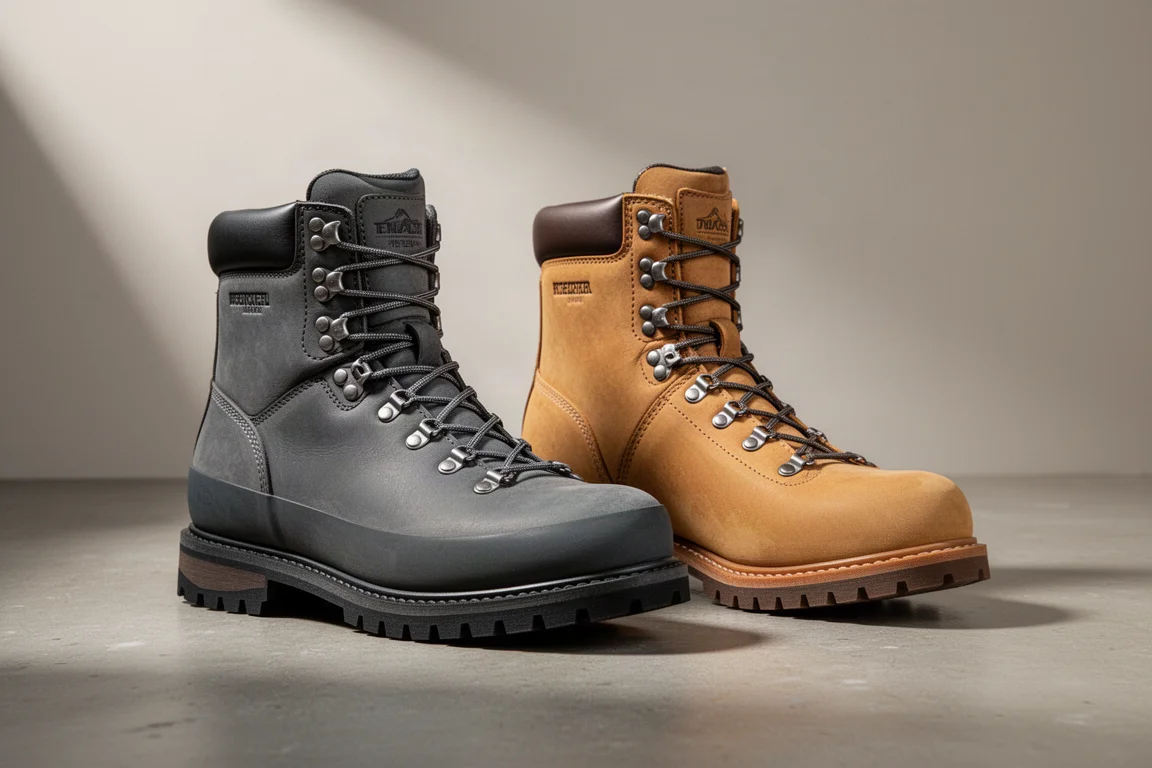
Análisis de Salewa Ortles Ascent Mid y Ortles Light Mid: Dos botas B2 para colinas invernales y días alpinos
Un vistazo de cerca a dos botas de montaña Salewa: la duradera Ortles Ascent Mid, con clasificación B2, y la más ligera y plegable Ortles Light Mid.

Aquarium Test Kits
Análisis del test de alcalinidad Salifert: medición de KH asequible para acuarios de arrecife
Una mirada práctica al test de alcalinidad Salifert: cómo funciona la valoración, cuánto cuesta por prueba y para quién es más adecuado.