Español · Running Shoes
Nike Structure 26 Review: Nike's Best-Kept Secret Gets Better
More foam, a smoother heel, and the same dependable React X formula make the Structure 26 a quietly excellent stability daily trainer.
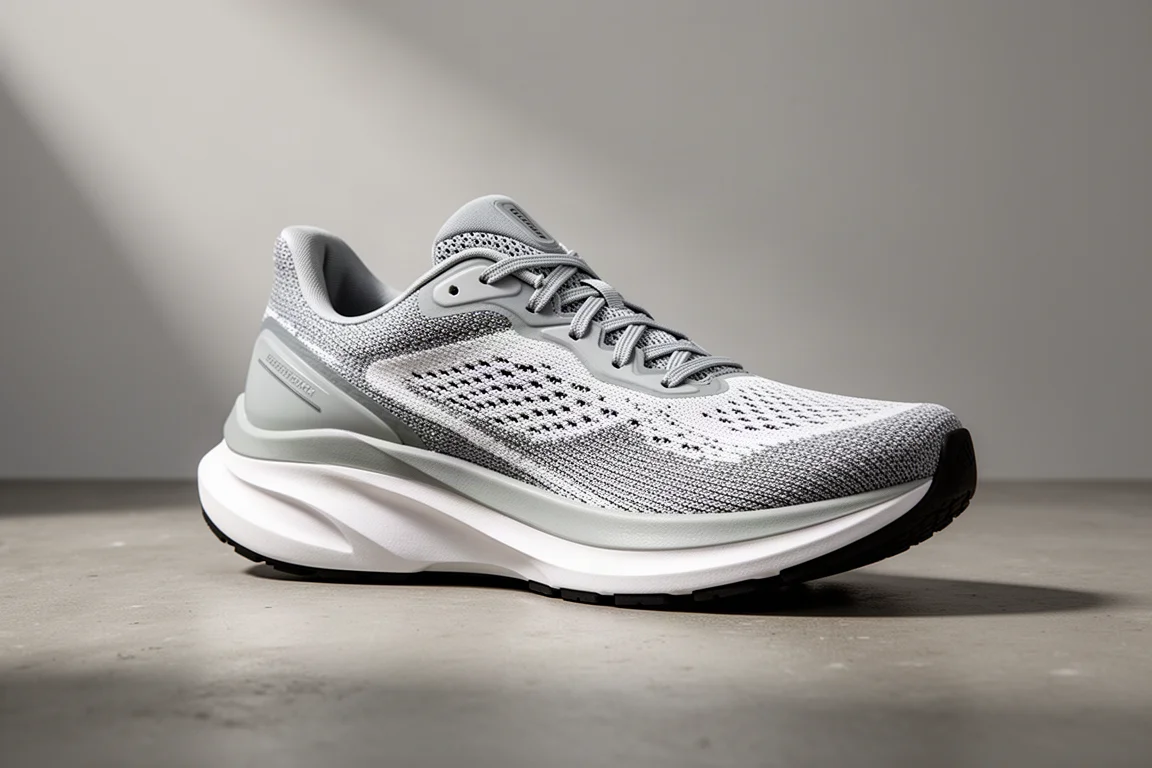
Introduction
Some running shoes generate hype. Others just quietly do the job every single day. The Nike Structure 26 firmly belongs to the second group, and that is exactly why it deserves attention. For years this line has been one of the industry’s better-kept secrets: a stability daily trainer that elite distance runners have used for big chunks of their training mileage, even while the spotlight stayed on carbon racers and max-cushion cruisers.
The 26th version keeps the formula that made the Structure 25 so beloved, then makes meaningful upgrades. Stack height is up, the heel feel is more forgiving, and the ride stays smooth and protective without any gimmicks. This is not a shoe designed to make you fast. It is designed to keep you healthy, and on that brief it delivers.
Who This Shoe Is For
The Structure 26 is built for runners who want a dependable, supportive daily trainer for everyday miles, easy runs, and rebuilding phases. If most of your runs are 30 to 45 minutes, whether that is a treadmill jog, a neighborhood loop, or miles with the dog, this is squarely the kind of shoe that fits.
It also makes sense for runners coming off hard training blocks. The higher 10 mm drop and stable rearfoot take pressure off the lower legs, which is a big part of why elite athletes training for shorter distances have favored this line: the support lets them stack miles without hammering their calves and Achilles.
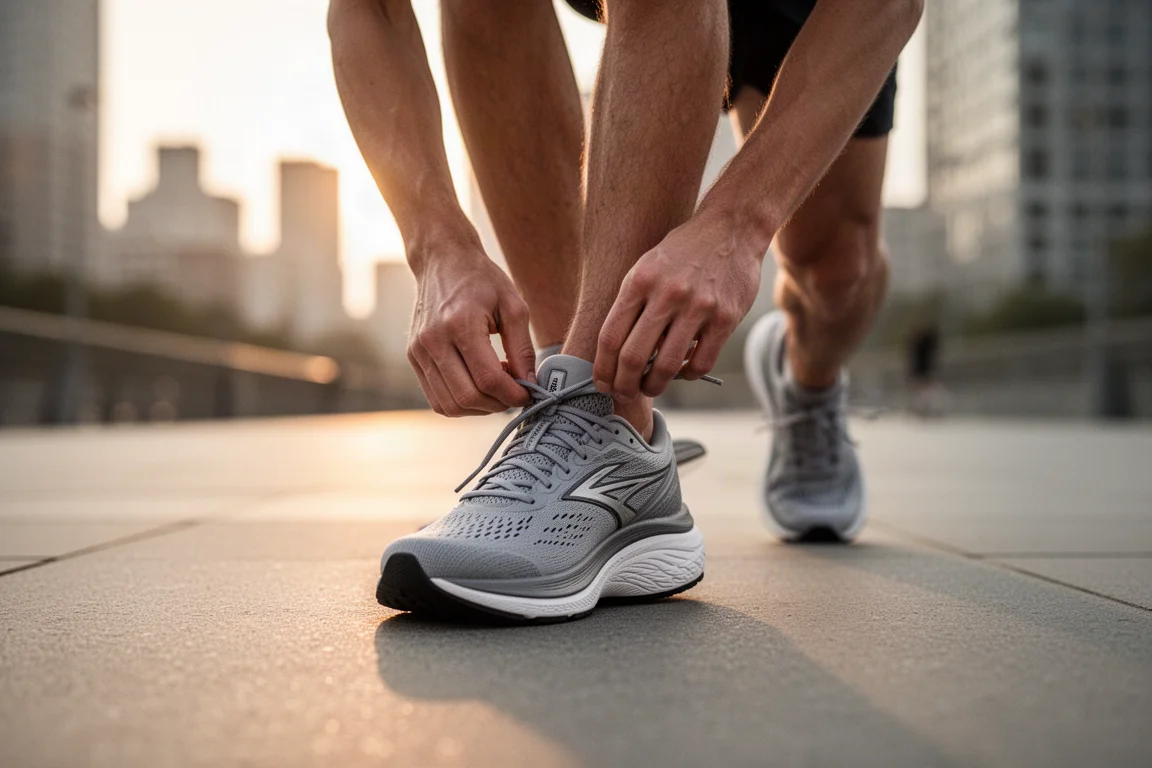
Main Strengths
The foam is the headline. Nike’s React X midsole here has a density and protection that feels distinctly better tuned than in some of Nike’s other trainers, pairing a firm, structured underfoot feel with a surprisingly smooth roll. Add generous stack height, roughly 40 mm in the heel on our measurements, and you get real impact absorption without a mushy sensation.
The heel and midfoot support system is the other big win. The Structure 26 ditches the plastic heel clip of the previous version and moves to a foam wrap on the medial side with a more forgiving heel cup. The foot is still guided and held straight, but without that locked-down, clipped-in feeling that plagued many stability shoes of recent years.
Other strengths worth noting:
- True-to-size fit with a secure, structured upper and comfortable padding around the tongue and heel.
- Extremely stable rearfoot that keeps the ankle and foot locked on a straight line at landing.
- A simple, classic construction with no weirdness: just foam, support, and comfort.
- Enough rubber coverage to feel durable underfoot.
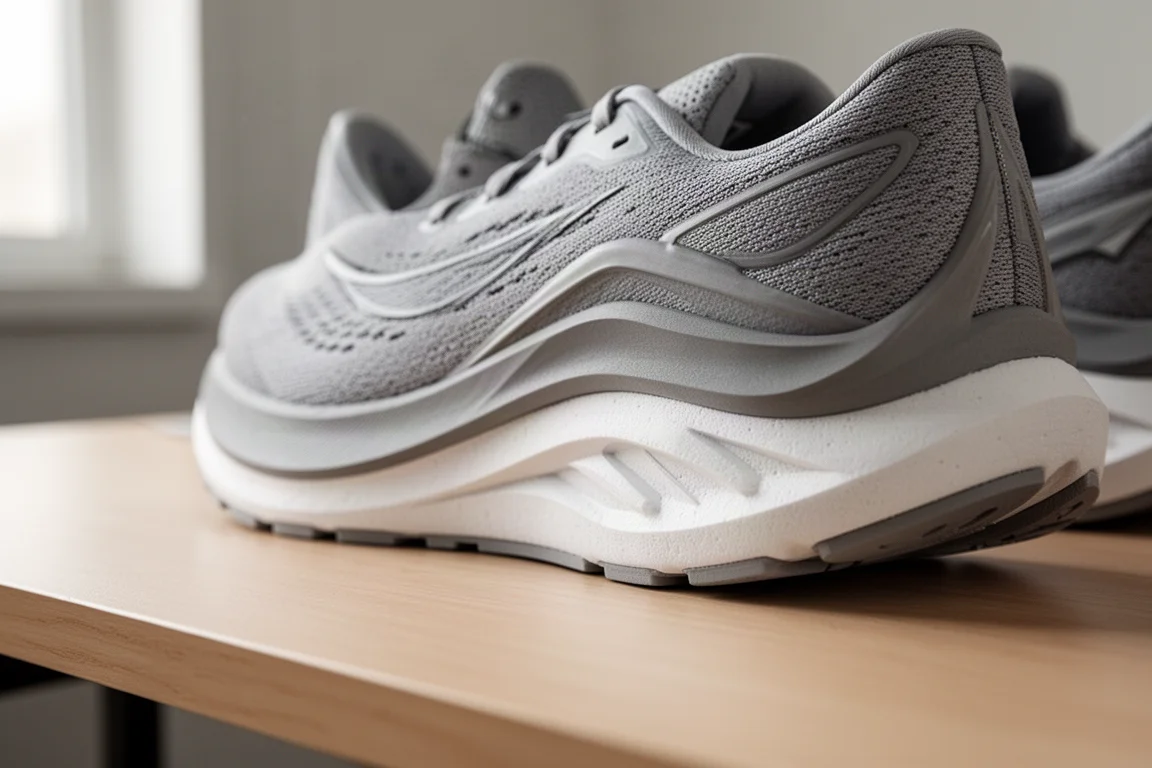
Things to Consider Before Buying
This is not a lightweight shoe. Our pairs measured around 324 g, and the weight shows. The Structure 26 is not trying to be a speed shoe, a workout shoe, or a max-cushion cruiser, and if you want bounce and snap, look elsewhere. There is no plate and no energetic pop here.
The fit also carries some classic Nike character: a slightly narrow toe box and a firm, structured step-in feel. This is not a sinking-squish shoe like the plushest neutral trainers. And the 10 mm drop creates a noticeable wedge sensation, with very little toe spring or rocker geometry.
Finally, the design language is about as basic as it gets. Function over flair, in every sense.
Ride Performance
On the road, the Structure 26 does the thing the best daily trainers do: it disappears. It is not barking at you, not demanding a certain foot strike, not reminding you that you are wearing tech. You just run. On a first 8-mile recovery run it stayed comfortable well past the hour mark, which is where some similarly stacked trainers start to feel flat.

The ride is smooth, protective, and stable, with just enough cushioning for easy miles and rebuilding weeks. Do not expect the trampoline feel of a max-cushion bouncer. Expect a set-it-and-forget-it workhorse that leaves you finishing runs thinking you could have gone longer.
How It Compares
Against the previous Structure 25, the changes are clear: more stack height, a firmer-feeling but more protective ride, and a much more forgiving heel interior. The 25 relied on a plastic heel clip and a lower stack; the 26 wraps foam up the medial side and cradles the foot instead. If heel clipping bothered you in older stability shoes, this generation is a meaningful improvement.
The closest comparison in feel is the Brooks Ghost Max 2. Both deliver that smooth, protective, no-nonsense ride, but the paths differ: the Structure runs a 10 mm drop with a traditional, wedge-like geometry, while the Ghost Max 2 sits lower in drop with more rocker, shifting effort toward a rolling ride. The Structure 26 also brings explicit stability features the Ghost Max does not.
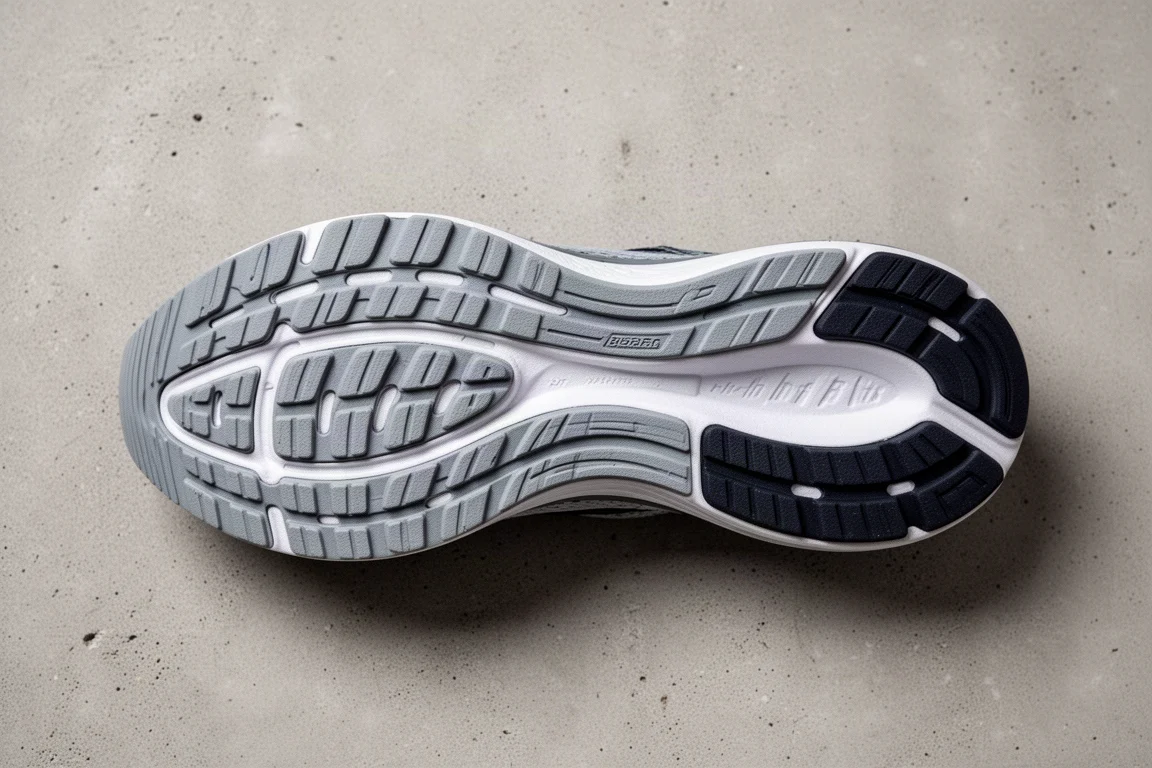
In the broader stability and support category, alongside shoes like the New Balance 860 and others in the standard support class, the Structure 26 sits right at the top of the mix. It is more protective than lighter standard trainers like the Pegasus, and it does all of this while feeling like an injury-prevention tool first.
Buying Advice
Buy the Structure 26 if you want a stable, protective daily trainer for easy miles, post-race rebuilding, and everyday wear. It also doubles well as a walking and casual shoe thanks to its comfort-first construction. Skip it if you want bounce, speed, or a soft squishy step-in feel. Expect it to show up heavily in deals roundups once discounts hit, which makes the value case even stronger over time.
Conclusion
The Nike Structure 26 nails its brief completely: stability and support without the straitjacket feel, plenty of foam, a smooth ride, and zero gimmicks. It might not be exciting, but it might also be Nike’s best daily trainer right now. For runners who value staying healthy over feeling fast, it is an easy recommendation.
Enlace de producto
Ver Nike Structure 26 con más detalle
Este producto aparece en la reseña. Antes de comprar, revisa las especificaciones, las opciones y la compatibilidad.
Ver Nike Structure 26 con más detalleMás lecturas
Reseñas relacionadas

Running Shoes
Las mejores zapatillas de running de asfalto a sendero: tres opciones versátiles para terrenos mixtos
Una guía práctica sobre tres zapatillas de running de asfalto a sendero que se adaptan tanto al pavimento como a senderos suaves, con sus puntos fuertes y limitaciones para distintos tipos de corredores.

Running Shoes
Las mejores zapatillas de running para la tendinitis de Aquiles: tres opciones explicadas
Tres zapatillas de running con diferentes drops y características de soporte diseñadas para ayudar a reducir el dolor del tendón de Aquiles al caminar y correr.

Running Shoes
Las mejores zapatillas de running para mujer: cinco opciones principales clasificadas
Una guía clasificada de cinco zapatillas de running para mujer, desde modelos versátiles para el día a día hasta opciones de alto rendimiento para competición, con sus fortalezas y puntos a considerar.