Deutsch · Bikepacking Gear
Bikepacking Essentials: Three Gear Picks for Remote Long-Distance Rides
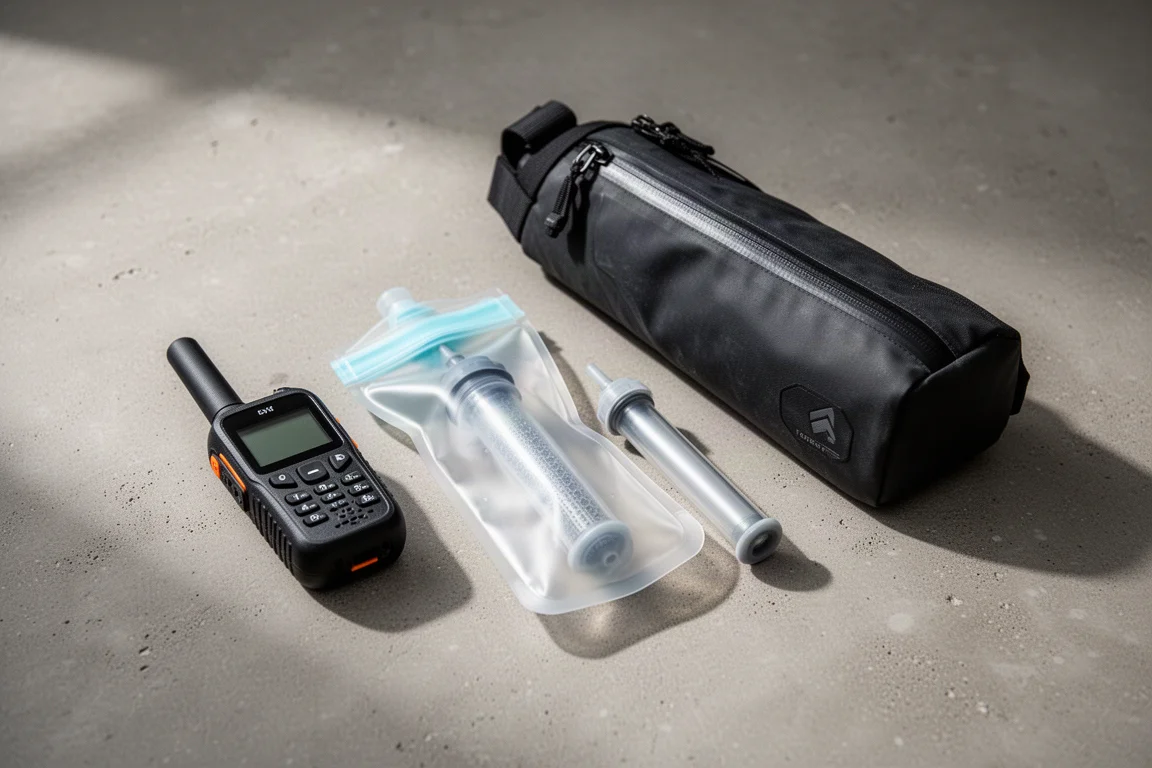
Drei kleine, robuste Bikepacking-Essentials für abgelegene Touren: ein Satelliten-Kommunikationsgerät, ein Wasserfilter und eine wasserdichte Oberrohrtasche.
Introduction
Bikepacking kit earns its place by solving problems you cannot solve any other way. On a remote multi-day route, three needs come up again and again: staying in contact when there is no phone signal, finding drinkable water, and keeping food and charging cables within reach without stopping.
The three products below are chosen for exactly that kind of riding. Each one is small, hard-wearing, and built around a job that matters when you are a long way from help.
What Makes These Picks Worth Carrying
The bar for bikepacking gear is different from the bar for a weekend club ride. Weight and packed size matter, but so does whether a product still works after days of dust, rain and fatigue. Anything that needs careful handling, constant maintenance or ideal conditions tends to get left at home.
These three picks share a few traits: each addresses a specific problem rather than adding general convenience, each fits on a bike without interfering with pedalling, and each keeps working when there is no support, no shop and no phone signal.
A useful test is to ask what happens if the item fails. If the answer is a minor annoyance, it can stay at home. If the answer is that the ride stops, it belongs in the bag.
Garmin inReach Mini 2: Satellite Messaging Beyond Phone Signal
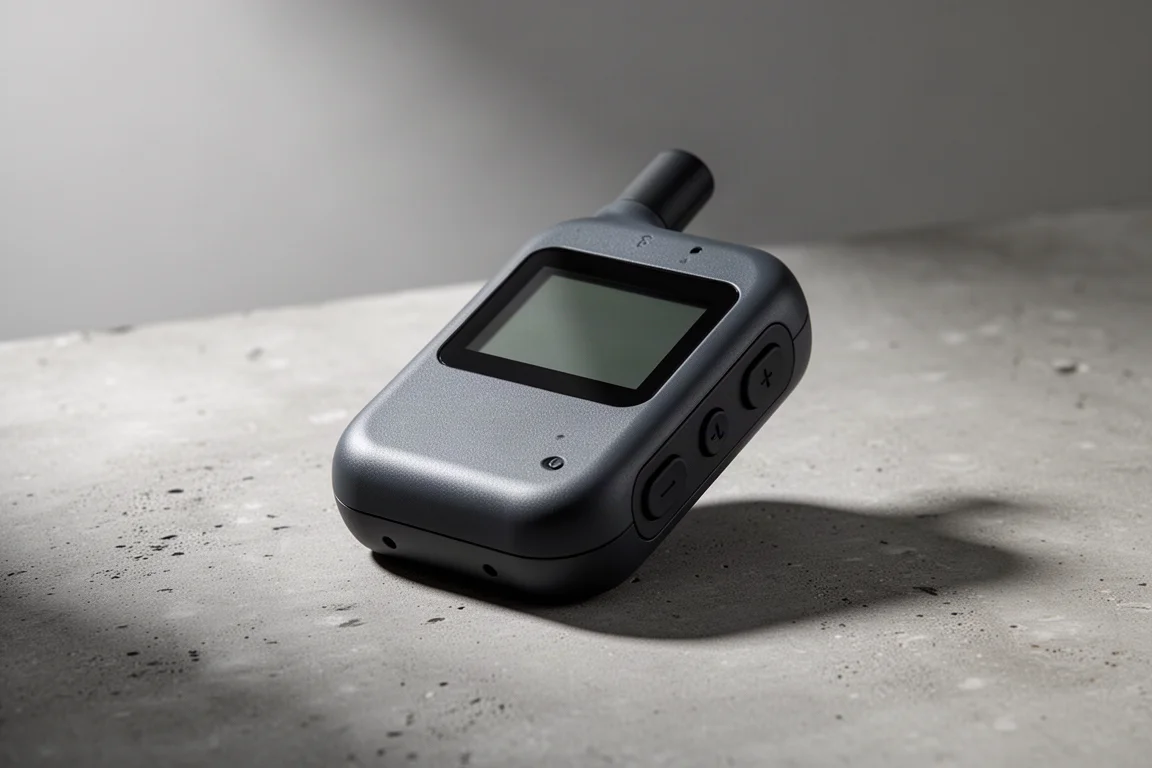
Phone coverage disappears far more often than most riders expect on remote routes and events. The Garmin inReach Mini 2 is designed for that gap: it enables communication when there is no phone reception at all.
It is small and compact, and its battery life is long enough that it can stay switched on through the sections of a ride where you want it ready. Through the companion app on your phone you can send and receive messages and let family or friends track your position, which removes a good deal of the worry that comes with riding alone in the middle of nowhere.
One practical detail is mounting. A stick-on mount plate lets you fit the device to a standard computer mount on the stem, which keeps the antenna oriented toward the sky and gives it the best chance of holding a satellite connection while you ride.
Sawyer Water Filtration System: Reliable Water Anywhere
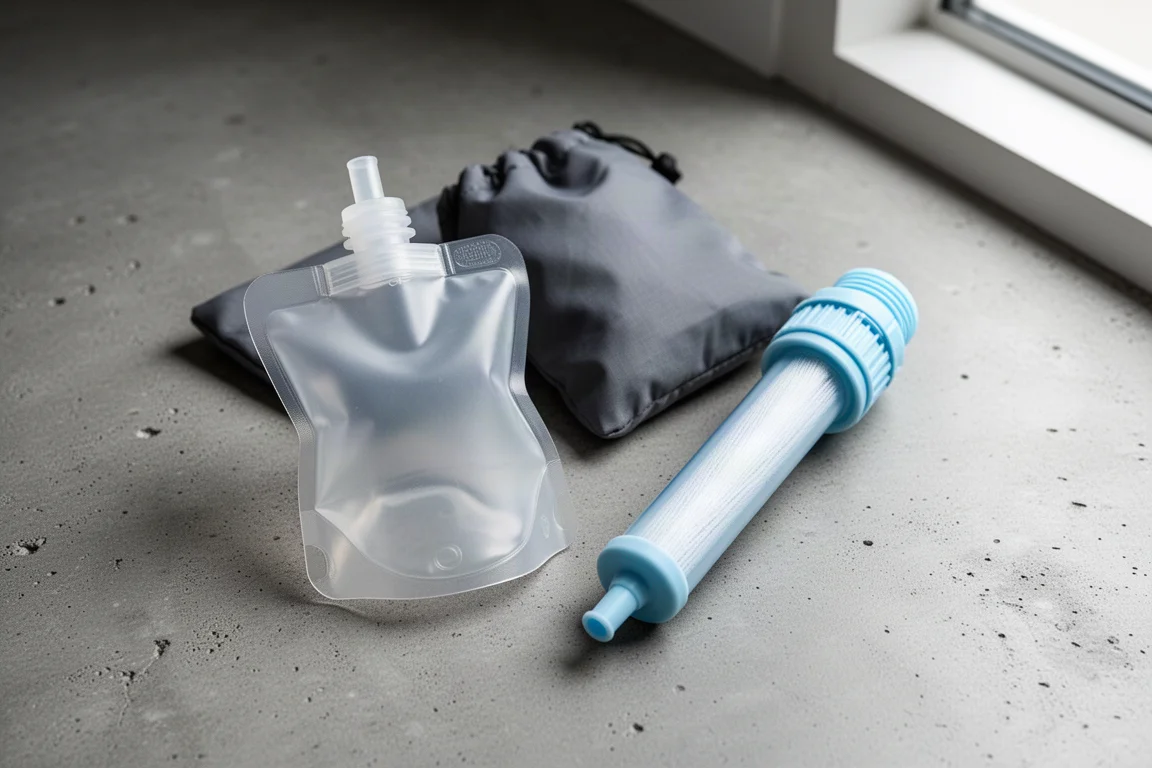
Running out of water is one of the most common problems on long rides, particularly in hot climates where supplies disappear quickly. A filter turns almost any water source into a usable one: fill the bag from a river, stream, lake or puddle, screw the filter on, then drink straight through it or squeeze the water into a bottle or bladder.
The kit is very small and takes up almost no room, which means it can live in a frame bag or jersey pocket on every ride rather than only on the biggest trips. Staying hydrated is the difference between a hard day and a day that goes badly wrong, and carrying your own water supply removes the need to plan every kilometre around shops and taps.
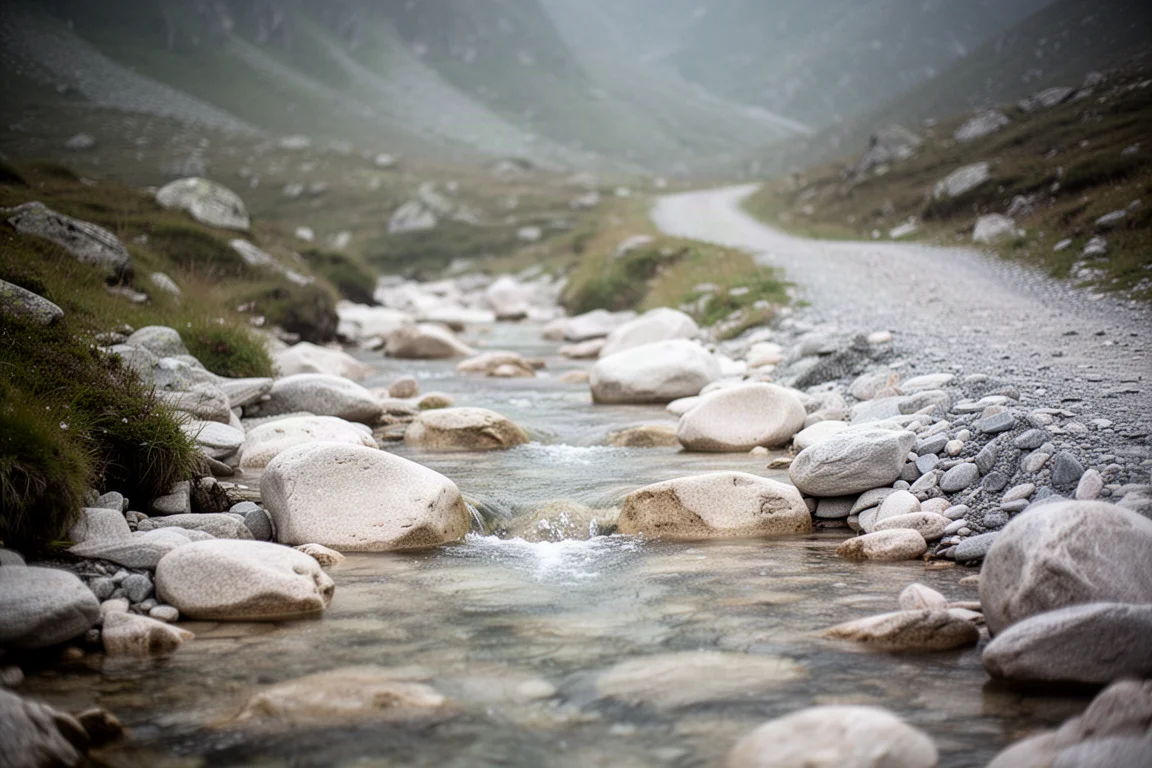
It is worth treating the filter as part of a wider hydration plan. In hot conditions, being able to refill from a stream or a standing source means you can carry less water between resupply points and still drink properly.
Tailfin Top Tube Bag: Snacks and Charging Within Reach
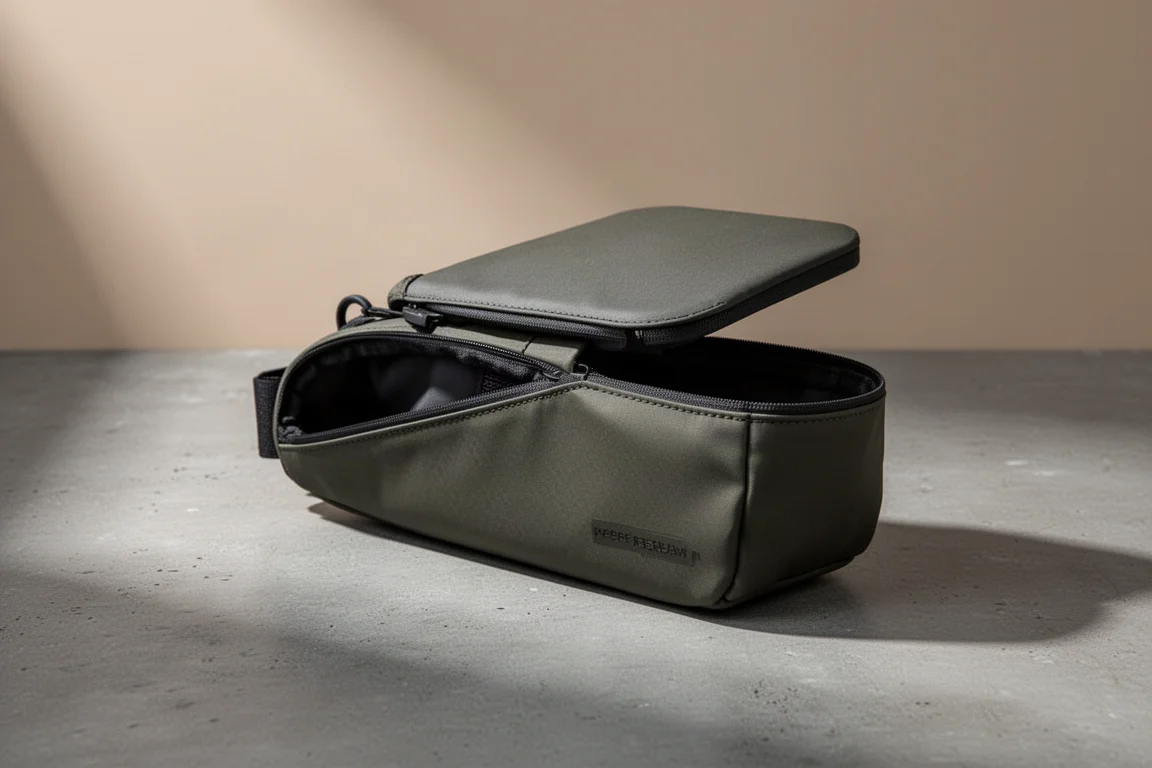
A top tube bag is the simplest way to keep snacks, a phone or a charging cable accessible while you ride. This one is waterproof, and the tapered shape is designed so it does not rub against your legs as you pedal, which is a common complaint with bulkier bags.
Mounting is handled with straps and rubber pads at the base, so the bag can be fitted without marking the frame, and it can also be bolted on where the frame has the right mounts. Tailfin develops its range through an extended in-house testing process before release, and the result is a practical, well-engineered design that holds its shape when loaded.
The Rest of the Kit
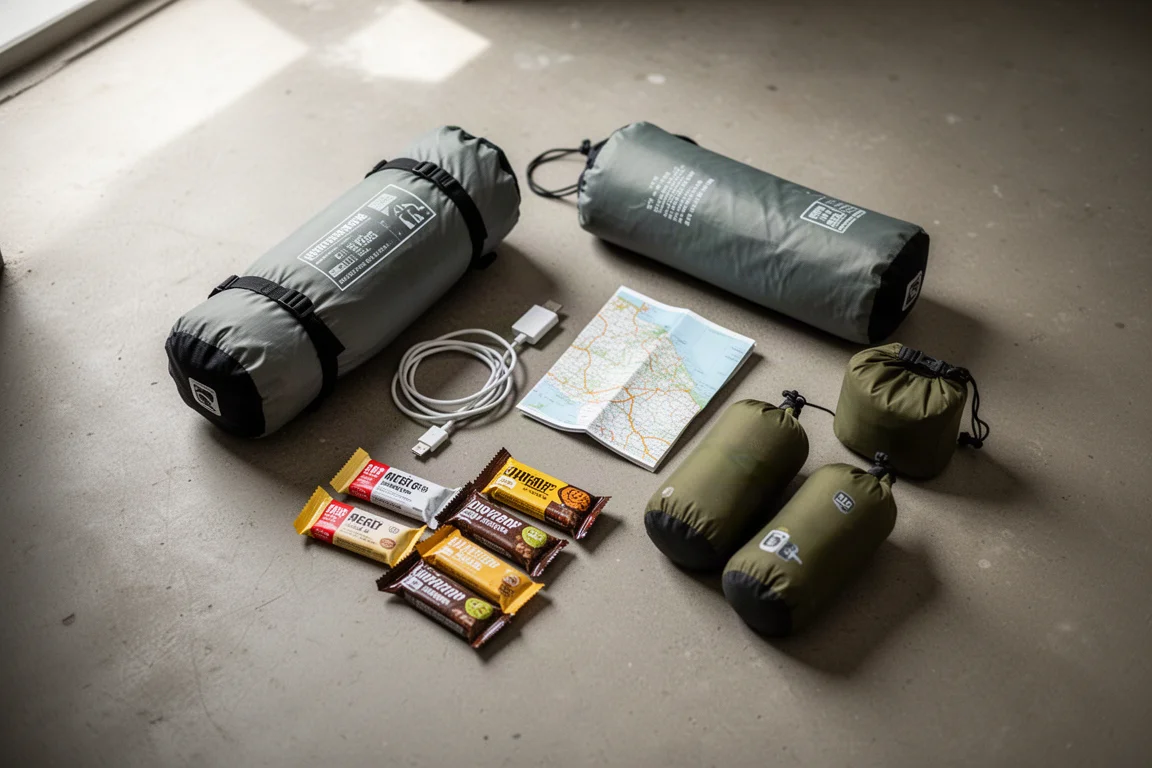
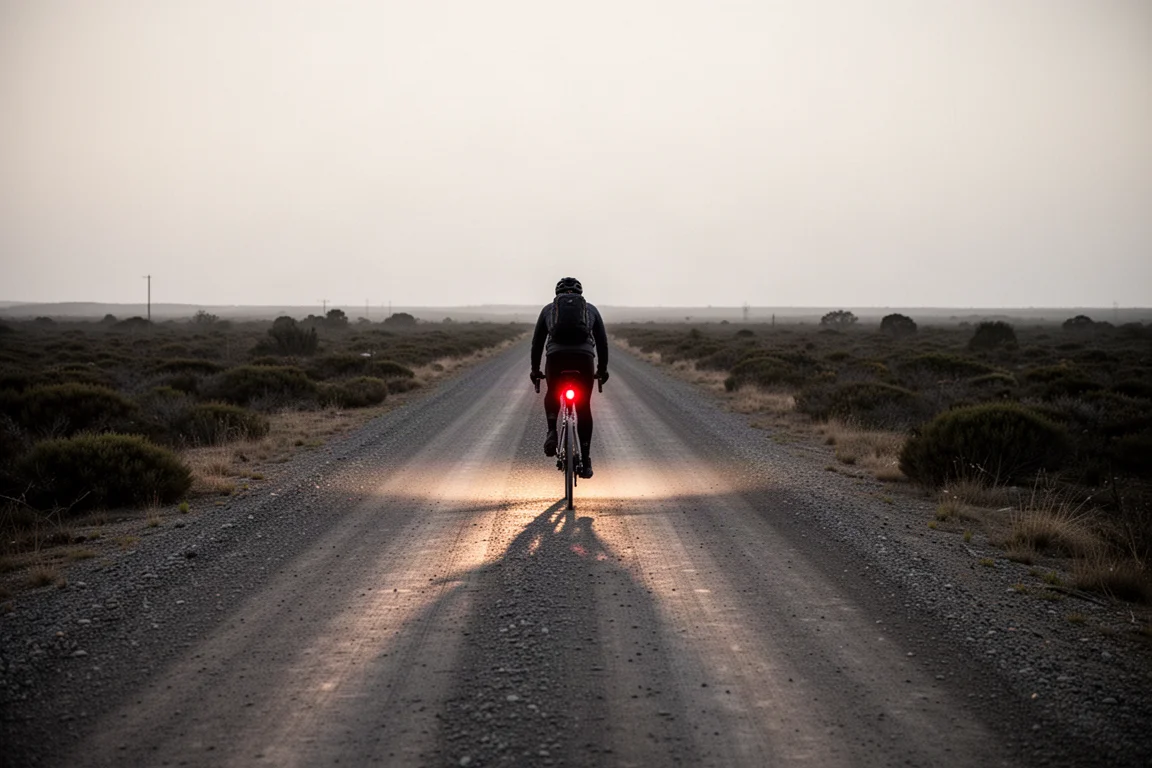
A few smaller items round out a remote-ready setup. A lightweight emergency bivvy bag packs down to almost nothing and is highly visible, so it helps you stay safe and be found if you are stuck outside overnight. Lighting matters just as much: a hub dynamo built into the front wheel generates power as you ride and keeps a light running without charging, while a high-output battery light with a long runtime adds extra reach on rougher trails. A hydration vest increases the water and food you can carry on your body, and many include reflective panels and a light loop for night visibility.
For power, a rugged battery pack keeps phones, lights and computers charged over multi-day rides. For repairs, a compact chain tool that holds quick links magnetically turns a snapped chain into a five-minute fix rather than a ride-ending problem, and a mini track pump with a pressure gauge gets tyres back to the pressure you actually want, which is a real advantage on rough surfaces and repeated punctures. Photochromatic lenses cover both daylight and darkness, and a simple cord keeps them attached and off your face when you take them off on a climb.
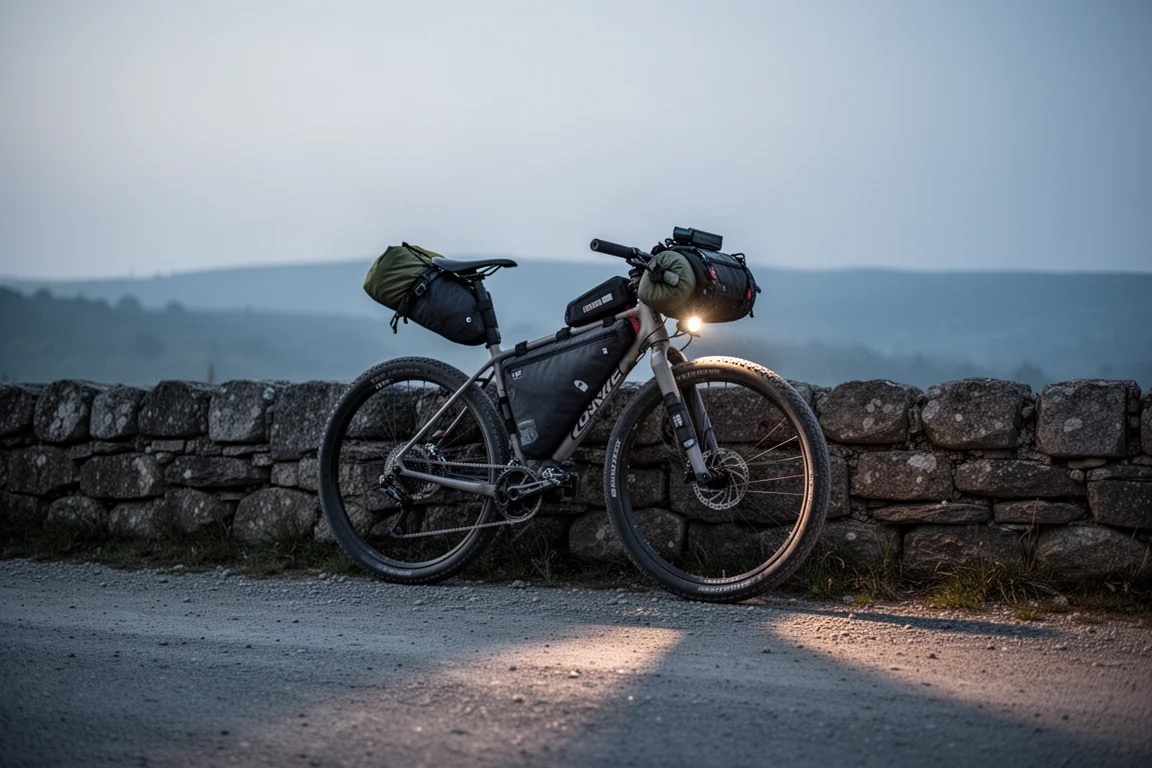
None of these items is essential on every ride, but together they cover the failure points that turn a good route into a difficult one.
Matching Gear to the Ride You Actually Do
Gear choices should follow the route, not the other way around. If your riding takes you into areas with unreliable phone coverage, a satellite communicator is the first thing to add. If you ride in heat or through long stretches without resupply, water filtration and extra carrying capacity matter more than shaving grams.
Riders on long unsupported events usually prioritise lighting and power, because a failed light or a flat phone changes the plan immediately. Riders on shorter overnight trips can travel lighter, carrying a filter and a small power bank and leaving the rest for when the routes get longer.
Buying Advice: What to Prioritise First
Start with the item that solves your biggest risk. For most riders heading somewhere remote, that is communication, because a satellite communicator is the only one of these products that can call for help when nothing else works.
After that, work through the practical problems in order of how often they occur: water, then lighting, then storage and charging. Buying one well-chosen product at a time and testing it on shorter rides is a more reliable approach than filling a bag with kit you have never used. Each of the three picks here is small enough to live on the bike permanently, which means you will know how it behaves long before you need it on a big ride.
Conclusion
Bikepacking gear is at its best when it is simple, durable and focused on a single job. A satellite communicator keeps you in contact when phones fail, a water filter keeps you hydrated from sources you would otherwise ride past, and a well-designed top tube bag keeps what you need within reach. Together they cover the three problems that most often interrupt a long ride, and each one is small enough to carry without thinking about it.
Weiterführende Literatur
Ähnliche Bewertungen
Bikepacking Gear
Bikepacking-Essentials: Eine 22-L-Packtasche und gepolsterte Handschuhe für deine erste beladene Tour
Eine kompakte 22-L-Packtasche und ein Paar gepolsterte Handschuhe lösen zwei der größten Probleme auf einer ersten beladenen Bikepacking-Tour: wie das Rad Gewicht trägt und wie deine Hände lange Tage verkraften.
Bikepacking Gear
Bikepacking-Essentials für deine erste Tour: Zwei Upgrades, die sich lohnen
Eine kompakte Packtasche und ein Paar gepolsterte Handschuhe verändern, wie sich ein beladenes Rad fährt und wie sich deine Hände anfühlen. Das solltest du vor einer ersten Bikepacking-Tour beachten.
Bikepacking Gear
Bikepacking-Essentials: 9 Ausrüstungsteile, die über 3.000 km standgehalten haben
Eine praktische Bikepacking-Ausrüstungs-Shortlist aus einem 3.000-km-Event auf gemischtem Untergrund durch Chile und Argentinien – zu Komfort, Akkulaufzeit, Navigation, Antriebspflege und Pannenvorsorge.