Kitchen Knives
Zwilling vs Henckels Knives: Which Kitchen Knife Brand Should You Buy?
Both brands share a parent company, but Zwilling and Henckels are built very differently. Here's how their collections compare and which knife makes sense for your budget.
Introduction
Zwilling and Henckels are two of the most commonly confused kitchen knife brands, and for good reason. Both are owned by Zwilling J.A. Henckels, one of the largest and oldest cutlery manufacturers in the world, and their logos look strikingly similar. Despite the shared heritage, they are separate brands with distinct knife collections, and choosing between them comes down to construction, performance, and budget.
Why People Confuse the Two Brands
Zwilling is the company’s premium knife brand, while Henckels, sometimes called J.A. Henckels or Henckels International, is its more affordable, entry-level line. The confusion starts with the logos: Zwilling, which means “twin” in German, features twin stick figures side by side, while the Henckels logo shows a single stick figure.
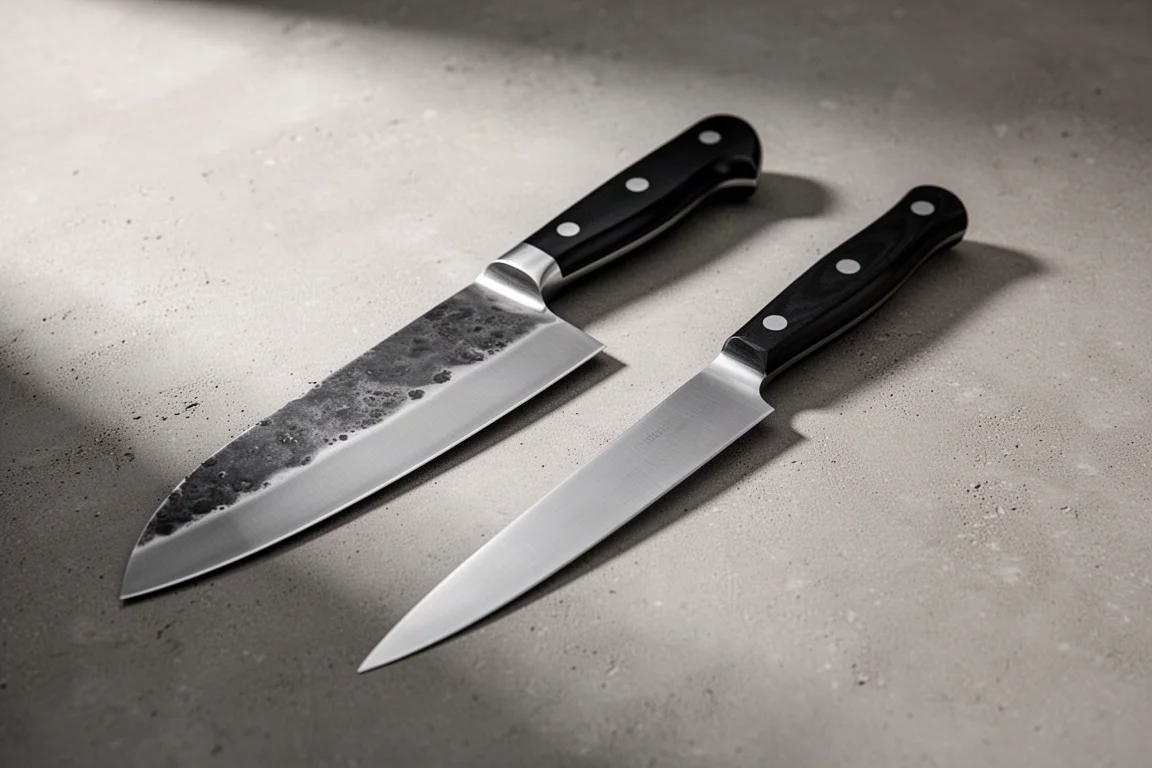
The real differences run deeper than branding. Most Zwilling blades are forged from a single piece of heated and formed metal, typically with a half or full bolster, the thick section between the blade and handle. Most Henckels blades are stamped from a large sheet of metal, making them thinner, more flexible, and bolster-free. Forged knives offer superior balance, durability, and overall performance, but they cost more. Where the knives are made matters too: Henckels knives are produced in China, Thailand, Spain, and India, while Zwilling manufactures most collections in Solingen, Germany, with some Japanese-style collections made in Japan using traditional methods and two stamped collections made in Spain.
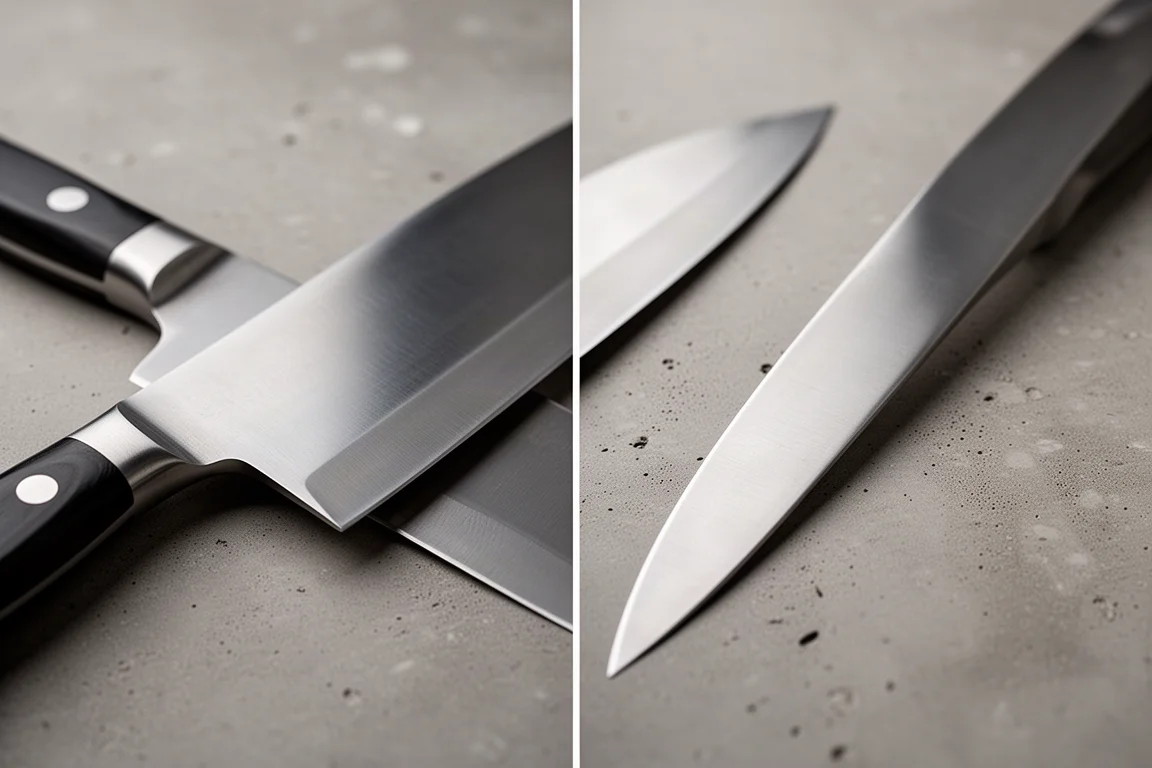
Both brands use high-quality German stainless steel and sharpen their edges to a 15-degree angle per side, but Zwilling blades undergo an ice hardening process called Friodur, which cools the hot metal in sub-zero temperatures after forging. The result is a sharper, more corrosion-resistant blade with better edge retention. Henckels blades skip this step, so they will not hold their performance as well over time.
Zwilling Pro: The Best-Selling Flagship
Zwilling Pro is the brand’s best-selling collection, and it shows why Zwilling commands a premium. The knife features a fully forged blade with a half bolster and a fully exposed tang, the steel that extends through the end of the handle. The black handle is triple riveted with a distinct curve at the butt end that gives your pinky a comfortable resting spot. An 8-inch Zwilling Pro chef’s knife is currently listed on Zwilling.com for $160.
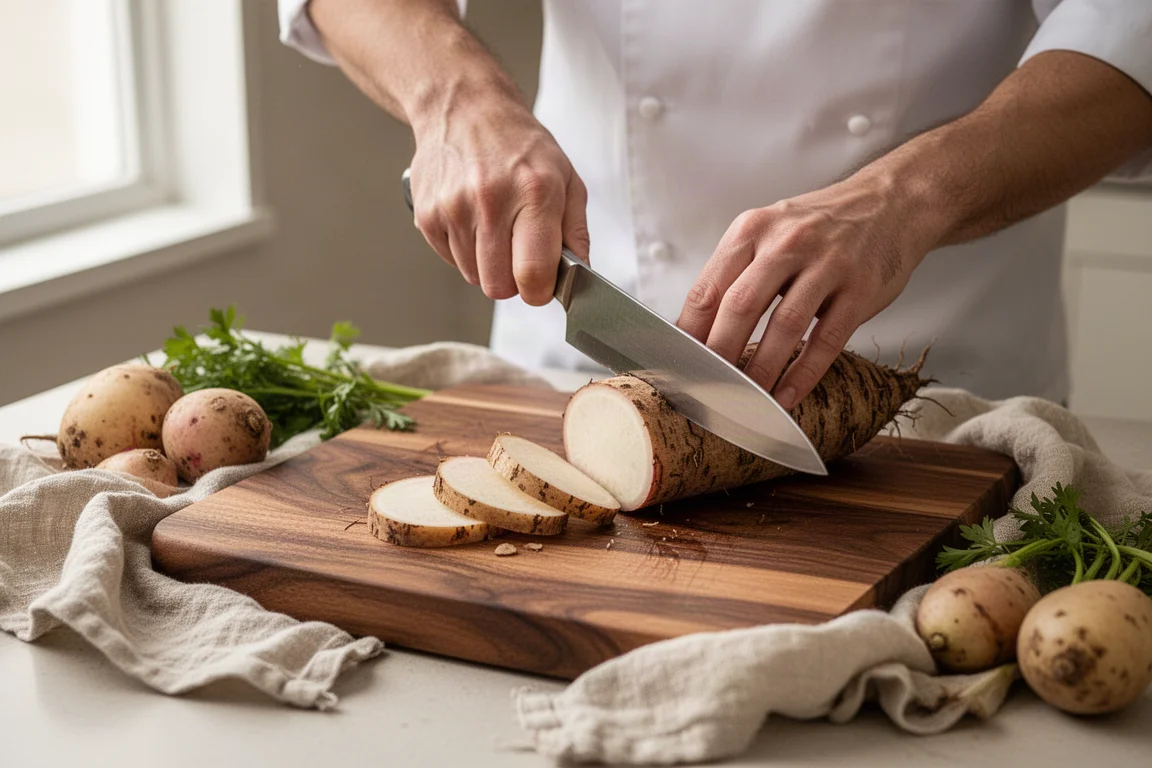
The difference becomes obvious when you hold it. The blade is thick, stiff, and heavy, and the weight is evenly distributed from tip to butt, so the knife stays balanced in an open palm. It cuts through dense ingredients with ease. Handles across the Zwilling range offer more variety than Henckels too, including heavy-duty plastic, steel, and wood options like the Mediterranean Oak handles on the Pro Home Oak collection.
Henckels Solution: The Budget Workhorse
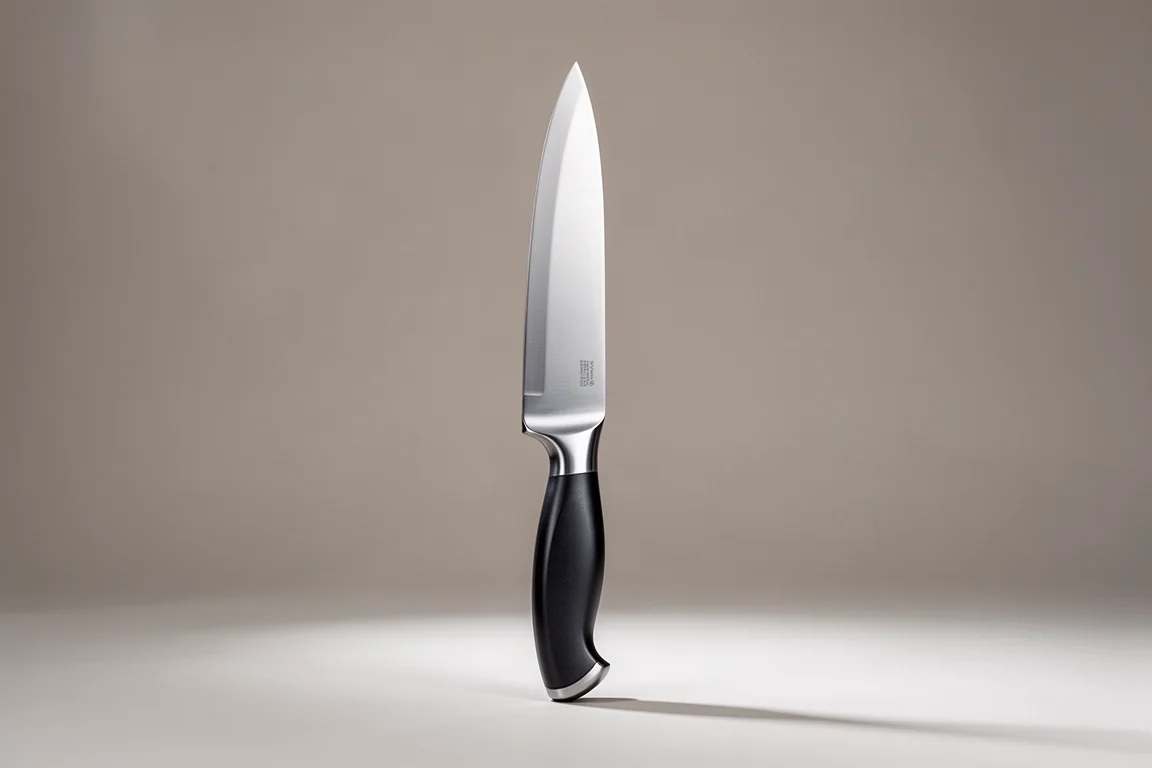
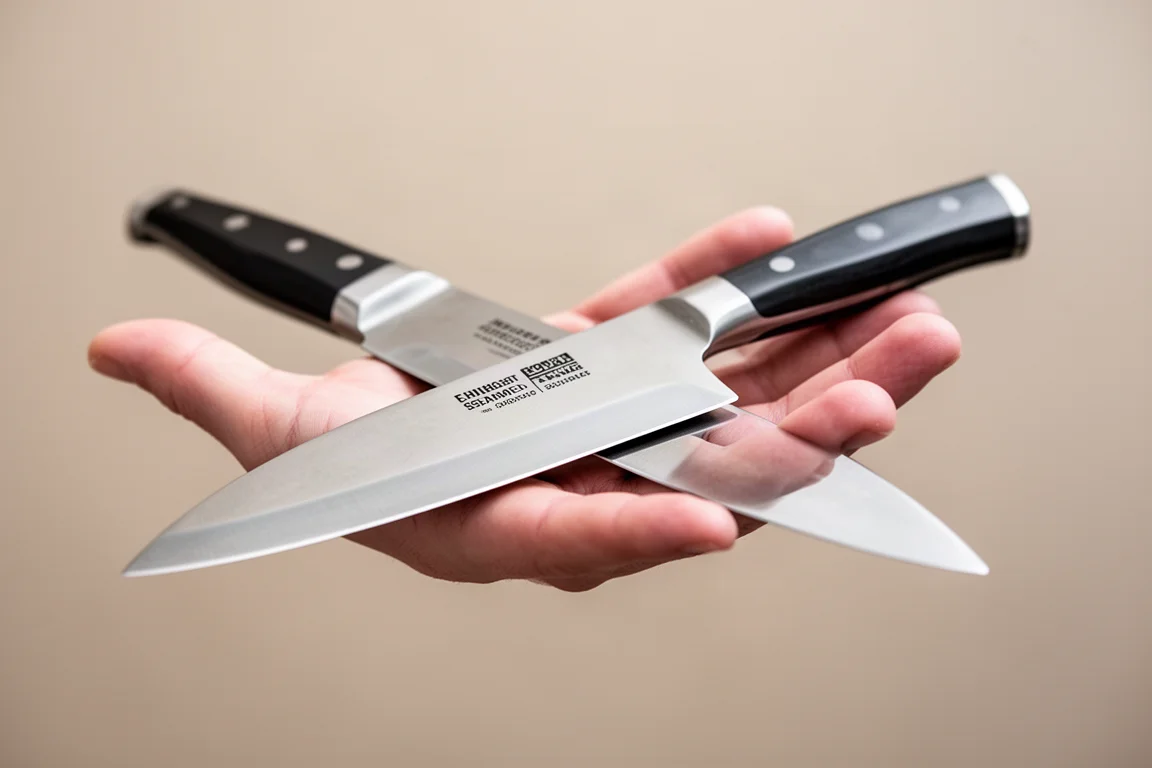
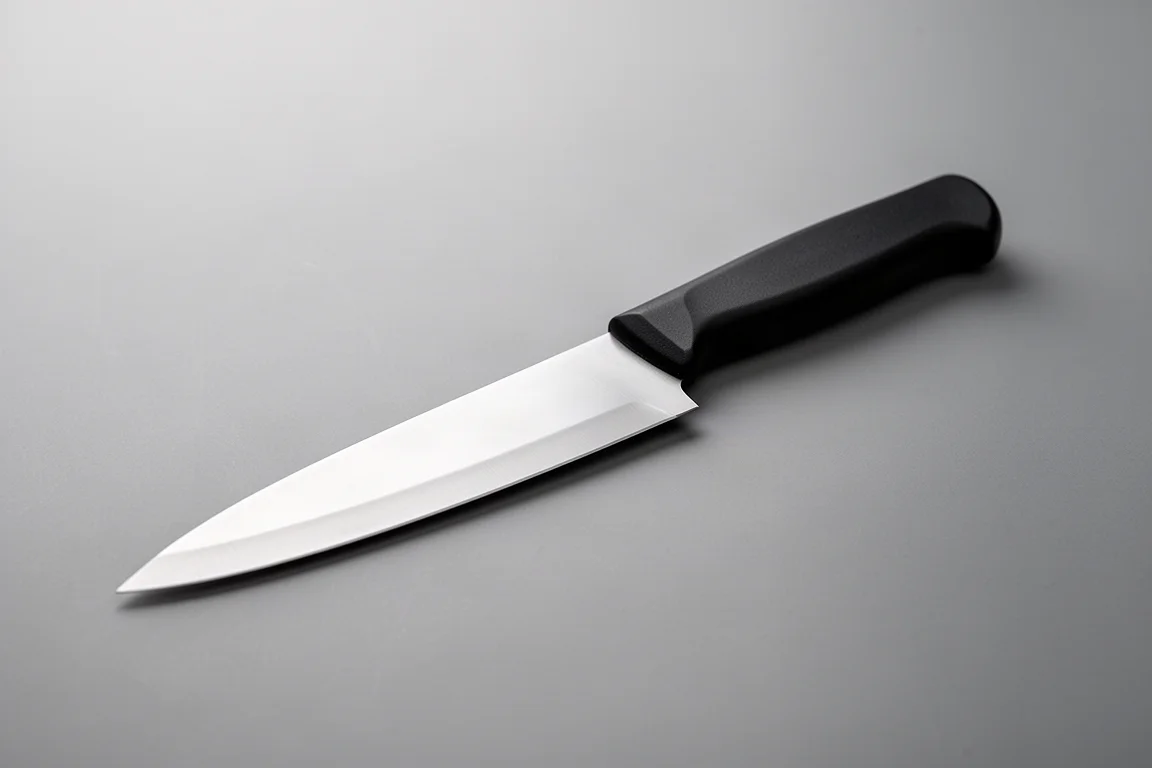
Henckels Solution is one of the brand’s top-selling collections, and at a glance it looks remarkably similar to Zwilling Pro. Both have black handles with three exposed rivets and a fully exposed tang. Look closer, though, and the differences matter: the stamped blade has no bolster and stays the same width from tip to butt, making the knife much lighter but less balanced and less sturdy.
The numbers tell the story. The Solution chef’s knife weighs 5.3 ounces, while the comparable Zwilling Pro weighs 9.4 ounces. Held in an open palm, the Solution tips forward because most of the weight sits in the blade. The thin, flexible blade is lighter and more nimble, but it struggles with dense ingredients where the Zwilling excels. The handle curve toward the butt end is also less pronounced. At around $18 for an 8-inch chef’s knife, though, it is an affordable option that gets the job done for everyday tasks.
Henckels Classic: The Smart Middle Ground
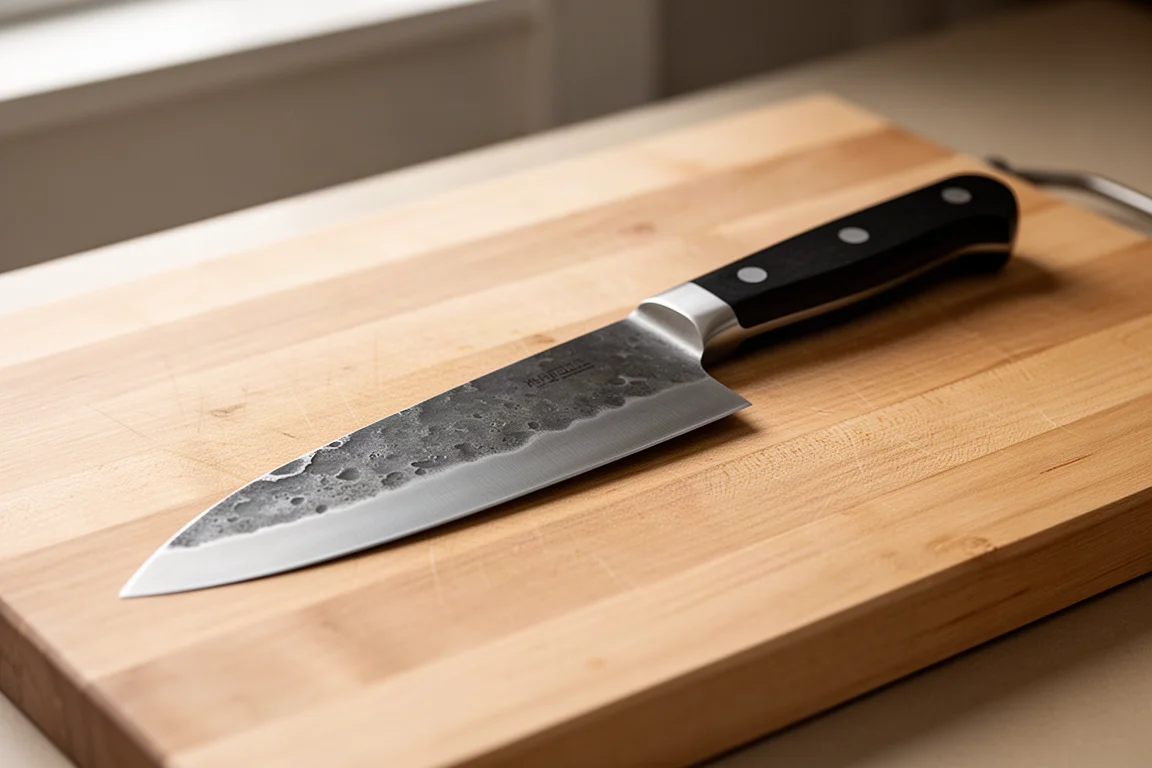
If Zwilling is out of budget but you still want forged performance, the Henckels Classic collection is the recommendation worth remembering. These knives have forged blades and perform similarly to Zwilling, but they are much more affordable because they are made in Spain.
Japanese-Style Options: Kramer Meiji and Bob Kramer Carbon
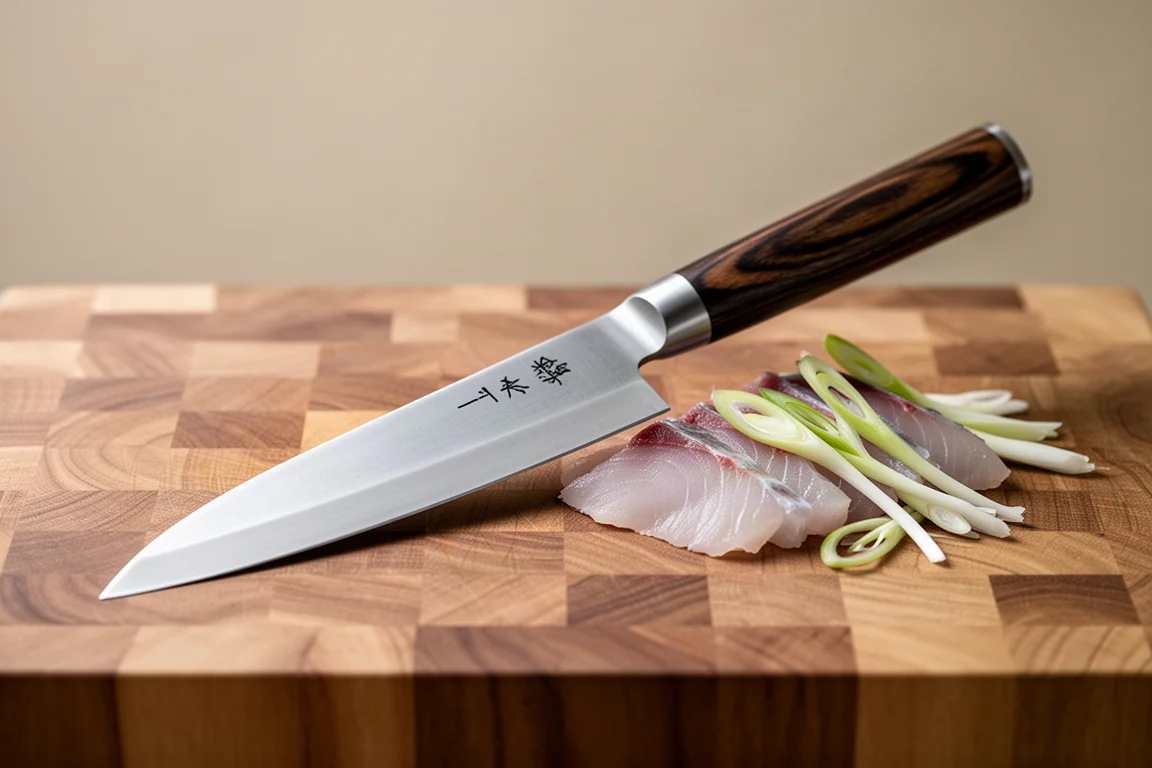
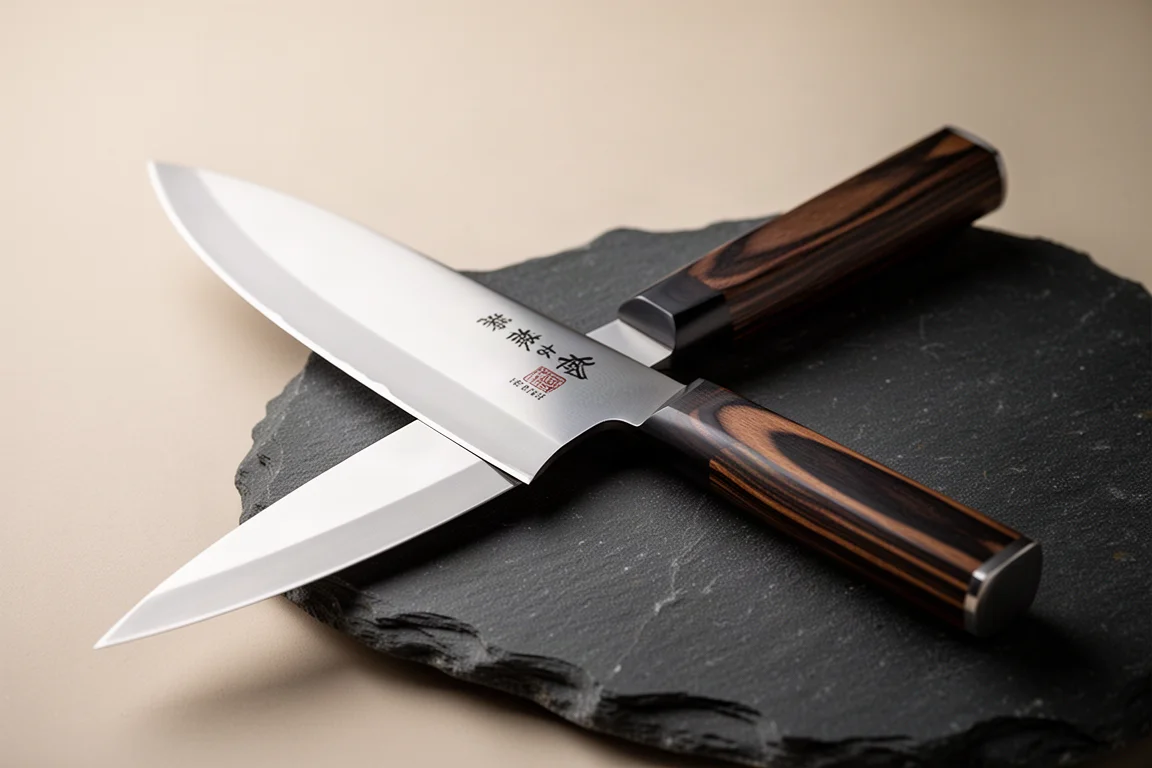
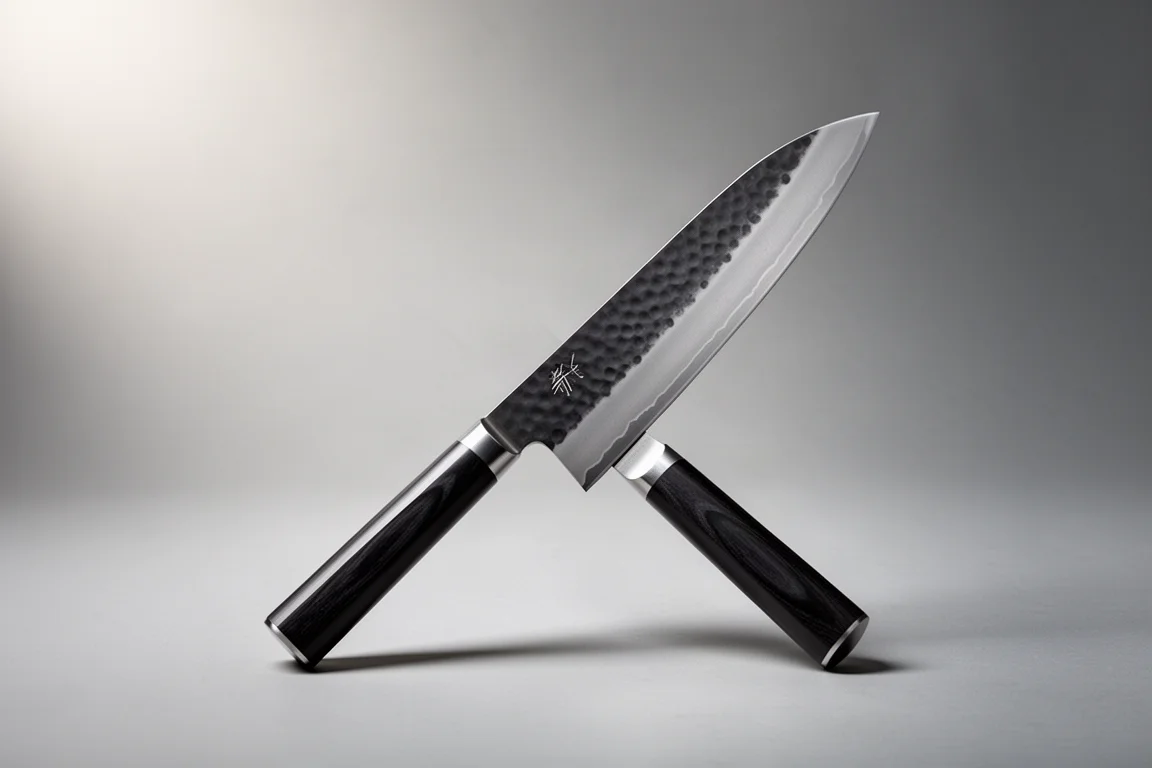
Both brands offer classic Western-style knife designs, but Zwilling also extends into Japanese-style knives, including the Kramer Meiji and Bob Kramer Carbon collections. These knives are sharper, with blades made of harder steel, which makes them ideal for slicing and making precise cuts. The Kramer Meiji collection also showcases Zwilling’s handle variety, using PakkaWood handles.
If precision slicing is a priority in your kitchen, these Japanese-style collections are where Zwilling’s craftsmanship, including production in Japan using traditional methods, really stands apart from the entry-level Henckels line.
Overall Buying Advice
The bottom line is straightforward. Zwilling knives have thick, forged blades and are made in Germany and Japan. Henckels knives are significantly less expensive but come with thinner, stamped blades and manufacturing in China, India, Spain, and Thailand. Across the board, Zwilling knives are higher quality: sharp, durable, well-balanced, and attractive in the kitchen. Expect to pay more than double for a Zwilling knife compared to a comparable Henckels in most cases.
If budget is the deciding factor, Henckels Classic gives you forged performance at a lower price, and Henckels Solution covers the super-affordable stamped category. If you can invest more, Zwilling Pro is the safest premium pick, and the Japanese-style Kramer collections reward cooks who prioritize precision.
Conclusion
Zwilling and Henckels share a parent company, a similar look, and quality German stainless steel, but they serve very different buyers. Zwilling delivers forged construction, Friodur ice hardening, and premium materials, while Henckels offers genuinely useful knives at a fraction of the price. Match the collection to your budget and cooking style, and either brand can be a solid choice.
Further reading
Related Reviews

Kitchen Knives
Best Chef's Knives 2026: 27 Popular Options Tested and Ranked
A comprehensive review of 27 chef's knives ranging from $18 to $380, with honest assessments of handle comfort, blade balance, and real-world performance.

Kitchen Knives
Best Chef's Knives Under $75: Two Tested Recommendations
Two practical 8-inch chef's knives that balance sharpness, comfort, and durability without premium pricing.

Kitchen Knives
Best Chef's Knives 2026: 27 Options Tested and Ranked
A comprehensive review of 27 chef's knives ranging from $18 to $380, with honest assessments of handle design, balance, blade profile, and real-world performance.