Kitchen Knives
Zwilling Pro vs Professional S: Which Knife Collection Should You Buy?
Both collections are forged in Germany from the same steel, but the bolster and blade design set them apart. Here is how to choose.
Introduction
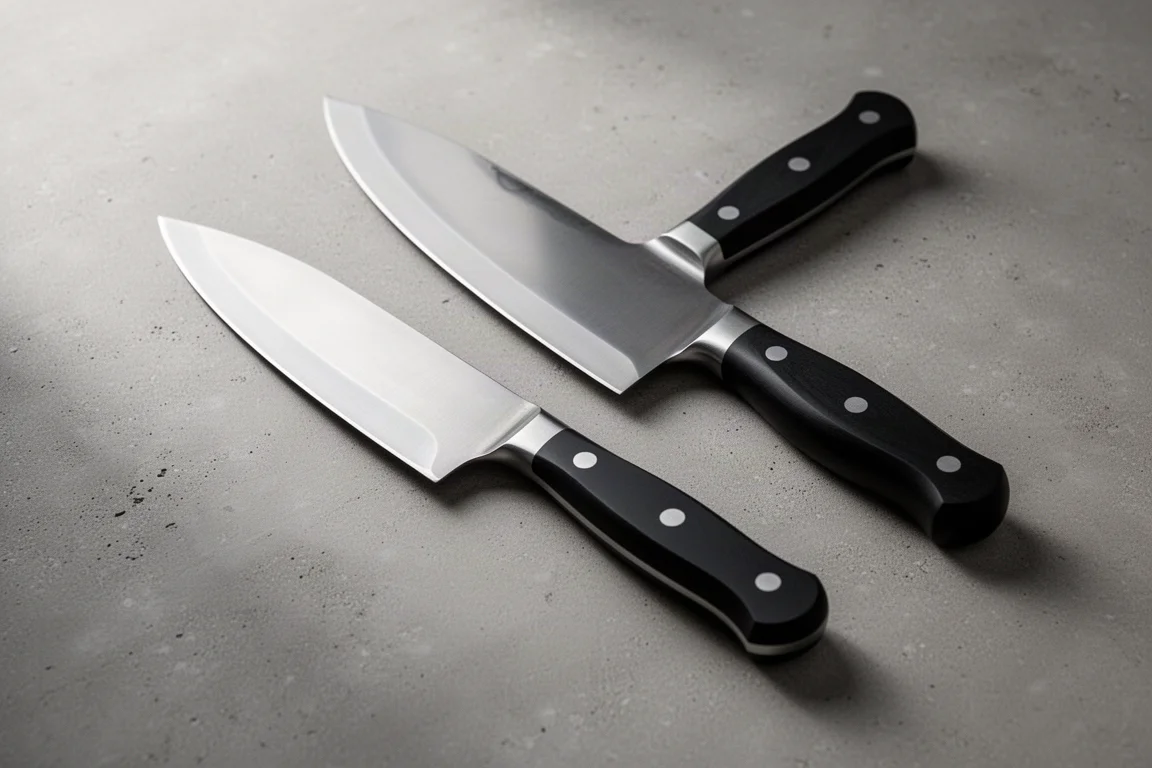
Zwilling has been making knives in Solingen, Germany since 1731, and the Pro and Professional S collections are two of its most popular lines. Both are still designed and manufactured in Germany, and both sit in the premium price tier, costing roughly the same across retailers.
So what actually separates them? The short answer: the bolster and the blade profile. Those two design decisions shape how each knife feels in your hand and how it ages over years of sharpening. This guide breaks down the similarities, the differences, and which collection fits your cutting style.
What Zwilling Pro and Professional S Have in Common
The shared foundation here is substantial. Both collections use the same high-carbon German stainless steel, a steel that is hard, durable, and corrosion resistant. Notably, Wusthof, one of Zwilling’s biggest competitors, uses the same steel for its blades.
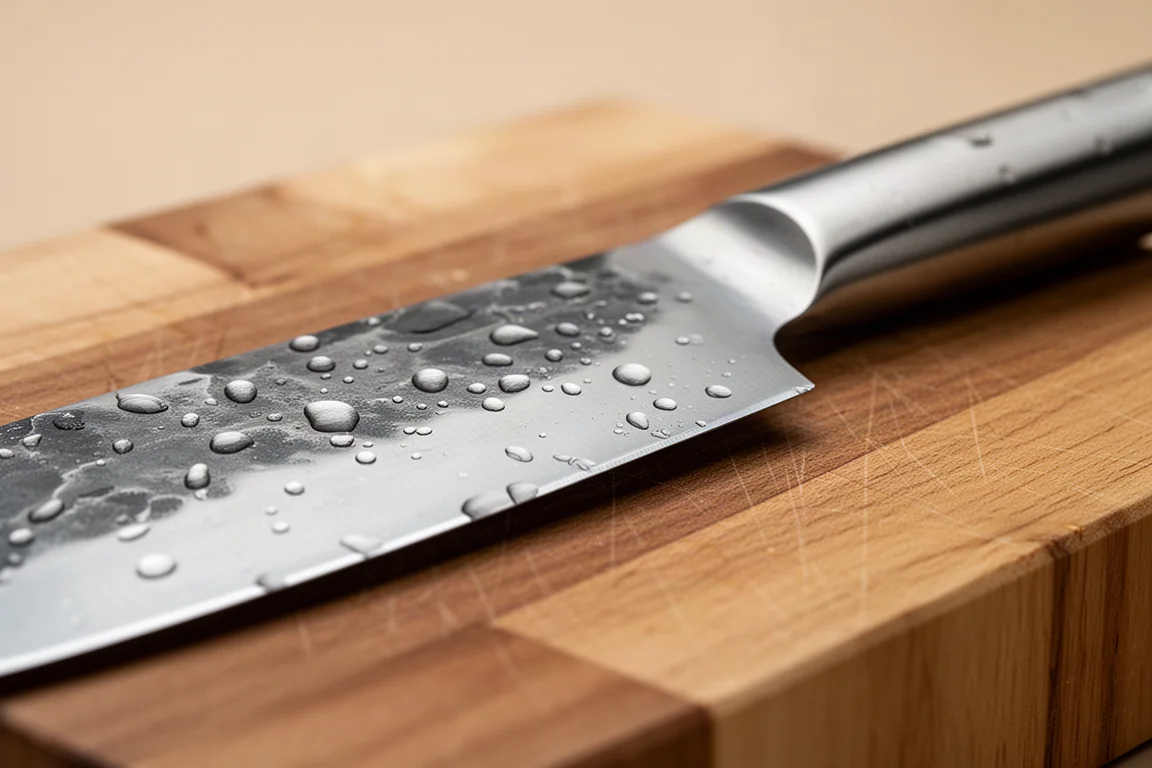
Both lines are also forged from a single piece of steel heated to extremely high temperatures, then hardened through Zwilling’s Friodur cooling process, which involves cooling the hot metal in sub-zero temperatures. The result is a sharper, more corrosion-resistant blade with better edge retention. Every knife in both collections is sharpened and honed through a laser-guided system at a very sharp 15-degree angle per side.
The handles are made from a high-quality synthetic material, triple riveted to the tang (the part of the blade that extends through the handle). The material resists fading and moisture damage, and because it is non-porous, germs and bacteria cannot penetrate the surface. Both collections also carry Zwilling’s lifetime warranty against defects in materials or craftsmanship, though normal wear and tear and misuse are not covered.
Zwilling Pro: Curved Half Bolster and Modern Blade
The defining feature of Pro knives is the curved half bolster. Instead of running from the spine all the way to the edge like a traditional bolster, the Pro bolster gradually tapers and leaves the heel thin.
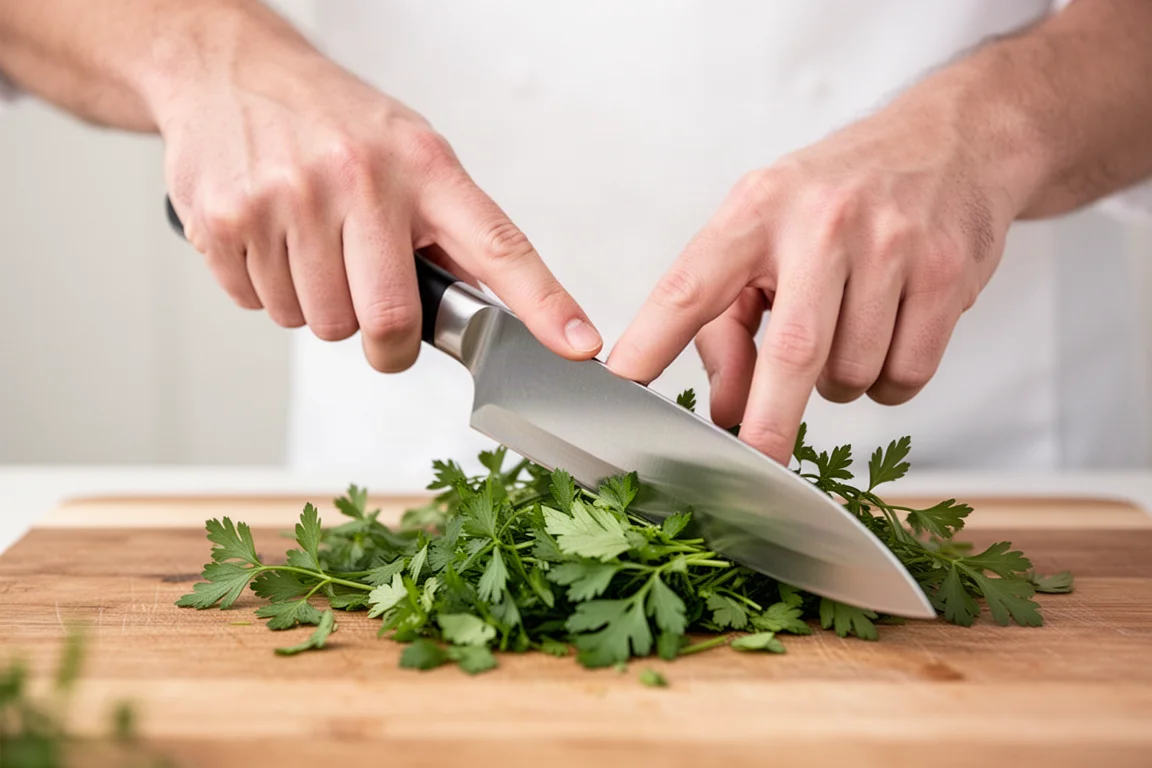
That taper matters in three practical ways. First, the shape is designed perfectly for the pinch grip, where your thumb and forefinger hold the blade just above the handle. Second, you can cut with the entire blade, including the heel. Third, and perhaps most importantly over the long term, you can sharpen the entire blade from tip through heel, so the edge geometry stays intact for the life of the knife.
There is one practical catch: because of the half bolster shape, Pro knives will not fit most generic knife blocks. You will need a special block designed specifically for Pro knives, which is available from Zwilling and through major retailers.
Zwilling Professional S: Traditional Full Bolster Design
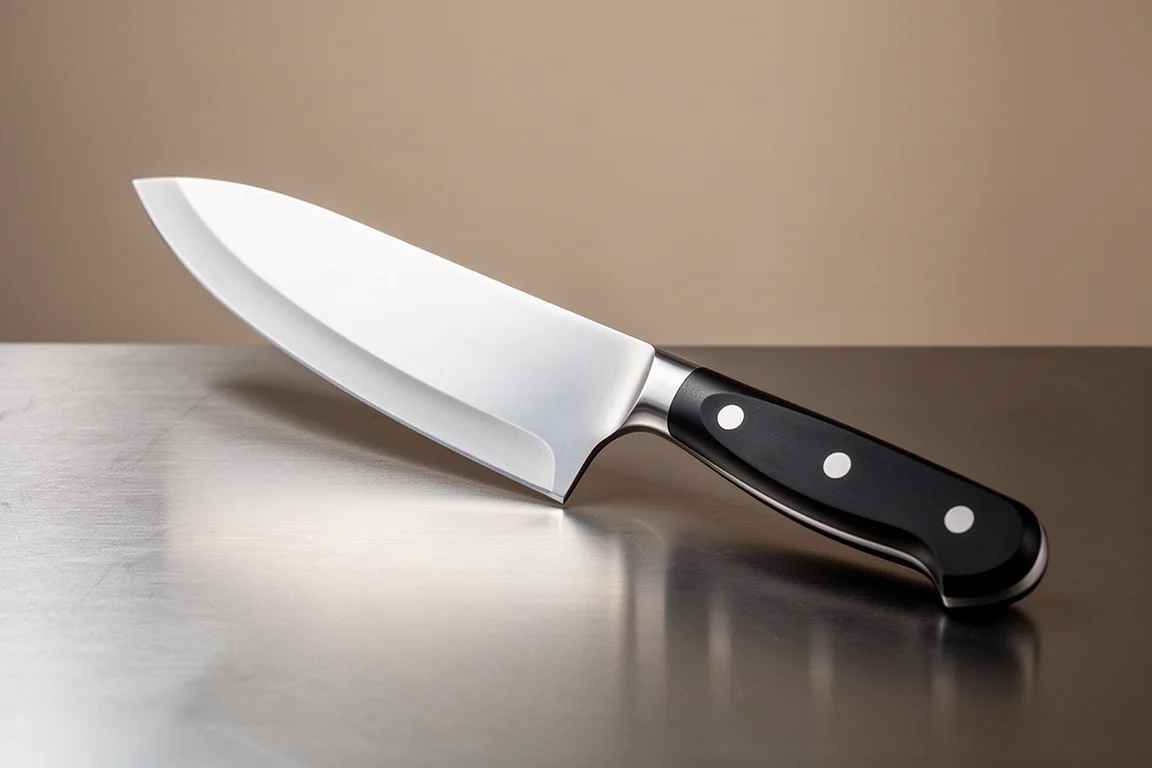
Professional S knives keep the traditional Western layout, with a full bolster that runs from the spine to the edge. The full bolster adds weight and balance to the middle of the knife, gives your index finger a flat surface to press against while cutting, and prevents your hand from slipping onto the blade.
The trade-off is at the heel. Because the bolster is too thick, you cannot sharpen the entire edge. After several years and many sharpenings, the bolster can protrude past the edge and prevent the blade from making full-length contact with the cutting surface, which gradually changes how the knife performs.
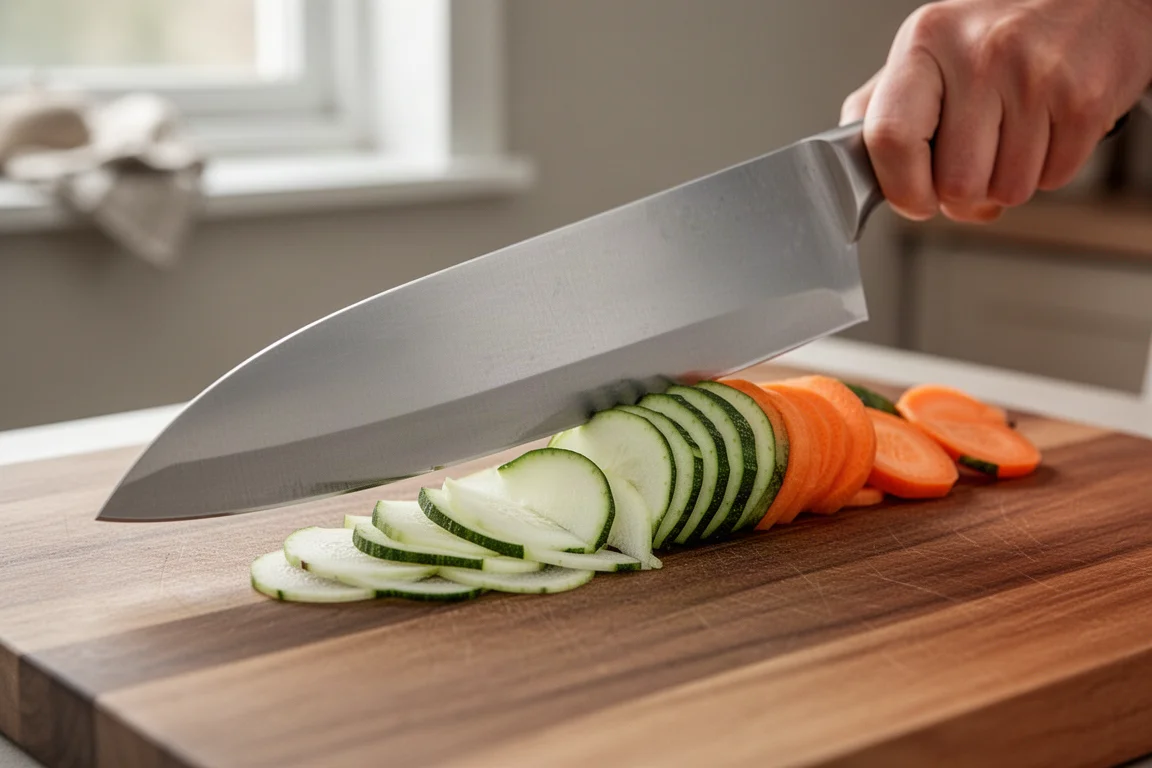
The design will feel immediately familiar to anyone used to traditional Western-style knives. In fact, it is almost exactly the same as the Wusthof Classic.
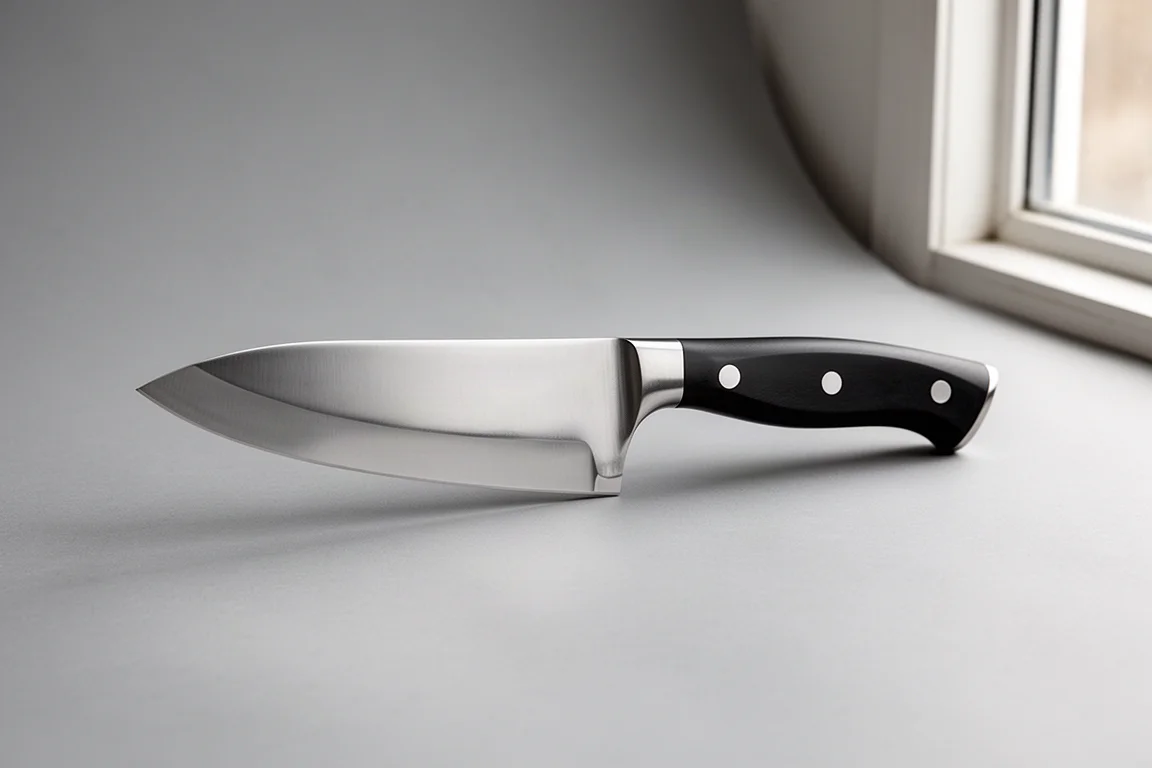
Blade Profile and Cutting Feel
Beyond the bolster, the blade profile is the next most significant difference. Professional S knives have a traditional profile with a slightly curved belly and spine. Pro knives have a more curved belly and a straighter spine, which gives you more range during chopping, especially when using the rocking technique.
Both collections are hefty workhorse knives, but Pro knives weigh slightly more: the 8-inch Pro chef’s knife weighs 9.4 ounces, while the 8-inch Professional S chef’s knife weighs 8.7 ounces.
There is also a subtle handle difference. On Professional S, the portion of the handle where the black material meets the steel bolster tapers inward more than on Pro, which makes the handle feel slightly less bulky if you like to hold it close to the blade. It is a minor difference, but handle comfort is often the deciding factor when choosing knives.
If you like the bolster of Pro but prefer the blade profile of Professional S, Zwilling now offers a version of the Pro chef’s knife with a traditional blade design that matches the Professional S.
Which Collection Should You Buy?
Choose Zwilling Pro if you hold your knives with a pinch grip, want to use the full length of the blade, and like a sleeker, more modern look with a blade optimized for the rocking technique. Being able to sharpen the entire edge from tip to heel is a genuine long-term advantage.
Choose Professional S if you are used to traditional Western-style knives and want that familiar full bolster feel and traditional blade profile. Just be aware that the thick bolster limits sharpening at the heel over the long haul.
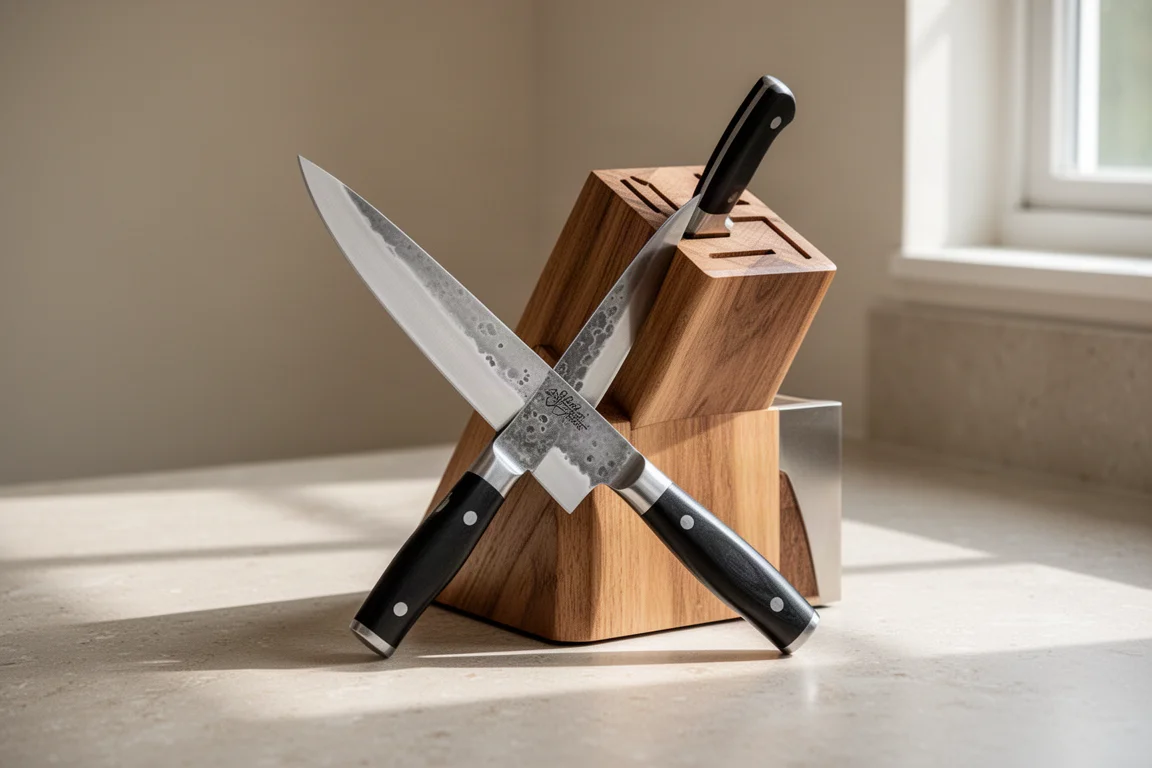
Both collections are premium knives with similar pricing, so the decision really comes down to grip style and blade preference rather than budget.
Conclusion
Zwilling Pro and Professional S share the same German steel, Friodur hardening, 15-degree edge, and lifetime warranty. The Pro collection wins on pinch-grip comfort, full-edge sharpening, and a rocking-friendly blade profile, while Professional S delivers a traditional full bolster feel that mirrors classic Western knives. Match the design to how you actually cut, and either collection will serve you well for years.
Further reading
Related Reviews

Kitchen Knives
Best Chef's Knives 2026: 27 Popular Options Tested and Ranked
A comprehensive review of 27 chef's knives ranging from $18 to $380, with honest assessments of handle comfort, blade balance, and real-world performance.

Kitchen Knives
Best Chef's Knives Under $75: Two Tested Recommendations
Two practical 8-inch chef's knives that balance sharpness, comfort, and durability without premium pricing.

Kitchen Knives
Best Chef's Knives 2026: 27 Options Tested and Ranked
A comprehensive review of 27 chef's knives ranging from $18 to $380, with honest assessments of handle design, balance, blade profile, and real-world performance.