Kitchen Knives
Yu Kurosaki Senko Desert Ironwood vs Hatsukoro Shira Sagi Yanagiba: Two Standout Japanese Knife Lines Compared
A closer look at two impressive Japanese knife lines: the refined Yu Kurosaki Senko Desert Ironwood series and the high-value Hatsukoro Shira Sagi yanagiba range.
Introduction
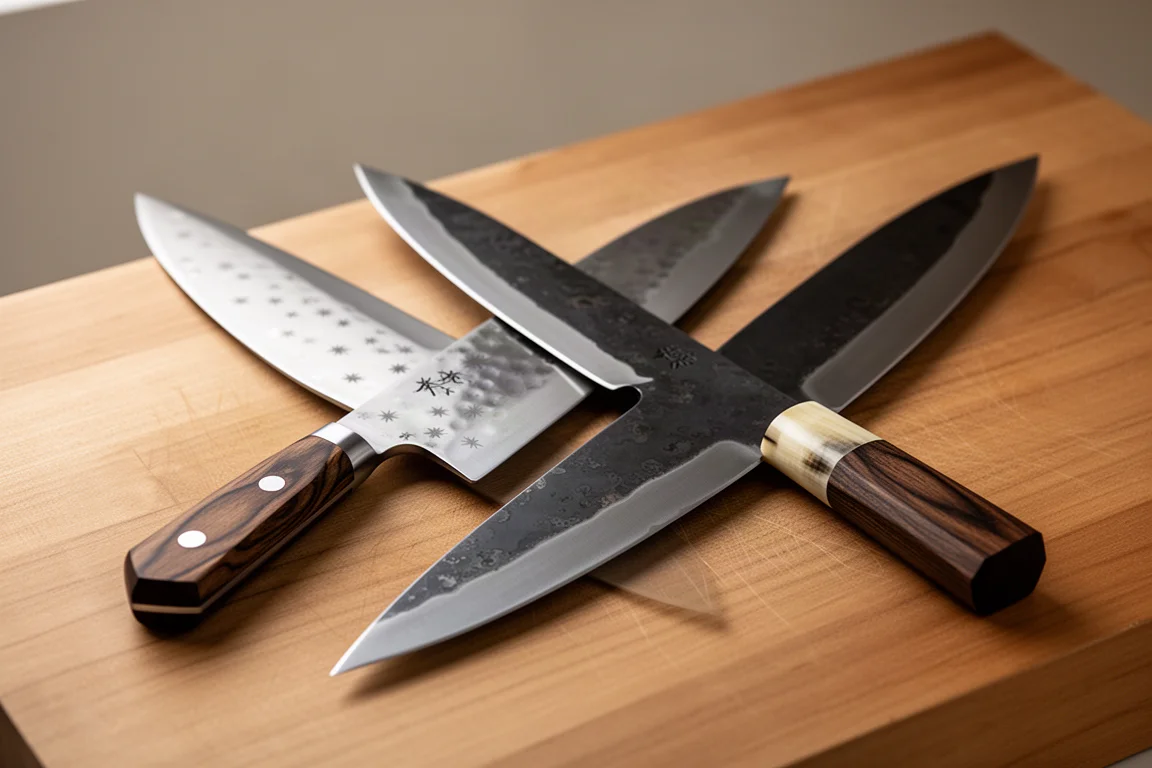
Two Japanese knife lines make a strong impression right now for very different reasons: the Yu Kurosaki Senko Desert Ironwood series, a refined stainless lineup with striking handles, and the Hatsukoro Shira Sagi yanagiba range, a new arrival aimed squarely at slicing work. Both share excellent fit and finish, but they suit very different buyers. Here is how they compare.
Yu Kurosaki Senko Desert Ironwood Line
The Senko Desert Ironwood knives have been in shops before, but this latest iteration feels noticeably better in hand. The handles, which previously ran a little thin, now carry more chunk and fill the hand more comfortably. The grain pattern on the ironwood is genuinely striking, with rich textures that reward a close look.
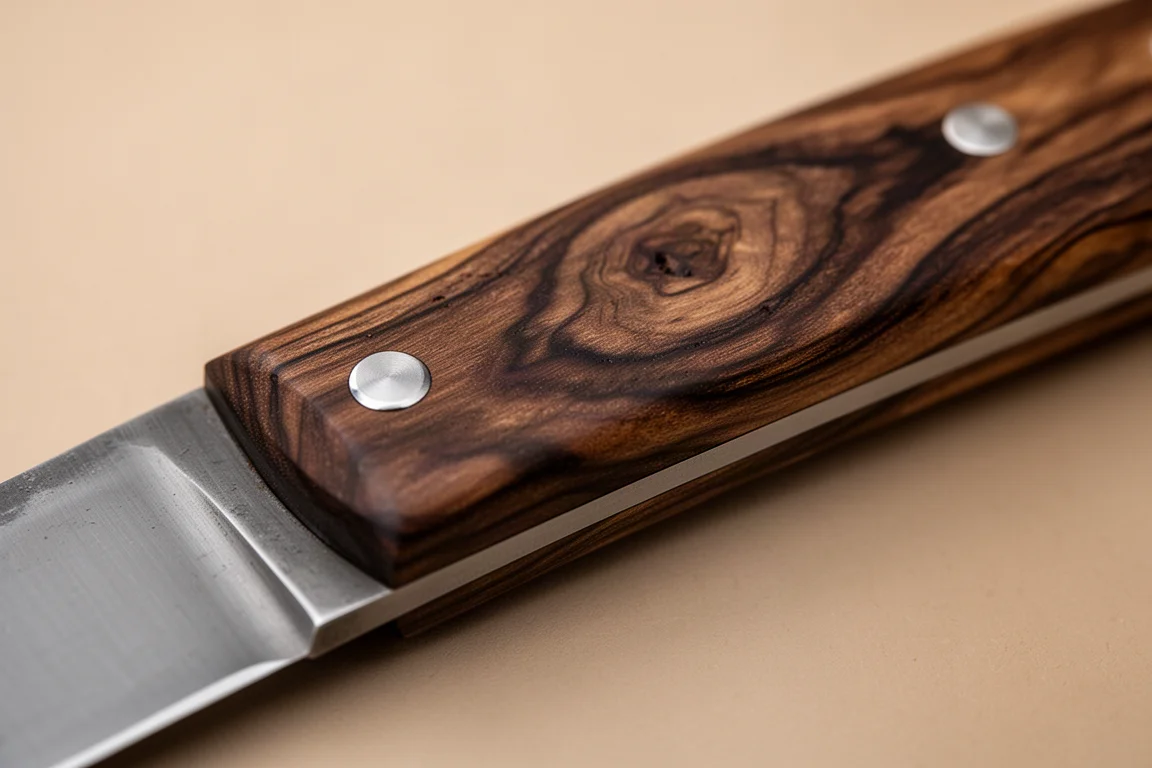
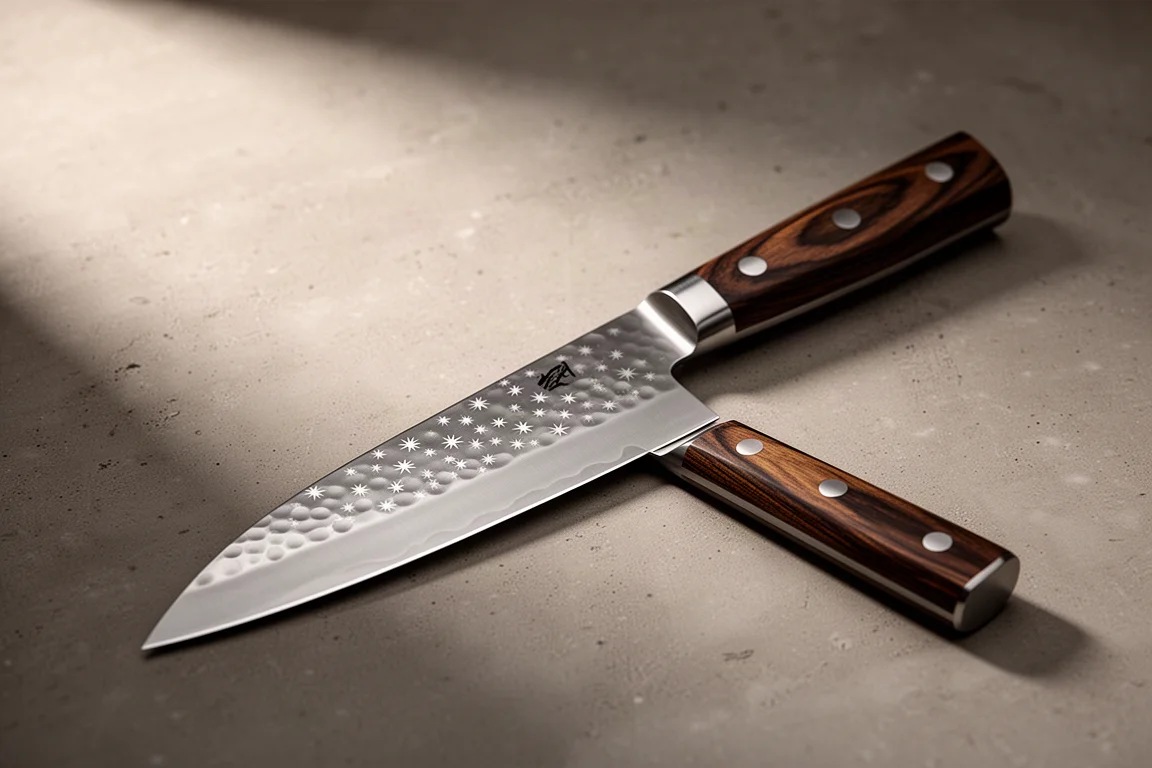
Available sizes cover a 130mm petty, a 165mm santoku (also listed as a bunka), 180mm and 210mm gyutos, and a 270mm sujihiki. Every knife in the lineup ships with a felt-lined plastic blade guard, with the notable exception of the 270mm sujihiki, which does not include one.
Blade Steel and Fit and Finish
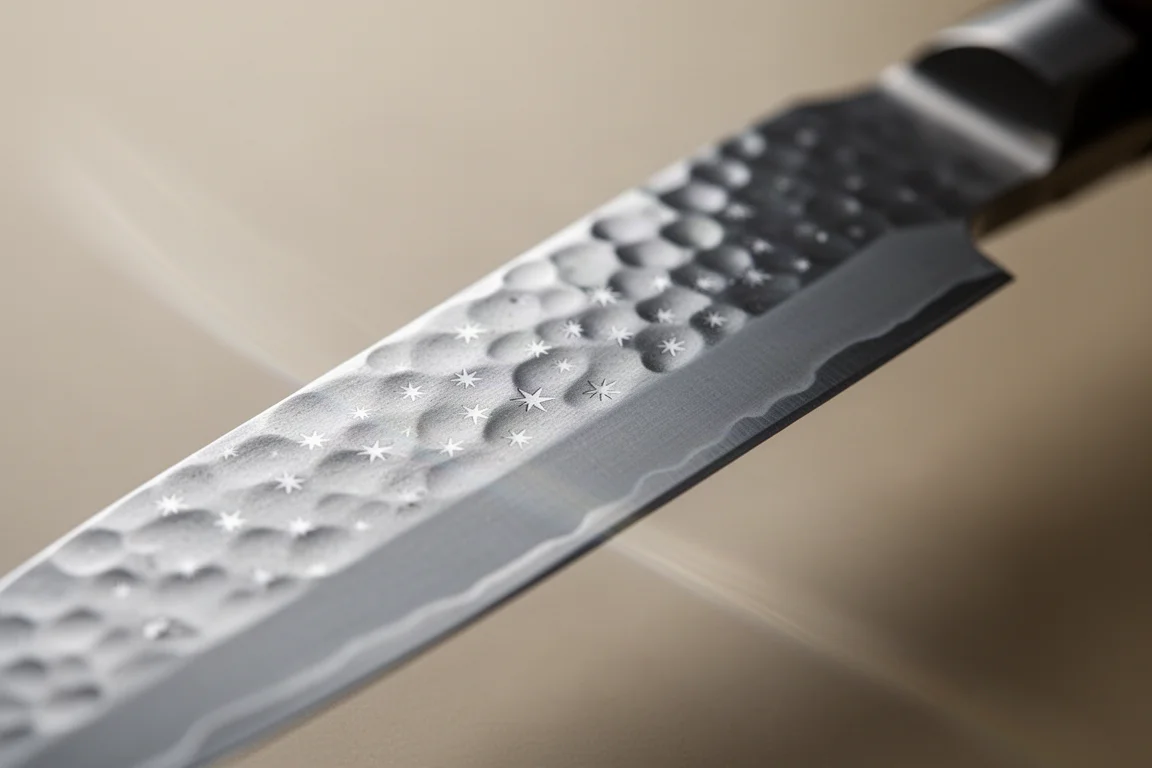
The Senko line is made from R2 (also known as SG2) stainless steel, a steel known for strong edge retention and easy sharpening, especially on knives this thin behind the edge. The blades carry the Senko tsuchime pattern, a hammered finish meant to resemble scattered stars.
Fit and finish is where Kurosaki knives consistently earn their reputation. The choil and spine are nicely sanded down, the junction where the wood handle meets the blade spine is clean, and there are no gaps, bumps, or uneven spots anywhere.
One honest caveat: these knives run on the delicate side. If this would be your first Japanese knife, this is probably not the line to start with. For anyone who has already been eyeing a Yu Kurosaki, though, these are easy to recommend.
Hatsukoro Shira Sagi Yanagiba Line
The Shira Sagi line from Hatsukoro is a brand-new arrival with a kuruchi and tsuchime finish, forged from Aogami Number Two steel with soft iron cladding. The knives are forged by Tamura Toru and sharpened by Miojin Tatsuo, a two-man team well recognized in Japan who collaborate frequently, and the consistency of their work shows.
The blade work is impressive: blades are very straight, bevels are well executed, the shinogi line runs consistently along each knife, and the ura on the back side is nicely finished. Only a single minor low spot turned up on one of the 330mm pieces, nothing that raises concern.
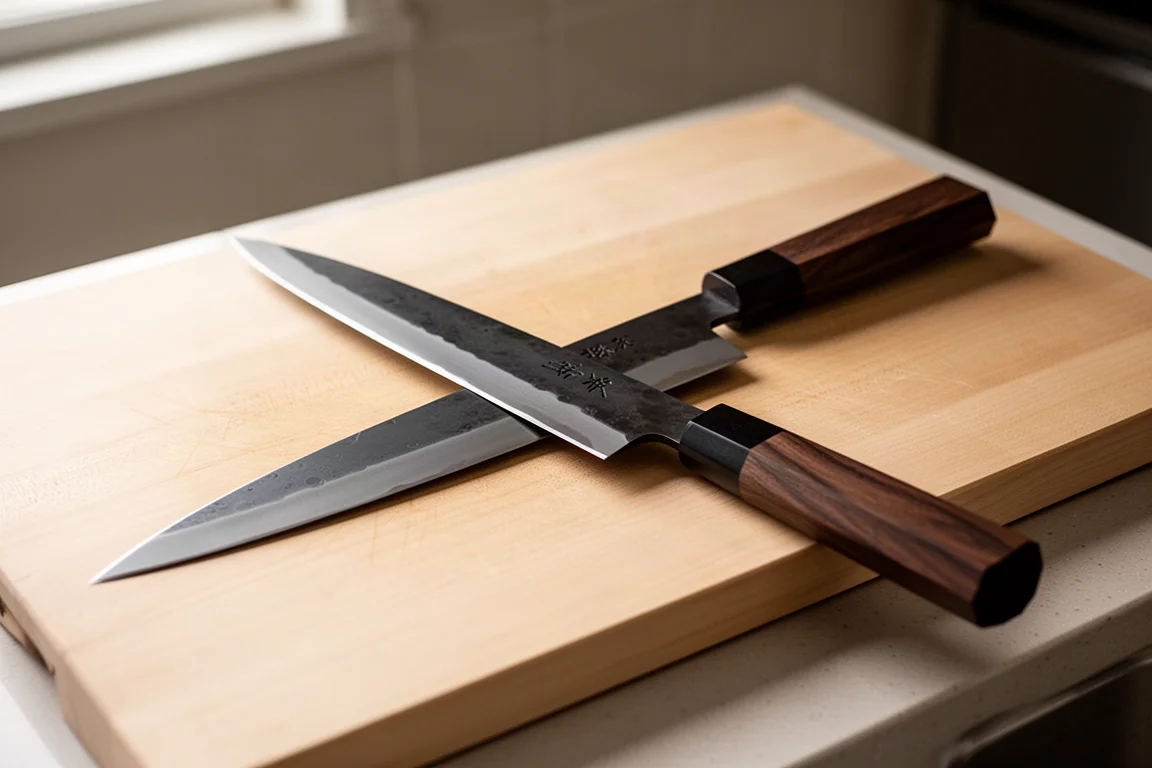
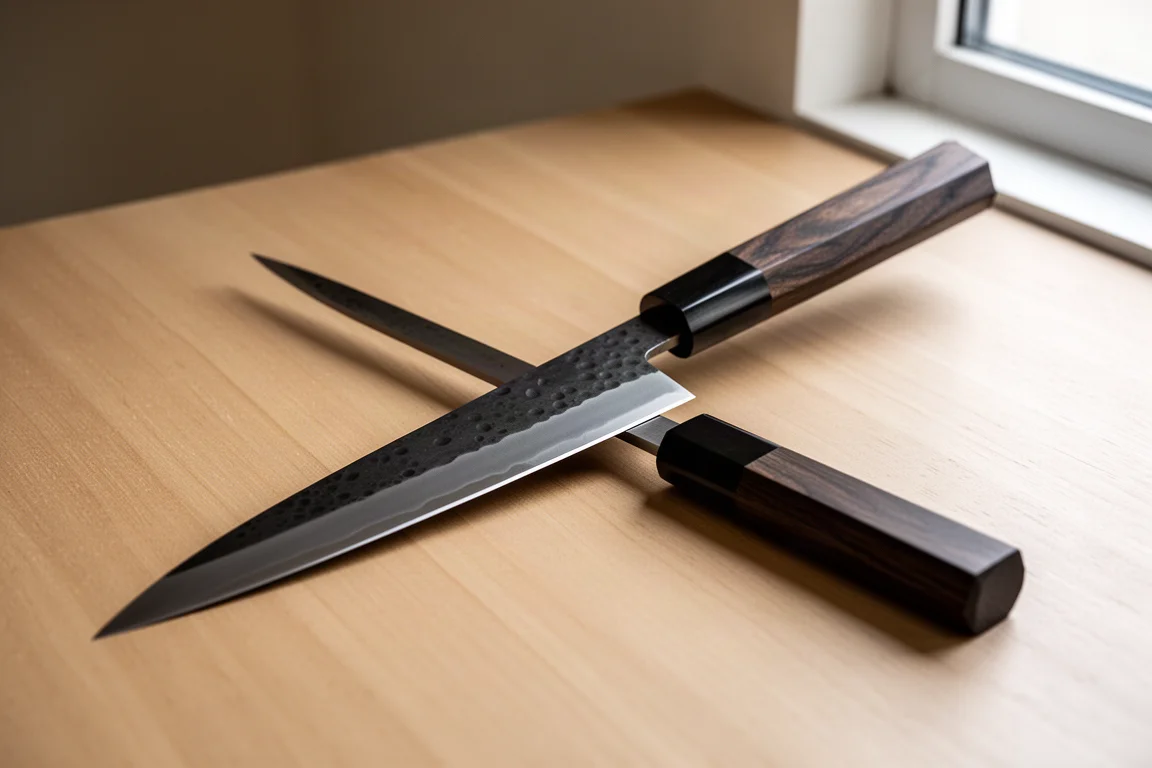
Sizes and tip styles cover a lot of ground. There are 270mm yanagiba in three classic styles, plus a kiritsuke-style yanagiba and a sakimaru-style yanagiba, then a 300mm yanagiba, and finally a 330mm kiritsuke-style yanagiba that is genuinely sword-like in presence. Handles are octagonal wenge with a buffalo horn ferrule, finished without bumps, gaps, or spaces, and the tang and handle come together beautifully.
Who a Yanagiba Suits
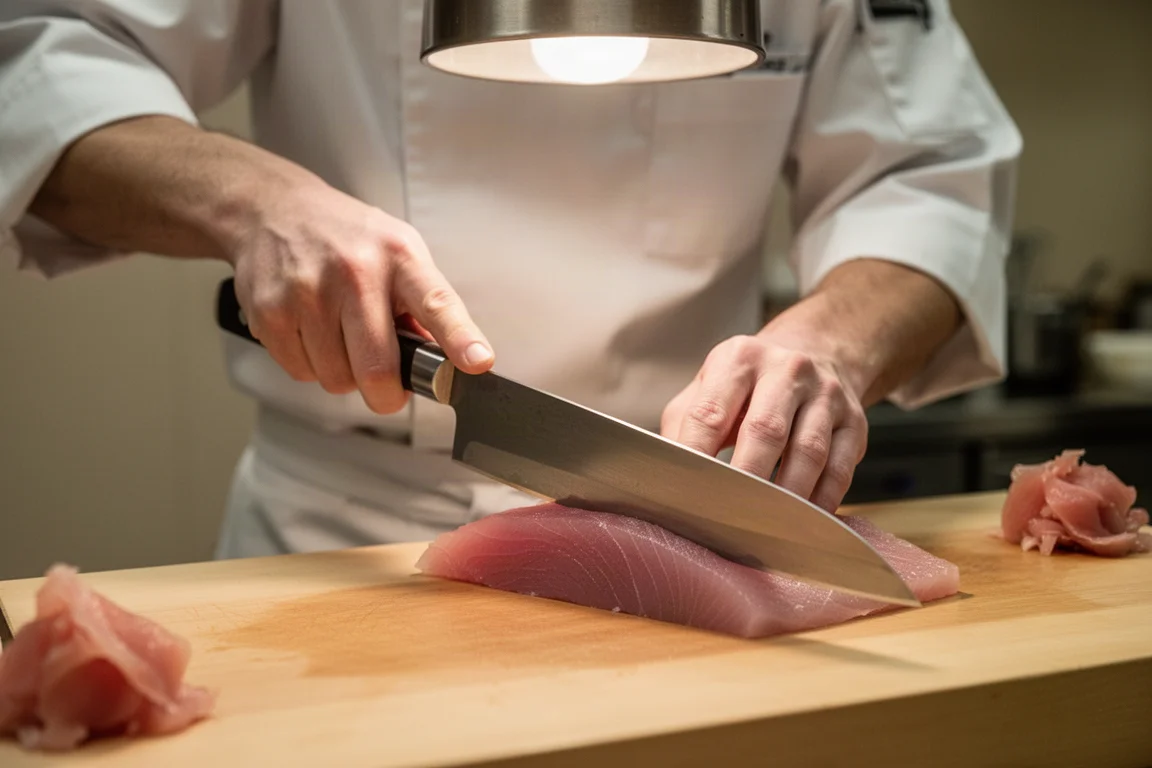
A yanagiba is primarily a slicing knife, most associated with preparing raw fish in Japanese cuisine. That said, it is a more versatile shape than many newcomers expect: one trained sushi chef reports being taught to use a yanagiba for everything, from sheeting daikon and julienning vegetables to slicing proteins.
The shape does take some getting used to, and these knives steer a bit in the cut. They are also all right-beveled, so left-handed users will need to look elsewhere. For anyone already familiar with yanagiba handling, these represent genuinely strong value in this category. Pricing is not cheap, but for a hand-forged single-bevel knife the value is real.
Which Line Should You Choose?
The choice comes down to how you cook. If you want a beautiful, high-performing daily knife for general kitchen work and you already have some Japanese knife experience, the Senko Desert Ironwood line is the easier and more versatile pick. If your focus is slicing raw proteins or you simply want a striking single-bevel knife with serious craftsmanship behind it, the Shira Sagi yanagiba line delivers impressive quality for the category. Buyers new to Japanese knives should probably start elsewhere with either line, since both reward a careful hand.
Conclusion
Both lines justify their reputations: the Yu Kurosaki Senko Desert Ironwood knives combine superb fit and finish with comfortable new handles and excellent R2 steel, while the Hatsukoro Shira Sagi yanagiba range offers hand-forged single-bevel craftsmanship at strong value. Match the knife to your cutting habits and either one will be a rewarding addition to the kitchen.
Further reading
Related Reviews

Kitchen Knives
Best Chef's Knives 2026: 27 Popular Options Tested and Ranked
A comprehensive review of 27 chef's knives ranging from $18 to $380, with honest assessments of handle comfort, blade balance, and real-world performance.

Kitchen Knives
Best Chef's Knives Under $75: Two Tested Recommendations
Two practical 8-inch chef's knives that balance sharpness, comfort, and durability without premium pricing.

Kitchen Knives
Best Chef's Knives 2026: 27 Options Tested and Ranked
A comprehensive review of 27 chef's knives ranging from $18 to $380, with honest assessments of handle design, balance, blade profile, and real-world performance.