Camping Chairs
YETI Trailhead Camp Chair Review: Heavy-Duty Comfort at a Premium Price
A detailed look at the YETI Trailhead Camp Chair, covering setup speed, measured dimensions, breathability, build quality, and the trade-offs behind its $300 price.
Introduction
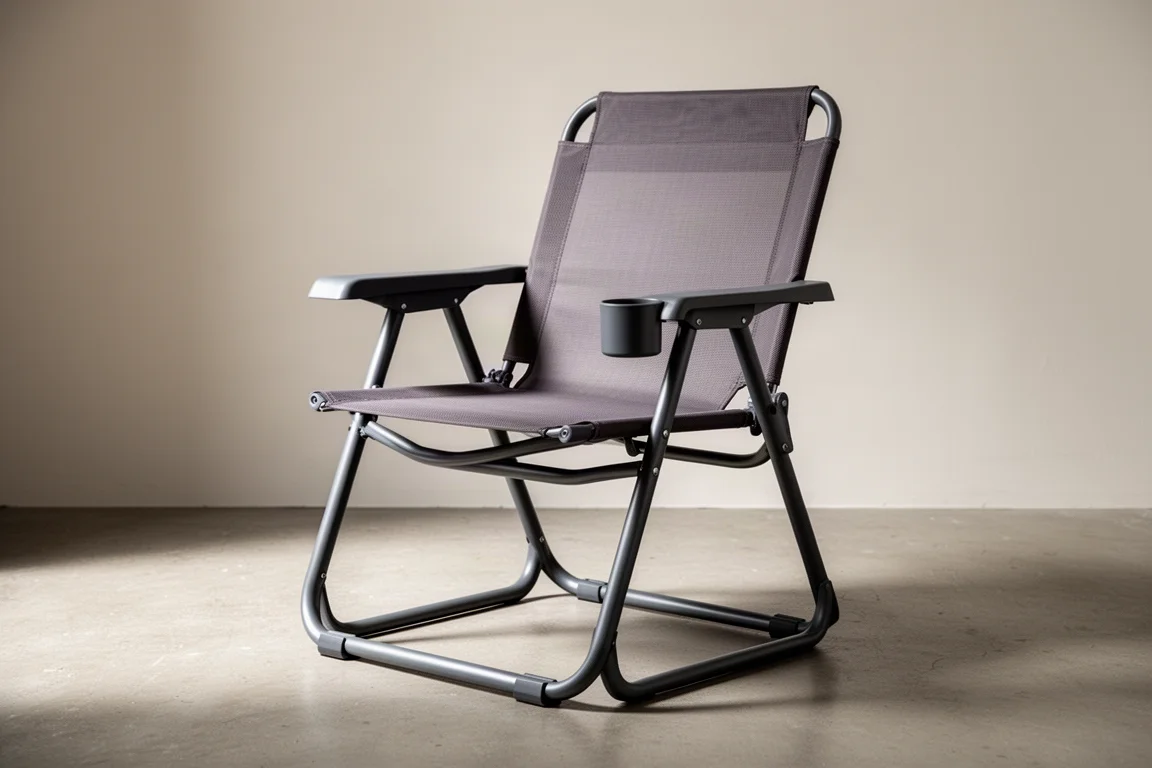
The YETI Trailhead Camp Chair is built for campers who want a seat that feels solid rather than disposable. It pairs a tall seat height with a taut seat and backrest, a 500-pound weight rating, and a carry bag that can be worn like a backpack.
This guide covers setup and pack-away, measured dimensions, breathability, storage, build quality, and the trade-offs worth understanding before committing to a premium camp chair.
Who This Product Is For
The Trailhead makes the most sense for three kinds of buyers: campers who find low camp chairs difficult to get out of, anyone who genuinely needs a heavy-duty seat, and people who want proper lumbar support instead of a sling that sags through the evening.
Its seat height sits close to that of a typical office or dining chair, so getting up and down feels familiar rather than awkward. The roughly 25-degree recline, combined with the give in the fabric, lets you settle in for hours without hunting for a comfortable position.

If your back is fine and you simply need a sturdy chair for occasional trips, the price will be harder to justify. This is a considered purchase rather than an impulse buy.
Main Strengths
Build Quality and Materials
The frame uses the thickest poles found on a camp chair of this type, measuring about 1.14 inches across compared with roughly 0.6 to 0.7 inches on an average chair. The pole joints are noticeably beefier as well, rather than the simple rivets used on cheaper models.
The seat and backrest are cut from a single piece of fabric, so there is no stitching running through the middle of the seating area. The fabric is polyester interwoven with polypropylene, and the carry bag padding is thick and substantial rather than thin and flimsy.
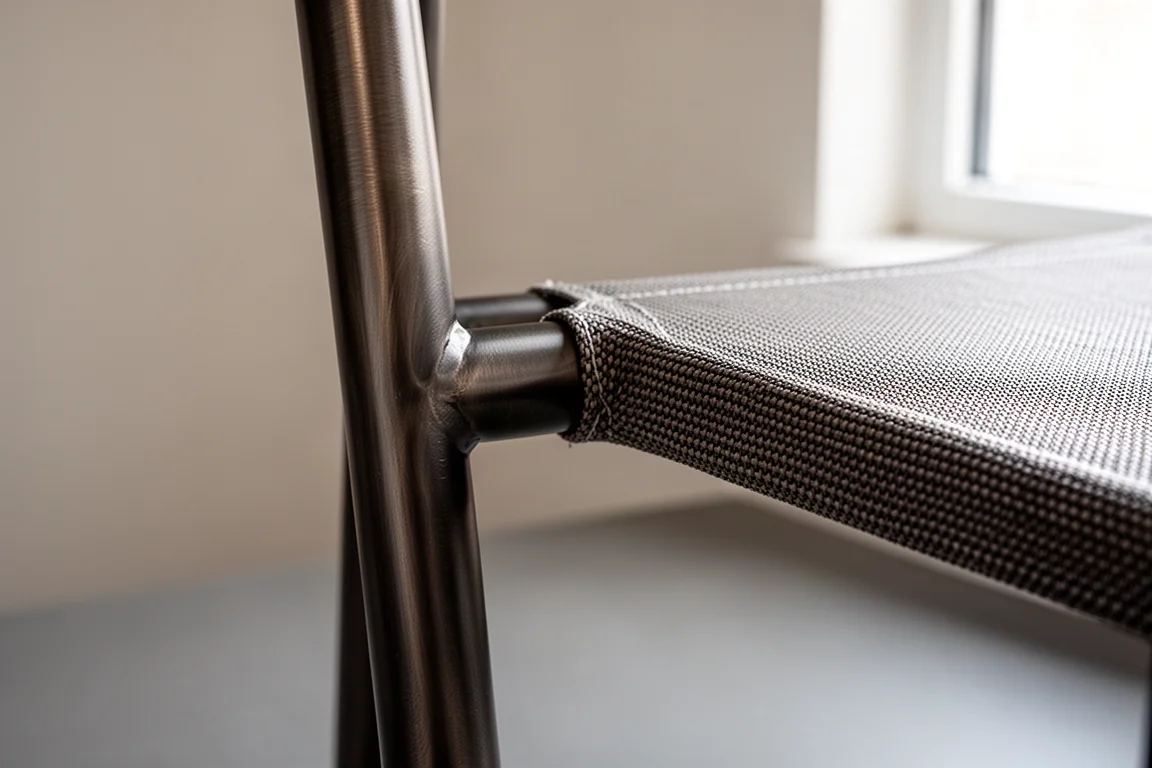
YETI also states that UV-resistant additives are used in the construction. That matters for a chair that will sit in direct sun for weeks at a time, and it is a detail many camp chairs do not address at all.
Comfort and Support
The seat is generous without being the largest available. Measured seat width is about 19.5 inches and seat depth about 16.5 inches, which leaves plenty of room to shift position over a long sit. The backrest measures about 24 inches high and 19.25 inches wide.
Lumbar support is where the chair separates itself from the pack. The fabric has some give and conforms to the shape of your body, so pressure points are minimal even after hours of use. The seat also resists sagging: the front edge measures about 17.5 inches from the ground while the actual sitting point measures about 16 inches, a slope of only about 1.5 inches. Many camp chairs slope by 5 inches or more from front to back, which is harder on the lower back over time.
Tall users should note that the backrest will not provide a neck rest. The top of the backrest flattens off slightly, which helps shorter users rest their head by scooting down in the seat.
Breathability and Warm-Weather Use
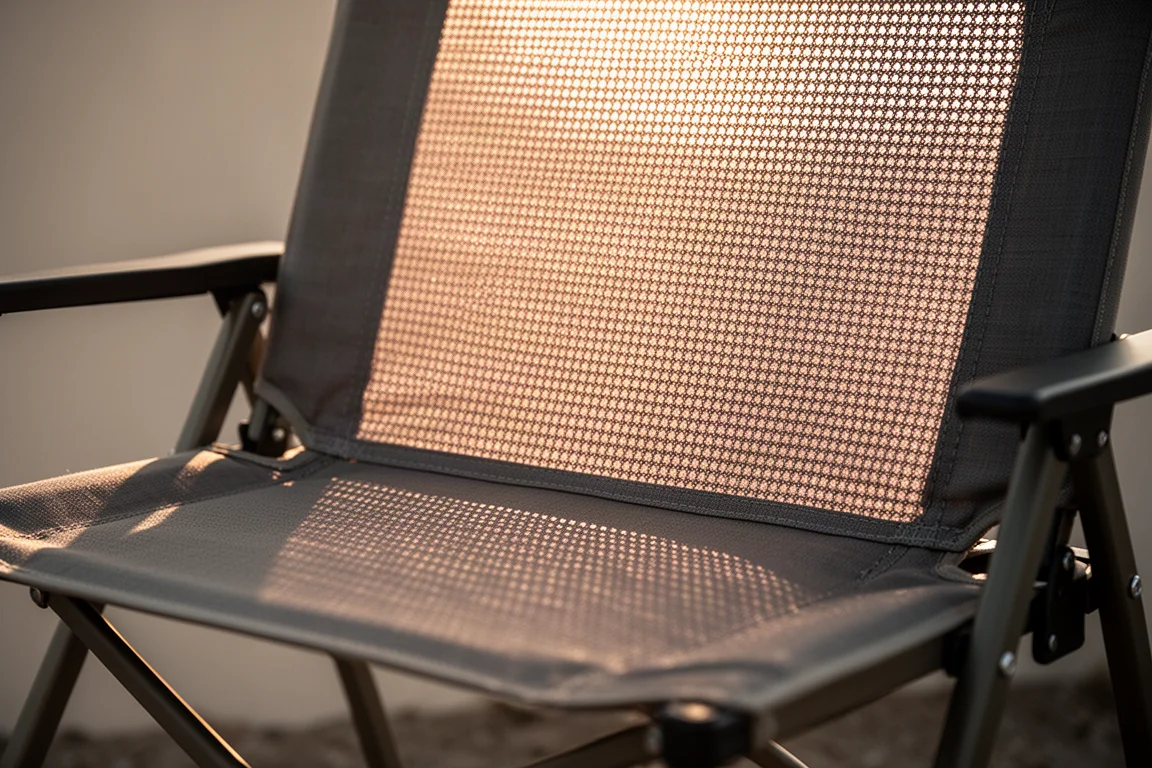
The chair uses a mesh-like construction across the whole seat and backrest, which is unusual in this category because mesh costs more to manufacture than solid fabric. The result is a seat that moves air rather than trapping it.
In warm conditions that difference is easy to feel. You can sit through a long, hot afternoon in camp without the chair turning into a heat trap, which is exactly when a camp chair earns its keep.
Stability, Setup, and Storage
Setup is quick once the sequence is clear: unzip the bag, slide the chair out, pull one back corner and one armrest outward, then push down on each armrest until it clicks into place. A handle at the back of the chair tensions the backrest as the final step. The full process takes well under a minute, and a brief version of the instructions is printed on both armrests for reference in the field.
Packing away is the reverse. Release the buttons underneath both armrests, pull the armrests together, then slide the chair feet-first into the bag with the short end of the foot rectangle facing the ground, since the bag is shaped to match. Guiding the zipper past the mesh keeps it from catching.
The locking mechanisms are a genuine highlight. Each armrest locks independently and the backrest has its own lock, so both the seat and the back are taut when you sit down. Most camp chairs offer neither.
The single cupholder sits on the right side and measures about 4 inches in diameter and nearly 5 inches deep, enough for a can, a bottle, or a 1-liter Nalgene. It is removable if you prefer a cleaner armrest, and a drainage hole at the bottom handles spills. The armrests themselves are unpadded hard plastic and are not adjustable, but they are wide enough to feel comfortable.
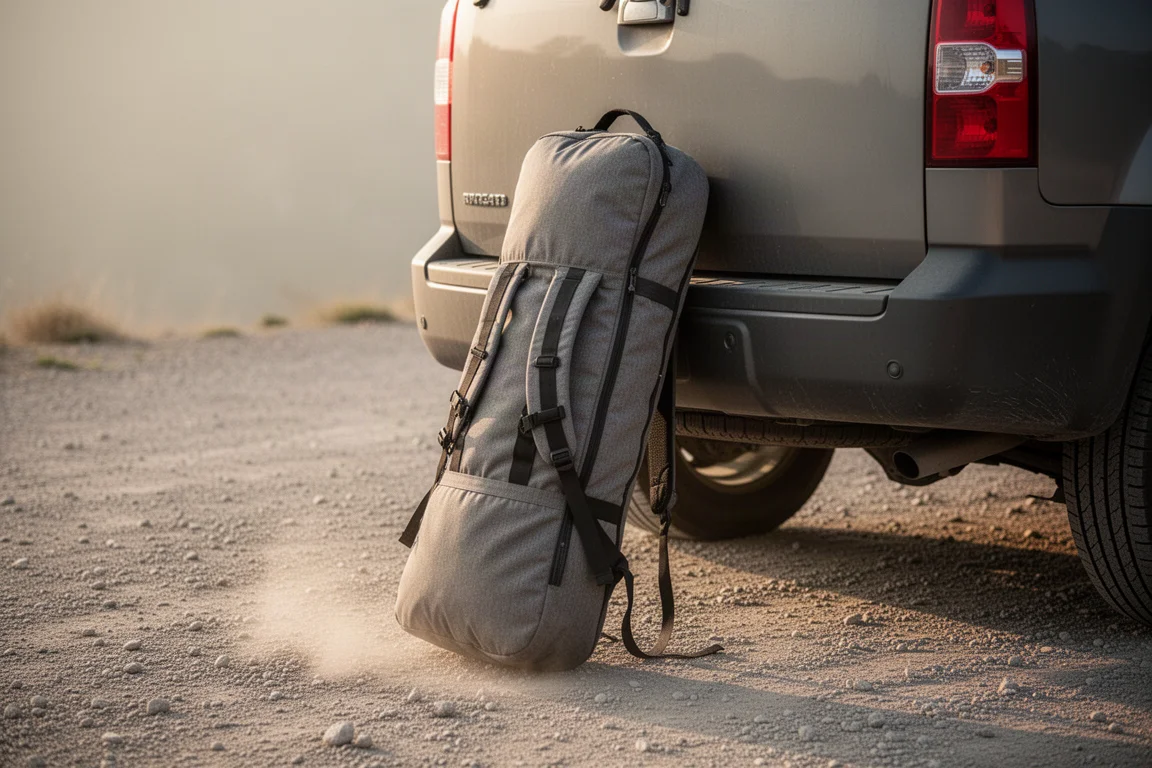
Stability comes from wide feet and a wider foot spread than most camp chairs, helped along by the chair’s weight. The carry bag has two thickly padded, adjustable backpack straps plus a smaller handle at one end for shorter carries.
Things to Consider Before Buying
Price is the main obstacle. The Trailhead carries an MSRP of $300, which is more than three times the cost of several other heavy-duty camp chairs.
Weight and bulk are the second consideration. The chair itself weighs about 13.6 pounds and the carry bag adds about 1.1 pounds, for roughly 14.7 pounds in total, about 1.5 pounds more than the marketed figure. Packed, it measures about 43 inches long, 9.5 inches wide, and 10.5 inches tall, making it bulky next to a mid-size two-person tent.
The chair is backed by a 5-year warranty, which softens the ownership cost over time.
Buying Advice
The Trailhead is easy to recommend to a specific buyer and hard to justify for everyone else. If you struggle to rise from low seats, need a chair rated to 500 pounds, or want lumbar support that holds up across a full evening, the premium becomes easier to accept. The taut seat, taut backrest, UV-resistant construction, and 5-year warranty all point toward long-term use rather than a season or two.
If none of those needs apply, a less expensive heavy-duty chair will likely serve you just as well, and the savings are substantial.
Setup speed, pack-away convenience, and all-day comfort are the strengths to weigh against the price. Buying this chair is really a decision about how much you value a seat that stays firm, breathes well, and refuses to sag.
Conclusion
The YETI Trailhead Camp Chair delivers on its heavy-duty promise: thick poles, beefy joints, a single-piece fabric seat, dual locking mechanisms, and strong breathability across the whole chair. The compromises are the $300 MSRP, the roughly 14.7-pound total weight, and the bulky packed size. For campers who need the support and the durability, it is a straightforward choice. For everyone else, the price is the deciding factor.
Product link
View more details for YETI Trailhead Camp Chair
This product is mentioned in the review. Check the specifications, options, and compatibility before buying.
View more details for YETI Trailhead Camp ChairFurther reading
Related Reviews
Camping Chairs
ALPS Mountaineering Rendezvous Chair Review: Fast Setup, Compact Pack, Real Trade-Offs
A practical look at the ALPS Mountaineering Rendezvous Chair: measured seat dimensions, setup and pack-away speed, materials, and who it genuinely suits.
Camping Chairs
Best Lightweight High-Back Camping Chairs: Helinox Sunset vs REI Flexlite Camp Dreamer vs Big Agnes Big Six
A measured comparison of three lightweight high-back camp chairs, covering setup times, seat dimensions, breathability, storage, materials, warranty, and price positioning.
Camping Chairs
Best Oversized Camp Chairs: ALPS King Kong vs Coleman vs YETI Trailhead
Four of the largest camp chairs compared on seat size, seat support, materials, storage, portability, and price, with clear guidance on which one is worth buying.