Snowboarding
Yes Hybrid Uninc DCP Review: Camber Drive, Predictable Pop, and a Playful Nose
A directional freeride snowboard that pairs an easy-loading camber section with rockered tips, plus the trade-offs worth knowing before you buy.
Introduction
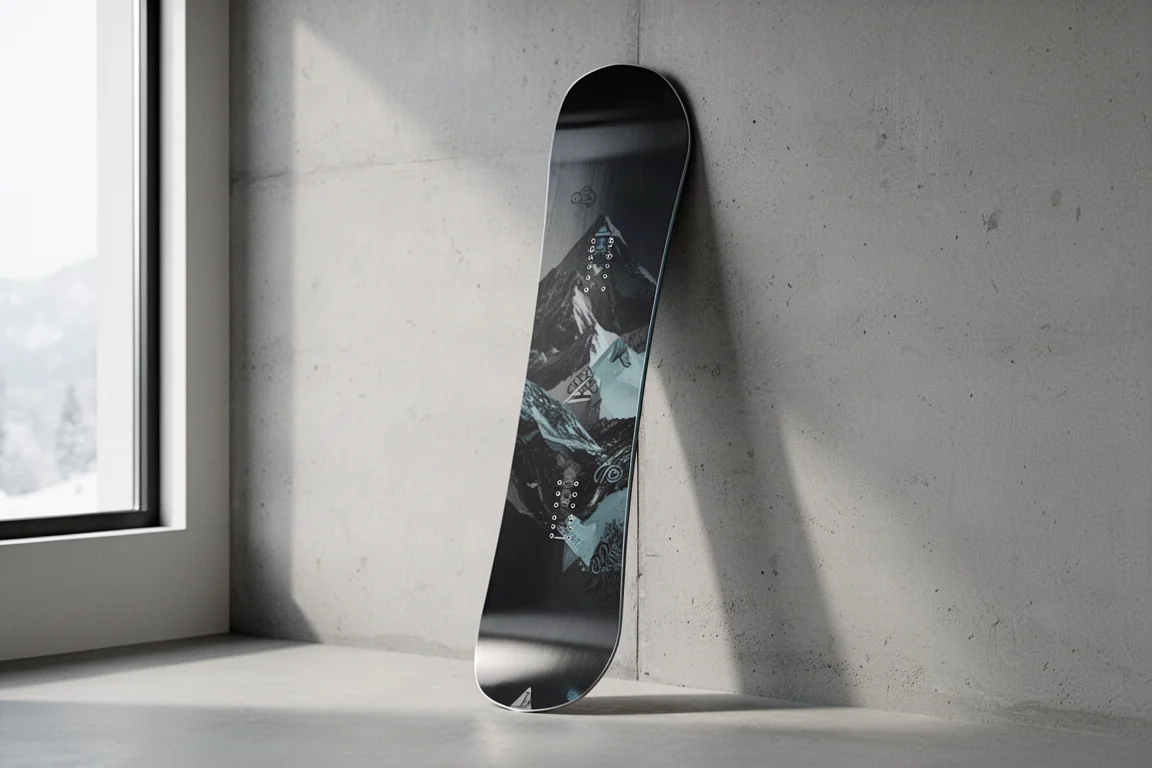
The Yes Hybrid Uninc DCP is a directional freeride snowboard built around Yes’s 141 cam rocker profile: a more mellow rocker in the tip and tail paired with a more abundant camber section through the middle. The intent is straightforward. You get the load, pop, snap, and drive of camber underfoot, while the rockered nose and tail slightly help turn initiation and add float in powder. It comes in 153, 157, and 161.
Conditions during testing were an overcast day at Copper Mountain with cooler temperatures and light snow falling. There was fresh snow on and off the run, corduroy that ranged from perfect to icy and firm, and chunder just about everywhere else. The setup used Rome Black Label bindings and K2 Thraxis boots.
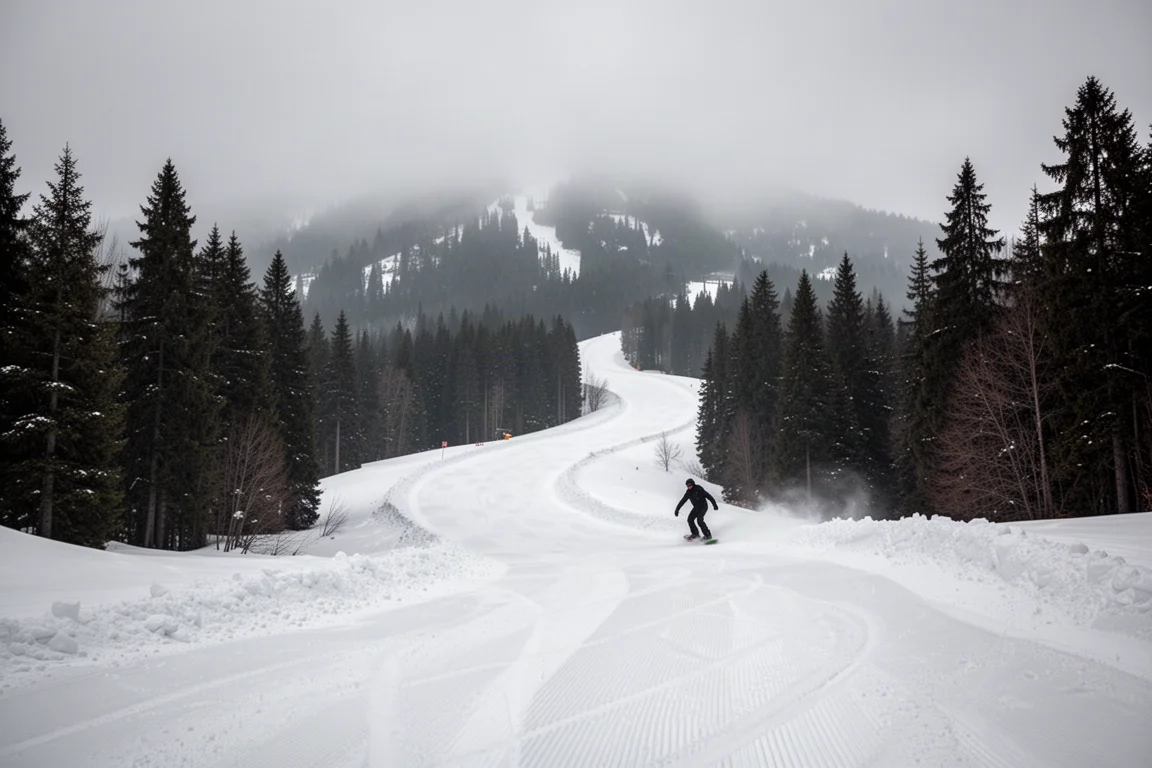
The board’s character is easy to summarize: predictable pop, a very stable rear half, and a playful nose, paired with an edge-to-edge feel that is smooth rather than quick. Riders who like to drive off the front foot, chase powder into the trees, and launch off natural features will find plenty to like here.
Who This Snowboard Is For
Yes builds this board for the resort ripping, powder chasing, tree riding freerider. The camber section underfoot gives it the drive to hold up to aggressive riding, while the mellow rocker at both ends keeps it manageable when the snow gets deep or the terrain gets tight. It suits riders who already understand how to load a camber section and want a board that stays composed when they point it through chop on the way to a stash.
Because the shape is directional, it is not aimed at park riders who want a symmetrical twin, nor at beginners looking for a soft and forgiving flex. The natural audience is the rider stepping up from an all-mountain board into something with more freeride intent.
Camber Profile and Flex
Flex on the Hybrid Uninc DCP is ever so slightly stiffer than a middle-of-the-road directional freeride flex. There is a softer nose that stiffens up right outside the front insert pack, then progressively stiffens back up through the tail. Torsional flex is moderate, nothing extreme, so you can twist the board when you need to without it feeling vague underfoot.
The 141 cam rocker profile is the headline feature, and it behaves exactly as the design suggests. The camber section is really easy to load up, and loading it activates the rocker in the tail, which produces a springboard effect out of turns and off natural features.
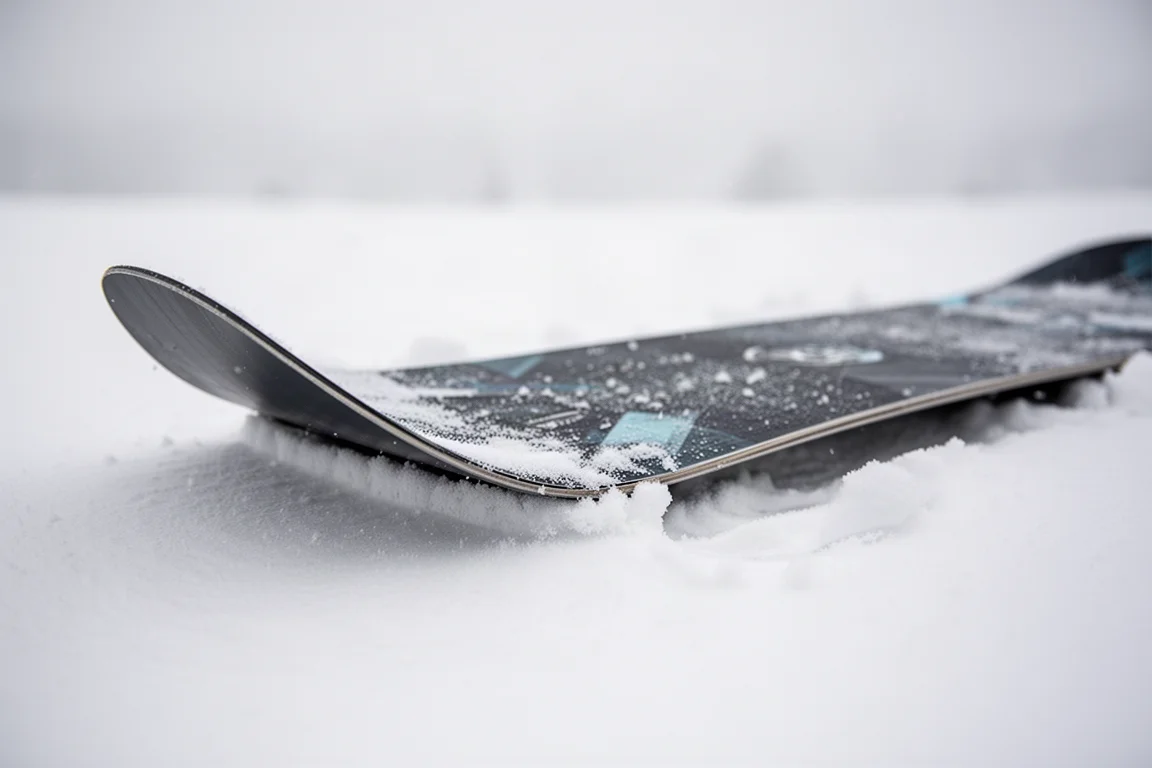
In practice, that combination makes the board feel planted through the middle and looser at the extremities. In powder, the rockered tip and tail help the board float and initiate turns more easily than a full camber shape would, and on hardpack the camber section keeps the contact points engaged when you push into a turn. It is a profile that rewards a rider who is willing to work the board rather than simply stand on it.
Main Strengths: Stability, Pop, and Playfulness
Once you understand where to stand on this board, it becomes a genuinely fun ride. Its best traits cluster around three areas: stability through the back half, pop that arrives without much effort, and a nose that is made for butters and powder.
Stability Front to Back
Stability comes from a slightly wider platform combined with camber underfoot, and it is clearly split between the two halves of the board. From the middle back through the tail, the Hybrid Uninc DCP gets super stable and crushes everything in its path. When you are on the back foot, plowing through chop and chunder to get to the goods, you do not have to worry about the board getting knocked around.
The nose is the exception. It folds back when you plow through chunder and chop, and you feel it under the front foot. Riders who keep weight forward into frozen, churned snow will notice the front leg taking a lot of the hammering.
Pop, Rollers, and Side Hits
Pop is the board’s most consistent strength. The camber section loads easily, and once it is loaded it activates the rocker in the tail and delivers that springboard effect. There is essentially no need to worry about generating pop, because the board simply gives it to you, and that makes it easy to get up on or over anything in your path.
That predictability is what makes it a blast for launching side hits, rollers, cat track gaps, and whatever else the resort puts in the way. It does what you need it to do without demanding a perfect setup.
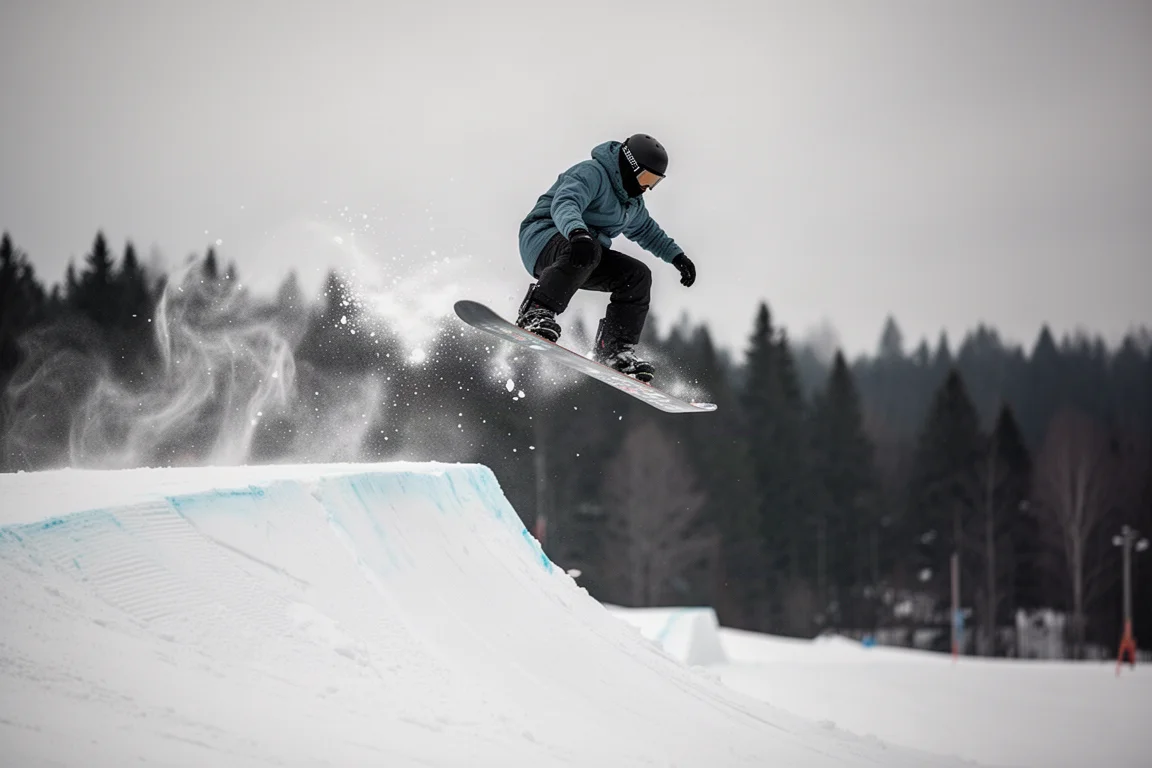
For riders who like to link small features down the length of a run, this is the trait that matters most day to day. The pop is repeatable rather than explosive, which means fewer surprises when a lip arrives faster than expected.
Butters and Playful Nose
The nose is immense and wider than the rest of the board, and it carries the rocker, which makes it the place to be for butters. Get weight out over it, flex into it, and the camber gives a little bit of fight back, so the board snaps out of the press. You can butter, get sideways, and swivel around.
Two things are worth keeping in mind. The sidecut technology can catch and feel a little hooky when you come around, and the tail is stiffer, so tail butters take noticeably more work. You will be sitting on the outside of the binding and pushing into it heavier, and the snap is sharper because a smaller rocker zone feeds into the camber section, so it fights you a bit. For riders who already know how to butter, it remains a great time.
Things to Consider Before Buying
Edge to edge, this board has a slight delay. It is fluid and smooth, but it is not quick and nimble in its edge-to-edge transmission compared with some of its contemporaries. Mellow, slower setup carves suit it well, and the board comes more alive when you power it, but instant response is not part of the package.
Turn initiation follows a specific pattern. You drive the board right outside the front foot to start the turn, then transition weight and drive from inside the back foot rather than the outside. That shift in the power dynamic is what makes the tapered underbite work.
That underbite is also the source of the one real complaint. In fully icy, perfect, firm conditions while on edge, the board would kick out, on both heel and toe. It had to be absolutely perfect icy firm conditions for that to happen, and in anything else it never had real problems. Riders who spend most of their time on bulletproof groomers should weigh that carefully.
Carving is capable when you commit to it. Drive outside the front foot to engage the edge, then flex through the center and underfoot to activate the rocker and get pop back out of the turn. You can rail a turn when you want to, and the board gives power back from inside the rear foot.
Nose deflection in chop is worth repeating for anyone who rides a lot of tracked-out terrain, since weight forward in frozen chunder means a lot of feedback through the front leg. Finally, riders coming from the standard Hybrid will find this version feels a little more delayed in edge-to-edge response, though otherwise the ride is very similar.
Buying Advice
Binding pairings that make sense on this board include the Now IPO, the Burton Malavita, and the Union Strata. All three sit in the freeride and all-mountain category that matches the board’s flex and its drive off the front foot.
Sizing runs 153, 157, and 161. Riders who want more float and stability in chop will naturally lean toward the longer options, while the shorter sizes keep the playful nose and butter-friendly character more accessible.
If you are cross-shopping, the Ride Super Pig and the Rome Service Dog occupy a similar freeride space and are worth comparing on flex and shape before you commit.
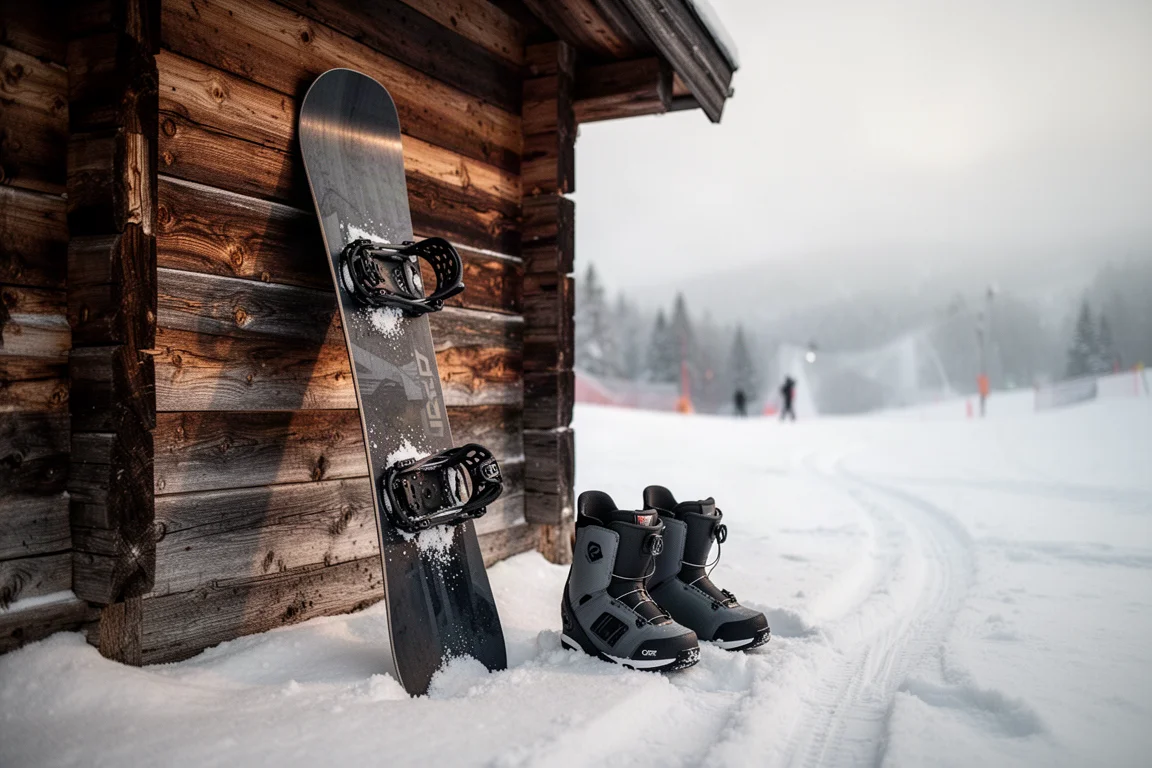
For riders whose days are mostly resort laps with powder detours, tree lines, and natural features, the Hybrid Uninc DCP makes a strong case. It rewards a confident, front-foot-driven style, gives back easy pop, and holds steady through the back half of the board. Riders who need fast edge-to-edge response, or who ride mostly bulletproof ice, should look at something with a quicker, more locked-in feel instead.
Conclusion
The Yes Hybrid Uninc DCP is a freeride snowboard that trades a little edge-to-edge speed for a lot of pop, a stable rear half, and a nose that is genuinely fun in powder and on butters. The 141 cam rocker profile delivers camber drive underfoot with rocker float at the tips, and the flex sits just above a middle-of-the-road directional freeride build, with a softer nose that stiffens through the tail.
Its weak points are specific rather than general: the nose deflects in chunder and chop, edge-to-edge response carries a slight delay, the stiffer tail demands more work for tail butters, and perfect, firm ice is the one surface where the tapered underbite can kick out. Riders who mostly chase powder, ride trees, and launch off whatever the resort offers will find the trade-offs easy to live with. Match it with a freeride binding, pick your size for the conditions you actually ride, and it is a board that stays predictable from first chair to last.
Product link
View more details for Yes Hybrid Uninc DCP
This product is mentioned in the review. Check the specifications, options, and compatibility before buying.
View more details for Yes Hybrid Uninc DCPFurther reading
Related Reviews

Snowboarding
2025 Snowboard Gear List: Five Picks That Earned Their Place on the Mountain
From Zeiss-lens goggles to a hybrid step-in binding, here are five pieces of 2025 snowboard gear that held up across a full season of riding.

Snowboarding
2026 Snowboard Gear List: Boards, Bindings, Boots and Outerwear Worth a Look
A season-ready snowboard setup built from the bottom up: base layers, Strafe outerwear, Ride and Union boots, Union bindings, and two new Capita boards.

Snowboarding
32 Cold World Review: A Playful Hybrid Camber Board for Park Laps
The 32 Cold World blends classic camber underfoot with flat nose and tail sections for a predictable, butter-friendly ride aimed at intermediate park riders.