Kitchen Knives
Wusthof vs Zwilling: Comparing Four 8-Inch Chef's Knives
Wusthof Classic and Classic Ikon go head to head with Zwilling Pro and Professional S in a detailed look at blade design, balance, and comfort.
Introduction
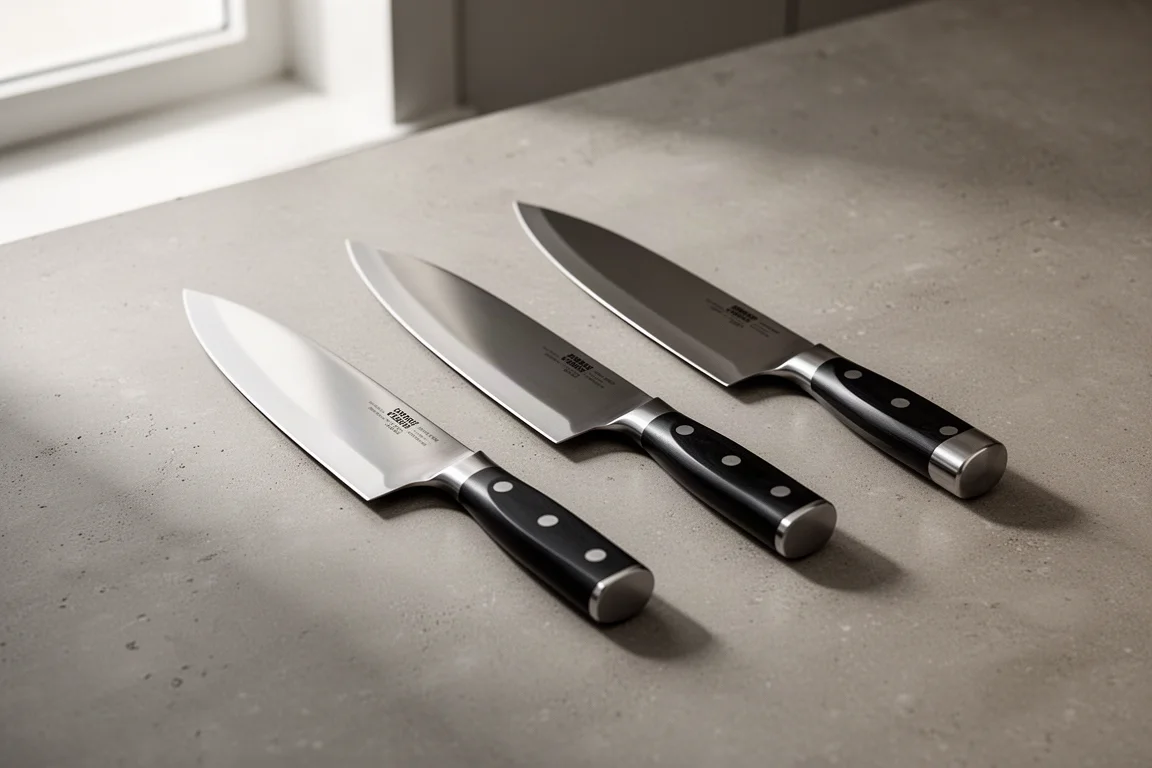
Wusthof and Zwilling have been making high-quality kitchen knives in Solingen, Germany, a city known as the City of Blades, for over 200 years. Both brands are famous for durable, well-made German-style chef’s knives, but there are meaningful differences in design, comfort, and price that can tip your decision one way or the other.
This comparison looks at four of the most popular 8-inch chef’s knives: the Wusthof Classic, Wusthof Classic Ikon, Zwilling Pro, and Zwilling Professional S. All four are made in Germany, all have forged blades of high-carbon stainless steel roughly 2.8 millimeters thick, and all use heat- and moisture-resistant plastic handles with triple rivets and a full exposed tang. Despite those similarities, small differences in blade shape, bolster design, and handle dimensions genuinely change how each knife feels in hand.
Brand Backgrounds: Two Centuries in Solingen
Wusthof was founded in 1814 and, seven generations later, remains a family-owned and operated business. The company focuses entirely on kitchen knives, with no cookware or appliances, and its offering is tightly focused across nine knife series. Every Wusthof knife is made in Germany, with a traditional German style: thick blade, smooth finish, and riveted handles.
Zwilling has an even longer history, starting in 1731, and has grown into a large company with several brands and product lines including cookware, appliances, food storage, and other kitchen gear. It currently has 18 knife series. Zwilling’s most popular knives have a traditional look, but the range is wider, including all-steel handles, Damascus blades, and Japanese-style handles licensed from master bladesmith Bob Kramer. Most Zwilling knives are made in Germany, though the Twin Fin II and Bob Kramer series are made in Japan, and the Twin Gourmet and Twin Grip series are made in Spain.
On pricing, Wusthof 8-inch chef’s knives range from $100 to $350, with an average of around $223, while Zwilling’s range from $90 to $450 with an average of about $202 and a median of $160, making Zwilling generally a little cheaper across its lineup. Wusthof offers a 45-day return window on its website, while Zwilling gives 60 days.
Blade Profile and Cutting Feel
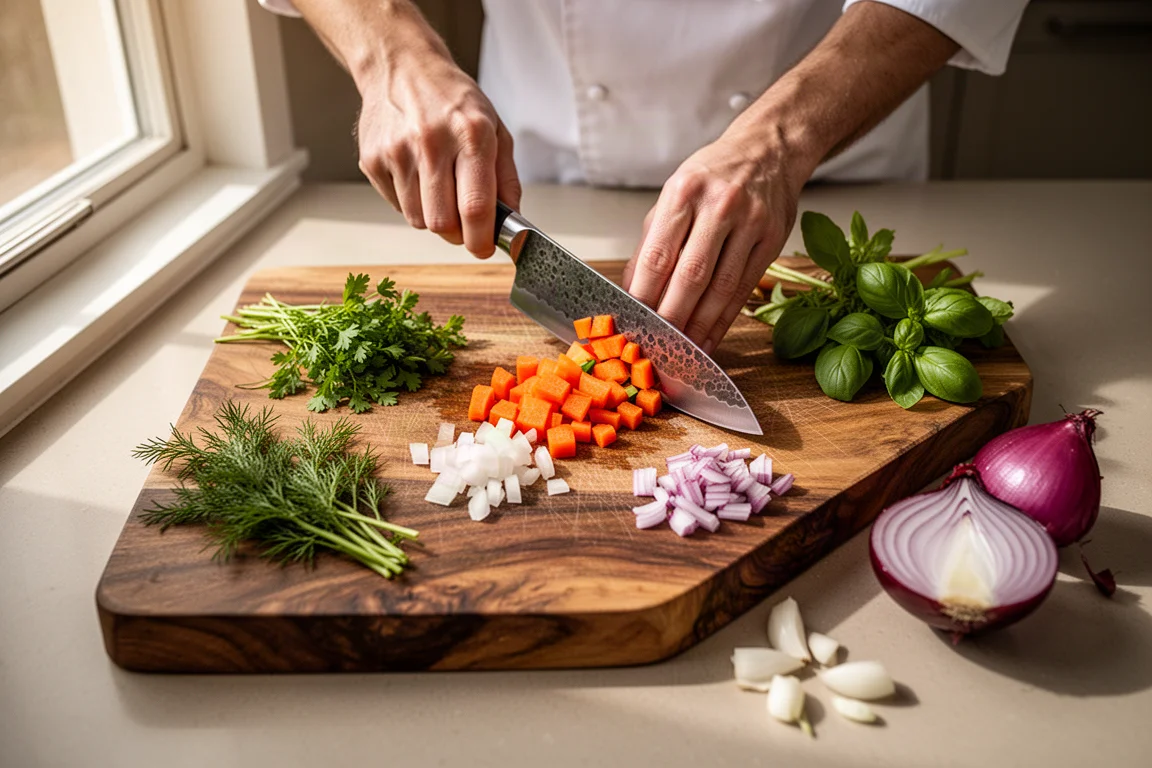
The blade profile is one of the most significant differences between these knives. The Wusthof Classic, Wusthof Classic Ikon, and Zwilling Professional S all use a traditional Western-style profile, where the spine and edge gradually curve until they meet at the tip.
The Zwilling Pro takes a different approach, with a straight spine and a much more curved belly. This places the tip noticeably higher, so when you are dicing an onion or making small precise slits, you need to angle the knife higher, which puts your hand in a more awkward position. The lower half of the Zwilling Pro’s edge is also straight, designed so more of the edge contacts the board during up-and-down chopping. The trade-off is that when you rock the knife back toward the heel, it abruptly stops on the board, whereas a traditional profile rocks much more smoothly.
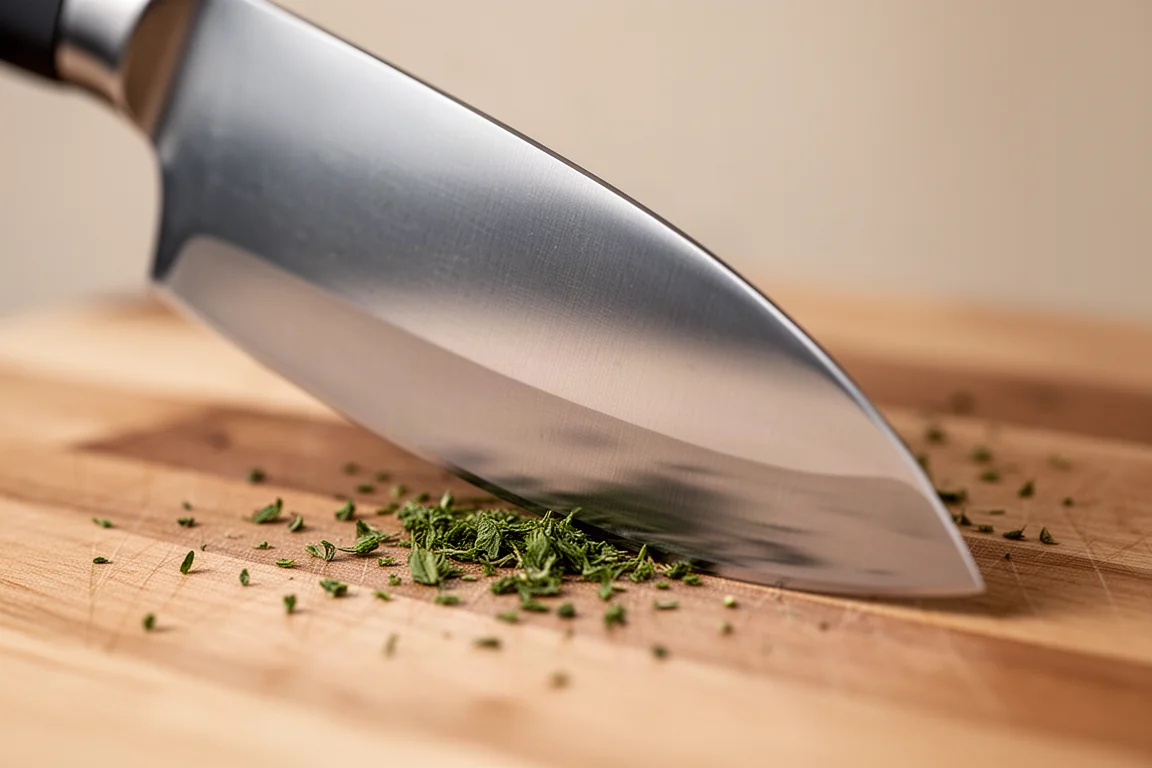
Blade hardness differs slightly as well. Zwilling tempers its blades to 57 on the Rockwell scale, while Wusthof sits slightly harder at 58. In theory the harder Wusthof blade should hold its edge better and the softer Zwilling blade should resist chipping, but in long-term use there is no noticeable difference. Both hold an edge well and neither shows chipping issues. The factory edge angle is a minor point too: Wusthof sharpens at 14 degrees per side and Zwilling at 15, so Wusthof knives are slightly sharper out of the box.
Bolster Design
The Wusthof Classic and Zwilling Professional S both have full bolsters that extend down to the heel of the blade. Full bolsters add weight and balance and help prevent your hand from slipping, but they can dig into your hand when using a pinch grip, and the thick heel is harder to sharpen. Over time, the bolster can stick out as the edge wears down from repeated sharpenings.
One practical difference here: the heel of the Wusthof Classic’s blade is fairly sharp, so you can use it on hard ingredients like nuts or ginger. The Zwilling Professional S heel is blunt, useful for crushing certain ingredients, but with very little edge.
The Zwilling Pro has a curved bolster that creates a smooth, seamless transition from handle to blade, while the Wusthof Classic Ikon has a similar half bolster, though the transition is not quite as gradual. With both the Zwilling Pro and the Wusthof Classic Ikon, you can use and sharpen the entire edge and hold a comfortable pinch grip.
Handle Comfort and Dimensions
The Zwilling Pro, Zwilling Professional S, and Wusthof Classic handles look almost identical: flat on the sides, slightly curved on top and bottom, with a distinct curve near the butt end. The two Zwilling handles measure around 19 millimeters side to side and around 25 millimeters top to bottom.
The Wusthof Classic handle is narrower side to side at 16.7 millimeters but taller top to bottom at roughly 28 or 29 millimeters. The Classic Ikon has more rounded edges, smoother curves, and a steel end cap, making it the largest at 20 millimeters side to side and about 28 to 29 top to bottom.
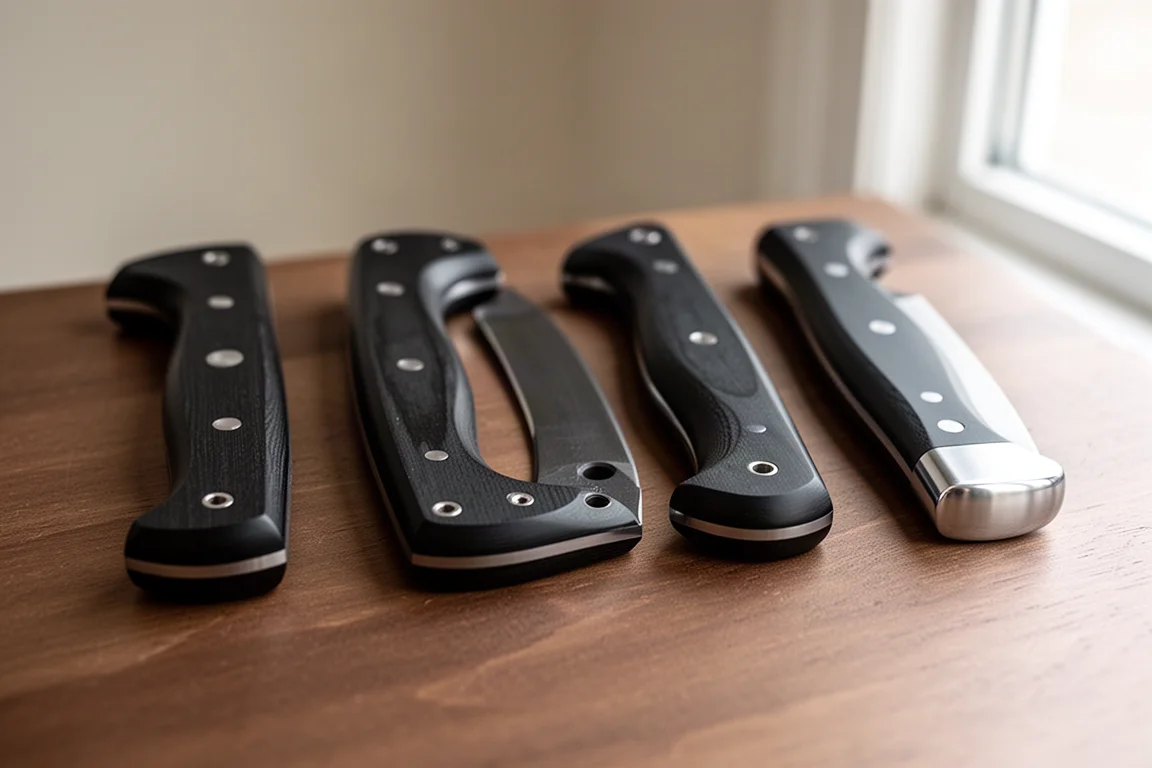
These minor differences in size and shape make each handle feel different in the hand, and none is objectively better; it comes down to personal preference. Many people find the narrower Wusthof Classic handle less bulky, but all four are safe and well designed.
Weight and Balance
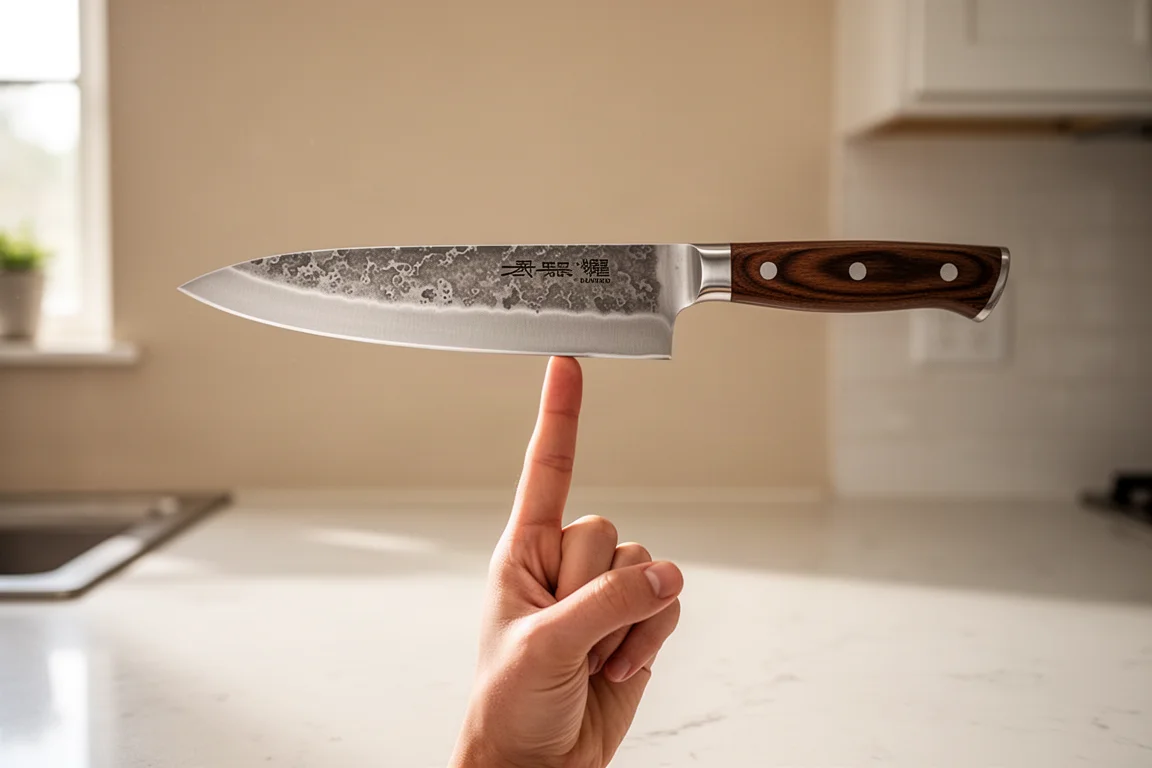
The differences in blade profile, bolster, and handle design directly affect weight and balance. The Wusthof Classic Ikon is the heaviest of the four at 9.9 ounces. Because of its large handle and steel end cap, it is back-heavy or handle-heavy, with the balance point about an inch behind the blade. That lack of central balance is not ideal for an all-purpose knife and can feel slightly off when you first pick it up, though you can adjust over time.
The Zwilling Pro comes next at 9.4 ounces and is very well balanced, with the balance point directly in the center. The Wusthof Classic weighs 9.2 ounces and the Zwilling Professional S 8.7 ounces, and both of those also balance right in the center.
Which Knife Should You Buy?
The honest answer is that you cannot go wrong with either brand. Both make durable German-style knives that perform well and can last for decades, using quality materials refined over centuries. Your decision should come down to which knife feels more comfortable in your hand, since the subtle differences in blade profile, handle dimensions, and balance really do matter in daily use.
A practical tip: order a few of the knives you are considering, spend time holding each one to feel the handle design, weight, and balance, keep your favorite, and return the rest. Both brands’ websites support returns, with 45 days at Wusthof and 60 days at Zwilling.
Conclusion
All four of these knives are excellent forged German chef’s knives, and the differences are more about feel than quality. The Wusthof Classic stands out for its narrow handle and sharp heel, the Classic Ikon for its comfortable sculpted handle but back-heavy balance, the Zwilling Pro for its excellent balance and seamless bolster, and the Zwilling Professional S for being the lightest of the group with a traditional profile. Choose based on comfort in your hand, and any of the four will serve you well for years.
Product link
View more details for Wusthof Classic 8-Inch Chef's Knife
This product is mentioned in the review. Check the specifications, options, and compatibility before buying.
View more details for Wusthof Classic 8-Inch Chef's KnifeFurther reading
Related Reviews

Kitchen Knives
Best Chef's Knives 2026: 27 Popular Options Tested and Ranked
A comprehensive review of 27 chef's knives ranging from $18 to $380, with honest assessments of handle comfort, blade balance, and real-world performance.

Kitchen Knives
Best Chef's Knives Under $75: Two Tested Recommendations
Two practical 8-inch chef's knives that balance sharpness, comfort, and durability without premium pricing.

Kitchen Knives
Best Chef's Knives 2026: 27 Options Tested and Ranked
A comprehensive review of 27 chef's knives ranging from $18 to $380, with honest assessments of handle design, balance, blade profile, and real-world performance.