Kitchen Knives
Wusthof Classic vs Ikon: Which Chef's Knife Deserves Your Money, Plus Smarter Alternatives
A side-by-side look at Wusthof Classic, Ikon, and Classic Ikon chef's knives, with lower-cost alternatives from Zwilling, Misen, Cangshan, and Victorinox worth considering first.
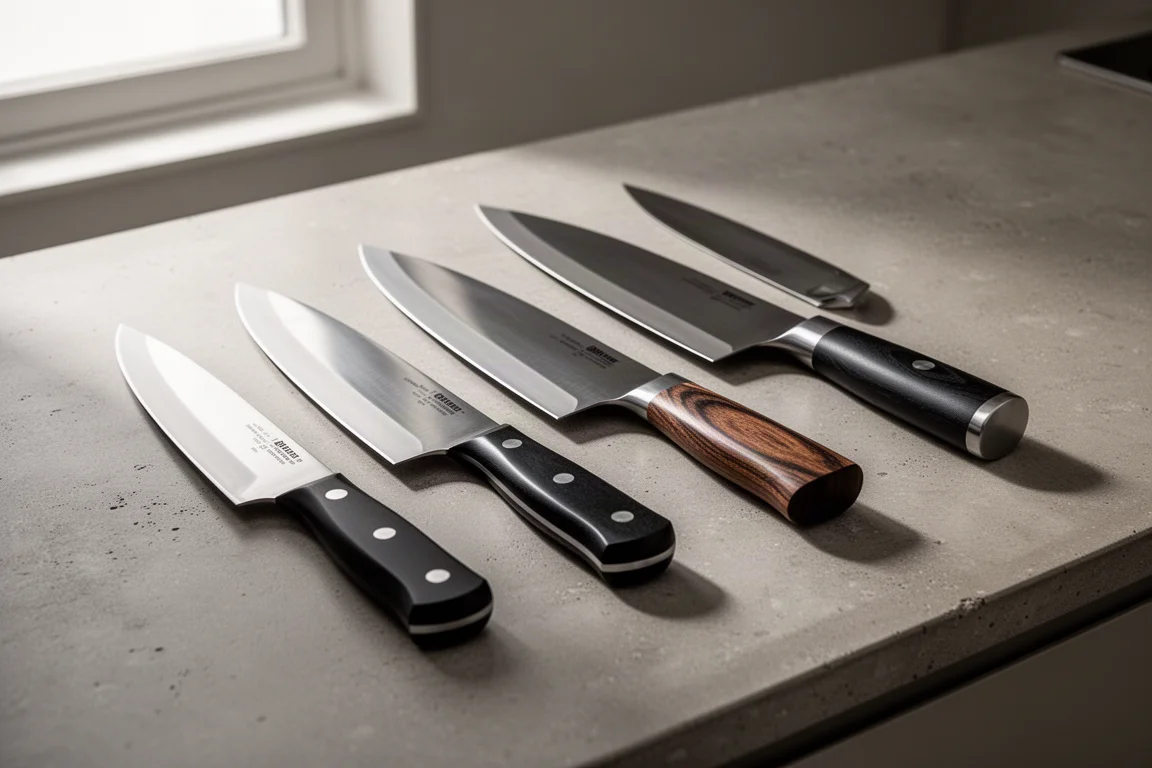
Introduction
Wusthof Classic and Wusthof Ikon chef’s knives share more than they differ. Both are made in Germany, both use forged blades of the same high-carbon stainless steel, both are sharpened to the same 14-degree angle per side, and both feature triple-riveted, full-tang handles. So what exactly are you paying for when you step up to the Ikon series, and is the higher price worth it?
This comparison breaks down the real differences between the two series, then rounds up lower-cost alternatives that make sense depending on which detail matters most to you. Whether you prefer the traditional feel of the Classic, the upscale look of the Ikon, or a budget-friendly compromise, there is a clear pick for each type of buyer.
Handle Design: Where Classic and Ikon Diverge
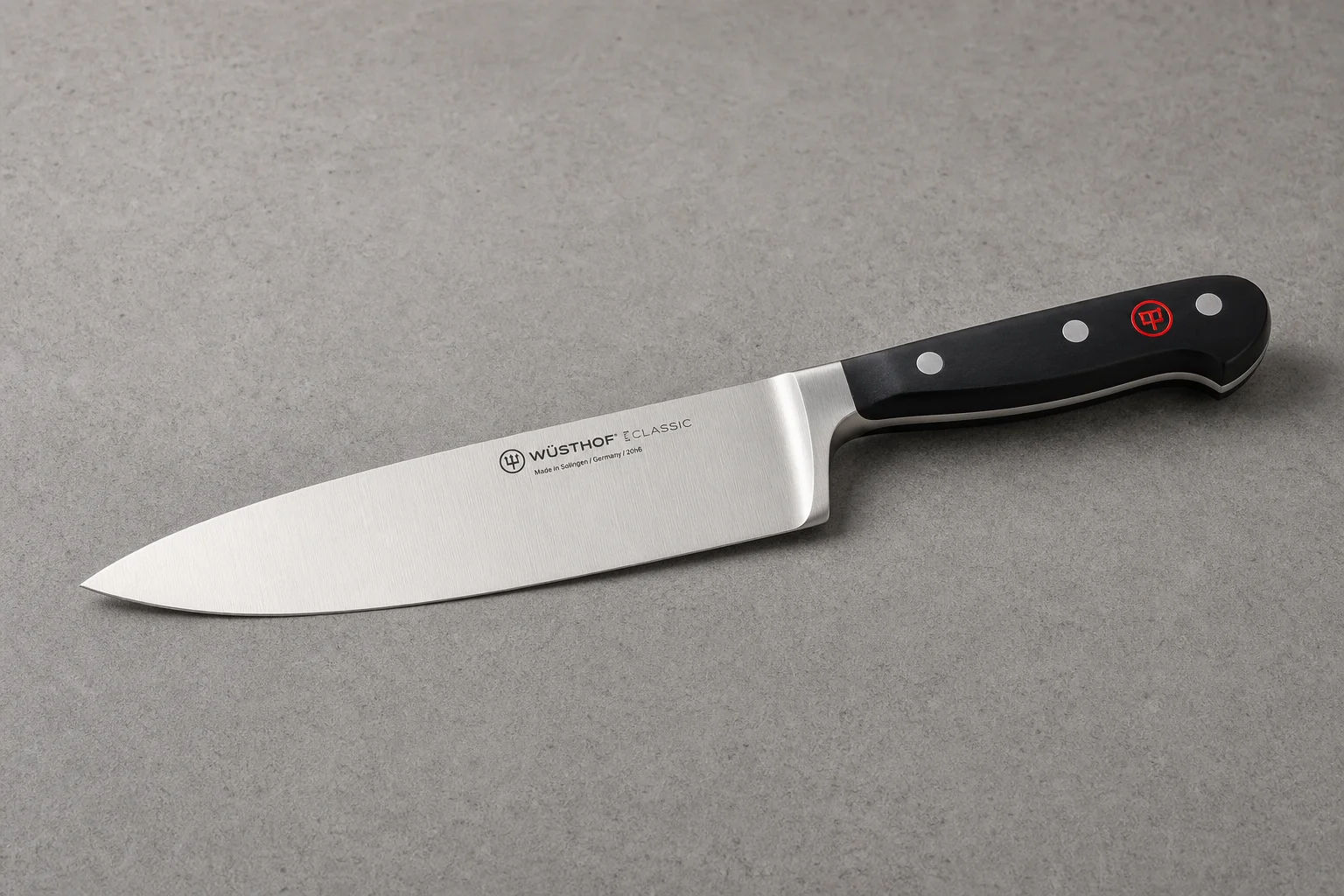
The first difference you’ll notice is the handle. Wusthof Classic handles are made of polyoxymethylene, a durable and fade-resistant plastic. They are flat on each side, slightly rounded on top and bottom, wider in the middle, with a distinct curve at the butt end to keep your hand from slipping. The finish is matte black with the red Wusthof logo printed between the rivets.
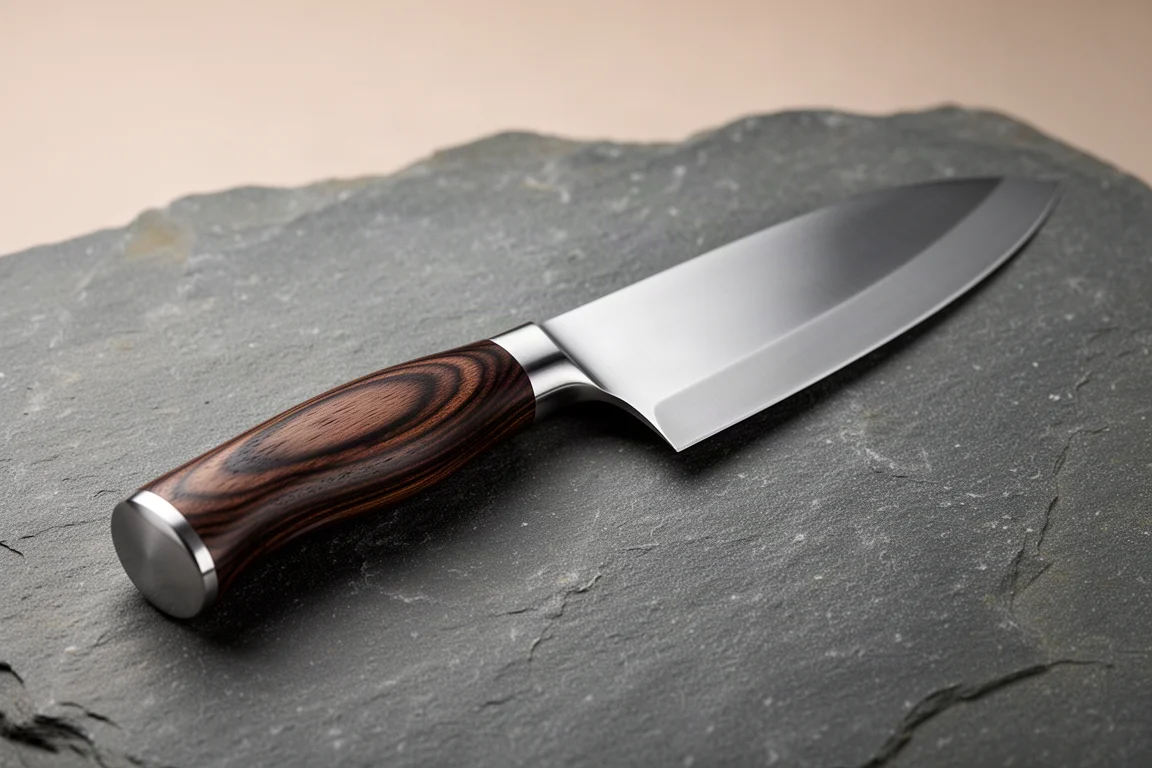
There are actually two versions of the Ikon series, and the only difference between them is the handle material. The version called simply Ikon uses African Blackwood, a dense, smooth natural wood with a fine grain structure that gives the knives a more elegant, upscale look. The Classic Ikon uses the same polyoxymethylene plastic as the Classic series.
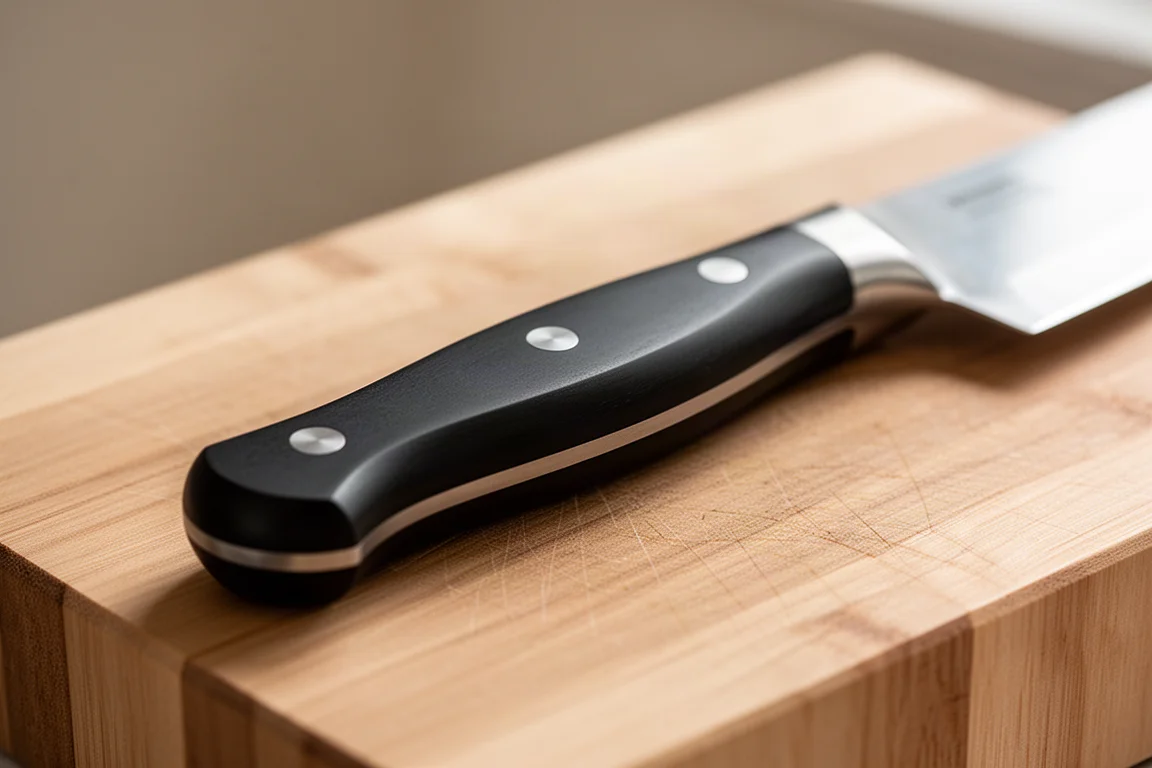
Both Ikon variants share rounded edges, smooth curves, and a steel end cap with the Wusthof logo. More importantly, Ikon handles are a quarter inch longer and noticeably wider: 20 millimeters from side to side versus 16.7 millimeters on the Classic. The wider Ikon handles fill up your hand and can feel a bit bulky, while the narrower Classic handles are easier to wrap your palm around, especially for smaller hands.
Bolster: Full vs Half, and Why It Matters
Classic knives feature a full bolster that extends down to the heel of the blade. Ikon knives use a semi, or half, bolster that stops about a half-inch from the heel.
The full bolster divides opinion. Some people love it because it adds weight and balance at the center of the knife and acts as a barrier preventing your hand from slipping onto the blade. Others dislike it because the edge of the bolster can dig into your hand when using a pinch grip, and the heel of the blade becomes too thick to sharpen.
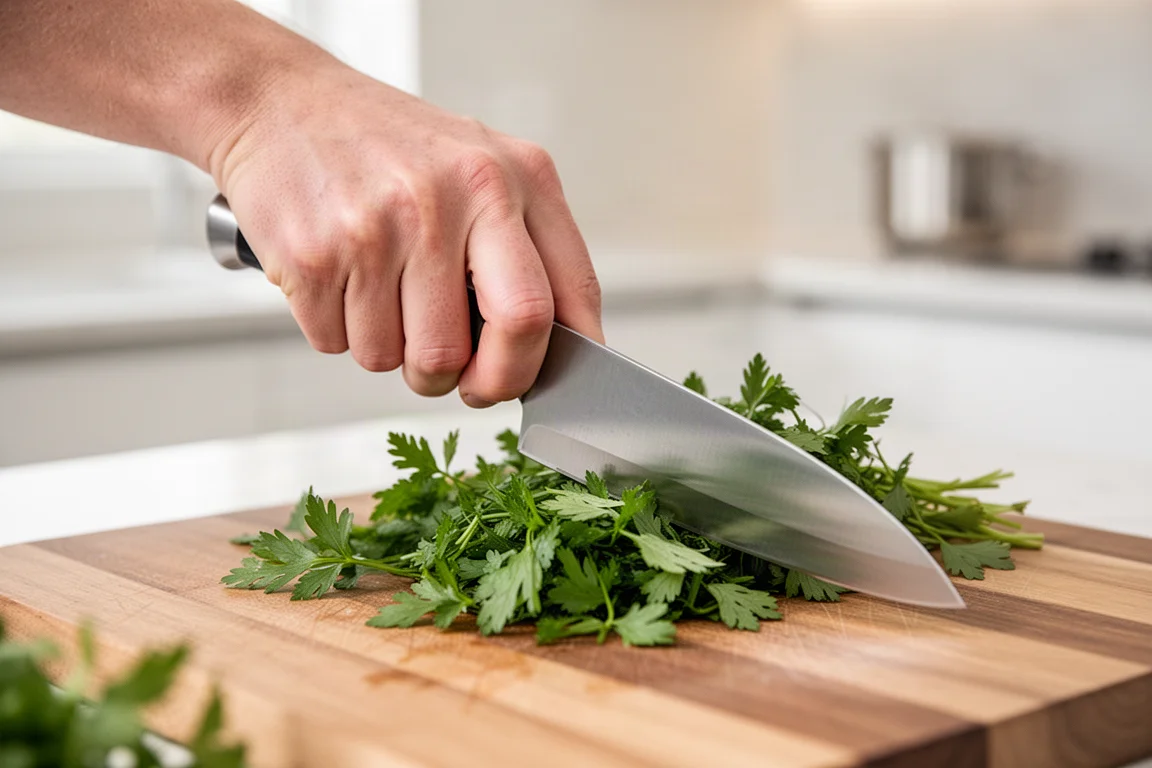
Ikon’s half bolster lets you sharpen the entire edge all the way down to the heel. The caveat: the edges of Ikon’s bolster are just as sharp as those on the Classic, so long pinch-grip sessions can still be uncomfortable. If you like the pinch grip, the most comfortable option is the Zwilling Pro, whose bolster is curved with no sharp edges.

Weight and Balance
Ikon knives are heavier than Classic. The 8-inch Ikon chef’s knife weighs 9.9 ounces, while the Classic 8-inch chef’s knife comes in at 9.2 ounces. Thanks to the longer, wider handle and the steel end cap, the Ikon is back-heavy or handle-heavy, with the balance point about an inch behind the blade. If you are used to a blade-heavy or center-balanced knife, that can feel awkward at first.
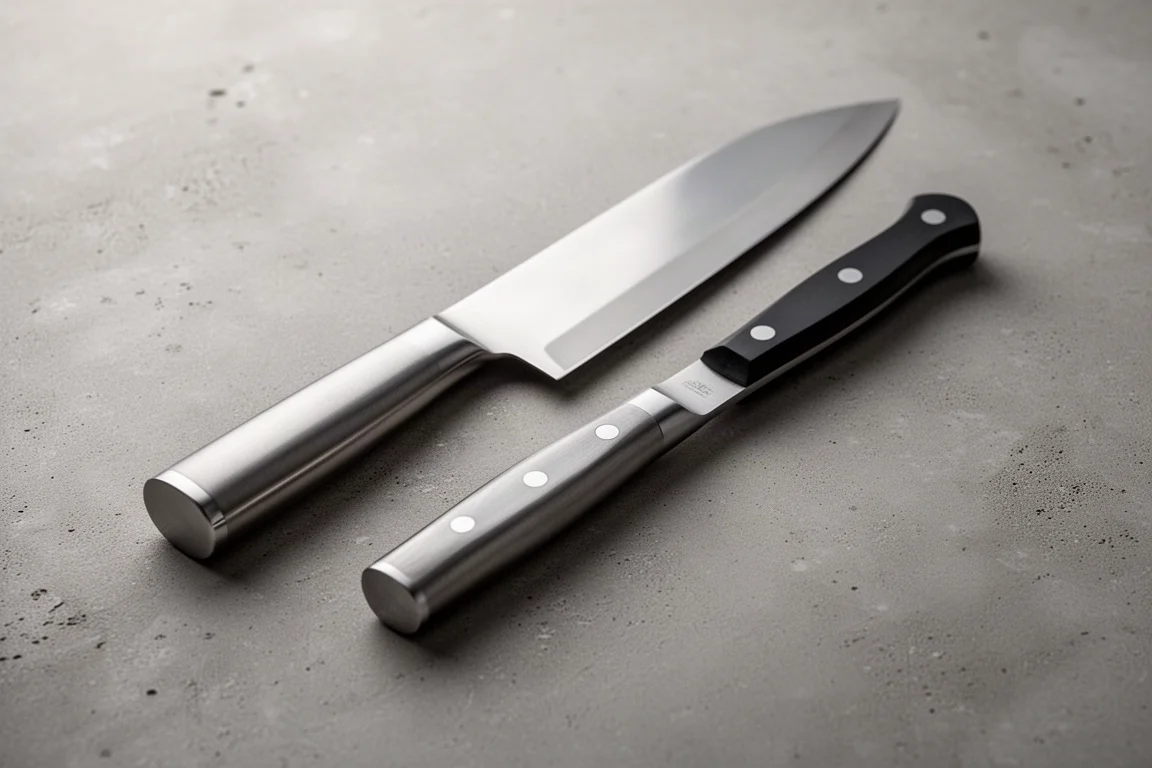
Classic knives balance right in the center, which many cooks find more comfortable and easier to control. Comfort is subjective, though, so if you prefer a handle-heavy feel, the Ikon’s balance may actually suit you.

Series Range and Price
Classic is Wusthof’s original and most extensive series, with over 100 different knives in various blade shapes and sizes and several handle color options, all sharing the same forged German steel, full tang, and traditional triple-riveted handle. Classic Ikon includes nearly 50 unique knives, while the Blackwood-handled Ikon series offers only 15.
Classic is also the most affordable of the three. The Classic 8-inch chef’s knife is currently listed for $170 on Wusthof.com, the Classic Ikon costs $200, and the Blackwood Ikon 8-inch chef’s knife runs $285 thanks to its natural wood handles.
The Verdict: Is Ikon Worth the Higher Price?
The Ikon knives look great, but many cooks strongly prefer the feel of Classic handles: less bulky, with the wider middle section fitting more naturally into the curves of the hand. That said, if you like thicker handles and an off-center balance point, the Ikon may be your better match.
A practical middle path exists: if you like everything about the Wusthof Classic except the full bolster, Wusthof makes a limited selection of Classic knives with a half bolster.
Alternatives Worth Considering First
If the Ikon appeals to you but stretches the budget, the Cangshan Helena series is a strong option. These knives use the same steel and a similar handle design to the Classic Ikon, but cost less than half the price.
Another budget-minded pick is Misen. Misen chef’s knives have a handle design similar to the Wusthof Classic, but with a semi-bolster, at roughly half the price of the Classic.

If you truly want the look of natural wood, the Victorinox Grand Maitre collection deserves a look. Like the Ikon series, these knives have forged blades, half bolsters, and beautiful natural wood handles that curve down toward the butt end. You get the high-end look of the Ikon at a cost more in line with the Classic Ikon and Classic.
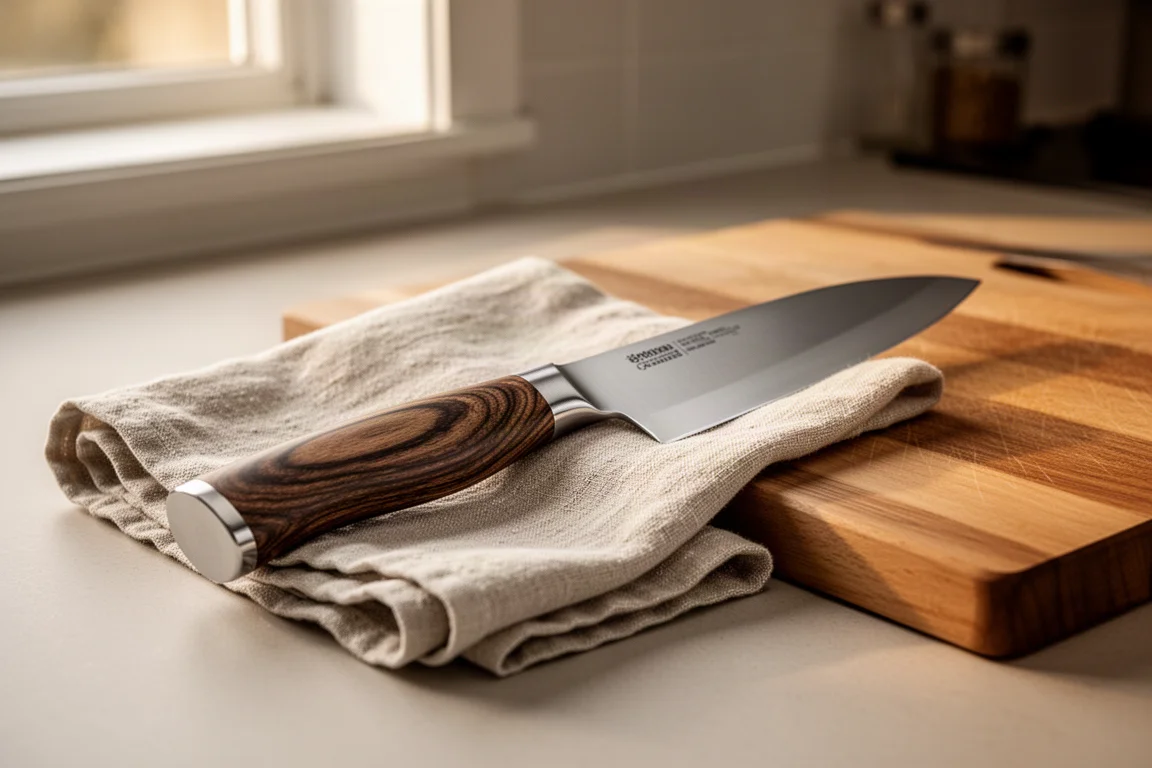
The Blackwood-handled Ikon, by contrast, is hard to justify on performance alone: the wooden handles look great but add nothing functionally. If the wood aesthetic is what draws you in, the Grand Maitre delivers it for considerably less.

Buying Advice
Choose the Wusthof Classic if you want the best balance of comfort, price, and selection. Pick the Classic Ikon if you prefer the rounded ergonomic handle and half bolster and can absorb the modest price bump. Skip the Blackwood Ikon unless the look alone justifies the premium for you. On a budget, Misen and Cangshan Helena deliver most of the experience for half the price, and the Zwilling Pro is the most comfortable choice for pinch-grip users.
Conclusion
All of these knives share forged construction and quality steel; the real decision comes down to handle shape, bolster style, balance, and budget. Match the knife to your grip and your wallet, and any of these picks will serve you well for years.
Further reading
Related Reviews

Kitchen Knives
Best Chef's Knives 2026: 27 Popular Options Tested and Ranked
A comprehensive review of 27 chef's knives ranging from $18 to $380, with honest assessments of handle comfort, blade balance, and real-world performance.

Kitchen Knives
Best Chef's Knives Under $75: Two Tested Recommendations
Two practical 8-inch chef's knives that balance sharpness, comfort, and durability without premium pricing.

Kitchen Knives
Best Chef's Knives 2026: 27 Options Tested and Ranked
A comprehensive review of 27 chef's knives ranging from $18 to $380, with honest assessments of handle design, balance, blade profile, and real-world performance.