Flashlights
Wurkkos FC11 vs FC12: High CRI EDC Flashlights Worth a Close Look
Two interchangeable Wurkkos flashlights with excellent emitters, smooth ramping, and USB-C charging. Here is how they differ and which one fits your carry.
Introduction
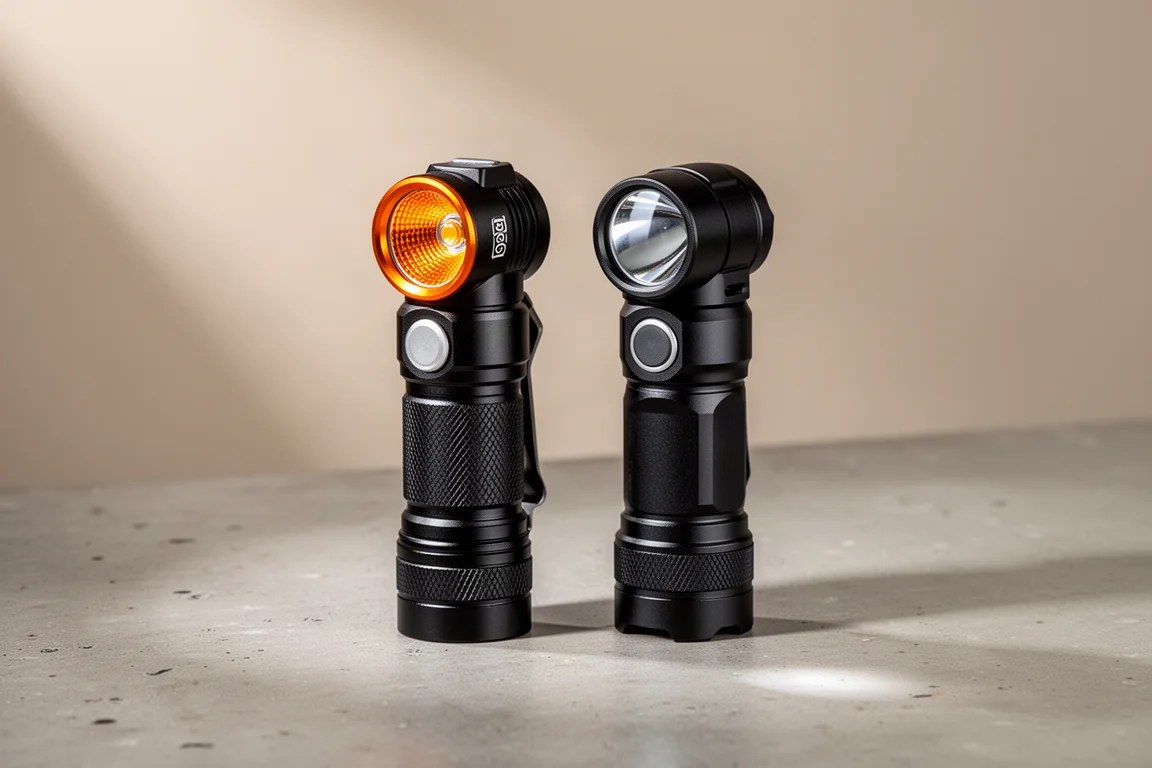
Wurkkos has built a reputation for packing genuinely useful features into budget-friendly lights, and the FC11 and FC12 are good examples of that approach. Both share a common design language, interchangeable components, and a user interface that feels more refined than the price suggests. The FC11 focuses on beautiful, high CRI light with a wide flood, while the FC12 leans tactical with a long-throw SFT40 emitter. This article breaks down what each one does well and where the trade-offs sit.
Beam Quality and Output
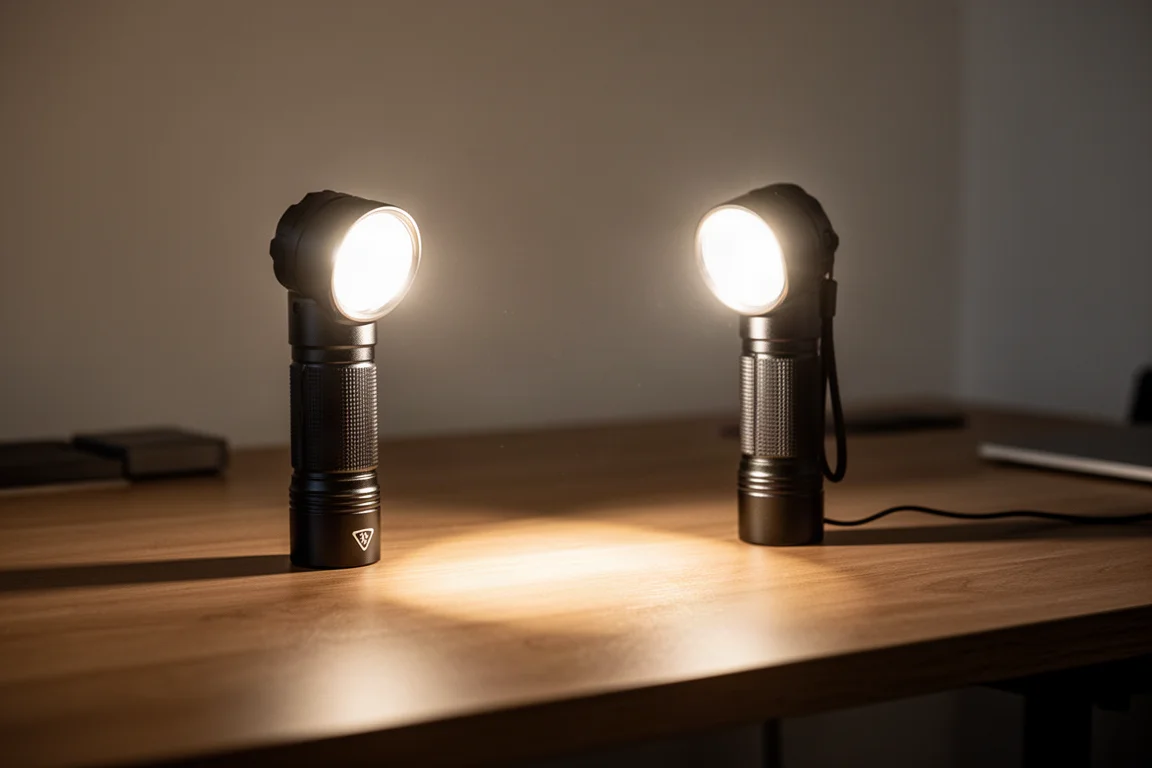
The FC11 is built around a Samsung LH351D emitter, available in two color temperatures: a warm 4,000 Kelvin and a neutral 5,000 Kelvin. Both produce a high CRI output that is noticeably comfortable on the eyes, which is exactly the point of this light. The next-generation emitter still manages an impressive 1,300 lumens at maximum, paired with wide beams that favor flood over long reach.
That makes the FC11 a work light more than a thrower. It is best for close-to-medium tasks where color rendition and an even, wide pool of light matter more than spotting objects at a distance.
User Interface
The interface is where the FC11 genuinely stands apart from many competitors at this price. Instead of stepped modes, it uses full ramping: hold the side switch to sweep continuously from 2 lumens all the way up to 1,300, with an audible click when you reach either end. Release and press again to ramp back down.
Two nice touches round it out. A double press jumps straight to turbo, and a single click afterwards returns you to your previous output rather than shutting the light off. Pressing and holding from off accesses the 2-lumen firefly mode directly. The side switch also contains indicator lights that show the remaining battery level, so you can check status without turning the light on.
Battery and Charging
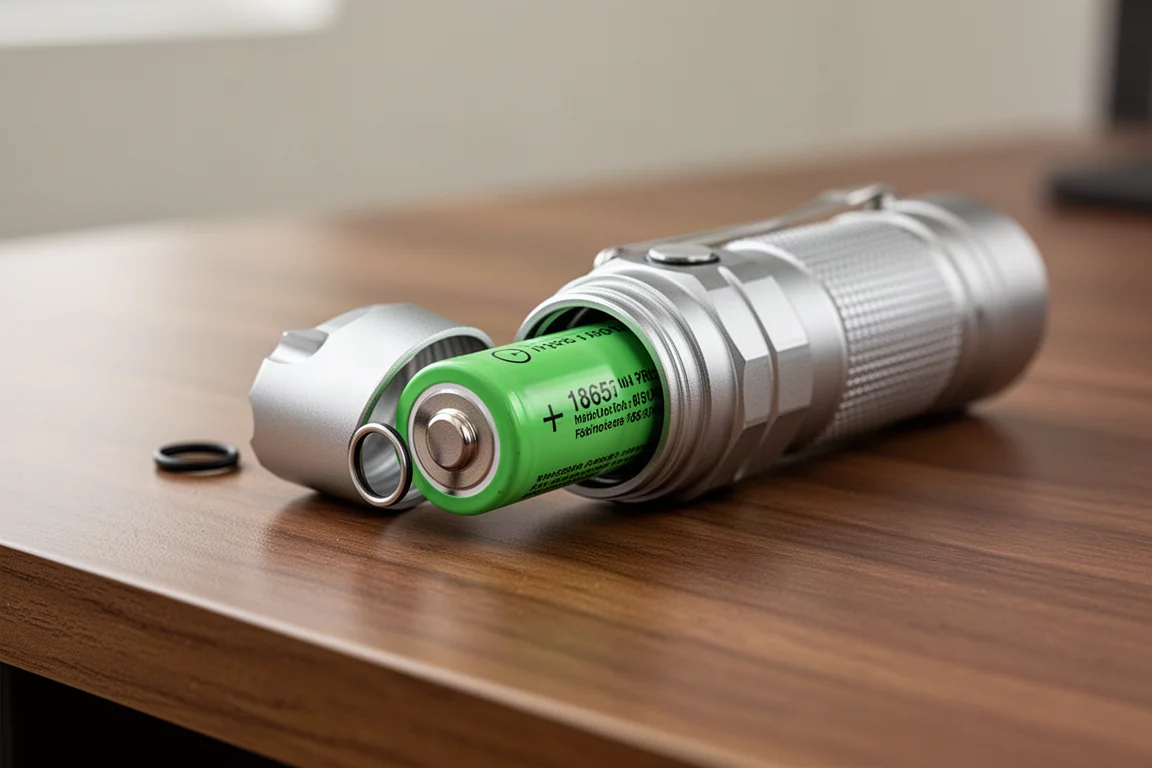
Inside is a 3,000 mAh 18650 battery, which ships included. It is unprotected, but that is a benefit here: the light handles high-drain cells like Samsung and Panasonic batteries very well, and the low voltage protection is built into the flashlight itself rather than the cell. Any 18650 will run in it, protected or not.
Every variant of both the FC11 and FC12 includes a USB-C recharging port, so you can charge the light directly without a separate battery bay. The batteries also work fine in an external charger, and swapping in any other 18650 is straightforward. That flexibility is a real advantage not every brand offers.
Build and Carry Details
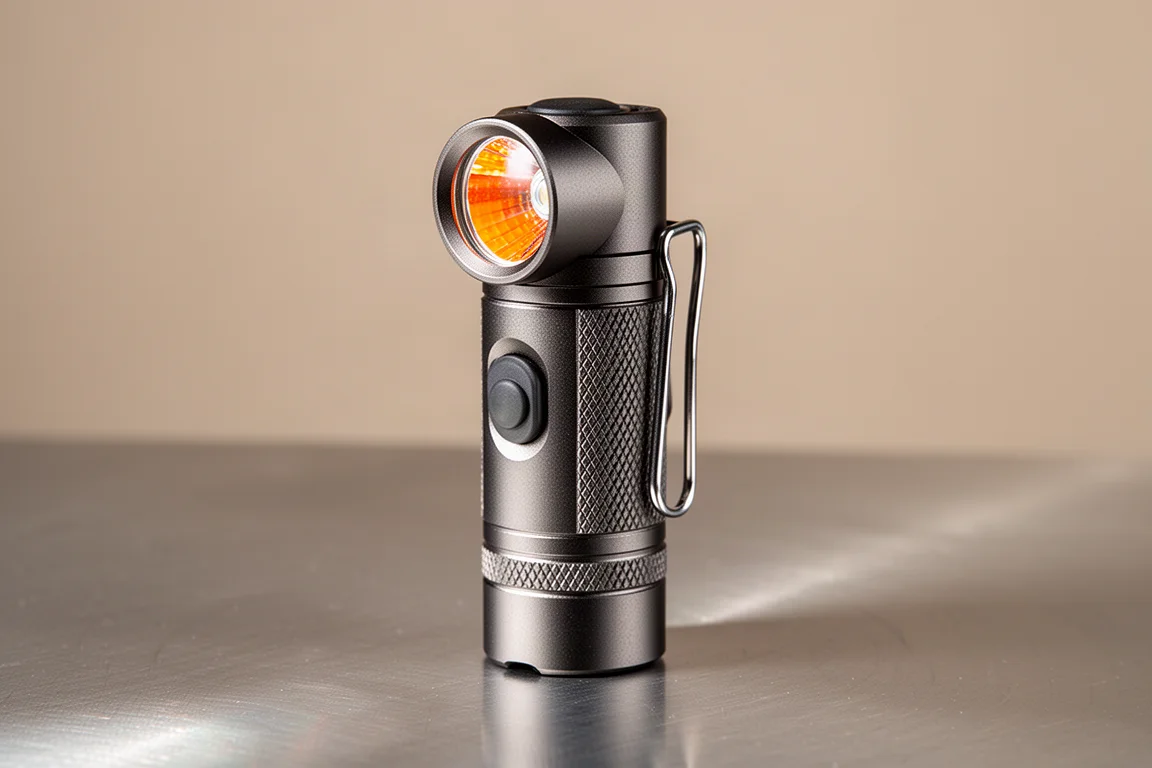
Build quality feels above the price bracket. The FC11 includes a single-direction pocket clip, a side switch, a magnetic tail cap, and a lanyard hole, with an orange peel reflector up top producing that smooth, floody beam. Threading is identical on both ends of the tube, which matters for the interchangeable design discussed below.
Versatility and the Clip Question
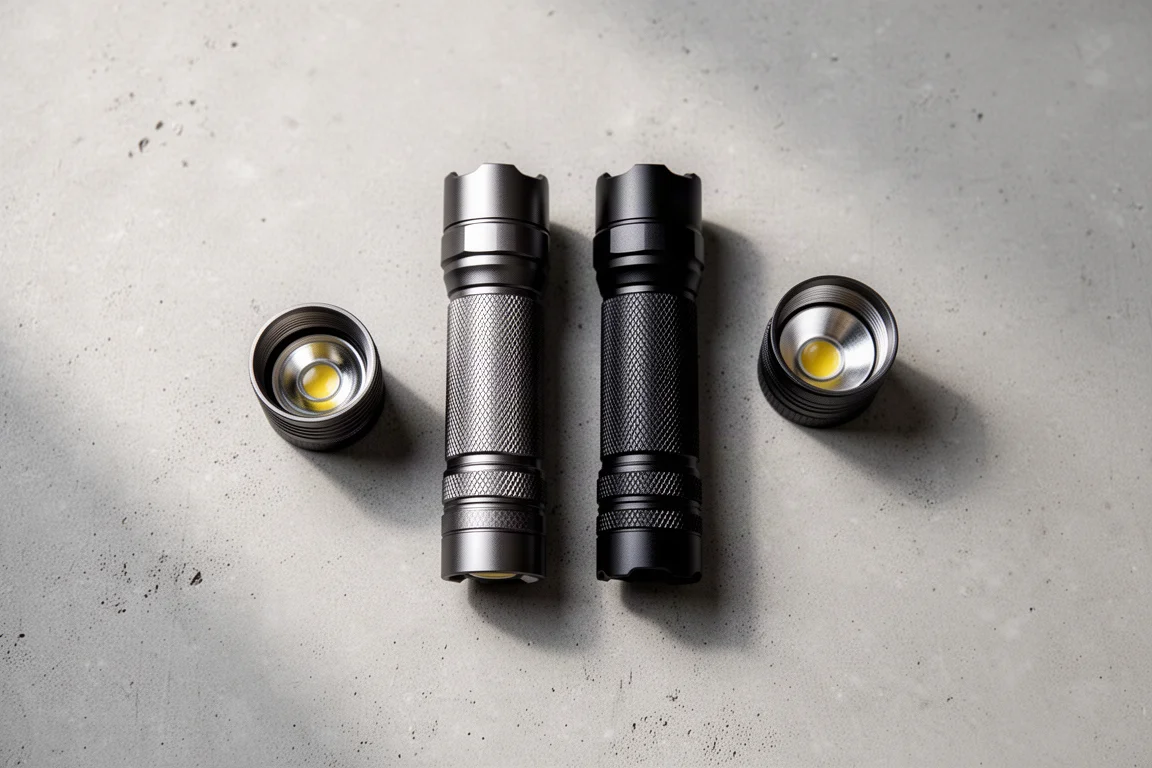
Because the light is made by the same OEM behind several related flashlights, its components interchange. Add the optional 18350 tube and you can convert the FC11 into a very compact 18350 light that functions identically, just with a shorter run time. You can also mix and match parts with the FC12 and other related lights, which makes the system feel a bit like building with Lego. One caveat: heads and bodies must match their intended partner, so the top and bottom must pair correctly.
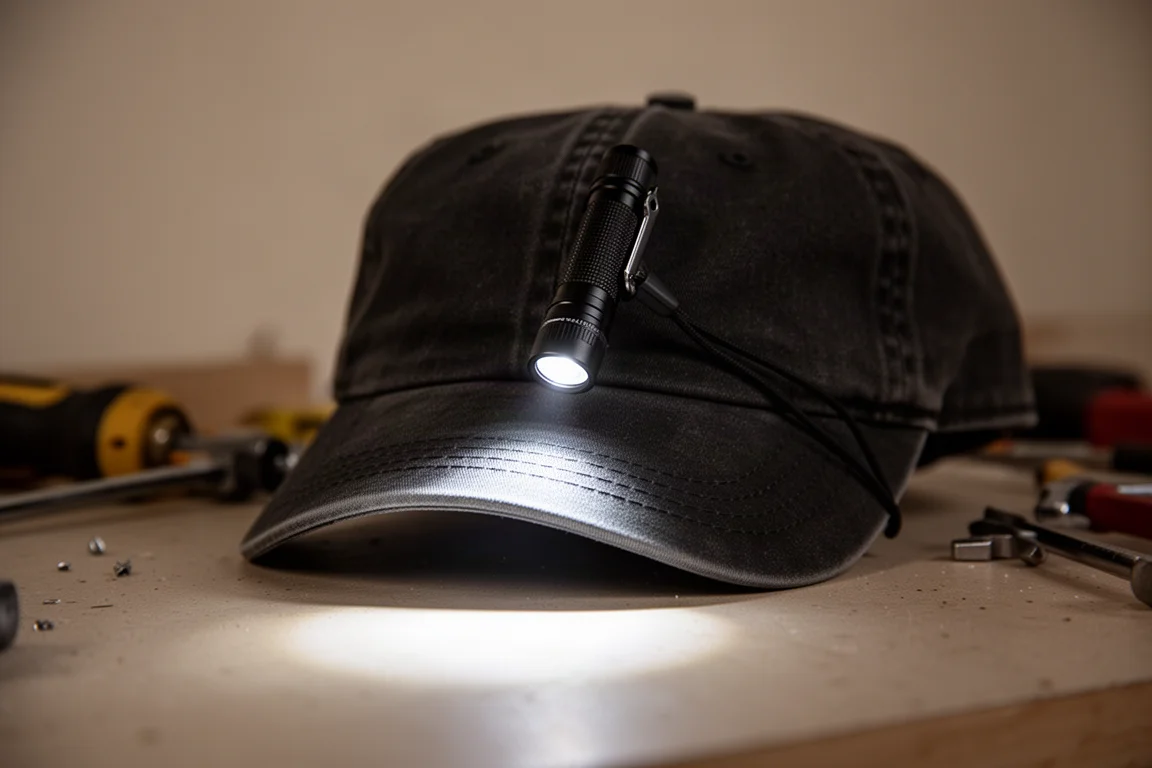
There is one genuine frustration. The FC11 ships with a single-direction clip, and the suggested workaround is flipping the body around to reverse the clip. That requires disassembling the light, which is not realistic when you need a hands-free setup quickly, such as clipping the light to a hat brim in the rain. Ironically, the shorter and lighter FC11 seems like the better candidate for a true double-sided clip than the longer tactical FC12. It is the only real criticism of an otherwise excellent light, and it is a minor one: the clip can simply catch on things a bit more easily.
The FC12: The Long-Range Option
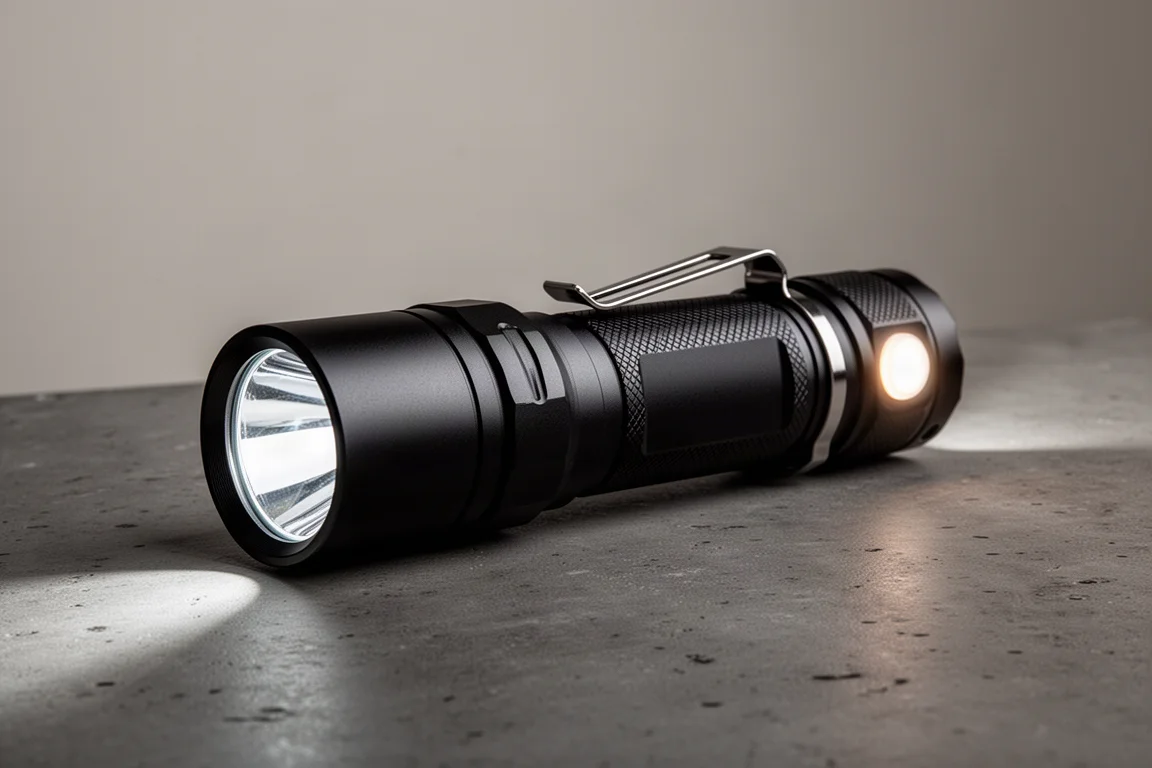
The FC12 takes the same platform in a more tactical direction, using an SFT40 emitter with a super long range. Where the FC11 floods, the FC12 throws, making it the better pick if spotting distant objects matters to you. It shares the same interchangeable system, the same USB-C charging, and the same excellent build approach, and pairing the two opens up mix-and-match combinations, including a compact long-throw configuration that looks genuinely appealing.
Which One Should You Buy?
If you want a high CRI light with a lovely emitter color, smooth ramping, and wide flood output at a budget price, the FC11 is easy to recommend. At around $31, battery included, and with a 20% coupon running on Amazon, there are very few other lights under $30 that offer this combination of features. If you prefer long-range throw and a more tactical character, the FC12 covers that, and owning both gives you a genuinely fun modular system.
Conclusion
The Wurkkos FC11 and FC12 prove that budget flashlights no longer require compromises on emitter quality, interface design, or charging convenience. The FC11 is the high CRI flood light that punches well above its price, and the FC12 adds serious throw for those who need it. The single-direction clip on the FC11 is the one drawback, but it barely dents an otherwise outstanding package.
Further reading
Related Reviews
Flashlights
Best Flashlights 2026: Brightness, Battery, and Value Compared
We tested 18 flashlights across a wide price range to find the best performers in brightness, battery life, and durability.
Flashlights
Nitecore LA10 Review: A Tiny 2-in-1 Lantern That Nails the Basics
The Nitecore LA10 pairs a pocket-sized lantern with a single AA battery, a magnetic tail cap and a five-year warranty. Here is where it shines and where it struggles.
Flashlights
Wuben G5 Review: A Compact Everyday Carry Flashlight
The Wuben G5 is a small, rechargeable flashlight with a pivoting head, magnetic base, and color modes. Here is how it performs as an everyday carry light.