Flashlights
Wuben X2 Review: The Flat-Body EDC Flashlight, Now in Titanium
The Wuben X2 brings 2,500 lumens, a wide floody beam, and an unconventional flat design to everyday carry, now available in titanium and copper with two emitter choices.
Introduction
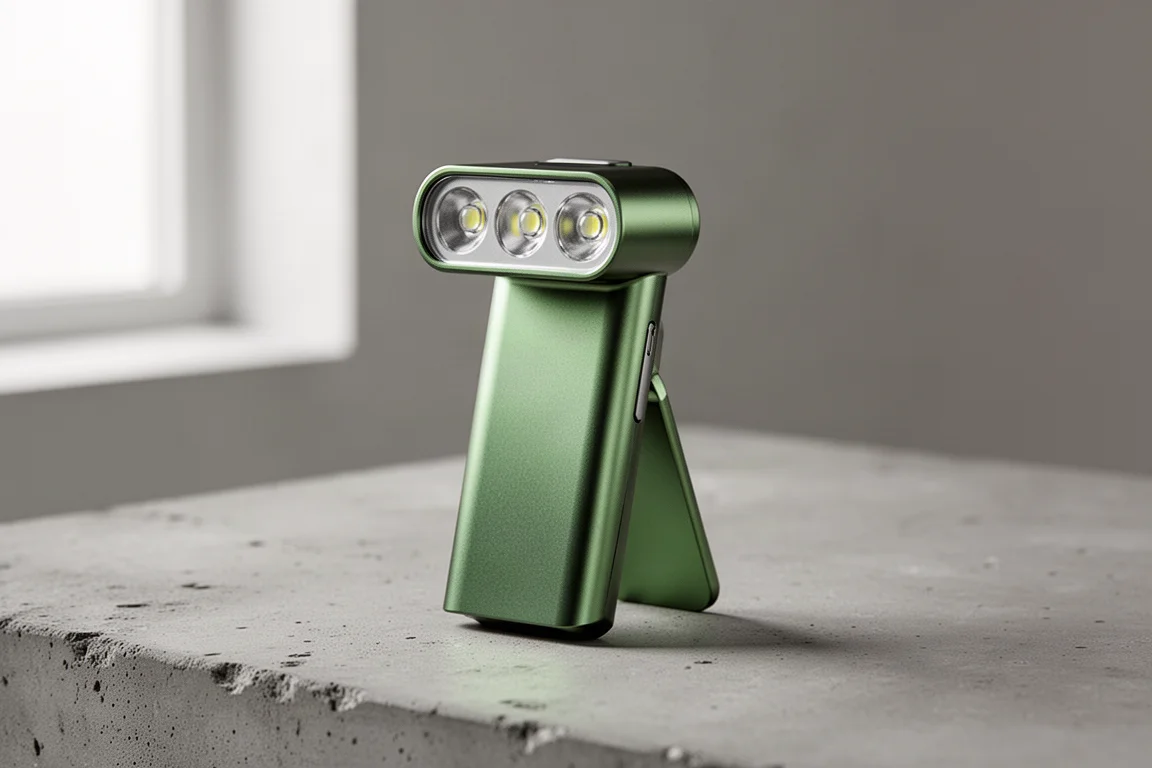
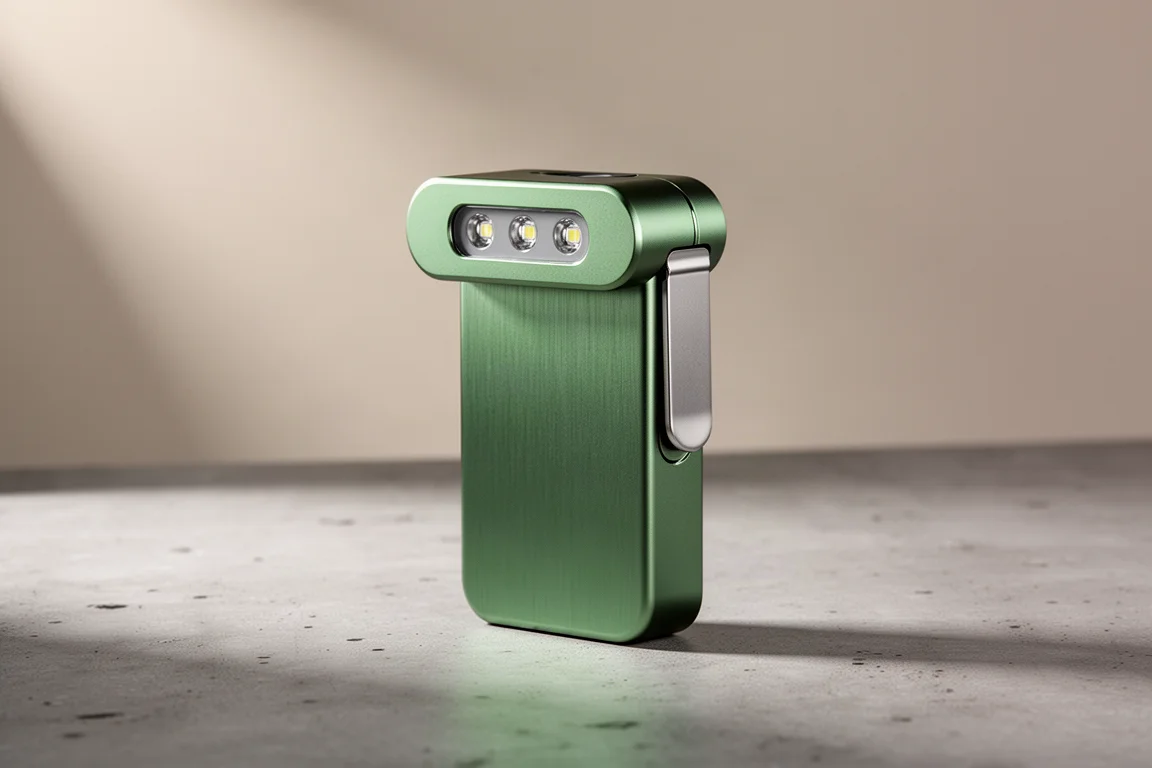
Wuben has been on a strong run with its flat-bodied flashlights lately, and the X2 is the clearest example of why. This is a compact everyday carry light with a maximum output of 2,500 lumens, a choice of two different LED emitters, and now a new range of finishes including titanium and copper alongside the original black aluminum. We spent time with the green circuit board titanium version, which is arguably one of the most striking finishes we have seen on a light this size.
Design: A Flat Body That Actually Makes Sense
The X2’s untraditional flat body is the headline here. The wide, flat shape feels natural to hold, and it disappears into a pocket in a way that round flashlights simply do not. It also has a flat tail, so it can be tail-stood on a table like a candle, which is a small detail that adds real everyday utility.
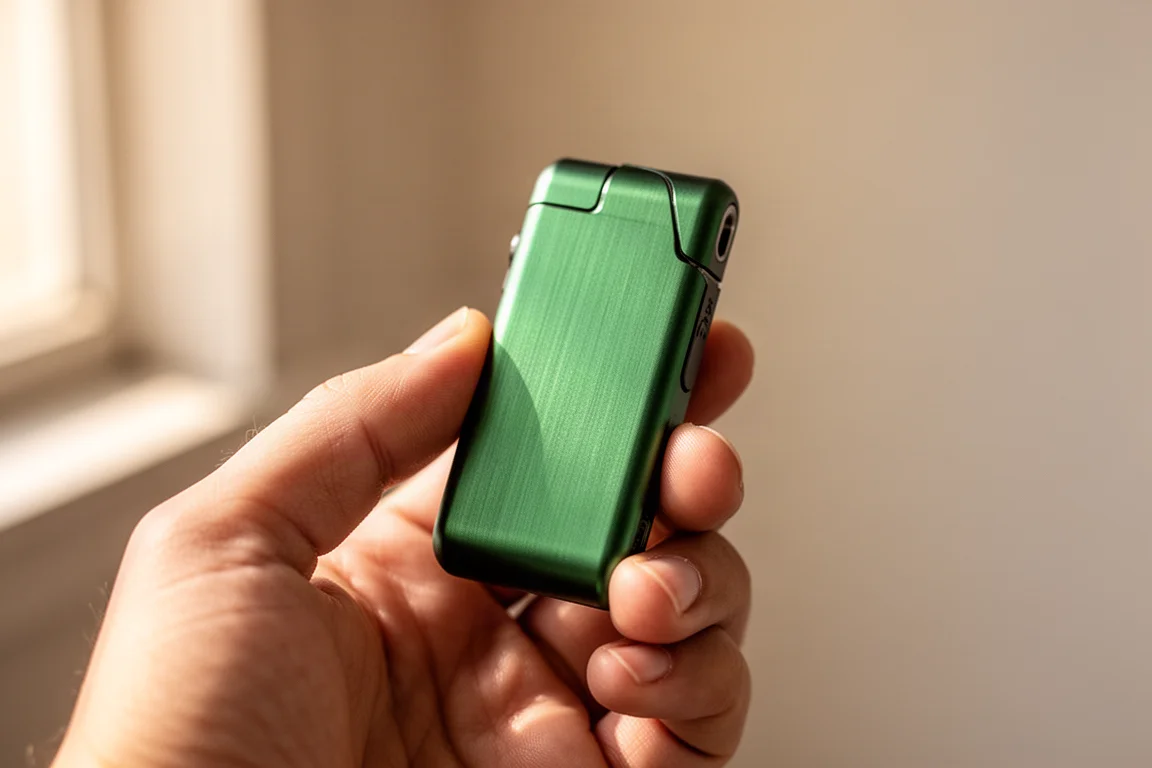
The titanium version with the green circuit board genuinely pops. Held next to the black aluminum model, the difference is obvious: this is the version you buy if you want something premium in the hand and distinct from everything else in a collection. The larger X1 Falcon follows the same flat-body design language and is essentially a bigger brother to the X2.
Two Emitters, Two Personalities
The X2 is offered with a choice of emitters, and this changes both output and beam character. The aluminum model we looked at uses the Osram P9, which produces a cool white beam, hits the maximum 2,500 lumens, and reaches a maximum beam distance of 146 meters with 5,300 candela. The titanium version we tested uses the Samsung LH351D, which gives a much more pleasant neutral white beam at 1,800 lumens, 128 meters of throw, and 4,100 candela.
Low, medium, and high modes are identical on both: 5, 100, and 400 lumens. Turbo is where the two diverge. Either way, the modes are programmable: low can be set from 5 to 100 lumens, medium from 100 to 400, and high from 400 to 800. That flexibility matters, because the stock jump from 400 lumens up to turbo feels too large. Programming high to 800 smooths the spacing considerably. Strobe runs at 1,000 lumens and SOS at 200 lumens regardless of emitter.
Build, Charging, and Durability
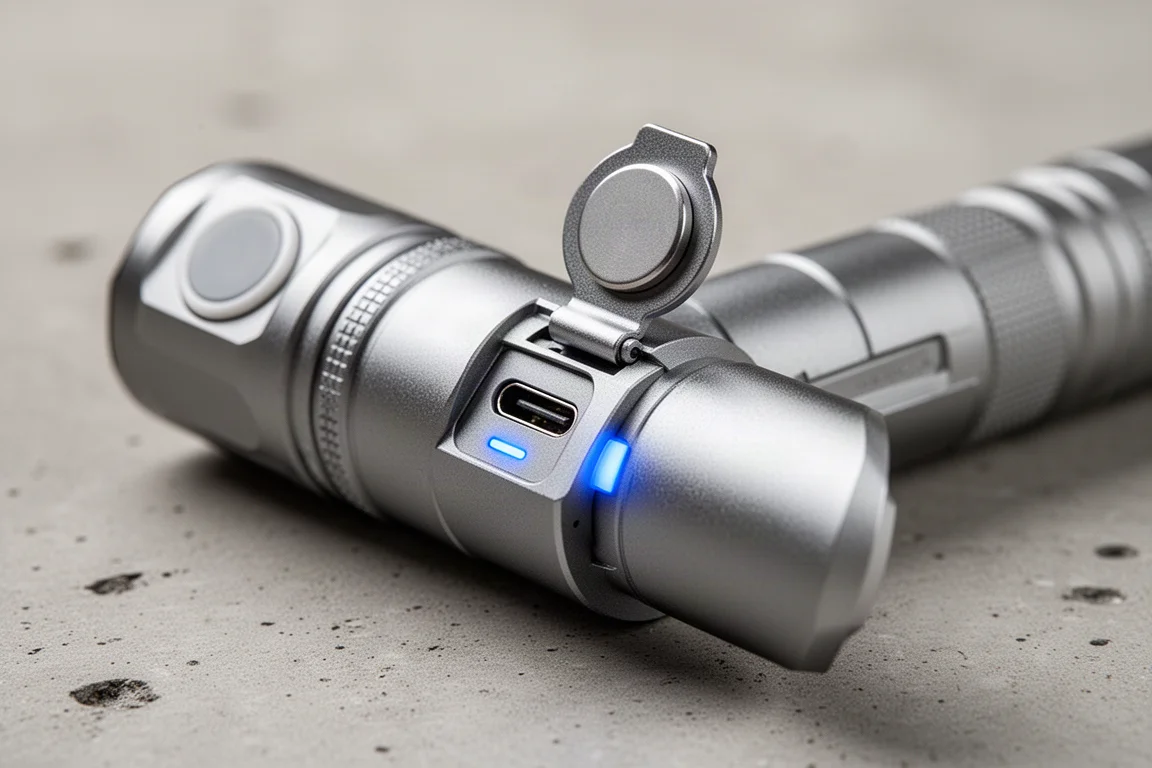
Inside are two built-in 2,000mAh 14500 lithium-ion batteries, charged through a USB Type-C port hidden under a small flap on the outside of the body. That flap is completely metal and magnetized, so it stays put and does not compromise the IP68 rating, which means full dust protection and submersion in up to six feet of water, along with one meter of impact resistance. A full charge takes about three hours.
A four-level battery indicator sits right under the charging port: it glows red while charging and solid blue when full, and it shows battery level at boot. The included accessories are genuinely thoughtful, including a silicone cap for the three LEDs and a charging lanyard with a USB Type-C cable built into it, so the cable is always with you if the light hangs around your neck. A five-year warranty rounds out the package.
Dimensions come in at 3.35 by 1.54 inches, 0.79 inches thick, and 4.06 ounces (115 grams) on the scale.
UI and Everyday Handling
The interface is a single button, which is exactly what you want in an EDC light. A short press turns it on and off, a long press cycles low, medium, and high, and a double press jumps straight to turbo. A long press from off goes instantly to low, and a triple click gets you strobe, then SOS. Mode memory returns you to the last-used mode, and a four-click lockout prevents accidental activation, with a small indicator flash confirming the light is locked.
Runtimes are solid: 80 hours on low, 10 hours on medium, 2.5 hours on high, and one hour on turbo after the initial step-down. The one quibble is with strobe and SOS output. At 200 lumens, the SOS feels underpowered for a genuine emergency, and it would be nice to see both modes programmable like the main modes are.
Heat Management: Genuinely Impressive
This is where the X2 shocked us. After one minute on maximum turbo, the head read only about 80 degrees Fahrenheit and the body just 61 degrees, with the warmest spot on the side reaching roughly 90 degrees. After two minutes, the head was around 85 degrees and the body 67. For a light pushing 1,800 to 2,500 lumens in this size, those numbers are remarkable. The outer body appears to use small heat-dissipating fins, and even the warmest point is comfortable to touch. A turbo step-down occurs after about a minute, matching the stated runtime, and the light remains completely manageable throughout with no gloves required.
Beam Quality: Flood First, With Two Tastes of White
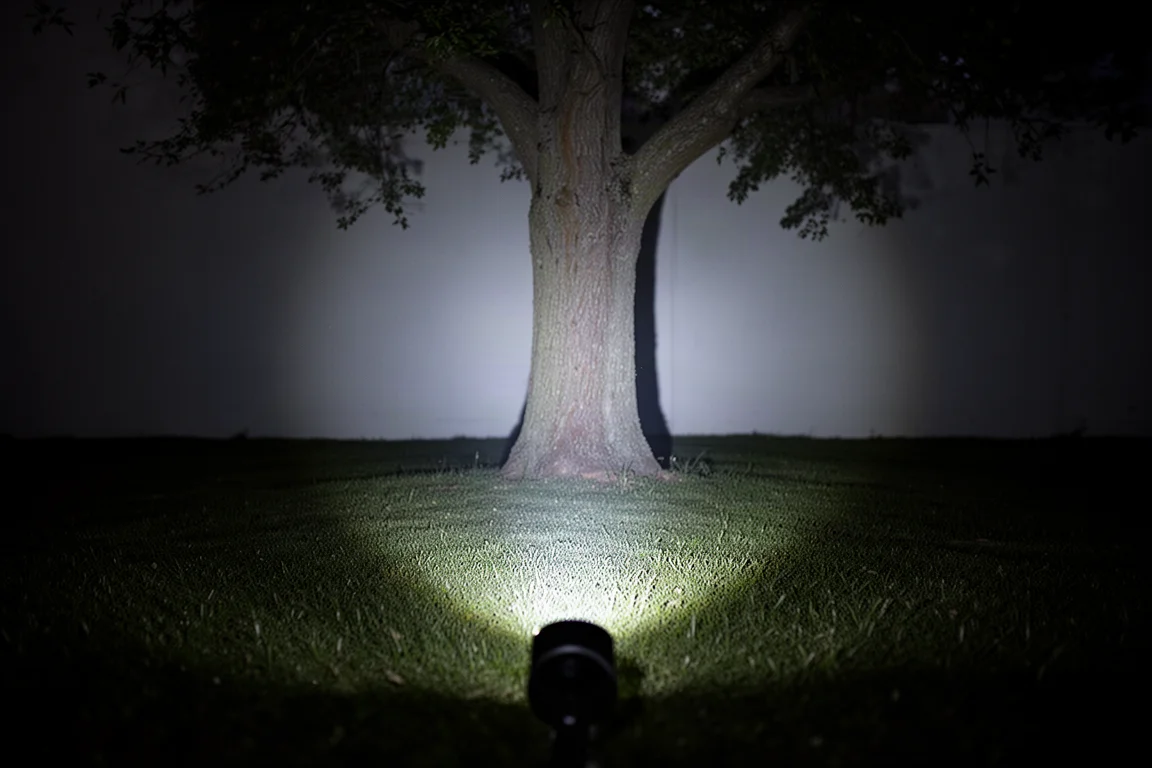
Outdoors, the X2 delivers exactly what its wide three-emitter head suggests: a very wide, floody beam with a smooth, even profile rather than a tight hotspot. The Samsung LH351D’s neutral white tint is the clear winner for everyday use and looks noticeably warmer and more natural than the cool white Osram P9. The Osram P9, however, gives you the full 2,500 lumens and the maximum throw.
The practical takeaway: if you want maximum output and do not mind cool white, go Osram. If you prefer a neutral tint for daily use, 1,800 lumens from the Samsung emitter is plenty, and you will likely enjoy looking at the beam far more.
The Bigger Sibling: X1 Falcon
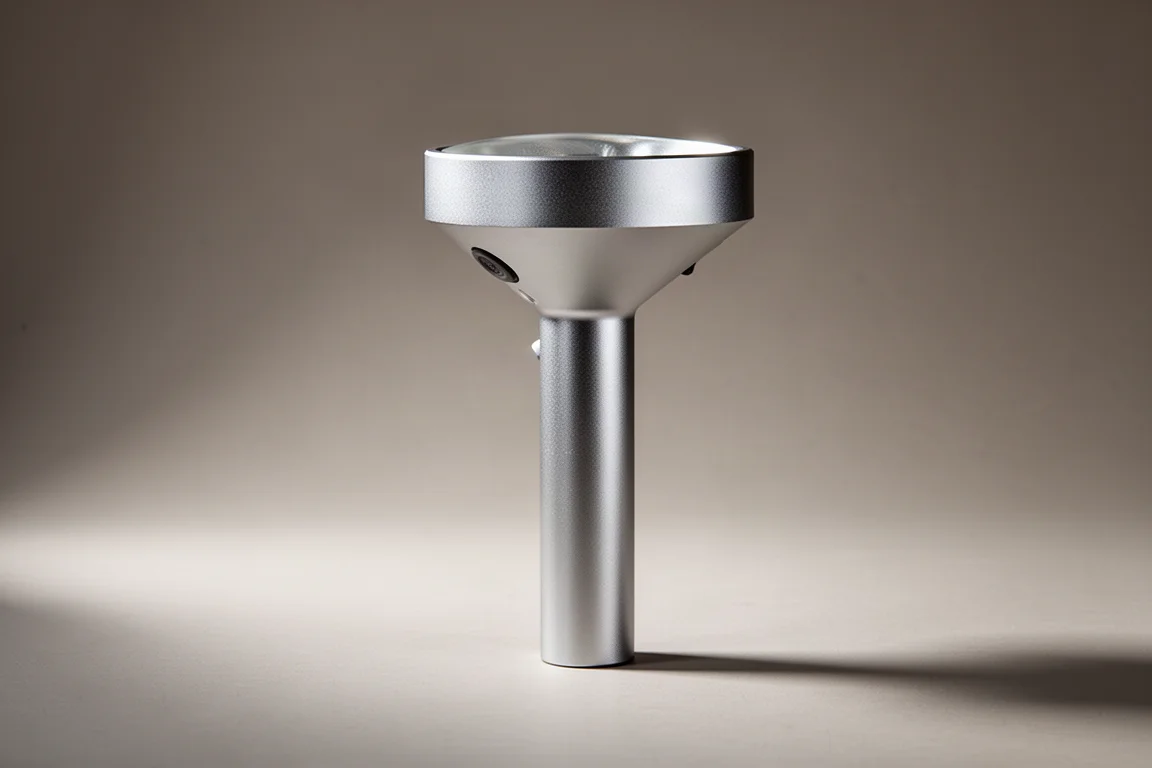
If the X2’s flat-body format appeals to you but you want more light, the Wuben X1 Falcon uses the same design language in a larger package and essentially acts as a bigger brother to the X2. It is worth a look for anyone who likes the form factor but finds the X2 a touch too small.
The Value Pick: Aluminum X2
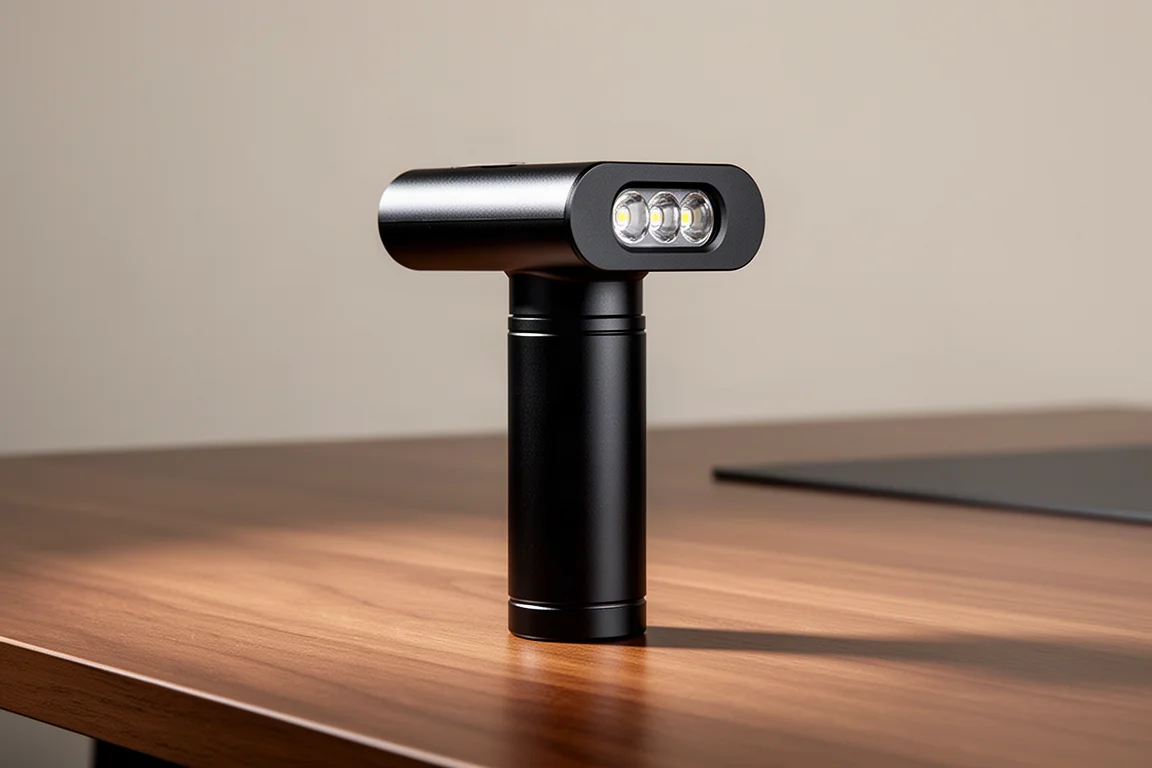
Performance between the two X2 variants is identical apart from the emitter trade-offs already covered. The aluminum model delivers the same flat-body design, same IP68 build, and same UI at a far lower price. Unless premium materials genuinely matter to you, this is the smarter buy.
Overall Buying Advice
Pricing is the deciding factor here. The aluminum model with the Osram P9 emitter sells for $98 on Wuben’s website, which is excellent value for this performance and build quality. The titanium models carry an MSRP of $385, and at the time of writing they are available for pre-order at 30 percent off, bringing the price to $308. That is a serious premium for materials and finish alone.
If you want a premium flashlight with premium materials and a finish nobody else has, the green titanium is worth the stretch. If you want the exact same performance without the premium price, the aluminum version is the one to get. Either way, the X2 stands out as one of the strongest everyday carry flashlights available right now.
Conclusion
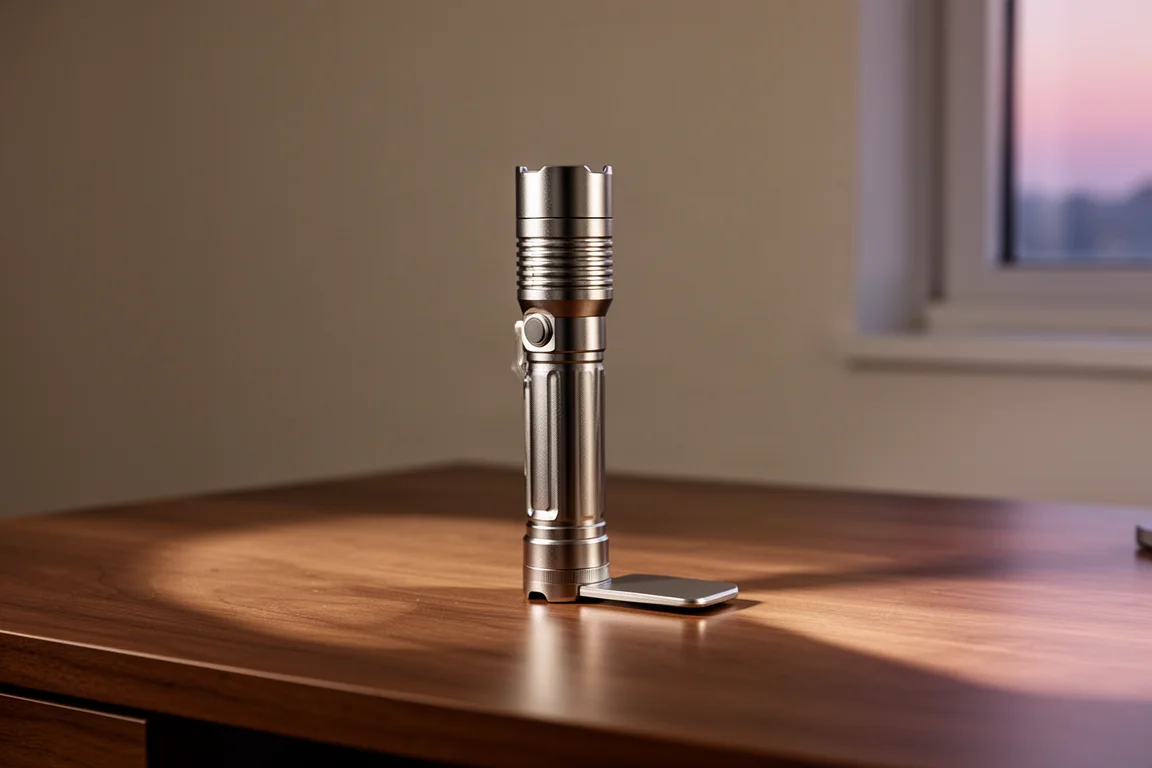
The Wuben X2 nails nearly everything an EDC flashlight should do: pocketable flat design, simplified single-button UI, programmable modes, excellent heat management, IP68 durability, a clever charging lanyard, and a five-year warranty. The main nitpicks are the modest 200-lumen SOS, the large stock gap between high and turbo, and the absence of a true moonlight mode. Choose the Samsung LH351D for a neutral tint you will love using daily, or the Osram P9 for maximum output, and choose titanium if premium materials are worth it to you.
Further reading
Related Reviews
Flashlights
Best Flashlights 2026: Brightness, Battery, and Value Compared
We tested 18 flashlights across a wide price range to find the best performers in brightness, battery life, and durability.
Flashlights
Nitecore LA10 Review: A Tiny 2-in-1 Lantern That Nails the Basics
The Nitecore LA10 pairs a pocket-sized lantern with a single AA battery, a magnetic tail cap and a five-year warranty. Here is where it shines and where it struggles.
Flashlights
Wuben G5 Review: A Compact Everyday Carry Flashlight
The Wuben G5 is a small, rechargeable flashlight with a pivoting head, magnetic base, and color modes. Here is how it performs as an everyday carry light.