Flashlights
Wuben X1 Falcon vs Nitecore TM12K: Two 12,000-Lumen Flood Flashlights Compared
A close look at the Wuben X1 Falcon and the Nitecore TM12K, two flat-bodied flood lights with very different strengths in cooling, pocketability, and turbo endurance.
Introduction
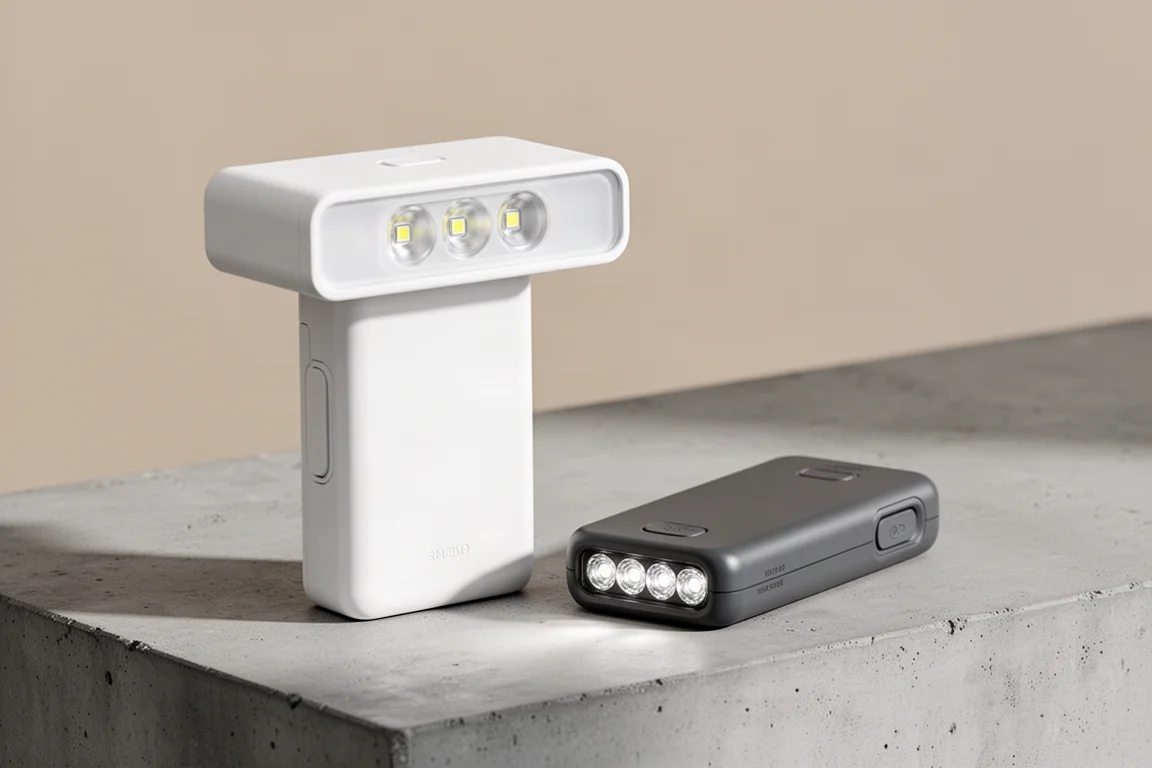
High-lumen flood flashlights have been getting flatter, and that is a very good thing for anyone who actually wants to carry one. Two of the most interesting recent examples are the Wuben X1 Falcon and the Nitecore TM12K, both rated at 12,000 lumens and both built around a flat, slab-like body rather than the traditional round tube.
On paper they look like near-twins. In use, they behave very differently, especially on turbo, where heat management decides everything. Here is how they compare after looking closely at both.
Wuben X1 Falcon Review: A Bigger Take on the Flat Body
The X1 Falcon is essentially a bigger brother to the X2 Owl, with nearly identical styling and form factor, just scaled up and with a round side switch on top instead of a paddle switch. The flat shape is the real story here: it fits remarkably well in the hand sideways and slides into a pocket far more easily than a round-bodied light of similar output, such as the Olight Marauder Mini.
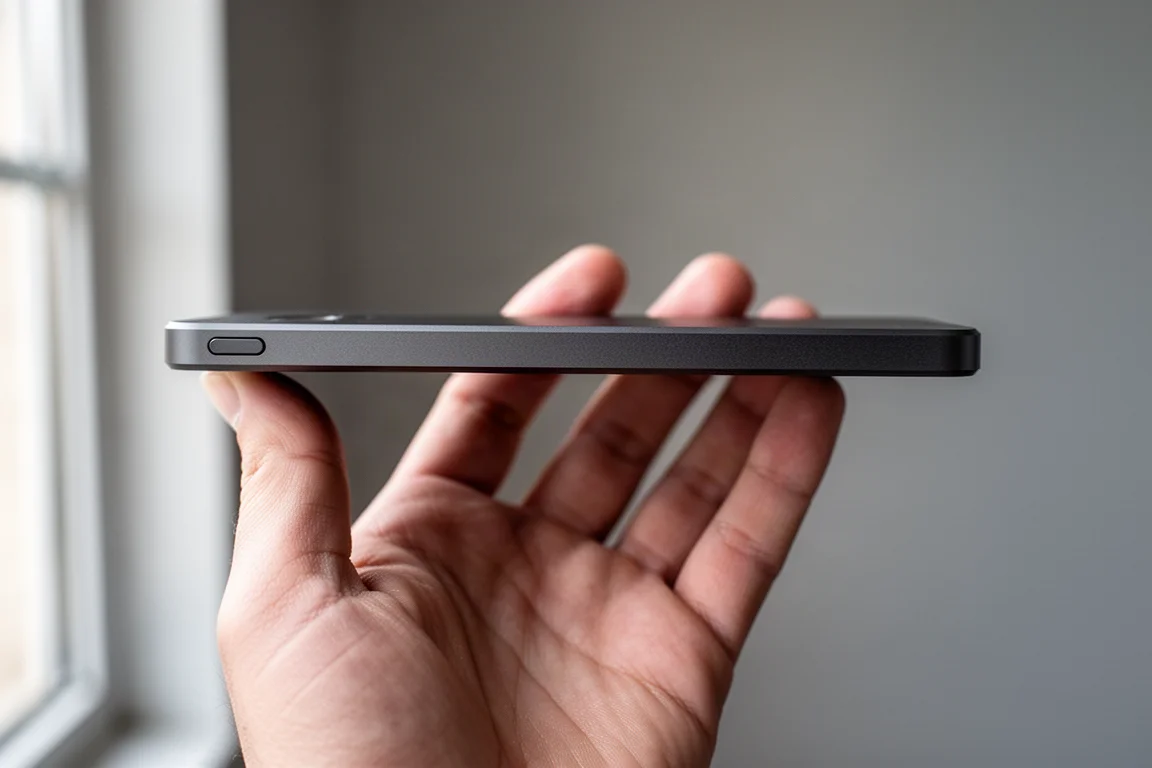
Specs back up the heft. It measures 5.06 by 2.2 inches with a thickness of 1.1 inches and weighs 13.5 ounces (384g), so it is a chunky light, but still manageable for 12,000 lumens. It comes in white or black, and the body feels solid and well finished, presumably aluminum alloy although the material is not explicitly stated. The box is generous too: a quality nylon holster with dual snaps and a D-ring, a USB Type-A to Type-C cable, a user manual, and one of the most impressive lanyards included with any production light, made of actual paracord with a sliding bead and two clasps.
Inside are two built-in 21700 batteries totaling 4,800mAh, charged through a side-mounted Type-C port with fast charging support, reaching a full charge in about two hours. A battery indicator LED in the switch glows solid blue at 90 percent or above, turns red while charging, and glows blue when full. The tail cap is marked “do not disassemble,” but the two internal batteries can technically be replaced if you remove the spring-loaded cap, even though it is a genuine struggle to get off.
Cooling is where Wuben got creative. Three slots on each side house a small, surprisingly quiet cooling fan plus a heat sink, and the system actively pulls heat away when the body warms up. That matters more than you might think, as we will see.
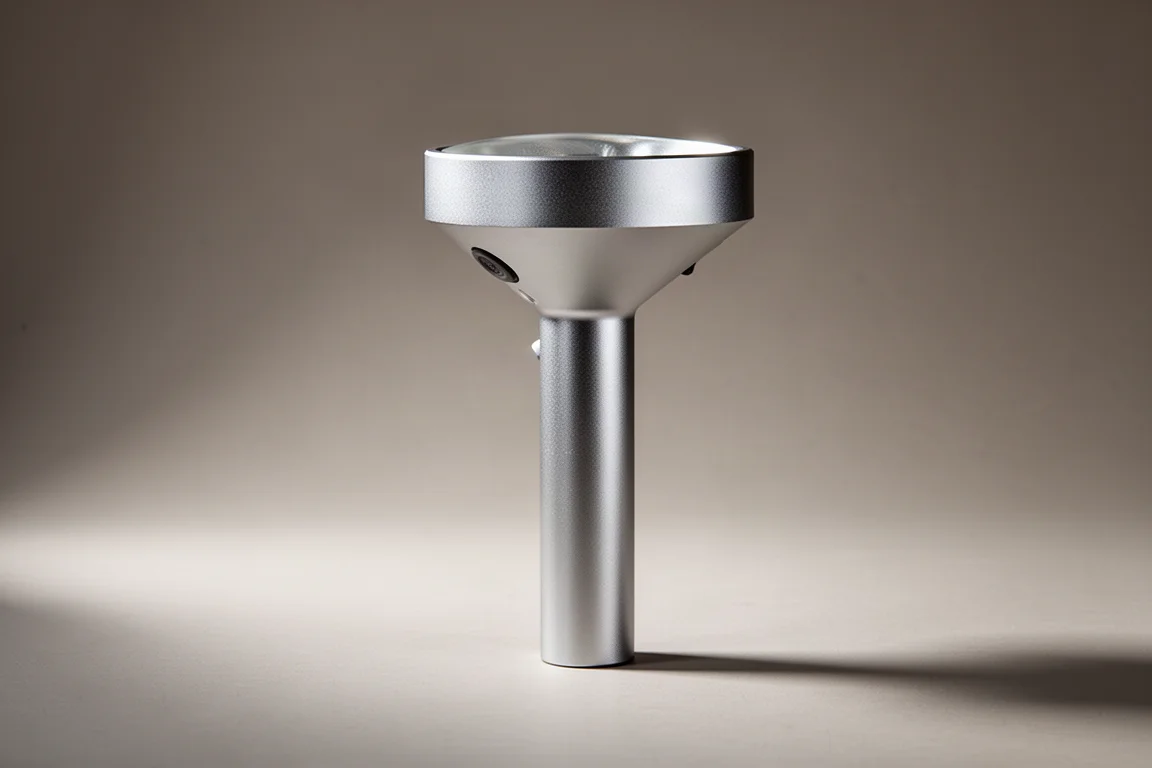
Nitecore TM12K: Smaller, Lighter, Quicker to Step Down
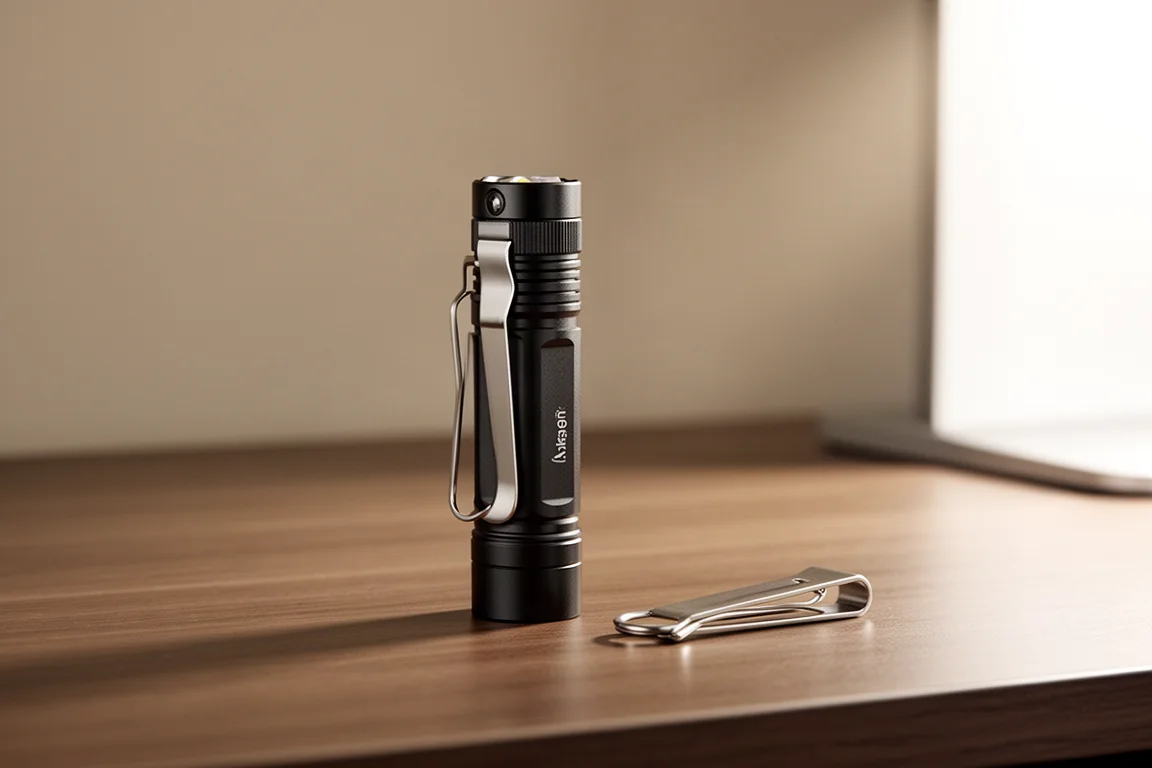
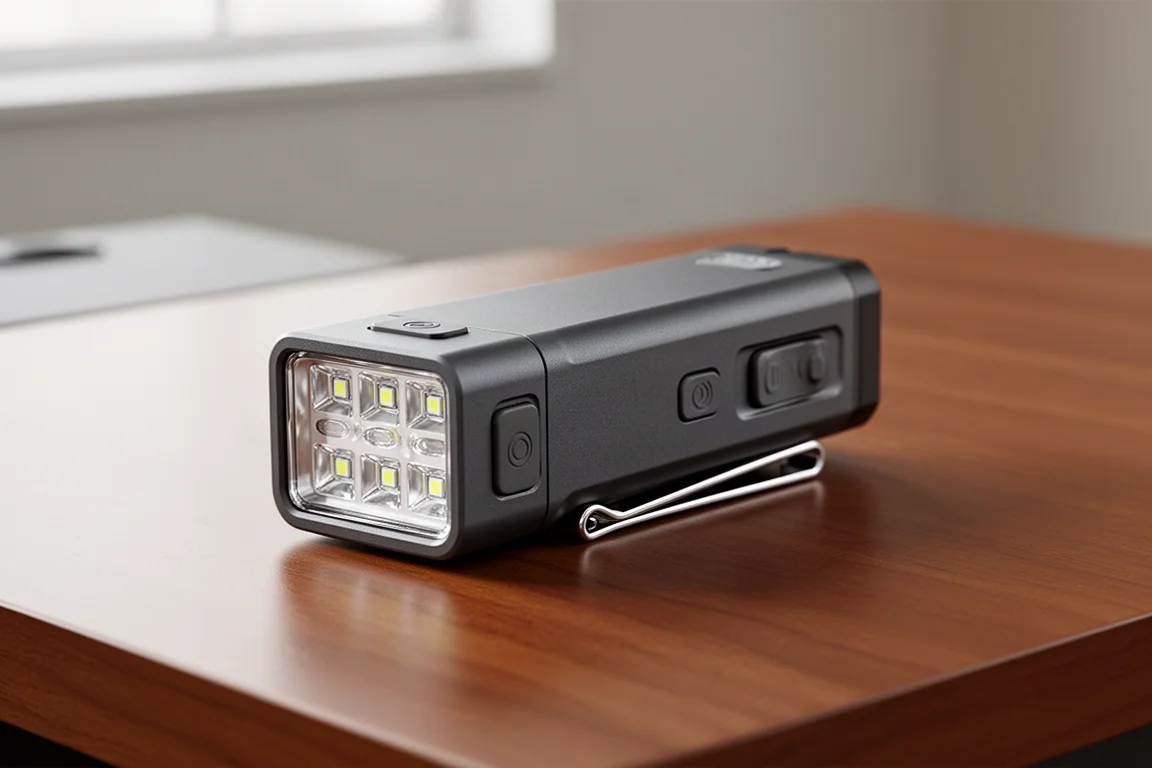
The Nitecore TM12K shares the same flat form factor but in a noticeably more compact package. It uses six LEDs instead of the Falcon’s three, and it includes a pocket clip, which the X1 Falcon lacks entirely. That clip, combined with the smaller body, makes the TM12K the more practical option for carrying around, though arguably not as a true everyday-carry light given its output.
Where the TM12K falls short is ergonomics for sustained use and turbo stamina. Its side switches sit on the side of the body rather than the top, which some will prefer when gripping the light with the switch under the thumb, but in side-by-side handling the larger Falcon with its top-mounted switch felt equally natural despite the size difference.
The bigger issue is what happens on turbo. The TM12K steps down from its 12,000-lumen burst very quickly, noticeably faster than the Falcon. If you want a light that holds high output, this is the deciding factor between the two.
Beam Performance and Turbo Endurance
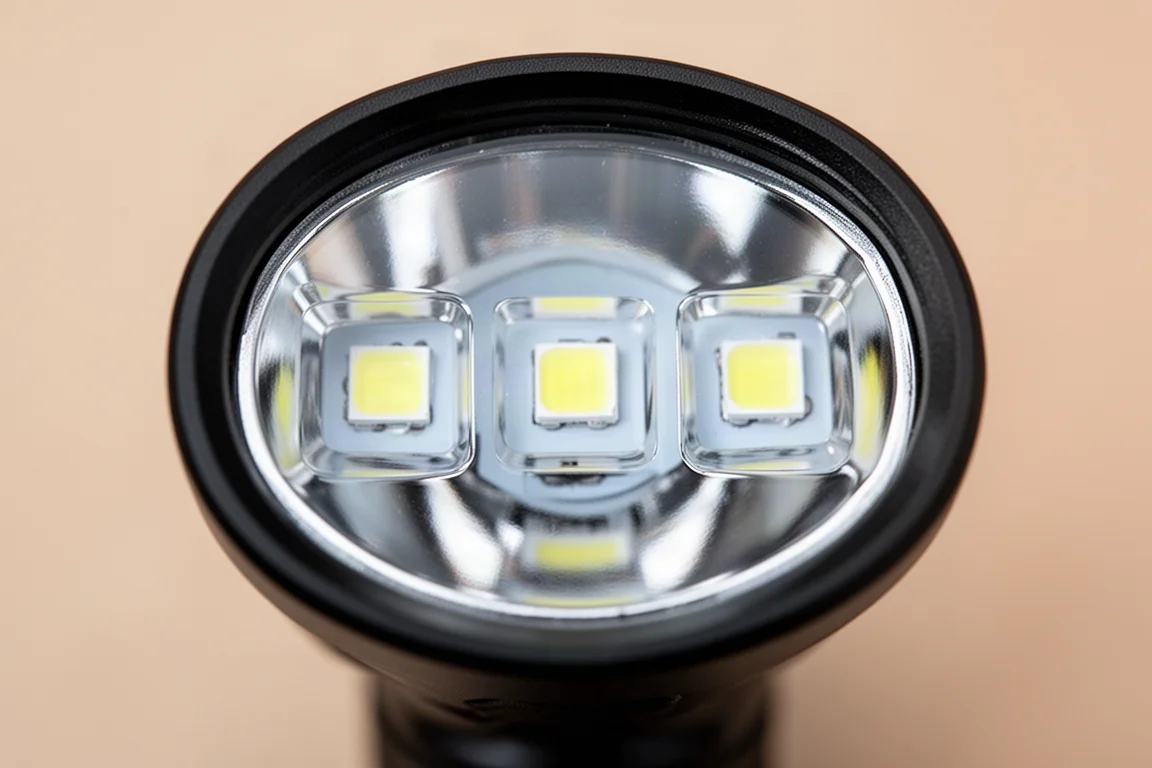
The X1 Falcon uses three Cree XHP70.2 LEDs with a color temperature around 6,000 Kelvin. At lower levels such as Eco and Low, and even on Medium, the beam carries a noticeable greenish tint, which settles into a cleaner 6,000K tone once you reach High and Turbo.
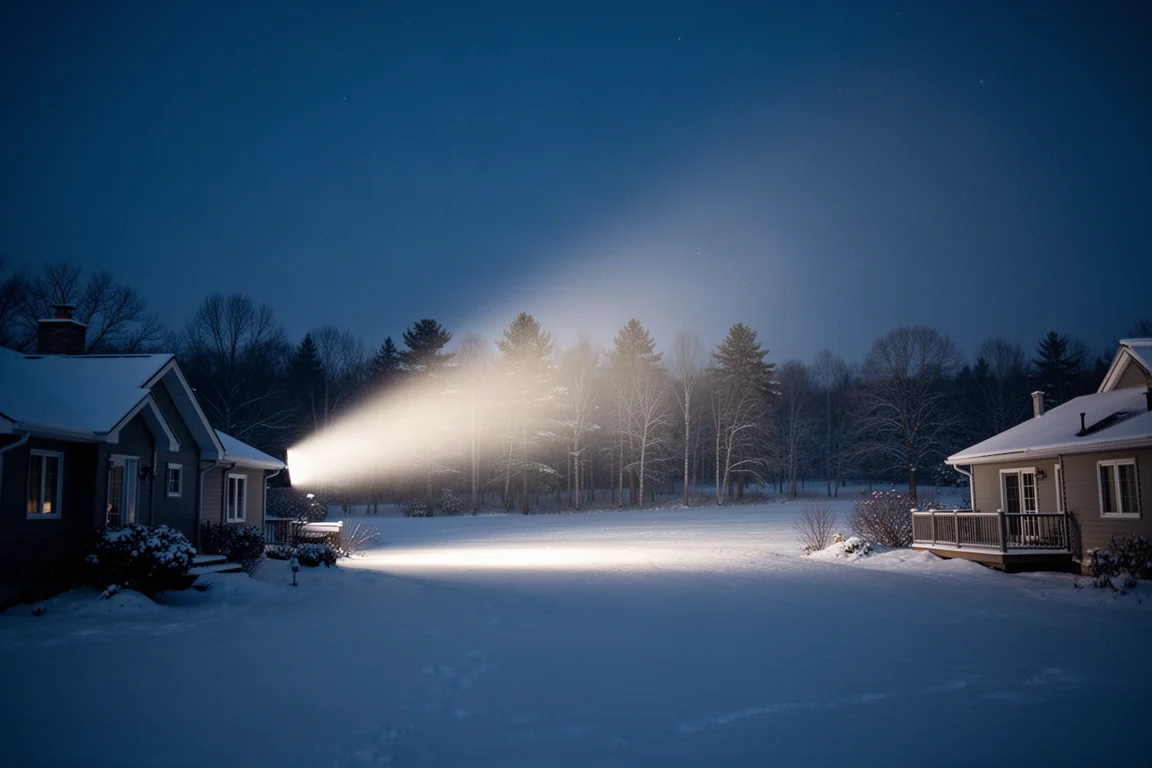
The beam is extremely floody with an even spread and no aggressive hotspot, which suits close-to-medium-range work beautifully. Rated maximum throw is 303 meters at 23,000 candela, and in practice the light does reach roughly that far, though only barely. In a direct comparison at around 114 meters, the Falcon illuminated distant trees where the TM12K simply could not, despite its own rated throw claims. Neither light is a thrower, and neither quite hits its paper specs, but the Falcon clearly reaches farther.
Mode spacing is sensible overall: Eco at 20 lumens with up to 220 hours of runtime, Low at 400 lumens for 14 hours, Medium at 1,000 lumens for 5.5 hours, High at 2,600 lumens for 2 hours, and Turbo at 12,000 lumens for one minute before stepping down to 3,000 lumens for 1.7 hours. One quibble: the SOS mode runs at just 200 lumens. The logic of preserving runtime in an emergency is understandable, but half the output of Low feels too dim to be seen from a real distance, and 500 to 1,000 lumens would inspire far more confidence.
Turbo endurance is the Falcon’s standout party trick. After a full minute of turbo, the head measured only 120 degrees Fahrenheit with the body at 80, dropping to 113 and 87 respectively after two minutes as the fan did its job. The light maintains its full turbo output noticeably longer than the TM12K, which steps down almost immediately. The larger body plus the fan and heat sink simply dissipate heat better, and that is exactly why the Falcon exists in a bigger shell.
The UI is simple and well executed: a short press toggles on and off, a long press cycles through Eco, Low, Medium, and High, and a double click lands on Turbo from any state. A triple click accesses Strobe, then SOS. There is mode memory (except for Turbo), a four-press electronic lockout with an LED confirmation blink, and perhaps best of all, each mode’s lumen level can be customized through a click-and-hold ramping feature, with a factory reset available if you go too far.
Which One Should You Buy?
Both are 12,000-lumen floods, but they serve slightly different buyers. If you want maximum sustained output, better throw, active cooling, a superb included accessory kit, and mode customization, the Wuben X1 Falcon is the stronger tool. If you want the same form factor in a smaller, lighter package with a pocket clip for occasional carry, the Nitecore TM12K makes more sense.
Two caveats apply to the Falcon before you commit. First, the IP55 rating means it is rainproof but not submersible; with a fan built into the side, it is hard to feel fully confident near pools, boats, or lakes, and a higher waterproof rating would have been welcome. Second, the absence of a pocket clip is a missed opportunity given how pocketable the flat body is; a clip would likely replace the holster for many users. Also worth knowing: the lowest mode is 20 lumens, so there is no true moonlight or firefly mode for close-up tasks at night.
Conclusion
The Wuben X1 Falcon is arguably one of the most compelling high-lumen flood lights available right now. It delivers 12,000 lumens in an ergonomic flat body, keeps its cool under sustained turbo thanks to a genuinely effective fan and heat sink system, out-throws the smaller Nitecore TM12K, and comes with an unusually complete accessory package. The IP55 rating and missing pocket clip are real compromises, but for anyone who wants a floody 12,000-lumen light that keeps running hard, the Falcon is the one to beat.
Further reading
Related Reviews
Flashlights
Best Flashlights 2026: Brightness, Battery, and Value Compared
We tested 18 flashlights across a wide price range to find the best performers in brightness, battery life, and durability.
Flashlights
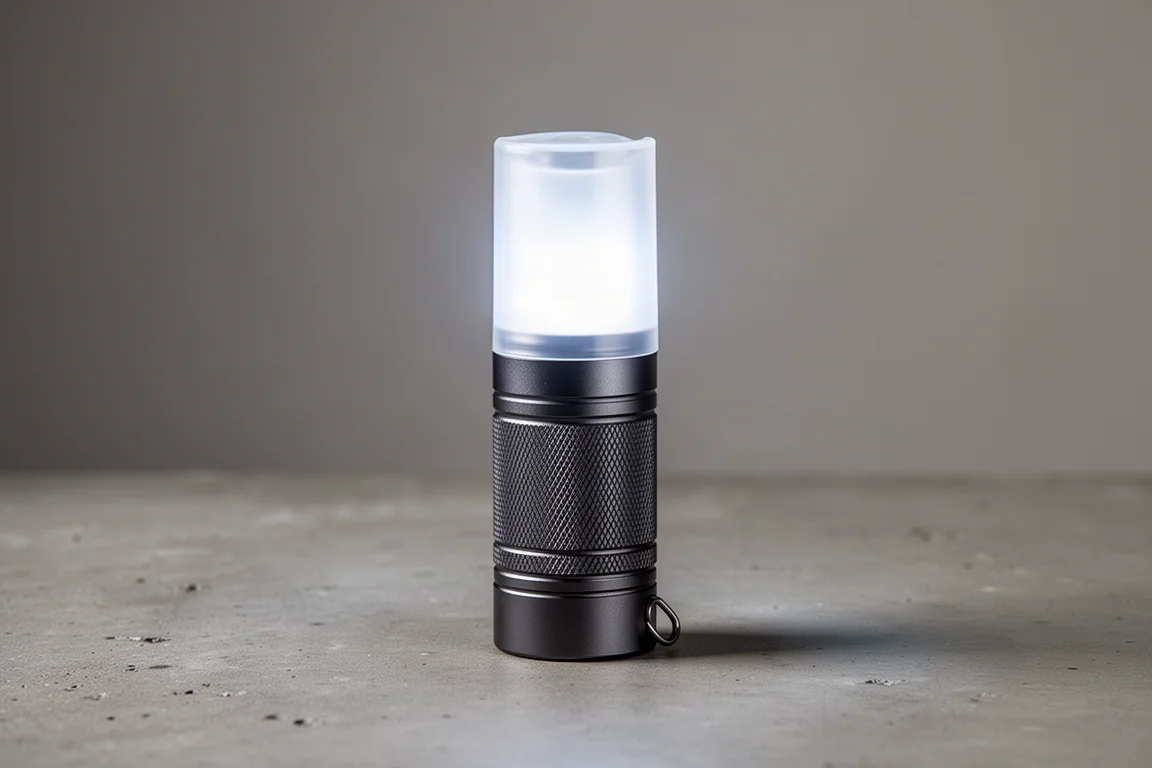
Nitecore LA10 Review: A Tiny 2-in-1 Lantern That Nails the Basics
The Nitecore LA10 pairs a pocket-sized lantern with a single AA battery, a magnetic tail cap and a five-year warranty. Here is where it shines and where it struggles.
Flashlights
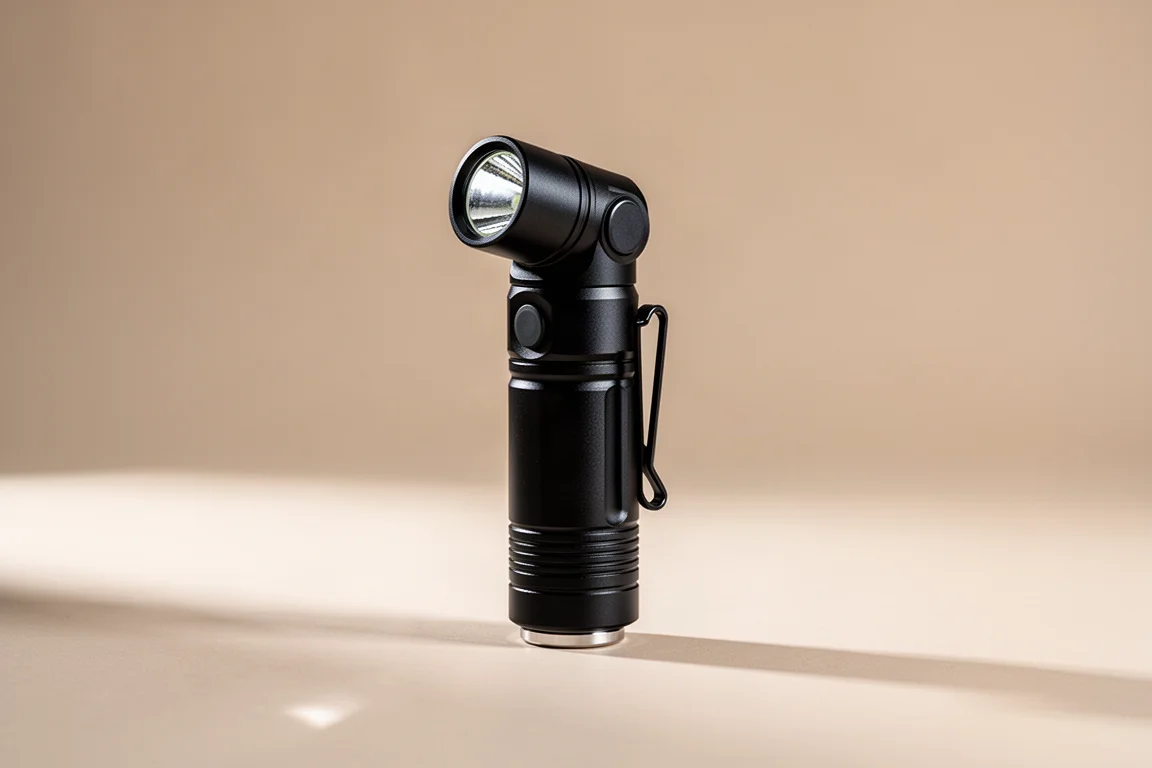
Wuben G5 Review: A Compact Everyday Carry Flashlight
The Wuben G5 is a small, rechargeable flashlight with a pivoting head, magnetic base, and color modes. Here is how it performs as an everyday carry light.