Hand Tools
Does Wrench Orientation Matter? We Pushed Adjustable and Open-End Wrenches to Failure
Four wrenches, two orientations, and a stress rig: what the data says about which way you should swing an adjustable or open-end wrench.
Introduction
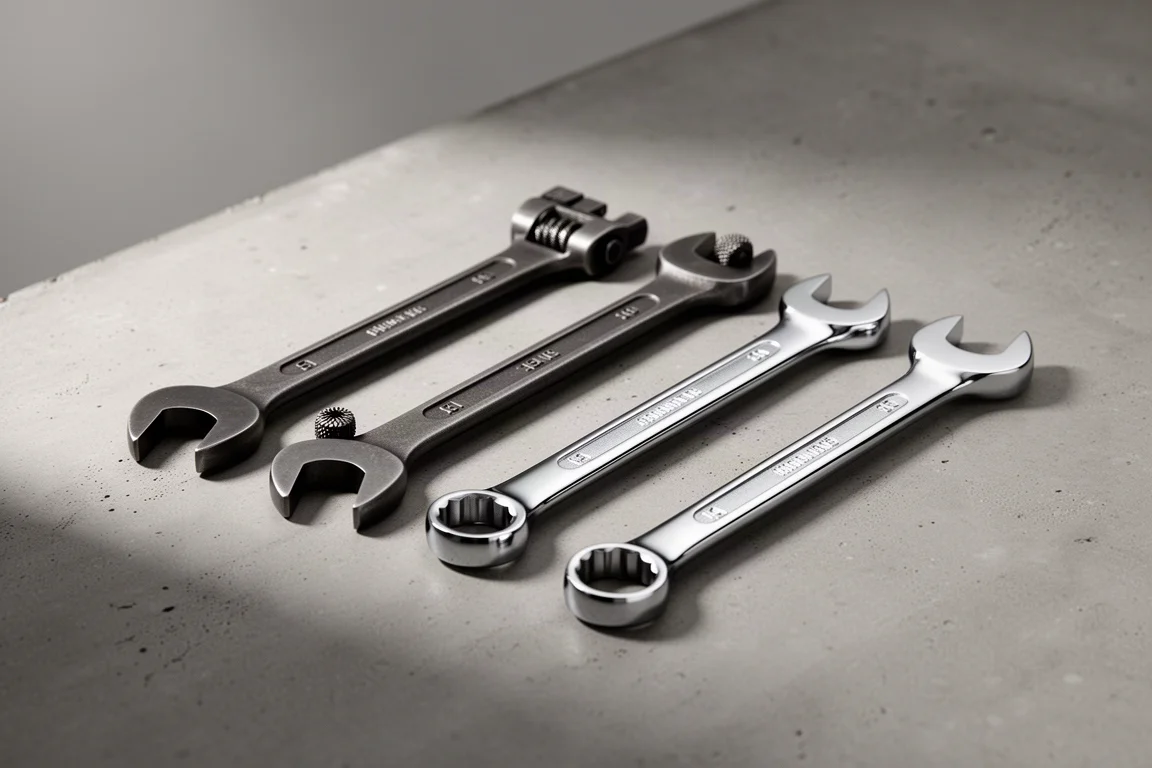
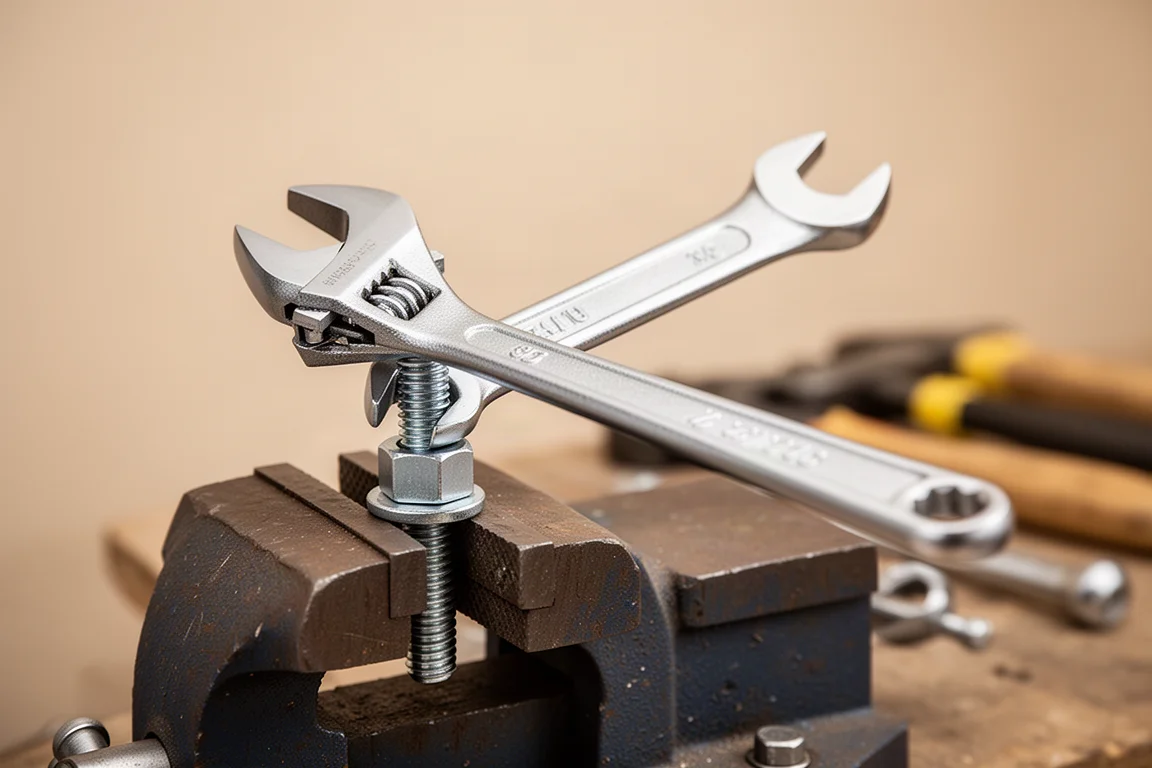
There is a long-standing rule among mechanics: when you reef on an open-end or adjustable wrench, the orientation of the jaws matters. The long jaw should sit on top, with force applied away from it. But is that old advice still true for modern tools, and does it hold for open-end wrenches too? We ran four wrenches through a torque rig to failure to find out.
The Long Jaw Question
Every adjustable wrench has a long fixed jaw and a short floating jaw. That asymmetric design is not an accident: the offset head gives you twice as many angles of approach when there is an obstruction in the way, which there almost always is. But it also raises the question of which direction you can load it hardest.
To find out, each wrench was snugged against a 17 mm class 8.8 hex fastener by hand, then wrenched on with torque measured at the hex until the tool slipped or broke.
Crescent vs Bahco: Adjustable Wrench Results
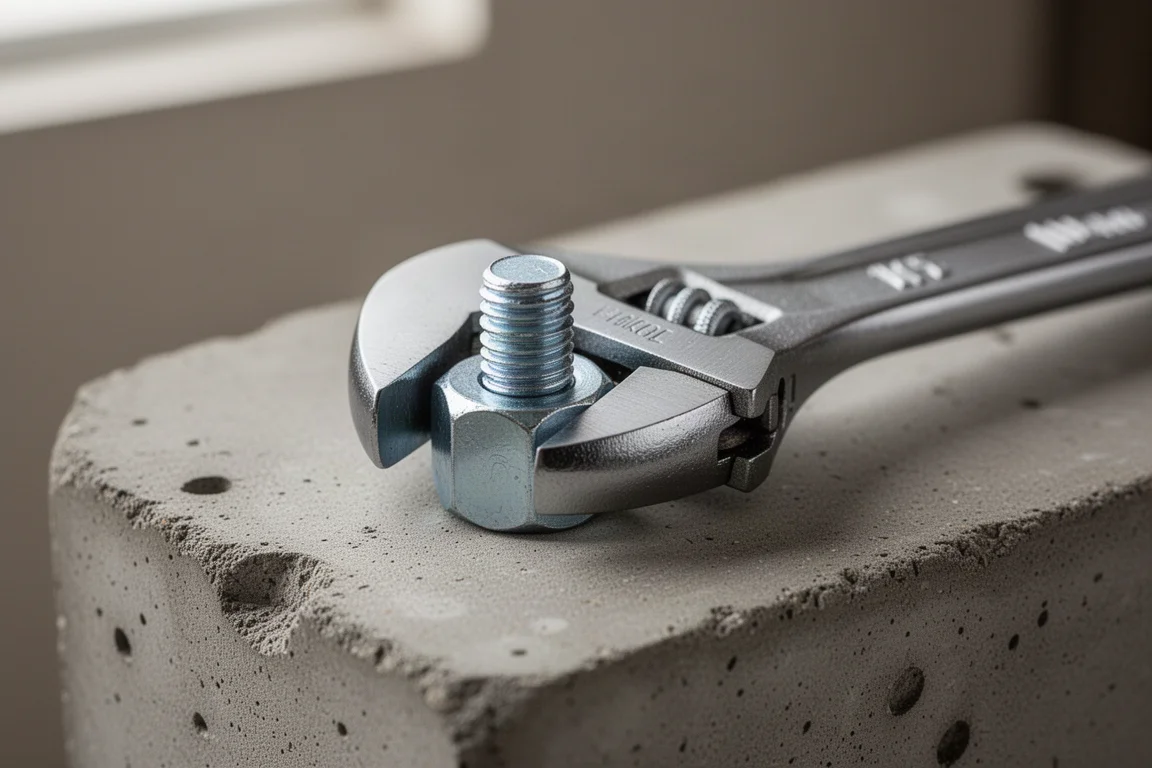
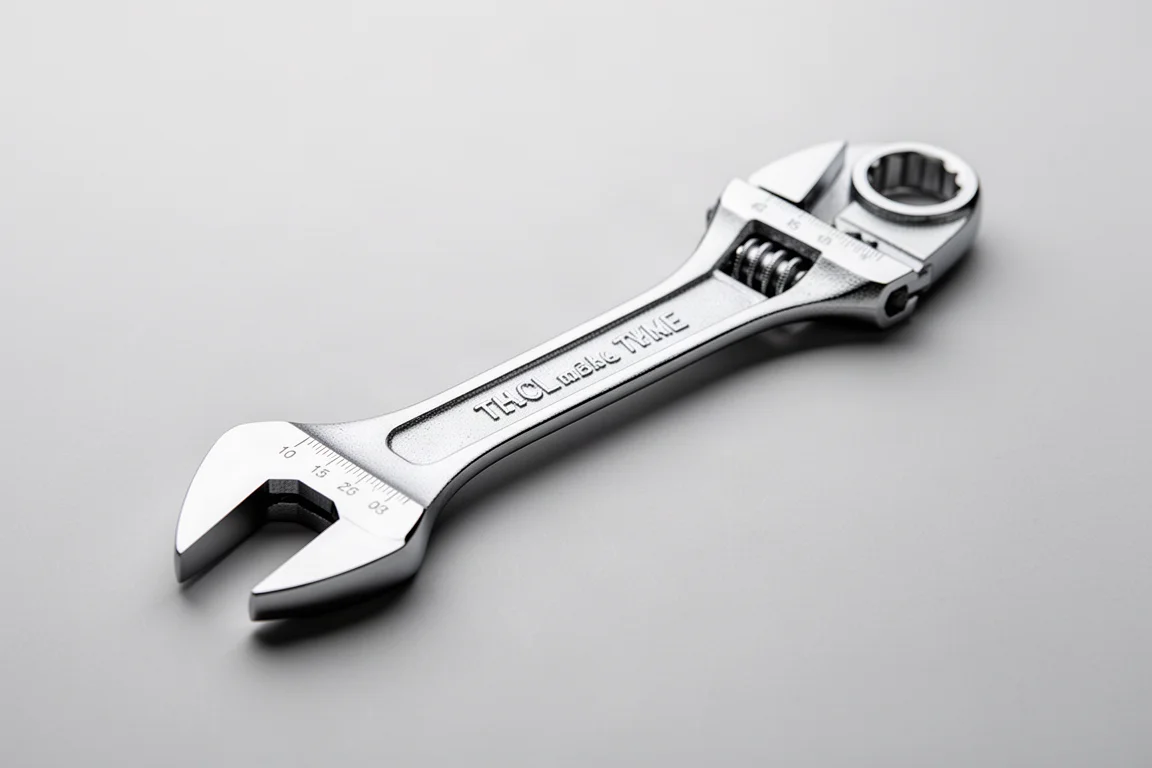
The Crescent 10-inch adjustable wrench, purchased for $15 and made in Vietnam under Apex Tool Group, was tested first in the recommended orientation, pulling away from the long fixed jaw. It reached 27.9 Nm on the 17 mm hex before the jaws drew let the hex climb. On a much larger test mandrel sized to the ASME standard, it held far better than expected, bending its jaws open but stacking up 389.3 Nm, about 77% of the ASME spec for a 10-inch adjustable wrench, before eventually breaking at 331.82 Nm on a hard 19 mm hex.
The Bahco 10-inch, made by Snap-on industrial brands in Spain and purchased for $25, felt smoother and less sloppy in the jaws, but it slipped at just 155.5 Nm in the same orientation. Turned the other way it fared worse: the thumb screw teeth skipped and wedged into the moving jaw, and the tool broke at 148.9 Nm. On the large mandrel it locked up and broke at 279.99 Nm.
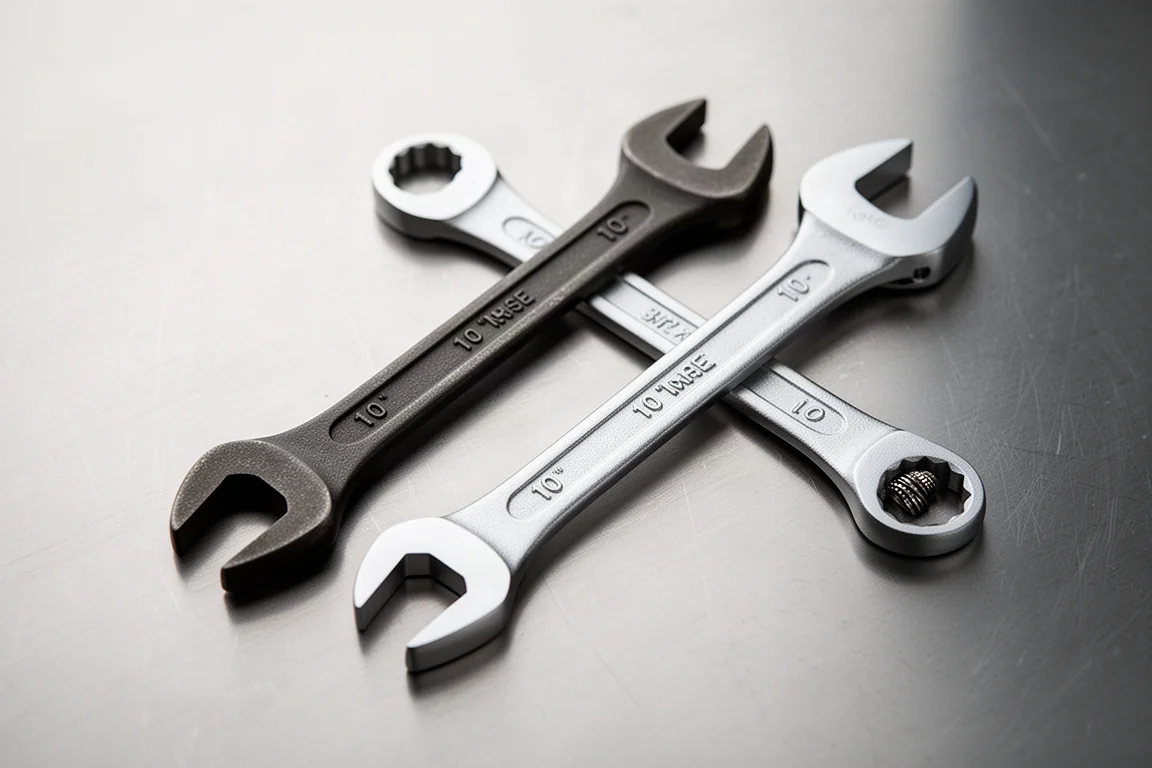
Hardness spot checks also told a story. The Crescent samples measured around 42 HRC, which is normal for this class. The Bahco samples came in the mid-30s on one and mid-40s on the other, an inconsistent result that suggests some variability in heat treatment. On the scoring tally, the Crescent finished clearly on top at 195 points versus 141, a surprise given it was the cheaper of the two.
Open-End Wrenches: The Snap-on 17x19 Test
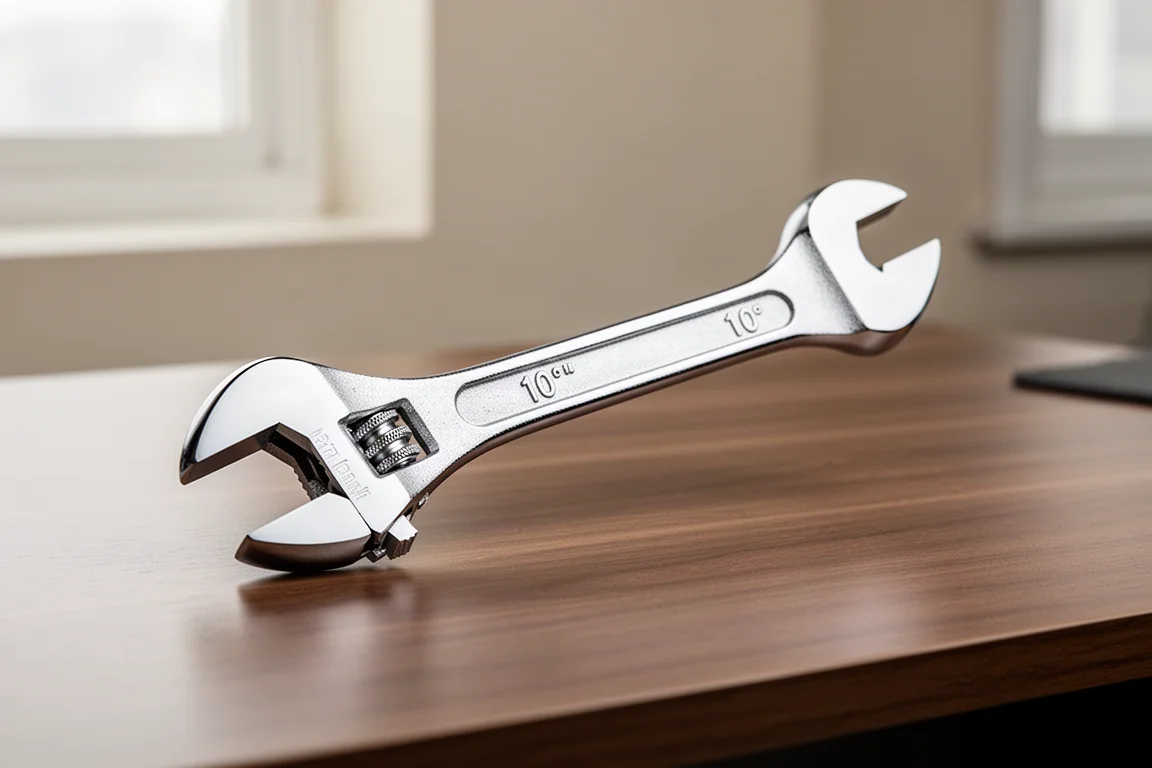
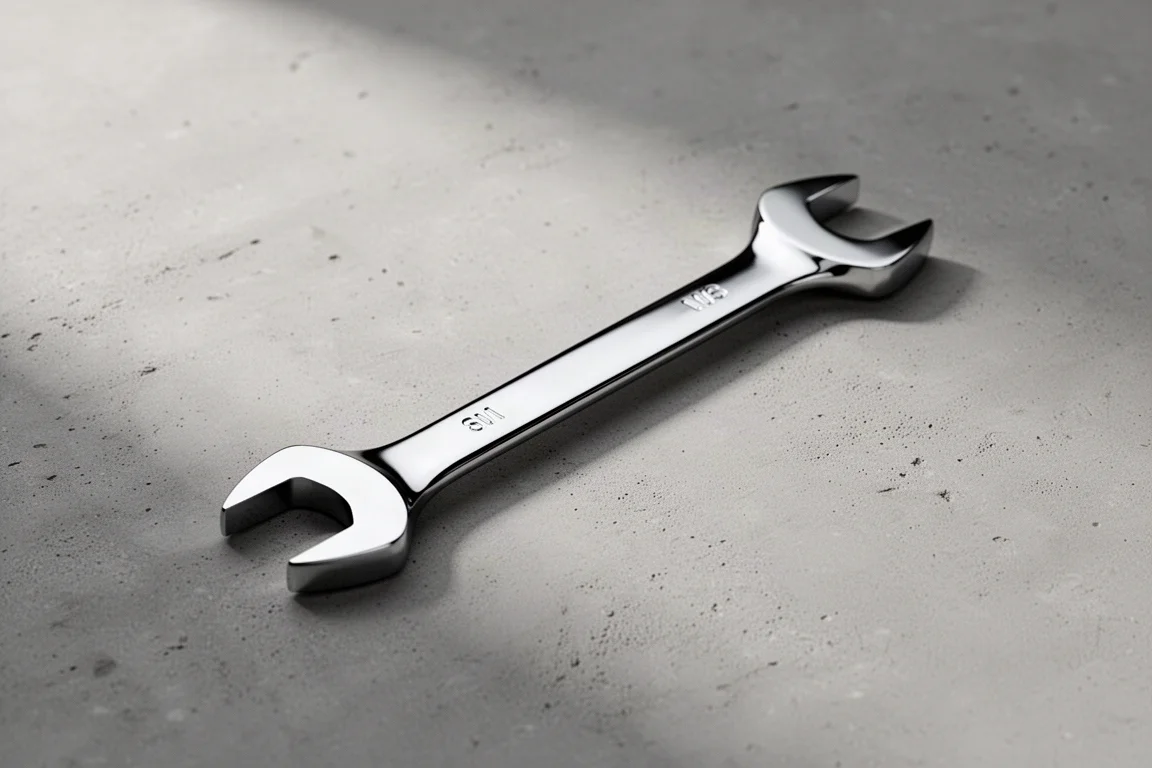
To settle the orientation debate for traditional open-end wrenches, two Snap-on VOM 179B 17x19 mm wrenches were tested, one in each direction, along with a classic VOM 179 model from years past simply out of curiosity.
In what we called the standard orientation, force going away from the longer wraparound jaw, the wrench made it to 132 Nm before slipping. Flipped the other way, the hex started climbing out of the jaws earlier and the result dropped to 112.4 Nm. Not a huge gap, but larger than expected from how different it looked on the rig.
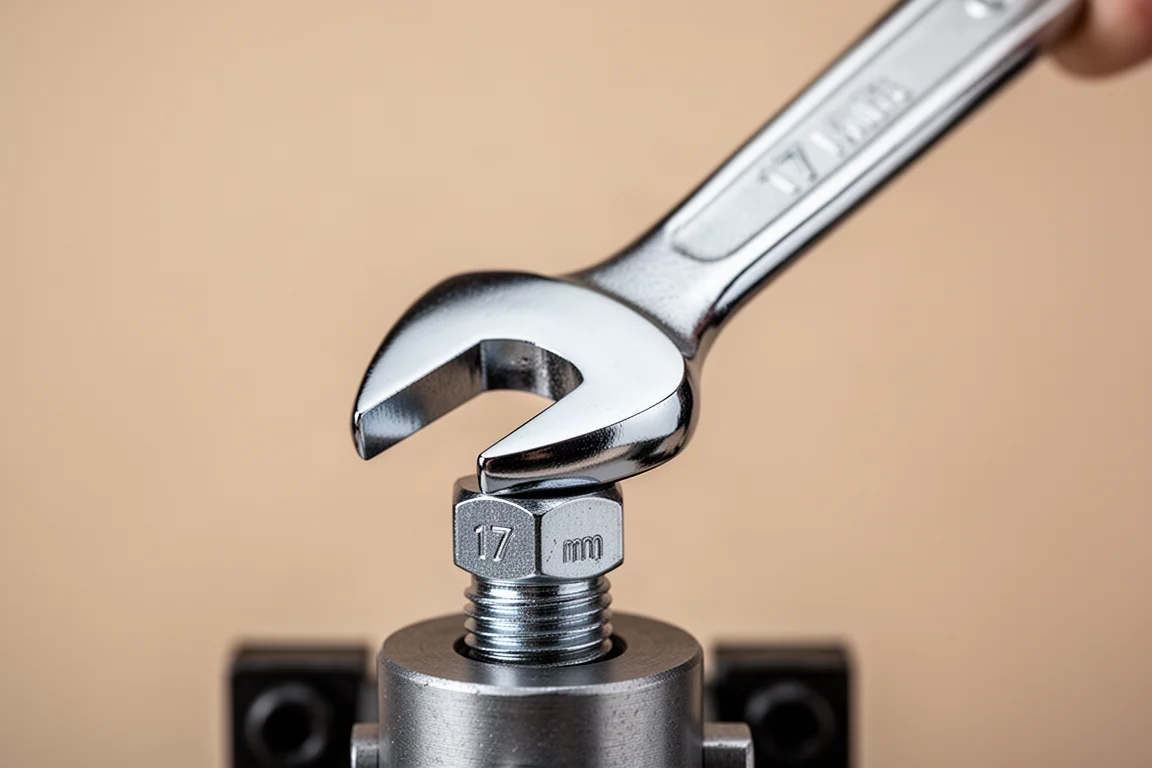
When a smooth-jaw clamp simulated a constant downward force on the fastener to keep it from climbing out, the two orientations came much closer to equal, registering around 125.95 Nm. On the 19 mm end, pushing down on the jaws as they loaded up produced 197.4 Nm in one orientation and 198.3 Nm in the other, effectively back to even.
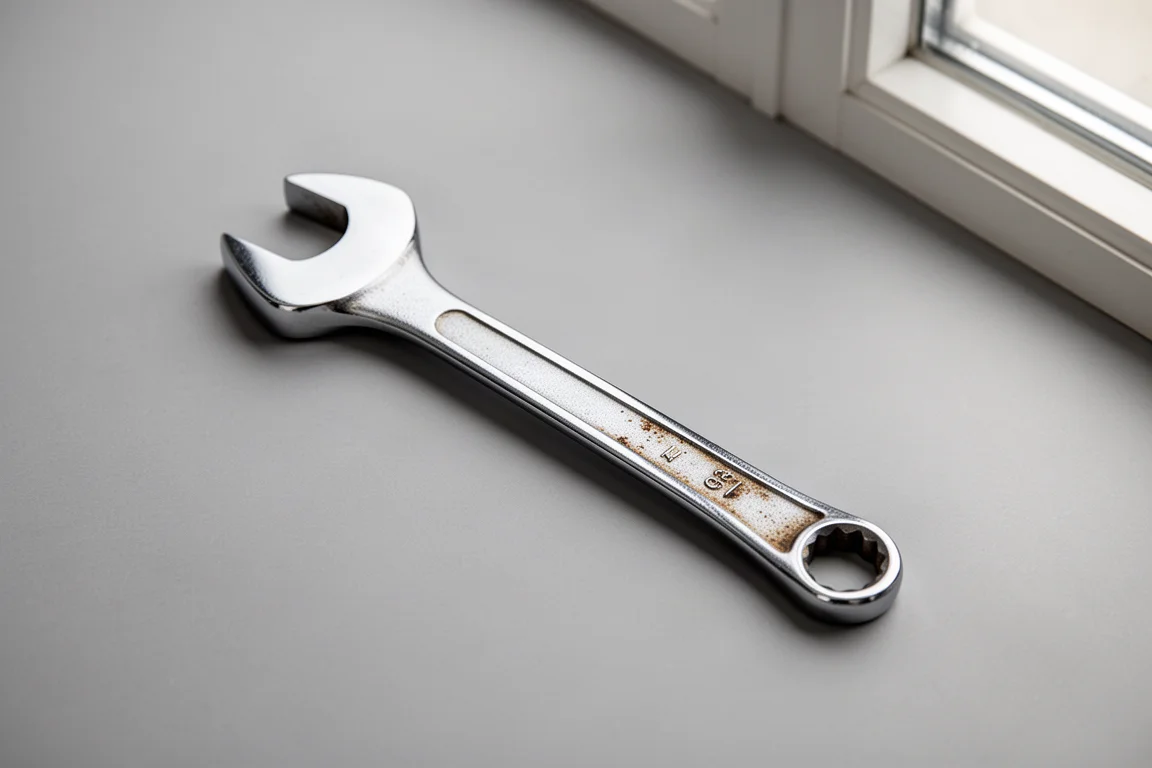
The classic VOM 179, well used but not abused, pulled 131.5 Nm, essentially bang on the new wrenches’ figure. That is an impressive sign of consistency in Snap-on open-end wrenches across the years.
Practical Takeaways for Real-World Wrenching
Two recommendations come out of this data. First, if you are using a wrench in the less-favored direction and the fastener is giving you grief, push down onto the fastener with a constant but not massive force while you crank. That basically evens the grip difference between the two orientations for any human.
Second, when you have the free choice, the long jaw away from you, with force applied away from it, seems to reach the wrench’s peak grip easier, without extra effort or concentration. For adjustable wrenches specifically, always pull away from the fixed jaw whenever you can. That said, wrenches have offset heads for a reason: sometimes your body position or an obstruction makes the default way awkward, and fitting the wrench in the direction that works is just life.
Conclusion
The old advice holds up, with nuance. For adjustable wrenches, orientation matters enormously: the Crescent survived loads the Bahco could not in the wrong direction, and the cheaper Crescent was the stronger tool overall. For open-end wrenches, the long-jaw-away direction has a mild but real advantage, though adding steady downward pressure on the fastener largely erases it. Use the orientation that fits the situation, and when in doubt, pull away from the long jaw.
Further reading
Related Reviews
Hand Tools
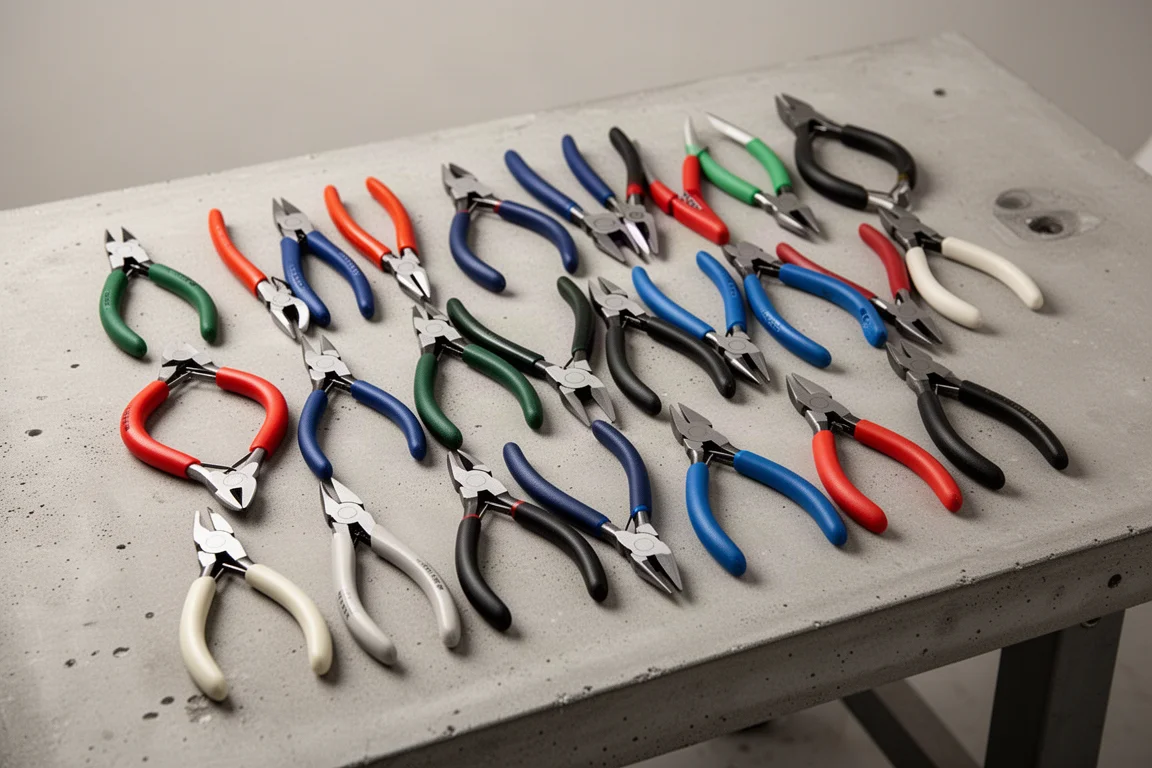
Best Diagonal Cutters 2026: 16 Pliers Tested for Cutting Power and Durability
We put 16 diagonal cutters through nail, screw, drill bit, and hex key tests to find the best value picks for your toolbox.
Hand Tools
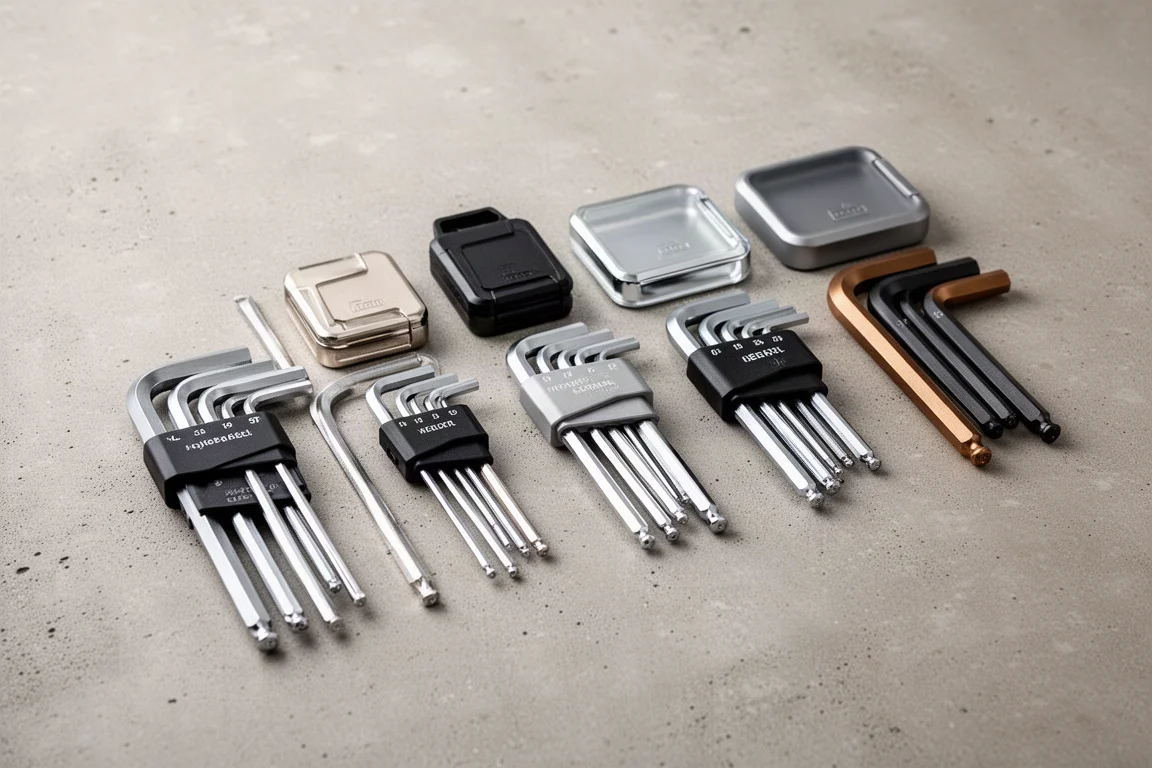
Best Hex L Key Sets 2026: Nine Sets Tested for Real-World Torque
Nine hex L key sets from budget to premium, tested for torque, fit, and durability. See which sets deliver real performance and which ones to skip.
Hand Tools
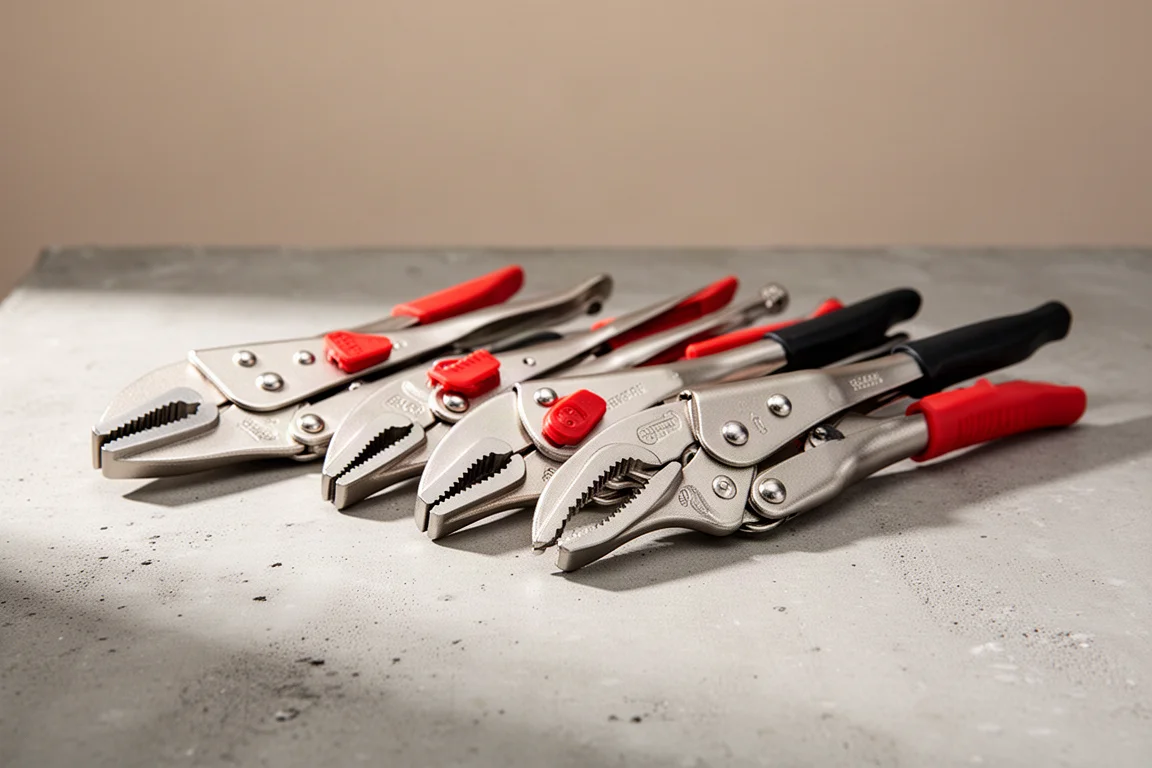
Best Locking Pliers 2026: Top Picks Tested for Grip and Durability
We tested 18 brands of 10-inch locking pliers for grip strength, jaw bite, build quality, and ease of release to find the best options for tough jobs.