Running Gear
Worst Running Gear Purchases to Avoid: 10 Products That Did Not Work Out
From unwearable carbon racers to unusable recovery gadgets, ten running products that failed in real training, plus the alternatives worth buying instead.
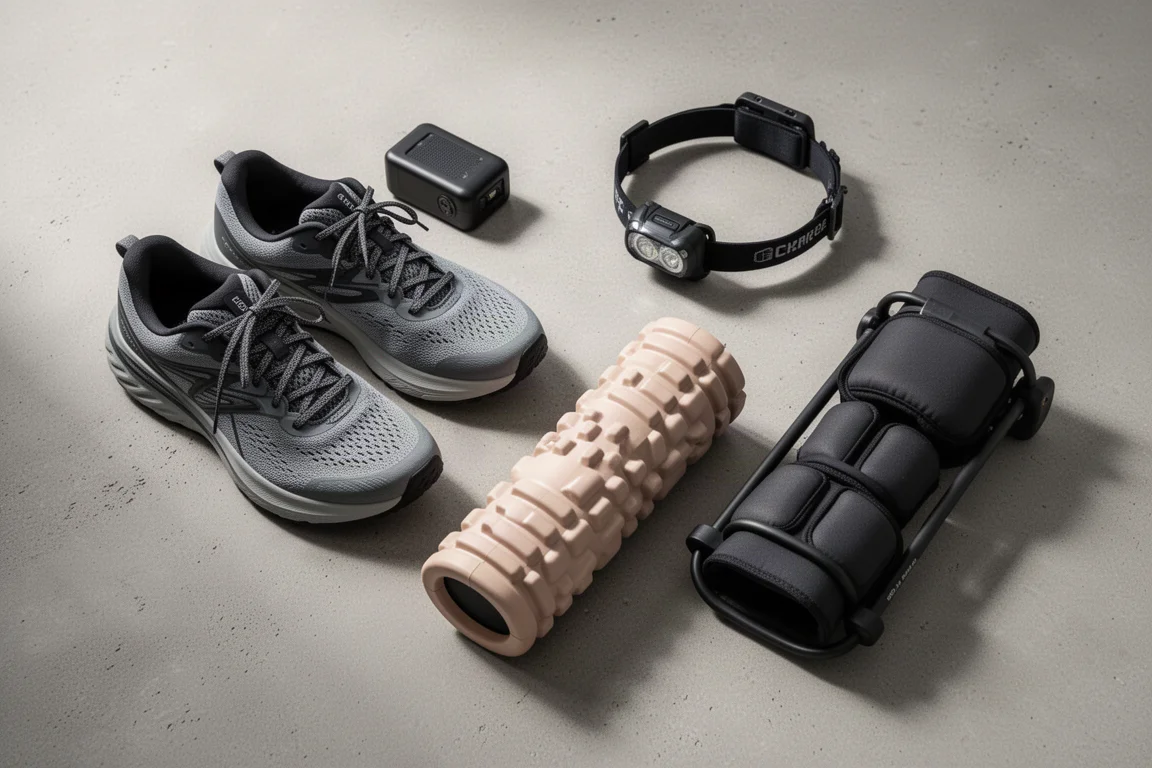
Introduction
Not every running purchase works out. Over years of training, racing and testing gear, some products genuinely earn their place in the routine, while others end up unused, resold or regretted. This guide collects ten products that disappointed in real training, explaining exactly why each one fell short, so you can avoid spending money on gear that will not survive contact with actual mileage.
It is worth saying up front: taste varies, and some of these products have plenty of happy owners. But every item here failed a real-world test in a specific, repeatable way, and that is useful information before you buy.
The Running Shoes That Did Not Work Out
Three running shoes stand out as the most disappointing purchases of all, and they share one common theme: problems that made them genuinely hard to run in, rather than just mediocre.
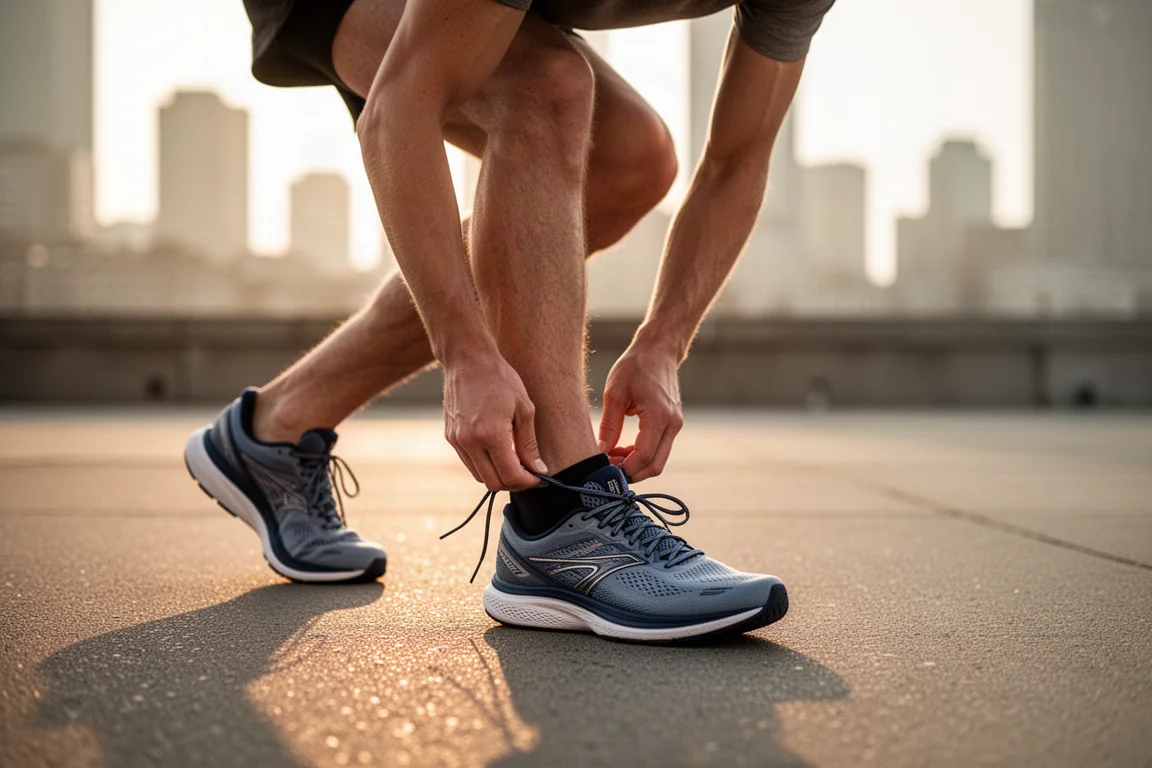
Hoka Bondi X
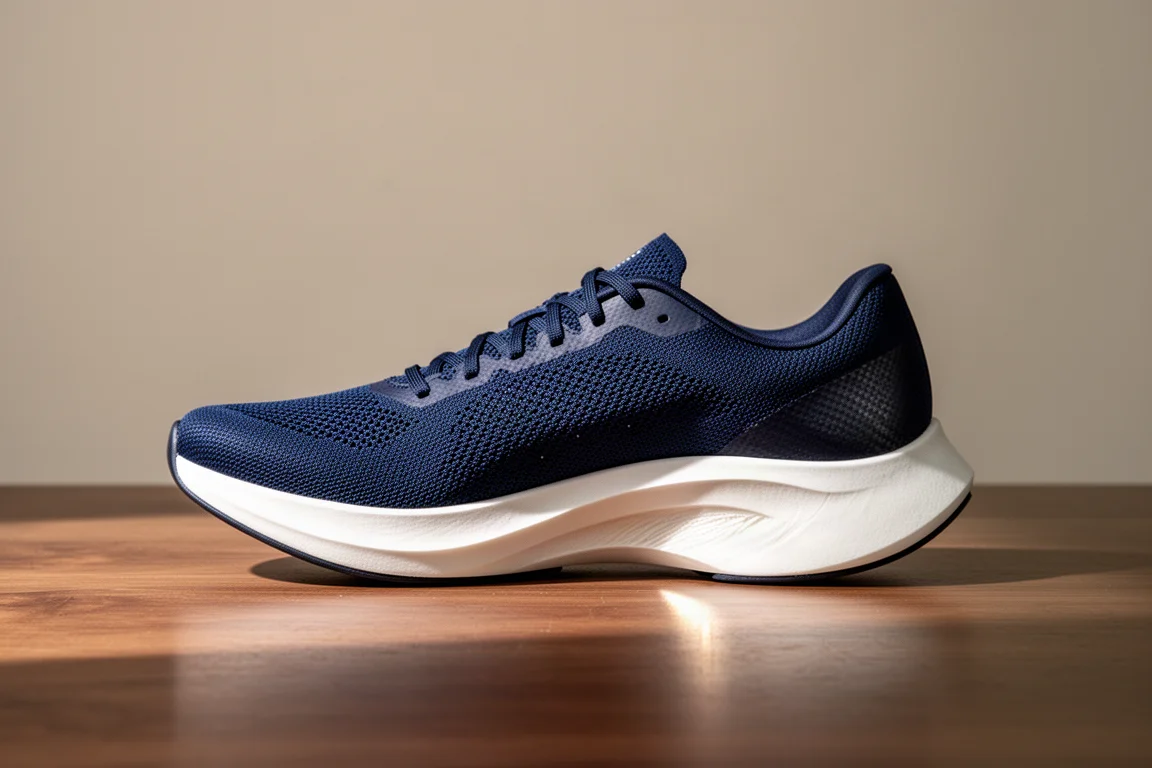
The Hoka Bondi X delivered the worst heel slip experienced in any running shoe. It proved completely unrunnable for longer efforts, with chafing around the achilles setting in before even reaching 10K. A carbon-plated trainer only works if you can forget it is on your foot, and this one made itself impossible to ignore.
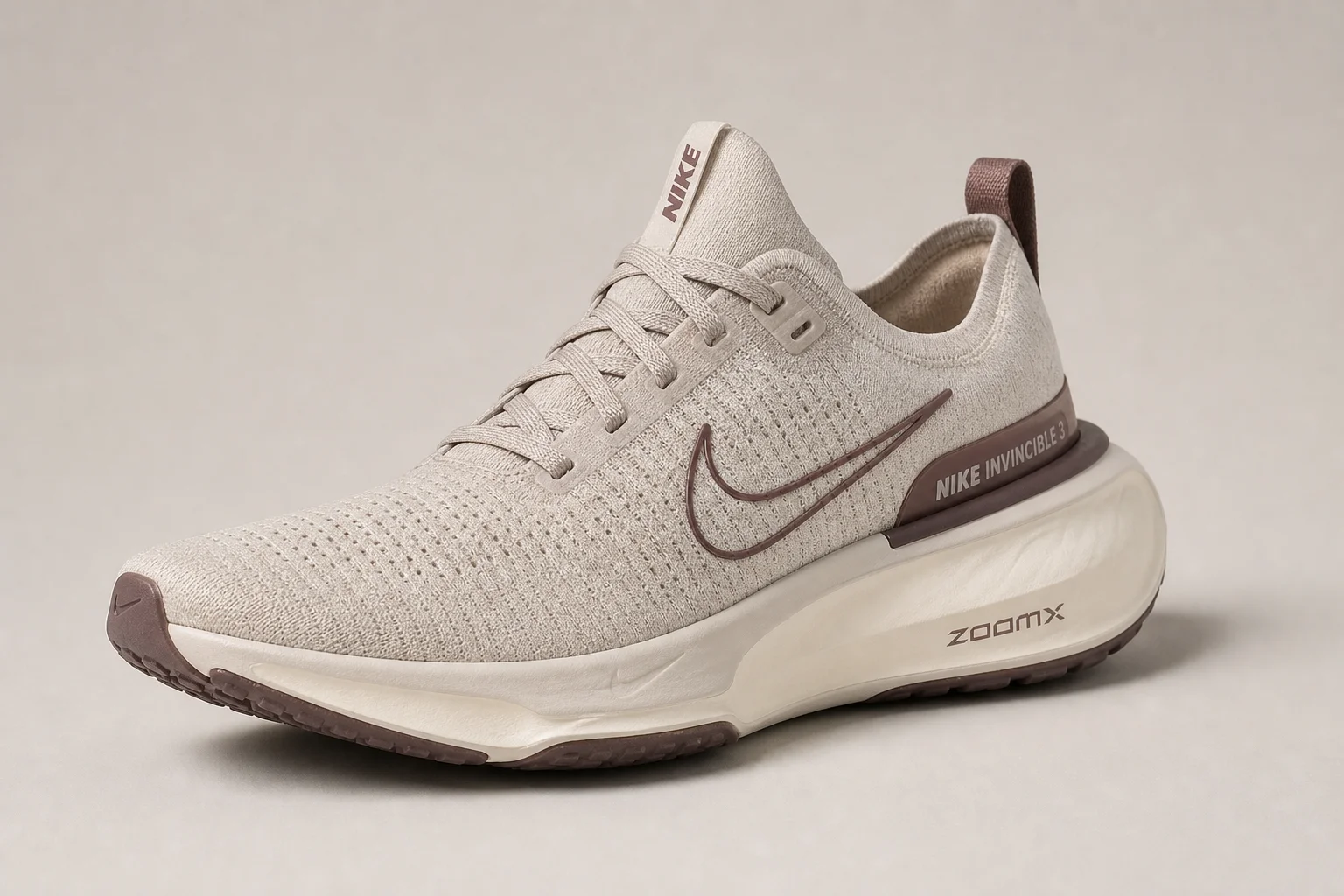
Nike Invincible 3
The Nike Invincible 3 suffered from very similar heel slip issues. Even heel-lock lacing only partially solved the problem, and the shoe remained uncomfortable to run in. For a daily max-cushion trainer that many runners buy for easy mileage, a heel that will not stay put is a disqualifying flaw.
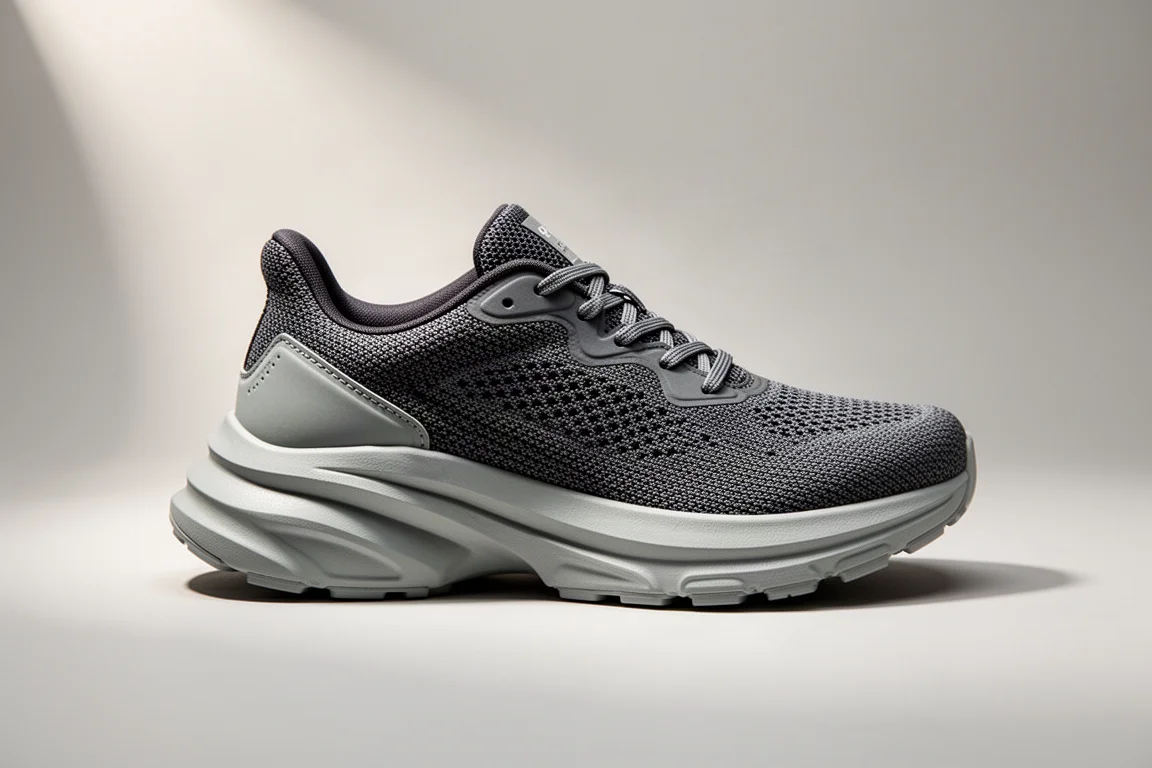
Decathlon Kiprun Carbon
The Decathlon Kiprun carbon shoe was an appealing idea: a budget carbon-plated racer from an underdog brand. The ride felt harsh and unforgiving, it was not particularly comfortable, and ultimately it was simply not fast. Speed is the entire point of a carbon-plated racing shoe, so missing there means missing everywhere.
Head Torches: Petzl Neo Plus vs Petzl Swift RL
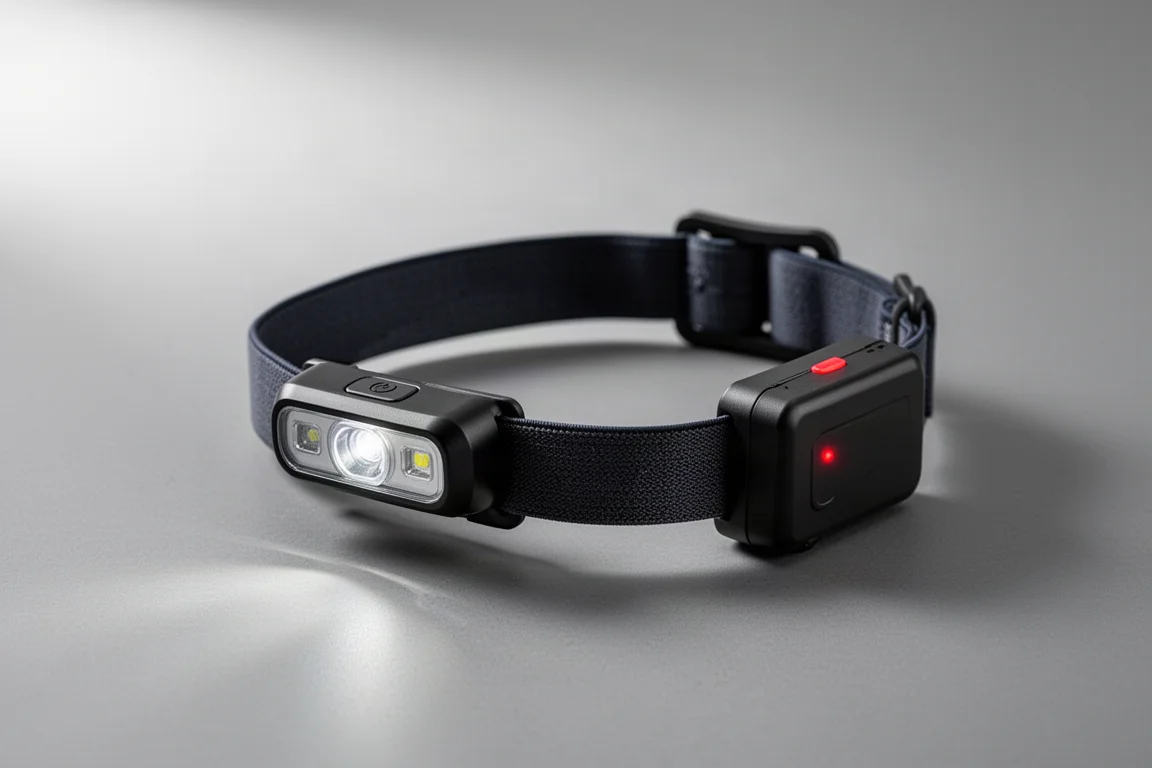
The Petzl Neo Plus appears at many big trail and ultra races, but its popularity is hard to reconcile with how it performs. The rear-mounted battery pack with a flashing red light keeps the torch balanced on the head, and the rear flashlight is handy, but the whole setup is heavy and not very comfortable over long efforts.
Brightness is another weak point. The Neo Plus outputs 750 lumens for roughly six hours of burn time, which sounds reasonable until you compare it with the alternative. The app connectivity is also clunky; fiddling with a phone app while out running is the last thing anyone wants from a head torch.
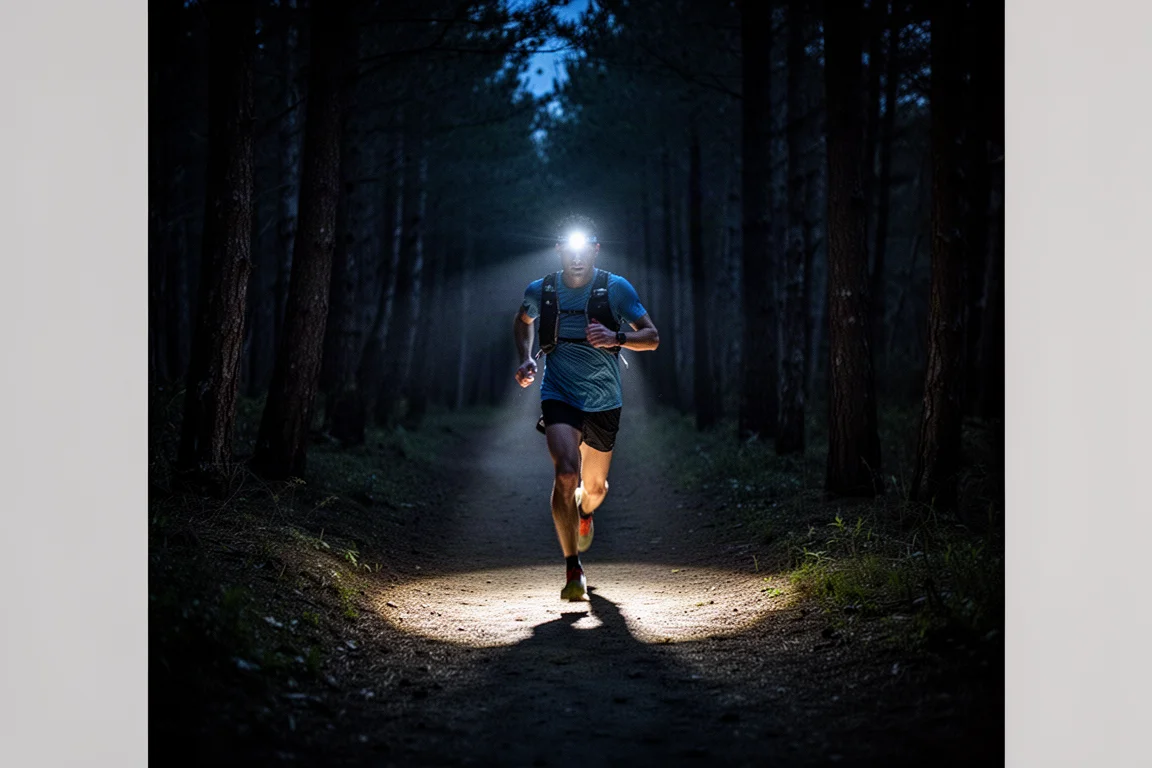
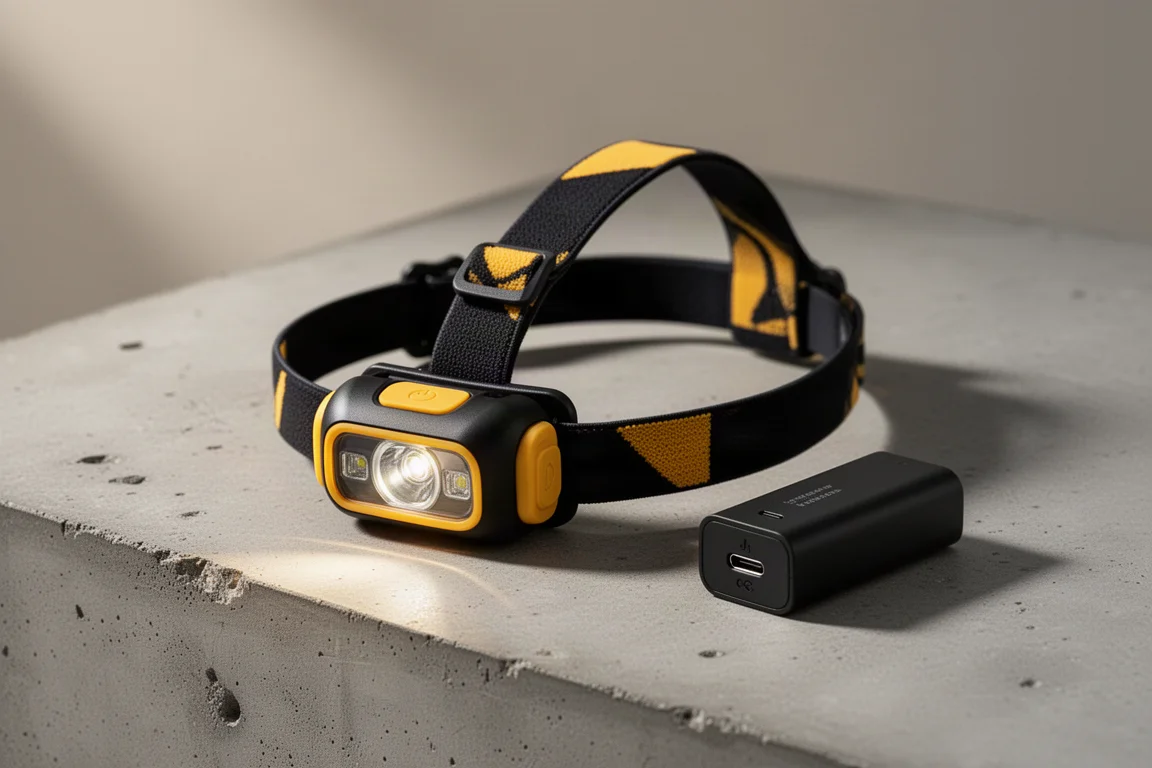
The far better option is the Petzl Swift RL. It is roughly half the weight, coming in just under 100 grams, and brighter at 900 lumens. Battery life is still around six hours, matching the Neo Plus, and it costs roughly half the price. The one trade-off is the missing rear red light, but a small clip-on rear light from Decathlon costs only a couple of pounds and attaches to the back of a pack. Unless you specifically want the rear flashlight built in, the Swift RL is the clearly better value.
Hyperice Venom
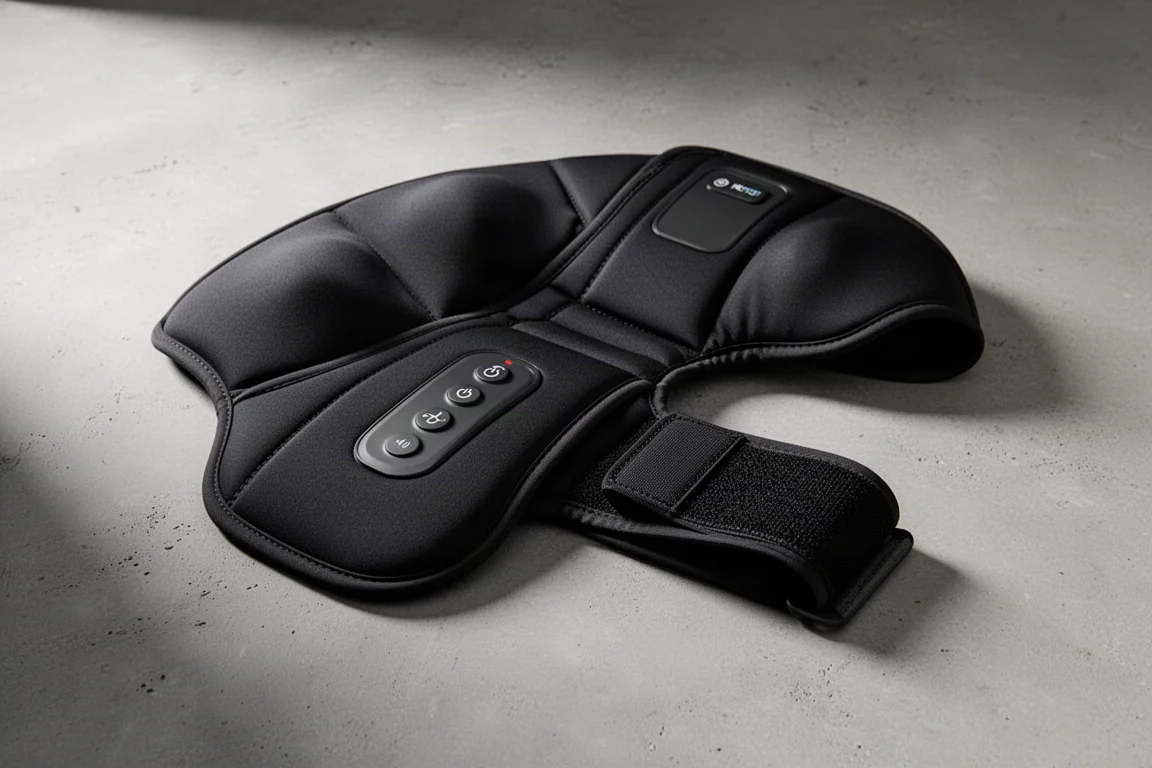
The Hyperice Venom is a wrap you clamp around your knee, quad or, in theory, your calf. It heats up and massages at the same time, which in theory sounds excellent: heat to encourage blood flow, plus massage to loosen the muscle.
In practice, it gets unbearably hot. Even on the lowest of its three heat settings, the device was too hot to tolerate, raising the possibility of a faulty unit but making it effectively unusable either way. The massage feature works okay, but it is not very powerful or deep, so there is little to compensate for the heat problem. At around £180, it was an expensive lesson.
Hyperice Viper Go
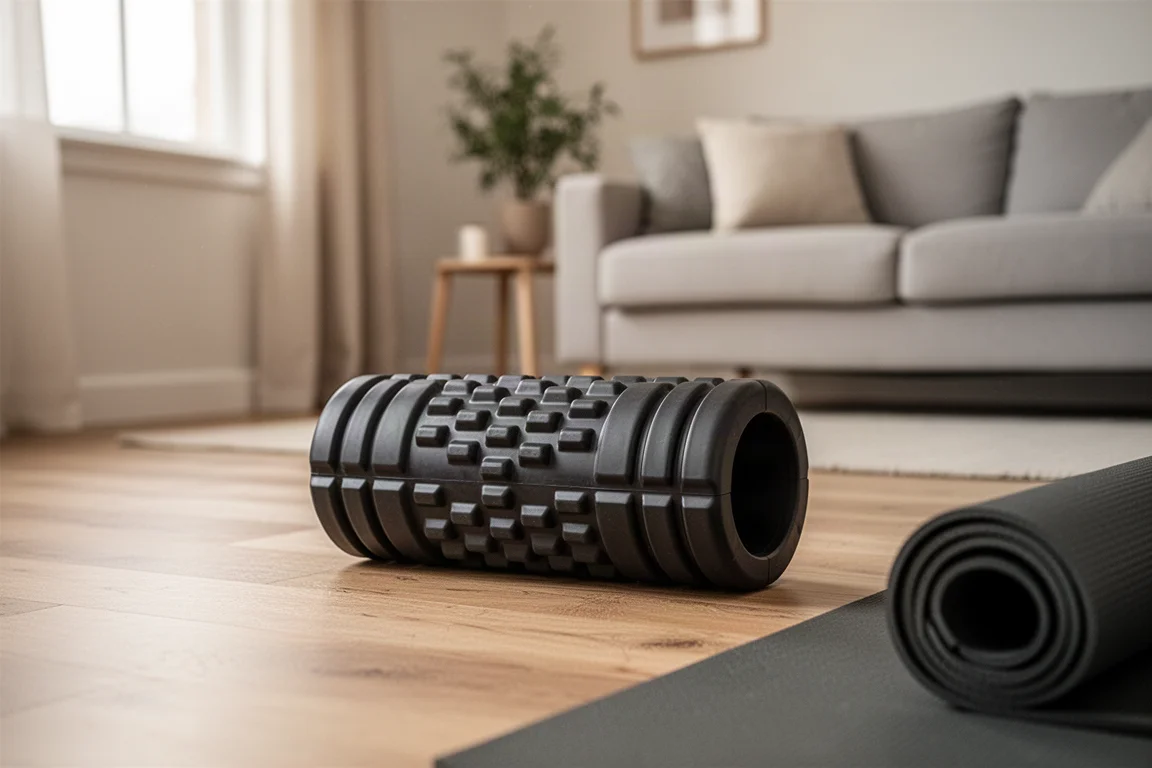
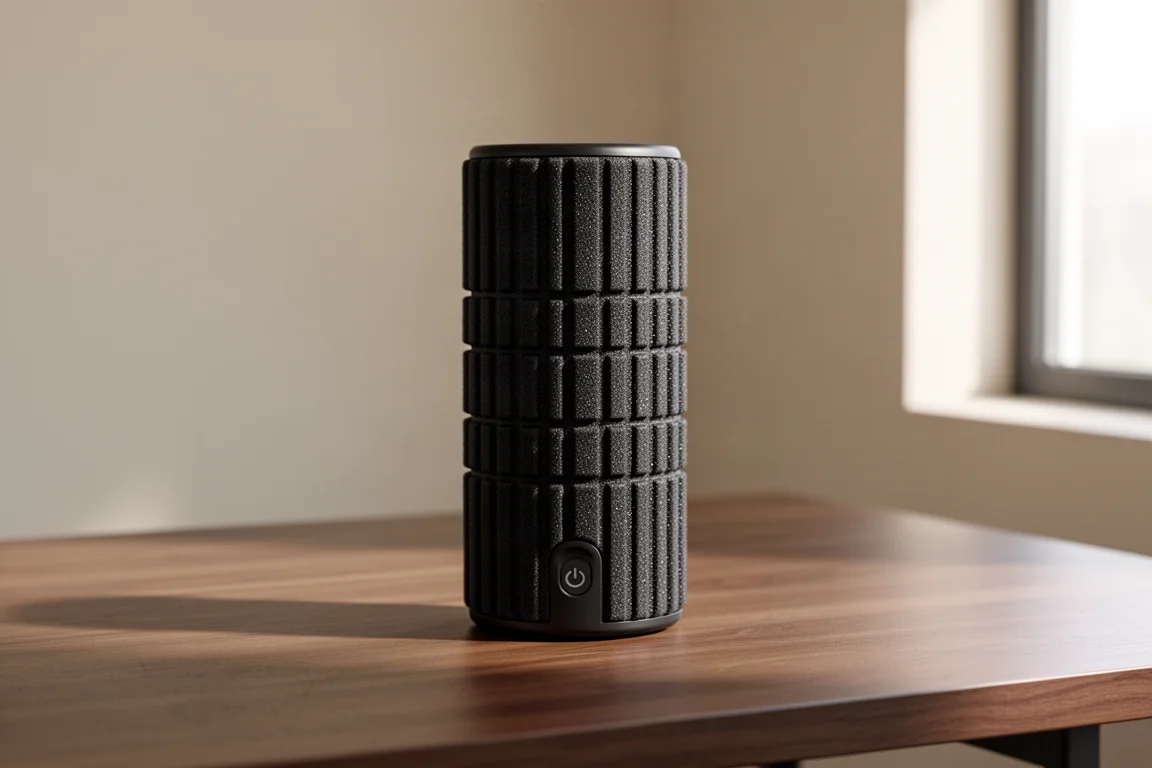
The Hyperice Viper Go is a vibrating foam roller, and the vibration genuinely adds something when working through glutes and calves in the usual rolling way. As a massage tool, it is actually quite good.
The problem is noise. Place it on any hard floor and it transmits vibration loudly through the building. For anyone living in a flat, especially an upper floor, the neighbours will hear every session. In a house with nobody below, it is fine; in a fifth-floor London flat, it is practically unusable. If you live in an apartment, a regular foam roller remains the smarter buy.
PowerDot
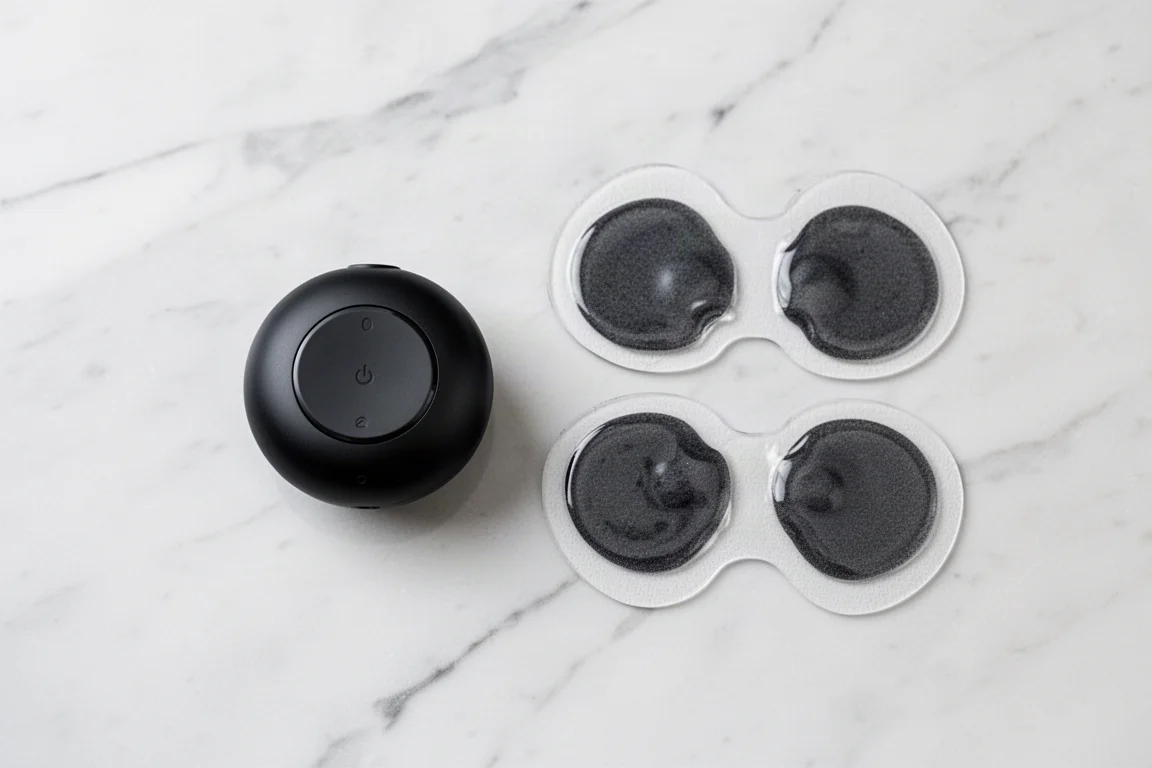
The PowerDot is a muscle stimulation device, bought after a broken ankle to combat muscle atrophy while the leg was in plaster and running was impossible. The concept is sound: electric stimulation to keep the muscle working when you cannot train normally.
Despite regular use, it simply did not feel like it did anything, either for rebuilding the calf or later as a recovery tool. The running costs add up too: the adhesive pads cost around £15 per set and do not last long, especially on unshaved legs where hair shortens their effective life. The device itself cost around £380 when purchased, though prices have dropped since, and it was later resold for a fraction of that. For most runners, the money is better spent almost anywhere else.
Normatec Go
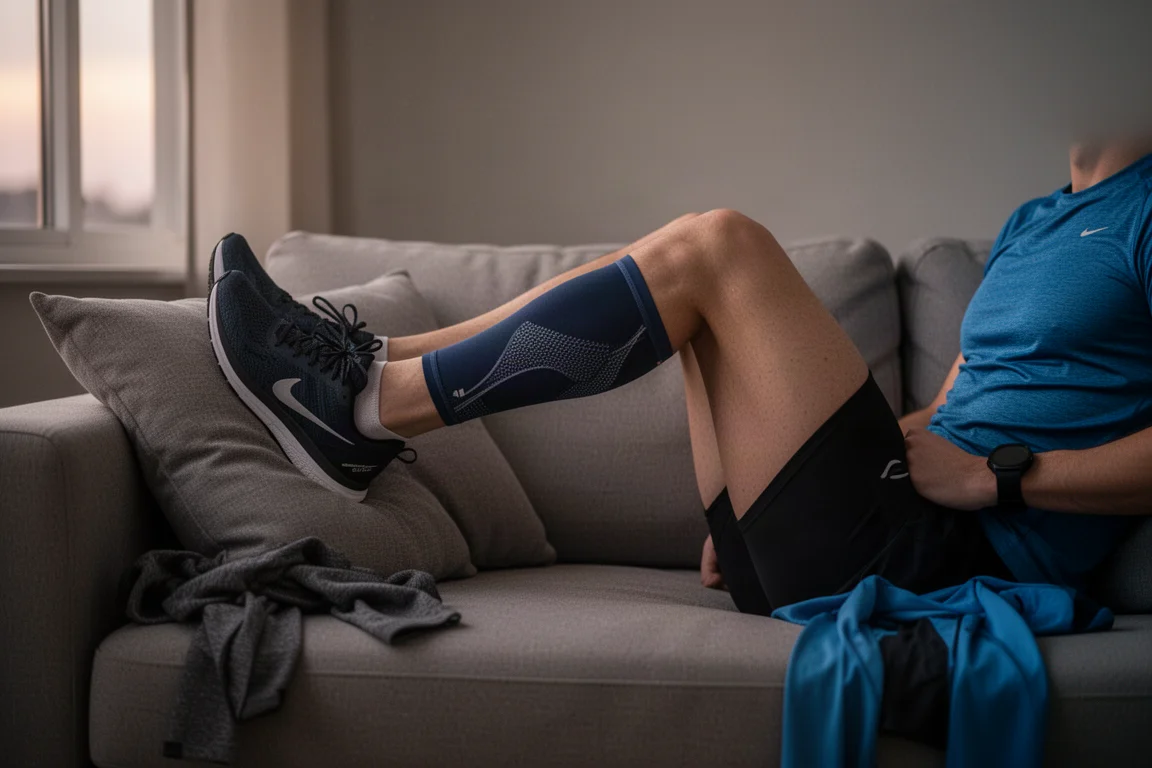
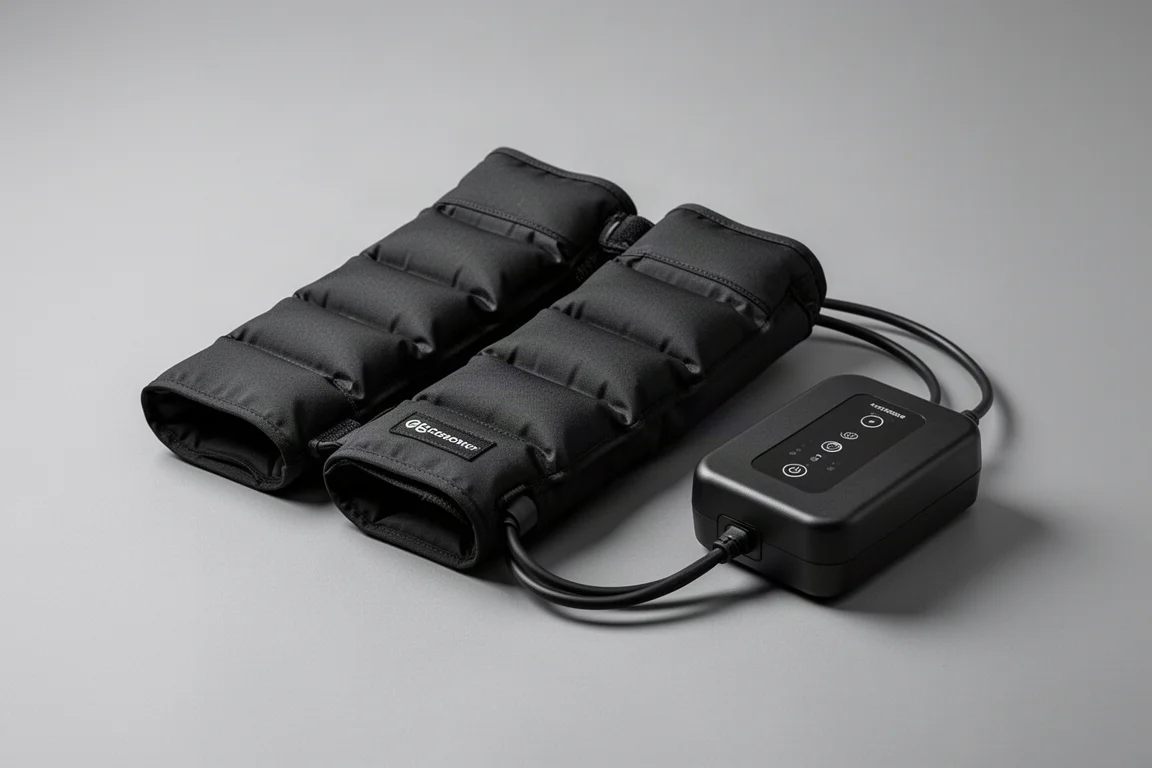
The Normatec Go is a compact, travel-focused version of the full Normatec compression system, with a small air compressor unit and padded chambers that wrap over the calves to encourage blood flow for recovery. Not available in the UK, it had to be imported from the US at considerable expense, though the travel-friendly format did make it far easier to take on a plane than the full-size boots.
The experience went badly wrong. After using it for a couple of days in a row before the Barcelona Marathon, a crippling pain developed at the top of one calf, severe enough that putting weight on the leg was difficult. Three days off running followed, and the race had to be skipped entirely. The device has not been used since.
The lesson: calf-only compression may be too narrow when the goal is flushing out the whole leg. The full-size Normatec boots remain highly rated and are the better choice, even if they are far less portable.
A Note on Cross Country Spikes
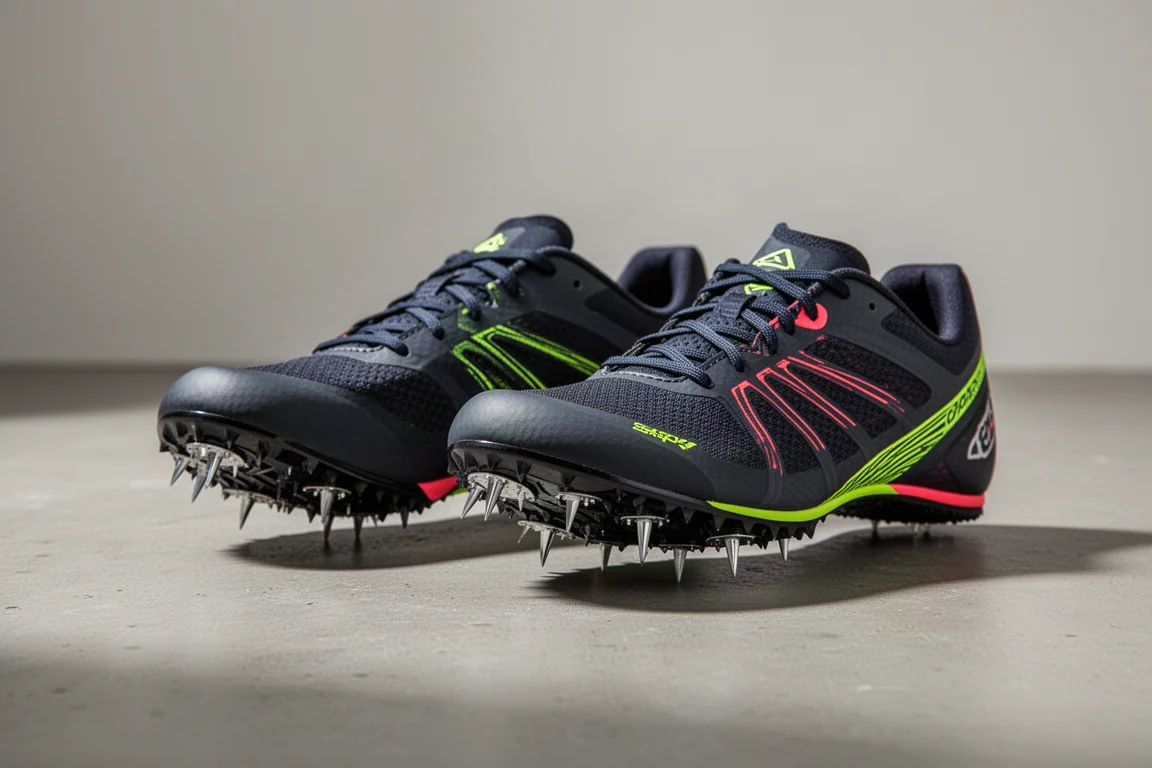
A pair of Nike cross country spikes was bought for a first cross-country race, and the shoes themselves were perfectly good. The mistake was the purchase itself: cross country turned out not to be an enjoyable discipline at all, so the spikes spent their life in a cupboard. The genuine takeaway is more useful than the product verdict. Trying a new type of running with dedicated gear before confirming you like the sport is an easy way to waste money; the social side of running for a club was enjoyable, but trail running remained the real preference.
Better Alternatives Worth Considering
The recurring theme across these failed purchases is that the best alternative is often simpler and cheaper. If you live in a flat, a standard foam roller beats a vibrating one. For head torches, the Petzl Swift RL is lighter, brighter and roughly half the price of the Neo Plus. For recovery, the full-size Normatec boots outperform the calf-only Go, provided you accept the bulk. And for running shoes, waiting for well-reviewed, properly tested models is almost always worth it over gambling on a budget carbon racer.
Conclusion
Most of these products failed not because the underlying idea was bad, but because execution, fit or circumstances got in the way. Heel slip ruined three otherwise promising shoes, excess weight and gimmicky app pairing undermined a popular head torch, and recovery gadgets either overheated, made too much noise, felt ineffective or caused an injury scare. Before buying any running gadget, ask what problem it actually solves and whether a simpler option would do the job for less money. Your future self, and your bank balance, will thank you.
Further reading
Related Reviews
Running Gear
Best Running Caps 2026: Nine Tested Options for Summer and Winter
A comprehensive guide to nine running caps tested across different conditions, from lightweight summer options to waterproof winter choices.
Running Gear
Best Running Caps: A Guide to Summer and Winter Options
A comprehensive review of nine running caps for different conditions, styles, and preferences, from lightweight summer options to waterproof winter choices.
Running Gear
Best Running Gear 2026: Five Picks That Earn Their Place
Five running upgrades covering heart rate, audio, fuelling, carrying and weather protection, with the trade-offs worth knowing before you buy.