Tool Reviews
Worst Products Ever Tested: 12 Tools and Accessories to Avoid
From knockoff power tool batteries to jack stands that fail at 95 pounds of lateral force, these are the products that performed worst in independent side-by-side testing.
Introduction
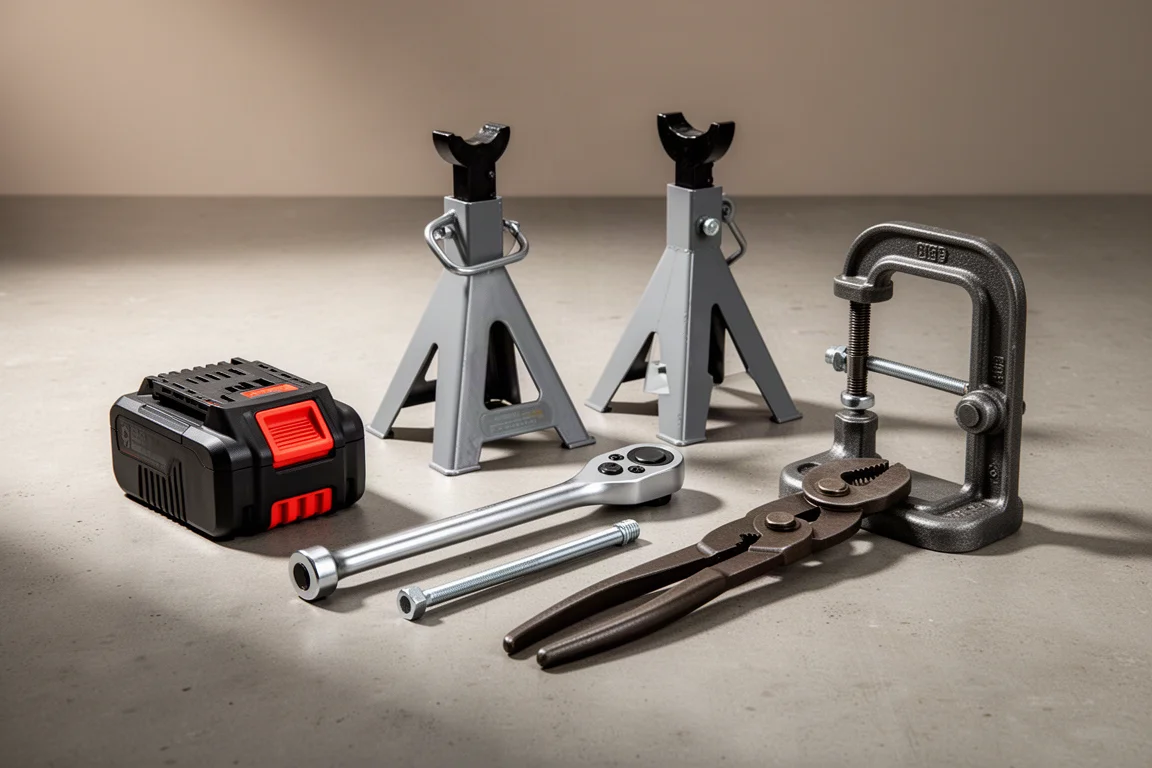
Not every product deserves your money, and some deserve a warning label instead. This roundup collects the worst performers from independent side-by-side testing: power tool batteries that deliver a fraction of their rated capacity, jack stands that fail at half the lateral force of competitors, and hand tools that bend before the job is done. Every product here was tested against better alternatives under the same conditions, so the comparisons are fair and the conclusions are worth taking seriously.
How These Products Earned Their Place
Each product on this list failed a measurable test, not just a subjective impression. Batteries were run down under a consistent load, jack stands were pushed with a force gauge until they gave up, ratchets were measured for back-drag and failure torque, and cutters were squeezed against nails, screws, and drill bits. If a claim could not survive contact with a scale or a tester, it landed here.
Genuine Milwaukee M18 6.0Ah Battery
The genuine Milwaukee M18 6.0Ah battery is the benchmark that exposed several of the products on this list. On a 150W fan load, it ran for 39 minutes and 15 seconds, more than twice as long as the knockoff batteries it was compared against. Driving 5-inch lag bolts with a drill, it reached 183 in-lbs, and with an impact driver it averaged right at 6 seconds per bolt.
An angle grinder test showed the same story: the Milwaukee kept working for over 6 and a half minutes where the knockoffs quit in seconds. It also passed short circuit testing safely. If you own Milwaukee tools, sticking with the genuine battery is the simplest reliability decision you can make.
Emti 6Ah Knockoff Battery
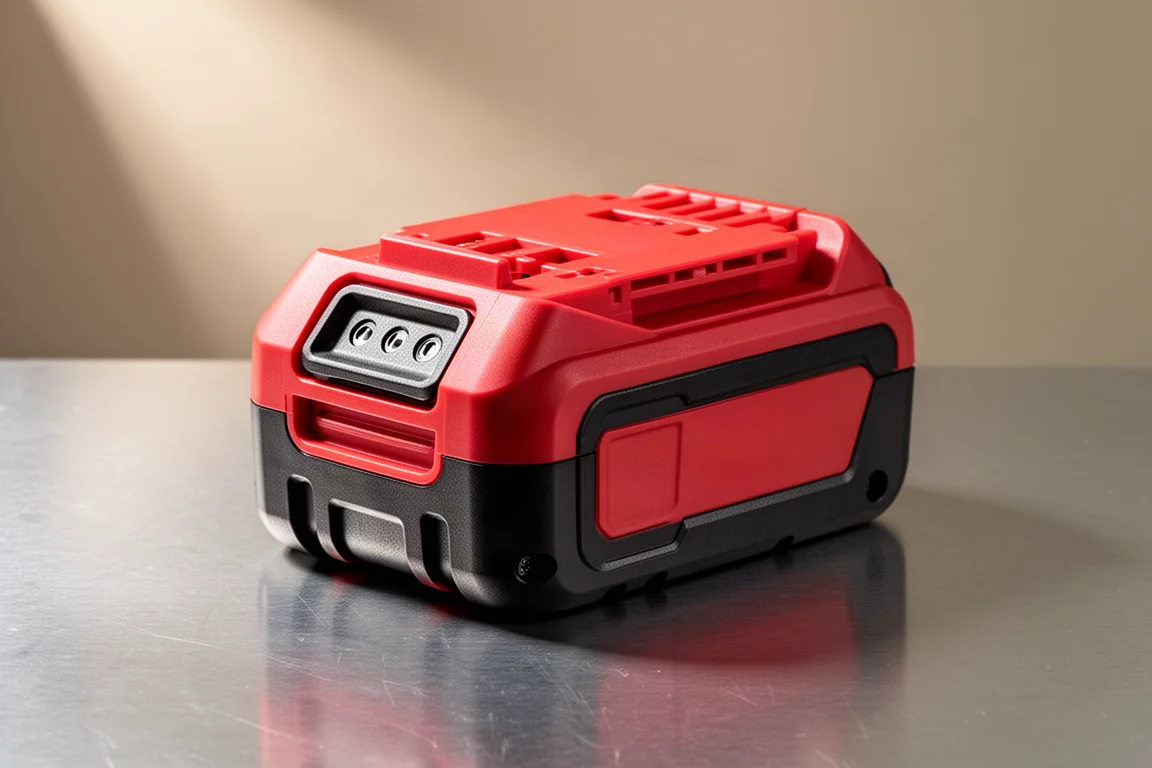
The Emti claims 6 amp hours at a very tempting 26 dollars, but the first red flag is physical: it weighs 596 grams while the genuine Milwaukee weighs 1,077 grams. On the same 150W fan test, the Emti ran out after just 15 minutes and 51 seconds, and it finished last among every battery tested.
The gap only widened under real tool loads. It gave up at 89 in-lbs driving lag bolts, less than half the Milwaukee’s figure, and averaged over 7 seconds per bolt with an impact driver. With an angle grinder it quit after only 10 seconds and refused to power up again. Most concerning, short circuit testing saw it spike to 123 amps with current not dropping to zero for nearly 8 seconds, which makes it, in my assessment, an unsafe battery.
The pattern across every single test was the same: dead last. A battery-powered tool is only as good as its battery, and this one undermines the entire tool.
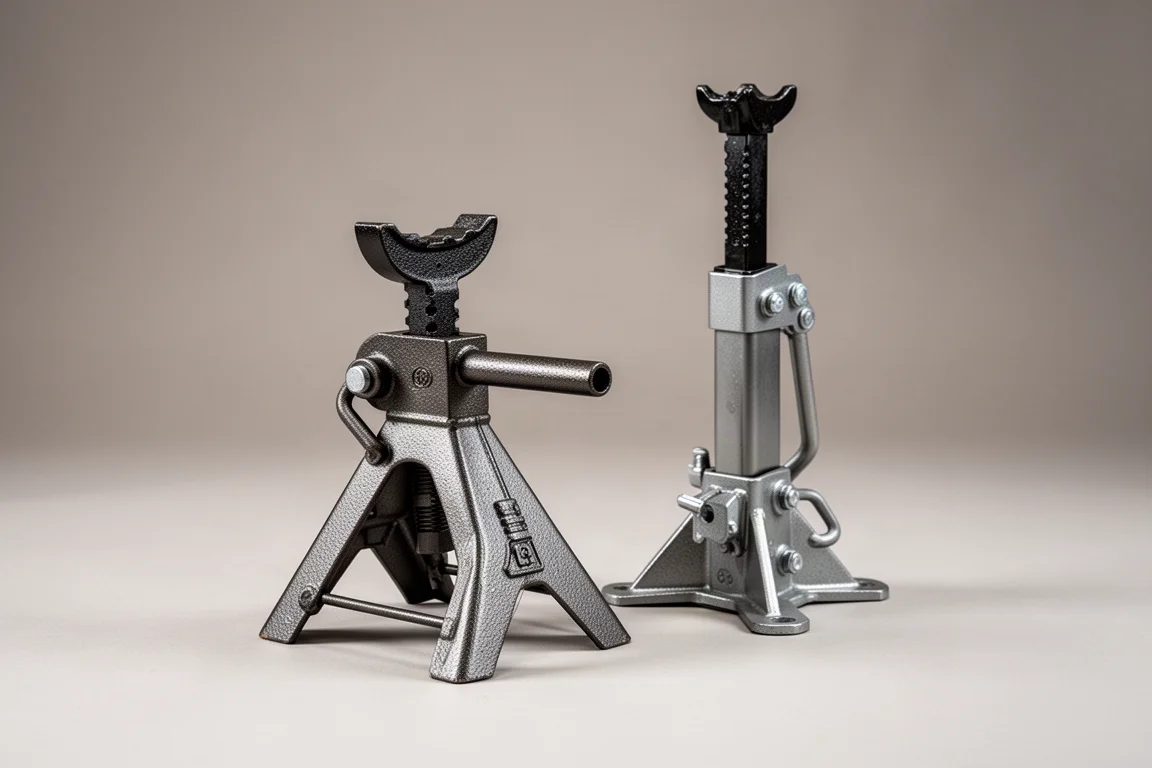
ZSP 6-Ton Jack Stands
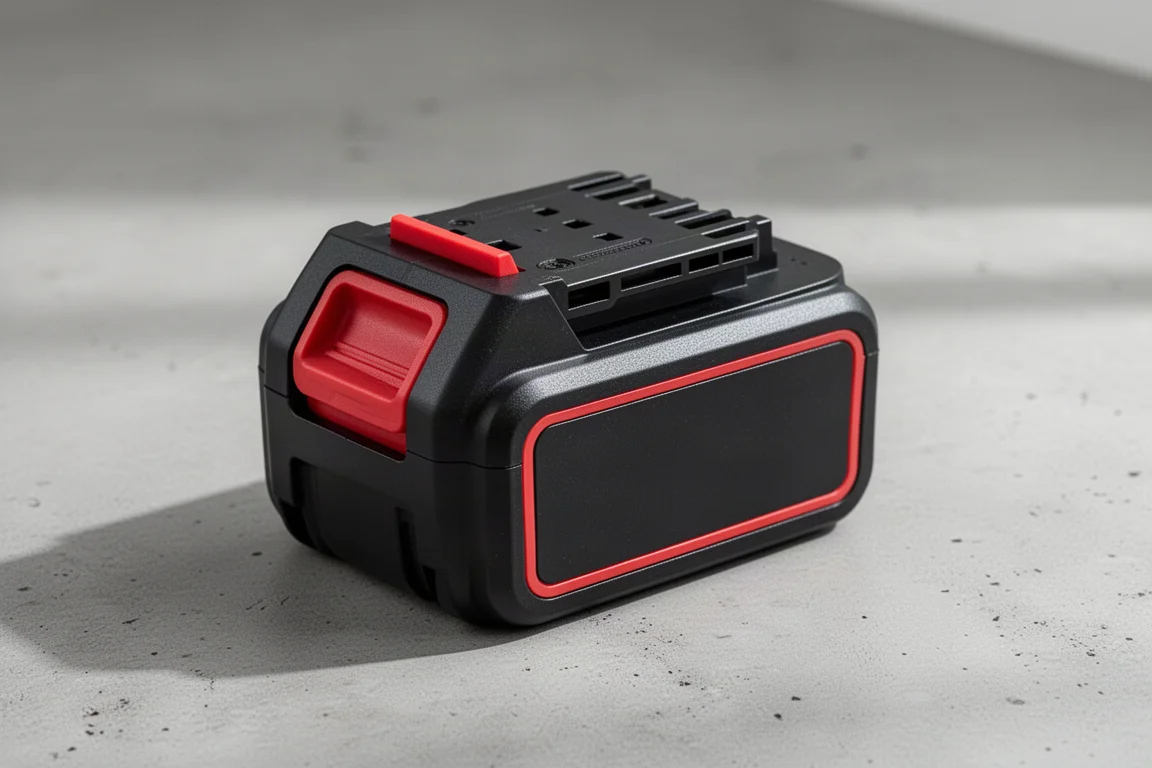
If you ever crawl under a vehicle, your safety depends entirely on your jack stands. The ZSP claims to be a 6-ton adjustable stand that is “steady as a rock,” and it is anything but. The build quality is light duty, and it showed the most side-to-side movement of any brand tested at 3/4 of an inch.
In the critical lateral force test, most stands held past 180 lbs before tipping. Both ZSP stands broke at only 95 lbs of lateral force, making them the most dangerous jack stands tested. In crushing tests, other brands survived over 20,000 lbs, while the ZSP started shedding parts around 5,000 lbs. At roughly 178 dollars for the set, it is expensive insurance you should not buy.
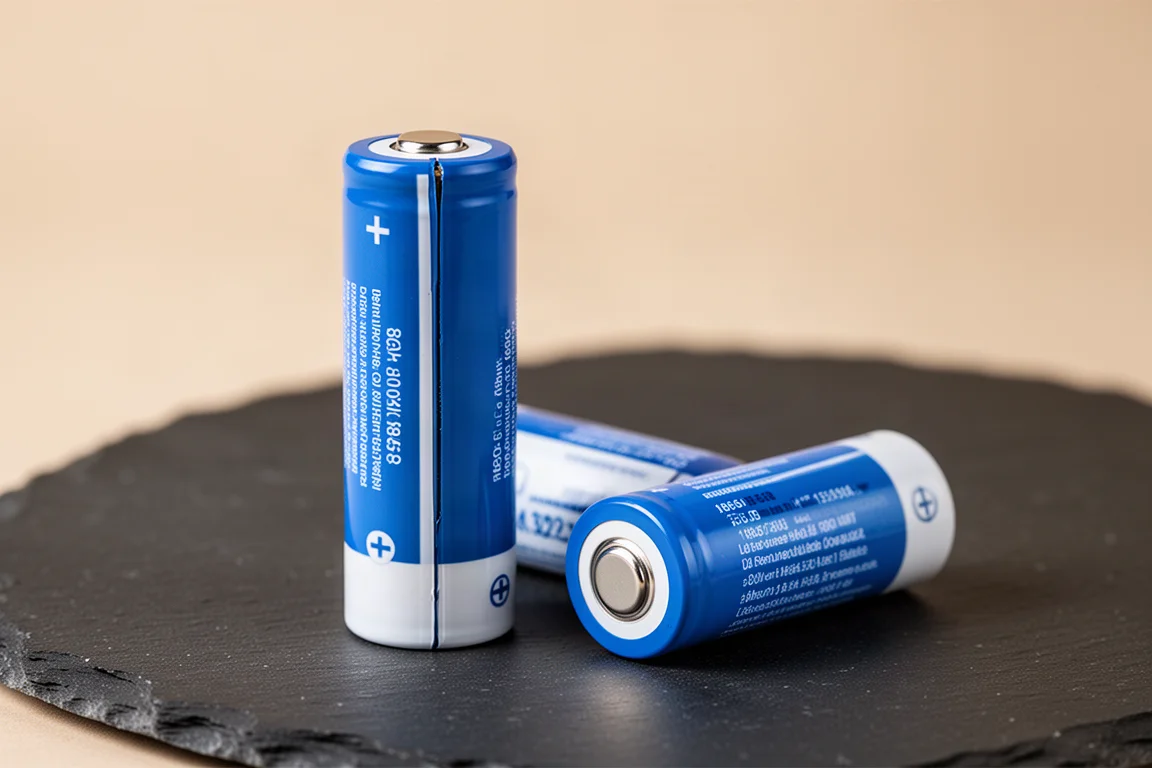
UltraFire 9800mAh 18650 Battery
18650 cells power headlamps, portable fans, and even tool batteries, and the UltraFire claims an eye-catching 9,800 mAh rating. The reality: the two tested cells delivered measured capacities of only 1,230 and 1,163 mAh, roughly 12 percent of the claim. A Panasonic rated at just 3,500 mAh actually weighs more, which tells you how little is inside the UltraFire shell.
Internal resistance came in at 48 and 31, compared to 11.7 for name-brand Samsung cells. Under load the story repeated: at only 2 amps the voltage sagged to 3.8V, and it was effectively done at 6 amps with 1.66V. Fan runtime was 102 minutes, less than half that of the Japanese and Korean cells. In cold testing at around 6 degrees Fahrenheit it still managed only about 12.5 percent of its rating, while quality brands delivered 90 to 100 percent.
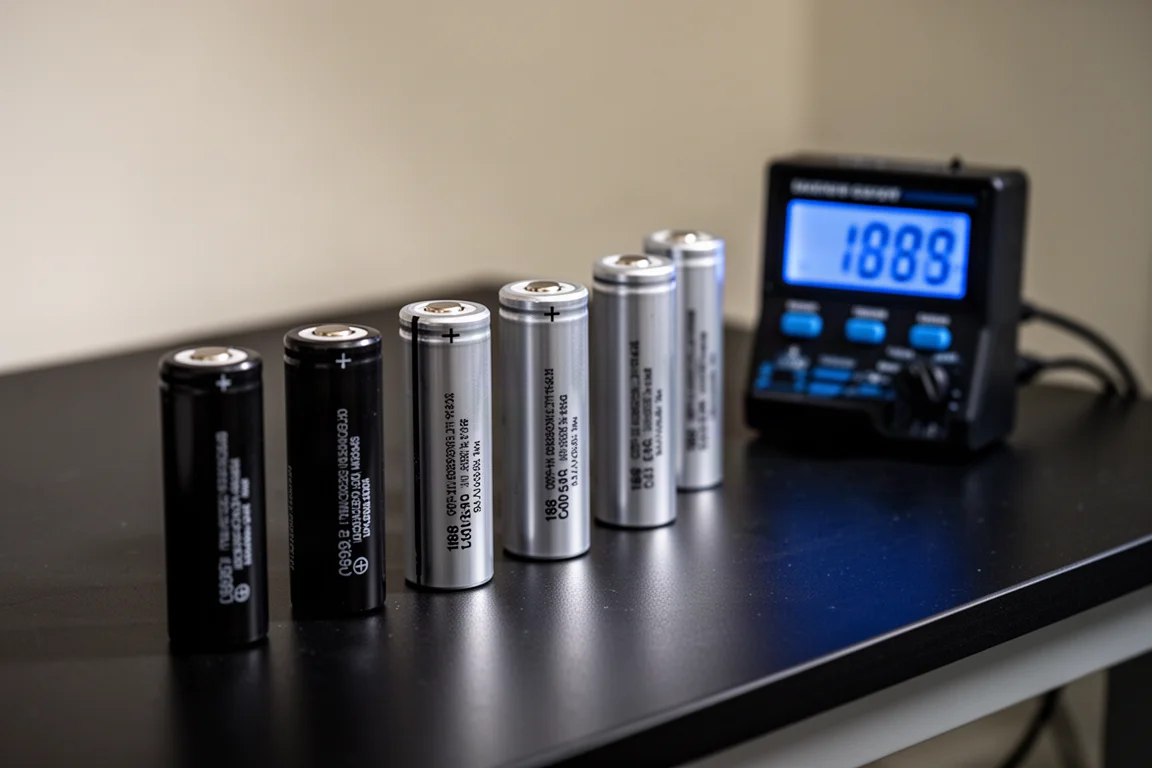
When a battery lies this badly about its capacity, it is not just disappointing, it is a gamble with whatever device you put it in.
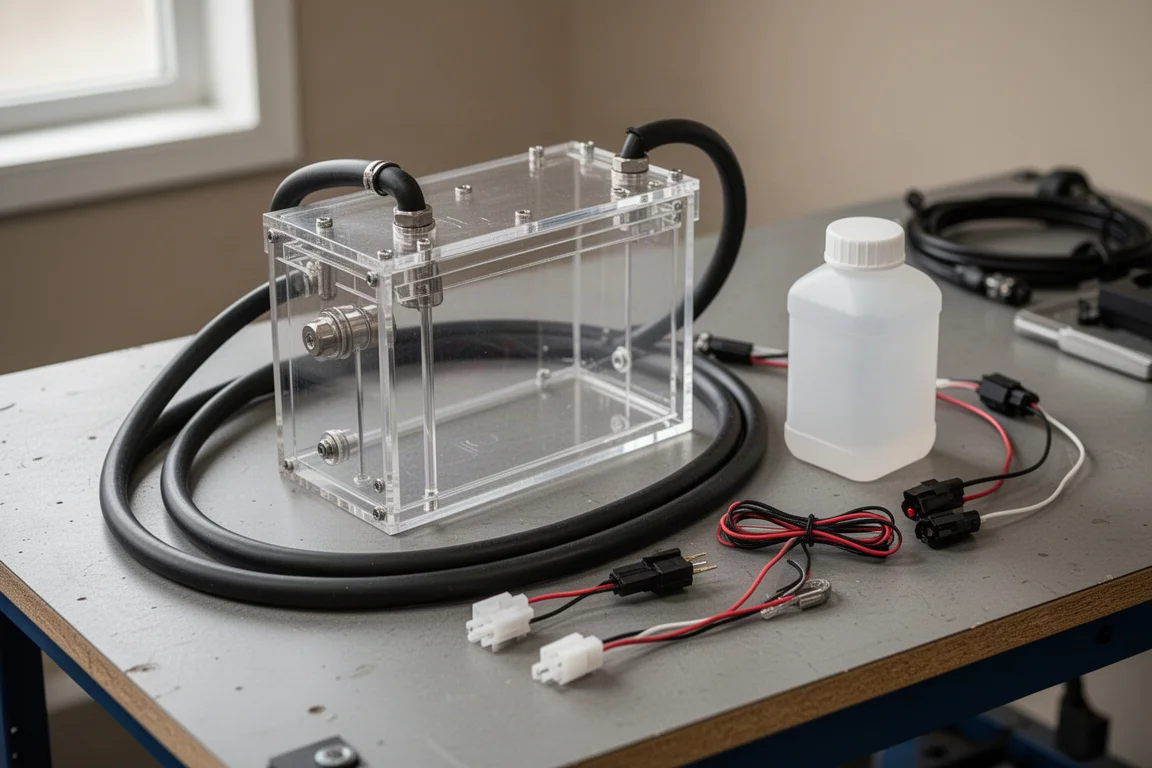
HHO Oxyhydrogen Generator Kit
The pitch is seductive: for around 200 dollars, this kit claims to reduce fuel consumption by up to 35 percent, cut emissions, extend engine life, and even improve torque and acceleration. The kit includes a dry cell hydrogen generator, hoses, a water and electrolyte canister, a bubbler, and wiring, and installation requires permanent modifications like drilling into the air intake assembly.
Real-world testing found none of it. Zero-to-60 runs were actually slightly slower with the kit active, spark plugs and combustion chambers showed no visible improvement, and a fuel-injected generator ran 10 seconds less on the same fuel with the kit installed, then 21 seconds less on a second run. The gas routed back through the system is highly explosive, so you are taking on genuine risk for zero benefit. As tested, it failed to deliver on a single claim.
Drill Circular Saw and Angle Grinder Attachments
Two drill attachments earned their place here the hard way. The circular saw attachment, at under 20 dollars, took about 5 minutes to assemble with no instructions and cut a maximum depth of about an inch. Cutting through 1-inch oak, a genuine Milwaukee circular saw finished in 1.3 seconds with a clean edge, while the attachment vibrated heavily, wobbled at the output shaft, and left a rough cut. Held together, it is awkward for anyone and sketchy to operate.
The angle grinder drill attachment is worse. A drill spins at 2,000 to 3,000 RPM, but a grinder spins about three times as fast, and the setup suffered severe wobble from misalignment. It managed to drill through a 2x4 and a piece of mild steel, but 10,000 RPM at a drill chuck is simply too fast to be safe. Both attachments are more likely to cause an injury than a quality cut.
Malco Metal Cutting Shear
Not every drill attachment is junk, and the Malco metal cutting shear is the proof. It cut through aluminum flashing with ease and handled 20-gauge steel cleanly, making it a genuinely useful addition to a drill. It stands in sharp contrast to the saw and grinder attachments above: the Malco makes fast, consistent cuts where the cheap attachments wobble and stall.
If you regularly work with sheet metal or flashing, this is one drill attachment actually worth owning.
Performance Tool 3/8-Inch Ratchet
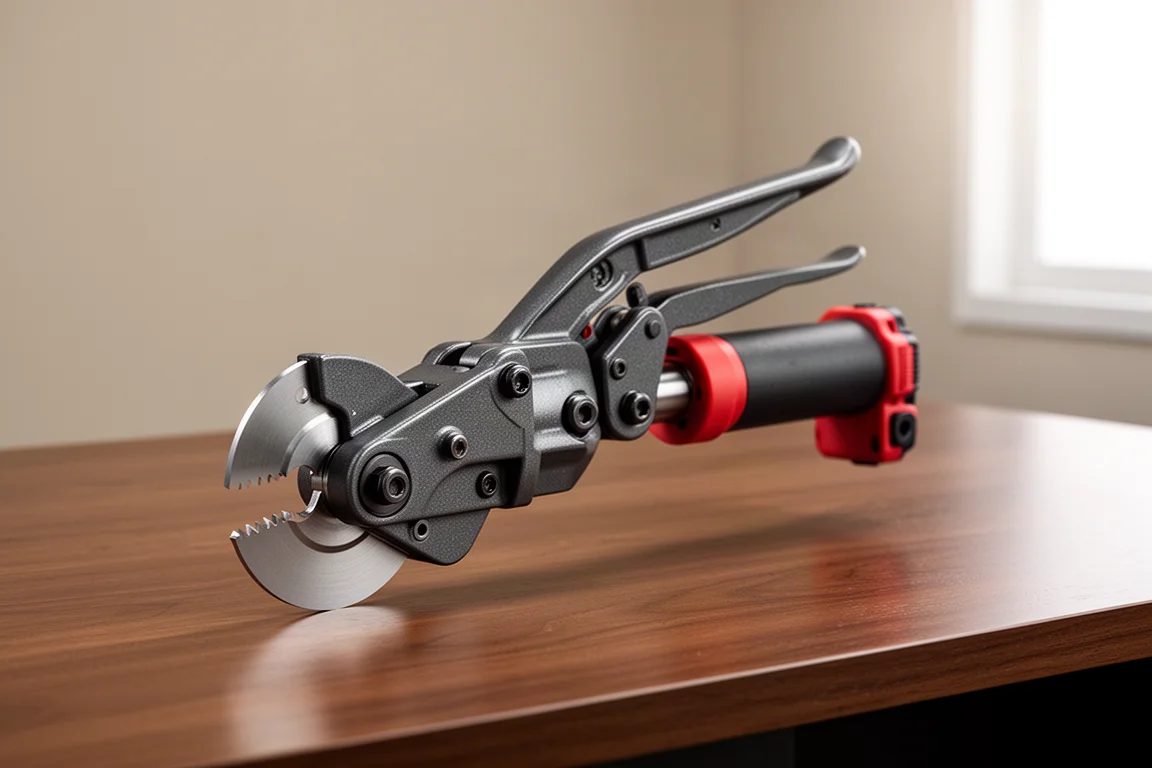
A 7-dollar price tag is the first clue, and the Performance Tool 3/8-inch ratchet did not recover from it. In a 30-degree working space test, its sloppy gear set took 39 right-to-left swings to complete a single full rotation, while the GearWrench 120 and Icon Pro finished in less than half the passes.
Back-drag measured 698 grams, more than double several affordable competitors. The directional lever took 1,561 grams, about 3.5 lbs of force, to flip, the worst of any brand tested. The final blow came in the failure test: this class of ratchet should handle 200 ft-lbs easily, but the Performance Tool bent at only 58.4 ft-lbs, with visible internal damage. Every other ratchet made it past 200 ft-lbs.
Performance Tool Bolt Cutters
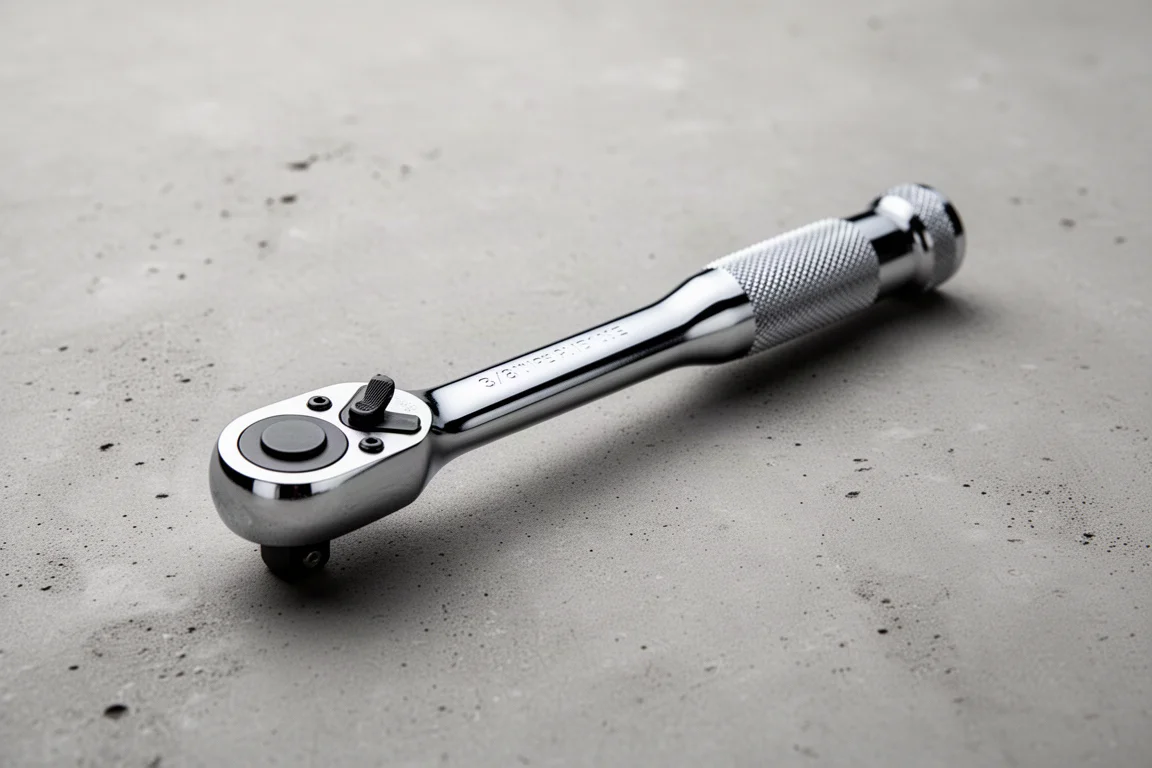
Performance Tool managed a second entry on this list with its bolt cutters. On a 16-penny nail it performed respectably at 114 lbs of squeeze force, close to the cheaper Genedford’s 120 lbs, but the comparison with quality brands was brutal: KNIPEX cut the same nail at 62 lbs and Capri at 61 lbs.
The deck screw test ended the contest. At 164 lbs of handle force, the Performance Tool’s lower jaw bent badly while the screw itself survived untouched, the only brand that failed that test. On a 3/16-inch drill bit, quality brands cut through at 134 to 166 lbs, and the best overall designs exceeded 300 lbs before any failure. The Performance Tool finished dead last, and its cutting knives took real damage along the way.
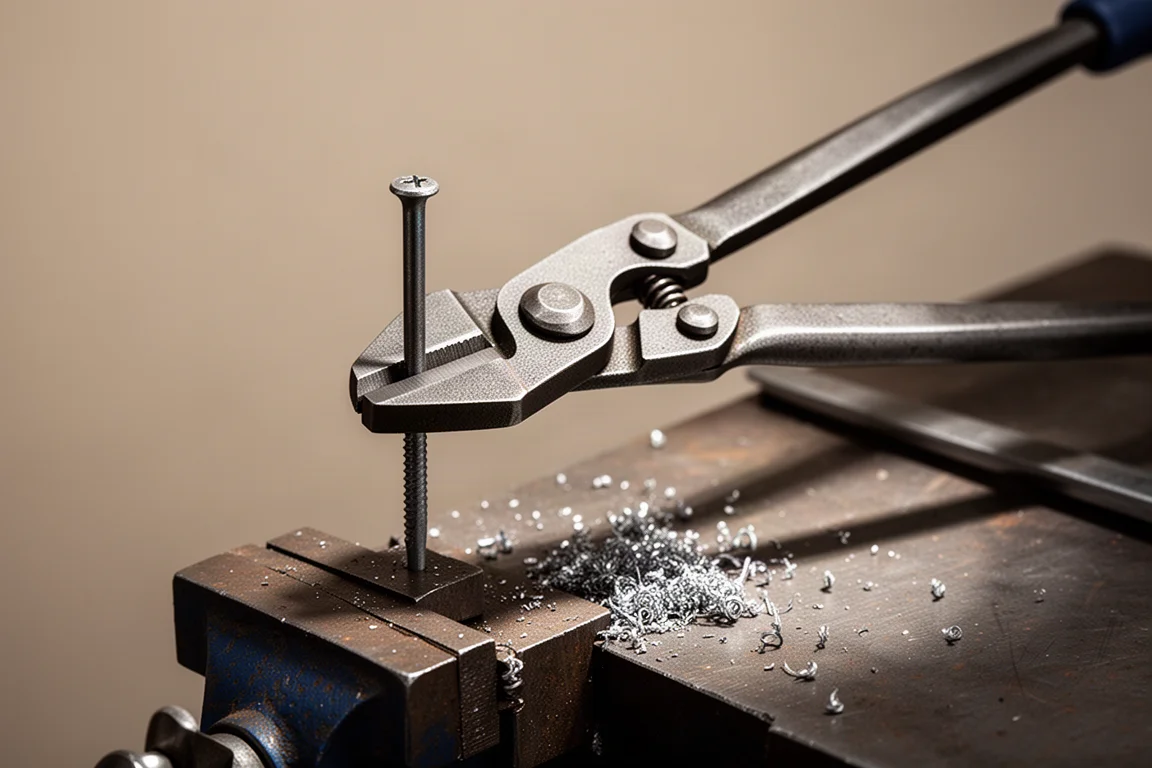
A deck screw should never beat a bolt cutter. When it does, you have found a product to avoid.
Shop-Tech 6-Inch C-Clamp
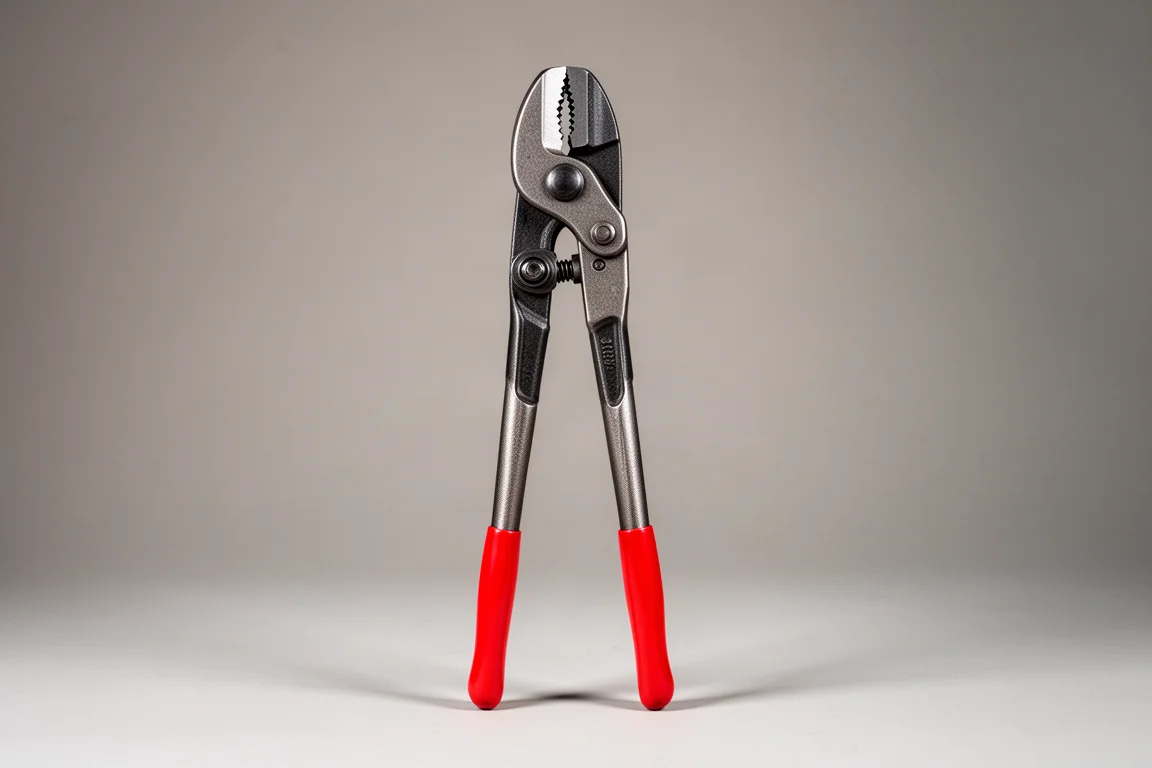
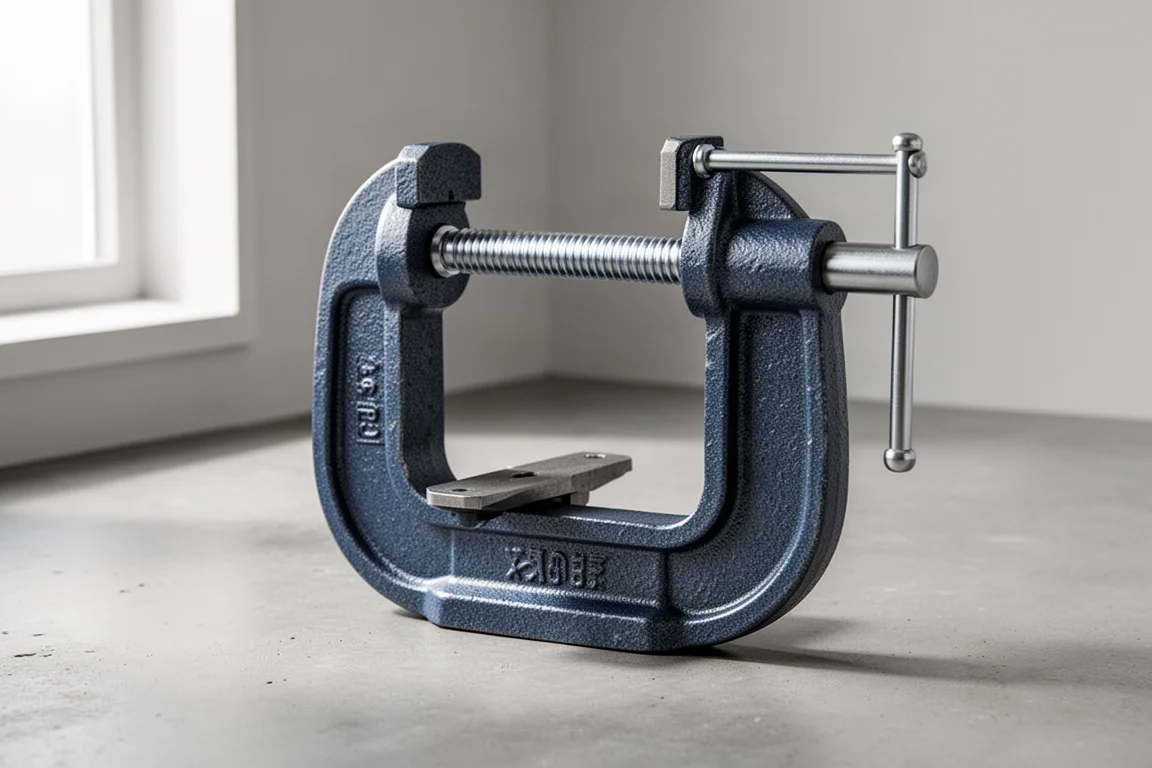
The Shop-Tech SE C-clamp advertises 6-inch capacity but actually offers only 5 and 5/8 inches of real capacity, and its reach is a shallow 2.25 inches. With an equal 50 in-lbs applied to every handle, it produced just 396 lbs of clamping force while the best brands delivered over 1,000 lbs, and its adjustment screw felt gritty rather than smooth.
It also showed 0.095 inches of adjustment screw slop, enough to let a workpiece shift out of position. In the swivel head test it slipped at just 56 in-lbs, and in the holding-force test it failed in two directions at 980 lbs. The frame did hold nearly 2,200 lbs before damage, and the handle bent at 812 lbs, but by every clamping metric that matters, it finished a distant last.
Illinois Industrial Tools Diagonal Cutters
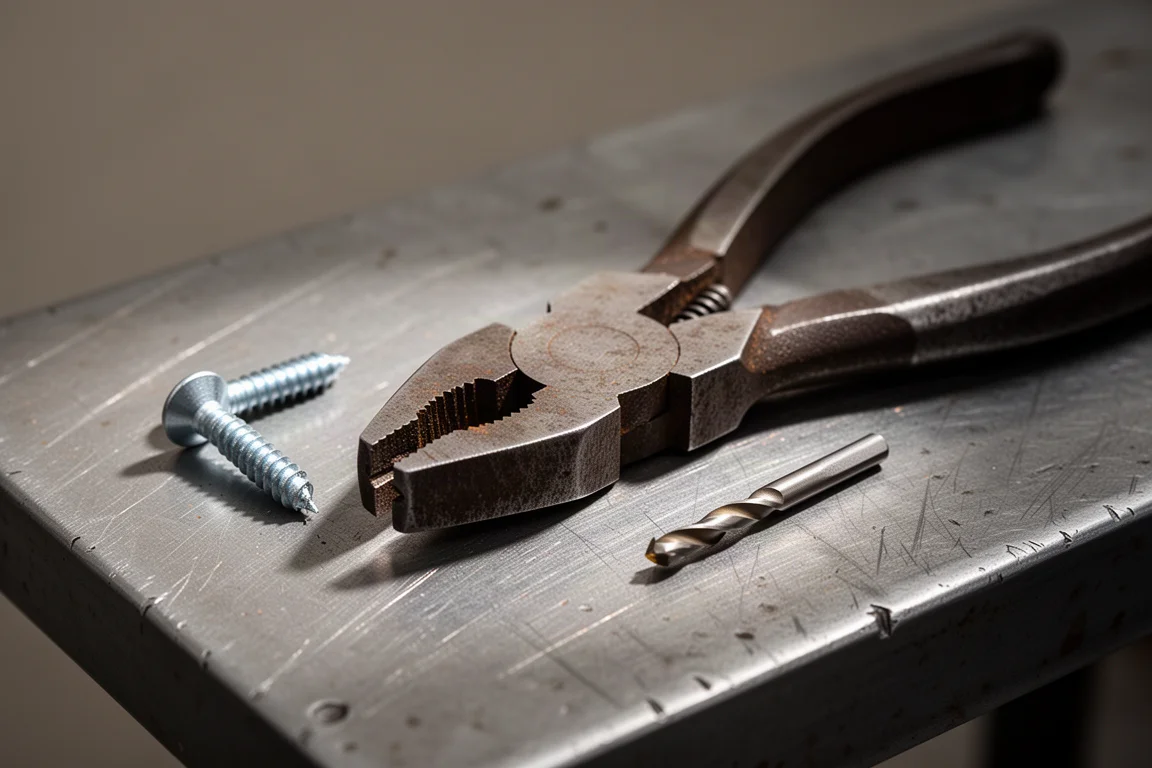
The name suggests American manufacturing, but these diagonal cutters are made in China, not Illinois, and the trouble starts with an extremely loose axle joint that produces inconsistent cuts. Cutting a 16-penny nail took 195 lbs of squeezing force, likely two hands, while the Irwin managed the same nail at 78 lbs and Channellock at just 73 lbs.
On a deck screw, the Illinois Industrial cutters failed entirely, giving up at 342 lbs with the screw still intact. Every one of the competing brands cut nails, screws, and drill bits more easily, and every one posted a higher failure load. Out of 15 brands tested, this pair finished last in the opening round and never climbed out.
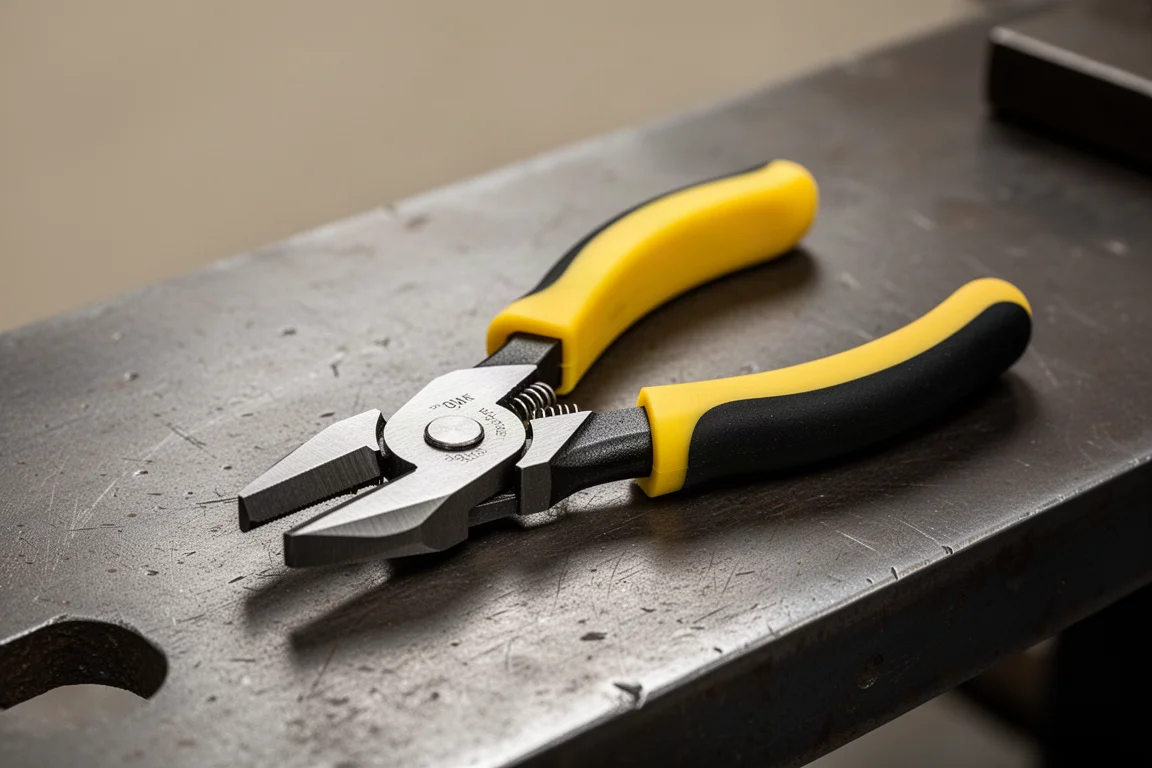
Good diagonal cutters do not need to be expensive; the very affordable Irwin pair outperformed these in every single test. That is what makes this product so easy to skip.
Buying Advice
The pattern across this list is consistent and worth remembering the next time you shop. Knockoff batteries cut weight and capacity before they cut price, so pick up any battery and compare it to the genuine article. Safety gear like jack stands deserves brand-name money, because the consequences of failure are not measured in dollars. And in hand tools, the gap between a 7-dollar ratchet and a slightly better affordable brand is enormous; cheap usually costs more the second time you buy it.
Conclusion
Every product here failed a measurable test against a better alternative, from batteries delivering 12 percent of their claimed capacity to jack stands breaking at half the lateral force of competitors. The good news is that in nearly every category, a well-reviewed, reasonably priced alternative exists that passed the same tests comfortably. Spend the small amount extra, and these are problems you will never have.
Further reading
Related Reviews

Tool Reviews
Best Mechanic Tool Sets 2026: Ten Sets Tested for Real Workshop Performance
Ten mechanic tool sets compared across wrench strength, ratchet efficiency, back drag, adapter durability, and overall value.

Tool Reviews
Best Tools of 2025: Top Performers Across Nine Categories
A roundup of the standout tools from a year of head-to-head testing, covering drills, saws, blowers, mowers, trimmers, and more.

Tool Reviews
Metmo Fractal Vise 32 and Dual M18 Battery Adapter: Two TikTok Finds Put to Work
We bought two tools that keep showing up in our feed: a fractal vise that clamps almost anything and a dual battery adapter that promises more power and runtime.