Power Tools
Worksite Cordless Stick Welder Review: Battery-Powered Welding That Actually Works
A cordless stick welder running on four 18V batteries that held its own on 10mm steel, with a few quirks worth knowing before you buy.
Introduction
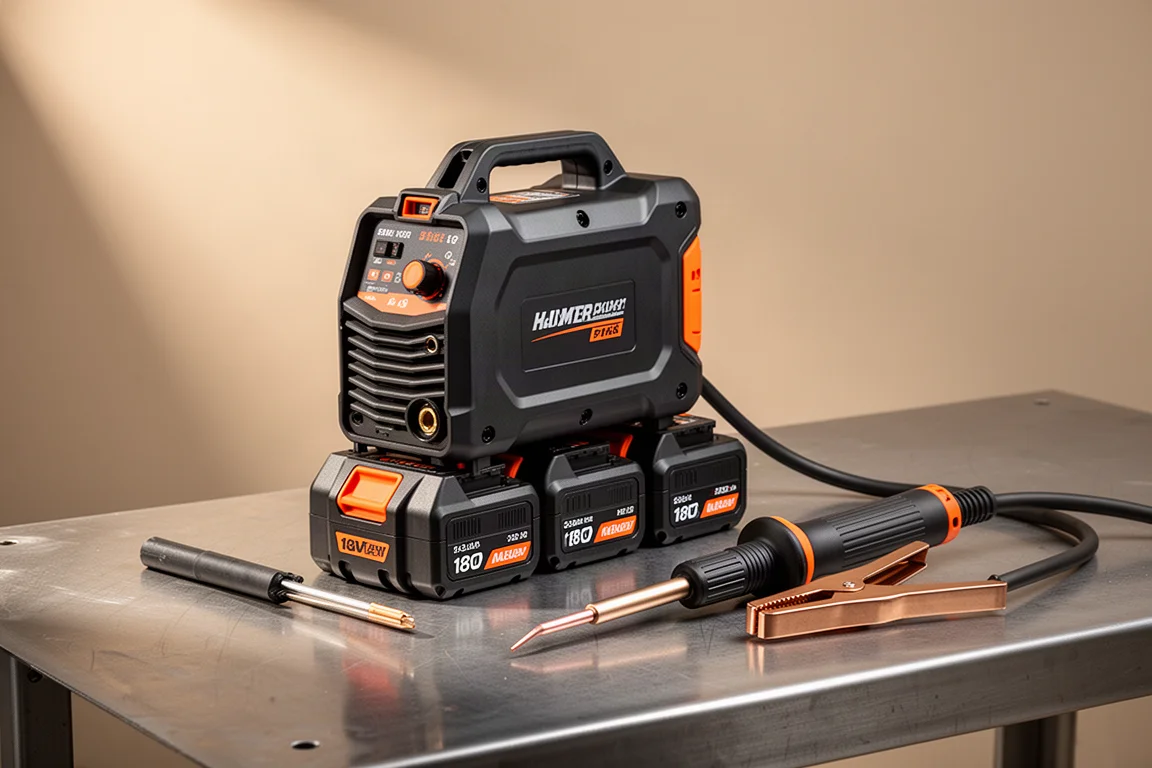
Cordless welding sounds like a contradiction. Welding is the kind of job that eats power, and battery tools usually struggle with anything that draws a serious load. That is exactly why the Worksite cordless stick welder caught attention: it runs on four 18V batteries, claims up to 120 amps of output, and costs a fraction of what a traditional stick setup with a generator would. After putting it through a genuinely tough first test on 10mm steel, the short version is this: it works, and better than skeptics would expect.
Who This Product Is For
This welder makes the most sense for people who need welding away from mains power. Farm and lifestyle block owners are the obvious fit: if you need to drive down into a paddock and repair a gate or a bracket, four fully charged batteries will realistically get the job done. It is also appealing for anyone already invested in the Makita 18V platform, since the tool runs happily on Makita LXT batteries.
It is not a production welder, and it is not going to turn a beginner into a craftsman. Stick welding takes practice, and this machine does not change that. What it does do is let you strike an arc anywhere, without a generator or an extension lead.
What’s in the Box
The package includes five welding rods, so you can get started without a separate trip to buy consumables. There are also two small mounting brackets included, presumably so you can hang the leads or rods on the tool itself, though the documentation does not explain what to do with them.
One quirk worth knowing up front: the manual is thin. There are roughly two and a half pages on how to charge a battery, and about one page on the welder itself, with a handful of lines and pictures that do not explain much. The controls are learnable by playing with the tool, but do not expect a deep instructional manual.
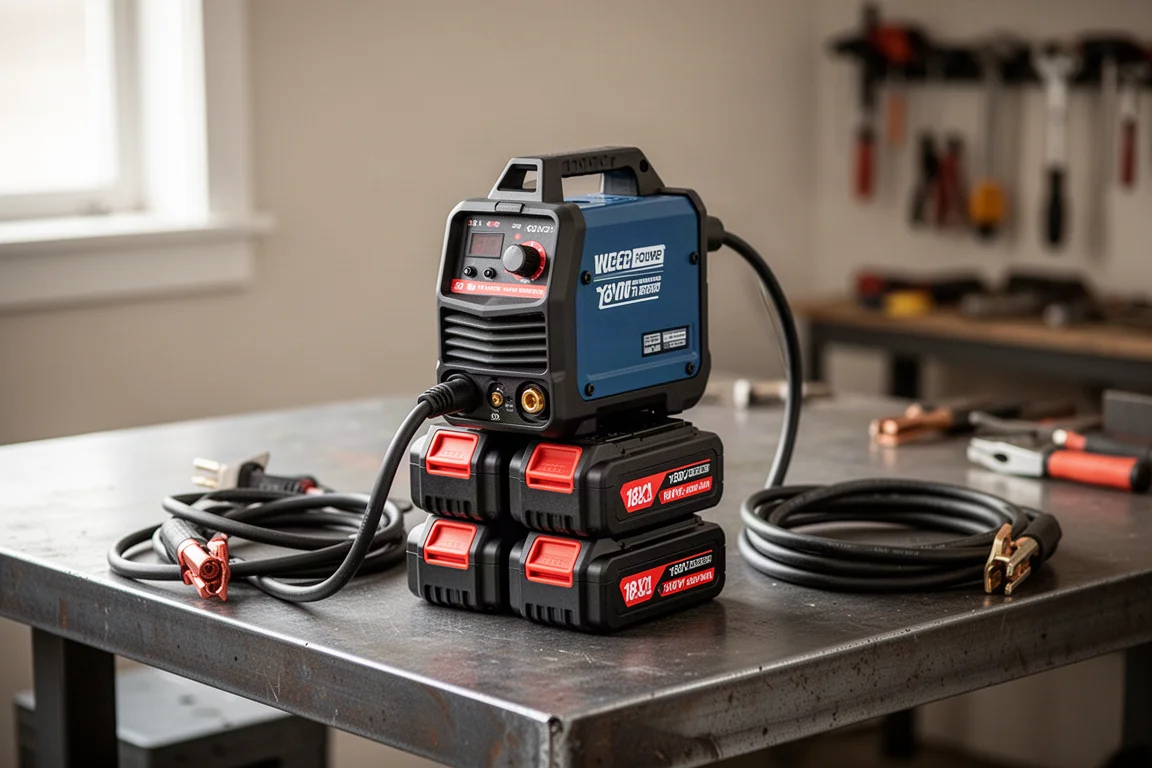
A USB port is built into the welder, which is an odd inclusion. It works, but charging a phone anywhere near an active welding arc is not something most people will actually do.
Controls and Settings
The amperage range runs from 5A up to 120A, and the unit reached around 55V at full output on the test unit. You also get a hot start function with its own adjustable amperage, and an arc force setting that also dials down to a low floor and up to 50. Holding the adjustment button speeds up the value changes, which makes dialling settings in reasonably quick once you get the hang of it.
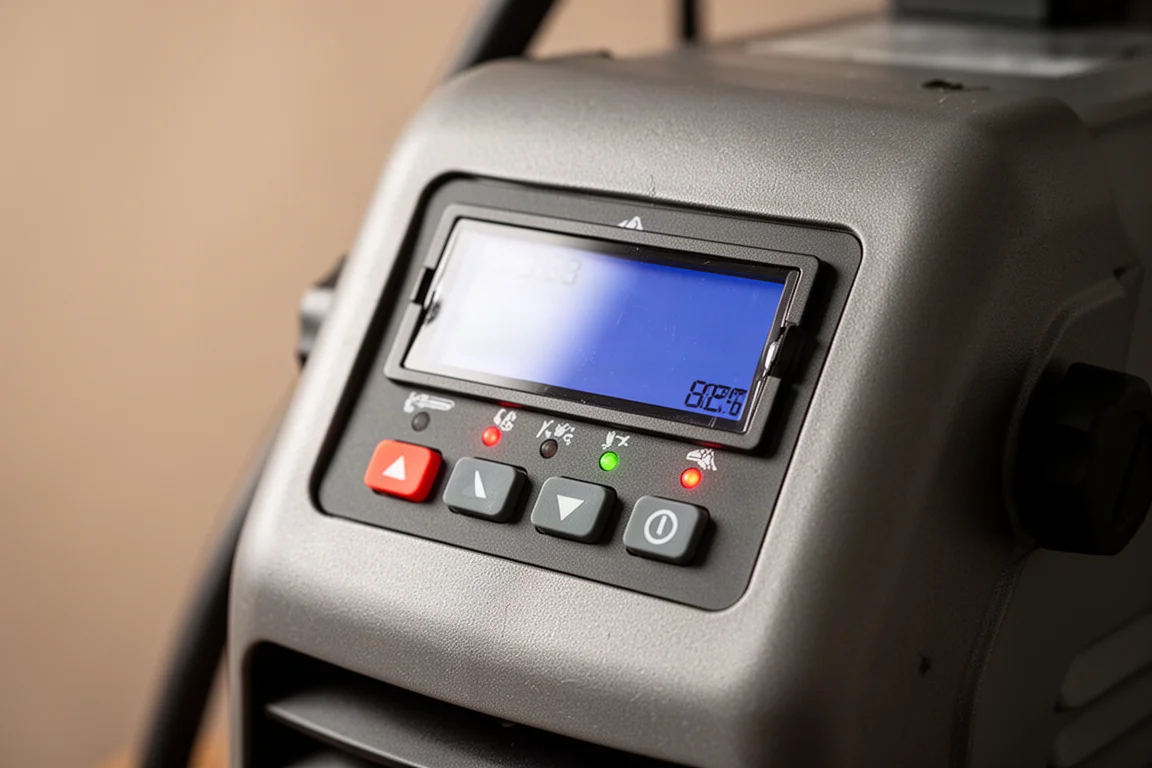
One connection on the tool is labelled as a MIG connection, but there is no wire feed on the unit. In practice, that means it could only ever run flux-cored wire with separate equipment, and no gas setup is possible without an additional feeder unit. Stick welding is clearly what this tool is built for.
Real-World Welding Test
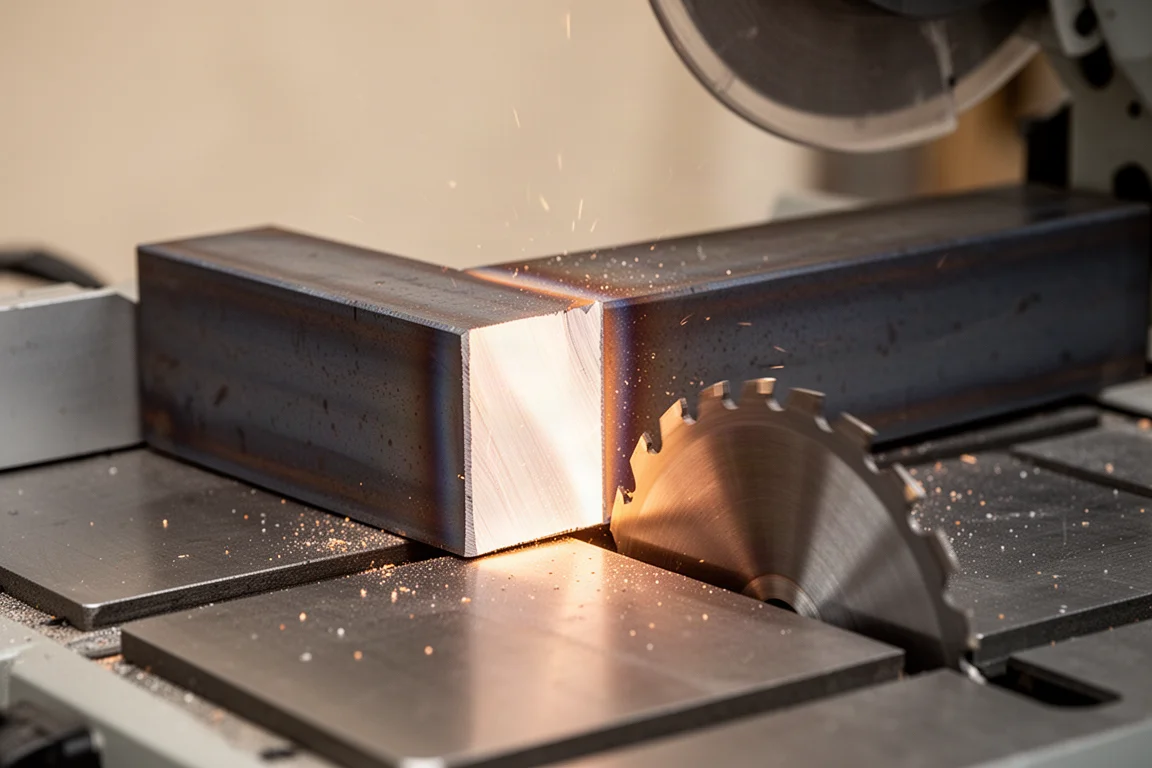
The test was deliberately brutal: cutting a 10mm thick piece of steel with a metal cutting saw, then welding it back together. Before welding, the cut edges were cleaned up with a grinder and flap wheels to strip the mill scale, since a beveling tool would have been the proper preparation but was ruled out on price.
The rods strike up easily, which is one of the nicer surprises here. Arc initiation is a common pain point with cheap stick welders, and this one lights without much drama. A cooling fan kicks in during use and shuts off after.
Once the welding was done and the slag chipped off, the joint held firm under a hammer test. The weld itself was admittedly ugly, done by someone rusty after nearly two decades away from stick welding, but the joint behaved as a proper weld should. The machine handled thick material without complaint, which was the biggest question mark going in.
It is worth being honest about the limits: this is not a weld to trust structurally in a house frame. But for a repair bracket, a gate, or farm hardware, the tool has more than enough capability in practiced hands.
Battery Life and Run Time
Welding is about the harshest possible load on batteries, and the expectations going in were low. In practice, the drain was surprisingly moderate. After a full test session on fresh 18V batteries, the packs still showed around three bars remaining and were only slightly warm.
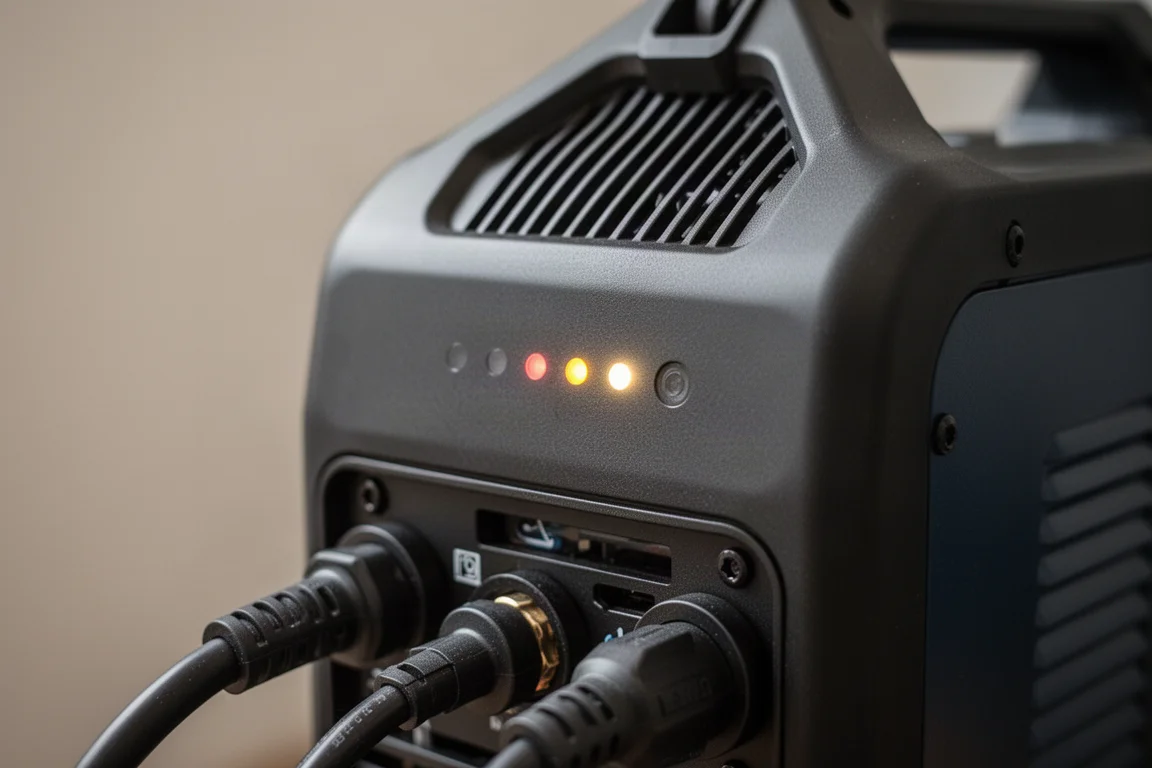
On four charged batteries, a paddock repair job is entirely realistic. For longer sessions, larger amp-hour batteries extend run time considerably. Worksite’s own 8Ah 18V batteries use 21700 cells rather than 18650 cells, which pump out energy more efficiently under heavy load and should run cooler than standard packs. Those batteries were listed at around $80 each, and they fit Makita tools, though they will not charge on Makita chargers. The Worksite high-speed charger costs about $35 and doubles as a backup for Makita batteries.
The tool itself is remarkably light, especially without the batteries attached, which makes it far easier to maneuver than a traditional stick welder.
Buying Advice
If your welding needs are occasional, mobile, and repair-focused, this is an easy tool to justify. It is genuinely portable, it strikes rods cleanly, and it copes with thick steel. Skip it if you want clean, easy MIG welds or production work, and be prepared to practice, because stick technique is on you, not the machine.
Conclusion
The Worksite cordless stick welder is a surprising bit of kit. It ran on four 18V batteries, welded 10mm steel, held up under a hammer test, and barely sipped the batteries doing it. For anyone who needs arc welding away from a power point, it is a practical and genuinely capable option.
Product link
View more details for Worksite Cordless Stick Welder
This product is mentioned in the review. Check the specifications, options, and compatibility before buying.
View more details for Worksite Cordless Stick WelderFurther reading
Related Reviews
Power Tools
Best 1-Inch Pistol Impact Wrenches: Three Heavy-Duty Options Compared
We compare three 1-inch pistol impact wrenches, from a budget-friendly Harbor Freight model to a premium Caterpillar unit, to help you choose the right one.
Power Tools
Best 3/4-Inch Impact Wrenches 2026: Five Contenders Compared
We compare five 3/4-inch impact wrenches across price and performance, from a budget Amazon option to Snap-on's most powerful model yet.
Power Tools
Best Budget Cordless Tools 2026: Walmart Finds That Punch Above Their Price
We tested five cordless tools from Walmart, including a high-torque impact wrench that trades blows with Milwaukee and a $35 duster that outperforms its price class.