EDC Knives
Worksharp RMX and RMX Compact: An Integral Button Lock That Changes the Value Equation
Worksharp's first knives pair a magnesium alloy integral handle, premium steels, and a swappable manual-to-automatic pivot at a price no integral button lock has touched before.
Introduction
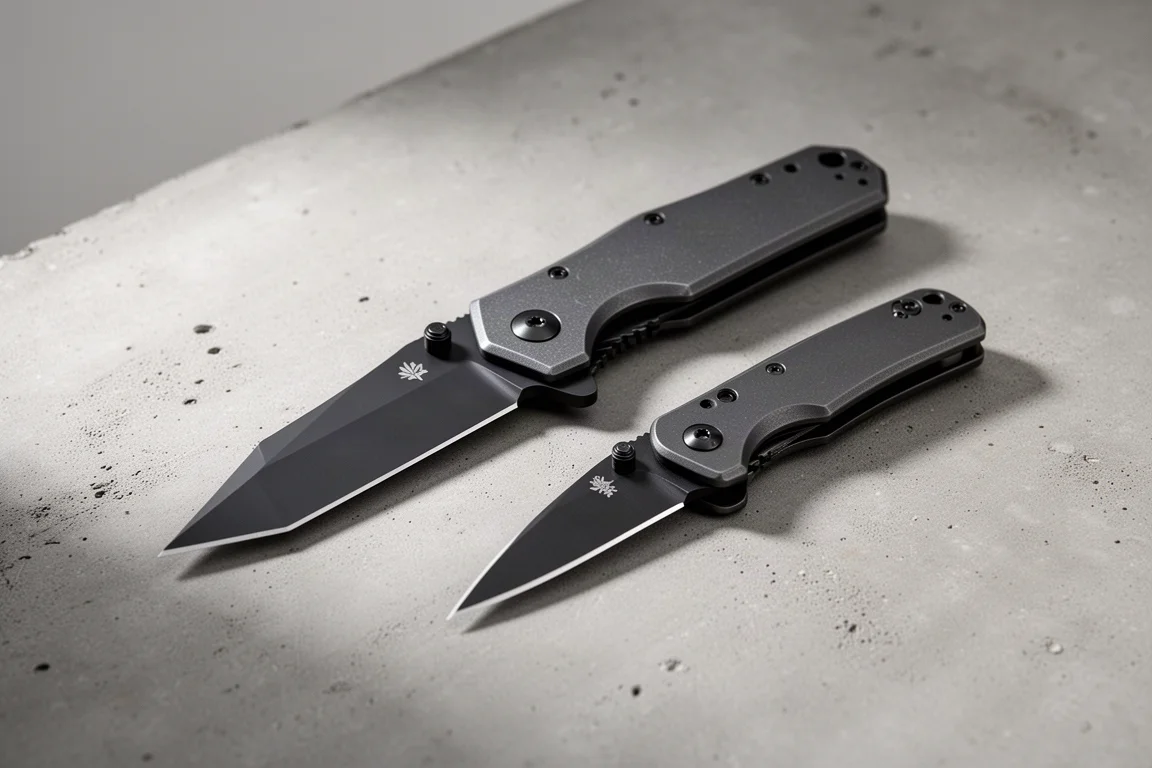
It is genuinely rare to see something new in the knife industry, especially from a brand nobody expected to make knives. Worksharp, a company that has built sharpeners for over 50 years, entered the folding knife market with the RMX and the RMX Compact. On paper these look like solid knives with a few interesting features. The real story is underneath: a pivot-based design, a magnesium alloy integral handle, globally sourced parts, and a price target that undercuts every other integral button lock on the market by a wide margin.
Why a Sharpening Company Started Making Knives
Worksharp describes itself as a customer-centric company that solves problems and delivers value and innovation. After five decades in sharpeners, knives became a logical next space. Crucially, the team says it was not a knife company, so it never felt bound by the usual knife industry rules, and that produced a completely different approach to delivering performance and value.
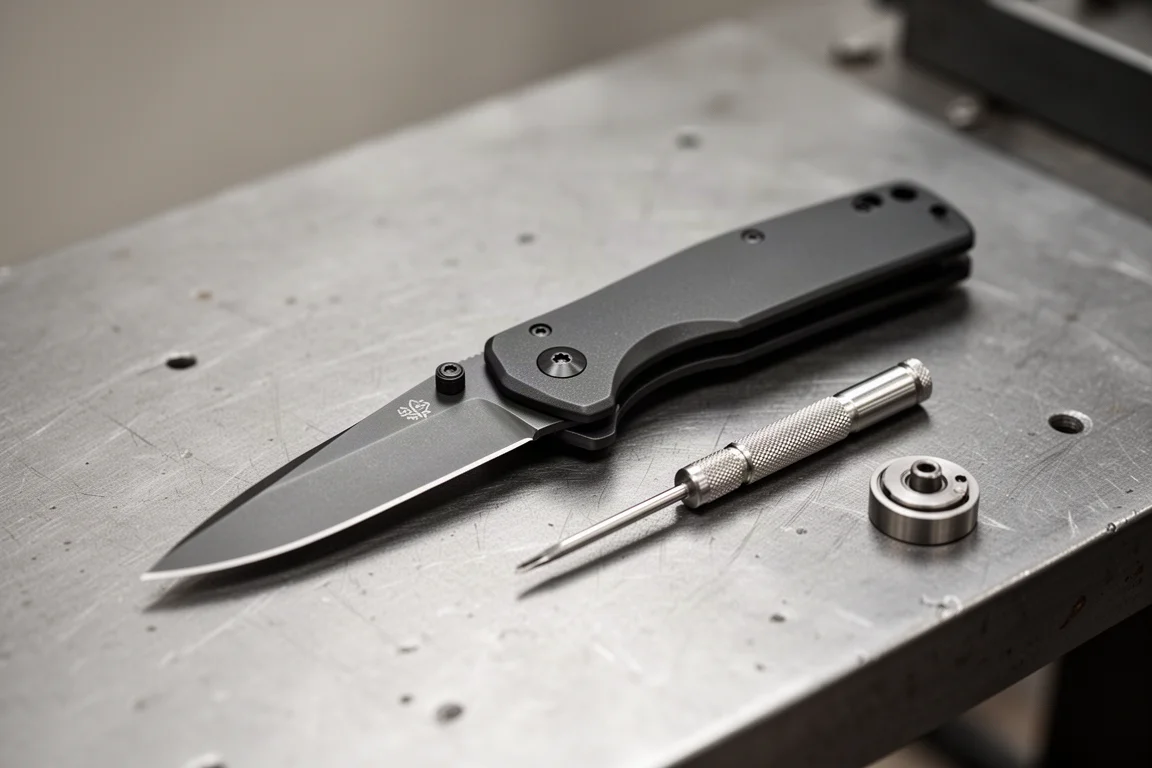
Instead of making everything in one country or outsourcing a whole knife to a single factory, Worksharp sources parts from suppliers worldwide: blades from Taiwan, secondary suppliers in Vietnam, hardware and parts in the US, and handles from several overseas suppliers. Every part arrives at its Ashland, Oregon facility, where each knife is bench built, quality checked, finished, sharpened, and serviced in-house. That global supply chain approach is how the brand claims it can offer an integral button lock, typically a $400 to $800 option, for under $200.
A Pivot That Doubles as the Bearing
The most technically interesting decision is that the knife centers everything on the pivot rather than aligning from the frame. On a traditional knife, the inside faces of the handle act as the bearing face. Here, the pivots themselves are the bearings: hardened, titanium-nitrided steel surfaces on which ceramic ball bearings run directly.
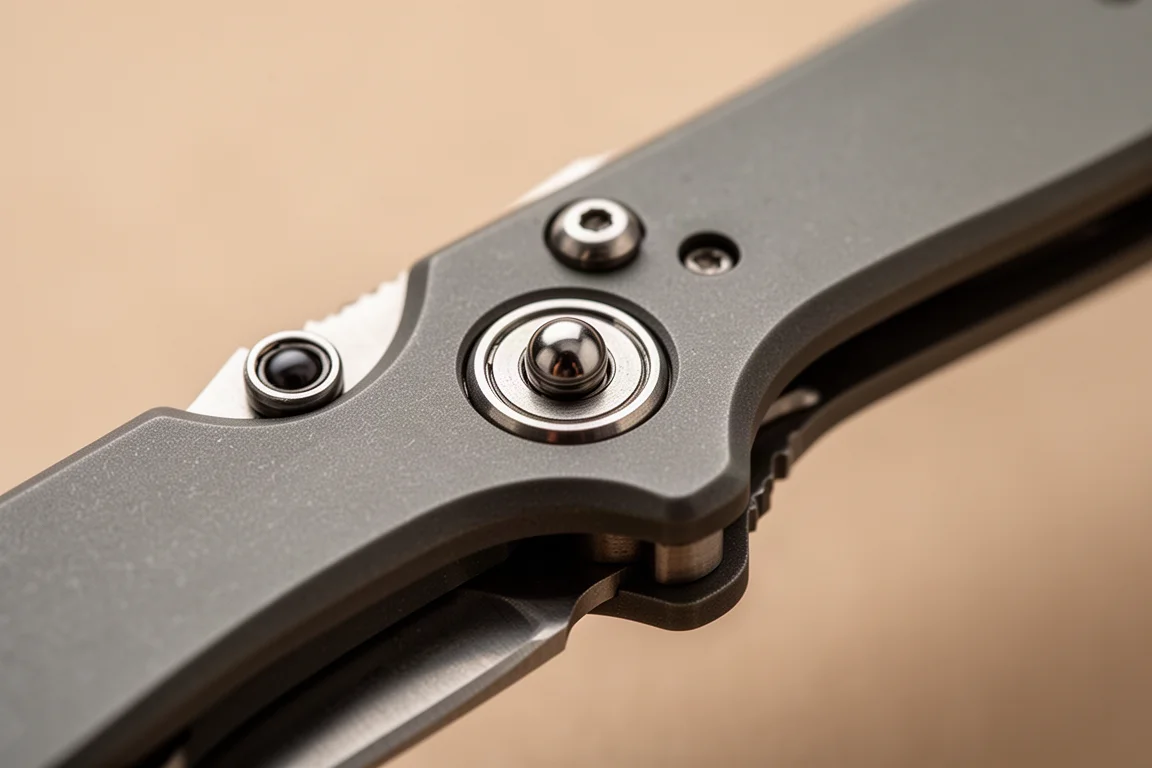
This makes the knife remarkably simple. It can be stripped down to its parts with a single screw, and every critical feature, including everything that positions, centers, and controls the blade angle, is machined from one side in one setup. The result is a smoother, better-performing knife that is still easy to service, with a large internal window so bearings can be seen and aligned during reassembly.
The Swappable Pivot: Manual to Automatic
Each RMX ships as a manual button lock with the ability to convert it to an automatic using an included swappable pivot cartridge. The process takes about a minute: remove the rear screw with the included tool, push out the front pivot, drop in a bearing, insert the automatic pivot with its torsion spring, align the tabs, and tighten the screw. The spring tension is adjustable using two notches, and the pivot screw lets you fine-tune the action.
Because the knife can house an automatic pivot, it must lock closed; otherwise an auto configuration would open on its own. That design choice means there is no thumb stud, which will be a dealbreaker for some. But the swappable pivot is novel, makes the knife far easier to ship legally, and costs nothing extra: if you want to try the auto action, swap the cartridge in, and swap back if you prefer manual.
RMX vs RMX Compact: Configurations at Launch
The full-size RMX comes in two blade configurations. The reverse tanto uses CPM 3V in a full flat grind that is very thin and slicy, yet strong. The drop point uses M390 in a high saber flat grind with slightly thicker stock. Both share the integral magnesium alloy handle with a button lock.
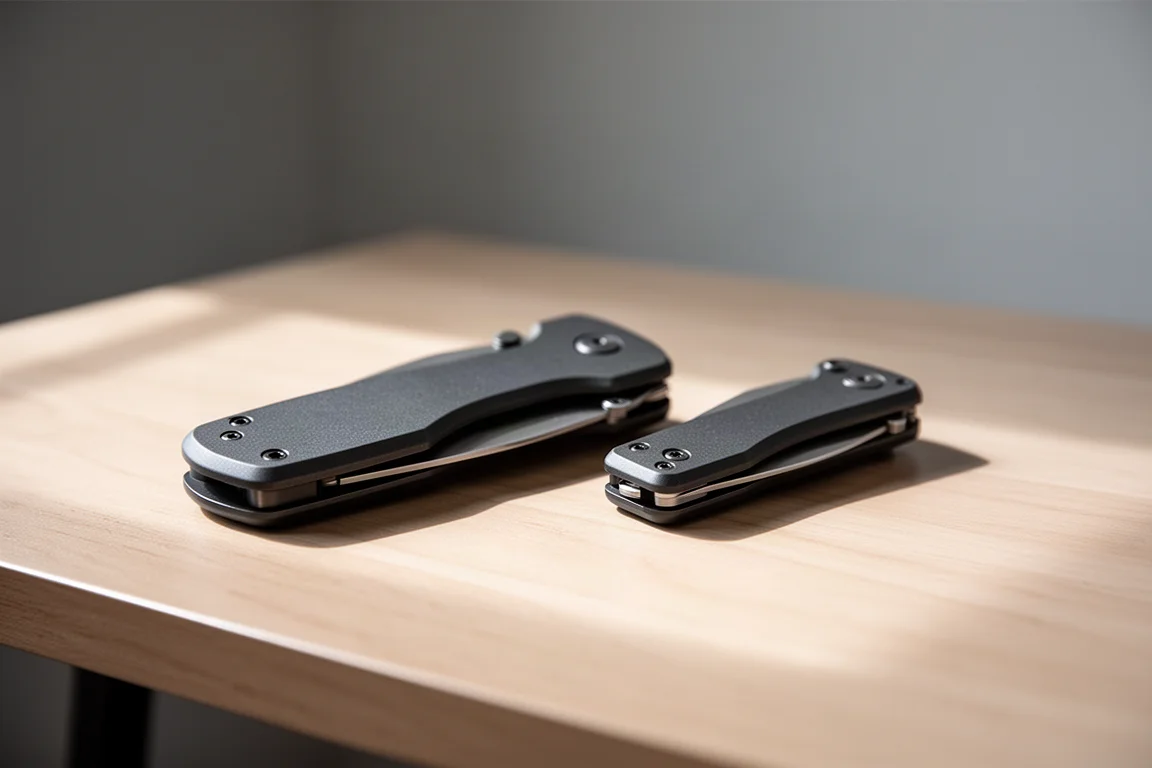
The RMX Compact arrives only as a drop point in M390, in standard and black handle colors, making six total configurations at launch. Our favorite beta configuration, the compact with the reverse tanto, is not in the first run. A compact reverse tanto is planned later, though it will use Nitro-V rather than 3V or M390.
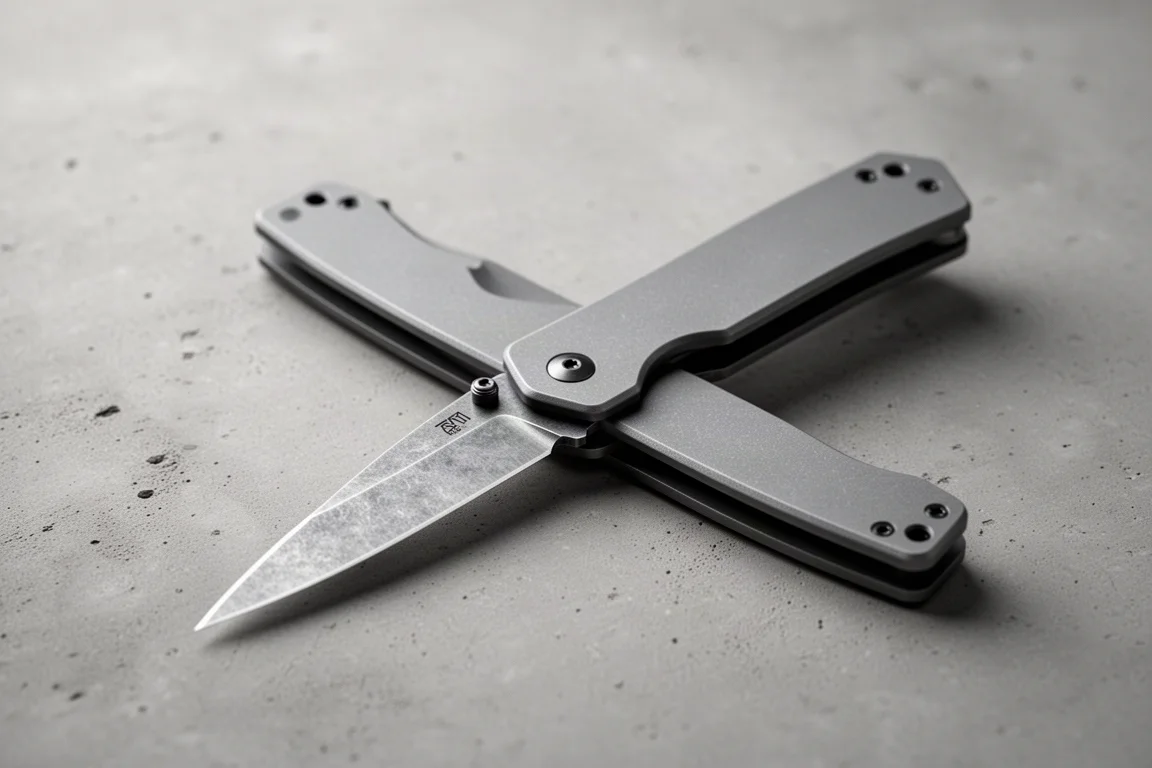
The compact is a genuinely small knife that still offers a full-hand grip thanks to the choil, and the thin, slicy blade makes it an excellent compact utility folder. If you prefer smaller EDC knives, the compact drop point is the easier recommendation; if you want the best all-around configuration at launch, the full-size reverse tanto in 3V is the standout.
How the Price Compares
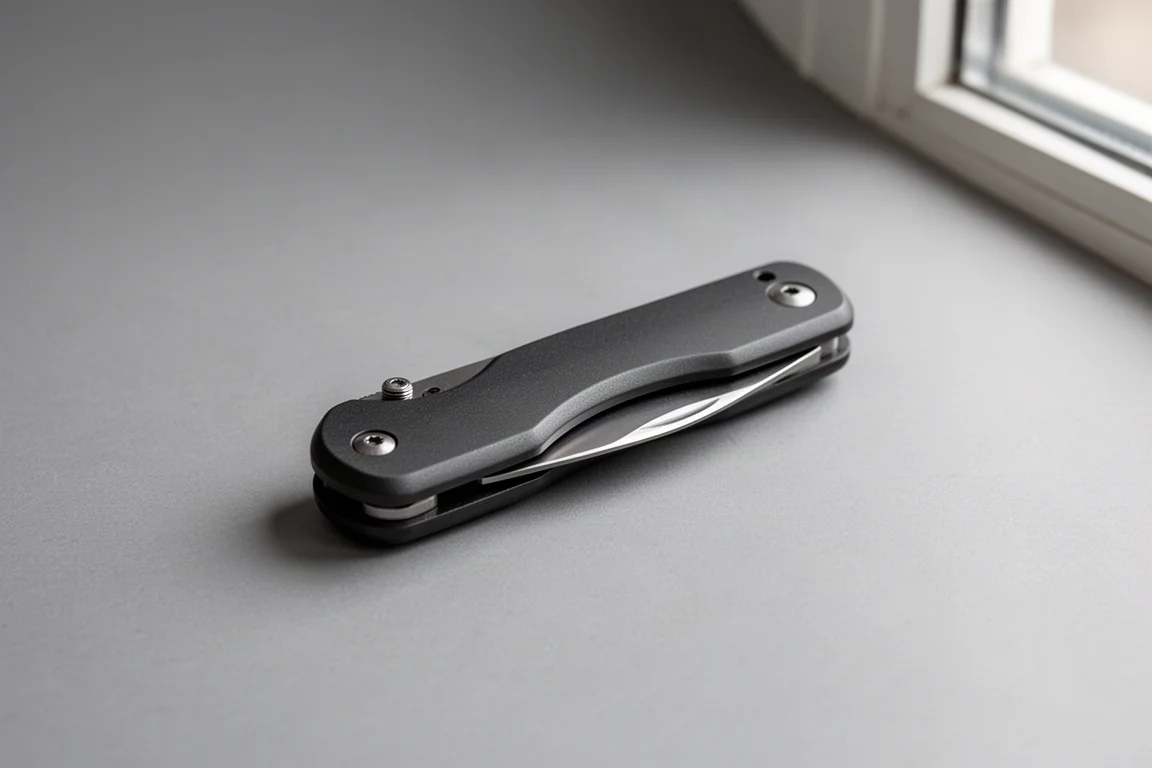
This is where the RMX family rewrites expectations. Other integral button locks made in America typically sit at a steep premium. One comparable aluminum-handled integral with a D2 blade starts just under $300, rising to around $330 with a 3V blade. Another starts at $750 and now runs $750 to $800 depending on configuration, while another comparable integral is estimated north of $1,000. Against that field, a sub-$200 magnesium integral button lock with premium steels is exceptionally affordable, and the magnesium handle makes it significantly lighter than titanium or aluminum equivalents.
Things to Consider Before Buying
Magnesium is the lightest, stiffest structural metal, stiffer than titanium for its weight, and the assembled knife feels almost weightless. Raw magnesium patinas attractively into a dark, titanium-like finish, but it is not very corrosion resistant. If the Cerakote coating wears through and salt water reaches the mechanism, the button can seize if not dried and oiled quickly. A team member has carried a raw magnesium handle for over three years without problems, so with basic care this is manageable, but it is the main long-term question mark.
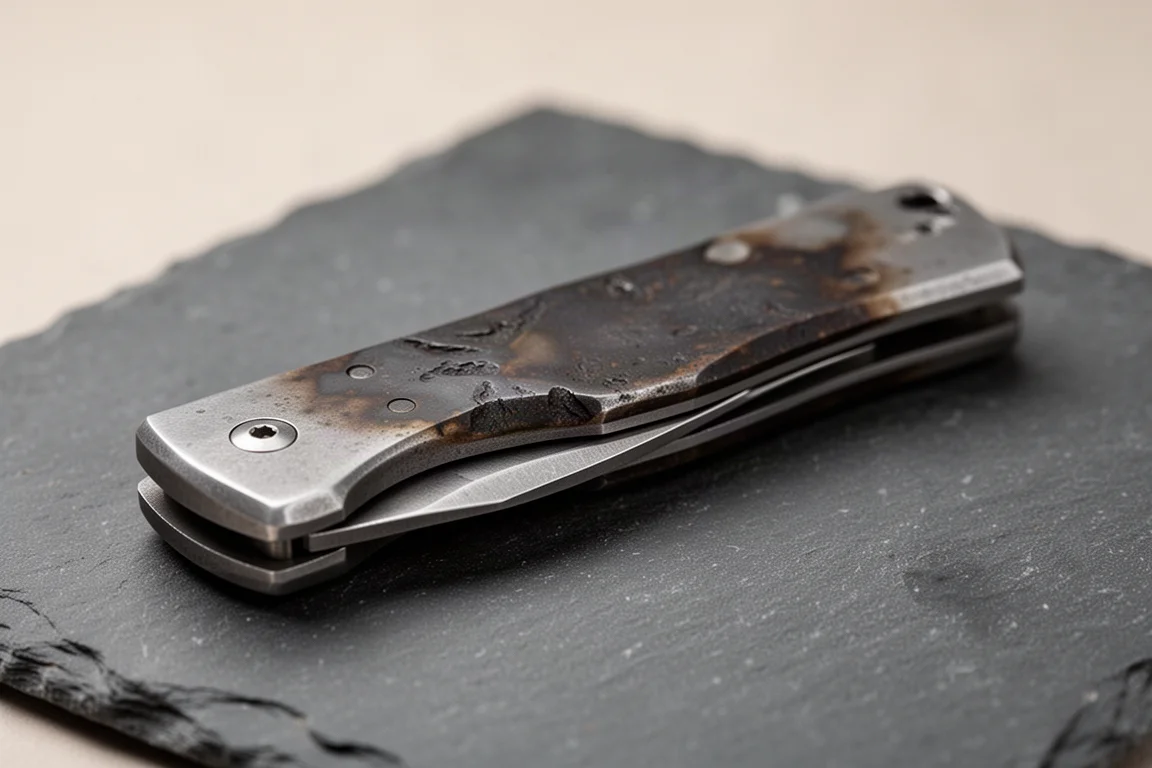
Other notes: the Cerakote can show wear from pocket carry, particularly against a wallet. The handle carries multiple branding spots, and the pivot is deliberately large to enable the swap, which some may find visually loud. And if you dislike button-only opening with no thumb stud, this design physically cannot offer one, so this may not be the knife for you.
Conclusion
The RMX and RMX Compact deliver something the knife market has not seen: an integral button lock with premium steels, a lightweight magnesium handle, a swappable manual-to-automatic pivot, and fully interchangeable parts, all at a price far below comparable knives. With basic care of the magnesium finish, this is an easy recommendation for EDC users who want a genuinely innovative folder without paying integral-button-lock prices.
Further reading
Related Reviews
EDC Knives
Spyderco Techno 3 Review: A Beautiful Design Held Back by Factory Issues
The Spyderco Techno 3 is a stunningly designed titanium frame lock knife, but weak detent and quality control issues from the Italian factory make it a hard recommendation.
EDC Knives
Blade Show 2023 Picks: Three EDC Knives That Stood Out
From QSP's button lock Swordfish to Demko's MagnaCut fixed blade, these are the knives that made the strongest impression this year.
EDC Knives
Daily Carry Company Mag Blade Review: A Beautiful Knife I Struggle to Recommend
The Mag Blade pairs polished M390 steel with grade 5 titanium and an innovative magnetic butterfly hinge, but daily practicality falls short of the $199 price.