Hand Tools
WorkPro 8-Inch Mini Bolt Cutter Review: A Cheap, Expendable Cutter for Small Jobs
This budget mini bolt cutter handles nails, screws, and light steel surprisingly well, but its tiny jaw opening limits what you can actually get into it.
Introduction
Bolt cutters are the kind of tool you either use carefully and rarely, or you grab when something needs cutting right now and you go at it with reckless abandon. That second kind of use is exactly why an expensive cutter can feel like a bad investment: bust the blades or chip an edge on something too hard, and your premium tool is ruined. That is the logic that makes an inexpensive mini cutter like the WorkPro 8-Inch Mini Bolt Cutter interesting, even before any cutting happens.
This is a small, spring-loaded cutter that sells for roughly $12 to $13, and it carries a “frequently returned item” notice on Amazon, which is not usually a great sign. It also has a slightly newer sibling that costs only a dollar or two more, with what appears to be an identical cutting front end and some handle redesigns. So is this thing actually usable, or does it deserve its return rate? Here is how it held up in a hands-on test with nails, screws, and spring steel.
First Impressions and Build
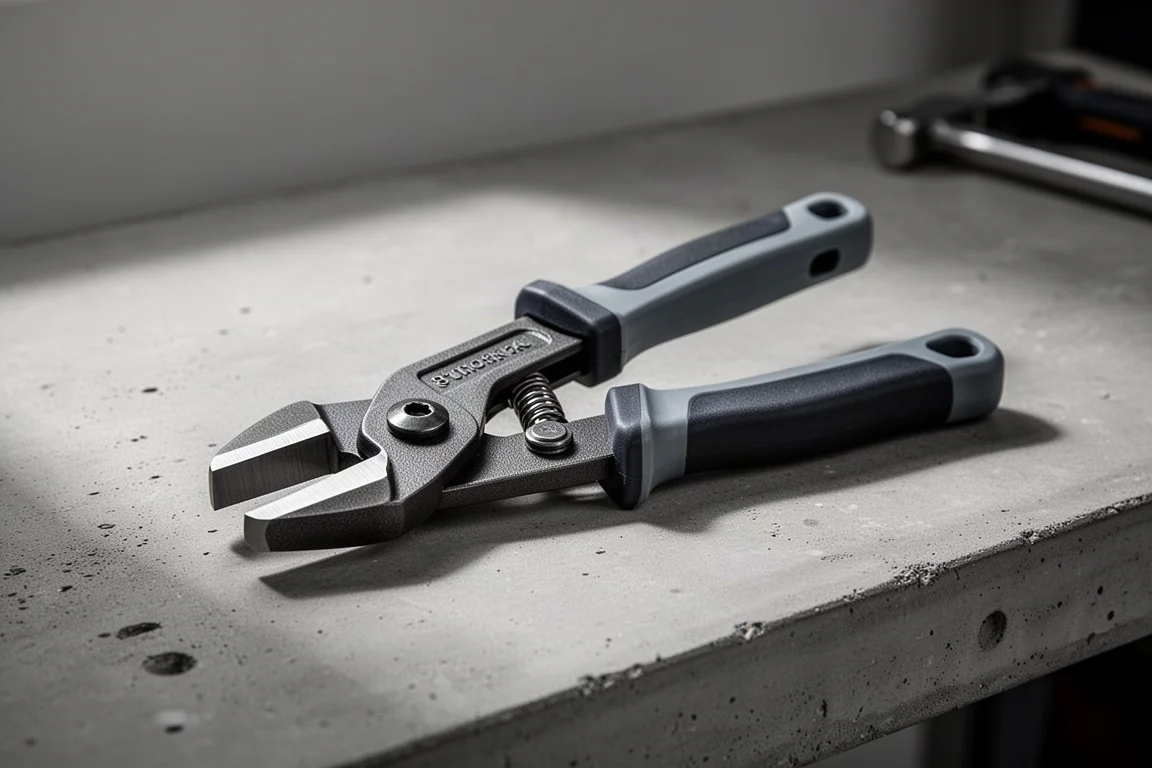
Out of the box, the WorkPro 8-Inch Mini Bolt Cutter has a plasticky, multi-component handle that feels more budget than premium. The spring-loaded handles snap closed by default, and a lock is included to hold them shut. In practice, though, that lock just hangs out and gets in the way more than it helps. There is also a limit screw near the handles if you want to adjust how far the jaws open, although the cutter arrived with it set wide open.
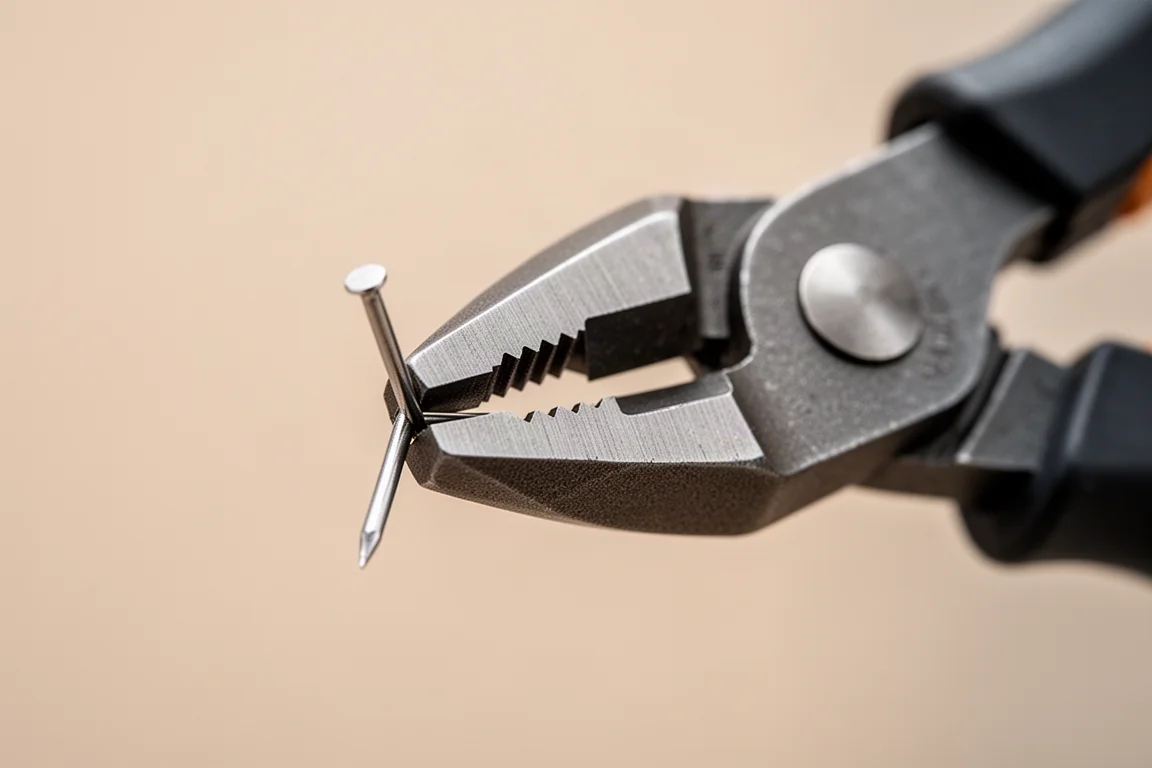
The jaw opening is strikingly small. There is a teeny gap right at the bottom of the jaws where only thin material will fit, and that design choice is almost certainly part of why some buyers return it: if you cannot get your workpiece into the jaws, you cannot cut anything. On the plus side, the blades are marked as chrome vanadium steel, the same alloy commonly used by respected tool makers for their cutters, which suggests the cutting hardware itself is not the weak link here.
How It Performed in Testing
With nothing but first-hand testing to go on, the workplan was simple: start small and work up until the tool fails. A tiny finishing nail was the first target, and it was a non-issue. The nail slides right down into that narrow gap at the bottom of the jaws and snips cleanly and easily.
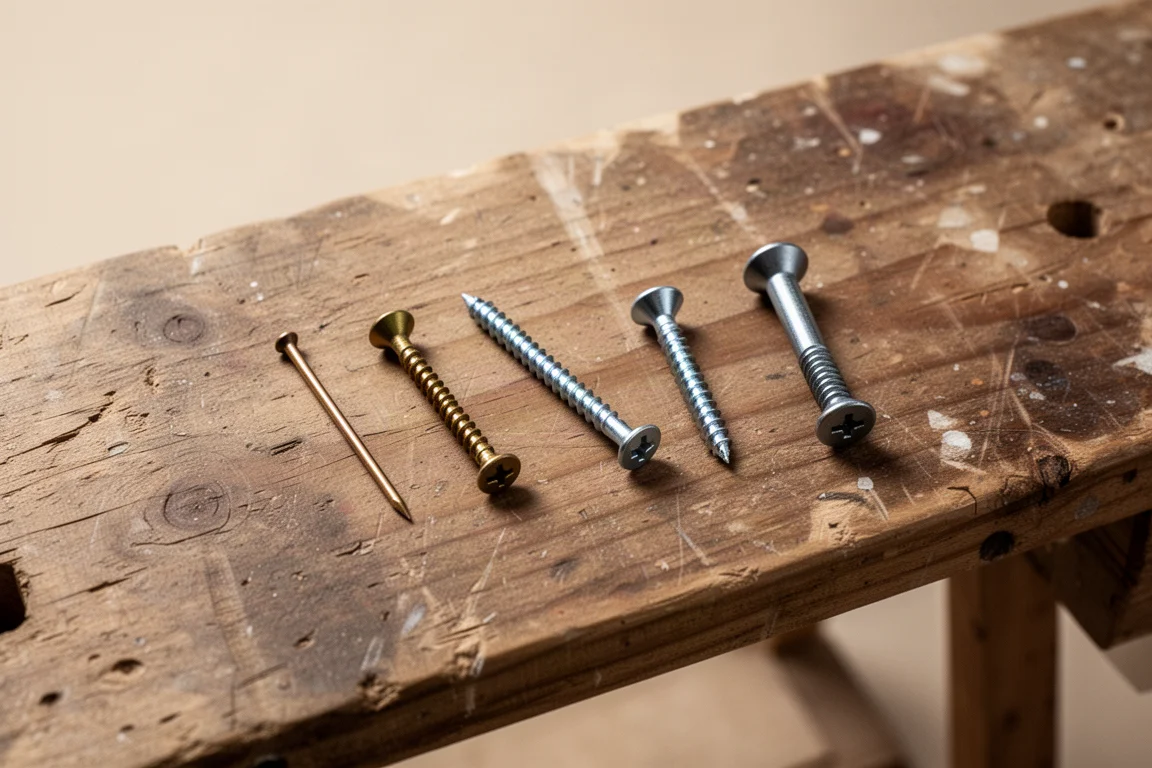
Next came a softer deck screw, which required two hands but went through without any visible blade damage. A harder screw followed, and it actually felt softer to cut than the deck screw, going through without issue right up near the tip of the blades. A heavier-duty steel screw also cut through, and the blades kept on working without chips or noticeable wear. A length of spring steel was the toughest test: the first squeeze did not cut all the way through near the end of the jaw, but a second attempt deeper into the blade got through it.
The big caveat in all of this is size. Anything with real diameter is hard to even get into the jaws. A fatter deck screw only fits near the very tip, and a larger bolt or threaded stock simply would not go in at all. When bigger material did get wedged in and cut, the result was not the cleanest shear, more of a squash cut. In short: this is barely a bolt cutter in the traditional sense, but it is a competent small-material cutter.
Things to Consider Before Buying
The “frequently returned item” label makes more sense after using it. The most likely reason is not blade quality but jaw geometry: the opening is so small that people expecting to cut bolts, padlock shackles, or thick rod find they cannot fit anything in. If your intended material does not fit near the bottom of the jaw or the very tip, this tool will frustrate you immediately.
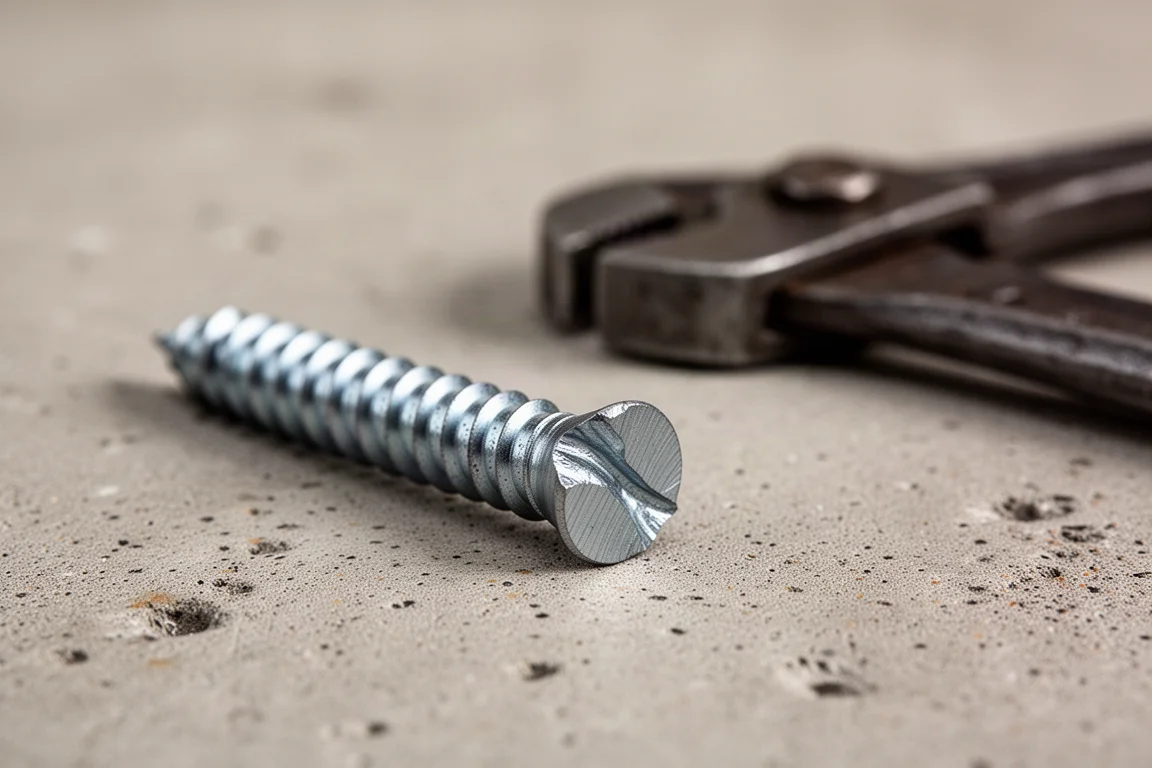
The markings also warn against using it on locks, and given the limited jaw opening and light construction, that warning is easy to believe. If your actual plan is to cut hard materials or anything substantial, this is the wrong tool regardless of price. But if your list of jobs is small nails, thin wire, light screws, and the occasional piece of spring steel, the results in testing suggest it is plenty good for the price, especially as a tool you will not feel guilty about abusing.
Buying Advice
If you need real bolt-cutting capability, a larger, sturdier set of full-size bolt cutters is the better buy. They cost only a few dollars more than a couple of these minis, they are considerably stronger, and they hold up to sustained heavy use with only minor edge wear after serious work. For anything that needs real force, spend the extra money and get the bigger tool.
If, however, you just need to snip tiny things, little wire, finishing nails, the occasional screw, or you want something genuinely expendable that you can throw at a nasty job without wincing, then the WorkPro 8-Inch Mini Bolt Cutter is a reasonable pick at its price. Keep the jaw-opening limitation front of mind, and it does what small cutting jobs ask of it.
Conclusion
The WorkPro 8-Inch Mini Bolt Cutter turned out better than its frequently-returned reputation suggests. It zipped through finishing nails, deck screws, harder screws, heavy steel screws, and even spring steel in a brief test, with no obvious blade damage. The trade-offs are a very small jaw opening, a plasticky handle, an awkward lock, and cuts that are functional rather than clean. As a cheap, semi-disposable cutter for small fasteners and wire, it seems fine for the price. For anything bigger or tougher, a proper full-size bolt cutter remains the smarter spend.
Product link
View more details for WorkPro 8-Inch Mini Bolt Cutter
This product is mentioned in the review. Check the specifications, options, and compatibility before buying.
View more details for WorkPro 8-Inch Mini Bolt CutterFurther reading
Related Reviews
Hand Tools
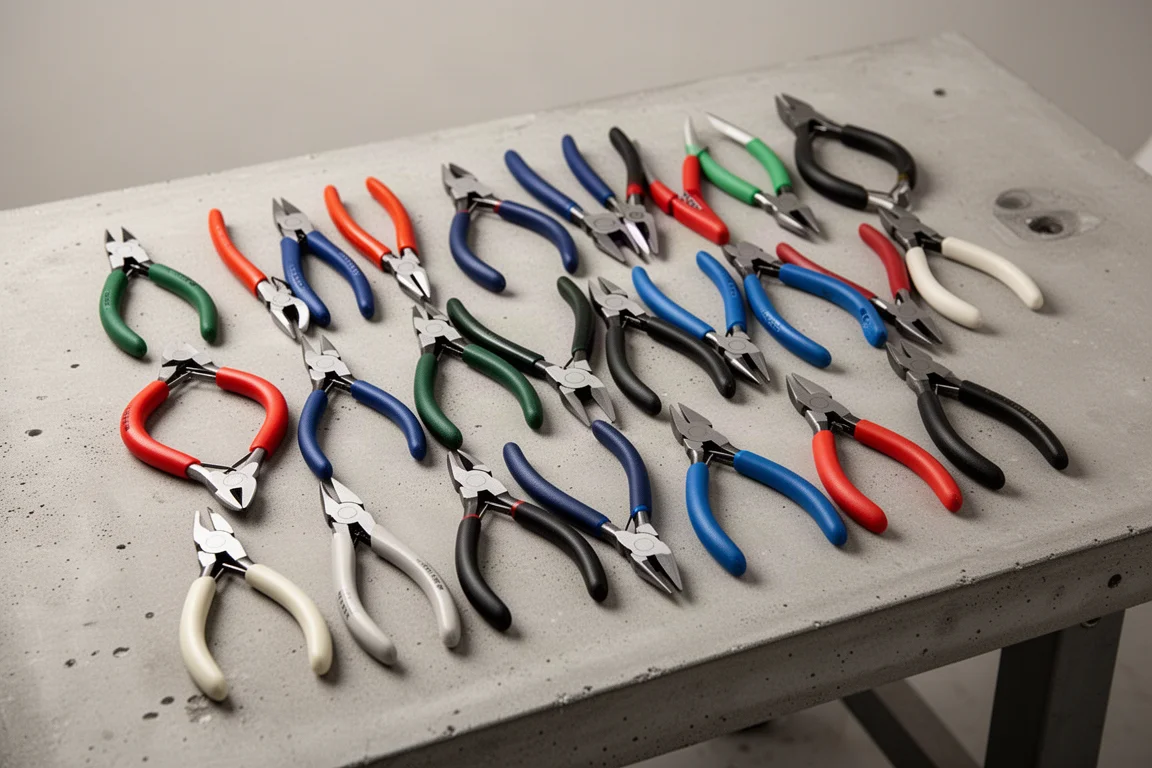
Best Diagonal Cutters 2026: 16 Pliers Tested for Cutting Power and Durability
We put 16 diagonal cutters through nail, screw, drill bit, and hex key tests to find the best value picks for your toolbox.
Hand Tools
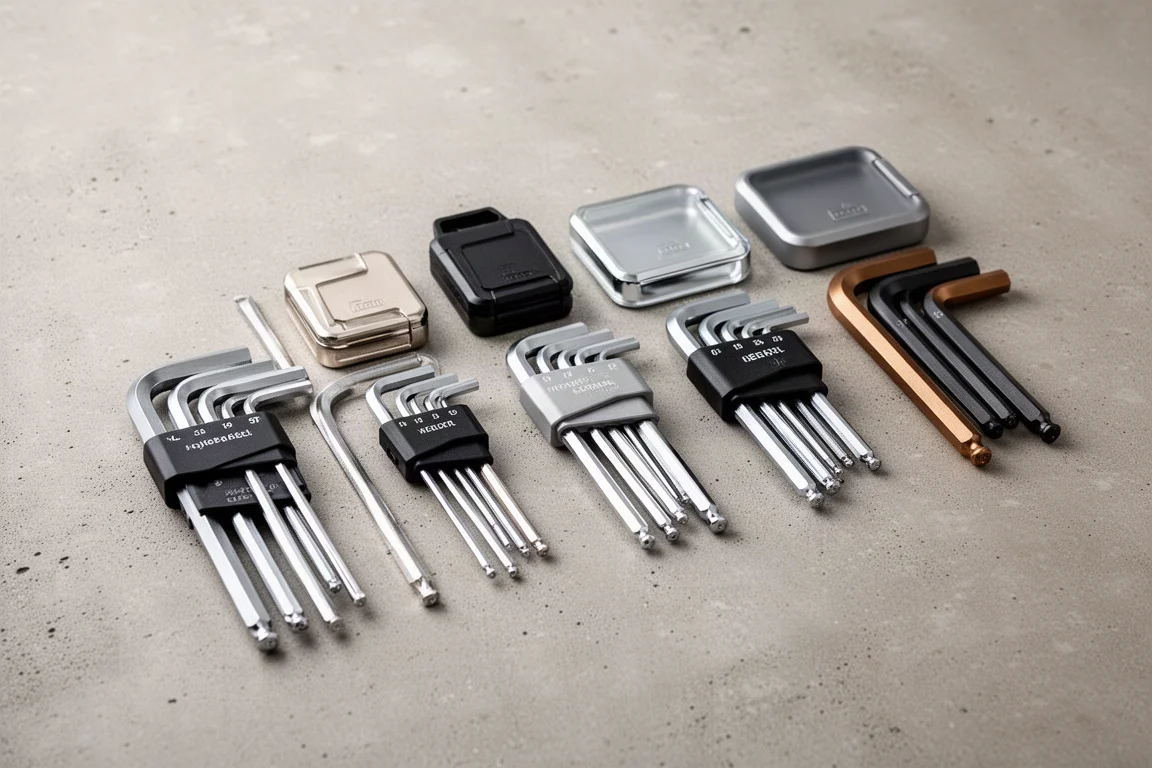
Best Hex L Key Sets 2026: Nine Sets Tested for Real-World Torque
Nine hex L key sets from budget to premium, tested for torque, fit, and durability. See which sets deliver real performance and which ones to skip.
Hand Tools
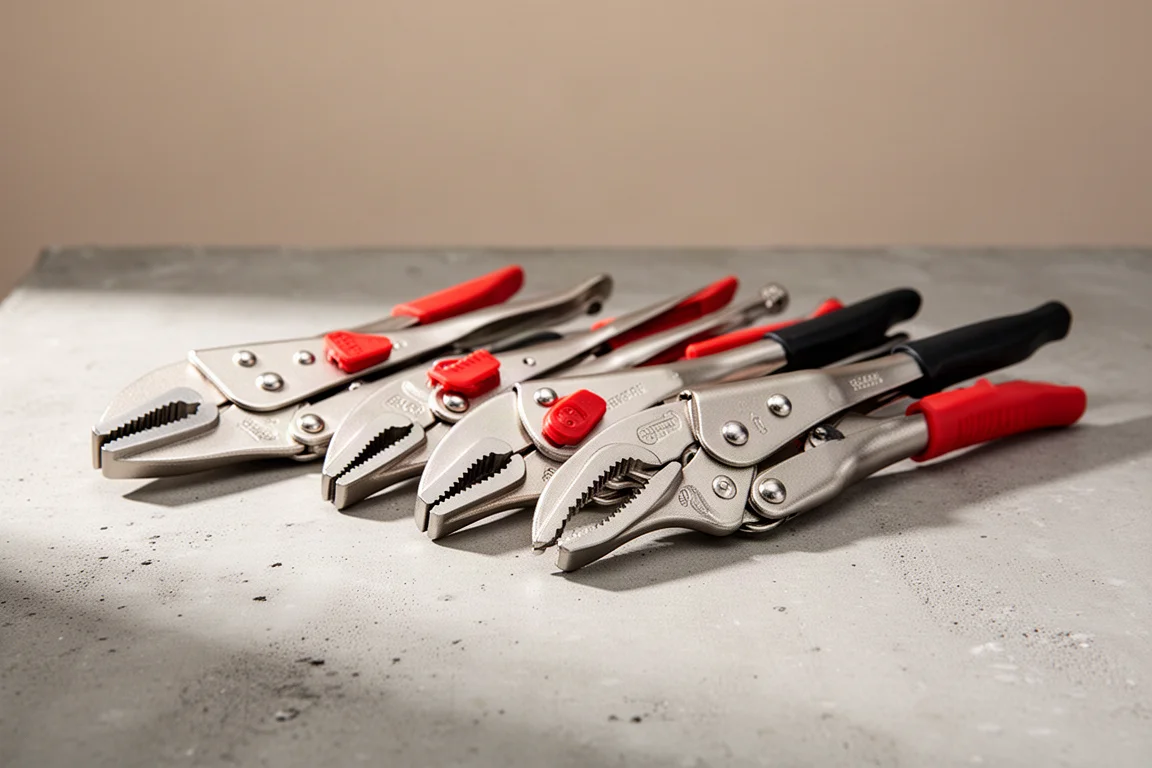
Best Locking Pliers 2026: Top Picks Tested for Grip and Durability
We tested 18 brands of 10-inch locking pliers for grip strength, jaw bite, build quality, and ease of release to find the best options for tough jobs.